






Blog
Nipple drinker system maintenance optimization focuses on hydraulic equilibrium control within 18–30 PSI operating range to ensure stable livestock hydration performance across distributed pipeline networks.
Precision valve mechanics rely on calibrated stainless steel assemblies with activation forces between 120–165 grams, supporting consistent flow response under repeated mechanical triggering cycles.
Sanitation control engineering applies periodic chemical flushing at 80–140 ppm concentration to suppress microbial proliferation and reduce internal biofilm adhesion within micro-channel structures.
Fluid distribution stability is governed by pressure deviation control below 2.5 percent across multi-line systems, improving uniform water delivery efficiency in large-scale agricultural environments.
Structural longevity assessment evaluates component durability above 150000 mechanical cycles, ensuring sustained performance under continuous operational stress and environmental exposure conditions.
Get professional poultry farm construction guidance, equipment selection solutions, and the latest price lists, whatsApp to +8618830120193, +2348111199996, or click to learn more.
Nipple Drinker System Overview And Engineering Structure
Nipple drinker systems operate through spring-loaded micro-valves controlling fluid release under mechanical trigger force.
Each unit integrates sealing rings, stainless pins, and precision housings designed for repeated livestock interaction cycles.
Data is for reference only.Swipe horizontally to view full table.
Mechanical integrity ensures uniform activation force distribution across multiple drinking lines.
Hydraulic response timing remains stable under controlled pressure conditions between 18 and 30 psi.
Nipple Drinker Maintenance Procedure Optimization
Proper maintenance requires structured flushing, inspection, and chemical balancing cycles.
The system prevents mineral scaling and bacterial adhesion through controlled sanitation intervals.
Data is for reference only.Swipe horizontally to view full table.
Hydraulic cleaning stability improves flow consistency across extended pipeline networks.
Routine cycles reduce clog formation probability in micro-valve chambers.
Biofilm Formation And Fluid Contamination Science
Biofilm formation occurs when microbial colonies attach to moist internal surfaces.
Mineral ions such as calcium and magnesium accelerate adhesion layer development.
Data is for reference only.Swipe horizontally to view full table.
Biofilm thickness increases hydraulic resistance inside nipple channels.
Flow efficiency decreases when microbial layers exceed 50 micrometer accumulation.
Flow Regulation And System Pressure Stability
Flow instability occurs when pressure deviation disrupts valve activation timing.
Uniform distribution ensures equal hydration rates across poultry populations.
Data is for reference only.Swipe horizontally to view full table.
Stable pressure ensures consistent nipple activation response time.
Hydraulic equilibrium reduces uneven drinking behavior in large-scale systems.
Material Performance And Structural Longevity
Material fatigue develops through repetitive mechanical stress cycles.
UV exposure and chemical cleaning accelerate polymer degradation rates.
Data is for reference only.Swipe horizontally to view full table.
Structural degradation affects sealing efficiency at micro-valve interfaces.
Material selection directly impacts long-term operational cost in US dollar terms.
Environmental Stress And System Adaptation
Environmental fluctuations influence hydraulic expansion and microbial activity rates.
Temperature variation alters viscosity and internal flow resistance behavior.
Data is for reference only.Swipe horizontally to view full table.
Thermal expansion influences connector alignment precision across pipeline systems.
Humidity variation accelerates microbial growth inside stagnant water zones.
Pressure Calibration And Distribution Accuracy
Pressure calibration ensures balanced hydraulic delivery across all drinking lines.
Uneven pressure causes inconsistent activation force across nipple units.
Data is for reference only.Swipe horizontally to view full table.
Hydraulic stabilization improves system-wide drinking uniformity.
Precision calibration reduces maintenance frequency across distribution networks.
Nipple Drinker System Failure Mechanism Science
Mechanical failure in nipple drinker systems originates from micro-wear at sealing interfaces caused by repeated activation cycles exceeding 100,000 operations.
Chemical corrosion from disinfectant residues gradually reduces spring elasticity, affecting response force stability within 120–165 g range.
Suspended particles above 2.0 ntu obstruct micro-flow channels, increasing hydraulic resistance and reducing discharge efficiency below design flow rates.
These combined mechanisms create progressive performance degradation instead of sudden breakdown events across pipeline networks.
Predictive maintenance scheduling at 3–7 day intervals significantly reduces failure probability in large-scale poultry hydration systems.
Frequently Asked Questions
Q1: What is the optimal operating pressure for nipple drinker systems?
A1: Optimal hydraulic performance is maintained between 18 and 30 psi ensuring stable valve activation without leakage or underflow conditions.
Q2: How often should chemical flushing be performed in livestock water lines?
A2: Standard maintenance requires flushing every 3 to 7 days depending on contamination load and microbial activity levels in water supply systems.
Q3: What causes uneven water flow in multi-line nipple drinker systems?
A3: Primary causes include pressure imbalance, micro-scale blockage, and internal scaling within valve assemblies affecting hydraulic distribution consistency.
Taiyu (HK) Group - One Of China Biggest Nipple Drinker Manufacturer
Nipple drinker system designed for high precision livestock hydration control with stable pressure regulation and durable stainless steel valve structure.
Global factory direct supply model ensures competitive pricing advantage across international poultry equipment procurement channels and large-scale farm projects.
Turn-key engineering solutions integrate water line design, installation, and commissioning for automated poultry housing systems.
Advanced manufacturing capability supports customized production of drinking systems, feeding lines, and complete farm infrastructure equipment.
Export-oriented supply chain provides consistent quality assurance, technical support, and scalable delivery for global agricultural operations.
Contact Us To Received Your Customized Poultry Farm Plan
Headquarters And Branchs
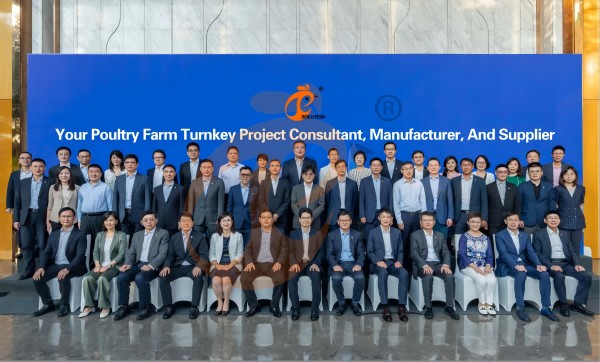
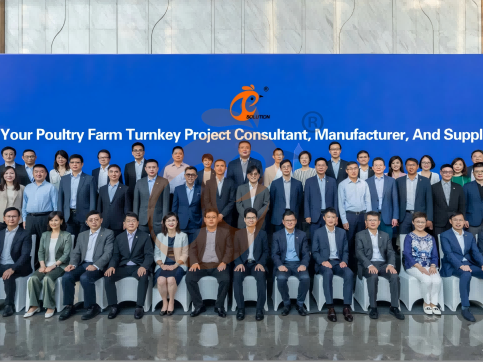
Hong Kong Headquarter Management Team
Hong Kong Headquarter Taiyu Industrial Group CO., LTD
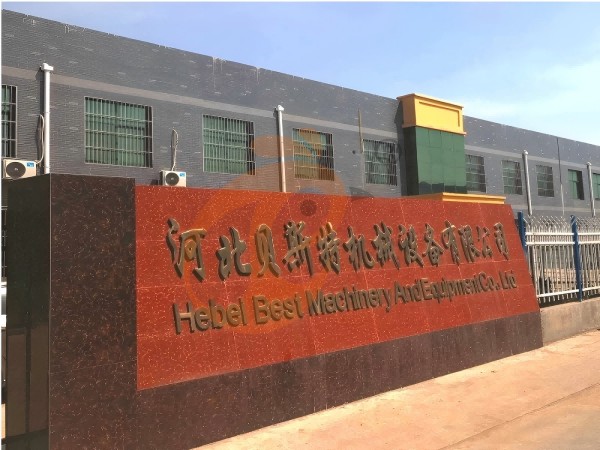
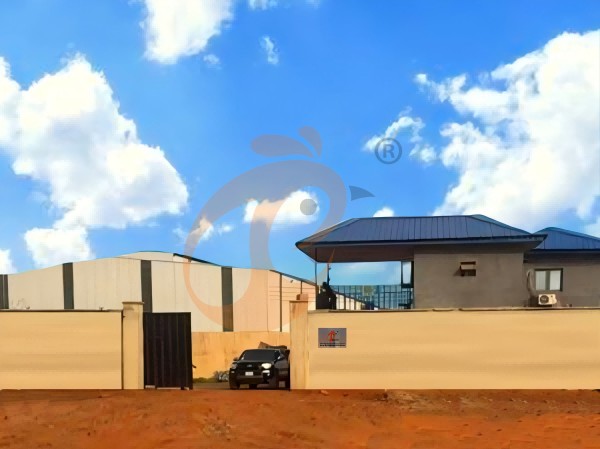
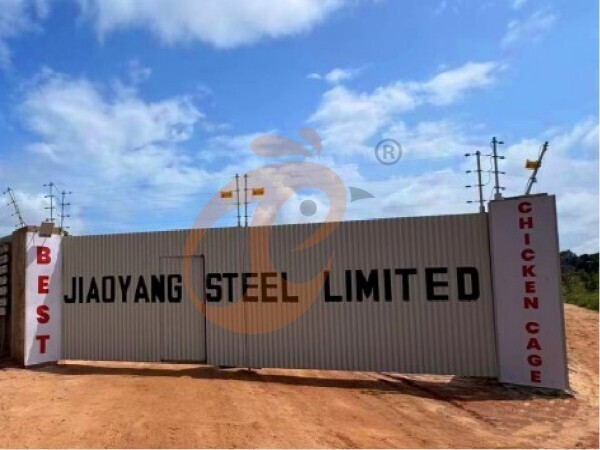
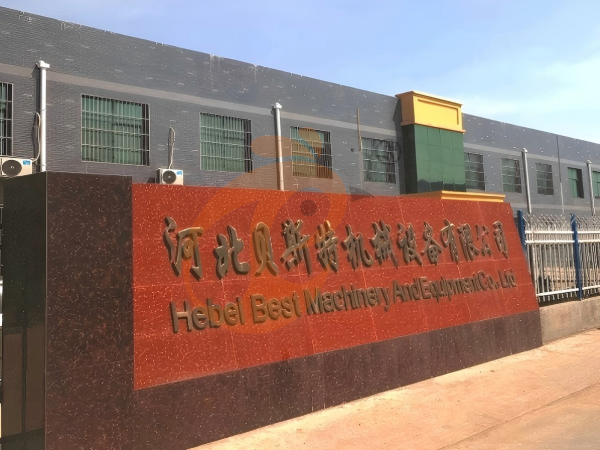
China Hebei Best Machinery And Equipment CO., LTD
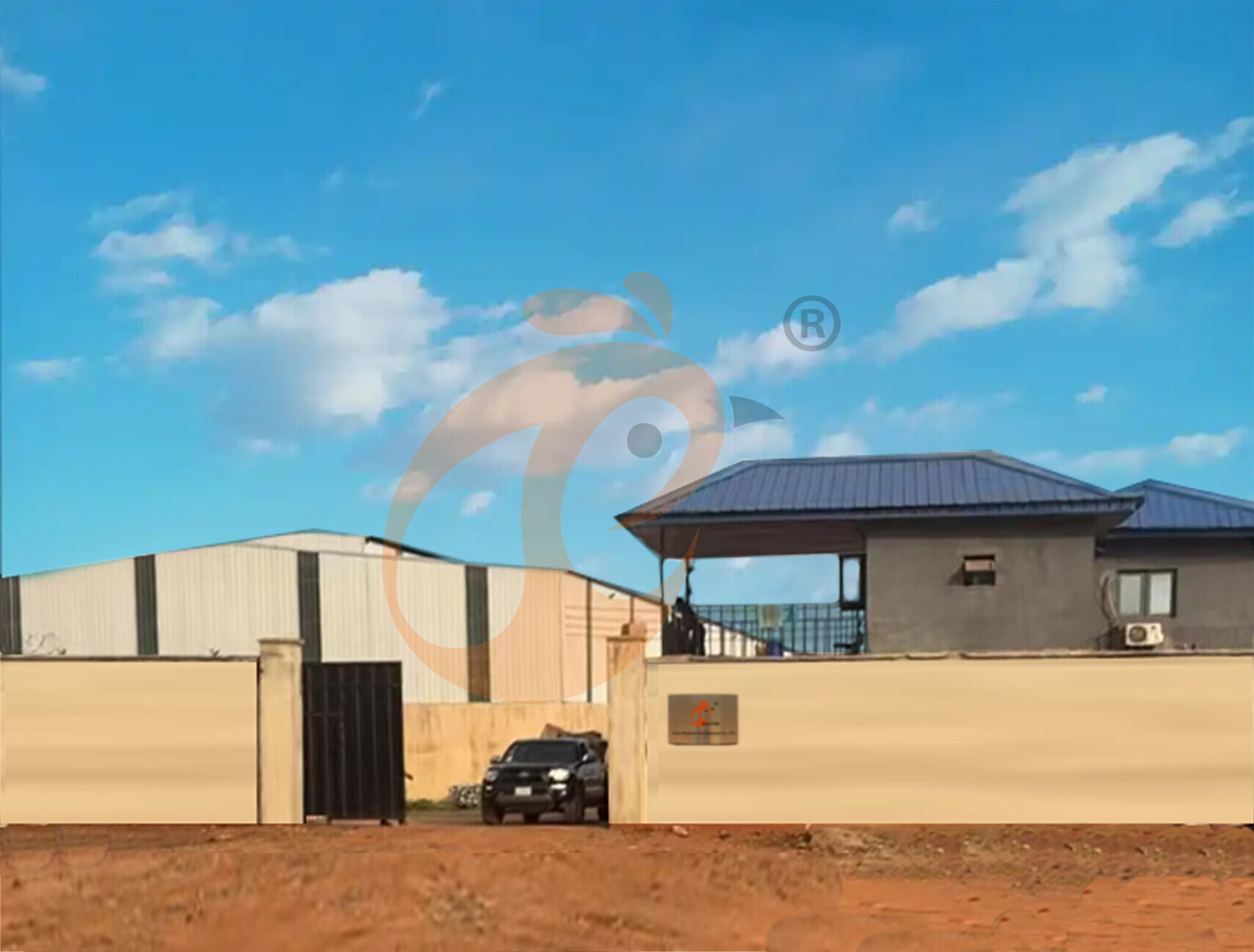
Nigeria Vanke Machinery And Equipment CO., LTD
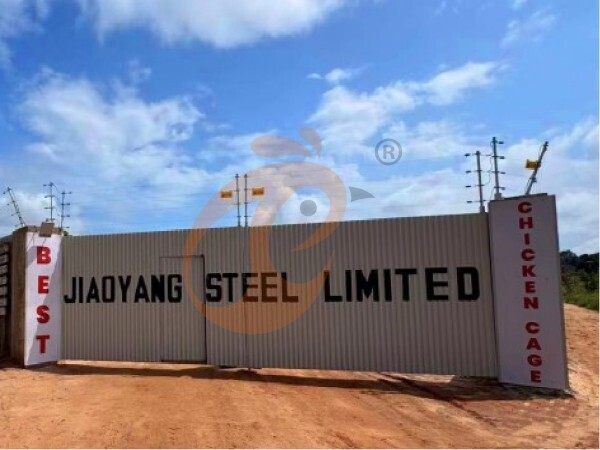
Tanzania Best Machinery And Equipment CO., LTD
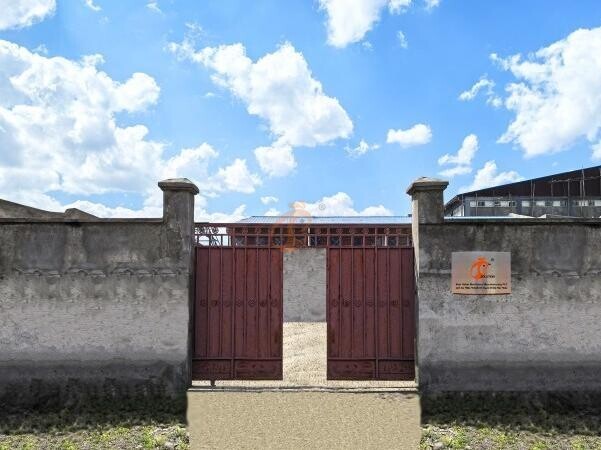
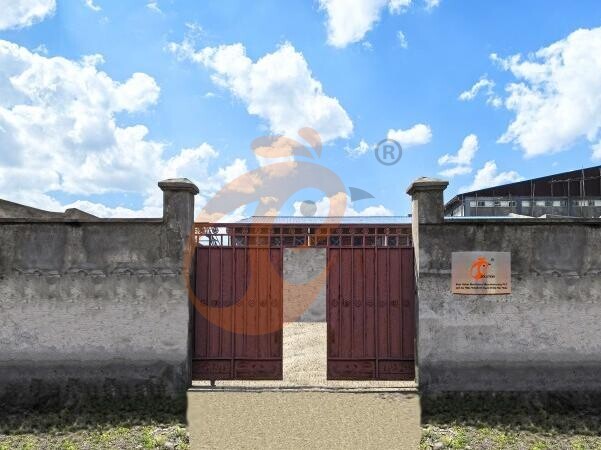
Ethiopia Best Hebei Machinery Manufacturing PLC
Reception /24 WhatsApp NO. : +8618830120193
FAQ
What Water Quality Requirements Are Necessary For Nipple Drinkers In Poultry Chicken Cage Systems?
Water hardness is maintained within 100–150 mg/L CaCO₃ equivalent for valve protection.
Microbial load is controlled under 100 CFU/mL for safe poultry consumption standards.
What Is The Recommended Stocking Ratio For Nipple Drinkers In Poultry Chicken Cage Systems?
Drinker spacing is typically set at 25–30 cm to reduce competition stress.
Water demand allocation is calculated at 180–220 ml per bird daily in intensive production.
How Is Water Flow Regulated In Nipple Drinkers For Poultry Chicken Cage Farming Systems?
Pressure stability is maintained within 0.18–0.22 MPa across drinking lines.
Drop formation interval is adjusted at 1–2 seconds per activation for efficient intake.
Message
Products recommended
 HK Headquarter Offers EU-standard Poultry Farm Solutions, Manufacture Poultry Farm Equipment1. Continuous communication with the EU and the US
2. China, Nigeria, Ethiopia, Tanzania branch companies and factories
3. The products’ quality is customized for local poultry farms
4. Poultry cage and poultry farm equipment stock for sale
5. 24 online reception Whatsapp NO. : +8618830120193,contact us to get full informationRead More China Branch Offer Poultry Farm Business Plan, Manufacture Poultry Farm Equipment1. Address: Flat/RM 2416, 24/F, Runxing Building, Youyi Nan Street, Shijiazhuang City, Hebei Province, China
2. Poultry cage and poultry farm equipment factory and stock for sale
3. Customized for local poultry farms
4. Quality and design are based on Euro
5. 24 online reception Whatsapp NO. : +8618830120193Read More Nigeria Branch Offer Poultry Farm Business Plan, Manufacture Poultry Farm Equipment1. Address: After Sinoma Office, 200 Meters Near Danco Filling Station, Lagos/Ibadan Expressway, Lagos State, Nigeria
2. Poultry cage and poultry farm equipment factory and stock for sale
3. Customized for Nigerian poultry farms
4. Quality and design are based on Euro
5. 24 online reception Whatsapp NO. : +8618830120193Read More Ethiopia Branch Offer Poultry Farm Business Plan, Manufacture Poultry Farm Equipment1. Address: Gelan Gura, Akaki-kaliti Sub City, Addis Ababa, Ethiopia
2. Poultry cage and poultry farm equipment stock for sale
3. Customized for Ethiopian poultry farms
4. Quality and design are based on Euro
5. 24 online reception Whatsapp NO. : +8618830120193, contact us to get price listRead More Tanzania Branch Offer Poultry Farm Business Plan, Manufacture Poultry Farm Equipment1. Address: No.8, Sova Road, Msufini, Mlandizi, Kibaha, Pwani, Tanzania
2. Poultry cage and poultry farm equipment factory and stock for sale
3. Customized for Tanzanian poultry farms
4. Quality and design are based on Euro
5. 24 online reception Whatsapp NO. : +8618830120193Read More Fully Automatic H Type Layer Chicken Cage1. 30,000-100,000+ layers/house chooses it, Poultry farmers can achieve an egg production rate of 96-98%
2. A significant improvement over the 85-90% typically seen in manual systems
3. A typical poultry farm can expect a 30-40% reduction in labor costs due to the automation
4. Each feeding line efficiently supplies feed to around 100,000 hens per 30 mins
5. Reception /WhatsApp NO. : +8618830120193Read More Fully Automatic A Type Layer Chicken Cage1. 10,000-50,000 layers/house chooses it
2. Cleaner egg collection reduces breakage by 0.5%
3. Improved hygiene helps reduce mortality rate to <3%
4. 1–2 technicians can handle 15,000–30,000 birds
5. Reception /WhatsApp NO. : +8618830120193Read More Semi Automatic H Type Layer Chicken Cage1. 1,00-20,000 layers/house chooses it
2. Nipple drinkers flow 30–60 ML / min
3. Hot-dip galvanized (typical coating ≥ 275 g/m²)
4. Reduce ammonia by ~ 35–40%
5. Reception /WhatsApp NO. : +8618830120193Read More Semi Automatic A Type Layer Chicken Cage1. 1,00-20,000 layers/house chooses it, no rust for 10 years, no deformation for 15 years
2. Chickens live comfortably, you can raise them with peace of mind
3. Save water, save money—efficiency you can measure
4. Improve environment quality, and increase egg production rate
5. Reception /WhatsApp NO. : +8618830120193Read More
By clicking 'Allow All', you agree to the storage of cookies on your device to enhance site navigation, analyze site usage and assist with our marketing efforts.