






Blog
Poultry cage price per set is determined through engineered structural mass, automated subsystem integration, and designed stocking density per modular unit.
Steel frame thickness, galvanized coating performance, and mechanical transmission stability define long term durability.
Commercial production environments calculate investment based on bird capacity per square meter and system lifecycle efficiency.
Modern cage pricing ranges from USD 180 to USD 6,950 per set depending on configuration architecture.
Each system reflects different levels of mechanical complexity and farm output intensity.
Get professional poultry farm construction guidance, equipment selection solutions, and the latest price lists, whatsApp to +8618830120193, +2348111199996, or click to learn more.
Poultry Cage System Structural Composition
Cage system design follows standardized mechanical engineering parameters to ensure stable flock housing performance and predictable production cycles.
A modular poultry cage set integrates feed delivery, drinking control, and structural load distribution into a unified framework.
Precision fabrication ensures uniform stress resistance across multi-tier layouts and reduces deformation risk during long-term operation.
Data is for reference only.Swipe horizontally to view full table.
Material engineering parameters directly influence corrosion resistance and mechanical lifespan in humid poultry environments.
Poultry Cage Price Per Set Cost Drivers
Cost structure is determined by quantifiable manufacturing inputs including steel volume, welding density, and mechanical automation components.
Production economics of poultry cage systems depend on standardized fabrication efficiency and energy consumption per assembly unit.
Higher welding density improves structural integrity but increases manufacturing labor intensity.
Data is for reference only.Swipe horizontally to view full table.
Engineering precision in assembly process determines long term maintenance frequency and operational stability of poultry housing systems.
A Type Layer Cage System
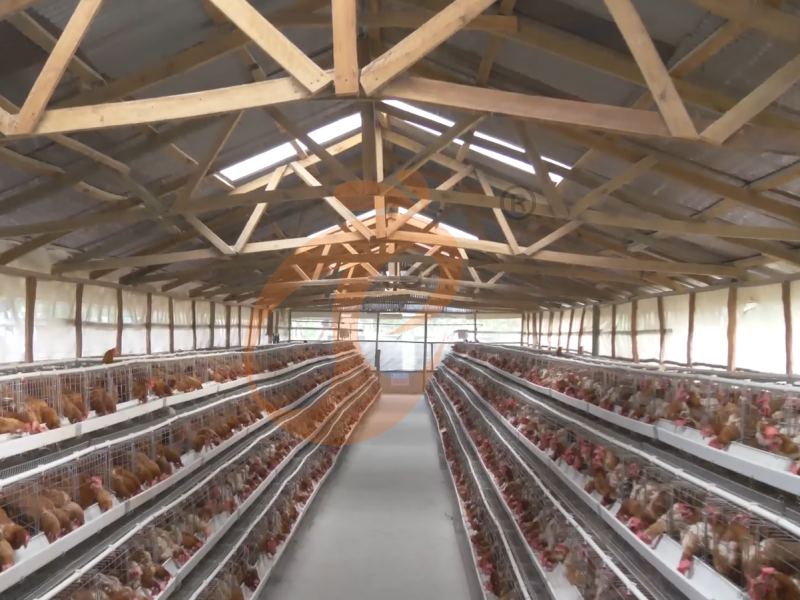
A Type cage architecture uses inclined frame geometry to reduce steel usage while maintaining stable vertical stacking capability.
Structural layout supports compact farm design with manual feeding configuration.
Farm-scale application of A type systems focuses on limited land utilization scenarios where controlled flock size and simplified mechanical systems are prioritized.
Load distribution design ensures stable balance across three-tier vertical arrangement.
Data is for reference only.Swipe horizontally to view full table.
Low structural complexity enables predictable maintenance cycles and simplified replacement of mechanical components.
A Type Price Structure
Cost composition reflects basic structural fabrication, manual feed control system, and standardized drinking line integration.
Price distribution is strongly influenced by steel processing cost and assembly labor efficiency at factory level.
Minimal automation integration reduces electronic component dependency.
Data is for reference only.Swipe horizontally to view full table.
Investment structure reflects entry-level poultry production system design suitable for small operational scale farms.
H Type Layer Cage System
H type cage configuration uses vertical rectangular steel architecture to increase housing density per ground unit.
Multi-tier stacking improves production capacity without expanding land footprint.
Mechanical layout integrates feed pipeline and manure belt system for continuous waste removal and controlled feeding distribution.
Structural reinforcement improves load-bearing stability under large flock density.
Data is for reference only.Swipe horizontally to view full table.
Vertical design improves spatial efficiency and stabilizes production uniformity across extended farming cycles.
H Type Price Structure
Cost structure includes reinforced steel frame fabrication, automated feed delivery line, and mechanical manure transport belt integration.
System pricing reflects increased mechanical complexity and higher material density compared to basic configurations.
Automation components improve feeding accuracy and reduce manual labor dependency.
Data is for reference only.Swipe horizontally to view full table.
Medium-scale production systems balance operational efficiency with controlled investment structure.
Battery Cage System
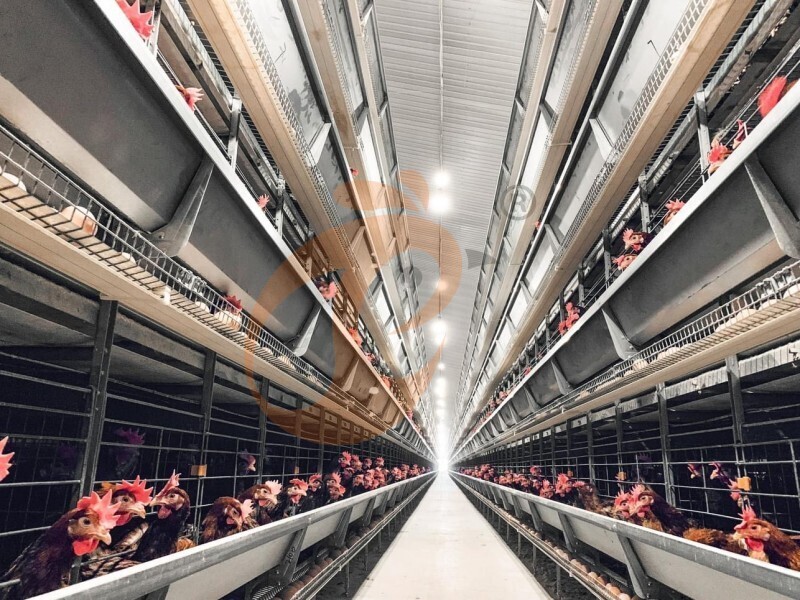
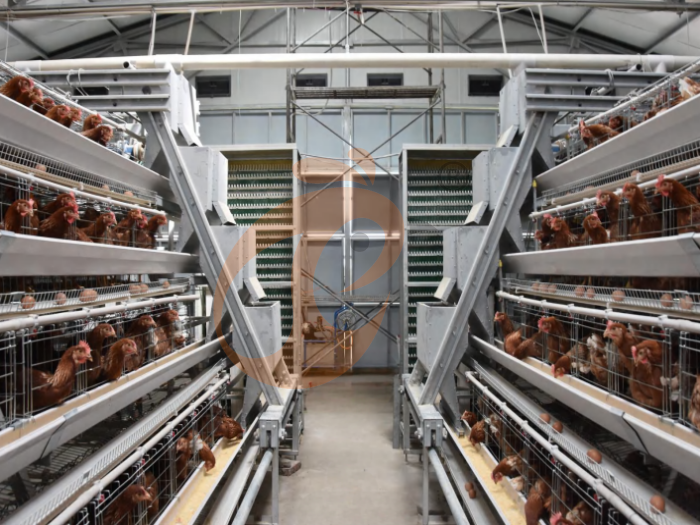
Battery cage design applies parallel row installation for maximum density utilization in industrial poultry housing facilities.
Structural arrangement supports extended cage rows and centralized feed distribution network.
Engineering layout increases production output per square meter through compact tier stacking and synchronized egg collection channels.
System design reduces unused spatial gaps in farming environment.
Data is for reference only.Swipe horizontally to view full table.
High-density configuration is engineered for large-scale egg production efficiency and industrial operational stability.
Battery Cage Price Structure
Cost structure includes heavy-duty steel fabrication, automated feed distribution pipelines, water supply stabilization system, and egg collection conveyor integration.
Capital allocation increases due to mechanical system synchronization requirements and reinforced structural support design.
System efficiency is linked with automation consistency.
Data is for reference only.Swipe horizontally to view full table.
Industrial poultry farms adopt this configuration for high output density per controlled housing unit.
Fully Automatic Smart Cage System
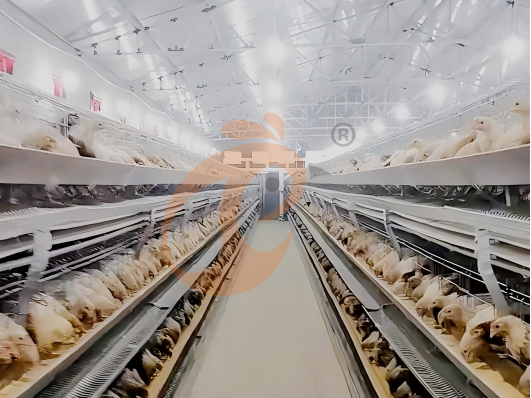
Smart cage architecture integrates digital monitoring, environmental control modules, and automated mechanical systems into a unified poultry production platform.
Sensor networks regulate ventilation and temperature stability in real time.
System design supports synchronized feeding cycles, automated egg collection, and centralized environmental regulation.
Multi-tier structure enables large flock management with minimal manual intervention.
Data is for reference only.Swipe horizontally to view full table.
Advanced automation architecture improves production consistency under controlled environmental parameters.
Smart Cage Price Structure
Cost composition includes intelligent control cabinet system, automated egg collection machinery, climate ventilation infrastructure, and reinforced steel housing structure.
Pricing reflects integration of electronic monitoring systems and precision mechanical coordination units.
System supports real-time environmental adjustment and production tracking.
Data is for reference only.Swipe horizontally to view full table.
High automation level supports large-scale commercial poultry farming with optimized labor allocation.
Poultry Production Efficiency Science
Biological performance parameters define cage system engineering standards for stable laying output across commercial poultry housing environments.
Egg production stability is strongly linked with metabolic energy balance, requiring controlled feed formulation in the range of 112–126 g/day per hen, adjusted according to laying cycle intensity.
Water intake regulation maintains physiological equilibrium, with daily consumption stabilized at 215–335 ml per hen, directly affecting shell formation consistency and nutrient absorption efficiency.
Internal thermal management between production zones is maintained at 19.5°C–23.8°C, reducing heat stress response variability during peak laying periods.
Hen physiological adaptation within confined systems influences long-term productivity curves, where optimized microclimate control reduces stress-induced production fluctuation by measurable performance deviation of 3%–6% across cycles.
Environmental stabilization ensures continuous metabolic efficiency and supports consistent ovulation rhythm across multi-week production phases.
Poultry Cage Cost And Capacity Comparison
Operational comparison of cage systems reflects differences in material consumption, spatial utilization, and production density efficiency.
Engineering evaluation of cage systems requires cross-analysis of structural steel weight, housing footprint, and flock capacity per unit installation.
Data is for reference only.Swipe horizontally to view full table.
Cost efficiency is evaluated through output density per square meter and long-term operational sustainability.
Poultry Farm Expansion Strategy Model
Farm expansion follows structured capacity escalation model based on flock enlargement cycles and modular cage system integration, ensuring controlled production scaling without destabilizing operational efficiency.
Expansion planning typically progresses through incremental housing upgrades aligned with feed line extension and water network redesign.
Feed logistics pressure increases from 18–22 kg/hour baseline distribution load in early-stage farms to 45–60 kg/hour continuous supply demand in industrial expansion units, requiring upgraded pipeline diameter and motor synchronization.
Waste handling capacity must scale from 0.8–1.2 kg manure/bird/day to maintain hygiene stability under higher stocking density conditions.
Environmental control systems require recalibration of airflow exchange rates from 3,200–4,800 m³/h per house unit to support stable ammonia concentration below 15 ppm, ensuring long-term flock health and production consistency across enlarged farming structures.
FrequentlyAsked Questions
Q1: What determines poultry cage price per set most accurately?
A1: Steel consumption per unit, automation integration level, and designed bird capacity per system define final pricing structure.
Q2: Which cage system provides highest production efficiency per square meter?
A2: Smart cage system delivers highest density output due to environmental control and automated feeding synchronization.
Q3: How many hens can one complete cage set support?
A3: Capacity ranges from 96 hens in A type system up to 1,200 hens in fully automatic smart configuration.
Taiyu (HK) Group - One Of China Biggest Poultry Cage System Manufacturer
Poultry cage per set system delivers industrial-grade galvanized steel construction for commercial egg production housing solutions.
Global factory direct supply network supports standardized poultry equipment manufacturing and turnkey farm installation projects.
Poultry cage portfolio includes A type, H type, battery cage, and fully automatic smart poultry farming systems.
Turn key engineering service covers poultry house design, equipment installation, and production system commissioning worldwide.
Industrial poultry cage exporter network supports large-scale commercial poultry farming infrastructure development projects.
Contact Us To Received Your Customized Poultry Farm Plan
Headquarters And Branchs

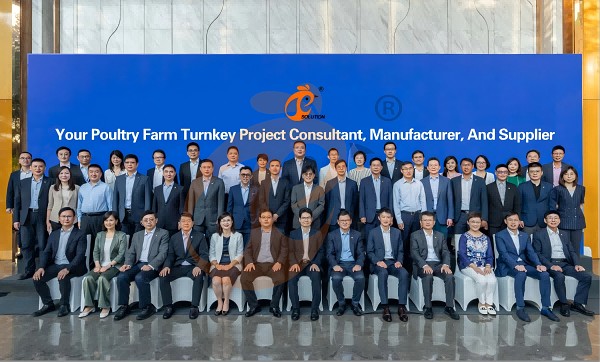
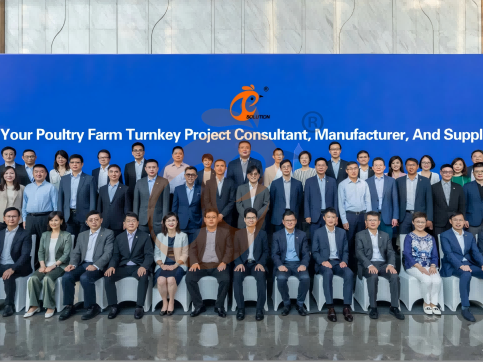
Hong Kong Headquarter Management Team
Hong Kong Headquarter Taiyu Industrial Group CO., LTD
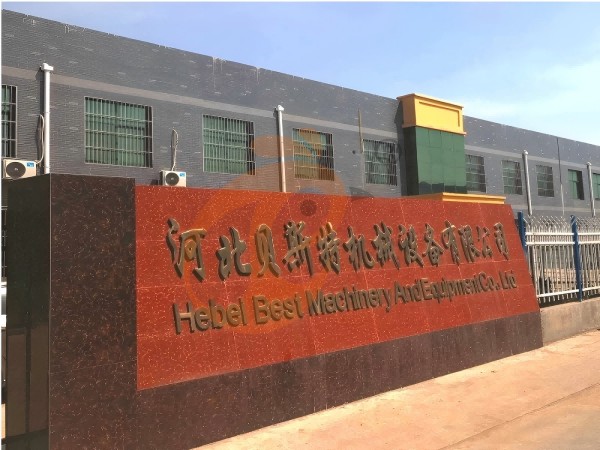
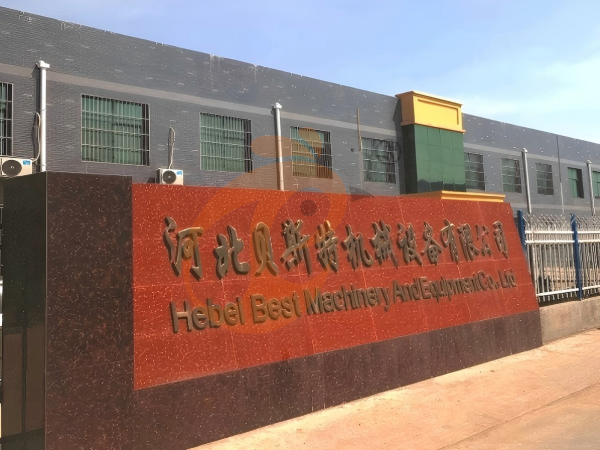
China Hebei Best Machinery And Equipment CO., LTD
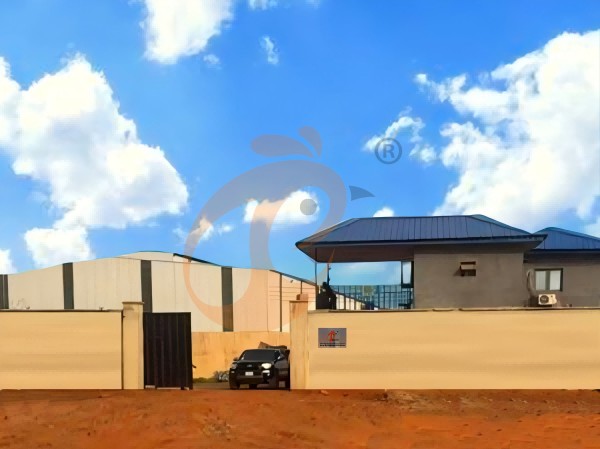
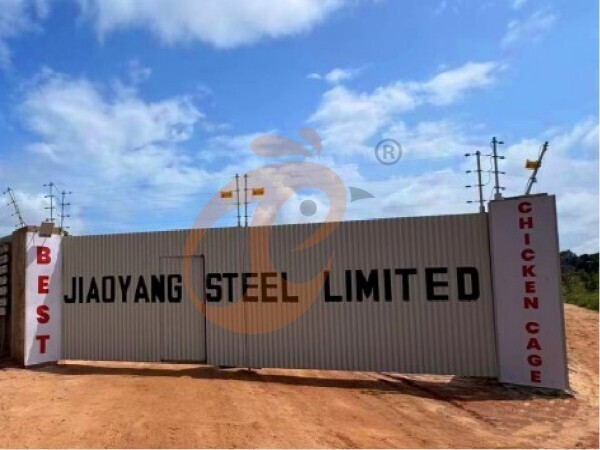
Nigeria Vanke Machinery And Equipment CO., LTD
Tanzania Best Machinery And Equipment CO., LTD
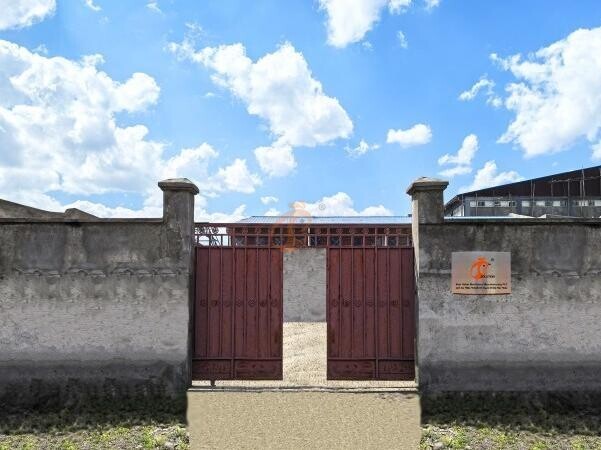
Ethiopia Best Hebei Machinery Manufacturing PLC
Reception /24 WhatsApp NO. : +8618830120193
FAQ
What Are The Professional Strategies For Optimizing Feed Conversion In Layer Cage Farms?
Zoned feeding reduces competition and waste; FCR maintained at 1.9–2.1.
Combined with lighting and temperature/humidity management, egg production can reach 90–98%.
How To Buy The Top Chicken Cage Supplier For Maximum Farm Efficiency?
Check steel quality, anti-corrosion coating, and durability of egg systems.
Price reference: $10–$18 per bird, ROI payback 24–36 months.
What Are The Ultimate Guidelines For Reducing Stress In Poultry Cage Farms?
Ensure good ventilation, temperature 18–25℃, lighting 16h/day.
Automatic feeding and drinking systems ensure birds access feed and water, reducing stress-induced egg drop.
- poultry equipment
- layer cage
- poultry farm
- poultry cage
- battery cage
- poultry farm
- poultry farm construction
- battery cage price
- battery cage system
- battery cage design
- layer cage system
- poultry cage exporter
- modular poultry cage
- poultry cage price
- poultry cage cost
- battery cage
- smart poultry farm
- poultry house
- poultry farming system
- poultry cage system
- poultry cage system manufacturer
- smart poultry farming
- poultry house design
- Ethiopia
- Nigeria
Message
Products recommended
 HK Headquarter Offers EU-standard Poultry Farm Solutions, Manufacture Poultry Farm Equipment1. Continuous communication with the EU and the US
2. China, Nigeria, Ethiopia, Tanzania branch companies and factories
3. The products’ quality is customized for local poultry farms
4. Poultry cage and poultry farm equipment stock for sale
5. 24 online reception Whatsapp NO. : +8618830120193,contact us to get full informationRead More China Branch Offer Poultry Farm Business Plan, Manufacture Poultry Farm Equipment1. Address: Flat/RM 2416, 24/F, Runxing Building, Youyi Nan Street, Shijiazhuang City, Hebei Province, China
2. Poultry cage and poultry farm equipment factory and stock for sale
3. Customized for local poultry farms
4. Quality and design are based on Euro
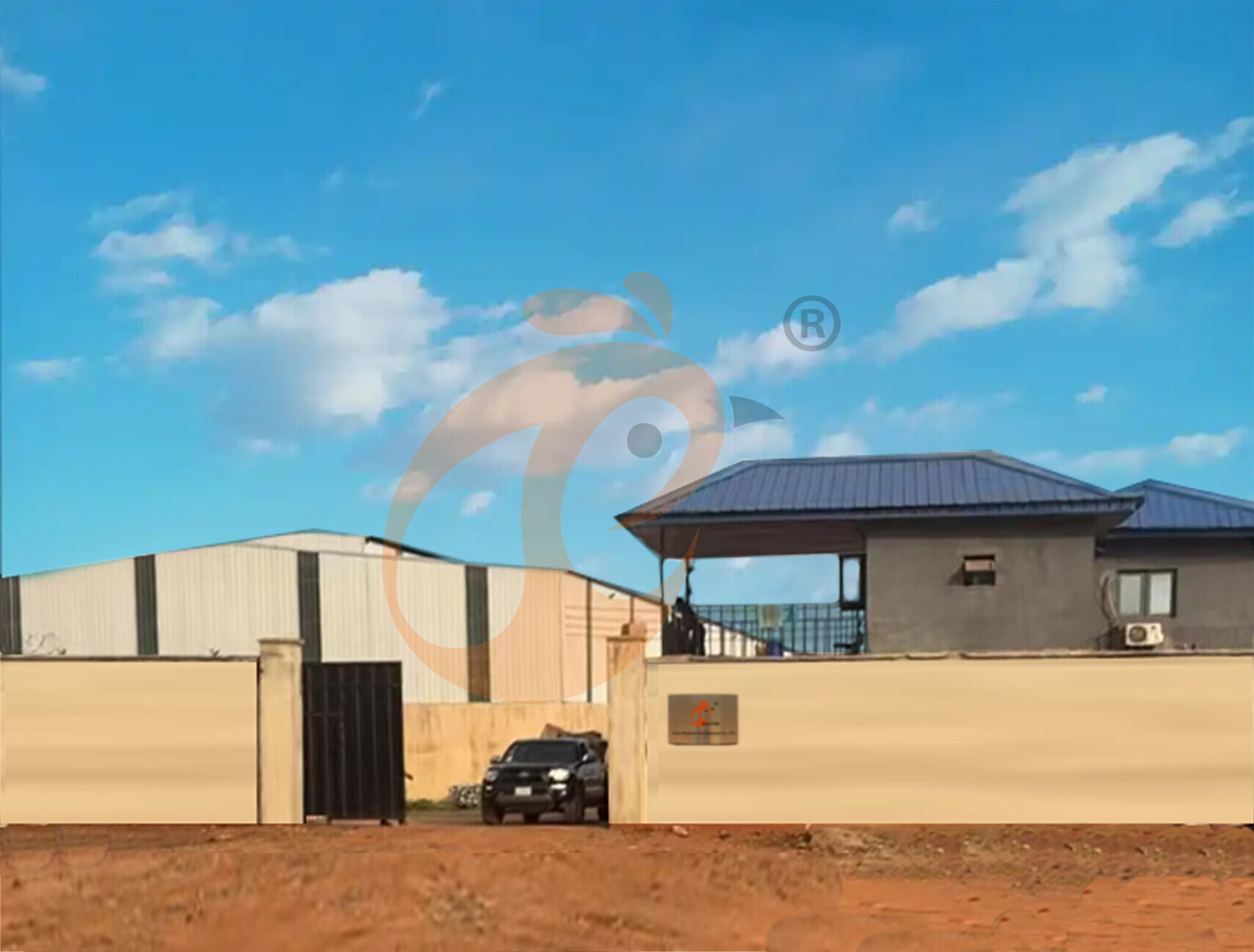
5. 24 online reception Whatsapp NO. : +8618830120193Read More Nigeria Branch Offer Poultry Farm Business Plan, Manufacture Poultry Farm Equipment1. Address: After Sinoma Office, 200 Meters Near Danco Filling Station, Lagos/Ibadan Expressway, Lagos State, Nigeria
2. Poultry cage and poultry farm equipment factory and stock for sale
3. Customized for Nigerian poultry farms
4. Quality and design are based on Euro
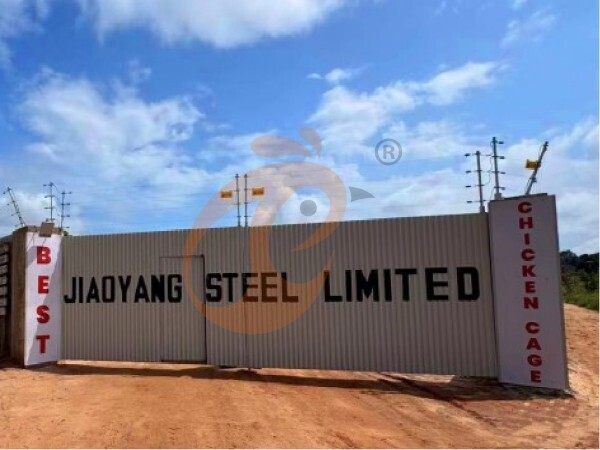
5. 24 online reception Whatsapp NO. : +8618830120193Read More Ethiopia Branch Offer Poultry Farm Business Plan, Manufacture Poultry Farm Equipment1. Address: Gelan Gura, Akaki-kaliti Sub City, Addis Ababa, Ethiopia
2. Poultry cage and poultry farm equipment stock for sale
3. Customized for Ethiopian poultry farms
4. Quality and design are based on Euro
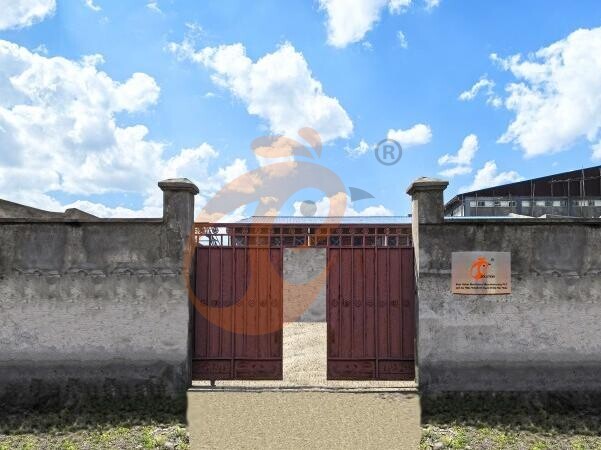
5. 24 online reception Whatsapp NO. : +8618830120193, contact us to get price listRead More Tanzania Branch Offer Poultry Farm Business Plan, Manufacture Poultry Farm Equipment1. Address: No.8, Sova Road, Msufini, Mlandizi, Kibaha, Pwani, Tanzania
2. Poultry cage and poultry farm equipment factory and stock for sale
3. Customized for Tanzanian poultry farms
4. Quality and design are based on Euro
5. 24 online reception Whatsapp NO. : +8618830120193Read More Fully Automatic H Type Layer Chicken Cage1. 30,000-100,000+ layers/house chooses it, Poultry farmers can achieve an egg production rate of 96-98%
2. A significant improvement over the 85-90% typically seen in manual systems
3. A typical poultry farm can expect a 30-40% reduction in labor costs due to the automation
4. Each feeding line efficiently supplies feed to around 100,000 hens per 30 mins
5. Reception /WhatsApp NO. : +8618830120193Read More Fully Automatic A Type Layer Chicken Cage1. 10,000-50,000 layers/house chooses it
2. Cleaner egg collection reduces breakage by 0.5%
3. Improved hygiene helps reduce mortality rate to <3%
4. 1–2 technicians can handle 15,000–30,000 birds
5. Reception /WhatsApp NO. : +8618830120193Read More Semi Automatic H Type Layer Chicken Cage1. 1,00-20,000 layers/house chooses it
2. Nipple drinkers flow 30–60 ML / min
3. Hot-dip galvanized (typical coating ≥ 275 g/m²)
4. Reduce ammonia by ~ 35–40%
5. Reception /WhatsApp NO. : +8618830120193Read More Semi Automatic A Type Layer Chicken Cage1. 1,00-20,000 layers/house chooses it, no rust for 10 years, no deformation for 15 years
2. Chickens live comfortably, you can raise them with peace of mind
3. Save water, save money—efficiency you can measure
4. Improve environment quality, and increase egg production rate
5. Reception /WhatsApp NO. : +8618830120193Read More
By clicking 'Allow All', you agree to the storage of cookies on your device to enhance site navigation, analyze site usage and assist with our marketing efforts.