






Blog
Efficient floor rearing system ventilation directly determines poultry survival rate, feed conversion efficiency, litter moisture stability, and commercial production profitability inside modern broiler farming facilities.
Scientific poultry house ventilation design controls airflow velocity, indoor temperature, ammonia concentration, carbon dioxide accumulation, and relative humidity throughout intensive poultry production environments.
Advanced mechanical ventilation systems improve bird comfort, reduce respiratory disease risks, and maintain stable environmental performance during seasonal climate changes.
Automated airflow engineering supports commercial poultry farms operating with high stocking density and continuous production cycles.
Professional ventilation management reduces energy consumption, improves flock uniformity, and supports sustainable poultry farming development within industrial broiler production projects.
Get professional poultry farm construction guidance, equipment selection solutions, and the latest price lists, whatsApp to +8618830120193, +2348111199996, or click to learn more.
Understand The Purpose Of Ventilation
Floor rearing system ventilation performs multiple environmental control functions simultaneously inside commercial poultry houses.
Modern poultry ventilation systems regulate oxygen supply, remove harmful gases, reduce excess moisture, and stabilize bird comfort conditions throughout the entire production cycle.
Data is for reference only.Swipe horizontally to view full table.
Inside large-scale broiler houses, ventilation functions like a continuously operating environmental engine balancing temperature, gas concentration, moisture removal, and airflow pressure.
Air Exchange Rate Must Match Bird Density
Commercial poultry farms require precise airflow calculation according to bird population density, seasonal temperature variation, and poultry growth stage.
Insufficient air exchange quickly increases carbon dioxide concentration and litter moisture accumulation.
Data is for reference only.Swipe horizontally to view full table.
A poultry house containing 30,000 broilers can generate more than 4,500 liters of moisture daily through respiration and manure evaporation, making industrial poultry house ventilation absolutely necessary.
Temperature Uniformity Is Critical
Temperature consistency strongly influences poultry feed intake, growth uniformity, and mortality rate.
Uneven airflow distribution creates localized thermal pressure zones affecting flock behavior and production performance.
Commercial broiler houses require balanced airflow circulation across all feeding and resting areas.
Data is for reference only.Swipe horizontally to view full table.
Field research shows temperature differences exceeding 3°C inside the same poultry house can reduce flock uniformity by more than 8%.
Why Ammonia Becomes Dangerous
Ammonia forms when poultry manure moisture combines with bacterial decomposition under insufficient ventilation conditions.
Floor rearing systems produce greater ammonia accumulation because manure remains directly inside poultry housing areas.
Ammonia concentration increases rapidly when litter moisture exceeds 30%.
Data is for reference only.Swipe horizontally to view full table.
Scientific poultry ventilation systems maintain ammonia concentration below 20 ppm throughout commercial broiler production cycles.
Choose The Right Ventilation System Design
Different poultry house structures require different airflow engineering solutions according to farm size, regional climate, and production capacity.
Mechanical ventilation systems currently dominate industrial poultry farming because automated airflow control provides more stable environmental management.
Data is for reference only.Swipe horizontally to view full table.
Tunnel ventilation systems can reduce poultry house effective temperature by 6°C to 10°C during extreme summer climate conditions.
Fan Placement Determines System Efficiency
Ventilation fan positioning directly influences airflow pressure balance, oxygen circulation efficiency, and cooling performance inside poultry buildings.
Improper fan installation commonly creates stagnant air pockets and uneven environmental conditions.
Data is for reference only.Swipe horizontally to view full table.
Commercial poultry ventilation projects commonly install one 1380 mm exhaust fan for every 12 to 15 meters of poultry house width.
The Role Of Humidity Control
Humidity management directly affects litter quality, bacterial activity, ammonia production, and poultry respiratory health inside floor rearing systems.
Relative humidity outside recommended levels negatively influences production efficiency.
Data is for reference only.Swipe horizontally to view full table.
Commercial broiler farms operating in tropical regions often require additional evaporative cooling and dehumidification support during rainy seasons.
Airflow Speed Matters More Than Many Farmers Realize
Airflow velocity strongly influences poultry heat dissipation capacity and environmental comfort perception.
Different poultry growth stages require different airflow standards to avoid chilling stress or overheating pressure.
Data is for reference only.Swipe horizontally to view full table.
Tunnel ventilation airflow reaching 2.5 m/s can improve poultry heat dissipation efficiency by approximately 30% during hot weather production periods.
Ventilation And Energy Efficiency
Electricity cost management remains extremely important for industrial poultry farming profitability.
Ventilation systems typically consume 55% to 70% of total poultry house electricity usage.
Data is for reference only.Swipe horizontally to view full table.
Automated poultry ventilation equipment investment for a 30,000-bird broiler house commonly ranges from $18,000 to $65,000 depending on configuration level.
European union standard reference only.
Biosecurity Begins With Air Quality
Air quality directly influences airborne pathogen transmission inside intensive poultry farming systems.
Poor ventilation increases dust accumulation, bacterial concentration, and respiratory disease outbreaks.
Scientific airflow management improves environmental sanitation conditions by continuously removing contaminated indoor air.
Data is for reference only.Swipe horizontally to view full table.
Clean airflow behaves like an invisible sanitation network supporting poultry health across the entire commercial production environment.
Seasonal Ventilation Challenges
Seasonal environmental fluctuations constantly reshape poultry house ventilation management requirements.
Summer Climate Challenges
- Indoor temperature exceeding 35°C
- Water consumption increasing by 40%
- Feed intake decreasing by 15% to 20%
Winter Climate Challenges
- Condensation accumulation on ceilings
- Relative humidity exceeding 75%
- Reduced minimum ventilation usage
Rainy Season Challenges
- Outdoor humidity reaching 85%
- Slower litter drying performance
- Increased fungal growth activity
Professional poultry farms continuously adjust ventilation settings according to seasonal environmental data instead of maintaining fixed operational patterns.
Common Ventilation Mistakes
Ventilation engineering mistakes frequently reduce poultry production efficiency and increase operational losses.
Data is for reference only.Swipe horizontally to view full table.
Ventilation system interruption exceeding 20 minutes during extreme summer weather can rapidly cause severe broiler mortality inside high-density poultry houses.
The Future Of Poultry Ventilation
Modern poultry ventilation systems increasingly integrate precision environmental automation technology and intelligent climate management platforms.
Emerging technologies include:
- AI climate control systems
- Real-time ammonia sensors
- Cloud-based monitoring software
- Predictive maintenance platforms
- Automated pressure balancing systems
Future poultry production facilities may automatically optimize airflow, cooling, humidity control, and gas concentration according to real-time poultry growth conditions.
Frequently Asked Questions
Q1: What is the recommended air velocity for commercial broiler farming?
A1: Commercial broiler houses generally maintain airflow velocity between 1.8 m/s and 3.0 m/s during finishing periods.
Tunnel ventilation systems operating above 2.5 m/s significantly improve poultry cooling performance during summer conditions.
Q2: Why must ammonia concentration remain below 20 ppm?
A2: Ammonia concentration above 20 ppm damages poultry respiratory tissue, reduces feed intake, weakens immune performance, and increases disease transmission risks.
Professional poultry ventilation systems continuously remove ammonia accumulation through controlled airflow exchange.
Q3: How much electricity does poultry house ventilation consume?
A3: Ventilation equipment normally represents 55% to 70% of total poultry house electricity consumption.
Automated variable-speed fans and intelligent climate controllers reduce overall energy usage by approximately 18% to 25%.
Taiyu (HK) Group - One Of China Biggest Floor Rearing System Exporter
Professional floor rearing system ventilation equipment supports automated broiler farming projects across international poultry markets
Industrial poultry house ventilation systems include exhaust fans, cooling pads, air inlets, and intelligent environmental controllers
Global factory direct poultry equipment supply improves commercial farm construction efficiency and operational profitability worldwide
Advanced poultry cage systems and turn-key poultry engineering projects support modern intensive poultry farming development
Customized poultry ventilation engineering solutions match tropical climate regions, high-density broiler houses, and automated farm management systems
Contact Us To Received Your Customized Poultry Farm Plan
Headquarters And Branchs

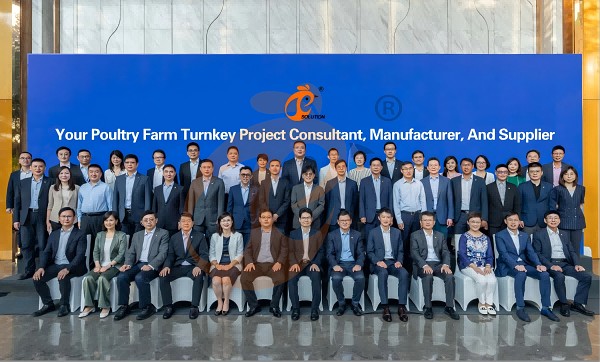
Hong Kong Headquarter Management Team
Hong Kong Headquarter Taiyu Industrial Group CO., LTD
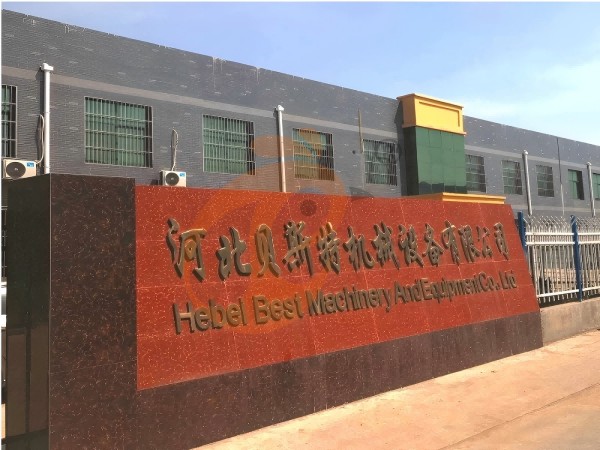
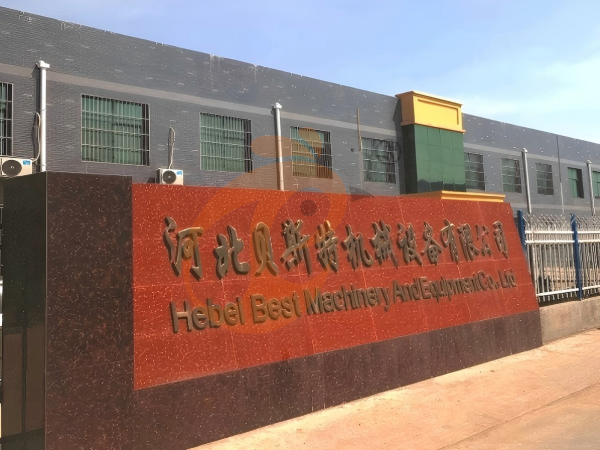
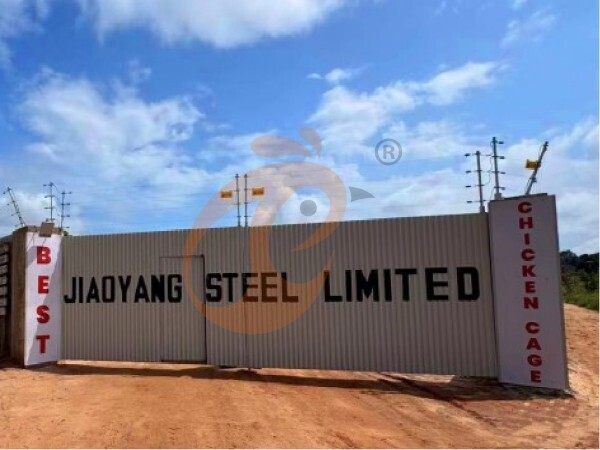
China Hebei Best Machinery And Equipment CO., LTD
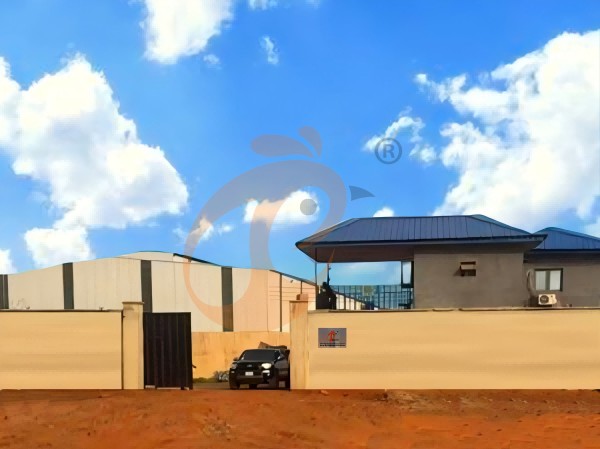
Nigeria Vanke Machinery And Equipment CO., LTD
Tanzania Best Machinery And Equipment CO., LTD
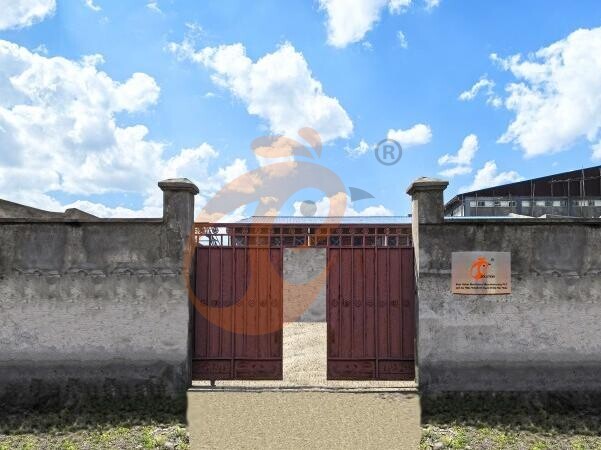
Ethiopia Best Hebei Machinery Manufacturing PLC
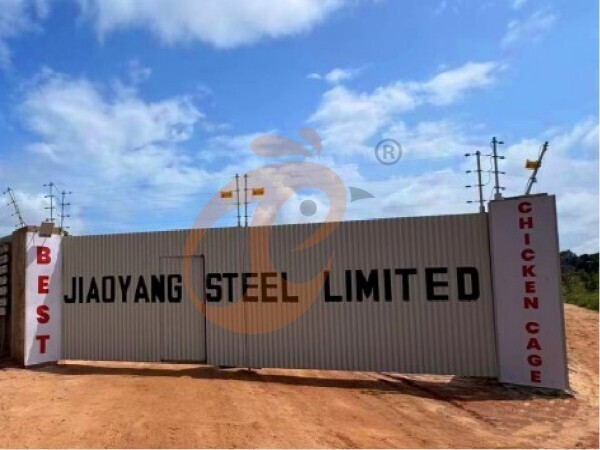
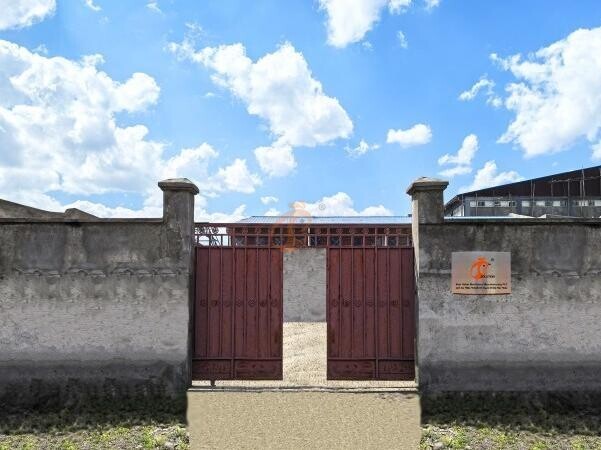
Reception /24 WhatsApp NO. : +8618830120193
FAQ
What Are The Flooring Material Specifications In Floor Rearing Poultry System For Poultry Chicken Houses?
Mesh opening size is maintained at 10–15 mm to ensure manure passage efficiency.
Load-bearing capacity reaches 80–120 kg per square meter for flock support stability.
What Ventilation Requirements Are Required In Floor Rearing Poultry System For Poultry Chicken Environments?
Air velocity at bird level is controlled at 0.2–0.4 m/s for thermal comfort.
Static pressure is regulated between 15–25 Pa for balanced airflow distribution.
What Feeding System Design Is Used In Floor Rearing Poultry System For Poultry Chicken Production?
Automatic pan feeders operate with 0.5–1.0 kg feed capacity per feeding point.
Feed distribution cycles are completed within 3–5 minutes per house line.
- poultry equipment
- poultry farm
- poultry cage
- poultry farm
- poultry farm construction
- poultry ventilation equipment
- poultry house ventilation system
- broiler farm
- poultry house
- poultry farming system
- poultry cage system
- automated poultry ventilation
- poultry house ventilation
- poultry ventilation system
- poultry house ventilation design
- Ethiopia
- Nigeria
Message
Products recommended
 HK Headquarter Offers EU-standard Poultry Farm Solutions, Manufacture Poultry Farm Equipment1. Continuous communication with the EU and the US
2. China, Nigeria, Ethiopia, Tanzania branch companies and factories
3. The products’ quality is customized for local poultry farms
4. Poultry cage and poultry farm equipment stock for sale
5. 24 online reception Whatsapp NO. : +8618830120193,contact us to get full informationRead More China Branch Offer Poultry Farm Business Plan, Manufacture Poultry Farm Equipment1. Address: Flat/RM 2416, 24/F, Runxing Building, Youyi Nan Street, Shijiazhuang City, Hebei Province, China
2. Poultry cage and poultry farm equipment factory and stock for sale
3. Customized for local poultry farms
4. Quality and design are based on Euro
5. 24 online reception Whatsapp NO. : +8618830120193Read More Nigeria Branch Offer Poultry Farm Business Plan, Manufacture Poultry Farm Equipment1. Address: After Sinoma Office, 200 Meters Near Danco Filling Station, Lagos/Ibadan Expressway, Lagos State, Nigeria
2. Poultry cage and poultry farm equipment factory and stock for sale
3. Customized for Nigerian poultry farms
4. Quality and design are based on Euro
5. 24 online reception Whatsapp NO. : +8618830120193Read More Ethiopia Branch Offer Poultry Farm Business Plan, Manufacture Poultry Farm Equipment1. Address: Gelan Gura, Akaki-kaliti Sub City, Addis Ababa, Ethiopia
2. Poultry cage and poultry farm equipment stock for sale
3. Customized for Ethiopian poultry farms
4. Quality and design are based on Euro
5. 24 online reception Whatsapp NO. : +8618830120193, contact us to get price listRead More Tanzania Branch Offer Poultry Farm Business Plan, Manufacture Poultry Farm Equipment1. Address: No.8, Sova Road, Msufini, Mlandizi, Kibaha, Pwani, Tanzania
2. Poultry cage and poultry farm equipment factory and stock for sale
3. Customized for Tanzanian poultry farms
4. Quality and design are based on Euro
5. 24 online reception Whatsapp NO. : +8618830120193Read More Fully Automatic H Type Layer Chicken Cage1. 30,000-100,000+ layers/house chooses it, Poultry farmers can achieve an egg production rate of 96-98%
2. A significant improvement over the 85-90% typically seen in manual systems
3. A typical poultry farm can expect a 30-40% reduction in labor costs due to the automation
4. Each feeding line efficiently supplies feed to around 100,000 hens per 30 mins
5. Reception /WhatsApp NO. : +8618830120193Read More Fully Automatic A Type Layer Chicken Cage1. 10,000-50,000 layers/house chooses it
2. Cleaner egg collection reduces breakage by 0.5%
3. Improved hygiene helps reduce mortality rate to <3%
4. 1–2 technicians can handle 15,000–30,000 birds
5. Reception /WhatsApp NO. : +8618830120193Read More Semi Automatic H Type Layer Chicken Cage1. 1,00-20,000 layers/house chooses it
2. Nipple drinkers flow 30–60 ML / min
3. Hot-dip galvanized (typical coating ≥ 275 g/m²)
4. Reduce ammonia by ~ 35–40%
5. Reception /WhatsApp NO. : +8618830120193Read More Semi Automatic A Type Layer Chicken Cage1. 1,00-20,000 layers/house chooses it, no rust for 10 years, no deformation for 15 years
2. Chickens live comfortably, you can raise them with peace of mind
3. Save water, save money—efficiency you can measure
4. Improve environment quality, and increase egg production rate
5. Reception /WhatsApp NO. : +8618830120193Read More

By clicking 'Allow All', you agree to the storage of cookies on your device to enhance site navigation, analyze site usage and assist with our marketing efforts.