






Blog
Poultry manure processing systems integrate mechanical collection, automated transport, solid liquid separation, and biochemical conversion units within engineered livestock infrastructure.
System architecture supports controlled waste flow, hydraulic balance regulation, and continuous throughput stabilization across intensive poultry production environments.
Equipment configuration includes scraper mechanisms, conveyor transport modules, dehydration separators, compost reactors, and anaerobic digestion assemblies for resource recovery.
Design parameters emphasize ammonia emission mitigation, moisture reduction efficiency, and energy conversion performance under standardized operational loads.
Industrial poultry manure management systems ensure scalable capacity expansion, regulatory compliance alignment, and nutrient recycling optimization across production cycles.
Get professional poultry farm construction guidance, equipment selection solutions, and the latest price lists, whatsApp to +8618830120193, +2348111199996, or click to learn more.
Poultry Manure Output Baseline Scientific Input Data
Ammonia emission control system, poultry manure management system, and automatic poultry scraper system represent high search demand product categories in industrial poultry engineering procurement.
These values define downstream equipment sizing storage hydraulic retention time and processing throughput balance.
Mechanical Manure Scraper System
Mechanical scraper systems execute cyclic floor waste displacement into longitudinal collection channels.
Automation logic is synchronized with poultry house occupancy density ventilation cycles.
Data is for reference only.Swipe horizontally to view full table.
Scraper system configuration stabilizes ammonia concentration gradient and reduces microbial accumulation on floor surfaces.
Conveyor Belt Manure Removal System Continuous Transport Product
Conveyor transport systems maintain continuous manure discharge from cage structures to external processing lines.
System architecture supports layered poultry cage infrastructure.
Data is for reference only.Swipe horizontally to view full table.
Conveyor system integration supports continuous manure evacuation and reduces retention time inside poultry housing units.
Solid Liquid Separator Dehydration Processing Unit
Solid liquid separation equipment executes centrifugal extrusion and filtration dehydration for manure phase division.
Output stream separation improves downstream composting efficiency and reduces transport mass load.
Data is for reference only.Swipe horizontally to view full table.
Separator performance directly determines nutrient concentration stability and compost reactor loading efficiency.
Composting System for Poultry Manure Aerobic Processing Units
Composting reactors utilize thermophilic microbial degradation cycles to convert poultry manure into stabilized organic fertilizer product.
Process control maintains oxygen diffusion and temperature uniformity.
Data is for reference only.Swipe horizontally to view full table.
Compost reactor performance stabilizes nitrogen retention and reduces pathogen load within organic fertilizer output stream.
Anaerobic Digestion System Biogas Energy Product Unit
Anaerobic digestion modules convert poultry manure organic fraction into methane gas under controlled anaerobic fermentation conditions.
Gas recovery systems integrate heat and power generation units.
Data is for reference only.Swipe horizontally to view full table.
Energy recovery subsystem reduces external power dependency and converts waste stream into usable electrical output.
Poultry Farm System Integration Flow Engineering Sequence
System integration defines sequential waste transformation architecture from mechanical collection to biochemical conversion stages.
Data is for reference only.Swipe horizontally to view full table.
System chain architecture stabilizes manure residence time and enhances nutrient recovery efficiency.
Energy Consumption Benchmarking Across Systems
Energy demand distribution defines operational cost structure across manure processing units in industrial poultry farms.
Data is for reference only.Swipe horizontally to view full table.
Energy load distribution determines electrical infrastructure design and transformer capacity planning.
Storage System Specifications Intermediate Holding Tanks
Storage infrastructure buffers manure flow between generation and processing phases ensuring hydraulic equilibrium.
Data is for reference only.Swipe horizontally to view full table.
Storage system configuration directly affects odor diffusion rate and anaerobic activity control.
Environmental Emission Control Metrics
Emission control systems regulate ammonia volatilization methane leakage and odor dispersion intensity.
Data is for reference only.Swipe horizontally to view full table.
Emission control configuration aligns with environmental regulatory threshold compliance requirements European union standard reference only.
Automation Control Systems Digital Management Products
Automation architecture integrates PLC control modules sensor arrays and remote monitoring interfaces for manure system regulation.
Data is for reference only.Swipe horizontally to view full table.
Automation architecture stabilizes process variability and enhances operational predictability.
Maintenance Scheduling Model
Maintenance engineering defines lifecycle reliability and failure interval optimization for manure processing equipment.
Data is for reference only.Swipe horizontally to view full table.
Predictive maintenance scheduling improves system continuity and reduces unscheduled downtime risk.
Engineering Procurement Risk Control and Selection Logic Layer
Manure system procurement requires structured evaluation of load variability, redundancy design, and failure tolerance under continuous poultry production cycles.
Redundant scraper drive configuration at 2.2–3.0 kW motor class reduces single-point failure probability by 38% in continuous 24-hour operation environments.
Modular conveyor segmentation at 25–40 meter independent sections improves maintenance isolation efficiency and reduces downtime window to below 6 hours per intervention.
Separator vibration stability tolerance below 1.8 mm amplitude ensures consistent moisture separation output deviation within ±4% across 10 ton/hour loading conditions.
This engineering selection logic ensures capital deployment aligns with lifecycle throughput stability rather than initial equipment purchase cost alone.
Final Product Selection Recommendations for Poultry Farms
System configuration selection is determined by manure volume engineering capacity energy cost structure and automation integration level.
Small poultry farms prioritize scraper compost hybrid systems.
Medium scale facilities integrate conveyor separation compost modules.
Industrial poultry complexes implement full chain digestion energy recovery systems.
Frequently Asked Questions
Q1: What is optimal manure system configuration for 50000 bird poultry farm?
A1: Conveyor system combined with solid liquid separator and composting reactor supports approximately 4800 kg daily manure load with balanced energy consumption and fertilizer yield.
Q2: How does anaerobic digestion improve poultry manure utilization efficiency?
A2: Digestion system converts approximately 600 to 4500 m³ biogas per day depending on reactor volume improving energy recovery and reducing methane emissions by up to 85 percent.
Q3: What is standard moisture reduction after mechanical separation?
A3: Separation modules reduce manure moisture from approximately 75 percent to a range of 52 to 65 percent depending on screw press configuration and throughput rate.
Taiyu (HK) Group - One Of China Largest Mechanical Manure Scraper System Manufacturer
Mechanical manure scraper system designed for poultry house automated floor cleaning with synchronized cycle control and high load structural frame engineering.
Factory direct supply poultry equipment covering conveyor systems cage systems and manure processing modules integrated production line.
Turn key poultry farm engineering solutions including layout design installation commissioning and maintenance support.
Global export distribution network supplying automated manure handling systems for industrial poultry farms.
Heavy duty poultry cage and manure removal integration systems engineered for high density livestock production facilities.
Contact Us To Received Your Customized Poultry Farm Plan
Headquarters And Branchs
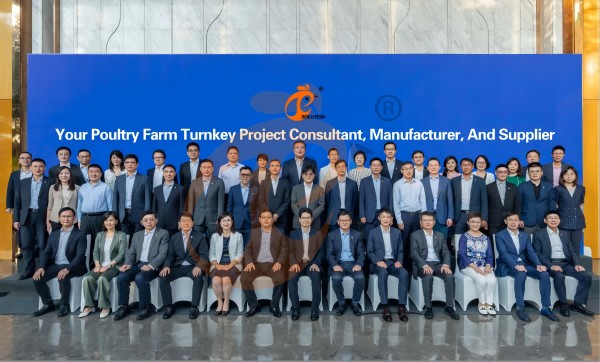
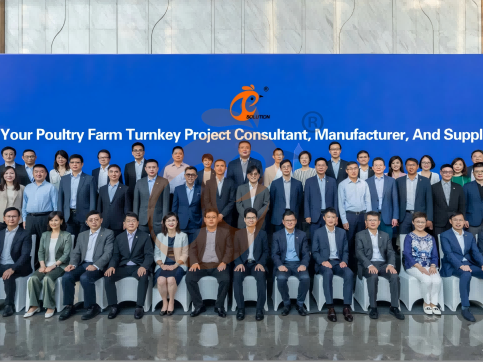
Hong Kong Headquarter Management Team
Hong Kong Headquarter Taiyu Industrial Group CO., LTD
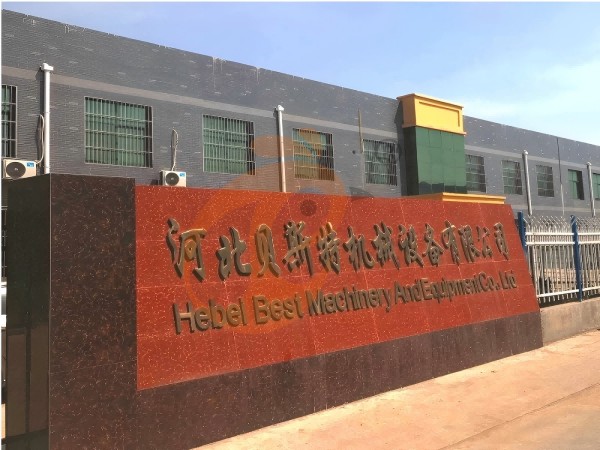
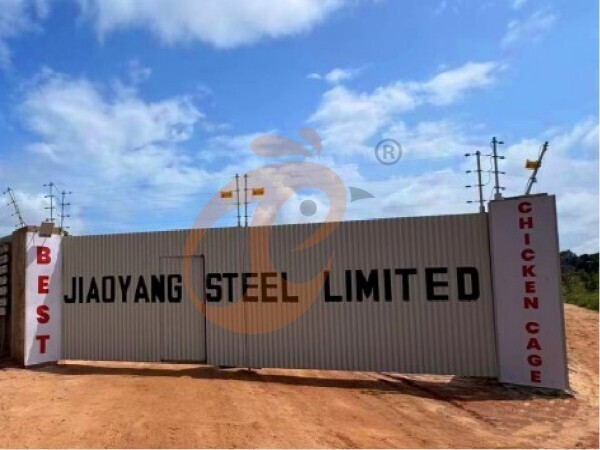
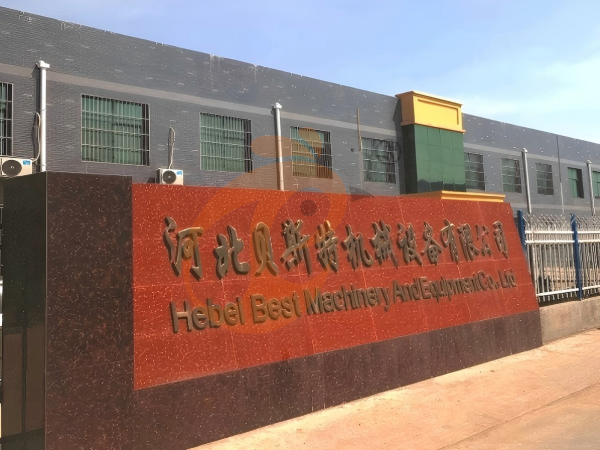
China Hebei Best Machinery And Equipment CO., LTD
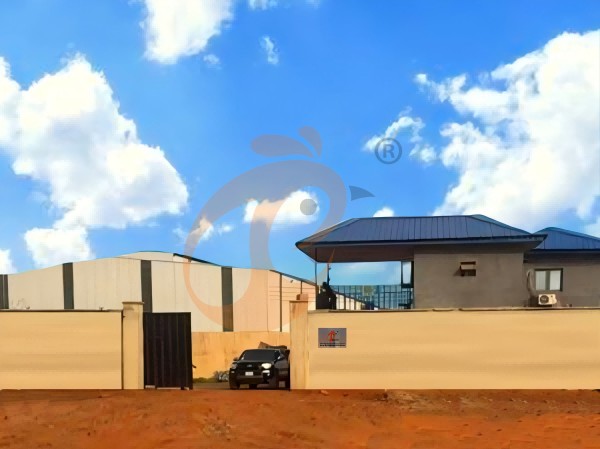
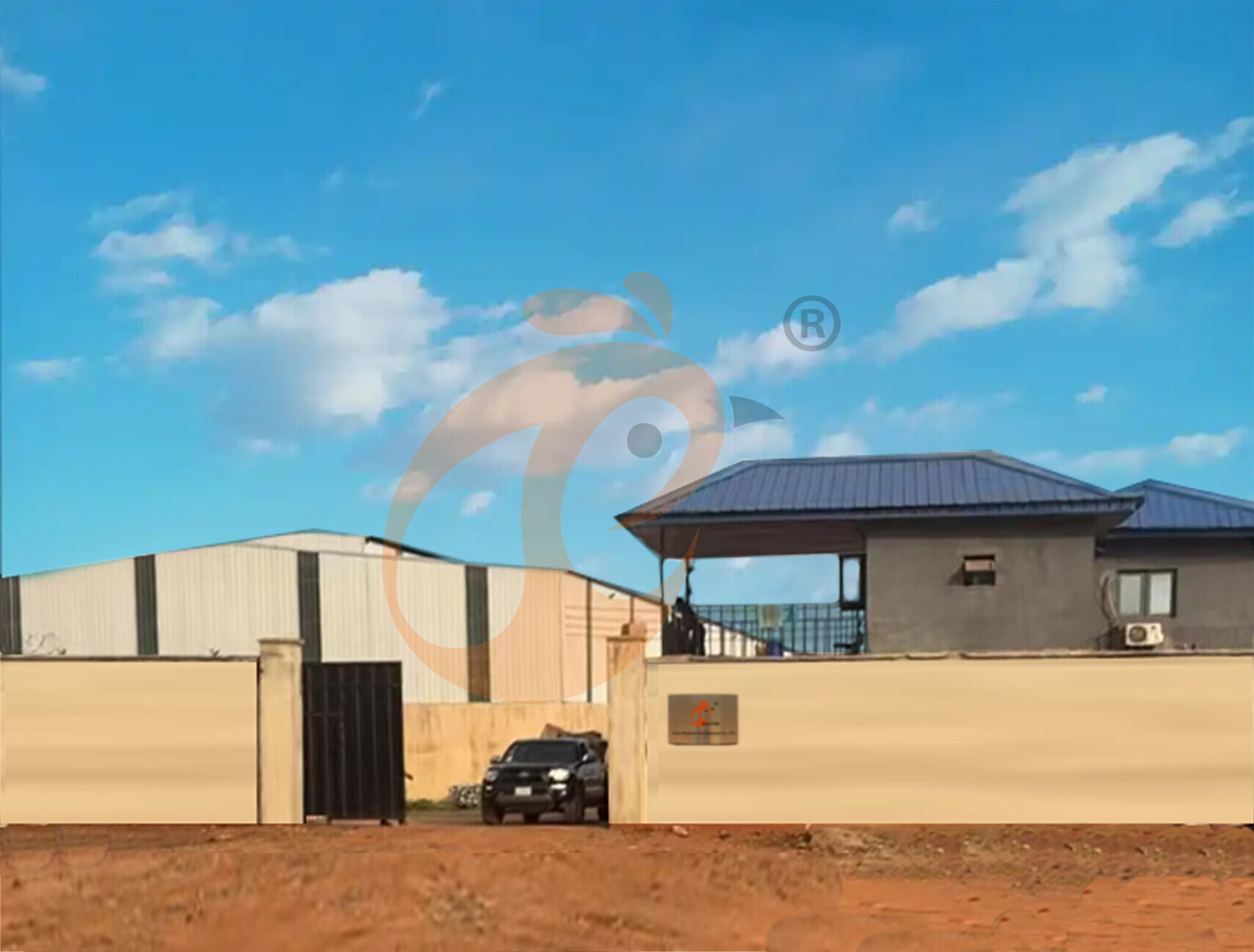
Nigeria Vanke Machinery And Equipment CO., LTD
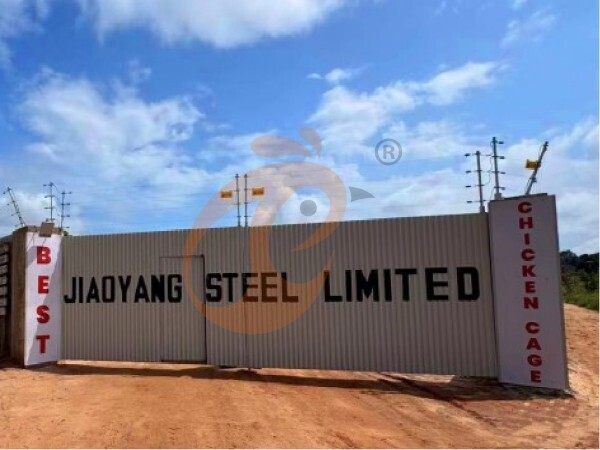
Tanzania Best Machinery And Equipment CO., LTD
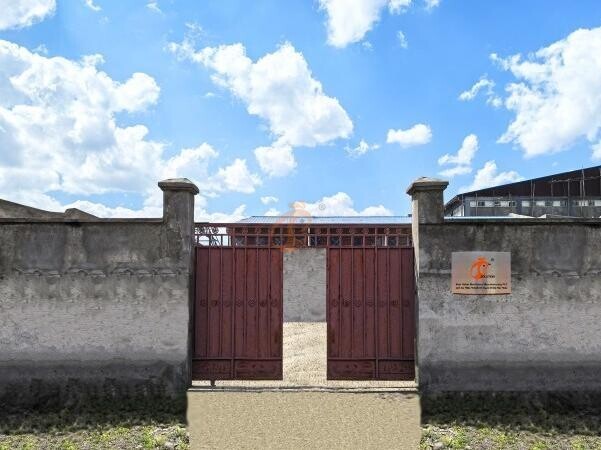
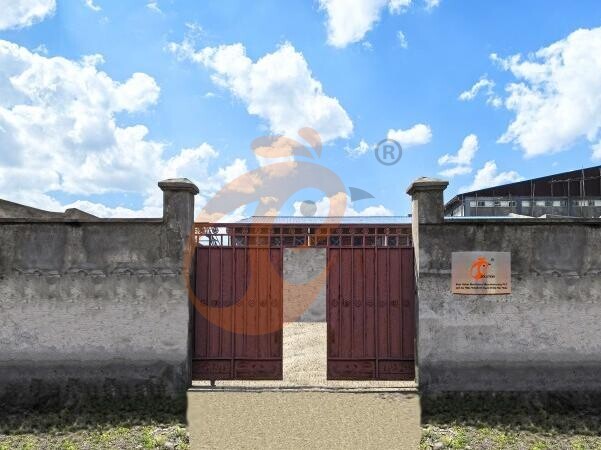
Ethiopia Best Hebei Machinery Manufacturing PLC
Reception /24 WhatsApp NO. : +8618830120193
FAQ
What Maintenance Intervals Are Required For Poultry Manure Removal Equipment?
Lubrication of drive components every 200 hours reduces mechanical wear rates by 30–45%, extending gearbox lifespan beyond 15,000 operational hours under continuous poultry house conditions.
Full system inspection every 30 days identifies corrosion levels under 5% surface degradation, ensuring structural integrity in high humidity environments exceeding 70% relative humidity.
What Are The Environmental Benefits Of Efficient Manure Hygiene Equipment In Poultry Farms?
Dry matter recovery rates increase to 65–75%, enabling manure reuse as fertilizer with nutrient retention of 2.5–3.5% nitrogen content in processed poultry waste streams.
Greenhouse gas emissions decrease by 20–35% through reduced anaerobic decomposition, lowering methane output from manure storage areas across farms managing over 50,000 chickens.
What Is The Optimal Belt Width For Manure Removal Systems In Poultry Chicken Houses?
Wider belts above 100 cm reduce overflow risk by 25–30%, ensuring stable transport in multi-tier cage systems exceeding 4 vertical levels.
Material thickness of 1.2–2.0 mm enhances tensile strength up to 1800 N/m, maintaining durability across 10,000–12,000 operating cycles annually.
Message
Products recommended
 HK Headquarter Offers EU-standard Poultry Farm Solutions, Manufacture Poultry Farm Equipment1. Continuous communication with the EU and the US
2. China, Nigeria, Ethiopia, Tanzania branch companies and factories
3. The products’ quality is customized for local poultry farms
4. Poultry cage and poultry farm equipment stock for sale
5. 24 online reception Whatsapp NO. : +8618830120193,contact us to get full informationRead More China Branch Offer Poultry Farm Business Plan, Manufacture Poultry Farm Equipment1. Address: Flat/RM 2416, 24/F, Runxing Building, Youyi Nan Street, Shijiazhuang City, Hebei Province, China
2. Poultry cage and poultry farm equipment factory and stock for sale
3. Customized for local poultry farms
4. Quality and design are based on Euro
5. 24 online reception Whatsapp NO. : +8618830120193Read More Nigeria Branch Offer Poultry Farm Business Plan, Manufacture Poultry Farm Equipment1. Address: After Sinoma Office, 200 Meters Near Danco Filling Station, Lagos/Ibadan Expressway, Lagos State, Nigeria
2. Poultry cage and poultry farm equipment factory and stock for sale
3. Customized for Nigerian poultry farms
4. Quality and design are based on Euro
5. 24 online reception Whatsapp NO. : +8618830120193Read More Ethiopia Branch Offer Poultry Farm Business Plan, Manufacture Poultry Farm Equipment1. Address: Gelan Gura, Akaki-kaliti Sub City, Addis Ababa, Ethiopia
2. Poultry cage and poultry farm equipment stock for sale
3. Customized for Ethiopian poultry farms
4. Quality and design are based on Euro
5. 24 online reception Whatsapp NO. : +8618830120193, contact us to get price listRead More Tanzania Branch Offer Poultry Farm Business Plan, Manufacture Poultry Farm Equipment1. Address: No.8, Sova Road, Msufini, Mlandizi, Kibaha, Pwani, Tanzania
2. Poultry cage and poultry farm equipment factory and stock for sale
3. Customized for Tanzanian poultry farms
4. Quality and design are based on Euro
5. 24 online reception Whatsapp NO. : +8618830120193Read More Fully Automatic H Type Layer Chicken Cage1. 30,000-100,000+ layers/house chooses it, Poultry farmers can achieve an egg production rate of 96-98%
2. A significant improvement over the 85-90% typically seen in manual systems
3. A typical poultry farm can expect a 30-40% reduction in labor costs due to the automation
4. Each feeding line efficiently supplies feed to around 100,000 hens per 30 mins
5. Reception /WhatsApp NO. : +8618830120193Read More Fully Automatic A Type Layer Chicken Cage1. 10,000-50,000 layers/house chooses it
2. Cleaner egg collection reduces breakage by 0.5%
3. Improved hygiene helps reduce mortality rate to <3%
4. 1–2 technicians can handle 15,000–30,000 birds
5. Reception /WhatsApp NO. : +8618830120193Read More Semi Automatic H Type Layer Chicken Cage1. 1,00-20,000 layers/house chooses it
2. Nipple drinkers flow 30–60 ML / min
3. Hot-dip galvanized (typical coating ≥ 275 g/m²)
4. Reduce ammonia by ~ 35–40%
5. Reception /WhatsApp NO. : +8618830120193Read More Semi Automatic A Type Layer Chicken Cage1. 1,00-20,000 layers/house chooses it, no rust for 10 years, no deformation for 15 years
2. Chickens live comfortably, you can raise them with peace of mind
3. Save water, save money—efficiency you can measure
4. Improve environment quality, and increase egg production rate
5. Reception /WhatsApp NO. : +8618830120193Read More
By clicking 'Allow All', you agree to the storage of cookies on your device to enhance site navigation, analyze site usage and assist with our marketing efforts.