






Blog
Pralson feeder systems play a critical role in maintaining feeding consistency, operational safety, and equipment reliability across modern poultry production facilities.
Effective inspection procedures help identify developing mechanical issues before they result in production interruptions, component damage, or unnecessary maintenance expenses.
Proper hygiene management supports feed quality preservation, reduces contamination risks, and contributes to stable flock performance throughout production cycles.
Electrical protection, lubrication control, and preventive maintenance planning improve equipment longevity while reducing unexpected downtime and operational disruptions.
Structured training programs, environmental monitoring, and performance evaluation practices provide a comprehensive framework for safe and efficient feeding system management.
Get professional poultry farm construction guidance, equipment selection solutions, and the latest price lists, whatsApp to +8618830120193, +2348111199996, or click to learn more.
Why Pralson Feeder Safety Matters
Potential risks include feed contamination, uneven feed distribution, mechanical failures, bird injuries, increased maintenance costs, and production losses.
Proper feeder safety management contributes directly to flock welfare and operational efficiency.
Data is for reference only.Swipe horizontally to view full table.
Regular inspections help identify these risks before they become serious operational issues.
Conduct Daily Visual Inspections
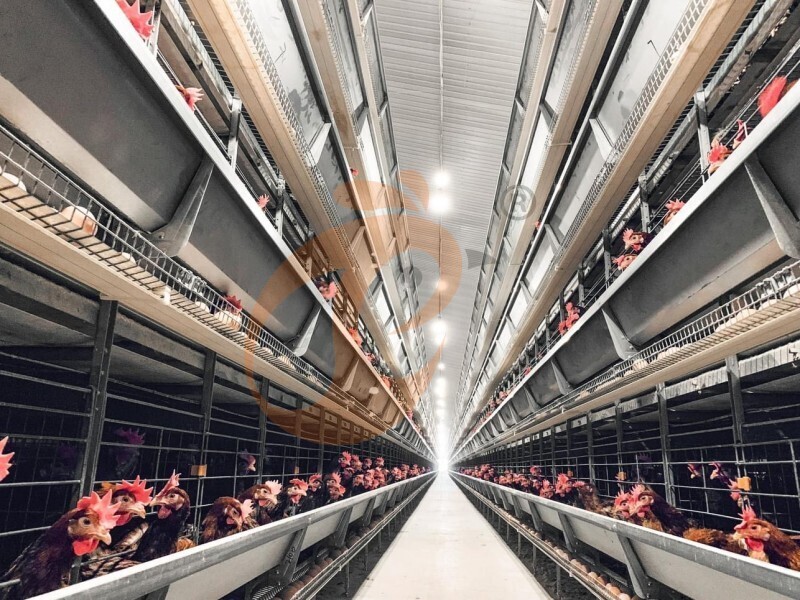
Farm workers should walk through the poultry house and examine all feeder lines before birds begin feeding.
Early detection of abnormalities significantly reduces repair costs and operational disruptions.
Data is for reference only.Swipe horizontally to view full table.
Any damaged component should be repaired or replaced immediately.
Maintain Proper Feed Hygiene
Contaminated feed can introduce bacteria, mold, fungi, and toxins into the poultry production environment.
Maintaining clean feeding systems helps ensure consistent feed quality throughout the production cycle.
Data is for reference only.Swipe horizontally to view full table.
Good sanitation practices reduce disease transmission risks and improve overall flock performance.
Inspect Mechanical Components Regularly
Routine examination of moving parts helps prevent unexpected failures that could interrupt feeding schedules.
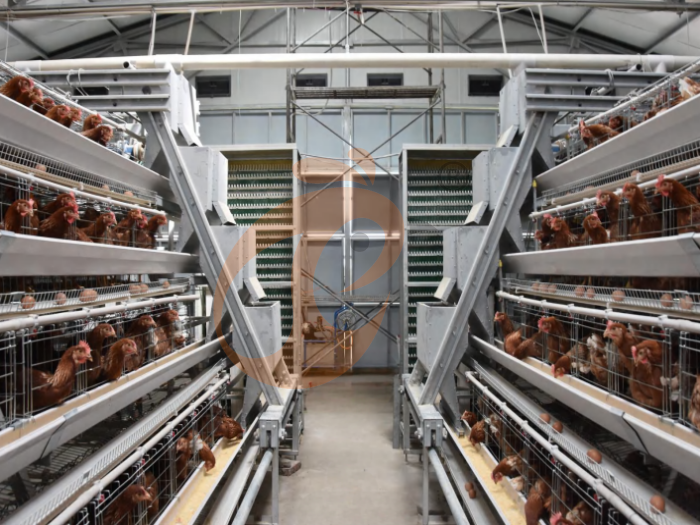
Important components requiring regular inspection include drive motors, gearboxes, feed augers, suspension systems, feed tubes, and control mechanisms.
Data is for reference only.Swipe horizontally to view full table.
Preventive maintenance is generally less expensive than emergency repairs.
Lubrication Management For Pralson Feeding Systems
Proper lubrication reduces friction and mechanical stress within moving feeder components.
Routine lubrication schedules can significantly reduce wear rates and improve equipment reliability.
Data is for reference only.Swipe horizontally to view full table.
Using manufacturer approved lubricants helps maintain stable operating conditions and extends component service life.
Ensure Electrical Safety Compliance
Modern Pralson feeding systems often incorporate electrical motors, sensors, and automated control equipment.
Electrical safety should never be overlooked because faulty wiring can create fire hazards, equipment damage, and production losses.
Data is for reference only.Swipe horizontally to view full table.
Qualified technicians should perform electrical inspections according to local safety standards.
Train Farm Personnel Properly
Staff members should understand feeder operation procedures, maintenance requirements, emergency shutdown processes, and troubleshooting techniques.
Training programs should be conducted regularly, especially when new workers join the farm.
Data is for reference only.Swipe horizontally to view full table.
Well trained employees contribute significantly to safer and more efficient poultry operations.
Establish Preventive Maintenance Programs
Preventive maintenance is one of the most effective methods for ensuring long term pralson feeder safety.
Instead of waiting for failures to occur, poultry farms should implement structured maintenance schedules covering all feeder components.
Preventive maintenance reduces downtime, improves reliability, and extends equipment lifespan.
Data is for reference only.Swipe horizontally to view full table.
Documenting maintenance activities also improves operational accountability.
Key Operating Parameters For Safe Performance
Monitoring system performance helps identify developing issues before they affect flock productivity.
The following parameters should be monitored regularly.
Data is for reference only.Swipe horizontally to view full table.
Any significant deviation from normal operating conditions should trigger immediate investigation.
Emergency Response Procedures
Despite careful management, unexpected incidents can still occur.
Establishing clear emergency procedures helps minimize downtime and protect birds.
Data is for reference only.Swipe horizontally to view full table.
Quick response can significantly reduce operational losses.
Long-Term Benefits Of Pralson Feeder Safety Management
Consistent safety management produces measurable benefits throughout the poultry production cycle.
Farms implementing structured feeder safety programs often experience reduced maintenance expenses, improved feed conversion efficiency, better flock uniformity, lower mortality rates, longer equipment lifespan, and increased operational reliability.
Data is for reference only.Swipe horizontally to view full table.
These advantages contribute directly to long-term farm profitability.
Annual maintenance budgets for medium-scale systems typically range from $300 to $1,500 depending on operating intensity and equipment configuration.
European union standard reference only.
Environmental Control Requirements For Pralson Feeders
Environmental conditions significantly influence feeder performance and equipment longevity.
Maintaining proper ventilation and environmental stability helps prevent feed spoilage, corrosion, and mechanical wear.
Data is for reference only.Swipe horizontally to view full table.
Consistent environmental management helps maintain feed quality and supports reliable equipment operation.
Additional Recommendations For Modern Poultry Farms
Modern poultry operations increasingly integrate automation technologies with traditional feeding systems.
For optimal Pralson feeder performance, farms should consider combining feeder safety programs with environmental monitoring systems, automatic alarm notifications, and digital maintenance records.
Monitoring feed particle diameter between 2 mm and 4 mm, maintaining feeder pan lip height at 45 mm to 65 mm from bird back level, ensuring auger tube straightness deviation remains below 3 mm per meter, and checking motor load variation within ±10% can further improve feeding consistency.
Regular performance analysis helps managers identify efficiency trends and optimize equipment utilization without compromising bird welfare or production targets.
Frequently Asked Questions
Q1: How often should a pralson feeder system be inspected?
A1: Daily visual inspections are recommended for feeder lines, feed pans, and control systems.
Mechanical components should generally be inspected every 7 to 30 days depending on operating conditions and flock density.
Q2: What is the recommended operating temperature for feeder systems?
A2: Most poultry feeding equipment performs efficiently when ambient temperatures remain between 18°c and 28°c.
Maintaining stable environmental conditions helps reduce motor stress and feed quality deterioration.
Q3: How can feeder downtime be minimized?
A3: Routine lubrication, scheduled preventive maintenance, and continuous monitoring of electrical parameters can significantly reduce unexpected shutdowns.
Maintaining motor current within 3.5–5.2 a and keeping response procedures below 15 minutes further improves system reliability.
Taiyu (HK) Group - One Of China Largest Pralson Feeder Manufacturer
Pralson feeder solutions are widely applied in broiler, layer, breeder, and commercial poultry farms ranging from 5,000 to over 100,000 birds with automated feed distribution requirements.
Global factory direct supply supports efficient procurement of poultry equipment while maintaining consistent manufacturing specifications and quality control procedures.
Turn key poultry farm engineering services include feeding systems, drinking systems, ventilation systems, manure removal systems, and environmental control integration.
Technical project planning covers equipment selection, layout optimization, installation guidance, commissioning support, and operational training services.
Export oriented manufacturing capabilities support international poultry projects through standardized production management, documentation control, and long term spare parts availability.
Contact Us To Received Your Customized Poultry Farm Plan
Headquarters And Branchs
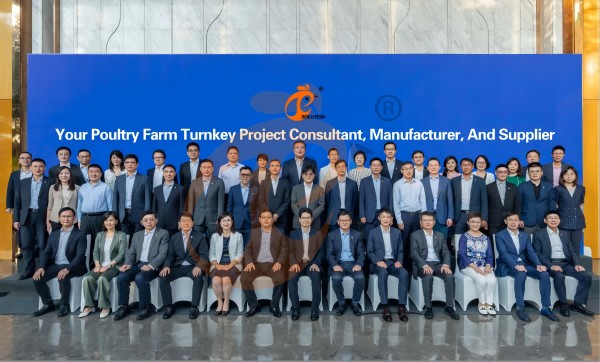
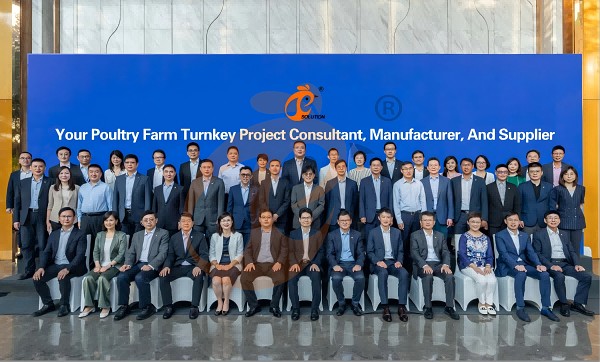
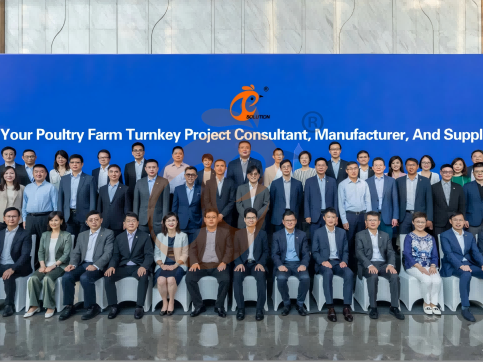
Hong Kong Headquarter Management Team
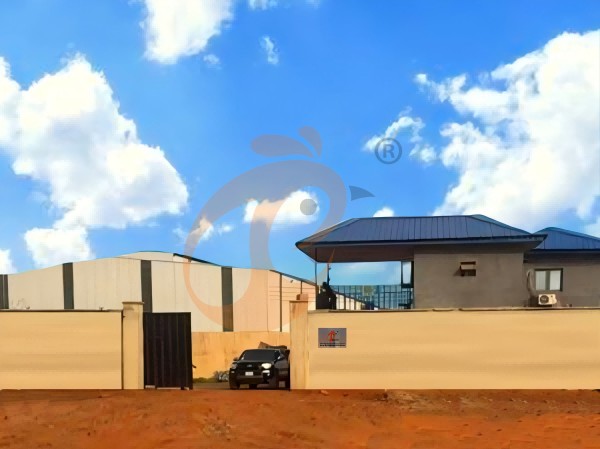
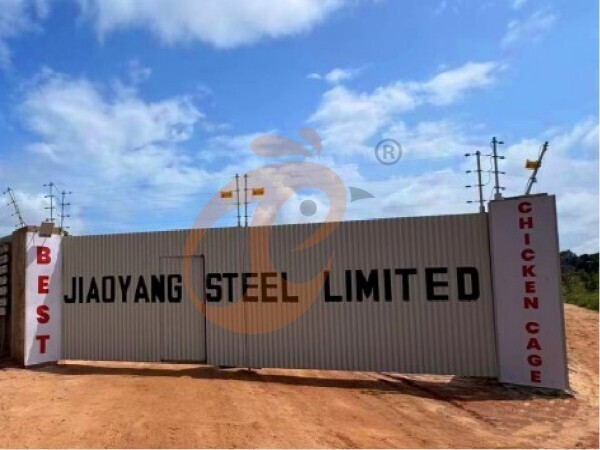
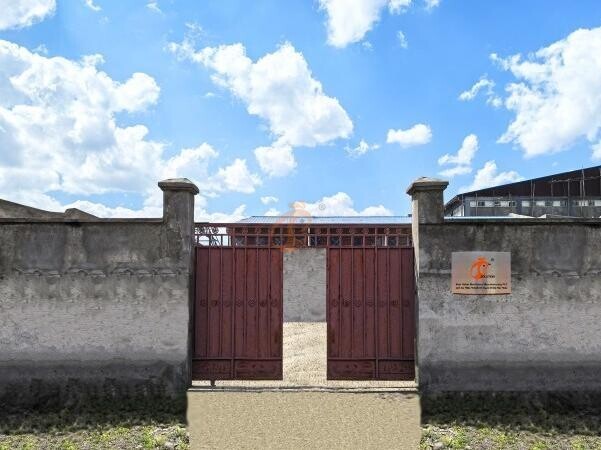
Hong Kong Headquarter Taiyu Industrial Group CO., LTD
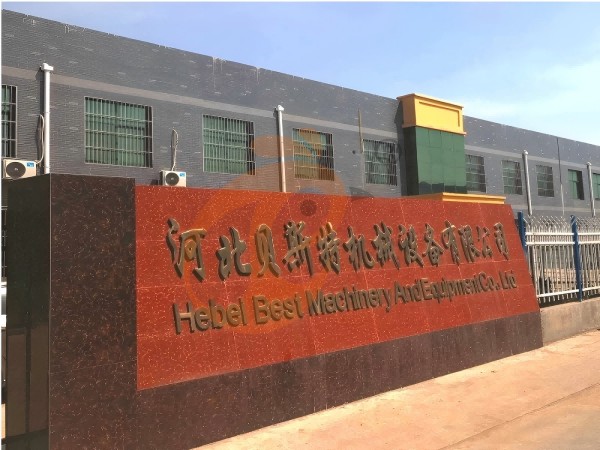
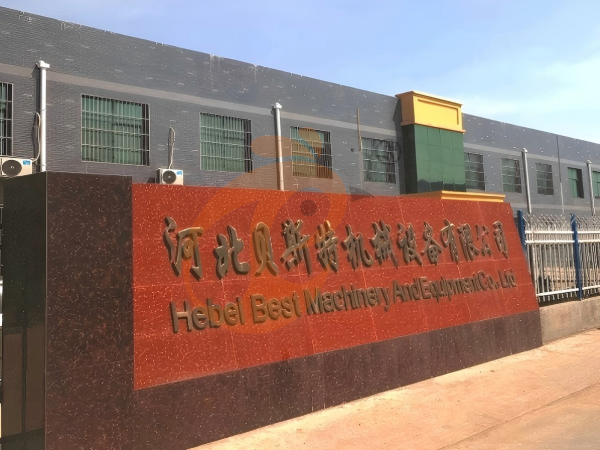
China Hebei Best Machinery And Equipment CO., LTD
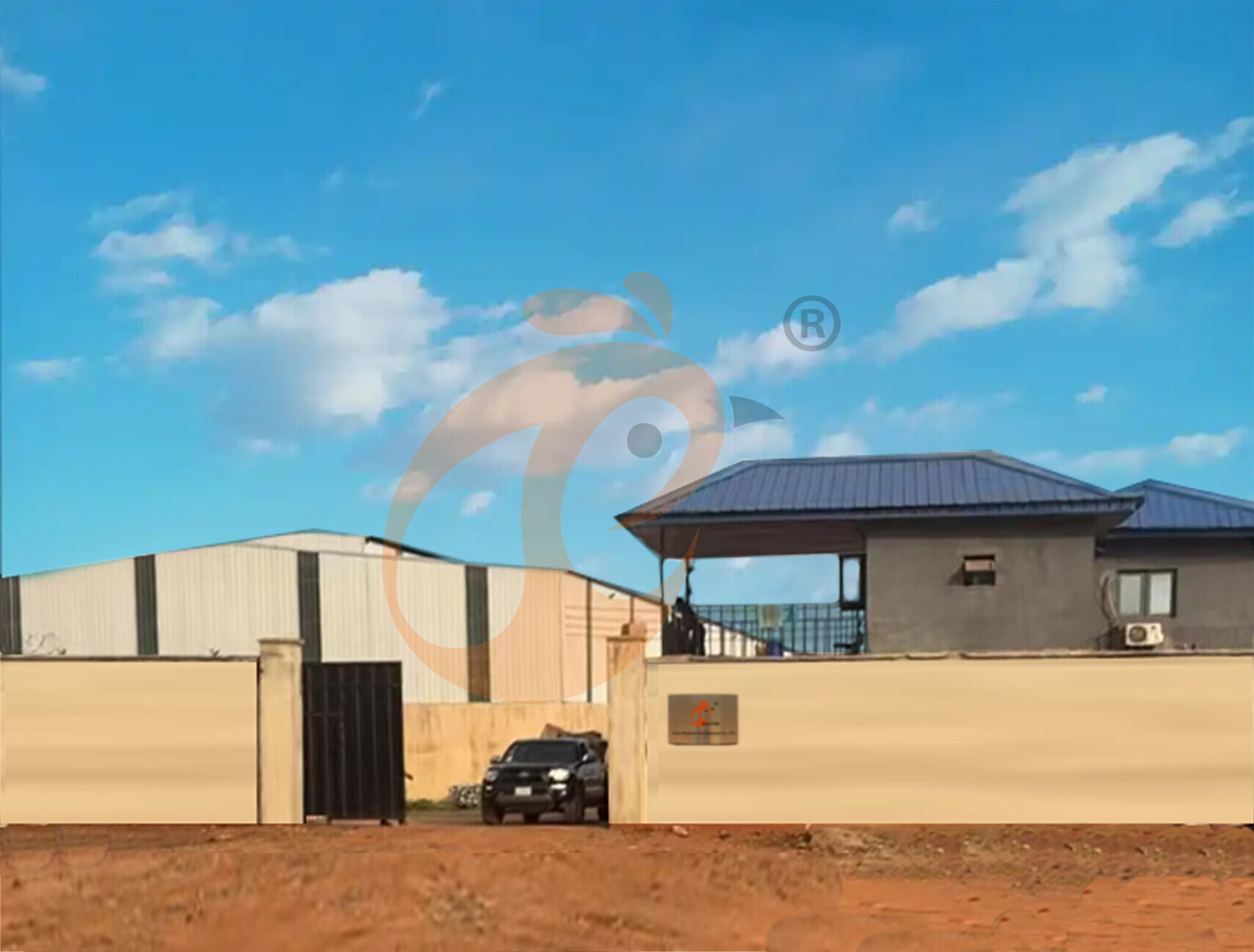
Nigeria Vanke Machinery And Equipment CO., LTD
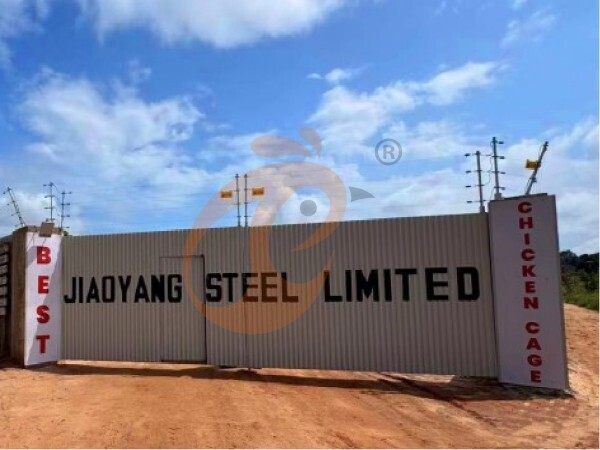
Tanzania Best Machinery And Equipment CO., LTD
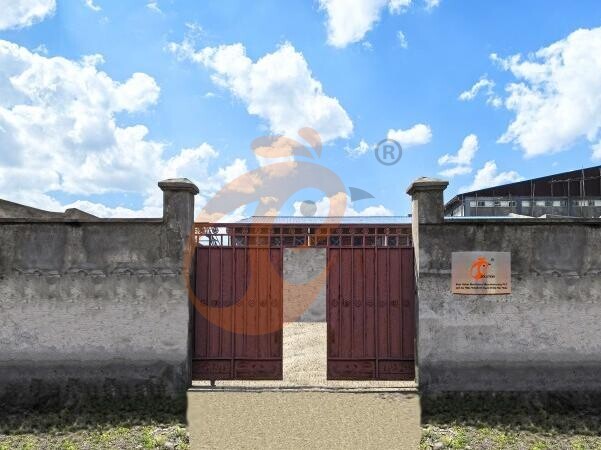
Ethiopia Best Hebei Machinery Manufacturing PLC
Reception /24 WhatsApp NO. : +8618830120193
FAQ
What Are The Water Filtration Requirements For Plasson Poultry Equipment?
Suspended solid concentration is controlled below 40 mg per liter for system stability.
Backwash flow rate reaches 1.5–2.0 m³ per hour for effective filter regeneration.
What Are The Pipeline Dimension Standards In Plasson Poultry Equipment?
Branch lines operate with 16–20 mm diameter for balanced pressure across drinking points.
Maximum pipeline length per zone reaches 80–120 meters without pressure loss impact.
What Are The Bird Age Adaptation Settings In Plasson Poultry Equipment
Water flow sensitivity is adjusted to 60–100 ml per minute for different age groups.
Bird access spacing is optimized at 8–15 birds per nipple depending on growth phase.
Message
Products recommended
 HK Headquarter Offers EU-standard Poultry Farm Solutions, Manufacture Poultry Farm Equipment1. Continuous communication with the EU and the US
2. China, Nigeria, Ethiopia, Tanzania branch companies and factories
3. The products’ quality is customized for local poultry farms
4. Poultry cage and poultry farm equipment stock for sale
5. 24 online reception Whatsapp NO. : +8618830120193,contact us to get full informationRead More China Branch Offer Poultry Farm Business Plan, Manufacture Poultry Farm Equipment1. Address: Flat/RM 2416, 24/F, Runxing Building, Youyi Nan Street, Shijiazhuang City, Hebei Province, China
2. Poultry cage and poultry farm equipment factory and stock for sale
3. Customized for local poultry farms
4. Quality and design are based on Euro
5. 24 online reception Whatsapp NO. : +8618830120193Read More Nigeria Branch Offer Poultry Farm Business Plan, Manufacture Poultry Farm Equipment1. Address: After Sinoma Office, 200 Meters Near Danco Filling Station, Lagos/Ibadan Expressway, Lagos State, Nigeria
2. Poultry cage and poultry farm equipment factory and stock for sale
3. Customized for Nigerian poultry farms
4. Quality and design are based on Euro
5. 24 online reception Whatsapp NO. : +8618830120193Read More Ethiopia Branch Offer Poultry Farm Business Plan, Manufacture Poultry Farm Equipment1. Address: Gelan Gura, Akaki-kaliti Sub City, Addis Ababa, Ethiopia
2. Poultry cage and poultry farm equipment stock for sale
3. Customized for Ethiopian poultry farms
4. Quality and design are based on Euro
5. 24 online reception Whatsapp NO. : +8618830120193, contact us to get price listRead More Tanzania Branch Offer Poultry Farm Business Plan, Manufacture Poultry Farm Equipment1. Address: No.8, Sova Road, Msufini, Mlandizi, Kibaha, Pwani, Tanzania
2. Poultry cage and poultry farm equipment factory and stock for sale
3. Customized for Tanzanian poultry farms
4. Quality and design are based on Euro
5. 24 online reception Whatsapp NO. : +8618830120193Read More Fully Automatic H Type Layer Chicken Cage1. 30,000-100,000+ layers/house chooses it, Poultry farmers can achieve an egg production rate of 96-98%
2. A significant improvement over the 85-90% typically seen in manual systems
3. A typical poultry farm can expect a 30-40% reduction in labor costs due to the automation
4. Each feeding line efficiently supplies feed to around 100,000 hens per 30 mins
5. Reception /WhatsApp NO. : +8618830120193Read More Fully Automatic A Type Layer Chicken Cage1. 10,000-50,000 layers/house chooses it
2. Cleaner egg collection reduces breakage by 0.5%
3. Improved hygiene helps reduce mortality rate to <3%
4. 1–2 technicians can handle 15,000–30,000 birds
5. Reception /WhatsApp NO. : +8618830120193Read More Semi Automatic H Type Layer Chicken Cage1. 1,00-20,000 layers/house chooses it
2. Nipple drinkers flow 30–60 ML / min
3. Hot-dip galvanized (typical coating ≥ 275 g/m²)
4. Reduce ammonia by ~ 35–40%
5. Reception /WhatsApp NO. : +8618830120193Read More Semi Automatic A Type Layer Chicken Cage1. 1,00-20,000 layers/house chooses it, no rust for 10 years, no deformation for 15 years
2. Chickens live comfortably, you can raise them with peace of mind
3. Save water, save money—efficiency you can measure
4. Improve environment quality, and increase egg production rate
5. Reception /WhatsApp NO. : +8618830120193Read More
By clicking 'Allow All', you agree to the storage of cookies on your device to enhance site navigation, analyze site usage and assist with our marketing efforts.