






Blog
A pellet machine represents a significant industrial investment for feed manufacturers, biomass processing plants, wood pellet producers, and agricultural enterprises.
It directly determines production stability, output efficiency, and long term operational profitability in continuous manufacturing environments.
Key optimization directions such as pellet machine maintenance optimization, biomass pellet machine durability control, and feed pellet machine lifespan management play an important role in reducing downtime and mechanical failure risks.
Most equipment failures are not caused by manufacturing defects but by improper operation, insufficient maintenance routines, and delayed replacement of wear parts.
This article explains structured engineering methods to extend pellet machine service life, improve performance stability, and reduce long term operational cost pressure.
Get professional poultry farm construction guidance, equipment selection solutions, and the latest price lists, whatsApp to +8618830120193, +2348111199996, or click to learn more.
Follow A Scheduled Preventive Maintenance Program
Preventive maintenance is the foundation of stable pellet machine operation and long-term reliability.
It allows early detection of abnormal wear conditions before system failure occurs.
Recommended Maintenance Schedule
Data is for reference only.Swipe horizontally to view full table.
Regular inspection reduces unexpected shutdown risk and improves pellet machine mechanical stability.
Use High-Quality Raw Materials
Raw material quality has a direct impact on pellet machine wear rate and system durability.
Impurities such as sand, metal fragments, and excessive dust accelerate die and roller abrasion.
Impact Of Raw Material Quality
Data is for reference only.Swipe horizontally to view full table.
Pre-cleaning systems significantly improve pellet machine lifespan and reduce internal mechanical stress.
Maintain Proper Lubrication System
Lubrication directly affects friction control, temperature stability, and pellet machine component lifespan.
Insufficient lubrication leads to overheating, bearing failure, and gearbox damage.
Lubrication Management Guidelines
Data is for reference only.Swipe horizontally to view full table.
Proper lubrication reduces energy loss and stabilizes pellet machine long term operation performance.
Key Lubrication Performance Benefits
Reduced friction losses
Lower operating temperature
Improved mechanical efficiency
Extended pellet machine bearing lifespan
Reduced maintenance cost
Control Operating Temperature
Temperature control is essential for protecting pellet machine mechanical components and maintaining stable production output.
Excessive heat reduces lubrication effectiveness and accelerates material fatigue.
Recommended Temperature Ranges
Data is for reference only.Swipe horizontally to view full table.
Stable thermal conditions significantly extend pellet machine durability under continuous load.
Replace Wear Parts Before Failure
Proactive replacement prevents secondary damage and pellet machine production interruptions.
It is a key strategy for maintaining continuous pellet production efficiency.
Common Wear Components
Data is for reference only.Swipe horizontally to view full table.
Timely replacement ensures stable pellet machine operation and reduces emergency repair cost.
Train Operators Properly
Operator skill level directly affects pellet machine performance and lifespan.
Incorrect operation can significantly reduce equipment durability.
Essential Operator Training Topics
Data is for reference only.Swipe horizontally to view full table.
Proper training reduces pellet machine misuse and improves long term system reliability.
Common Operator Mistakes To Avoid
Starting machine under full load
Ignoring vibration warning signals
Skipping lubrication schedule
Overfeeding raw materials
Using worn dies for pellet machine production
Neglecting routine inspections
Monitor Machine Performance Data
Data monitoring enables predictive maintenance and reduces pellet machine unexpected breakdowns.
It is essential for modern industrial pellet production systems.
Critical Performance Indicators
Data is for reference only.Swipe horizontally to view full table.
Stable parameter control improves pellet machine production efficiency and reduces maintenance risk.
Environmental Control Conditions
Environmental stability significantly influences pellet machine lifespan and operational consistency.
Environmental Conditions
Data is for reference only.Swipe horizontally to view full table.
Controlled environments reduce pellet machine thermal stress and mechanical degradation.
Economic Impact Of Maintenance Optimization
Proper maintenance strategy significantly improves pellet machine long term financial performance.
European union standard reference only.
Estimated Cost Comparison
Data is for reference only.Swipe horizontally to view full table.
Structured maintenance reduces pellet machine operational cost and improves asset utilization efficiency.
Best Practices Checklist
Daily Tasks
- Check pellet machine bearing temperature stability
- Monitor lubrication status
- Inspect pellet output quality
- Track vibration behavior
- Remove dust accumulation
Weekly Tasks
- Adjust belt tension system
- Clean feeding mechanism
- Inspect roller condition
- Verify electrical connections
Monthly Tasks
- Analyze performance data
- Inspect gearbox oil condition
- Adjust motor alignment
Review maintenance records
Frequently Asked Questions
Q1: What is the most effective way to extend pellet machine lifespan?
A1: The most effective method is a combination of preventive maintenance and lubrication control rather than relying on a single action.
Regular inspection of pellet machine bearings, dies, and rollers helps detect early wear before failure occurs.
In industrial operation, consistent maintenance can reduce unplanned downtime by up to 60–75% and significantly extend service life beyond 10–15 years depending on workload intensity.
Q2: How often should key wear parts be replaced in a pellet machine?
A2: Wear parts such as pellet machine dies, rollers, and bearings should be replaced based on operating hours rather than visible failure.
For example, pellet dies typically last between 1500 and 3000 hours, while rollers often last around 1200 to 2500 hours under standard production conditions.
Replacing components before failure helps avoid secondary damage and can reduce total repair cost by approximately 20–35%.
Q3: Can operating conditions really affect pellet machine durability?
A3: Yes, operating conditions have a direct impact on pellet machine mechanical lifespan and production stability.
For example, maintaining bearing temperature below 80°c and motor load between 70% and 90% helps ensure stable performance.
Exceeding recommended limits consistently can reduce equipment lifespan by 15–25% and increase energy consumption significantly over time.
Taiyu (HK) Group - One Of China Biggest Pellet Machine Manufacturer
Industrial pellet machine systems designed for 1 to 20 tons per hour production capacity supporting feed, biomass, and fertilizer pellet processing lines.
Global factory direct supply ensuring standardized manufacturing quality control and stable mechanical performance under continuous operation conditions.
Integrated poultry equipment and feed production solutions covering crushing, mixing, pelletizing, cooling, and automation systems.
Turn key engineering services including installation, commissioning, operator training, and full production line optimization support.
International export capability with spare parts supply chain and long term technical maintenance cooperation for industrial clients.
Contact Us To Received Your Customized Poultry Farm Plan
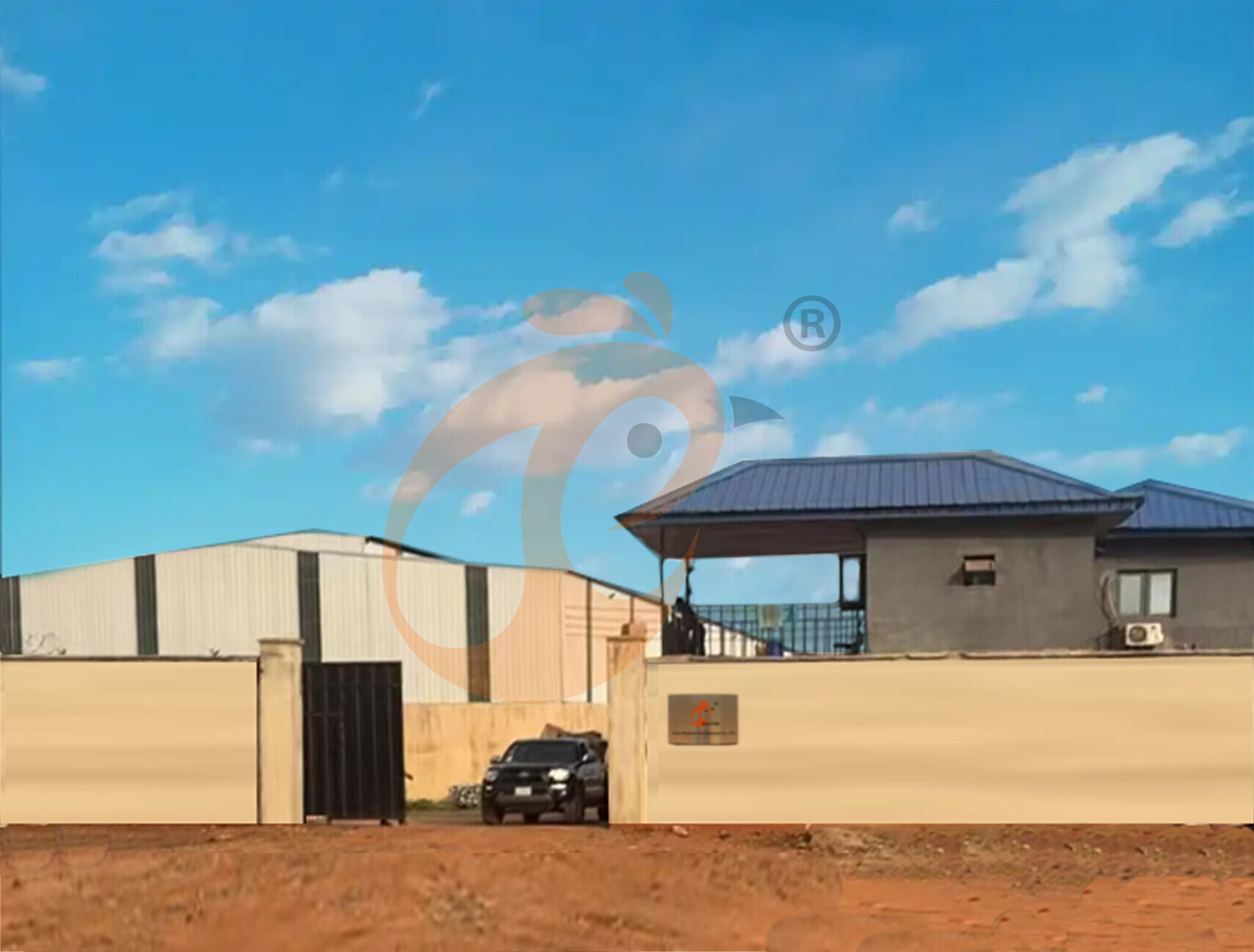
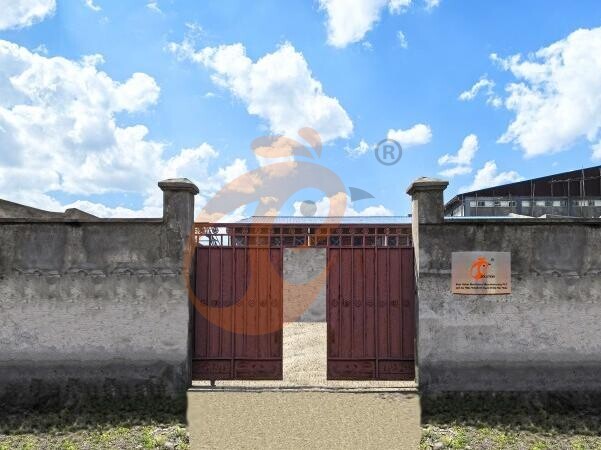
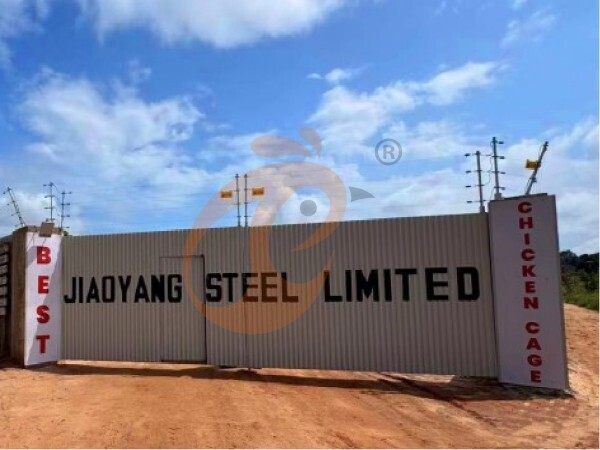
Headquarters And Branchs
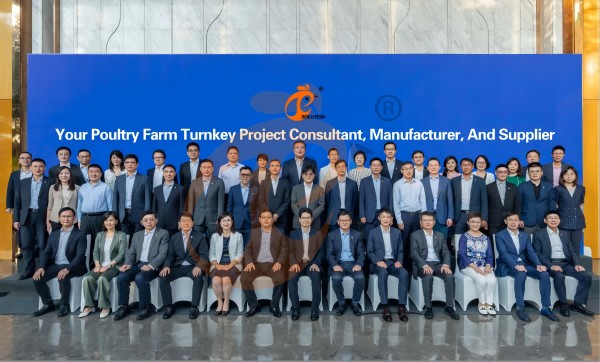
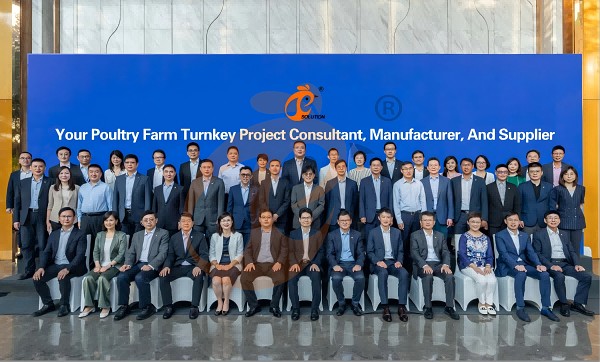
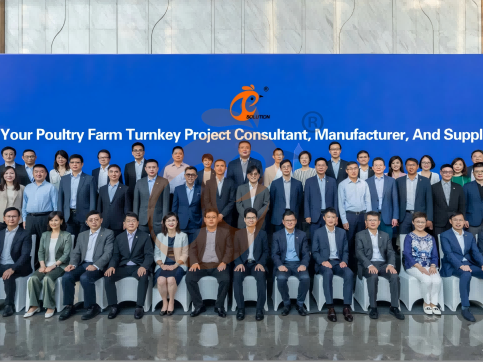
Hong Kong Headquarter Management Team
Hong Kong Headquarter Taiyu Industrial Group CO., LTD
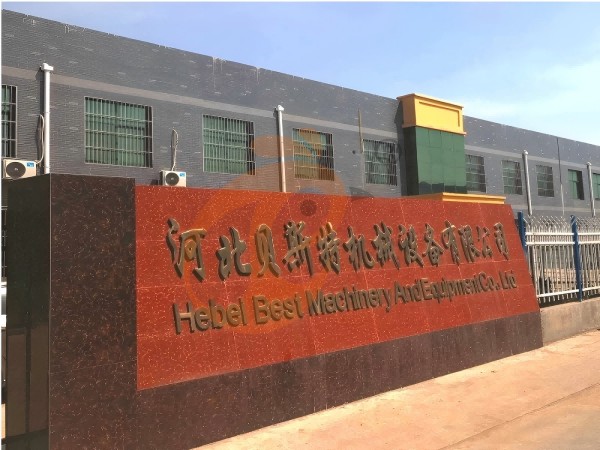
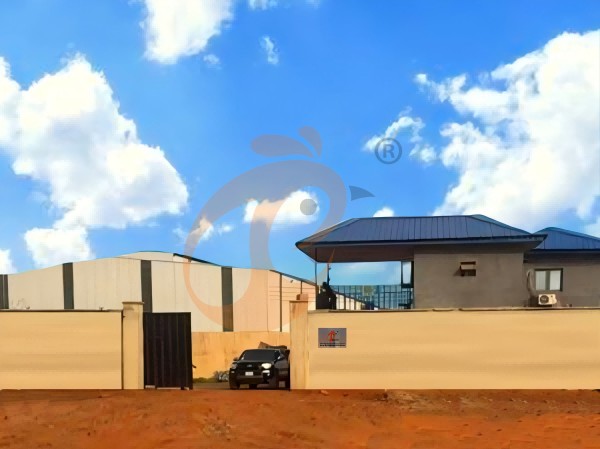
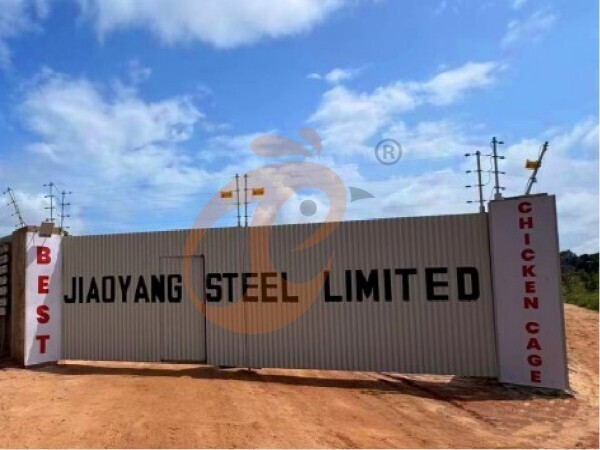
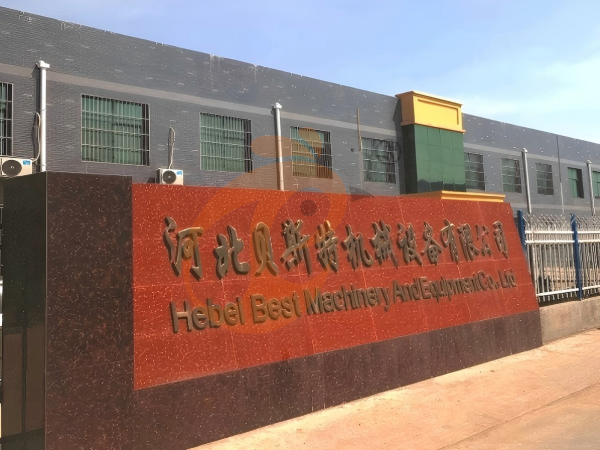
China Hebei Best Machinery And Equipment CO., LTD
Nigeria Vanke Machinery And Equipment CO., LTD
Tanzania Best Machinery And Equipment CO., LTD
Ethiopia Best Hebei Machinery Manufacturing PLC

Reception /24 WhatsApp NO. : +8618830120193
FAQ
What Feeding System Standards Are Required For Pellet Machine In Poultry Chicken Feed Production Lines?
Feeder capacity is designed at 1.2–2.5 tons per hour depending on raw material density.
Flow consistency deviation is maintained within ±2% for uniform pellet quality output.
What Maintenance And Wear Part Replacement Standards Apply To Pellet Machine?
Bearing replacement intervals typically occur every 12–18 months under continuous operation.
Gearbox oil change frequency is maintained at 1000–1500 operating hours for system reliability.
What Safety Protection Systems Are Integrated In Pellet Machine For Poultry Chicken Feed Production?
Emergency stop response time is maintained within 0.5–1.0 seconds for operational safety.
Vibration monitoring limits are set at 4.5–6.0 mm/s to prevent mechanical failure.
Message
Products recommended
 HK Headquarter Offers EU-standard Poultry Farm Solutions, Manufacture Poultry Farm Equipment1. Continuous communication with the EU and the US
2. China, Nigeria, Ethiopia, Tanzania branch companies and factories
3. The products’ quality is customized for local poultry farms
4. Poultry cage and poultry farm equipment stock for sale
5. 24 online reception Whatsapp NO. : +8618830120193,contact us to get full informationRead More China Branch Offer Poultry Farm Business Plan, Manufacture Poultry Farm Equipment1. Address: Flat/RM 2416, 24/F, Runxing Building, Youyi Nan Street, Shijiazhuang City, Hebei Province, China
2. Poultry cage and poultry farm equipment factory and stock for sale
3. Customized for local poultry farms
4. Quality and design are based on Euro
5. 24 online reception Whatsapp NO. : +8618830120193Read More Nigeria Branch Offer Poultry Farm Business Plan, Manufacture Poultry Farm Equipment1. Address: After Sinoma Office, 200 Meters Near Danco Filling Station, Lagos/Ibadan Expressway, Lagos State, Nigeria
2. Poultry cage and poultry farm equipment factory and stock for sale
3. Customized for Nigerian poultry farms
4. Quality and design are based on Euro
5. 24 online reception Whatsapp NO. : +8618830120193Read More Ethiopia Branch Offer Poultry Farm Business Plan, Manufacture Poultry Farm Equipment1. Address: Gelan Gura, Akaki-kaliti Sub City, Addis Ababa, Ethiopia
2. Poultry cage and poultry farm equipment stock for sale
3. Customized for Ethiopian poultry farms
4. Quality and design are based on Euro
5. 24 online reception Whatsapp NO. : +8618830120193, contact us to get price listRead More Tanzania Branch Offer Poultry Farm Business Plan, Manufacture Poultry Farm Equipment1. Address: No.8, Sova Road, Msufini, Mlandizi, Kibaha, Pwani, Tanzania
2. Poultry cage and poultry farm equipment factory and stock for sale
3. Customized for Tanzanian poultry farms
4. Quality and design are based on Euro
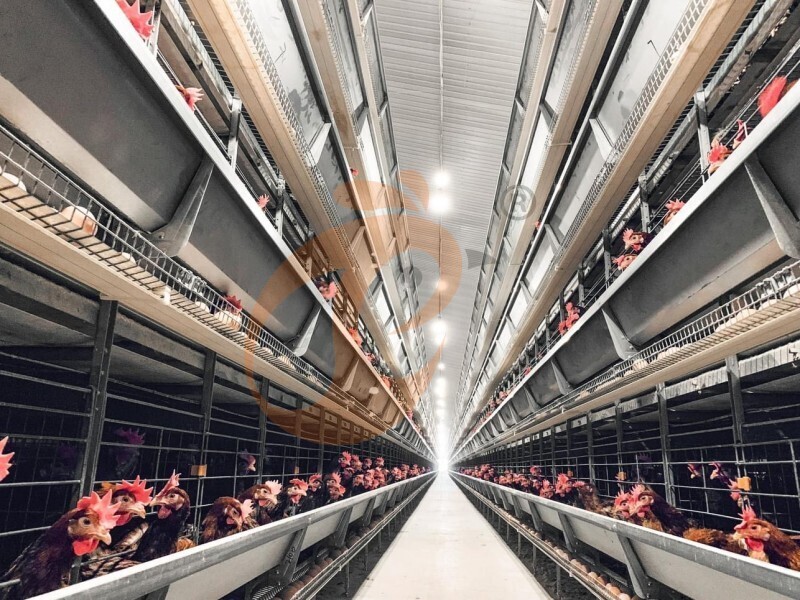
5. 24 online reception Whatsapp NO. : +8618830120193Read More Fully Automatic H Type Layer Chicken Cage1. 30,000-100,000+ layers/house chooses it, Poultry farmers can achieve an egg production rate of 96-98%
2. A significant improvement over the 85-90% typically seen in manual systems
3. A typical poultry farm can expect a 30-40% reduction in labor costs due to the automation
4. Each feeding line efficiently supplies feed to around 100,000 hens per 30 mins
5. Reception /WhatsApp NO. : +8618830120193Read More Fully Automatic A Type Layer Chicken Cage1. 10,000-50,000 layers/house chooses it
2. Cleaner egg collection reduces breakage by 0.5%
3. Improved hygiene helps reduce mortality rate to <3%
4. 1–2 technicians can handle 15,000–30,000 birds
5. Reception /WhatsApp NO. : +8618830120193Read More Semi Automatic H Type Layer Chicken Cage1. 1,00-20,000 layers/house chooses it
2. Nipple drinkers flow 30–60 ML / min
3. Hot-dip galvanized (typical coating ≥ 275 g/m²)
4. Reduce ammonia by ~ 35–40%
5. Reception /WhatsApp NO. : +8618830120193Read More Semi Automatic A Type Layer Chicken Cage1. 1,00-20,000 layers/house chooses it, no rust for 10 years, no deformation for 15 years
2. Chickens live comfortably, you can raise them with peace of mind
3. Save water, save money—efficiency you can measure
4. Improve environment quality, and increase egg production rate
5. Reception /WhatsApp NO. : +8618830120193Read More
By clicking 'Allow All', you agree to the storage of cookies on your device to enhance site navigation, analyze site usage and assist with our marketing efforts.