






Blog
Pralson feeder system integrates automated feed delivery control in commercial poultry houses.
Mechanical auger synchronization stabilizes feed transport efficiency under high density flock conditions.
Sensor based feeding regulation reduces waste percentage and improves feed conversion ratio performance.
Galvanized structural components ensure corrosion resistance in ammonia intensive livestock environments.
Calibration procedures standardize distribution accuracy across long line poultry production systems.
Get professional poultry farm construction guidance, equipment selection solutions, and the latest price lists, whatsApp to +8618830120193, +2348111199996, or click to learn more.
Technical Specifications Of Pralson Feeding Systems
Before installation, site managers must verify the engineering compatibility of the equipment with the house dimensions.
The Pralson series utilizes high-tensile galvanized steel and UV-stabilized polymers to ensure longevity in high ammonia environments.
Standardized components allow rapid deployment across varied farm scales in automated poultry feeding system infrastructure.
Data is for reference only. Swipe horizontally to view full table.
Step Precision Assembly And Drive Unit Alignment
The first step involves synchronization of the primary drive motor with auger line in poultry feeding system setup.
Alignment must be verified using laser leveling tools to eliminate torque imbalance during feed transport operations.
Misalignment of 2 degrees increases energy consumption 15% and accelerates mechanical wear on spiral auger blades.
Connection torque specification is maintained at 25 Nm under industrial installation standard requirements.
Data is for reference only. Swipe horizontally to view full table.
Step Calibrating Feed Distribution Volume
Pralson feeder system implements 360 degree feed dispersion architecture for uniform pan loading.
Feed distribution adjustment is required according to pellet, crumble, or mash particle classification.
Feed depth control eliminates flick out loss and stabilizes feed intake uniformity across flock population.
Sliding sleeve mechanism regulates volumetric feed output per feeding line segment.
Data is for reference only. Swipe horizontally to view full table.
Science Of Avian Nutrition The FCR Factor
Feed Conversion Ratio (FCR) defines biological efficiency of poultry feed utilization systems.
Optimized Pralson feeder system achieves FCR range 1.4–1.6 in broiler production cycles.
Feed-to-weight conversion ratio indicates 1 kg live weight gain per 1.5 kg feed intake.
Waste minimization at pan level directly reduces operational cost per production cycle.
Step Height Adjustment Based On Bird Age
Feeding line elevation is adjusted continuously based on flock growth trajectory.
Pan lip alignment is maintained at bird back height to ensure ergonomic feed access.
Improper height configuration increases feed contamination probability from litter material.
Automated winch system stabilizes vertical adjustment across 150-meter feeding infrastructure.
Data is for reference only. Swipe horizontally to view full table.
Step Managing Feed Density And Bird Competition
Feed station overcrowding increases production variance and mortality ratio.
Pralson pan system supports controlled bird density based on ventilation capacity.
Feed access hierarchy reduction improves uniform growth distribution across flock.
Optimal density range maintained at 50–65 birds per pan system design.
Data is for reference only. Swipe horizontally to view full table.
Step Automated Control And Sensor Calibration
End-pan sensor operates as central control module of pralson feeder automation system.
Sensor detects feed depletion condition and triggers motor activation for refill cycle execution.
Weekly calibration prevents dry run operation and mechanical stress accumulation.
IP67-rated sensor housing ensures dustproof and moisture resistant operation in poultry environments.
Data is for reference only. Swipe horizontally to view full table.
Step Sanitation And Biosecurity Protocols
Feed residue accumulation increases microbial contamination risk in feeding infrastructure.
Quick-release structure enables rapid disassembly for batch cleaning cycles.
High-pressure washing eliminates organic residue from auger spiral channels.
Closed system architecture reduces rodent and wild bird contamination exposure.
Data is for reference only. Swipe horizontally to view full table.
Technical Analysis Of Investment Returns ROI
Automated poultry feeding system reduces labor dependency in large-scale production units.
Twenty-thousand bird facility reduces labor requirement from 6 operators to 1 supervisor.
Feed loss reduction of 3–5% improves return cycle within 18–24 months investment period.
Production uniformity increases market valuation per kilogram output in commercial poultry trading.
Environmental Impact Of Modern Feeding Technology
Precision feeding technology reduces grain wastage and improves protein conversion efficiency.
Reduced feed input decreases land utilization and freshwater consumption per production cycle.
Extended equipment lifecycle reduces industrial waste generation in livestock infrastructure systems.
Low energy motor configuration reduces total kilowatt-hour consumption per cycle operation.
Frequently Asked Questions
Q1: What is optimal installation height for Pralson feeders?
A1: Optimal height aligns feed pan lip with bird back level, typically adjusted between 50–250 mm depending on growth stage.
Misalignment above 10% reduces feed intake efficiency by approximately 12–15%.
Q2: How often should Pralson feeder sensors be calibrated?
A2: Sensor calibration is recommended weekly.
Failure to calibrate may result in 8–10% feed delivery inconsistency and increased mechanical dry-run frequency in automated feeding cycles.
Q3: What is expected feed conversion efficiency using Pralson system?
A3: Standard FCR ranges between 1.4 and 1.6 under controlled broiler conditions.
Performance depends on feed type, density management, and environmental temperature stability.
Taiyu (HK) Group - One Of China Biggest Pralson Feeders Supplier
Pralson feeders system delivers precision poultry feeding automation equipment for commercial farms.
Global factory direct supply enables stable industrial production capacity for poultry equipment systems.
Turn key poultry engineering solutions integrate feeding lines, cages, and automated control systems.
High standard manufacturing ensures long-term operational stability for large scale poultry production projects.
Export oriented production supports global poultry farm equipment installation and technical service delivery.
Contact Us To Received Your Customized Poultry Farm Plan
Headquarters And Branchs
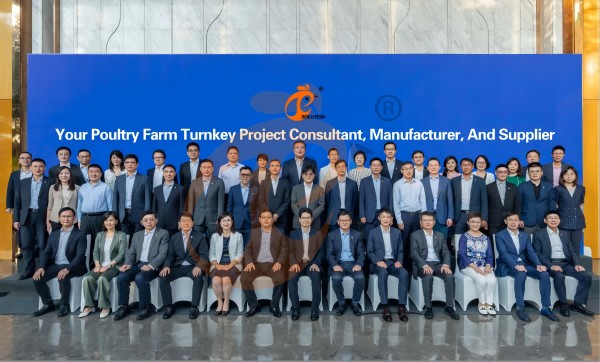
Hong Kong Headquarter Management Team
Hong Kong Headquarter Taiyu Industrial Group CO., LTD
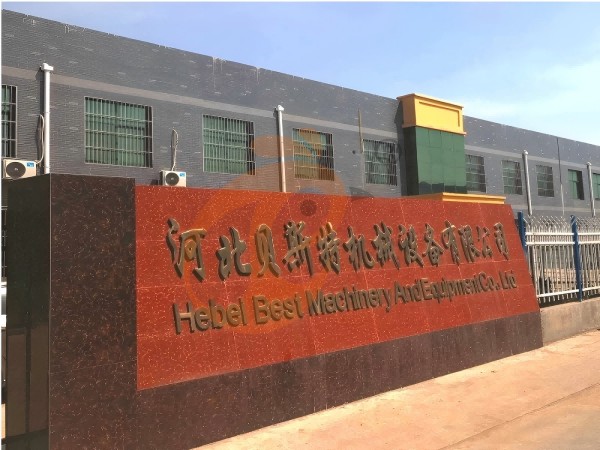
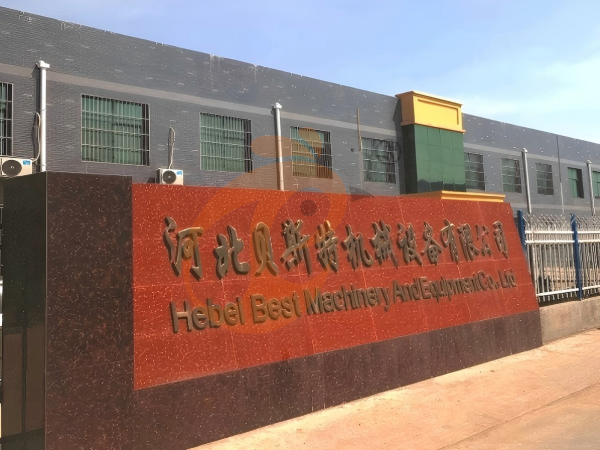
China Hebei Best Machinery And Equipment CO., LTD
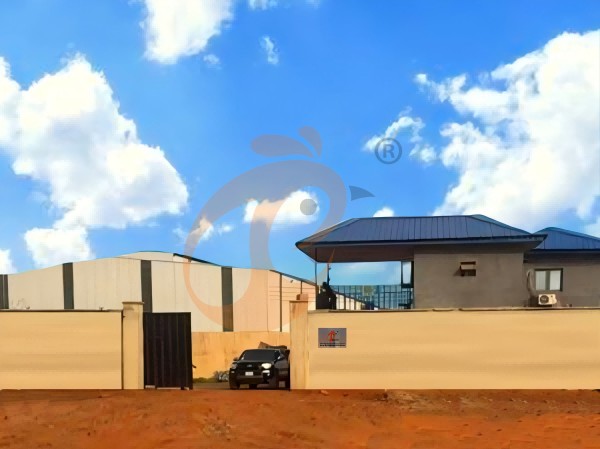
Nigeria Vanke Machinery And Equipment CO., LTD
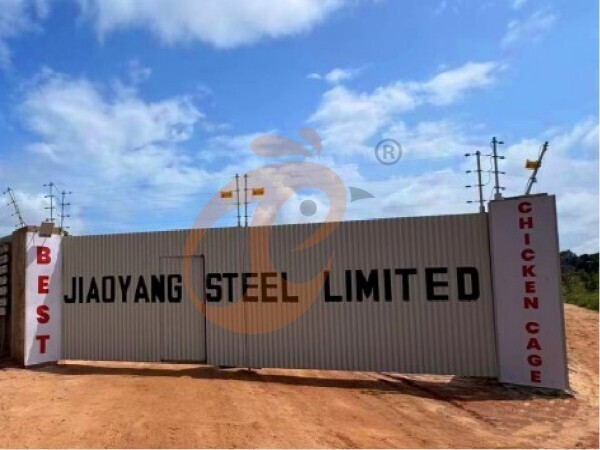
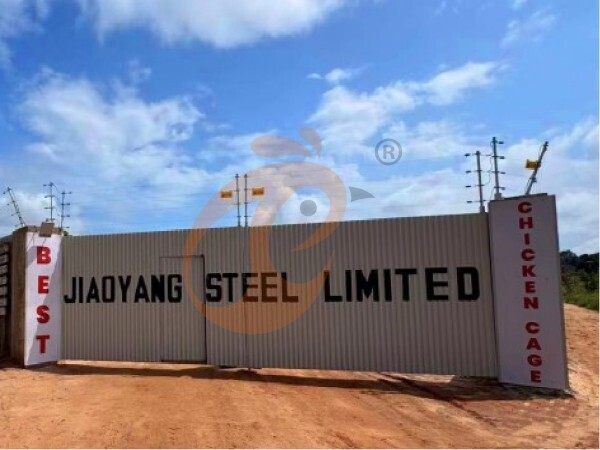
Tanzania Best Machinery And Equipment CO., LTD
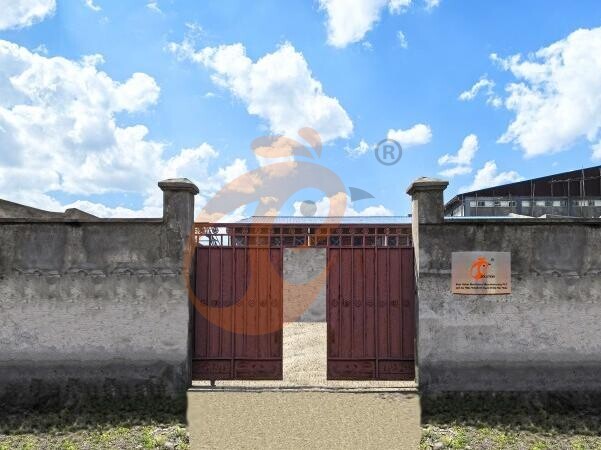
Ethiopia Best Hebei Machinery Manufacturing PLC

Reception /24 WhatsApp NO. : +8618830120193
FAQ
What Is The Application Range Of Plasson Poultry Equipment In Poultry Chicken Farming Systems?
System compatibility covers broiler, layer, and breeder production environments with modular installation design.
Integration supports both manual and fully automated poultry housing layouts for scalable expansion projects.
What Are The Water Flow And Pressure Standards In Plasson Poultry Equipment For Poultry Chicken Drinking Systems?
Flow rate per drinker ranges from 60–110 ml per minute depending on bird age.
System pressure variation tolerance is maintained within ±0.02 MPa across full pipeline length.
What Materials Are Used In Plasson Poultry Equipment For Poultry Chicken Housing Systems?
Internal valve components use stainless steel alloys with hardness levels above HRC 42.
Pipeline connectors are designed with UV-resistant polymer materials to withstand 8–10 years outdoor exposure.
Message
Products recommended
 HK Headquarter Offers EU-standard Poultry Farm Solutions, Manufacture Poultry Farm Equipment1. Continuous communication with the EU and the US
2. China, Nigeria, Ethiopia, Tanzania branch companies and factories
3. The products’ quality is customized for local poultry farms
4. Poultry cage and poultry farm equipment stock for sale
5. 24 online reception Whatsapp NO. : +8618830120193,contact us to get full informationRead More China Branch Offer Poultry Farm Business Plan, Manufacture Poultry Farm Equipment1. Address: Flat/RM 2416, 24/F, Runxing Building, Youyi Nan Street, Shijiazhuang City, Hebei Province, China
2. Poultry cage and poultry farm equipment factory and stock for sale
3. Customized for local poultry farms
4. Quality and design are based on Euro
5. 24 online reception Whatsapp NO. : +8618830120193Read More Nigeria Branch Offer Poultry Farm Business Plan, Manufacture Poultry Farm Equipment1. Address: After Sinoma Office, 200 Meters Near Danco Filling Station, Lagos/Ibadan Expressway, Lagos State, Nigeria
2. Poultry cage and poultry farm equipment factory and stock for sale
3. Customized for Nigerian poultry farms
4. Quality and design are based on Euro
5. 24 online reception Whatsapp NO. : +8618830120193Read More Ethiopia Branch Offer Poultry Farm Business Plan, Manufacture Poultry Farm Equipment1. Address: Gelan Gura, Akaki-kaliti Sub City, Addis Ababa, Ethiopia
2. Poultry cage and poultry farm equipment stock for sale
3. Customized for Ethiopian poultry farms
4. Quality and design are based on Euro
5. 24 online reception Whatsapp NO. : +8618830120193, contact us to get price listRead More Tanzania Branch Offer Poultry Farm Business Plan, Manufacture Poultry Farm Equipment1. Address: No.8, Sova Road, Msufini, Mlandizi, Kibaha, Pwani, Tanzania
2. Poultry cage and poultry farm equipment factory and stock for sale
3. Customized for Tanzanian poultry farms
4. Quality and design are based on Euro
5. 24 online reception Whatsapp NO. : +8618830120193Read More Fully Automatic H Type Layer Chicken Cage1. 30,000-100,000+ layers/house chooses it, Poultry farmers can achieve an egg production rate of 96-98%
2. A significant improvement over the 85-90% typically seen in manual systems
3. A typical poultry farm can expect a 30-40% reduction in labor costs due to the automation
4. Each feeding line efficiently supplies feed to around 100,000 hens per 30 mins
5. Reception /WhatsApp NO. : +8618830120193Read More Fully Automatic A Type Layer Chicken Cage1. 10,000-50,000 layers/house chooses it
2. Cleaner egg collection reduces breakage by 0.5%
3. Improved hygiene helps reduce mortality rate to <3%
4. 1–2 technicians can handle 15,000–30,000 birds
5. Reception /WhatsApp NO. : +8618830120193Read More Semi Automatic H Type Layer Chicken Cage1. 1,00-20,000 layers/house chooses it
2. Nipple drinkers flow 30–60 ML / min
3. Hot-dip galvanized (typical coating ≥ 275 g/m²)
4. Reduce ammonia by ~ 35–40%
5. Reception /WhatsApp NO. : +8618830120193Read More Semi Automatic A Type Layer Chicken Cage1. 1,00-20,000 layers/house chooses it, no rust for 10 years, no deformation for 15 years
2. Chickens live comfortably, you can raise them with peace of mind
3. Save water, save money—efficiency you can measure
4. Improve environment quality, and increase egg production rate
5. Reception /WhatsApp NO. : +8618830120193Read More

By clicking 'Allow All', you agree to the storage of cookies on your device to enhance site navigation, analyze site usage and assist with our marketing efforts.