






Blog
Modern poultry hydration systems improve flock sanitation and operational management efficiency.
Controlled water delivery technology supports stable feed conversion and bird performance.
Stainless steel drinking components reduce contamination risks inside poultry housing environments.
Automated poultry watering systems decrease water waste and litter moisture accumulation.
Commercial chicken farms require accurate pressure regulation and pipeline sanitation management.
Get professional poultry farm construction guidance, equipment selection solutions, and the latest price lists, whatsApp to +8618830120193, +2348111199996, or click to learn more.
Why Water Management Matters In Poultry Production
Modern poultry farms require stable water delivery systems that reduce waste, improve flock hygiene, and maintain consistent bird performance.
Nipple drinkers are widely used in broiler farms, layer houses, breeder operations, and small commercial poultry facilities because controlled water access limits contamination from litter, feed particles, and manure.
Compared with open trough systems, automatic poultry watering system technology supports cleaner production environments and reduces labor associated with water maintenance.
For chicken farms operating under intensive production schedules, water management directly influences feed conversion ratio, body weight gain, egg production, and flock health.
A poorly adjusted watering system can increase wet litter, ammonia concentration, bacterial growth, and bird stress.
By contrast, a properly installed poultry nipple drinkers system can help poultry producers maintain stable hydration across different growth stages.
Data is for reference only.Swipe horizontally to view full table.
Nipple drinkers are mechanical watering devices that release water only when birds activate the pin or trigger.
This design minimizes exposure to airborne contaminants and helps maintain dry litter conditions.
Many commercial systems include regulators, medicators, flush valves, and anti-perch components to improve operational stability.
Scientific poultry management studies have shown that birds with consistent water access maintain more stable digestive function and nutrient absorption.
Water also regulates body temperature through respiration and evaporation.
Inadequate water delivery can reduce feed intake within hours, especially during heat stress periods.
Choose The Correct Nipple Drinker Type
Selecting the correct nipple drinker depends on flock size, chicken breed, production objective, and house structure.
Broiler farms typically use 360-degree nipples because young birds can activate the mechanism from multiple angles.
Layer farms often use 180-degree nipples to reduce leakage and maintain cage cleanliness.
Data is for reference only.Swipe horizontally to view full table.
A farm with 20,000 broilers may install approximately 1,600 to 2,000 nipples depending on stocking density and line arrangement.
Overcrowded drinker lines create competition among birds, which may lead to uneven growth rates.
Many poultry equipment manufacturers produce nipples using stainless steel pins and double-seal structures to improve corrosion resistance.
In regions with mineral-rich groundwater, anti-rust performance becomes especially important because calcium deposits can obstruct water flow over time.
Install Drinker Lines At Proper Height
Correct drinker line height directly affects bird drinking behavior.
If the nipples are too low, chickens may peck excessively and spill water into the litter.
If the nipples are too high, younger birds may struggle to access water consistently.
Data is for reference only.Swipe horizontally to view full table.
The general guideline is that chickens should slightly stretch upward when activating the nipple.
This posture helps reduce water dripping while encouraging cleaner water intake.
Farmers should inspect line height daily because bird growth rates can change rapidly during the broiler finishing period.
Automatic winch systems are frequently used in environmentally controlled poultry houses.
These systems allow operators to raise or lower drinker lines evenly across the entire building.
Uniform line adjustment improves flock access consistency and reduces localized wet spots in litter areas.
Poultry Science Insight Relationship Between Water And Feed Conversion
Water intake and feed conversion ratio are closely connected in poultry production.
When water delivery becomes inconsistent, feed digestion efficiency often declines because chickens require sufficient hydration to process nutrients within the digestive tract.
Data is for reference only.Swipe horizontally to view full table.
At elevated temperatures, chickens consume more water to regulate body temperature.
If nipple flow rates are insufficient during heat stress periods, birds may crowd around drinker lines and reduce feed consumption.
Commercial farms often increase water pressure slightly during hot afternoons to maintain flow availability.
Ventilation systems also influence water performance.
Houses with poor airflow typically experience increased humidity and wetter litter, even if the drinker system itself functions correctly.
Therefore, water management should always be coordinated with ventilation planning.
Adjust Water Pressure Correctly
Water pressure determines how easily birds can access water from the nipples.
Excessive pressure may create leakage and wet litter, while insufficient pressure can limit bird intake.
Proper regulation helps maintain balanced flow across the entire line.
Data is for reference only.Swipe horizontally to view full table.
Pressure regulators should be checked frequently because sediment accumulation and pipeline wear can alter flow conditions.
Many farms install transparent water columns to monitor pressure visually without dismantling the system.
During brooding periods, chicks require easier water access because chicks are still learning nipple activation behavior.
Some poultry managers tap the nipples manually during placement to create visible droplets that attract chicks toward the drinker lines.
Maintain Water Hygiene And Sanitation
Clean water is essential for disease prevention and flock productivity.
Even advanced nipple systems can become contaminated if pipelines are not flushed regularly.
Biofilm formation inside water lines may harbor bacteria such as E.
coli, Salmonella, and Pseudomonas.
Data is for reference only.Swipe horizontally to view full table.
Many commercial farms use chlorine dioxide, hydrogen peroxide, or stabilized sanitizers to reduce microbial buildup inside pipelines.
However, chemical concentrations must remain within safe poultry drinking standards.
Excessive sanitizer levels may reduce water consumption and stress birds.
Hard water conditions can also contribute to mineral scaling within nipple components.
Installing sediment filters and water softening systems may reduce maintenance frequency and extend equipment lifespan.
Poultry Health Knowledge Wet Litter And Disease Risk
Wet litter is one of the most common management challenges associated with improper watering systems.
Excess moisture promotes ammonia production and creates favorable conditions for bacterial growth.
Data is for reference only.Swipe horizontally to view full table.
Ammonia exposure can damage the respiratory tract lining and reduce flock resistance to infections.
Broilers raised under wet litter conditions may also experience lower carcass quality at processing plants due to skin lesions and breast contamination.
Correct nipple adjustment, balanced ventilation, and proper stocking density all contribute to maintaining litter moisture within acceptable operational ranges.
Train Chicks To Use Nipple Drinkers
Newly placed chicks may require guidance to locate and activate nipple drinkers.
Early hydration is critical because chicks can lose body moisture rapidly during transportation and placement.
Farm workers commonly walk along the drinker lines immediately after chick placement and gently trigger nipples to create hanging droplets.
Light reflection from droplets encourages chicks to peck and discover the water source.
Data is for reference only.Swipe horizontally to view full table.
Crop fill assessment is a standard brooding management technique.
Chicks with full, soft crops have generally located both feed and water successfully.
Farms with poor early hydration often observe uneven body weight development during the first week.
Supplemental chick trays and temporary mini-drinkers are sometimes used during the first 3 to 5 days, especially in large broiler houses with more than 30,000 birds.
Monitor Performance And Repair Problems Quickly
Routine inspection is essential for long-term nipple drinker performance.
Small leaks can expand into large wet litter zones if left unresolved.
Daily maintenance routines should include checking regulators, filters, flush valves, and end-line pressure.
Data is for reference only.Swipe horizontally to view full table.
Modern poultry farms increasingly integrate digital monitoring systems that record water consumption in real time.
Sudden reductions in flock water intake may indicate disease onset before visible clinical symptoms appear.
For example, a flock experiencing respiratory disease or intestinal infection may reduce water intake several hours before feed intake decreases.
Because of this, water meters are frequently included in precision livestock farming systems.
Economic Benefits Of Nipple Drinker Systems
Nipple drinkers can reduce water waste substantially compared with open watering systems.
Lower water spillage decreases litter replacement costs and improves overall house sanitation.
Initial nipple drinker installation for 10,000 birds generally ranges from $2,500 to $6,800 depending on pipeline configuration and pressure regulation equipment.
European union standard reference only.
Data is for reference only.Swipe horizontally to view full table.
Lower litter moisture can also reduce ventilation energy demand because fewer fans are required to remove excess humidity from the building.
In environmentally controlled poultry houses, electricity savings may reach $180 to $450 per production cycle depending on regional energy costs.
European union standard reference only.
Labor efficiency is another operational advantage.
Large scale poultry farms often prefer automated nipple systems because manual cleaning requirements are significantly lower compared with traditional drinkers.
Additional Poultry Science Information Water Quality Standards
Water quality influences bird health as much as drinker design.
Contaminated water can carry pathogens, excess minerals, or organic compounds that interfere with production performance.
Data is for reference only.Swipe horizontally to view full table.
Groundwater sources should be tested periodically, particularly in agricultural regions with intensive fertilizer use.
Elevated mineral levels may not only affect poultry health but also shorten the operational lifespan of nipples and regulators.
Water temperature also matters.
Extremely warm water may reduce bird consumption during summer conditions.
Some farms insulate pipelines or bury external supply lines to stabilize water temperature during extreme weather.
Conclusion
Nipple drinkers have become a standard solution for modern chicken farming because controlled water delivery supports cleaner litter conditions, improved flock management, and lower contamination risks.
However, successful implementation depends on more than simply installing the equipment.
Poultry producers must select suitable nipple types, maintain correct line height, regulate water pressure accurately, and implement regular sanitation procedures.
The six practical steps discussed in this article provide a structured framework for poultry farms seeking stable hydration management.
Correct use of chicken nipple drinkers can contribute to improved feed conversion, reduced disease pressure, lower water waste, and better flock uniformity.
As poultry production continues to move toward automation and precision management, water monitoring systems will likely become even more integrated with environmental control technology.
Farms that maintain stable water delivery standards are generally better positioned to improve productivity, animal welfare, and operational efficiency across long-term production cycles.
Frequently Asked Questions
Q1: How many chickens can one nipple drinker support?
A1: Commercial broiler farms generally allocate 10 to 12 birds per nipple.
Layer cage systems commonly allocate 8 to 10 birds per nipple because adult birds require more stable access during egg production periods.
Q2: What water pressure is recommended for broiler nipple drinkers?
A2: Broiler farms commonly operate between 8 and 30 mbar depending on bird age.
Young chicks usually require 8-12 mbar, while finishing broilers may require 22-30 mbar for stable flow rates.
Q3: How often should poultry water lines be cleaned?
A3: Commercial poultry farms typically flush pipelines every 3 to 7 days.
Complete sanitation between flocks generally requires 2 to 6 hours using approved cleaning chemicals and clean water circulation.
Taiyu (HK) Group - One Of China Largest Nipple Drinkers Manufacturer
- Precision stainless steel nipple drinkers support efficient poultry hydration management systems.
- Global factory direct poultry equipment supply supports commercial farm construction requirements.
- Automated poultry cage systems improve stocking density and operational management efficiency.
- Professional turn key poultry engineering projects support integrated commercial farming development.
- International poultry equipment manufacturing services support stable large-scale agricultural production.
Contact Us To Received Your Customized Poultry Farm Plan
Headquarters And Branchs
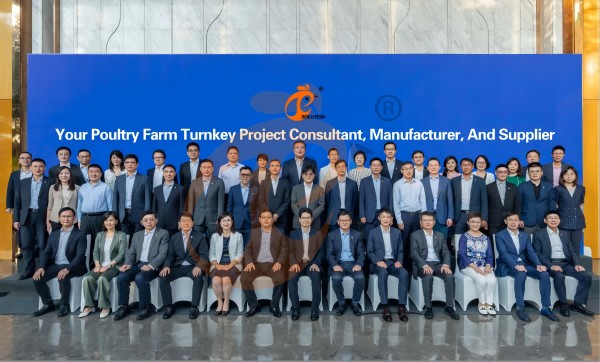
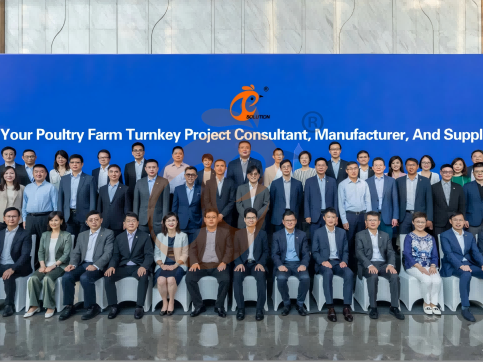
Hong Kong Headquarter Management Team
Hong Kong Headquarter Taiyu Industrial Group CO., LTD
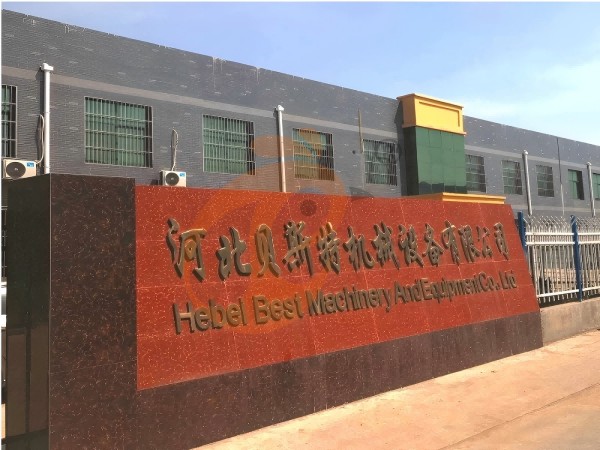
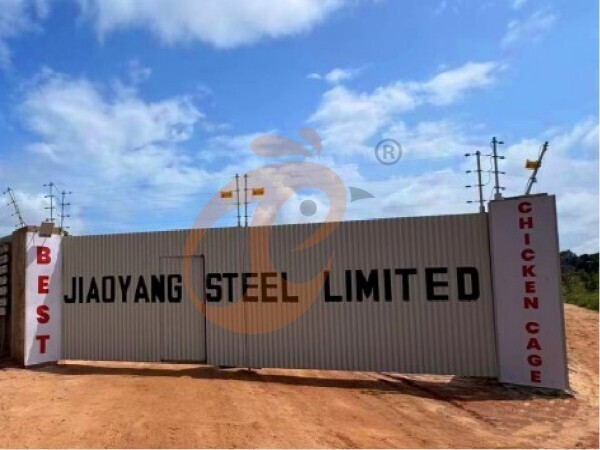
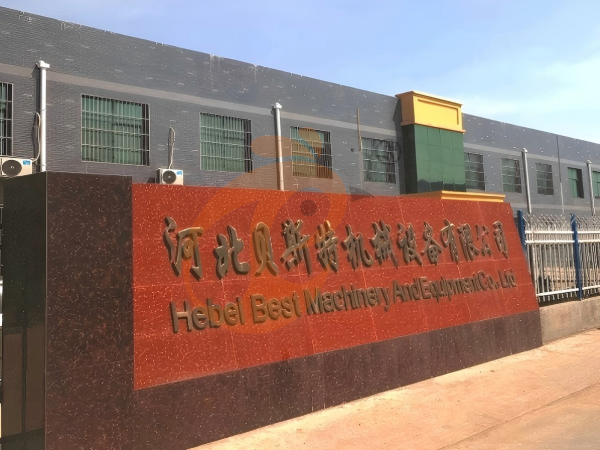
China Hebei Best Machinery And Equipment CO., LTD
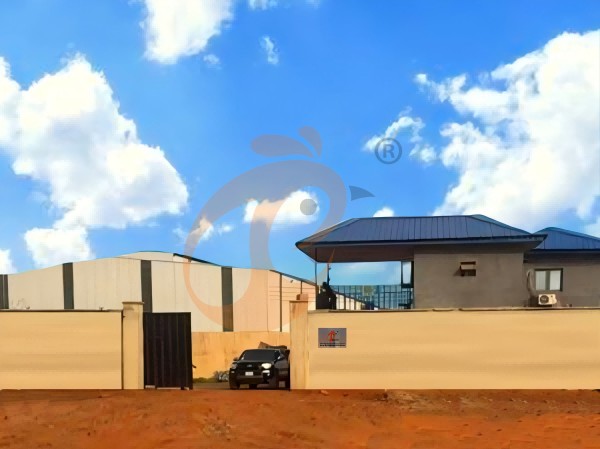
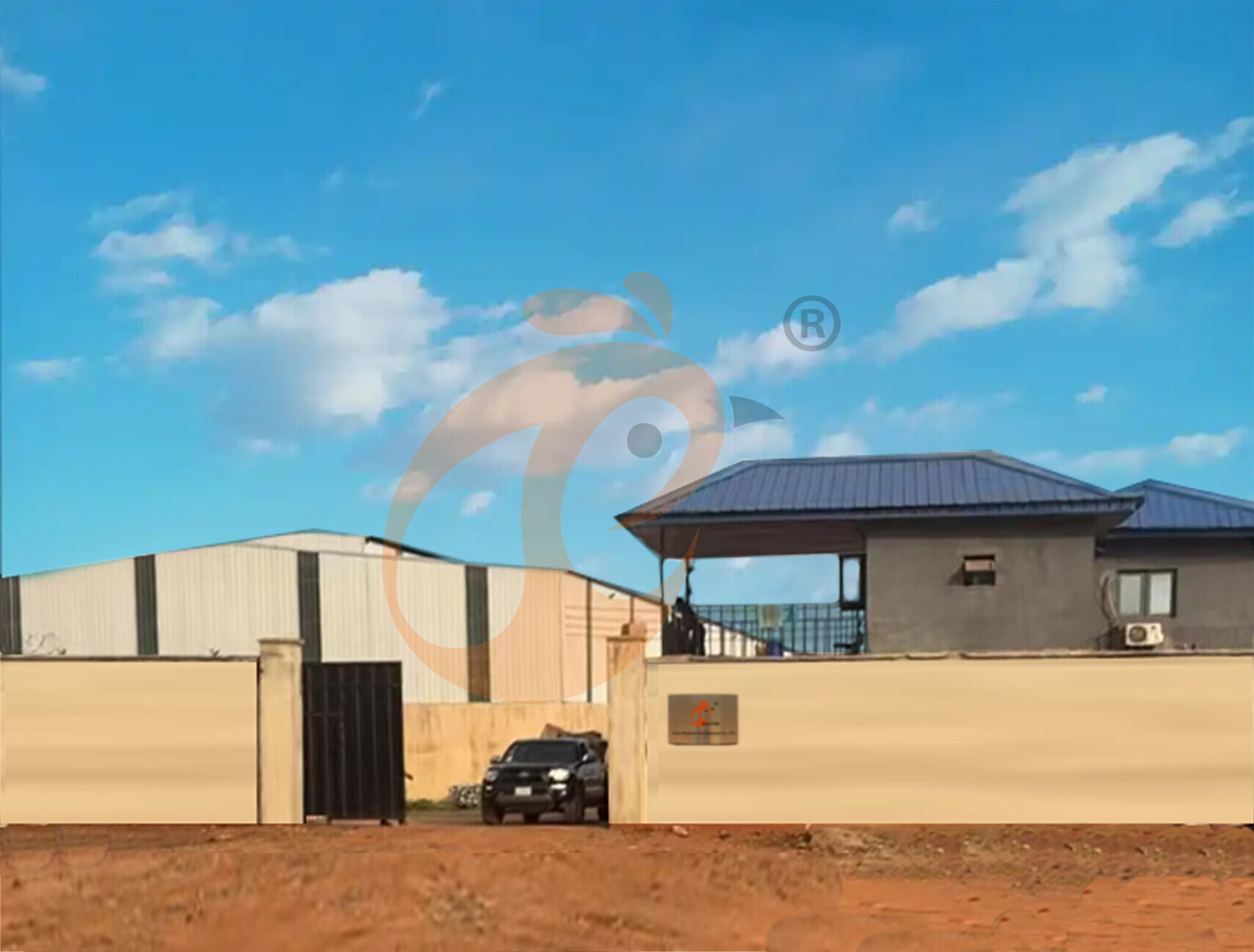
Nigeria Vanke Machinery And Equipment CO., LTD
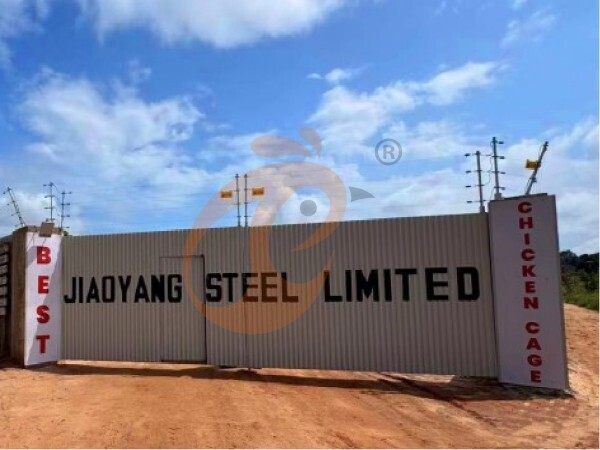
Tanzania Best Machinery And Equipment CO., LTD
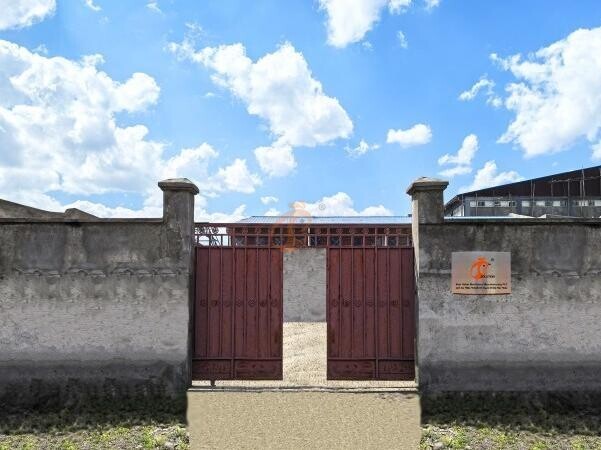
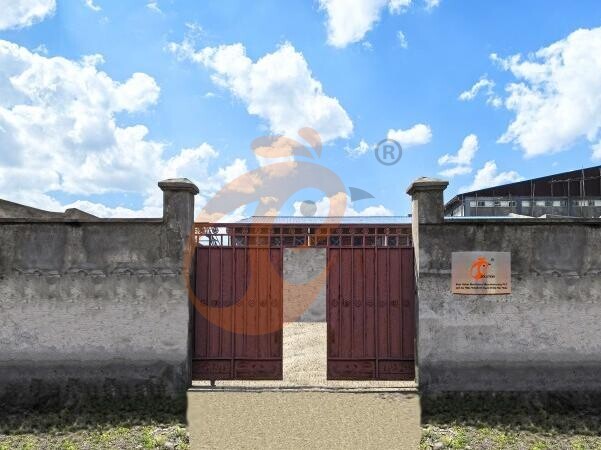
Ethiopia Best Hebei Machinery Manufacturing PLC
Reception /24 WhatsApp NO. : +8618830120193
FAQ
What Is The Service Life Expectancy Of Nipple Drinkers In Poultry Chicken Cage Systems?
Plastic housing maintains structural integrity for 6,000–8,000 working hours in humid environments.
Spring mechanism durability reaches 25,000–35,000 activation cycles before replacement requirement.
What Pipe Integration Standards Are Required For Nipple Drinkers In Poultry Chicken Cage Systems?
Drinker connection spacing is maintained at 28–32 cm for uniform access distribution.
End-cap flushing velocity reaches 1.2–1.8 m/s to ensure pipeline cleanliness.
How Does Nipple Orientation Affect Drinking Efficiency In Poultry Chicken Cage Systems?
Horizontal deviation tolerance is controlled within ±3 degrees for consistent water output.
Downward tilt adjustment improves intake rate by 12%–18% in broiler flocks.
- poultry equipment
- layer cage
- poultry farm
- poultry cage
- poultry farm
- poultry farm construction
- layer cage system
- poultry equipment manufacturer
- layer farm
- broiler farm
- chicken farm
- poultry house
- poultry cage system
- automated poultry watering
- automatic poultry watering system
- poultry nipple drinkers
- chicken nipple drinkers
- poultry watering system
- poultry equipment manufacturers
- Ethiopia
- Nigeria
Message
Products recommended
 HK Headquarter Offers EU-standard Poultry Farm Solutions, Manufacture Poultry Farm Equipment1. Continuous communication with the EU and the US
2. China, Nigeria, Ethiopia, Tanzania branch companies and factories
3. The products’ quality is customized for local poultry farms
4. Poultry cage and poultry farm equipment stock for sale
5. 24 online reception Whatsapp NO. : +8618830120193,contact us to get full informationRead More China Branch Offer Poultry Farm Business Plan, Manufacture Poultry Farm Equipment1. Address: Flat/RM 2416, 24/F, Runxing Building, Youyi Nan Street, Shijiazhuang City, Hebei Province, China
2. Poultry cage and poultry farm equipment factory and stock for sale
3. Customized for local poultry farms
4. Quality and design are based on Euro
5. 24 online reception Whatsapp NO. : +8618830120193Read More Nigeria Branch Offer Poultry Farm Business Plan, Manufacture Poultry Farm Equipment1. Address: After Sinoma Office, 200 Meters Near Danco Filling Station, Lagos/Ibadan Expressway, Lagos State, Nigeria
2. Poultry cage and poultry farm equipment factory and stock for sale
3. Customized for Nigerian poultry farms
4. Quality and design are based on Euro
5. 24 online reception Whatsapp NO. : +8618830120193Read More Ethiopia Branch Offer Poultry Farm Business Plan, Manufacture Poultry Farm Equipment1. Address: Gelan Gura, Akaki-kaliti Sub City, Addis Ababa, Ethiopia
2. Poultry cage and poultry farm equipment stock for sale
3. Customized for Ethiopian poultry farms
4. Quality and design are based on Euro
5. 24 online reception Whatsapp NO. : +8618830120193, contact us to get price listRead More Tanzania Branch Offer Poultry Farm Business Plan, Manufacture Poultry Farm Equipment1. Address: No.8, Sova Road, Msufini, Mlandizi, Kibaha, Pwani, Tanzania
2. Poultry cage and poultry farm equipment factory and stock for sale
3. Customized for Tanzanian poultry farms
4. Quality and design are based on Euro
5. 24 online reception Whatsapp NO. : +8618830120193Read More Fully Automatic H Type Layer Chicken Cage1. 30,000-100,000+ layers/house chooses it, Poultry farmers can achieve an egg production rate of 96-98%
2. A significant improvement over the 85-90% typically seen in manual systems
3. A typical poultry farm can expect a 30-40% reduction in labor costs due to the automation
4. Each feeding line efficiently supplies feed to around 100,000 hens per 30 mins
5. Reception /WhatsApp NO. : +8618830120193Read More Fully Automatic A Type Layer Chicken Cage1. 10,000-50,000 layers/house chooses it
2. Cleaner egg collection reduces breakage by 0.5%
3. Improved hygiene helps reduce mortality rate to <3%
4. 1–2 technicians can handle 15,000–30,000 birds
5. Reception /WhatsApp NO. : +8618830120193Read More Semi Automatic H Type Layer Chicken Cage1. 1,00-20,000 layers/house chooses it
2. Nipple drinkers flow 30–60 ML / min
3. Hot-dip galvanized (typical coating ≥ 275 g/m²)
4. Reduce ammonia by ~ 35–40%
5. Reception /WhatsApp NO. : +8618830120193Read More Semi Automatic A Type Layer Chicken Cage1. 1,00-20,000 layers/house chooses it, no rust for 10 years, no deformation for 15 years
2. Chickens live comfortably, you can raise them with peace of mind
3. Save water, save money—efficiency you can measure
4. Improve environment quality, and increase egg production rate
5. Reception /WhatsApp NO. : +8618830120193Read More
By clicking 'Allow All', you agree to the storage of cookies on your device to enhance site navigation, analyze site usage and assist with our marketing efforts.