






Blog
Commercial poultry feed pellet machine systems directly influence feed conversion efficiency, pellet durability, poultry growth stability, and annual feed operating costs.
Modern animal feed processing plants increasingly adopt poultry feed pellet mill technology, automatic feed production line integration, and biomass pellet machine control systems to reduce material waste during grinding, conditioning, pelleting, cooling, storage, and feeding operations.
Stable pellet density and controlled moisture management improve broiler feed intake consistency while reducing fines generation throughout transportation and feeding stages.
Industrial feed manufacturing operations using optimized poultry feed pellet machine configurations commonly reduce total feed loss by 3%–8% annually while improving pellet durability index performance above 90%.
This article explains engineering-based methods for reducing feed waste through grinding optimization, steam conditioning management, pellet die configuration, cooling stabilization, and poultry feeding system control.
Get professional poultry farm construction guidance, equipment selection solutions, and the latest price lists, whatsApp to +8618830120193, +2348111199996, or click to learn more.
Why Poultry Farms Lose Feed During Pellet Production
Feed accounts for nearly 65%–75% of total operating costs in commercial poultry farming.
For broiler farms producing more than 50,000 birds per cycle, even a 2% increase in feed waste can result in thousands of dollars in annual losses.
Pellet machines compress mixed raw materials into dense cylindrical pellets that improve feed conversion efficiency and reduce ingredient separation.
Data is for reference only.Swipe horizontally to view full table.
Poorly managed poultry feed systems may exceed 12% total feed loss during one production cycle.
A poultry farm consuming 4,500 metric tons of feed annually may lose approximately 540 metric tons through operational inefficiency.
Maintain Uniform Grinding Before Pelleting
Particle size consistency strongly affects pellet durability inside poultry feed pellet machines.
Uneven particle distribution creates weak bonding structures during pellet compression.
Commercial broiler feed production generally targets medium fine grinding ranges to balance pellet durability and machine efficiency.
Data is for reference only.Swipe horizontally to view full table.
Uniform grinding improves starch exposure during steam conditioning and strengthens pellet binding structures.
Reducing particle size variation from 42% to 18% may improve pellet durability index by approximately 6.5 percentage points.
Scientific Explanation: Why Fine Particles Improve Pellet Strength
Inside a poultry feed pellet machine, pressure may exceed 300 mpa while feed temperatures rise above 80°c during conditioning and compression.
Smaller particles create larger contact surfaces between ingredients and improve starch binding efficiency.
Reduced internal air gaps increase pellet density while minimizing fines generation during cooling and transportation.
Optimize Steam Conditioning Temperature And Moisture
Steam conditioning is the most critical stage for producing strong poultry feed pellets.
Conditioning softens feed particles and activates starch gelatinization before feed enters the pellet die chamber.
Commercial poultry feed plants commonly use saturated steam systems to stabilize moisture and thermal energy distribution.
Data is for reference only.Swipe horizontally to view full table.
Poor conditioning directly increases pellet fines after cooling and transportation.
Plants maintaining conditioning temperatures below 70°c commonly experience pellet durability reductions between 5% and 9%.
Use Proper Poultry Feed Pellet Die Compression Ratios
Pellet die configuration directly determines pellet density, durability, and production efficiency.
Compression ratio refers to the relationship between die hole length and die hole diameter.
Different poultry feed formulations require different die structures because ingredient behavior changes under compression conditions.
Data is for reference only.Swipe horizontally to view full table.
Higher compression ratios improve pellet durability but also increase electrical energy consumption.
Commercial poultry feed plants producing over 20 tons per hour commonly use alloy steel ring dies with automated lubrication systems.
How Pellet Die Wear Increases Feed Waste
Pellet dies gradually develop rough internal surfaces after long operating periods.
Uneven die hole structures create unstable compression pressure inside the pellet chamber.
Pellets exiting worn dies often contain microfractures that later become fines during cooling and transport.
Data is for reference only.Swipe horizontally to view full table.
Preventive maintenance significantly reduces long-term feed losses and equipment downtime.
Improve Pellet Cooling And Moisture Stabilization
Fresh poultry feed pellets leaving the pellet machine contain elevated internal heat and moisture levels.
Improper cooling weakens pellet structure and increases microbial contamination risk during storage.
Counterflow cooling systems gradually reduce pellet temperature while preserving structural integrity.
Data is for reference only.Swipe horizontally to view full table.
Pellets cooled above ambient +10°c may experience moisture condensation inside storage bins within 24 hours.
Cooling efficiency directly affects pellet durability during transportation to poultry houses.
Reduce Pellet Damage During Poultry House Feeding
High quality poultry feed pellets may still break apart during transportation and feeding operations.
Long auger systems and excessive drop heights are major causes of pellet fines generation inside broiler farms.
Mechanical stress during feed delivery frequently damages pellets before bird consumption.
Data is for reference only.Swipe horizontally to view full table.
Automated pan feeding systems with feed depth sensors reduce unnecessary feed overflow inside poultry houses.
Feed distribution uniformity also improves broiler growth consistency across large scale poultry facilities.
Additional Factors Affecting Pellet Feed Efficiency
Several secondary operational variables influence feed waste levels in poultry feed production systems.
Combined operational instability may significantly affect annual feed utilization efficiency inside commercial poultry farms.
Modern feed mills increasingly integrate sensor-based automation systems to stabilize pellet production consistency.
Data is for reference only.Swipe horizontally to view full table.
Accurate moisture control and balanced ingredient mixing improve pellet density consistency during continuous production operations.
Economic Impact Of Feed Waste Reduction In Poultry Farms
Reducing feed waste creates direct financial benefits because feed remains the largest poultry production expense.
Commercial broiler farms producing 300,000 birds annually may significantly reduce total operating costs through improved feed utilization efficiency.
Lower pellet fines also improve flock uniformity and reduce feed sorting behavior among birds.
Data is for reference only.Swipe horizontally to view full table.
Feed cost savings may exceed $18,000–$36,000 annually in medium-scale poultry operations depending on corn and soybean meal prices.
European union standard reference only.
Future Development Of Poultry Feed Pellet Technology
Modern poultry feed pellet systems are evolving toward higher automation and precision control.
Advanced pellet mills integrate digital sensors capable of monitoring die temperature, steam pressure, pellet density, and motor load in real time.
AI-assisted process monitoring systems automatically adjust conditioning variables based on ingredient behavior during production.
Data is for reference only.Swipe horizontally to view full table.
Feed efficiency optimization remains one of the most important competitive factors in commercial poultry farming.
Frequently Asked Questions
Q1: What pellet durability index is recommended for broiler feed production?
A1: Commercial broiler feed production commonly targets pellet durability index values between 90% and 95%.
Pellet durability below 88% usually increases fines accumulation during transportation and automatic feeding operations.
Stable steam conditioning and proper die compression ratios are the most important factors influencing pellet durability performance.
Q2: How often should poultry feed pellet dies be replaced?
A2: Ring die replacement intervals depend on feed formulation, operating pressure, production capacity, and maintenance quality.
Commercial poultry feed mills generally replace pellet dies after 1,200–1,800 operating hours.
Regular lubrication and die cleaning significantly extend equipment lifespan while reducing pellet breakage rates.
Q3: why does excess feed moisture increase waste inside poultry farms?
A3: Excessive moisture weakens pellet structure during storage and transportation.
High-moisture feed also increases fungal contamination risk inside poultry feed bins and feeding systems.
Maintaining final pellet moisture between 11.5% and 12.5% helps stabilize pellet integrity and feed hygiene throughout broiler production cycles.
Taiyu (HK) Group - One Of China Largest Pellet Machines Manufacturer
Poultry feed pellet machine systems support stable pellet density and reduced fines generation
Global factory direct poultry equipment supply supports lower long-term procurement costs
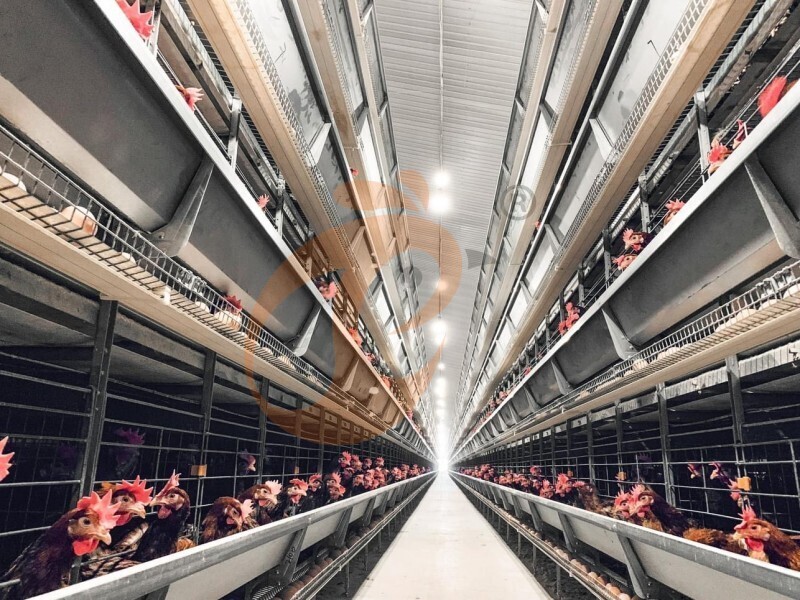
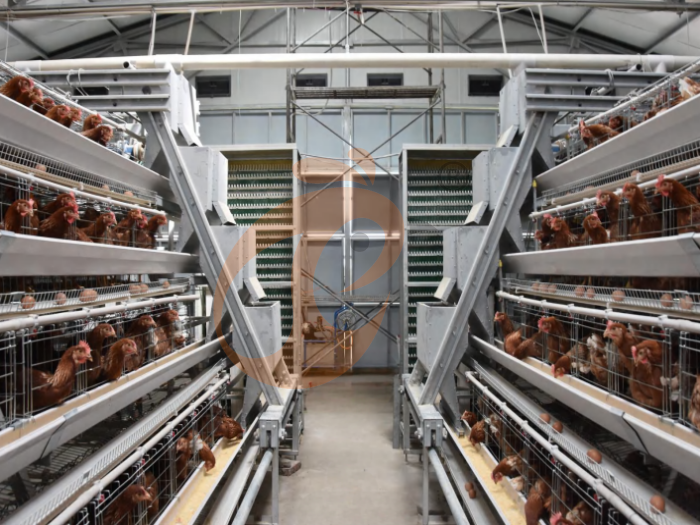
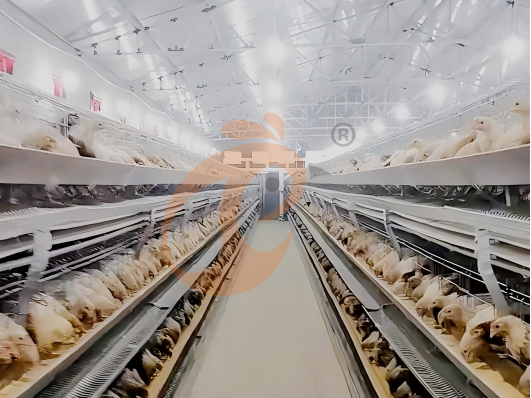
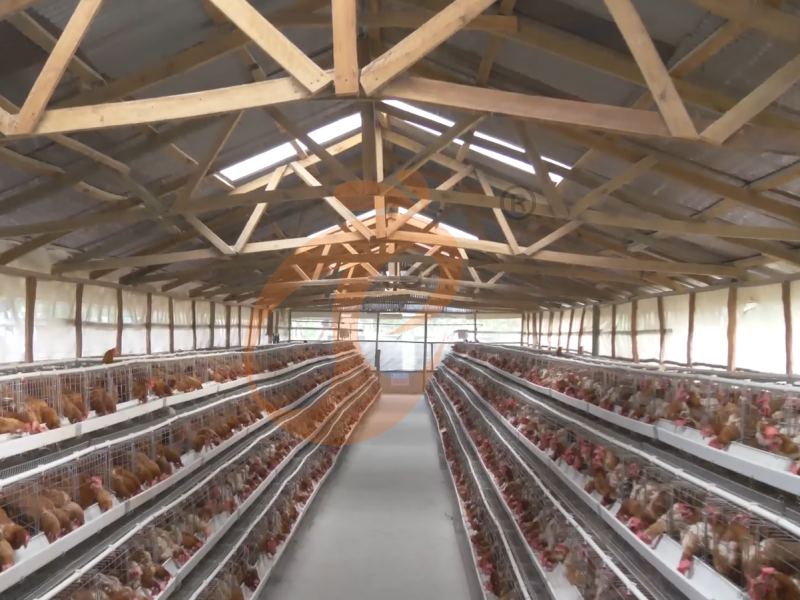
Industrial poultry cage systems improve broiler feeding management and flock uniformity performance
Turn-key poultry feed production line engineering supports integrated automatic feed processing operations
Technical installation guidance supports commercial poultry farms across Asia Africa and South America
Contact Us To Received Your Customized Poultry Farm Plan
Headquarters And Branchs
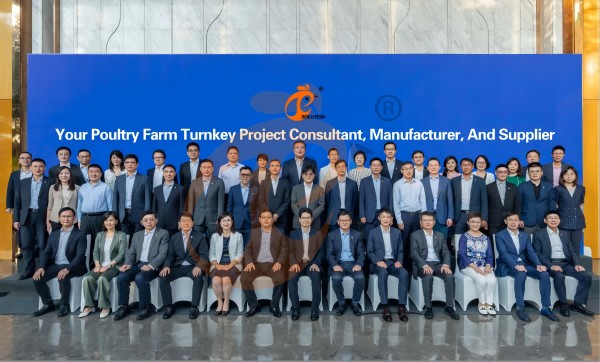
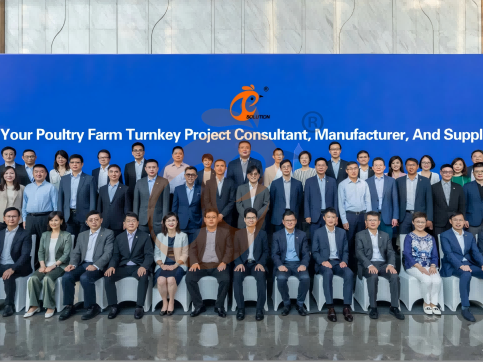
Hong Kong Headquarter Management Team
Hong Kong Headquarter Taiyu Industrial Group CO., LTD
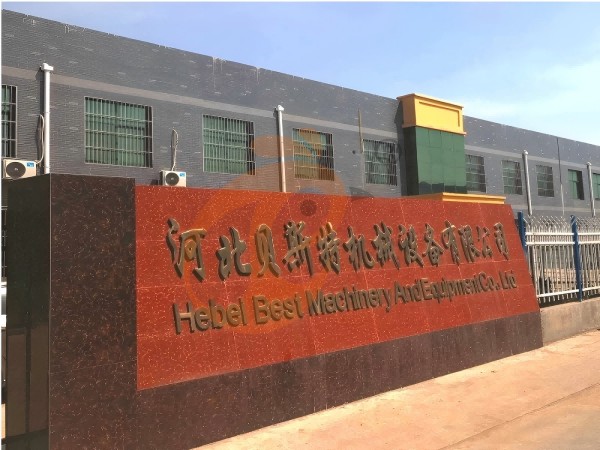
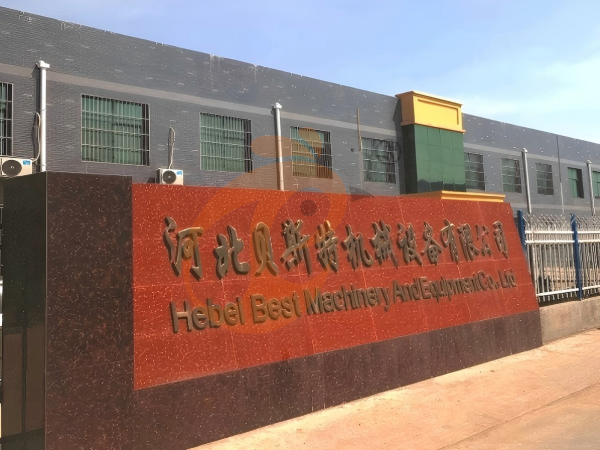
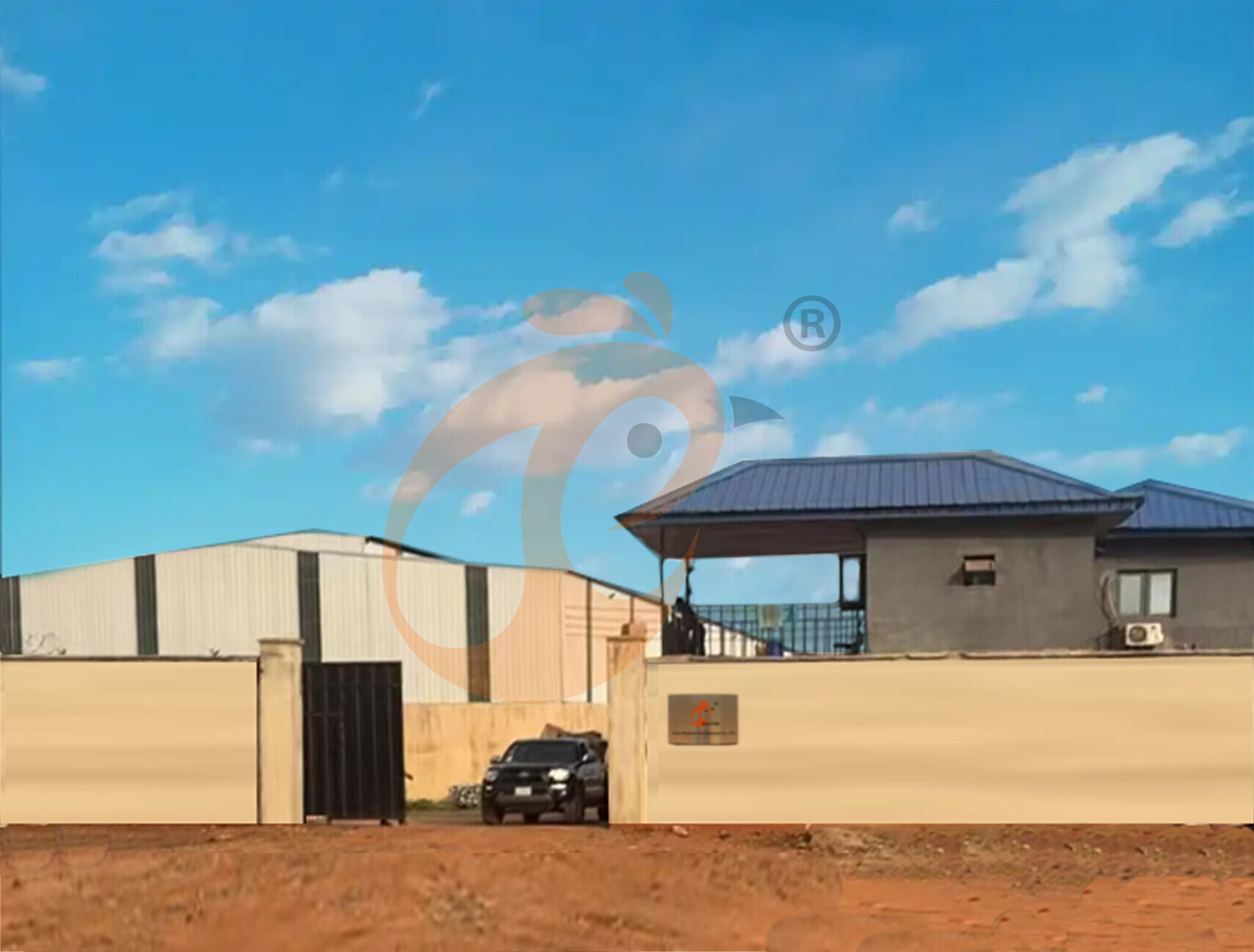
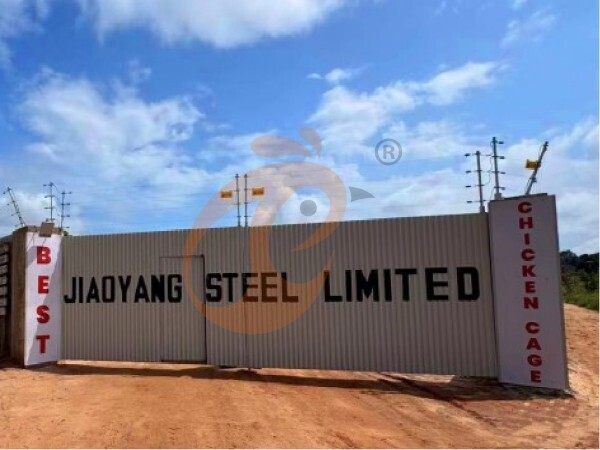
China Hebei Best Machinery And Equipment CO., LTD
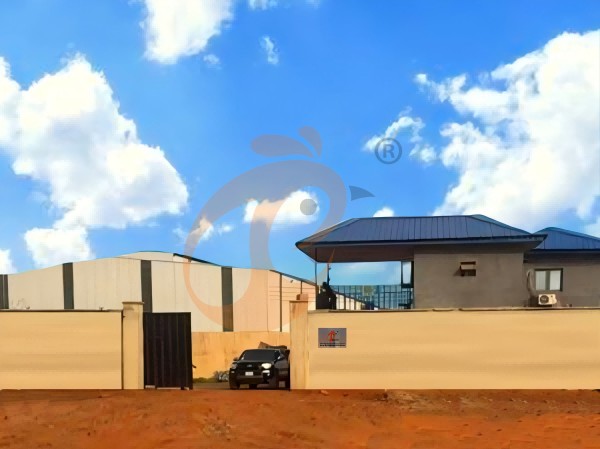
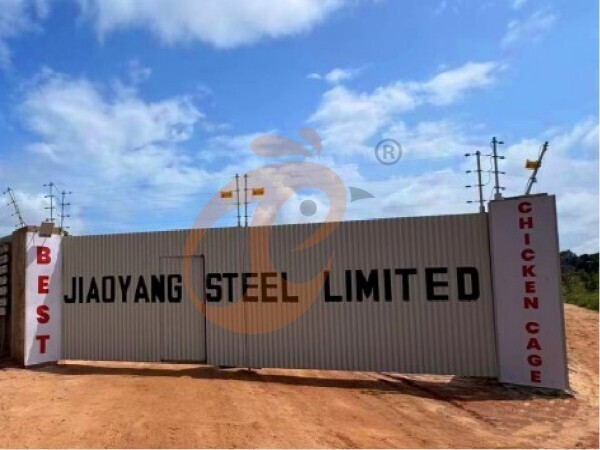
Nigeria Vanke Machinery And Equipment CO., LTD
Tanzania Best Machinery And Equipment CO., LTD
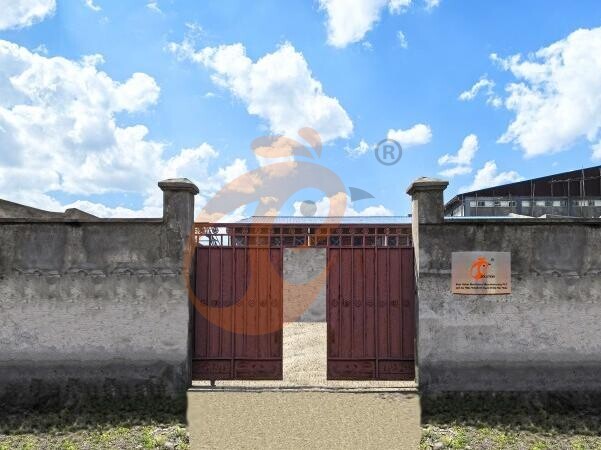
Ethiopia Best Hebei Machinery Manufacturing PLC

Reception /24 WhatsApp NO. : +8618830120193
FAQ
What Is The Production Capacity Range Of Pellet Machine In Poultry Chicken Feed Processing Systems?
Medium systems operate at 800–1500 kg per hour for commercial broiler farms.
Industrial pellet lines reach 3–6 tons per hour for integrated feed mill production.
What Are The Standard Pellet Diameters Produced By Pellet Machine For Poultry Chicken Feed?
Grower feed pellets are produced at 3.0 mm for balanced nutrient intake.
Finisher feed pellets are set at 4.0 mm to optimize growth performance and feed conversion.
What Temperature Range Is Required During Pelletizing Process In Poultry Chicken Feed Production?
Pellet discharge temperature is controlled at 75–85°C for structural stability.
Cooling stage reduces pellet temperature to within 5°C above ambient for storage safety.
Message
Products recommended
 HK Headquarter Offers EU-standard Poultry Farm Solutions, Manufacture Poultry Farm Equipment1. Continuous communication with the EU and the US
2. China, Nigeria, Ethiopia, Tanzania branch companies and factories
3. The products’ quality is customized for local poultry farms
4. Poultry cage and poultry farm equipment stock for sale
5. 24 online reception Whatsapp NO. : +8618830120193,contact us to get full informationRead More China Branch Offer Poultry Farm Business Plan, Manufacture Poultry Farm Equipment1. Address: Flat/RM 2416, 24/F, Runxing Building, Youyi Nan Street, Shijiazhuang City, Hebei Province, China
2. Poultry cage and poultry farm equipment factory and stock for sale
3. Customized for local poultry farms
4. Quality and design are based on Euro
5. 24 online reception Whatsapp NO. : +8618830120193Read More Nigeria Branch Offer Poultry Farm Business Plan, Manufacture Poultry Farm Equipment1. Address: After Sinoma Office, 200 Meters Near Danco Filling Station, Lagos/Ibadan Expressway, Lagos State, Nigeria
2. Poultry cage and poultry farm equipment factory and stock for sale
3. Customized for Nigerian poultry farms
4. Quality and design are based on Euro
5. 24 online reception Whatsapp NO. : +8618830120193Read More Ethiopia Branch Offer Poultry Farm Business Plan, Manufacture Poultry Farm Equipment1. Address: Gelan Gura, Akaki-kaliti Sub City, Addis Ababa, Ethiopia
2. Poultry cage and poultry farm equipment stock for sale
3. Customized for Ethiopian poultry farms
4. Quality and design are based on Euro
5. 24 online reception Whatsapp NO. : +8618830120193, contact us to get price listRead More Tanzania Branch Offer Poultry Farm Business Plan, Manufacture Poultry Farm Equipment1. Address: No.8, Sova Road, Msufini, Mlandizi, Kibaha, Pwani, Tanzania
2. Poultry cage and poultry farm equipment factory and stock for sale
3. Customized for Tanzanian poultry farms
4. Quality and design are based on Euro
5. 24 online reception Whatsapp NO. : +8618830120193Read More Fully Automatic H Type Layer Chicken Cage1. 30,000-100,000+ layers/house chooses it, Poultry farmers can achieve an egg production rate of 96-98%
2. A significant improvement over the 85-90% typically seen in manual systems
3. A typical poultry farm can expect a 30-40% reduction in labor costs due to the automation
4. Each feeding line efficiently supplies feed to around 100,000 hens per 30 mins
5. Reception /WhatsApp NO. : +8618830120193Read More Fully Automatic A Type Layer Chicken Cage1. 10,000-50,000 layers/house chooses it
2. Cleaner egg collection reduces breakage by 0.5%
3. Improved hygiene helps reduce mortality rate to <3%
4. 1–2 technicians can handle 15,000–30,000 birds
5. Reception /WhatsApp NO. : +8618830120193Read More Semi Automatic H Type Layer Chicken Cage1. 1,00-20,000 layers/house chooses it
2. Nipple drinkers flow 30–60 ML / min
3. Hot-dip galvanized (typical coating ≥ 275 g/m²)
4. Reduce ammonia by ~ 35–40%
5. Reception /WhatsApp NO. : +8618830120193Read More Semi Automatic A Type Layer Chicken Cage1. 1,00-20,000 layers/house chooses it, no rust for 10 years, no deformation for 15 years
2. Chickens live comfortably, you can raise them with peace of mind
3. Save water, save money—efficiency you can measure
4. Improve environment quality, and increase egg production rate
5. Reception /WhatsApp NO. : +8618830120193Read More
By clicking 'Allow All', you agree to the storage of cookies on your device to enhance site navigation, analyze site usage and assist with our marketing efforts.