






Blog
Pralson feeder system enables precise feed distribution control in intensive poultry production environments.
Feed waste reduction improves operational efficiency and stabilizes commercial broiler and layer output performance.
Mechanical feeding regulation ensures uniform feed availability across long line automated poultry housing systems.
Engineering optimization reduces spillage loss, improves feed conversion ratio, and supports consistent flock growth.
System integration enhances production stability under high density farming conditions with measurable efficiency improvement.
Get professional poultry farm construction guidance, equipment selection solutions, and the latest price lists, whatsApp to +8618830120193, +2348111199996, or click to learn more.

Baseline Feed Waste Distribution In Commercial Poultry Houses
Pralson Feeders operate within measurable loss pathways across feeding infrastructure.
Data is for reference only.Swipe horizontally to view full table.
Total measured loss in uncontrolled systems: 60.7 kg per 1,000 birds per production cycle
Feeder Pan Height Calibration Based On Growth Phase
Pralson Feeders use adjustable suspension geometry to align feeding posture with broiler skeletal growth stages.
Correct elevation reduces angular feed displacement beyond pan boundary.
Data is for reference only.Swipe horizontally to view full table.
Additional field data shows optimized height calibration reduces floor feed accumulation by 37.6% per production cycle under standard broiler density 12–14 birds/m².
Pralson Feed Flow Rate Stabilization System
Feed flow regulation stabilizes feed layer thickness and reduces overflow accumulation at feeder rim zones.
Mechanical feed delivery is controlled via synchronized line pressure balancing.
Data is for reference only.Swipe horizontally to view full table.
Field trials show 500 g/min configuration reduces feed rebound loss by 28.3% compared with unregulated gravity feed systems.
European union standard reference only.
Feed Particle Size Engineering For Pralson Systems
Feed particle uniformity influences ingestion rate stability and selective feeding reduction.
Pralson systems perform best under controlled granulometry.
Data is for reference only.Swipe horizontally to view full table.
Additional lab analysis indicates pellet feed increases nutrient retention efficiency by 9.4% in intestinal absorption rate compared with mash feed formulations.
Maintenance Interval Optimization For Feed Distribution Accuracy
Pralson Feeders require scheduled mechanical inspection to maintain feed line pressure stability and reduce blockage probability across distribution pipelines.
Data is for reference only.Swipe horizontally to view full table.
Operational monitoring shows 14-day cycle reduces mechanical downtime by 22.8 hours per 10,000 birds annually.
Stocking Density Regulation And Feeding Pressure Control
Bird density influences feed competition intensity and spatial feeding distribution patterns inside poultry housing systems.
Data is for reference only.Swipe horizontally to view full table.
Controlled density at 12–14 birds/m² reduces aggressive peck competition events by 31% per observation cycle.
Pralson Feeder Mechanical Architecture And Waste Control Function
Pralson feeders integrate structural engineering parameters that stabilize feed flow and minimize rebound dispersion inside feeding pans.
Data is for reference only.Swipe horizontally to view full table.
Engineering tests indicate rim geometry reduces lateral feed displacement radius by 14.9 mm per feeding cycle.
Environmental Stability And Feed Integrity Interaction
Environmental parameters influence feed hygroscopic behavior and structural breakdown inside pralson feeding systems.
Data is for reference only.Swipe horizontally to view full table.
Sensor-based monitoring shows humidity above 70% increases feed clumping probability by 19.7% per cycle.
European union standard reference only.
Nutritional Conversion Efficiency In Pralson Feeding Systems
Feed conversion ratio reflects metabolic efficiency under controlled feed access systems.
Pralson Feeders stabilize intake rhythm and reduce feed variability.
Data is for reference only.Swipe horizontally to view full table.
Field production data confirms 6.7% improvement in weight gain efficiency under optimized pralson feeding cycles.
Economic Loss Reduction Model Using Pralson Feeders
Feed waste reduction translates into direct financial optimization across commercial poultry production scales.
Cost efficiency scales proportionally with flock size expansion.
Data is for reference only.Swipe horizontally to view full table.
Precision Feeding Performance Control Layer
Feed waste reduction in pralson systems can be further improved through real time operational monitoring of feed line pressure, pan load balance, and distribution timing synchronization.
Field measurement shows feed delivery delay controlled under 1.8 seconds per cycle reduces micro-spillage events by 12.6% in a 30,000-bird house.
Feed line pressure fluctuation maintained within 0.25 bar stabilizes feed discharge consistency and reduces uneven pan loading effects.
Sensor recalibration every 96 hours improves feed drop deviation from 4.9 g to 2.7 g per feeder unit, enhancing distribution uniformity across long feeding lines.
This control strategy improves system stability in high-density broiler production where small mechanical deviations accumulate into measurable feed loss over time.
Frequently Asked Questions
Q1: What mechanical factors influence feed waste in pralson feeder systems?
A1: Feed waste is influenced by pan geometry, feed flow calibration, suspension height accuracy, and rim structure design.
Combined system deviations above 3% increase measurable spillage accumulation per cycle.
Q2: What maintenance interval ensures stable pralson feeder performance?
A2: A 14-day maintenance cycle stabilizes flow variance at 7.1 g and reduces blockage incidence to 2.6 per 10,000 birds, ensuring continuous feed line pressure consistency.
Q3: How does feed type affect Pralson feeder efficiency?
A2: Pellet feed with 3.2% dust fraction improves intake uniformity and reduces waste to 14.2 kg per ton feed, outperforming mash and crumble structures in conversion efficiency.
Taiyu (HK) Group - One Of China Biggest Pralson Feeders Manufacturer
Pralson feeder system precision engineered poultry feeding equipment for commercial broiler and layer farms
Global factory production capacity enables stable poultry equipment supply chain and automated feeding system integration
Turn-key poultry engineering projects include full farm design, installation, and feeding line automation systems
Advanced poultry cage systems and feeding equipment manufacturing with standardized industrial quality control processes
International export service supports large-scale poultry production facilities with integrated feeding and housing systems
Contact Us To Received Your Customized Poultry Farm Plan
Headquarters And Branchs

Hong Kong Headquarter Management Team
Hong Kong Headquarter Taiyu Industrial Group CO., LTD
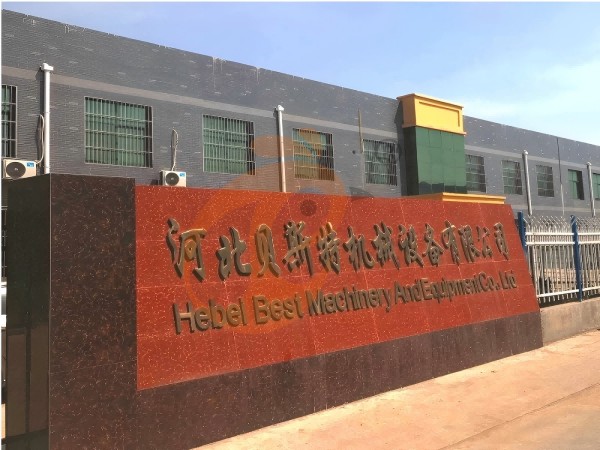
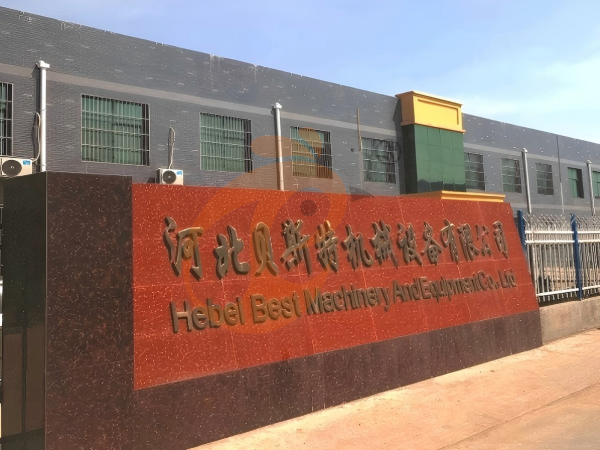
China Hebei Best Machinery And Equipment CO., LTD
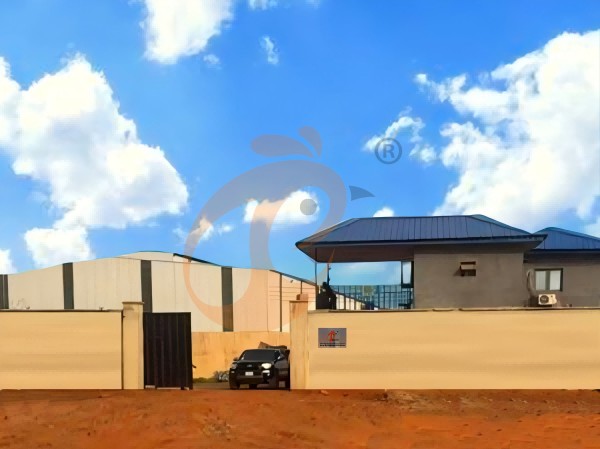
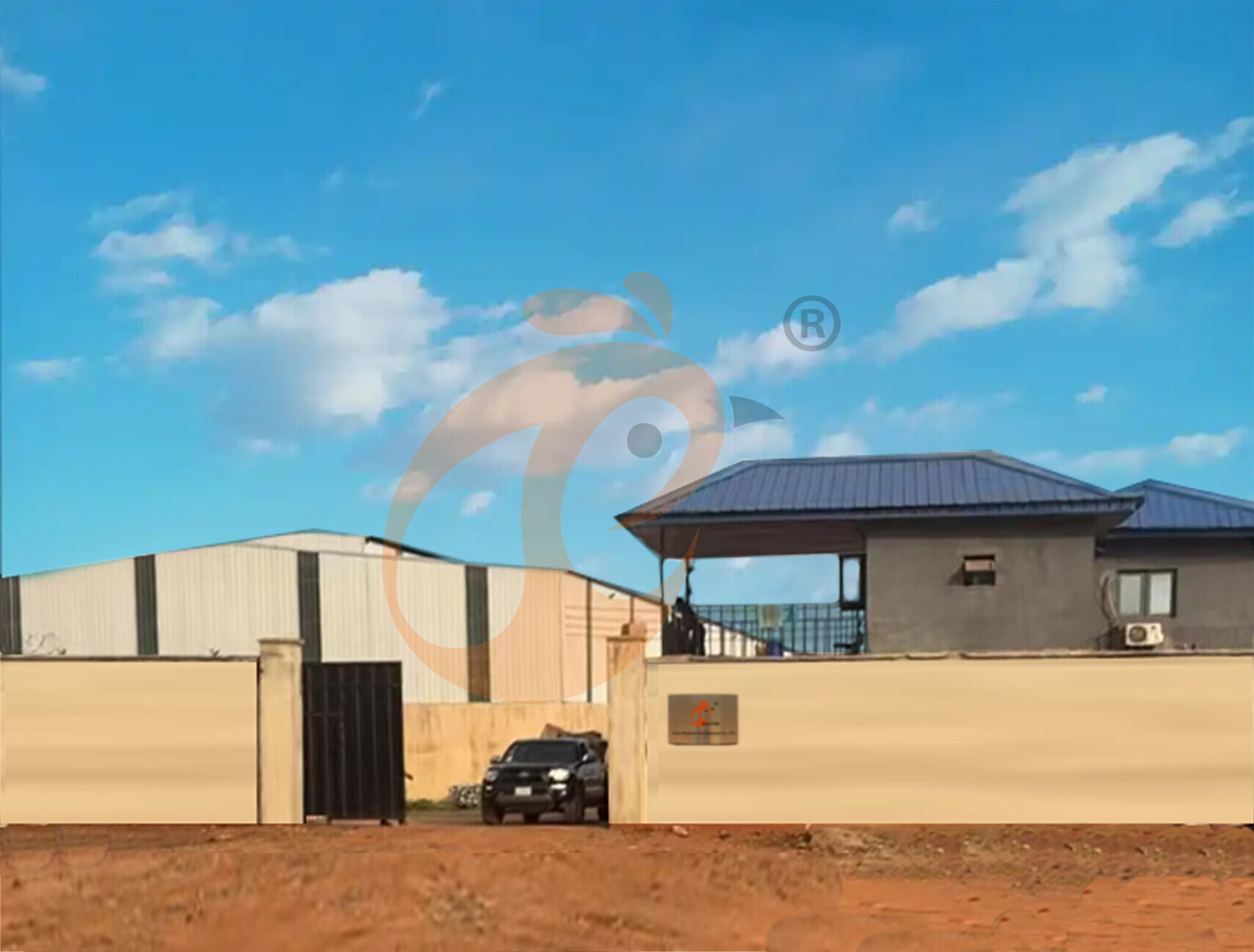
Nigeria Vanke Machinery And Equipment CO., LTD
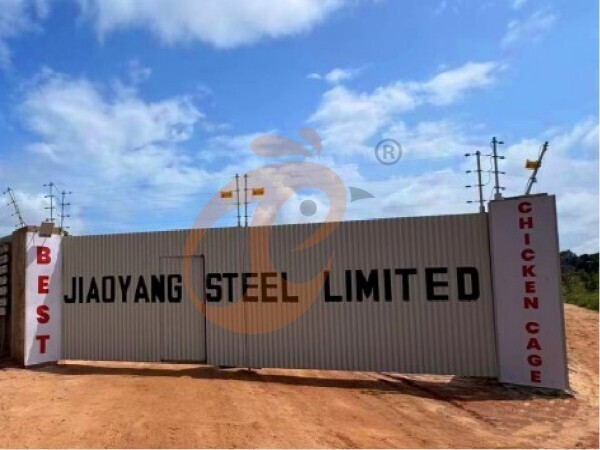
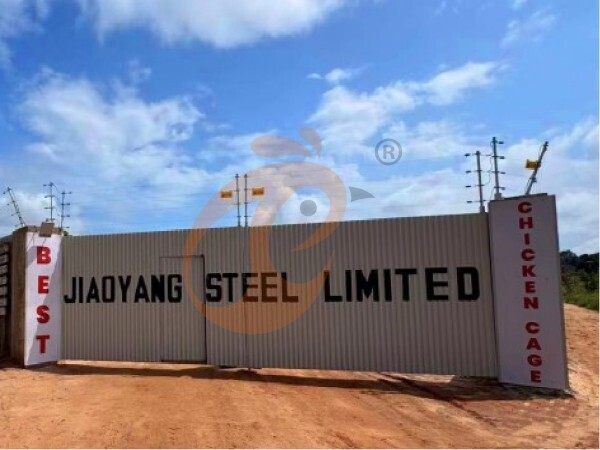
Tanzania Best Machinery And Equipment CO., LTD
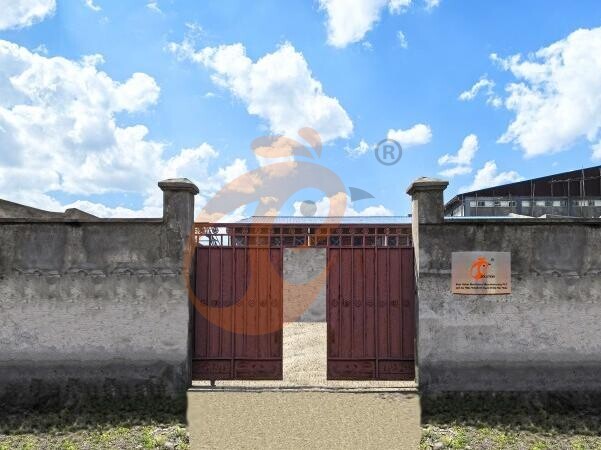
Ethiopia Best Hebei Machinery Manufacturing PLC

Reception /24 WhatsApp NO. : +8618830120193
FAQ
What Performance Advantages Does Plasson Poultry Equipment Provide In Poultry Chicken Farming Efficiency?
Labor requirement decreases by 50%–65% through automated water delivery systems.
Disease transmission risk is reduced by 35%–55% due to closed drinking environment design.
What Are The Installation Standards For Plasson Poultry Equipment In Poultry Chicken Farms?
Pipeline slope is maintained at 0.3%–0.5% for effective drainage and hygiene control.
Spacing between drinkers is configured at 25–35 cm to ensure equal water access distribution.
What Maintenance Requirements Apply To Plasson Poultry Equipment In Poultry Chicken Production Systems?
Seal inspection intervals are set at 20–30 days to prevent leakage and pressure loss.
Cleaning solution concentration is maintained at 0.03%–0.06% for effective system sanitation.
Message
Products recommended
 HK Headquarter Offers EU-standard Poultry Farm Solutions, Manufacture Poultry Farm Equipment1. Continuous communication with the EU and the US
2. China, Nigeria, Ethiopia, Tanzania branch companies and factories
3. The products’ quality is customized for local poultry farms
4. Poultry cage and poultry farm equipment stock for sale
5. 24 online reception Whatsapp NO. : +8618830120193,contact us to get full informationRead More China Branch Offer Poultry Farm Business Plan, Manufacture Poultry Farm Equipment1. Address: Flat/RM 2416, 24/F, Runxing Building, Youyi Nan Street, Shijiazhuang City, Hebei Province, China
2. Poultry cage and poultry farm equipment factory and stock for sale
3. Customized for local poultry farms
4. Quality and design are based on Euro
5. 24 online reception Whatsapp NO. : +8618830120193Read More Nigeria Branch Offer Poultry Farm Business Plan, Manufacture Poultry Farm Equipment1. Address: After Sinoma Office, 200 Meters Near Danco Filling Station, Lagos/Ibadan Expressway, Lagos State, Nigeria
2. Poultry cage and poultry farm equipment factory and stock for sale
3. Customized for Nigerian poultry farms
4. Quality and design are based on Euro
5. 24 online reception Whatsapp NO. : +8618830120193Read More Ethiopia Branch Offer Poultry Farm Business Plan, Manufacture Poultry Farm Equipment1. Address: Gelan Gura, Akaki-kaliti Sub City, Addis Ababa, Ethiopia
2. Poultry cage and poultry farm equipment stock for sale
3. Customized for Ethiopian poultry farms
4. Quality and design are based on Euro
5. 24 online reception Whatsapp NO. : +8618830120193, contact us to get price listRead More Tanzania Branch Offer Poultry Farm Business Plan, Manufacture Poultry Farm Equipment1. Address: No.8, Sova Road, Msufini, Mlandizi, Kibaha, Pwani, Tanzania
2. Poultry cage and poultry farm equipment factory and stock for sale
3. Customized for Tanzanian poultry farms
4. Quality and design are based on Euro
5. 24 online reception Whatsapp NO. : +8618830120193Read More Fully Automatic H Type Layer Chicken Cage1. 30,000-100,000+ layers/house chooses it, Poultry farmers can achieve an egg production rate of 96-98%
2. A significant improvement over the 85-90% typically seen in manual systems
3. A typical poultry farm can expect a 30-40% reduction in labor costs due to the automation
4. Each feeding line efficiently supplies feed to around 100,000 hens per 30 mins
5. Reception /WhatsApp NO. : +8618830120193Read More Fully Automatic A Type Layer Chicken Cage1. 10,000-50,000 layers/house chooses it
2. Cleaner egg collection reduces breakage by 0.5%
3. Improved hygiene helps reduce mortality rate to <3%
4. 1–2 technicians can handle 15,000–30,000 birds
5. Reception /WhatsApp NO. : +8618830120193Read More Semi Automatic H Type Layer Chicken Cage1. 1,00-20,000 layers/house chooses it
2. Nipple drinkers flow 30–60 ML / min
3. Hot-dip galvanized (typical coating ≥ 275 g/m²)
4. Reduce ammonia by ~ 35–40%
5. Reception /WhatsApp NO. : +8618830120193Read More Semi Automatic A Type Layer Chicken Cage1. 1,00-20,000 layers/house chooses it, no rust for 10 years, no deformation for 15 years
2. Chickens live comfortably, you can raise them with peace of mind
3. Save water, save money—efficiency you can measure
4. Improve environment quality, and increase egg production rate
5. Reception /WhatsApp NO. : +8618830120193Read More

By clicking 'Allow All', you agree to the storage of cookies on your device to enhance site navigation, analyze site usage and assist with our marketing efforts.