






Blog
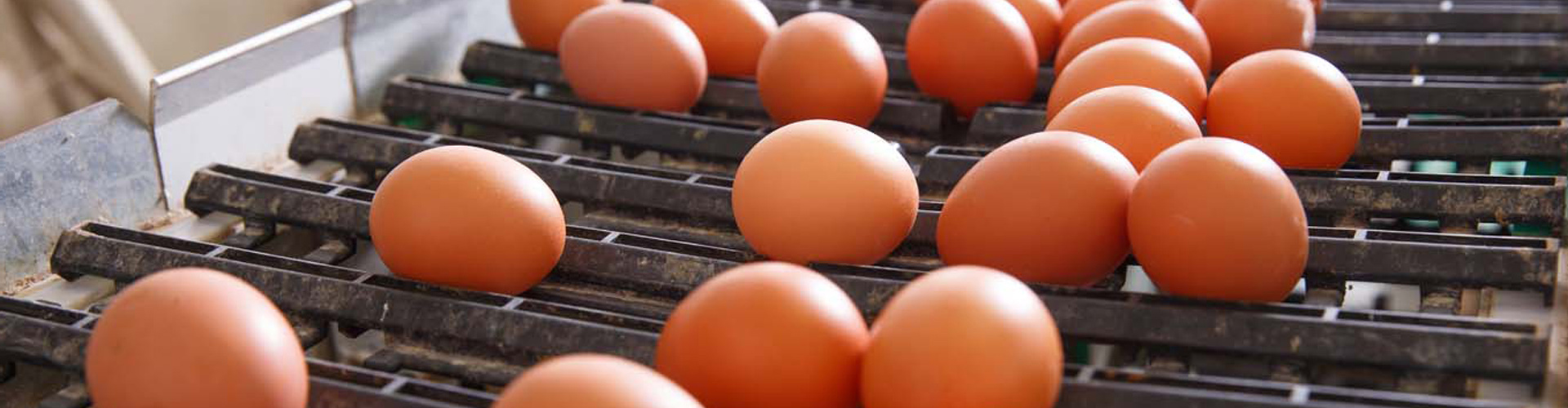
Turnkey poultry equipment connects feeding, drinking, ventilation, manure handling, egg collection, and environmental control into one coordinated production system.
Automatic poultry equipment can reduce repetitive farm operations while supporting precise management with control adjustments as fine as 0.1°c.
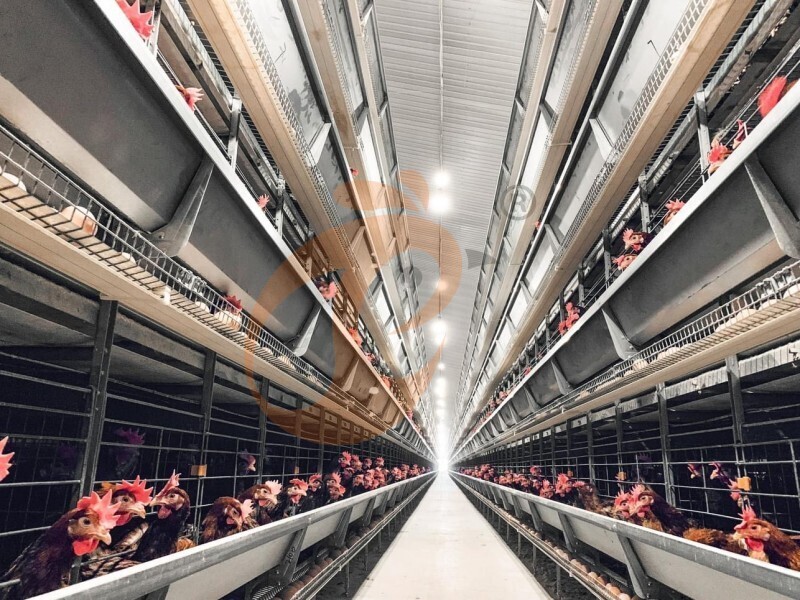
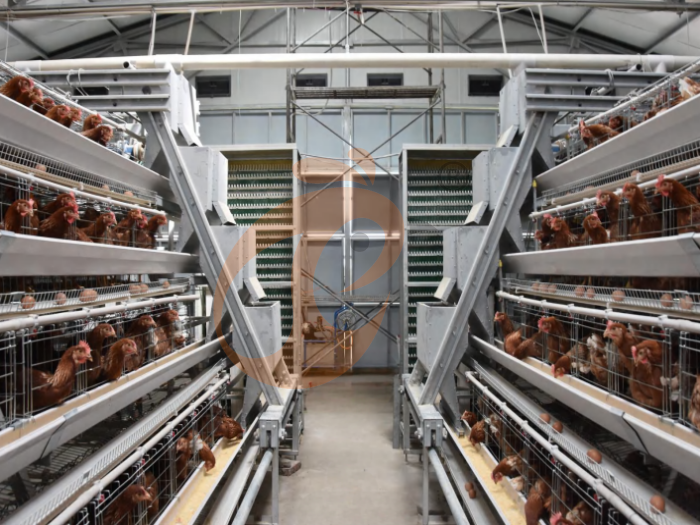
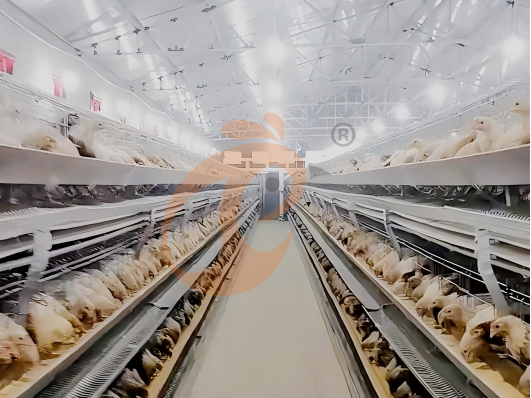
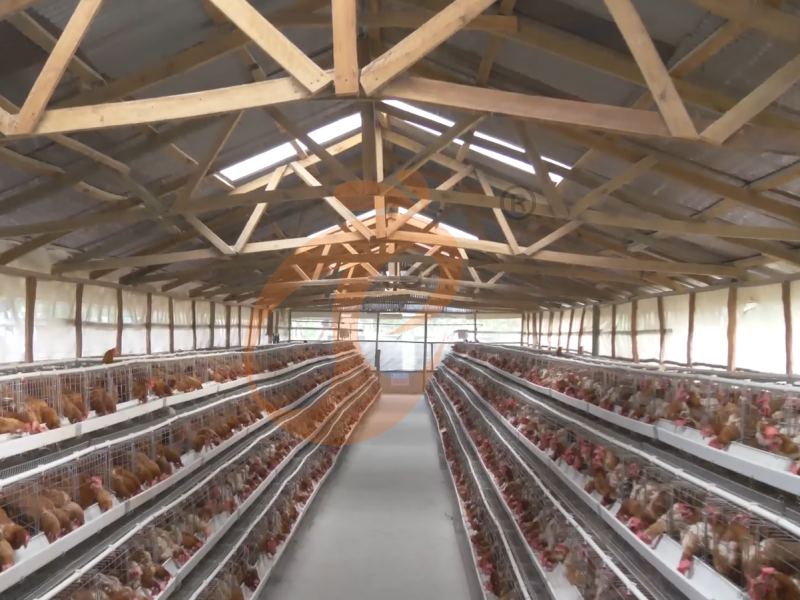
Layer cage systems help organize commercial housing layouts while allowing feeding, watering, manure removal, and egg collection to operate through integrated equipment.
Professional poultry equipment planning considers house dimensions, flock capacity, climate conditions, electrical requirements, maintenance access, and future expansion before manufacturing begins.
- A complete turnkey poultry equipment project therefore combines engineering design, equipment manufacturing, installation guidance, commissioning support, and scalable production planning for commercial poultry farms.
Get professional poultry farm construction guidance, equipment selection solutions, and the latest price lists, whatsApp to +8618830120193, +2348111199996, or click to learn more.
Why Turnkey Poultry Equipment Matters
Investing in a poultry farm means building a coordinated production system rather than purchasing individual machines.
A turnkey poultry equipment solution connects housing, feeding, drinking, ventilation, manure handling, egg collection, and environmental control into one engineered workflow.
Automatic poultry equipment can also integrate controllers with 0.1°c adjustment increments, helping operators manage changing house conditions with greater precision.
Engineering Point
The turnkey poultry equipment layout should be developed from the production process backward.
Feed delivery, water distribution, waste removal, and egg handling must leave sufficient maintenance access while maintaining mechanical alignment.
Professional poultry equipment suppliers should complete equipment drawings before manufacturing and coordinate installation interfaces from the beginning.
Decision Tip: Calculate Capacity Before Buying Equipment
Data is for reference only.Swipe horizontally to view full table.
Capacity is the first engineering variable because turnkey poultry equipment quantity follows the intended flock size.
Before requesting a quotation, provide the supplier with house dimensions, production type, and target expansion stage.
A 500 mm maintenance clearance can then be incorporated into service planning without redesigning the automatic poultry equipment production line.
Engineering Point: Design Around The Poultry House
The turnkey poultry equipment should fit the building geometry rather than forcing later structural changes.
Feeding routes, manure belts, egg conveyors, air inlets, and service corridors must be coordinated before fabrication.
Keeping 2.5 m/s as an engineering reference for certain airflow applications illustrates why poultry equipment ventilation cannot be designed independently from cage arrangement.
Engineering Checklist
- Confirm house length and width.
- Establish cage orientation.
- Reserve motor and drive access.
- Coordinate feed and water routes.
- Position ventilation equipment according to airflow calculations.
- Confirm electrical connection points.
- Prepare installation drawings before shipment.
This engineering approach helps reduce on-site modifications and allows turnkey poultry equipment to operate as one coordinated system.
Decision Tip: Compare Complete Investment Cost
Data is for reference only.Swipe horizontally to view full table.
The purchase price is only one component of farm economics.
Turnkey poultry equipment can reduce repetitive handling while maintaining consistent feed and water delivery.
Centralized automatic poultry equipment can coordinate several production zones through one control cabinet, simplifying daily operating procedures.
Technique Card: Build A Labor-Saving Equipment Checklist
① Feeding Automation
Confirm whether turnkey poultry equipment can control feed delivery, timing, and quantity centrally.
② Drinking Management
Verify pressure regulation, line flushing, and inspection access before selecting automatic poultry equipment.
③ Manure Handling
Determine whether belts or scrapers match the house layout and cleaning schedule.
④ Egg Handling
For layer projects, check whether the layer cage system can connect smoothly with the egg collection area.
⑤ Control Integration
Ask whether ventilation, cooling, lighting, alarms, and sensors can communicate through one poultry equipment environmental-control system.
A practical turnkey poultry equipment package should make routine operations measurable and repeatable rather than dependent on manual adjustments.
Equipment Comparison: Manual Vs. Automated Systems
Data is for reference only.Swipe horizontally to view full table.
Automatic poultry equipment becomes increasingly important as farm operations expand.
Consistent mechanical delivery can reduce variation between production zones.
Programmable control can also allow turnkey poultry equipment operators to adjust the photoperiod without physically changing lighting fixtures.
Decision Tip: Match Equipment To Local Climate
Data is for reference only.Swipe horizontally to view full table.
Climate adaptation should be included in the original turnkey poultry equipment design.
In mechanically ventilated houses, emergency power is particularly important because ventilation, watering, feeding, and lighting may all depend on electrical supply.
Automatic poultry equipment should therefore be evaluated together with the farm electrical architecture and emergency operating strategy.
Process Structure: From Farm Planning To Equipment Delivery
Step 1 — Project Assessment
Collect the farm location, building drawings, flock objectives, production type, and expansion plan.
Step 2 — Engineering Design
Develop the layer cage system and coordinate feeding, drinking, manure, egg collection, ventilation, and control systems.
Step 3 — Technical Confirmation
Finalize poultry equipment specifications, electrical interfaces, installation points, and spare-parts requirements.
Step 4 — Manufacturing
Produce turnkey poultry equipment according to approved technical drawings and configuration.
Step 5 — Installation Guidance
Provide assembly documentation and technical support for field installation.
Step 6 — Commissioning
Test mechanical movement, sensor feedback, water delivery, ventilation stages, alarms, and automatic operating sequences.
A structured process creates a clear transition from quotation to production and commissioning.
This workflow makes turnkey poultry equipment procurement easier for overseas commercial poultry projects.
Equipment Package Recommendation
Data is for reference only.Swipe horizontally to view full table.
A complete turnkey poultry equipment package is particularly useful when a project requires coordinated installation.
A central control cabinet can connect environmental sensors and operating equipment, while modular production lines make phased expansion easier to engineer.
The layer cage system can also be configured as part of a broader automatic poultry equipment package according to project requirements.
Decision Tip: Evaluate Supplier Engineering Capability
Data is for reference only.Swipe horizontally to view full table.
A supplier should be evaluated as an engineering partner rather than only as an equipment vendor.
Material selection, fabrication accuracy, documentation, and commissioning support all influence the final performance of turnkey poultry equipment.
A professional poultry equipment manufacturer should also provide clear technical specifications before production begins.
Technique Card: Use A Five-Point Supplier Scorecard
① System Integration
Check whether the supplier can connect feeding, drinking, manure, egg collection, ventilation, and control systems.
② Manufacturing Capability
Request material specifications, production drawings, and quality inspection records for automatic poultry equipment.
③ Project Engineering
Confirm that the quotation is based on actual house dimensions rather than a generic package.
④ Technical Service
Verify installation guidance, commissioning procedures, troubleshooting support, and spare-parts availability.
⑤ Expansion Compatibility
Confirm that additional production lines can be integrated without replacing the original control architecture.
A supplier capable of handling the complete project can reduce communication between multiple vendors and provide a single technical responsibility point.
Decision Tip: Invest For Long-Term Farm Performance
Data is for reference only.Swipe horizontally to view full table.
A poultry equipment investment should be evaluated according to the complete production cycle rather than the quotation price alone.
Durable galvanized structures and coordinated automation can provide a foundation for continuous farm operation over many production cycles.
A properly engineered turnkey poultry equipment system can also support future modernization without requiring complete system replacement.
Frequently Asked Questions
Q1: What should be included in a turnkey poultry equipment project?
A1: A complete project can include feeding, drinking, ventilation, manure handling, egg collection, cooling, environmental control, electrical integration, installation guidance, and commissioning.
Q2: How should investors choose between different poultry equipment configurations?
A2: Start with flock capacity, house dimensions, production type, climate, automation requirements, and expansion plans.
A supplier should then convert those project inputs into equipment specifications and an installation layout.
Q3: Why is engineering design important before purchasing automatic poultry equipment?
A3: Equipment interfaces must match the building and production workflow.
Early engineering coordination can prevent installation conflicts and provide a more reliable basis for future expansion.
Taiyu (HK) Group - One Of China Toppest Turnkey Poultry Equipment Manufacturer
Turnkey poultry equipment integrates layer cages, automatic feeding, nipple drinking, manure handling, ventilation, and environmental control into engineered commercial production systems with configurable 220/380 v electrical architecture.
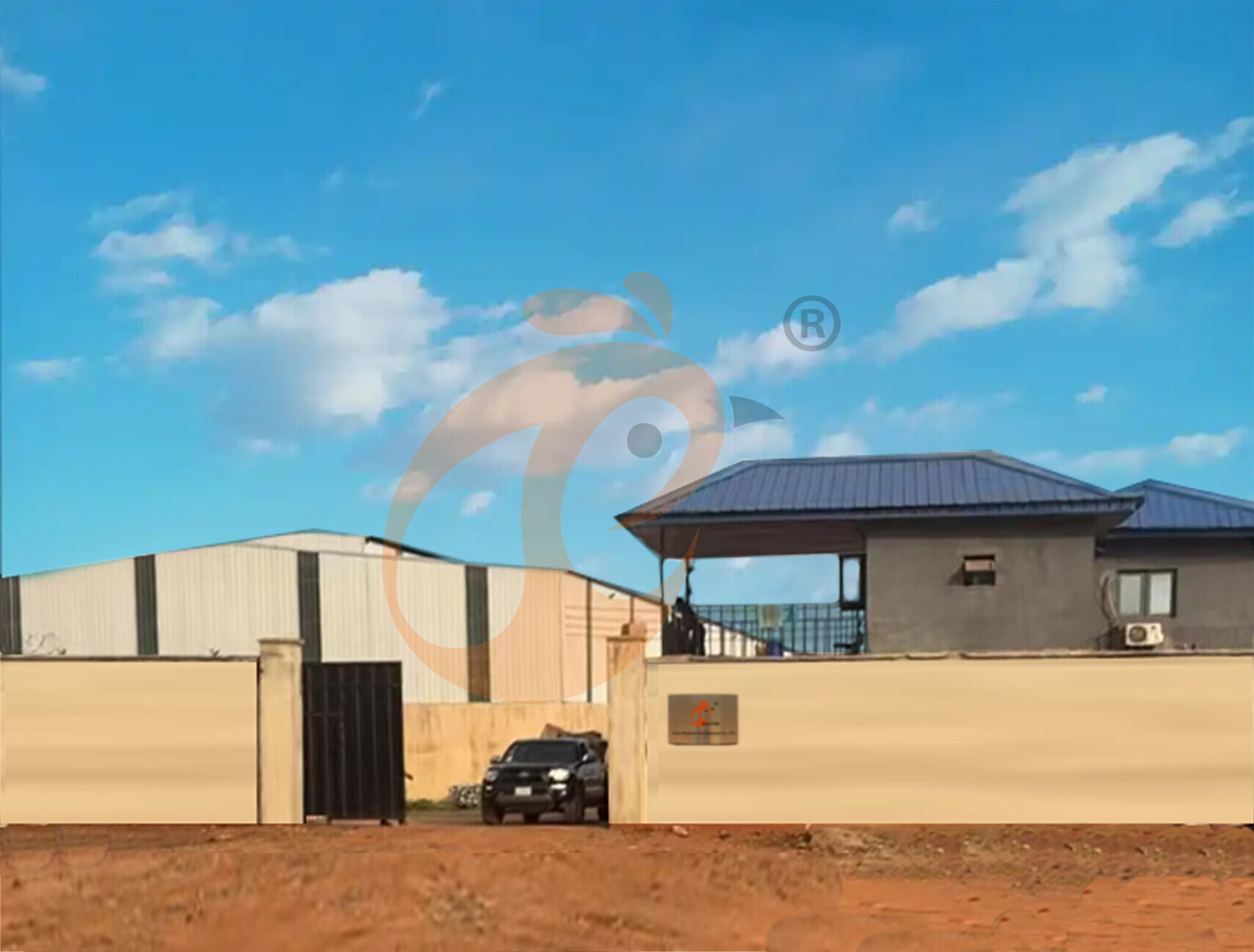
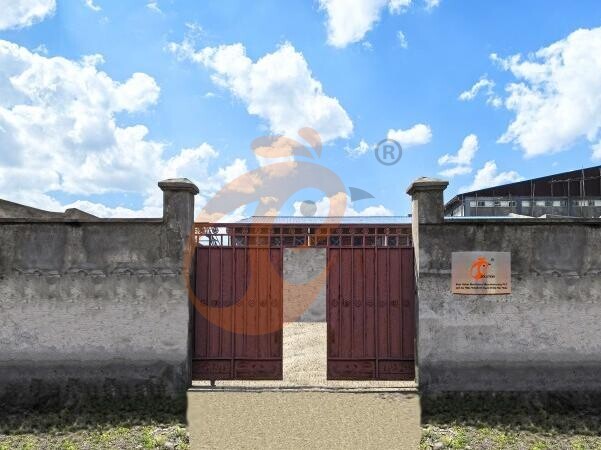
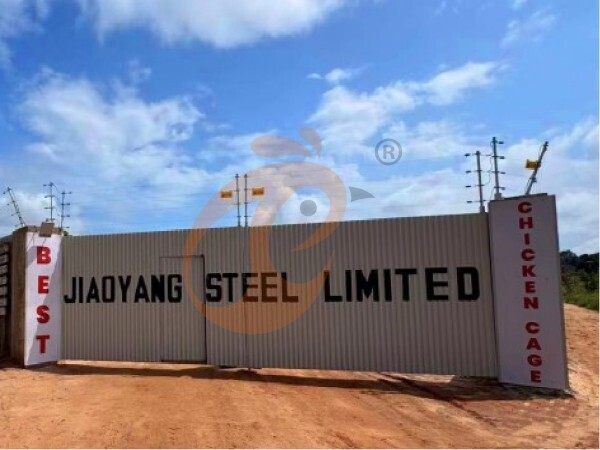
Global factory-direct poultry equipment supply combines project engineering, equipment manufacturing, technical drawings, inspection procedures, installation guidance, and commissioning support through one coordinated supply structure.
Turn-key engineering covers project assessment, layout design, equipment configuration, production coordination, shipment preparation, installation guidance, and system commissioning for overseas poultry farms.
Poultry equipment packages can be structured for layer, broiler, breeder, and expansion projects, allowing customers to coordinate multiple production systems through one technical supplier.
Factory-direct project execution supports equipment procurement from initial engineering specifications through production and after-sales technical service, with scalable configurations for commercial farm development.
Contact Us To Received Your Customized Poultry Farm Plan
Headquarters And Branchs

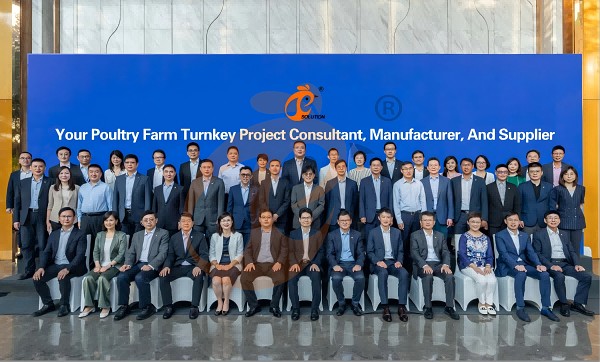
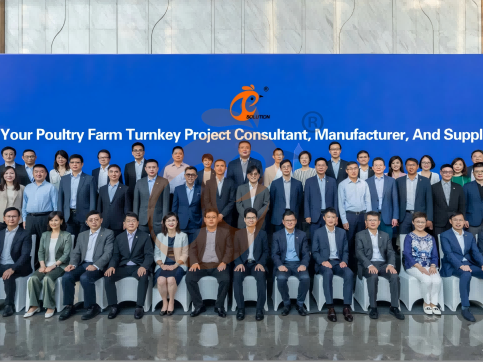
Hong Kong Headquarter Management Team
Hong Kong Headquarter Taiyu Industrial Group CO., LTD
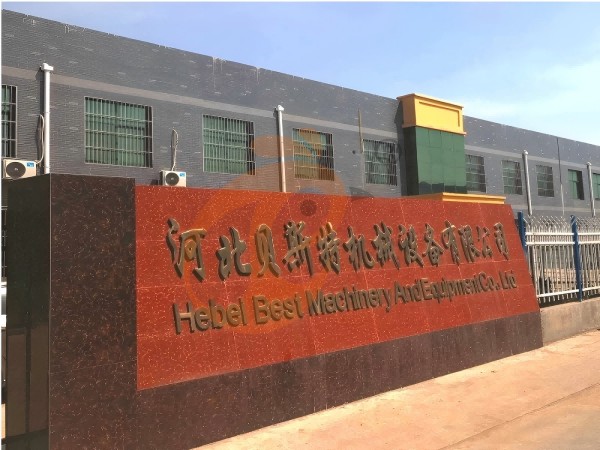
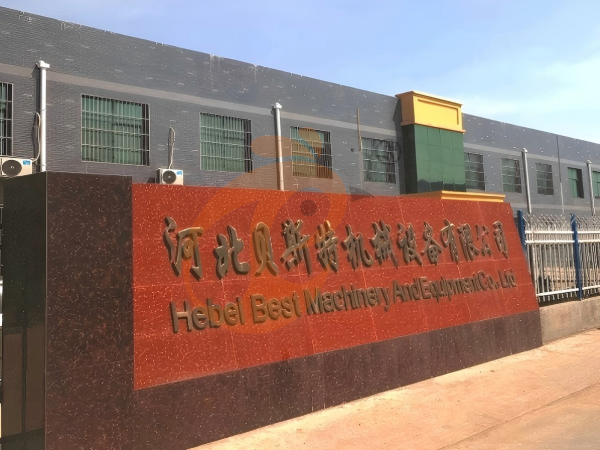
China Hebei Best Machinery And Equipment CO., LTD
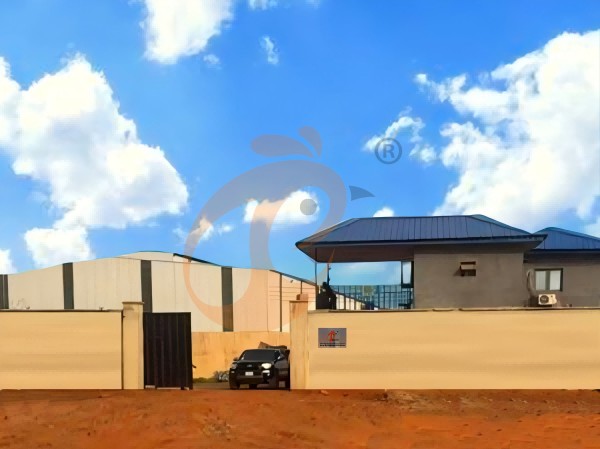
Nigeria Vanke Machinery And Equipment CO., LTD
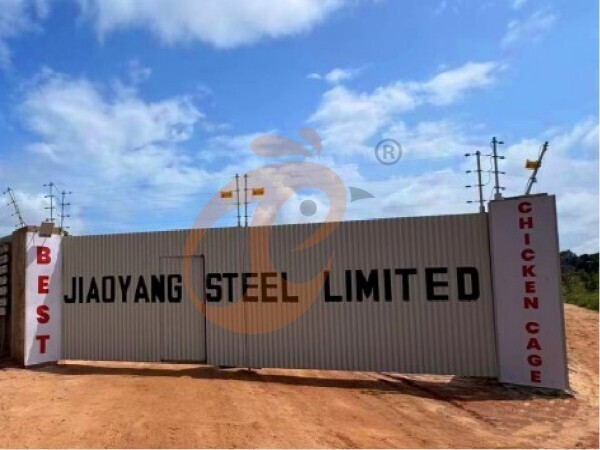
Tanzania Best Machinery And Equipment CO., LTD
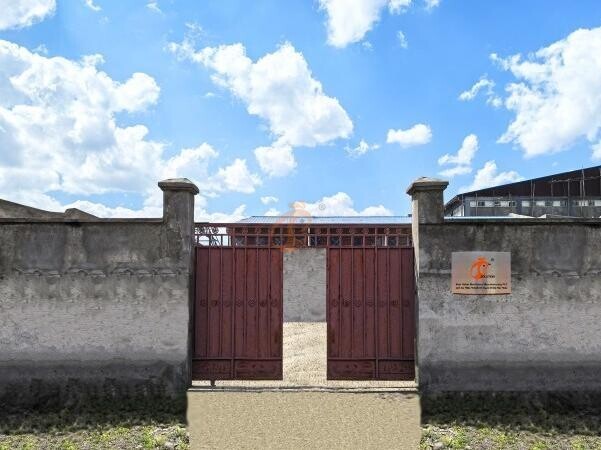
Ethiopia Best Hebei Machinery Manufacturing PLC
Reception /24 WhatsApp NO. : +8618830120193
FAQ
How Is Data Transmission Managed In Smart Chicken House Equipment For Poultry Chicken Monitoring Systems?
Data refresh intervals operate every 5–15 seconds for real-time monitoring accuracy.
Cloud synchronization latency remains within 1–3 seconds for remote access control.
What Alarm Functions Are Included In Smart Chicken House Equipment?
Gas concentration alerts trigger at 25–50 ppm ammonia levels protecting flock health.
System failure alarms respond within 3–5 seconds ensuring immediate fault notification.
How Does Smart Chicken House Equipment Improve Management Efficiency?
Data analytics improve feed conversion efficiency by 4%–7% through environmental optimization.
Predictive alerts reduce mortality risk by 3%–6% through early anomaly detection.
- poultry equipment
- layer cage
- poultry farm
- poultry farm
- poultry farm construction
- layer cage system
- poultry equipment manufacturer
- poultry equipment supplier
- automatic poultry equipment
- layer farm
- broiler farm
- poultry house
- poultry equipment specifications
- poultry equipment suppliers
- poultry equipment specification
- Ethiopia
- Nigeria
Message
Products recommended
 HK Headquarter Offers EU-standard Poultry Farm Solutions, Manufacture Poultry Farm Equipment1. Continuous communication with the EU and the US
2. China, Nigeria, Ethiopia, Tanzania branch companies and factories
3. The products’ quality is customized for local poultry farms
4. Poultry cage and poultry farm equipment stock for sale
5. 24 online reception Whatsapp NO. : +8618830120193,contact us to get full informationRead More China Branch Offer Poultry Farm Business Plan, Manufacture Poultry Farm Equipment1. Address: Flat/RM 2416, 24/F, Runxing Building, Youyi Nan Street, Shijiazhuang City, Hebei Province, China
2. Poultry cage and poultry farm equipment factory and stock for sale
3. Customized for local poultry farms
4. Quality and design are based on Euro
5. 24 online reception Whatsapp NO. : +8618830120193Read More Nigeria Branch Offer Poultry Farm Business Plan, Manufacture Poultry Farm Equipment1. Address: After Sinoma Office, 200 Meters Near Danco Filling Station, Lagos/Ibadan Expressway, Lagos State, Nigeria
2. Poultry cage and poultry farm equipment factory and stock for sale
3. Customized for Nigerian poultry farms
4. Quality and design are based on Euro
5. 24 online reception Whatsapp NO. : +8618830120193Read More Ethiopia Branch Offer Poultry Farm Business Plan, Manufacture Poultry Farm Equipment1. Address: Gelan Gura, Akaki-kaliti Sub City, Addis Ababa, Ethiopia
2. Poultry cage and poultry farm equipment stock for sale
3. Customized for Ethiopian poultry farms
4. Quality and design are based on Euro
5. 24 online reception Whatsapp NO. : +8618830120193, contact us to get price listRead More Tanzania Branch Offer Poultry Farm Business Plan, Manufacture Poultry Farm Equipment1. Address: No.8, Sova Road, Msufini, Mlandizi, Kibaha, Pwani, Tanzania
2. Poultry cage and poultry farm equipment factory and stock for sale
3. Customized for Tanzanian poultry farms
4. Quality and design are based on Euro
5. 24 online reception Whatsapp NO. : +8618830120193Read More Fully Automatic H Type Layer Chicken Cage1. 30,000-100,000+ layers/house chooses it, Poultry farmers can achieve an egg production rate of 96-98%
2. A significant improvement over the 85-90% typically seen in manual systems
3. A typical poultry farm can expect a 30-40% reduction in labor costs due to the automation
4. Each feeding line efficiently supplies feed to around 100,000 hens per 30 mins
5. Reception /WhatsApp NO. : +8618830120193Read More Fully Automatic A Type Layer Chicken Cage1. 10,000-50,000 layers/house chooses it
2. Cleaner egg collection reduces breakage by 0.5%
3. Improved hygiene helps reduce mortality rate to <3%
4. 1–2 technicians can handle 15,000–30,000 birds
5. Reception /WhatsApp NO. : +8618830120193Read More Semi Automatic H Type Layer Chicken Cage1. 1,00-20,000 layers/house chooses it
2. Nipple drinkers flow 30–60 ML / min
3. Hot-dip galvanized (typical coating ≥ 275 g/m²)
4. Reduce ammonia by ~ 35–40%
5. Reception /WhatsApp NO. : +8618830120193Read More Semi Automatic A Type Layer Chicken Cage1. 1,00-20,000 layers/house chooses it, no rust for 10 years, no deformation for 15 years
2. Chickens live comfortably, you can raise them with peace of mind
3. Save water, save money—efficiency you can measure
4. Improve environment quality, and increase egg production rate
5. Reception /WhatsApp NO. : +8618830120193Read More
By clicking 'Allow All', you agree to the storage of cookies on your device to enhance site navigation, analyze site usage and assist with our marketing efforts.