


Blog
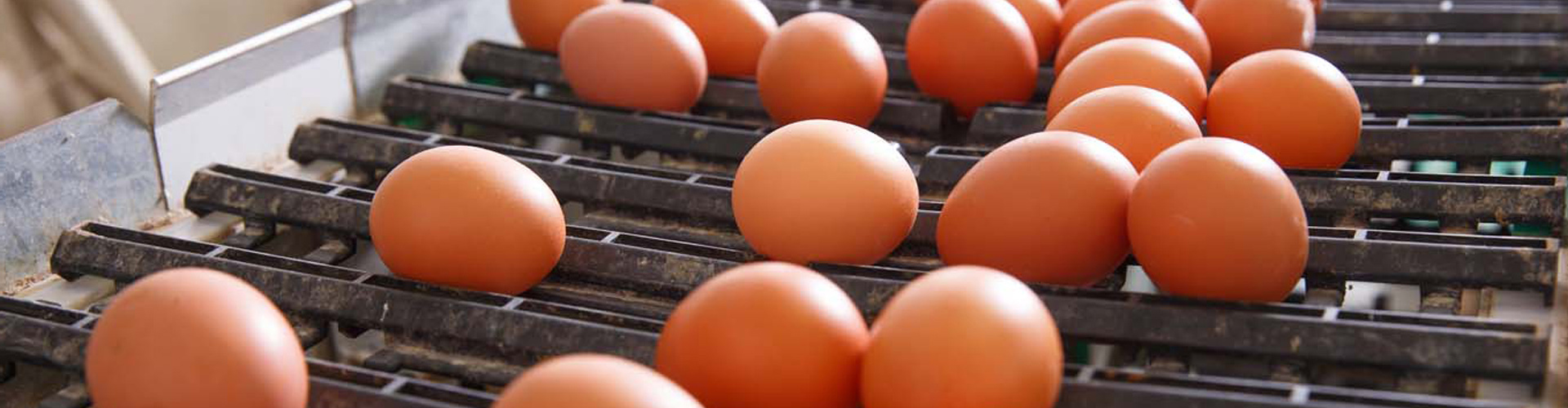
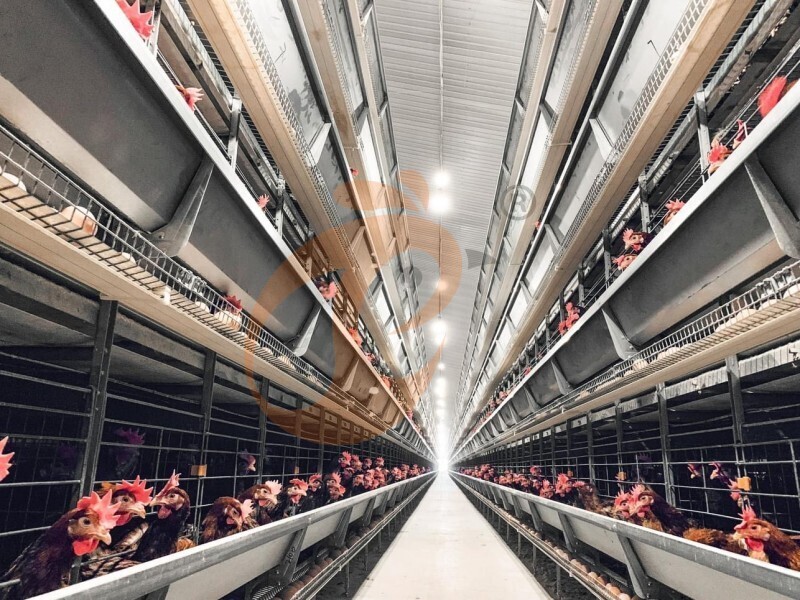
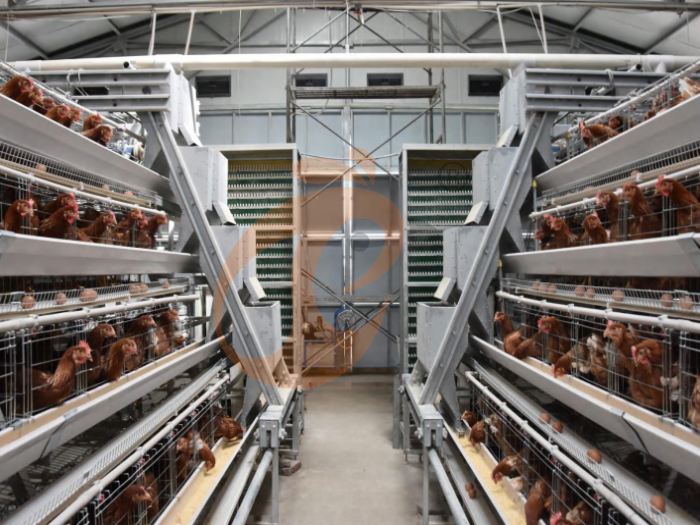
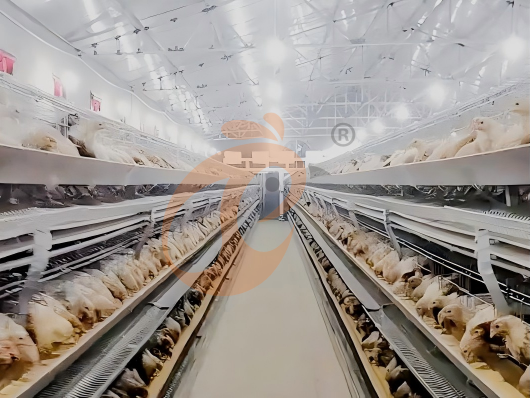
H type battery cages integrated with egg farm automation technology enables high density vertical poultry production with automated feeding and waste control systems.
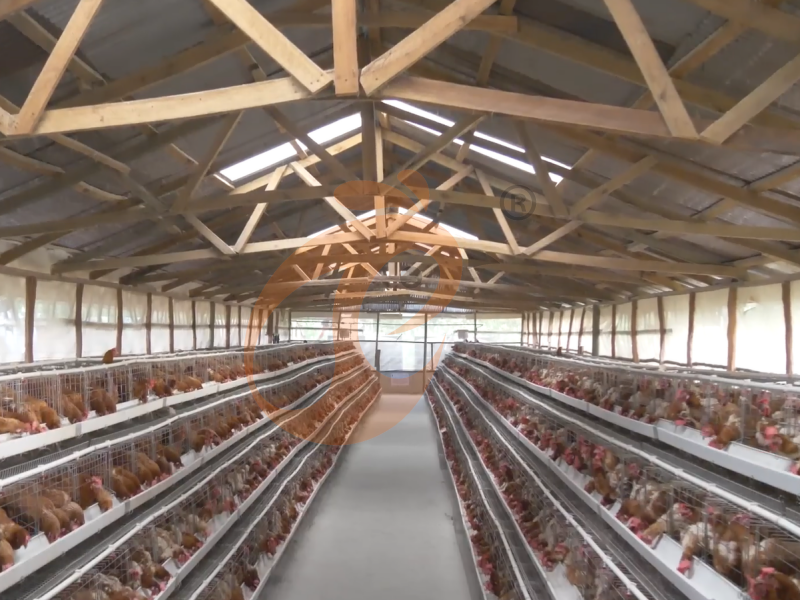
Modern poultry farming equipment enhances structural efficiency, optimizing load bearing capacity, ventilation performance, and environmental stability in commercial egg production facilities.
Vertical cage systems improve feed conversion ratio, reduce ammonia concentration, and support consistent egg quality across multi tier production environments.
Automated manure removal belts and tunnel ventilation maintain optimal hygiene conditions, reducing labor intensity and improving biosecurity standards.
- High density poultry housing systems deliver scalable egg output, maximizing profitability and minimizing operational resource consumption globally efficiently.
Get professional poultry farm construction guidance, equipment selection solutions, and the latest price lists, whatsApp to +8618830120193, +2348111199996, or click to learn more.
Structural Engineering And Floor Load Capacity
The first step in any upgrade process for H type battery cages involves verifying structural load capacity.
Poultry houses must sustain multi-tier vertical systems combined with feed, water, and bird mass without deformation risks.
Data is for reference only.Swipe horizontally to view full table.
Egg farm automation systems increase structural utilization efficiency by enabling high density placement without compromising safety margins.
Cage Metallurgy And Tier Engineering Design
Material selection determines long term durability in poultry farming equipment installations.
Hot-dip galvanization ensures corrosion resistance under ammonia rich environments.
Data is for reference only.Swipe horizontally to view full table.
Precision Feeding And Nutritional Optimization
Modern egg production facilities increasingly rely on egg farm automation systems to stabilize feed delivery and reduce wastage.
Automated traveling hopper systems ensure uniform distribution across all tiers.
Biological optimization improves feed conversion ratio from 2.4 to 1.9 range under controlled environmental conditions, reducing operational feed costs significantly.
Waste Management And Environmental Stability
Manure accumulation control represents a critical factor in vertical poultry housing systems.
Pp conveyor belts provide continuous waste extraction beneath each tier.
Data is for reference only.Swipe horizontally to view full table.
Capital Investment And Pricing Analysis
Investment structure for poultry farming equipment includes cages, automation systems, manure belts, and egg collection infrastructure.
Data is for reference only.Swipe horizontally to view full table.
European union standard reference only.
Total capex analysis remains aligned with industrial poultry engineering cost benchmarks in usd valuation systems.
Egg Quality And Production Efficiency
Vertical cage integration reduces contamination and breakage rates by improving controlled egg roll design and minimizing manual handling exposure.
Data is for reference only.Swipe horizontally to view full table.
Labor Reduction And Operational Flow Optimization
Automation significantly reduces human dependency in feeding, cleaning, and egg collection operations.
Monitoring-based management replaces manual handling processes.
Thermal Regulation And Ventilation Control Systems
Tunnel ventilation stabilizes temperature distribution across stacked tiers, preventing heat accumulation in upper cage levels and ensuring uniform airflow velocity.
Data is for reference only.Swipe horizontally to view full table.
Economic Performance In Emerging Agricultural Markets
High density poultry systems improve land utilization efficiency and stabilize production output under fluctuating feed cost conditions in developing agricultural regions.
Data is for reference only.Swipe horizontally to view full table.
Strategic System Integration And Farm Scaling Logic
Upgrading H type battery cages should be evaluated as a phased production system transformation rather than simple equipment replacement.
Large scale farms typically achieve optimal return on investment by dividing installation into modular house units, allowing continuous production during transition without full shutdown.
Proper sequencing of feeding system calibration, ventilation balancing, and stocking density adjustment ensures biological stability during the first 60–90 days after installation.
Farms that synchronize energy consumption profiling with daily egg output tracking generally achieve faster stabilization of performance curves and more predictable cash flow cycles under commercial operation conditions.
Frequently Asked Questions
Q1: What structural requirements support H type battery cages installation?
A1: Concrete slab thickness between 150 mm and 200 mm with 25–30 mpa strength ensures stable multi-tier load distribution.
Q2: How does egg farm automation improve production efficiency?
A2: Automated feeding, manure removal, and egg collection systems reduce labor dependency and stabilize production consistency.
Q3: What environmental controls are required for vertical poultry systems?
A3: Controlled ventilation, ammonia regulation below 15 ppm, and humidity stabilization maintain optimal bird health conditions.
Taiyu (HK) Group - One Of China Largest Poultry Farming Equipment Manufacturer
High precision poultry farming equipment engineered for industrial egg production systems with advanced automation integration and structural durability optimization.
Global factory direct supply model supports scalable poultry infrastructure deployment across multiple commercial agricultural regions with cost efficiency advantages.
Industrial poultry cage systems designed for high density housing environments supporting long term operational stability and production consistency requirements.
Turn-key engineering solutions include structural design, equipment installation, and automated system configuration for complete poultry farm development projects.
Comprehensive poultry housing technology portfolio ensures stable output performance, reduced labor dependency, and optimized biosecure farming environments.
Contact Us To Received Your Customized Poultry Farm Plan
Headquarters And Branchs

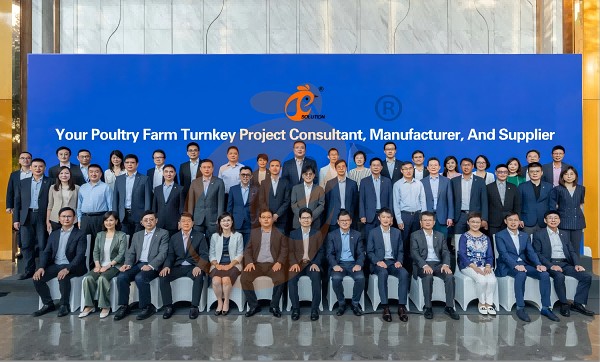
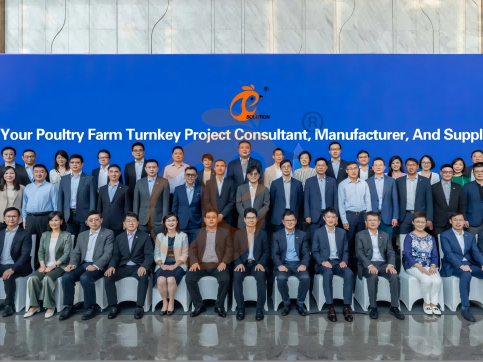
Hong Kong Headquarter Management Team
Hong Kong Headquarter Taiyu Industrial Group CO., LTD
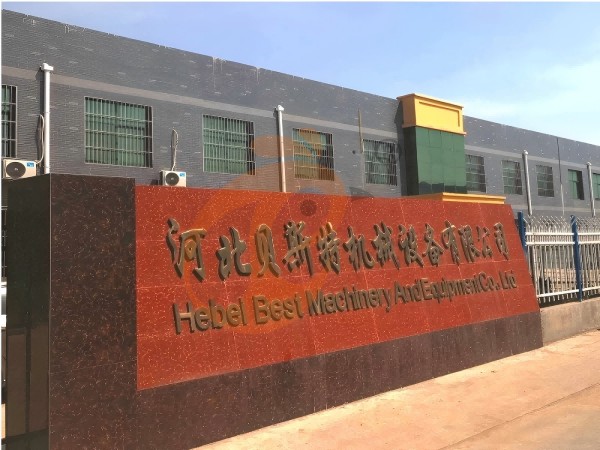
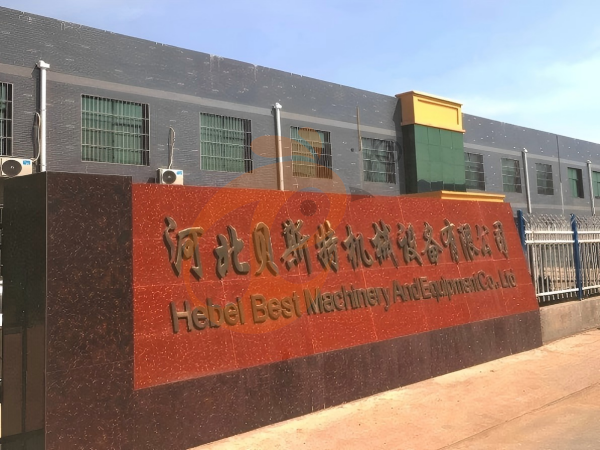
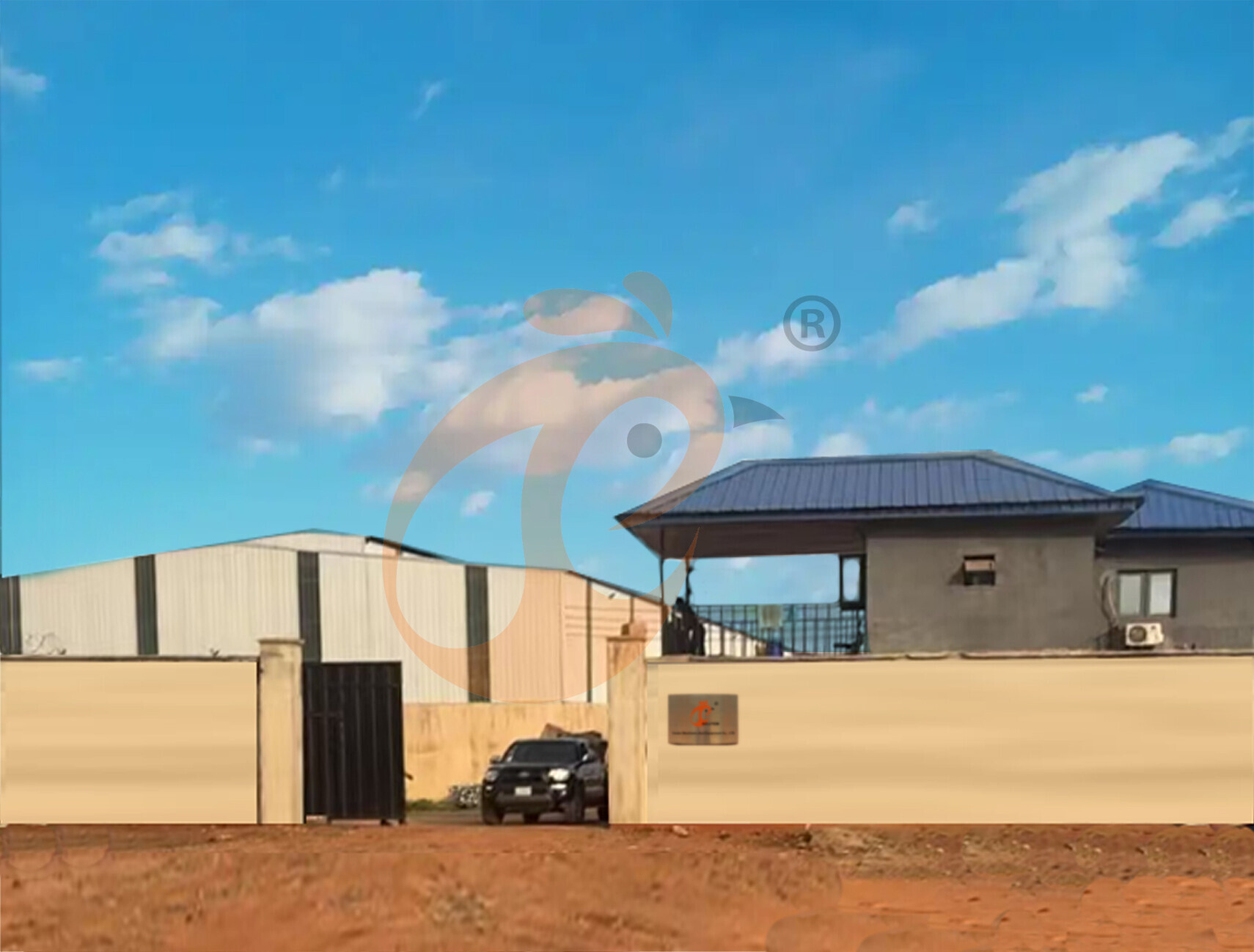
China Hebei Best Machinery And Equipment CO., LTD
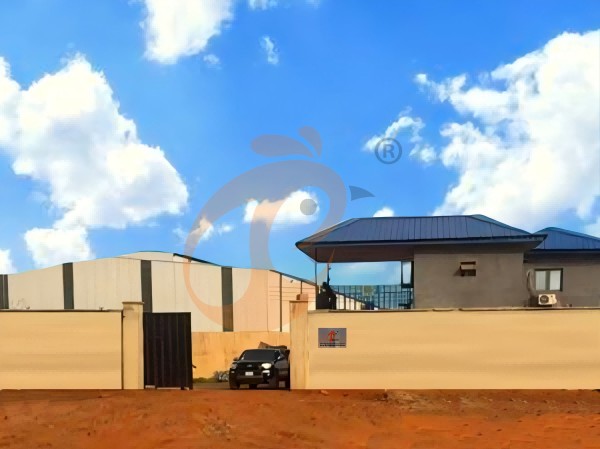
Nigeria Vanke Machinery And Equipment CO., LTD
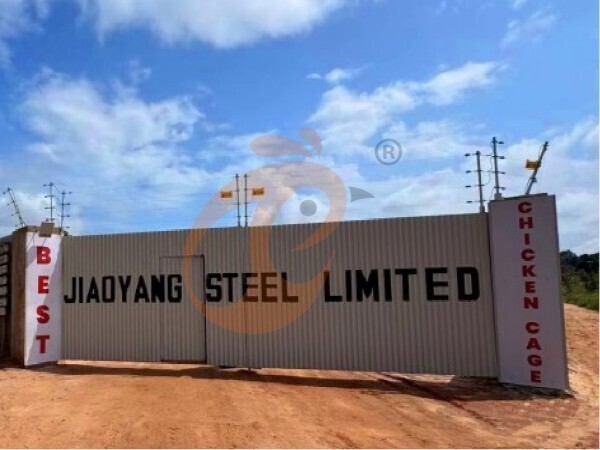
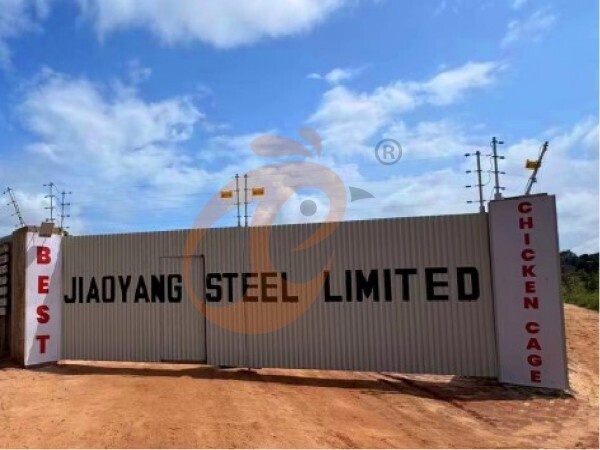
Tanzania Best Machinery And Equipment CO., LTD
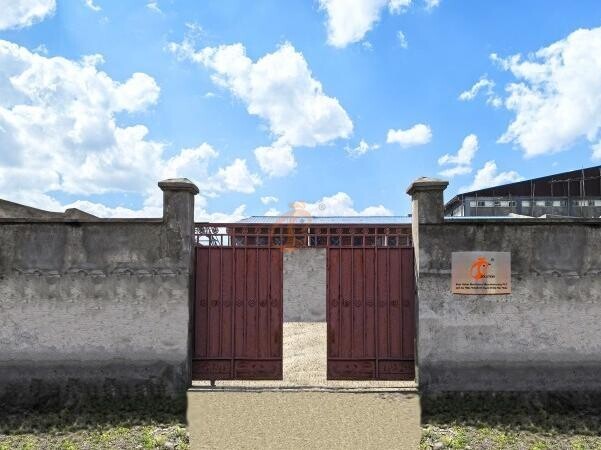
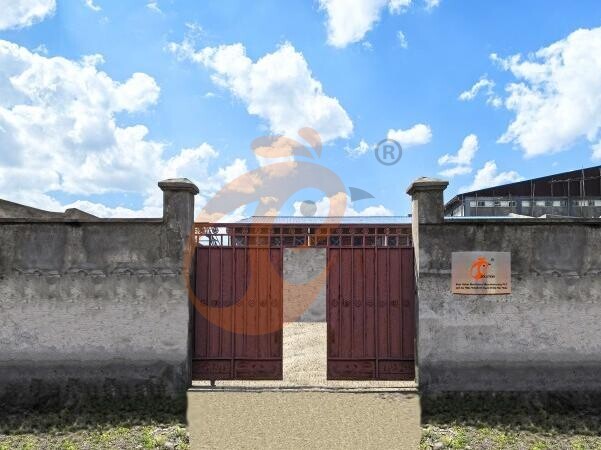
Ethiopia Best Hebei Machinery Manufacturing PLC
Reception /24 WhatsApp NO. : +8618830120193
FAQ
How To Maintain H-Type Chicken Cage For 25 Years Lifespan?
Check feeding and drinking systems
Maintain anti-corrosion coating
Equipment lifespan: more than 25 years
Egg production rate: 90-98%
What Are The Key Considerations When Buying H-Type Poultry Cage?
Corrosion-resistant cage material
Equipment lifespan and maintenance cost
Egg production rate: 90-98%
Labor savings: 70-90%
How To Upgrade H-Type Battery Cage System To Full Automation?
Integrate with farm management software
Egg production rate: 90-98%
FCR 1.9–2.1
Labor savings: 70-90%
Message
Products recommended
 HK Headquarter Offers EU-standard Poultry Farm Solutions, Manufacture Poultry Farm Equipment1. Continuous communication with the EU and the US
2. China, Nigeria, Ethiopia, Tanzania branch companies and factories
3. The products’ quality is customized for local poultry farms
4. Poultry cage and poultry farm equipment stock for sale
5. 24 online reception Whatsapp NO. : +8618830120193,contact us to get full informationRead More China Branch Offer Poultry Farm Business Plan, Manufacture Poultry Farm Equipment1. Address: Flat/RM 2416, 24/F, Runxing Building, Youyi Nan Street, Shijiazhuang City, Hebei Province, China
2. Poultry cage and poultry farm equipment factory and stock for sale
3. Customized for local poultry farms
4. Quality and design are based on Euro
5. 24 online reception Whatsapp NO. : +8618830120193Read More Nigeria Branch Offer Poultry Farm Business Plan, Manufacture Poultry Farm Equipment1. Address: After Sinoma Office, 200 Meters Near Danco Filling Station, Lagos/Ibadan Expressway, Lagos State, Nigeria
2. Poultry cage and poultry farm equipment factory and stock for sale
3. Customized for Nigerian poultry farms
4. Quality and design are based on Euro
5. 24 online reception Whatsapp NO. : +8618830120193Read More Ethiopia Branch Offer Poultry Farm Business Plan, Manufacture Poultry Farm Equipment1. Address: Gelan Gura, Akaki-kaliti Sub City, Addis Ababa, Ethiopia
2. Poultry cage and poultry farm equipment stock for sale
3. Customized for Ethiopian poultry farms
4. Quality and design are based on Euro
5. 24 online reception Whatsapp NO. : +8618830120193, contact us to get price listRead More Tanzania Branch Offer Poultry Farm Business Plan, Manufacture Poultry Farm Equipment1. Address: No.8, Sova Road, Msufini, Mlandizi, Kibaha, Pwani, Tanzania
2. Poultry cage and poultry farm equipment factory and stock for sale
3. Customized for Tanzanian poultry farms
4. Quality and design are based on Euro
5. 24 online reception Whatsapp NO. : +8618830120193Read More Fully Automatic H Type Layer Chicken Cage1. 30,000-100,000+ layers/house chooses it, Poultry farmers can achieve an egg production rate of 96-98%
2. A significant improvement over the 85-90% typically seen in manual systems
3. A typical poultry farm can expect a 30-40% reduction in labor costs due to the automation
4. Each feeding line efficiently supplies feed to around 100,000 hens per 30 mins
5. Reception /WhatsApp NO. : +8618830120193Read More Fully Automatic A Type Layer Chicken Cage1. 10,000-50,000 layers/house chooses it
2. Cleaner egg collection reduces breakage by 0.5%
3. Improved hygiene helps reduce mortality rate to <3%
4. 1–2 technicians can handle 15,000–30,000 birds
5. Reception /WhatsApp NO. : +8618830120193Read More Semi Automatic H Type Layer Chicken Cage1. 1,00-20,000 layers/house chooses it
2. Nipple drinkers flow 30–60 ML / min
3. Hot-dip galvanized (typical coating ≥ 275 g/m²)
4. Reduce ammonia by ~ 35–40%
5. Reception /WhatsApp NO. : +8618830120193Read More Semi Automatic A Type Layer Chicken Cage1. 1,00-20,000 layers/house chooses it, no rust for 10 years, no deformation for 15 years
2. Chickens live comfortably, you can raise them with peace of mind
3. Save water, save money—efficiency you can measure
4. Improve environment quality, and increase egg production rate
5. Reception /WhatsApp NO. : +8618830120193Read More
By clicking 'Allow All', you agree to the storage of cookies on your device to enhance site navigation, analyze site usage and assist with our marketing efforts.