


Blog
Poultry manure removal system integration increases large scale poultry farming hygiene control capability, reducing contamination risks within industrial cage based poultry production systems
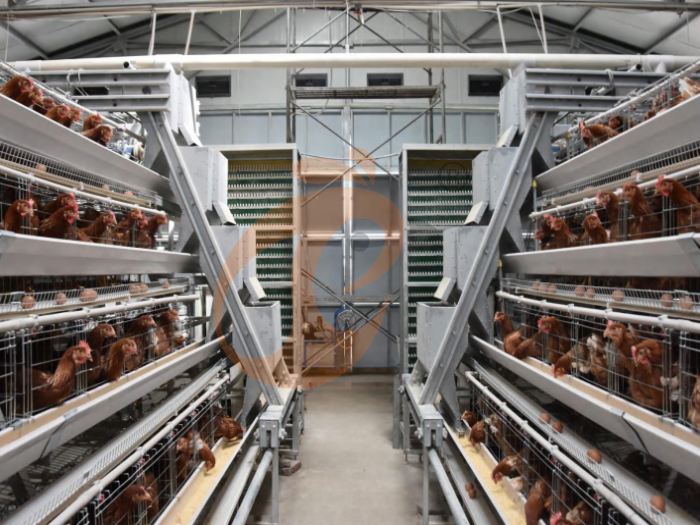
Mechanical scraper systems operate inside A type cages through longitudinal waste transfer using chain driven blades across reinforced concrete pit structures
Roller driven polypropylene belt systems enable continuous manure discharge, improving air quality regulation within high density poultry housing environments
Ammonia concentration reduction systems regulate bird respiratory health through controlled gas extraction and manure moisture stabilization inside poultry houses
Automated manure handling infrastructure reduces labor dependency while enabling scalable poultry production across diverse climatic and structural farm engineering conditions
Get professional poultry farm construction guidance, equipment selection solutions, and the latest price lists, whatsApp to +8618830120193, +2348111199996, or click to learn more.
Engineering The Mechanical Scraper System
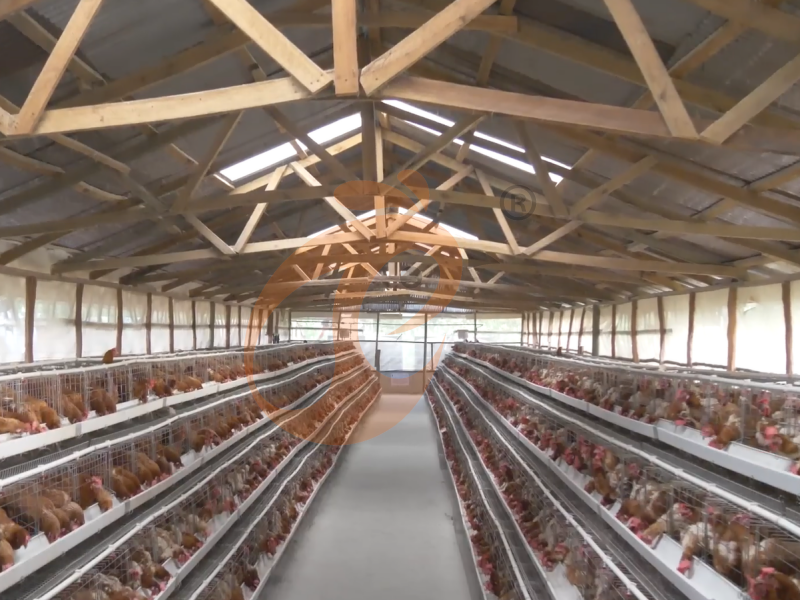
Longitudinal scraper systems operate within A-type cage configurations and floor-rearing poultry production layouts.
Scraper mechanism transports manure across reinforced concrete pit surfaces toward centralized discharge collection points.
Engineering configuration applies in poultry housing structures requiring mechanical robustness and simplified operational architecture.
Data is for reference only.Swipe horizontally to view full table.
Structural Integrity And Material Science
Material selection determines service life stability within ammonia rich poultry environments.
Galvanized steel structures reduce corrosion progression under continuous exposure to uric acid and high humidity conditions.
Protective coating systems extend mechanical frame lifespan under continuous poultry manure exposure cycles.
Structural reinforcement systems maintain scraper integrity under repeated mechanical load cycles in industrial poultry houses.
Data is for reference only.Swipe horizontally to view full table.
Roller And Manure Belt System H-Type Precision
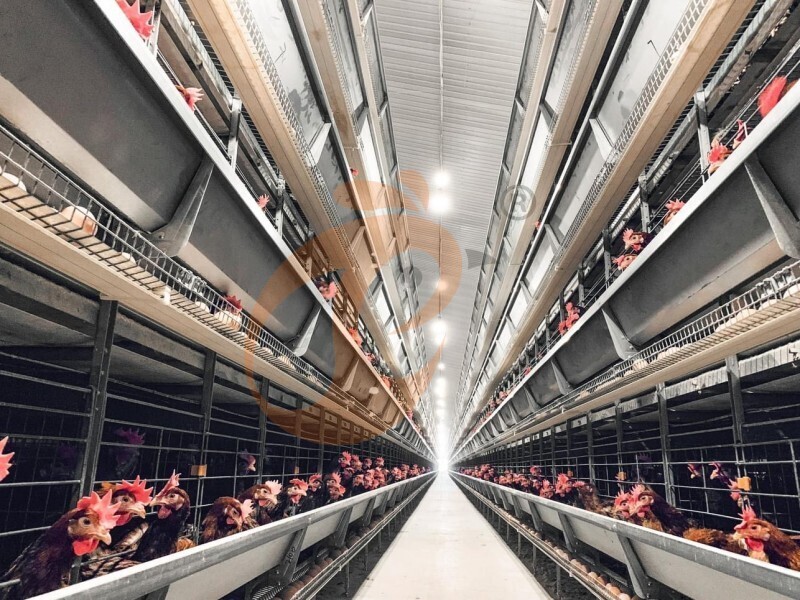
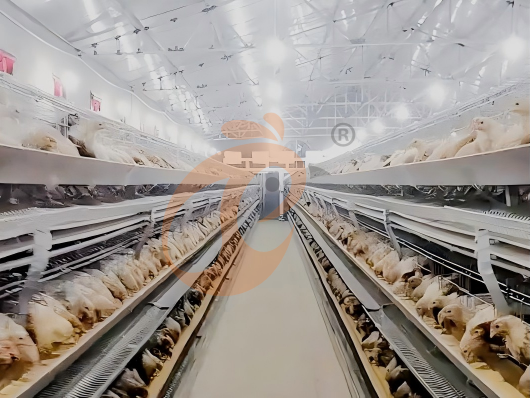
High density H-type poultry cage systems integrate roller driven belt transport mechanisms for continuous manure extraction.
Motorized roller units drive polypropylene belts beneath cage tiers for direct manure transfer into external conveyor systems.
System architecture enables controlled manure discharge flow and stabilizes environmental hygiene conditions within enclosed poultry facilities.
Engineering design integrates synchronized multi-tier manure extraction and external transport coordination systems.
Data is for reference only.Swipe horizontally to view full table.
Atmospheric Management And Ammonia Control
Ammonia gas generation originates from microbial decomposition of uric acid contained in poultry manure.
Accumulated manure within enclosed poultry houses increases respiratory system stress and reduces flock physiological stability.
Environmental regulation systems require ventilation control integration combined with frequent manure removal cycles for gas concentration stabilization.
Environmental Metrics For Modern Farms
Large scale poultry production facilities generate high daily manure output requiring structured mechanical handling systems.
Belt based manure extraction systems combined with forced airflow drying units reduce moisture content and inhibit pathogen development.
Environmental stabilization systems directly influence feed conversion efficiency and flock survival performance.
Data is for reference only.Swipe horizontally to view full table.
Energy Consumption And Operational Efficiency
Energy consumption profiles differ significantly between scraper driven and belt driven manure removal systems.
Scraper systems require higher torque output due to friction resistance against concrete pit surfaces.
Belt systems distribute mechanical load across multiple motor units for continuous low resistance operation.
Conveyor systems stabilize manure transport flow across large scale poultry production facilities.
Data is for reference only.Swipe horizontally to view full table.
Cross Conveyor System Design Integration
Cross conveyor systems operate as centralized manure transfer infrastructure connecting multiple discharge points.
Inclined conveyor geometry and cleated belt structures stabilize upward manure transport toward external processing zones.
Poultry Breed Adaptability And Load Requirements
Poultry breed variation generates different manure density levels and moisture composition characteristics.
System configuration requires adjustment based on biological output profiles to maintain structural stability across production cycles.
Troubleshooting And System Maintenance
Preventative maintenance scheduling maintains mechanical reliability and reduces system downtime risk.
Belt alignment calibration procedures and cable tension adjustment operations maintain long term system performance stability.
Data is for reference only.Swipe horizontally to view full table.
Frequently Asked Questions
Q1: What operational difference exists between scraper and belt systems
A1: Scraper systems transfer manure within pit-based infrastructure using mechanical blade movement
Belt systems extract manure directly through continuous conveyor discharge into external handling systems
Q2: How ammonia regulation influences poultry production performance
A2: Reduced ammonia concentration stabilizes respiratory function
Feed conversion efficiency remains consistent under controlled gas environments
Long term flock survival rate increases under stabilized environmental conditions
Q3: Which system configuration fits high density poultry housing structures
A3: High density poultry housing architecture requires belt based manure extraction systems
Continuous manure removal stabilizes air circulation and reduces internal gas accumulation
Taiyu (HK) Group - One Of China Largest Poultry Manure System Manufacturer
Poultry manure removal system provides engineered mechanical infrastructure for industrial cage based poultry production environments
Global factory direct manufacturing system delivers standardized production output for large scale poultry equipment deployment projects
Poultry equipment integration system connects feeding, manure discharge, and environmental control subsystems within modern poultry housing structures
Poultry cage engineering system supports A type and H type cage configurations for optimized bird density and structural efficiency performance
Turn-key engineering system delivers complete poultry house design, installation, commissioning, and operational deployment services for agricultural projects
Contact Us To Received Your Customized Poultry Farm Plan
Headquarters And Branchs

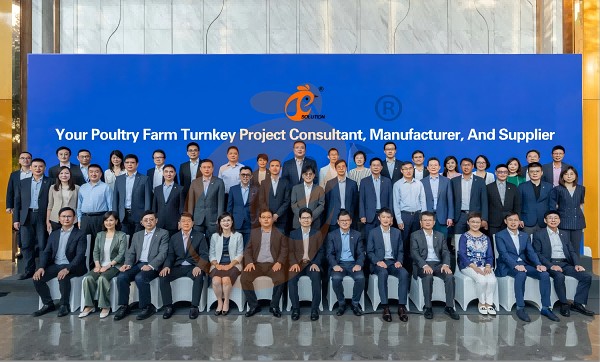
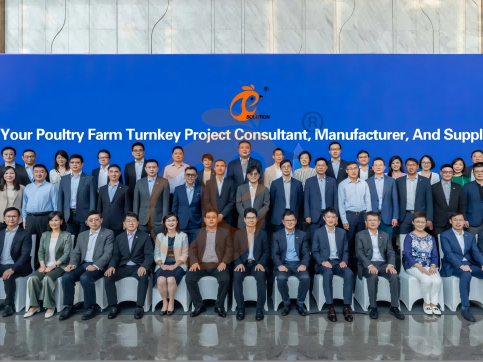
Hong Kong Headquarter Management Team
Hong Kong Headquarter Taiyu Industrial Group CO., LTD
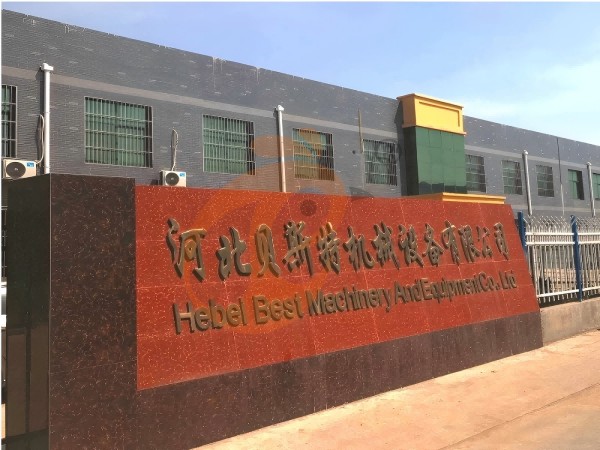
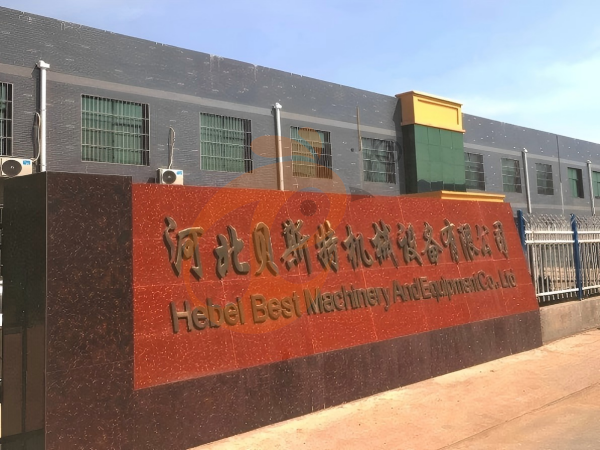
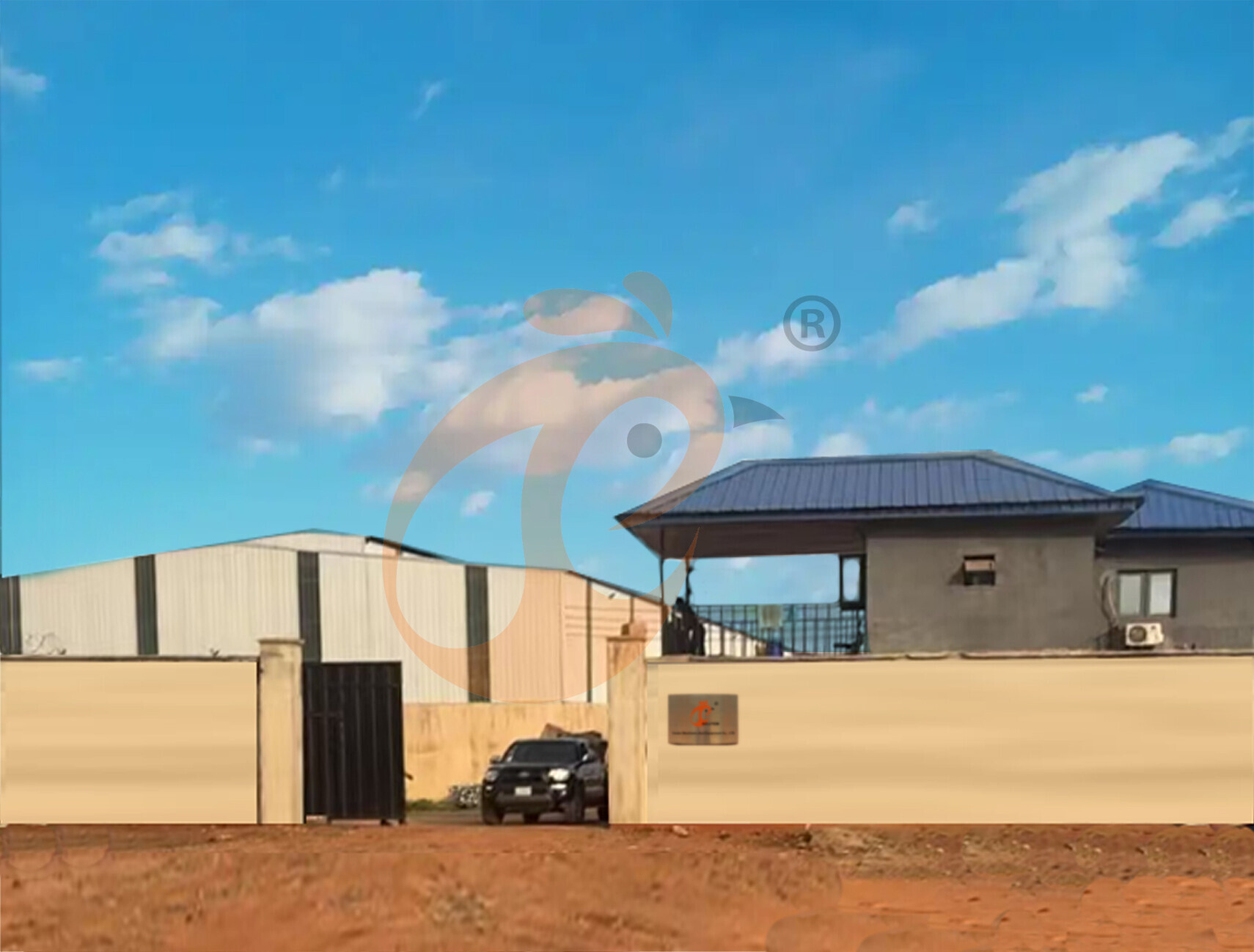
China Hebei Best Machinery And Equipment CO., LTD
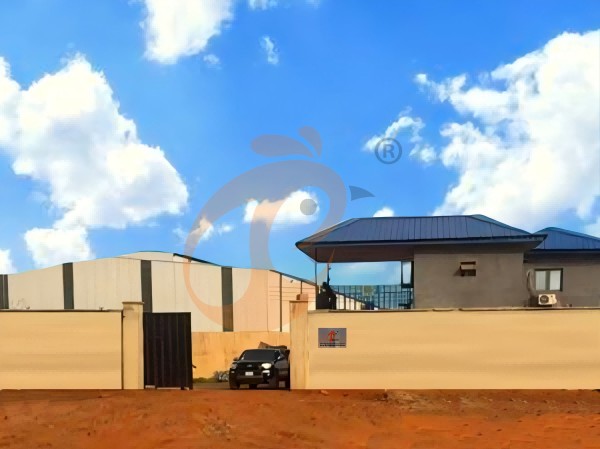
Nigeria Vanke Machinery And Equipment CO., LTD
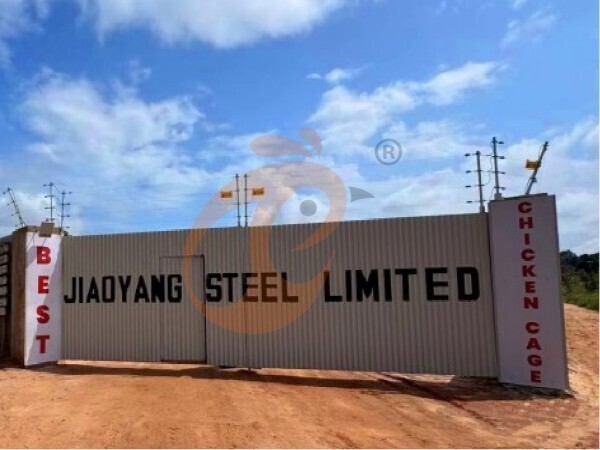
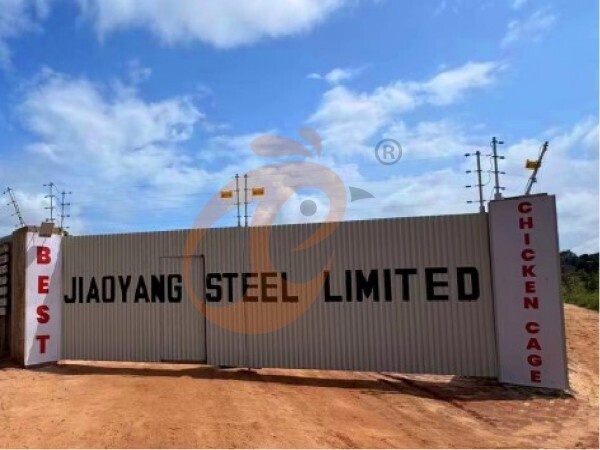
Tanzania Best Machinery And Equipment CO., LTD
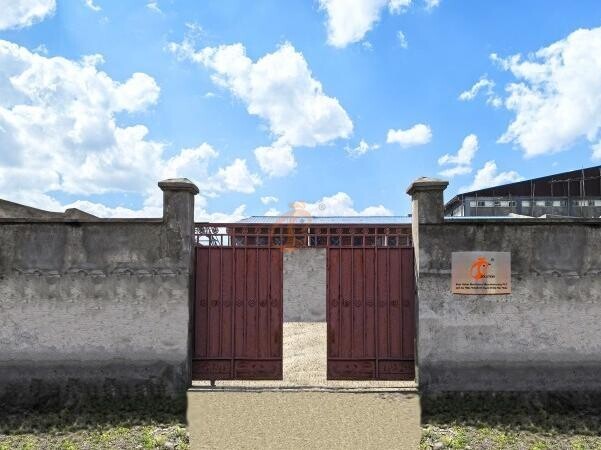
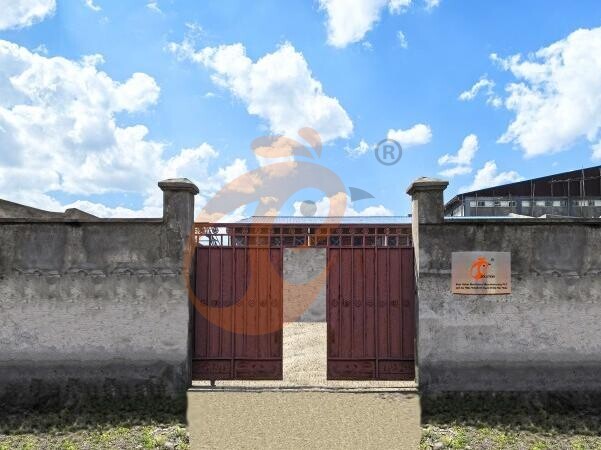
Ethiopia Best Hebei Machinery Manufacturing PLC
Reception /24 WhatsApp NO. : +8618830120193
FAQ
How Does Hygiene Equipment Improve Pathogen Control In Poultry Chicken Environments?
Disinfection units apply 0.2–0.5% chemical solutions with droplet size 50–100 microns, achieving surface coverage efficiency above 98% across cage and floor systems.
Automated sanitation cycles lasting 30–45 minutes reduce viral persistence rates by 80–90%, supporting biosecurity compliance in facilities exceeding 25,000 bird density.
What Are The Energy And Water Consumption Requirements For Manure Hygiene Systems?
Water usage ranges 1.2–2.0 liters per square meter per cleaning cycle, optimized through nozzle flow rates of 8–12 liters per minute at controlled pressure settings.
Pump efficiency reaches 70–85% with flow capacity 20–40 cubic meters per hour, ensuring rapid cleaning turnaround in houses sized 1000–2500 square meters.
What Is The Typical Manure Removal Capacity Per Hour In Poultry Chicken Houses?
Conveyor speed ranges 0.15–0.35 m/s with motor power 2.2–4.0 kW, enabling stable manure transfer across 60–120 meter house lengths without material accumulation.
Daily removal frequency of 2–4 cycles reduces ammonia concentration by 35–50 ppm, maintaining air quality thresholds below 25 ppm for optimal broiler respiratory health.
Message
Products recommended
 HK Headquarter Offers EU-standard Poultry Farm Solutions, Manufacture Poultry Farm Equipment1. Continuous communication with the EU and the US
2. China, Nigeria, Ethiopia, Tanzania branch companies and factories
3. The products’ quality is customized for local poultry farms
4. Poultry cage and poultry farm equipment stock for sale
5. 24 online reception Whatsapp NO. : +8618830120193,contact us to get full informationRead More China Branch Offer Poultry Farm Business Plan, Manufacture Poultry Farm Equipment1. Address: Flat/RM 2416, 24/F, Runxing Building, Youyi Nan Street, Shijiazhuang City, Hebei Province, China
2. Poultry cage and poultry farm equipment factory and stock for sale
3. Customized for local poultry farms
4. Quality and design are based on Euro
5. 24 online reception Whatsapp NO. : +8618830120193Read More Nigeria Branch Offer Poultry Farm Business Plan, Manufacture Poultry Farm Equipment1. Address: After Sinoma Office, 200 Meters Near Danco Filling Station, Lagos/Ibadan Expressway, Lagos State, Nigeria
2. Poultry cage and poultry farm equipment factory and stock for sale
3. Customized for Nigerian poultry farms
4. Quality and design are based on Euro
5. 24 online reception Whatsapp NO. : +8618830120193Read More Ethiopia Branch Offer Poultry Farm Business Plan, Manufacture Poultry Farm Equipment1. Address: Gelan Gura, Akaki-kaliti Sub City, Addis Ababa, Ethiopia
2. Poultry cage and poultry farm equipment stock for sale
3. Customized for Ethiopian poultry farms
4. Quality and design are based on Euro
5. 24 online reception Whatsapp NO. : +8618830120193, contact us to get price listRead More Tanzania Branch Offer Poultry Farm Business Plan, Manufacture Poultry Farm Equipment1. Address: No.8, Sova Road, Msufini, Mlandizi, Kibaha, Pwani, Tanzania
2. Poultry cage and poultry farm equipment factory and stock for sale
3. Customized for Tanzanian poultry farms
4. Quality and design are based on Euro
5. 24 online reception Whatsapp NO. : +8618830120193Read More Fully Automatic H Type Layer Chicken Cage1. 30,000-100,000+ layers/house chooses it, Poultry farmers can achieve an egg production rate of 96-98%
2. A significant improvement over the 85-90% typically seen in manual systems
3. A typical poultry farm can expect a 30-40% reduction in labor costs due to the automation
4. Each feeding line efficiently supplies feed to around 100,000 hens per 30 mins
5. Reception /WhatsApp NO. : +8618830120193Read More Fully Automatic A Type Layer Chicken Cage1. 10,000-50,000 layers/house chooses it
2. Cleaner egg collection reduces breakage by 0.5%
3. Improved hygiene helps reduce mortality rate to <3%
4. 1–2 technicians can handle 15,000–30,000 birds
5. Reception /WhatsApp NO. : +8618830120193Read More Semi Automatic H Type Layer Chicken Cage1. 1,00-20,000 layers/house chooses it
2. Nipple drinkers flow 30–60 ML / min
3. Hot-dip galvanized (typical coating ≥ 275 g/m²)
4. Reduce ammonia by ~ 35–40%
5. Reception /WhatsApp NO. : +8618830120193Read More Semi Automatic A Type Layer Chicken Cage1. 1,00-20,000 layers/house chooses it, no rust for 10 years, no deformation for 15 years
2. Chickens live comfortably, you can raise them with peace of mind
3. Save water, save money—efficiency you can measure
4. Improve environment quality, and increase egg production rate
5. Reception /WhatsApp NO. : +8618830120193Read More
By clicking 'Allow All', you agree to the storage of cookies on your device to enhance site navigation, analyze site usage and assist with our marketing efforts.