






Blog
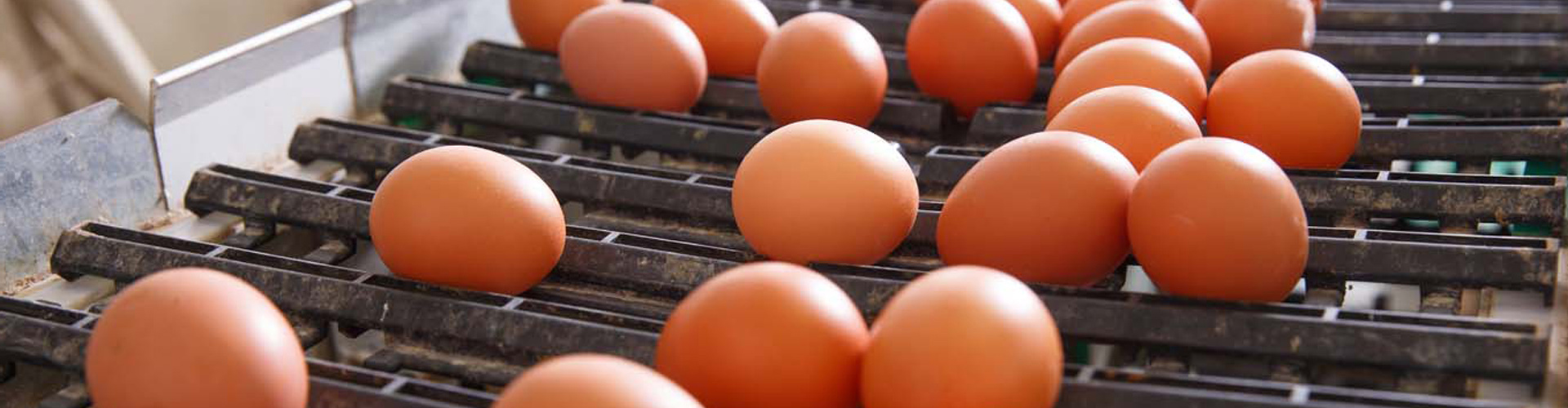
Egg breakage in commercial layer production represents a measurable loss in revenue, grading efficiency, and downstream processing consistency.
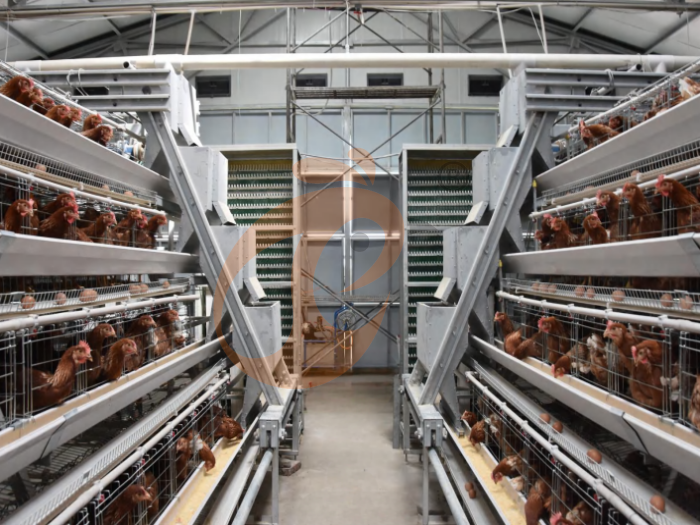
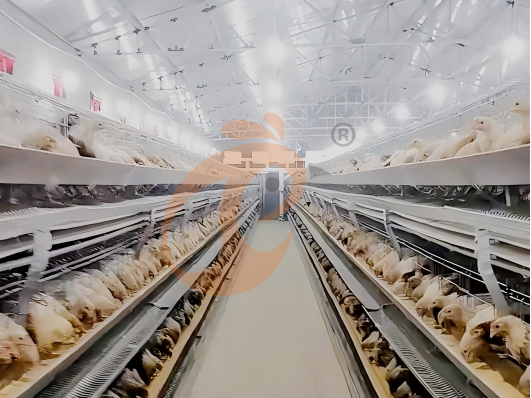
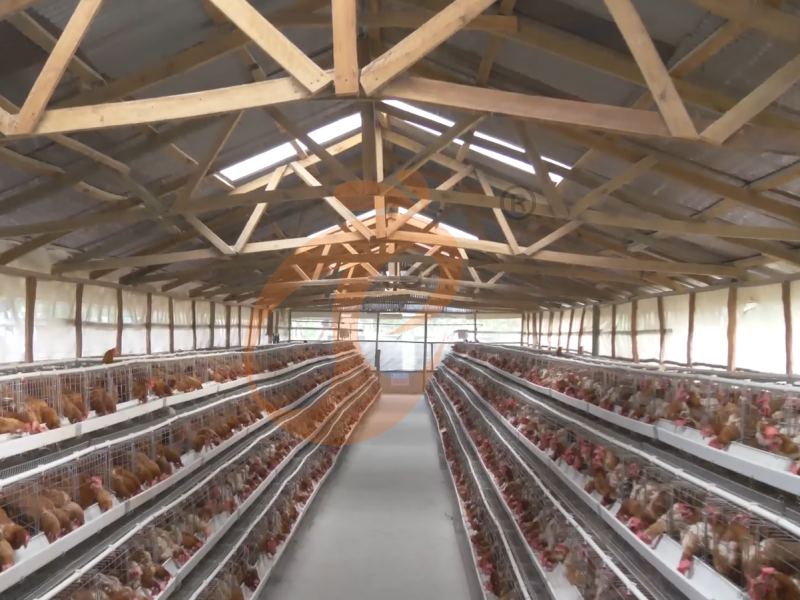
In modern intensive farming environments, an a type layer cage system egg breakage control strategy is typically implemented to stabilize mechanical transfer conditions from laying point to collection line.
Performance outcomes depend on synchronized management of structural design, flock physiology, feed formulation, and environmental stability.
Egg integrity is influenced by micro impact forces during rolling, vibration transfer through steel frames, and friction at belt interfaces.
Operational stability improves when each subsystem is calibrated under standardized engineering thresholds.
Get professional poultry farm construction guidance, equipment selection solutions, and the latest price lists, whatsApp to +8618830120193, +2348111199996, or click to learn more.
Key Causes Of Egg Breakage In Cage Systems
Egg damage originates from multiple interacting variables across mechanical, biological, and environmental layers.
A diagnostic breakdown helps isolate system inefficiencies before corrective action is applied.
Data is for reference only.Swipe horizontally to view full table.
System diagnostics confirm that reduce egg breakage layer cage system performance depends on mechanical calibration and biological consistency alignment.
Method For Egg Belt Speed And Mechanical Load Calibration
Egg belt systems function as the primary transport interface between cage and collection zone.
Even minor deviations in belt kinetics generate cumulative collision forces affecting shell integrity.
Data is for reference only.Swipe horizontally to view full table.
These mechanical parameters are essential in any layer cage egg handling optimization system where transport continuity determines output quality consistency.
Method For Cage Structural Geometry And Load Distribution
Cage frame engineering determines how gravitational forces guide eggs from laying point to belt surface.
Uneven stress distribution increases micro-impact frequency during descent.
Data is for reference only.Swipe horizontally to view full table.
Structural optimization remains central to how to reduce egg breakage in an a type layer cage system?
6 proven methods in industrial scale poultry systems.
Method For Mineral Absorption And Eggshell Microstructure Enhancement
Eggshell durability is governed by mineral metabolism efficiency and crystalline structure formation during ovulation cycles.
Nutritional engineering directly affects shell fracture resistance.
Data is for reference only.Swipe horizontally to view full table.
These biochemical parameters stabilize shell matrix formation and reduce internal fracture propagation.
Method For Stocking Density Engineering And Behavioral Flow Control
Bird spatial distribution influences laying position accuracy and mechanical stress exposure inside cage modules.
Controlled density improves egg alignment consistency.
Data is for reference only.Swipe horizontally to view full table.
Behavioral stabilization is critical for minimizing random egg displacement in confined systems.
Method For Environmental Stability And Structural Vibration Isolation
Environmental conditions influence both hen physiology and cage structural resonance behavior.
Stabilization reduces indirect mechanical amplification of egg collisions.
Data is for reference only.Swipe horizontally to view full table.
Controlled environments reinforce mechanical predictability across the entire production line.
Method For Collection Timing Optimization And Flow Regulation
Egg accumulation dynamics directly influence contact pressure between adjacent eggs.
Optimized collection cycles prevent compression-related cracking.
Data is for reference only.Swipe horizontally to view full table.
This timing model is essential for maintaining stable output quality in commercial cage systems.
Monitoring And Predictive Maintenance Engineering System
Long term system performance requires predictive intervention rather than reactive repair.
Continuous measurement ensures early deviation detection.
Data is for reference only.Swipe horizontally to view full table.
Predictive maintenance ensures system integrity across extended production cycles.
Frequently Asked Questions
Q1: What is the most sensitive factor affecting egg breakage in a-type cage systems?
A1: Mechanical transfer zones, particularly belt transition points, show the highest sensitivity.
Even a 0.5 mm misalignment can increase micro-crack probability by measurable increments in controlled trials.
Q2: Does feed particle size directly influence shell strength?
A2:Yes.
Calcium particle size distribution between 1.5 mm and 3.0 mm improves slow release absorption, increasing shell thickness consistency by measurable structural reinforcement indices.
Q3: How often should egg collection be scheduled in commercial farms?
A3: Industrial benchmarks indicate optimal intervals between 180 and 240 minutes depending on flock density and house temperature stability conditions.
Taiyu (HK) Group - One Of China Most Famous A Type Layer Cage Manufacturer
- The a type layer cage system egg breakage control solution is deployed in farms ranging from 20,000 to 480,000 laying hens, integrating automated egg collection lines with measured reduction in mechanical impact variance up to 0.18 joule per transfer cycle in standardized installations.
- Global factory direct manufacturing model supports synchronized production of poultry equipment including cage frames, conveyor belts, feeding lines, and manure removal systems under unified engineering calibration standards.
- Turn key project execution includes poultry house layout modeling, structural load calculation, ventilation system integration, and on-site commissioning for industrial egg production facilities.
- Export engineering supply chain enables modular cage system delivery with pre-assembled mechanical subsystems designed for rapid installation in climate controlled poultry environments.
- Technical service framework includes lifecycle maintenance planning, system upgrade pathways, and performance optimization consulting for high density layer production operations.
Contact Us To Received Your Customized Poultry Farm Plan
Headquarters And Branchs

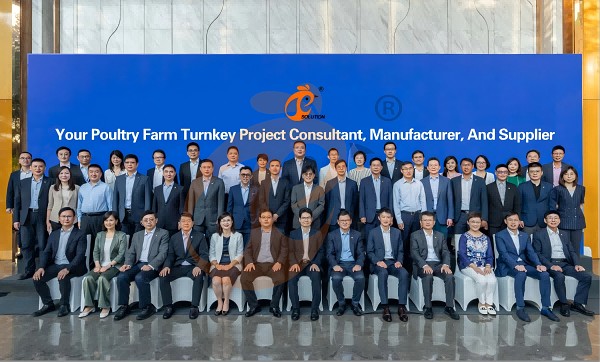
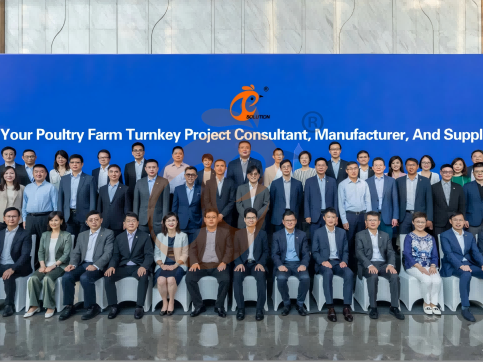
Hong Kong Headquarter Management Team
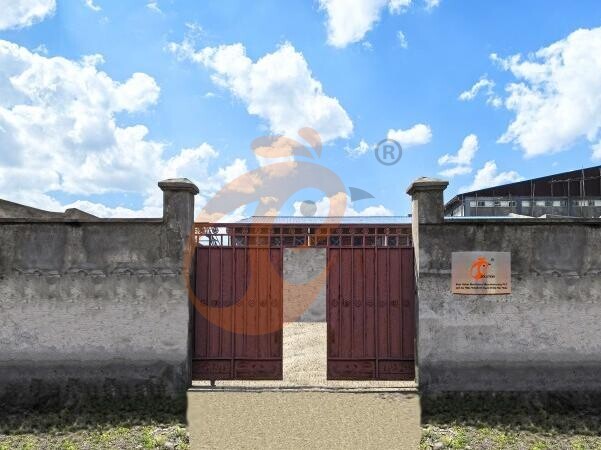
Hong Kong Headquarter Taiyu Industrial Group CO., LTD
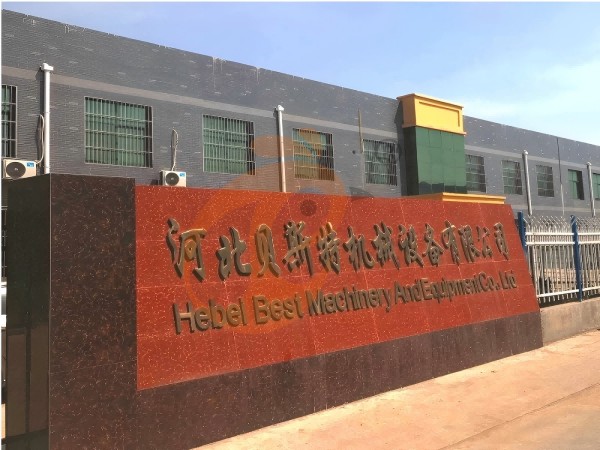
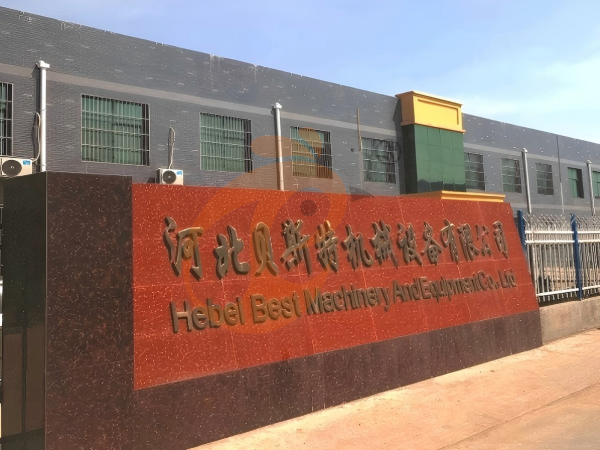
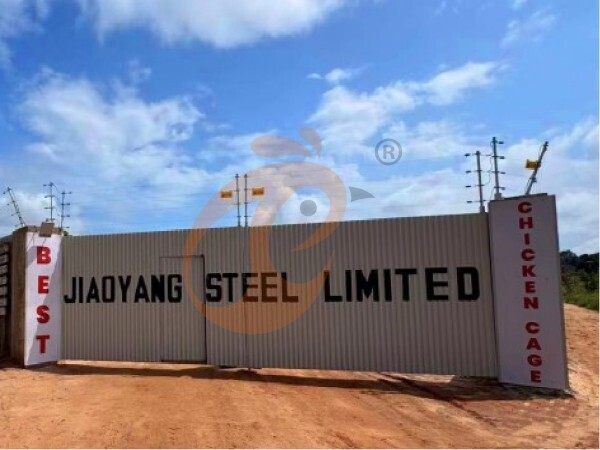
China Hebei Best Machinery And Equipment CO., LTD
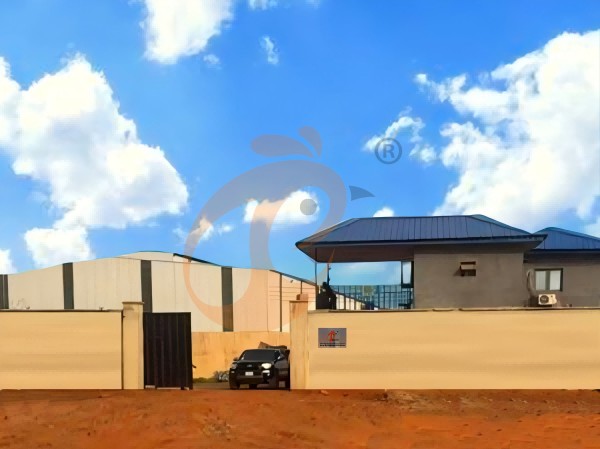
Nigeria Vanke Machinery And Equipment CO., LTD
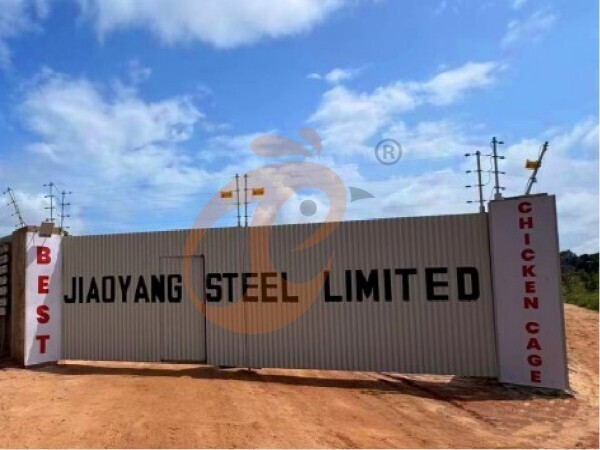
Tanzania Best Machinery And Equipment CO., LTD
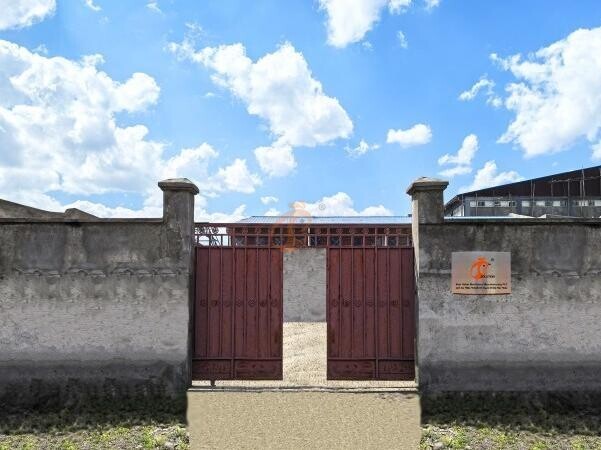
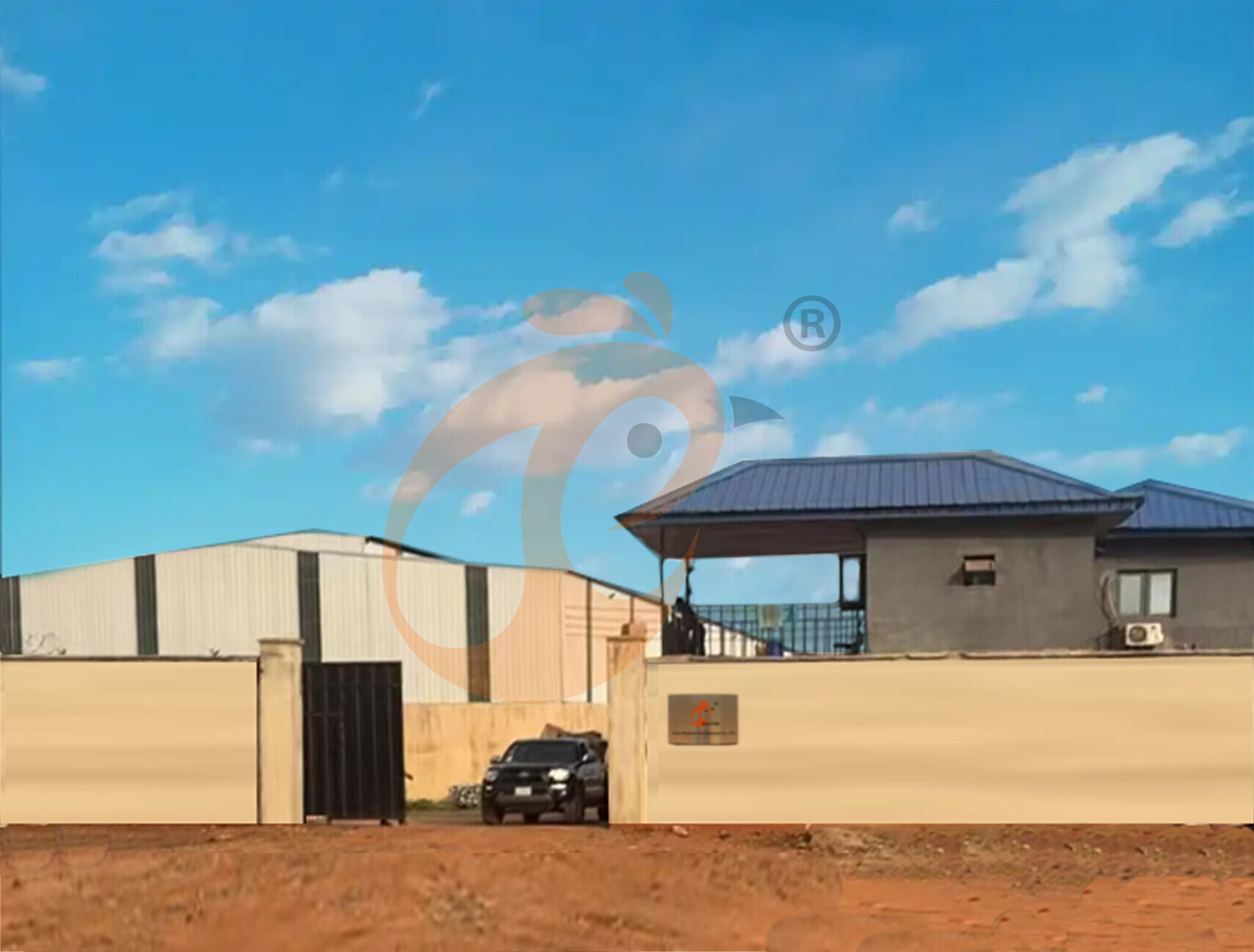
Ethiopia Best Hebei Machinery Manufacturing PLC
Reception /24 WhatsApp NO. : +8618830120193
FAQ
What Are The Most Efficient Feeding Systems For A-Type Layer Cage Farms?
Even feed distribution reduces waste
One worker manages 5,000–10,000 birds
FCR reduced to 1.9–2.2
Egg production rate: 90–96%
How To Select The Best Supplier For A-Type Chicken Cage Systems?
Ensure material quality and anti-corrosion performance
Equipment lifespan: more than 25 years
Egg production rate: 90–96%
Labor savings: 50–70%
How To Integrate Water And Feed Automation In A-Type Layer Cage System?
Automatically control flow and timing
Egg production rate: 90–96%
FCR: 1.9–2.2
Mortality rate: 2–3%
Message
Products recommended
 HK Headquarter Offers EU-standard Poultry Farm Solutions, Manufacture Poultry Farm Equipment1. Continuous communication with the EU and the US
2. China, Nigeria, Ethiopia, Tanzania branch companies and factories
3. The products’ quality is customized for local poultry farms
4. Poultry cage and poultry farm equipment stock for sale
5. 24 online reception Whatsapp NO. : +8618830120193,contact us to get full informationRead More China Branch Offer Poultry Farm Business Plan, Manufacture Poultry Farm Equipment1. Address: Flat/RM 2416, 24/F, Runxing Building, Youyi Nan Street, Shijiazhuang City, Hebei Province, China
2. Poultry cage and poultry farm equipment factory and stock for sale
3. Customized for local poultry farms
4. Quality and design are based on Euro
5. 24 online reception Whatsapp NO. : +8618830120193Read More Nigeria Branch Offer Poultry Farm Business Plan, Manufacture Poultry Farm Equipment1. Address: After Sinoma Office, 200 Meters Near Danco Filling Station, Lagos/Ibadan Expressway, Lagos State, Nigeria
2. Poultry cage and poultry farm equipment factory and stock for sale
3. Customized for Nigerian poultry farms
4. Quality and design are based on Euro
5. 24 online reception Whatsapp NO. : +8618830120193Read More Ethiopia Branch Offer Poultry Farm Business Plan, Manufacture Poultry Farm Equipment1. Address: Gelan Gura, Akaki-kaliti Sub City, Addis Ababa, Ethiopia
2. Poultry cage and poultry farm equipment stock for sale
3. Customized for Ethiopian poultry farms
4. Quality and design are based on Euro
5. 24 online reception Whatsapp NO. : +8618830120193, contact us to get price listRead More Tanzania Branch Offer Poultry Farm Business Plan, Manufacture Poultry Farm Equipment1. Address: No.8, Sova Road, Msufini, Mlandizi, Kibaha, Pwani, Tanzania
2. Poultry cage and poultry farm equipment factory and stock for sale
3. Customized for Tanzanian poultry farms
4. Quality and design are based on Euro
5. 24 online reception Whatsapp NO. : +8618830120193Read More Fully Automatic H Type Layer Chicken Cage1. 30,000-100,000+ layers/house chooses it, Poultry farmers can achieve an egg production rate of 96-98%
2. A significant improvement over the 85-90% typically seen in manual systems
3. A typical poultry farm can expect a 30-40% reduction in labor costs due to the automation
4. Each feeding line efficiently supplies feed to around 100,000 hens per 30 mins
5. Reception /WhatsApp NO. : +8618830120193Read More Fully Automatic A Type Layer Chicken Cage1. 10,000-50,000 layers/house chooses it
2. Cleaner egg collection reduces breakage by 0.5%
3. Improved hygiene helps reduce mortality rate to <3%
4. 1–2 technicians can handle 15,000–30,000 birds
5. Reception /WhatsApp NO. : +8618830120193Read More Semi Automatic H Type Layer Chicken Cage1. 1,00-20,000 layers/house chooses it
2. Nipple drinkers flow 30–60 ML / min
3. Hot-dip galvanized (typical coating ≥ 275 g/m²)
4. Reduce ammonia by ~ 35–40%
5. Reception /WhatsApp NO. : +8618830120193Read More Semi Automatic A Type Layer Chicken Cage1. 1,00-20,000 layers/house chooses it, no rust for 10 years, no deformation for 15 years
2. Chickens live comfortably, you can raise them with peace of mind
3. Save water, save money—efficiency you can measure
4. Improve environment quality, and increase egg production rate
5. Reception /WhatsApp NO. : +8618830120193Read More
By clicking 'Allow All', you agree to the storage of cookies on your device to enhance site navigation, analyze site usage and assist with our marketing efforts.