






Blog
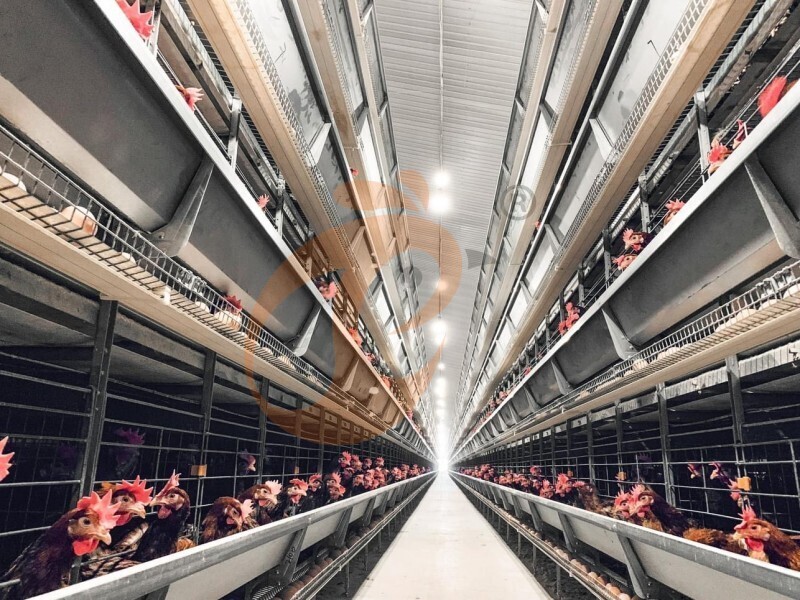
- Layer chicken cage systems form the operational foundation of modern egg farms, combining structural stability, flock management, and production efficiency for commercial laying operations.
Daily inspections covering feeding, watering, environmental control, lighting, and bird behavior help reduce operational risks while improving long-term equipment reliability.
Battery cage system management supports consistent flock performance by maintaining stable housing conditions, minimizing stress factors, and simplifying routine maintenance.
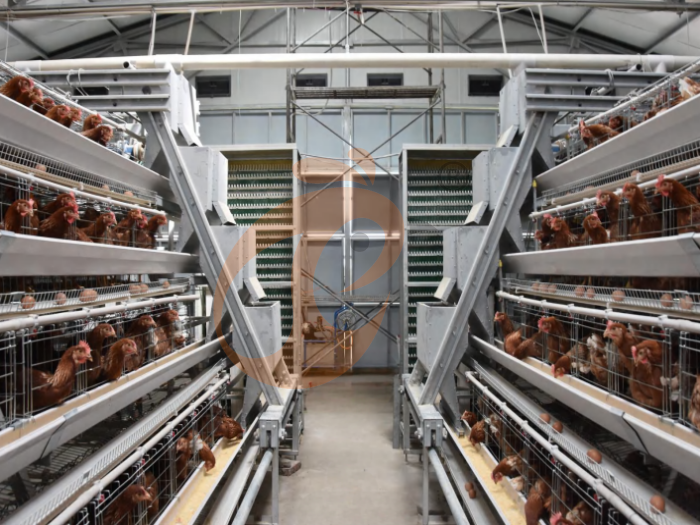
Automatic poultry equipment enables accurate feed delivery, efficient manure removal, reliable egg collection, and lower labor requirements across different production scales.
- Practical inspection methods, engineering recommendations, operational reference data, and equipment maintenance guidance presented throughout this article help poultry producers improve productivity and protect long-term investment in commercial layer farms.
Get professional poultry farm construction guidance, equipment selection solutions, and the latest price lists, whatsApp to +8618830120193, +2348111199996, or click to learn more:
Observe Bird Behavior Every Morning
Walking quietly through the poultry house allows farm workers to observe whether hens are evenly distributed, active, and behaving normally.
Changes in movement, feather condition, or vocalization often appear before production performance declines.
Daily observation also helps operators identify birds requiring closer attention before health issues affect the entire flock.
Commercial farms using a layer chicken cage system benefit from consistent observation routines because abnormalities can be detected early without interrupting production.
Regular inspections also support better labor planning and equipment scheduling throughout the laying cycle.
Data is for reference only. Swipe horizontally to view full table.
Healthy birds usually show consistent feeding activity shortly after feed delivery and maintain even distribution throughout the cage rows.
Verify Feed Distribution
Feed represents the largest operating cost on most commercial egg farms.
Uneven feed distribution may cause differences in body weight and egg production between cage rows.
Automatic feeding systems should be inspected before and after each feeding cycle to confirm smooth operation.
Accurate feeder adjustment also reduces unnecessary feed accumulation inside troughs.
Farms equipped with automatic poultry equipment can improve feeding consistency by routinely inspecting drive motors, feed chains, and hopper discharge performance before every feeding schedule.
Proper maintenance helps extend equipment service life while maintaining stable production capacity.
Data is for reference only. Swipe horizontally to view full table.
Proper feeder calibration also reduces feed waste and keeps production costs under control.
Inspect Drinking Water System
Leaks increase moisture inside the poultry house, while blocked nipples reduce water intake and feed consumption.
Clean pipelines also reduce mineral deposits and biological contamination inside the drinking system.
Farms operating a battery cage system should inspect pressure regulators, filters, and nipple drinkers every day to maintain stable water availability across every cage row.
Consistent water quality directly supports feed intake and eggshell formation throughout the laying period.
Data is for reference only. Swipe horizontally to view full table.
Clean drinking systems also reduce bacterial growth inside pipelines.
Monitor Environmental Conditions
Environmental stability supports both bird welfare and equipment performance.
Temperature, humidity, airflow, and ammonia concentration should be recorded at several locations throughout the chicken house.
Modern ventilation systems maintain balanced air exchange while reducing moisture accumulation around the cages.
Daily monitoring also helps technicians adjust environmental controllers according to seasonal changes, allowing poultry houses to operate efficiently under different weather conditions.
Stable environmental management contributes to better flock uniformity and more predictable egg production.
Data is for reference only. Swipe horizontally to view full table.
Automatic environmental control systems allow operators to maintain more stable production conditions throughout the year.
Confirm Lighting Performance
Every lighting zone should operate according to the programmed schedule.
Damaged lamps or inconsistent light intensity may influence flock uniformity.
Routine inspection of lighting controllers, timers, and electrical connections helps maintain uninterrupted illumination throughout the poultry house.
Proper lighting management also supports orderly flock activity, reduces unnecessary disturbance, and improves daily operational consistency in commercial layer production systems.
Data is for reference only. Swipe horizontally to view full table.
Routine cleaning of light fixtures also improves illumination efficiency.
Examine Cage Structure And Equipment
Loose bolts, bent wire mesh, damaged egg belts, or worn conveyor components should be repaired immediately.
Routine inspection of structural components also prevents unnecessary vibration and mechanical fatigue during continuous production.
Commercial farms equipped with automatic poultry equipment should verify belt alignment, gearbox lubrication, chain tension, and fastening points every day to ensure reliable system performance and reduce maintenance interruptions.
Data is for reference only. Swipe horizontally to view full table.
Regular maintenance reduces repair costs while improving operational reliability.
Record Production Data
Daily records help identify production trends and support future management decisions.
Production records also provide valuable engineering references when evaluating equipment performance and flock efficiency.
Farms operating a battery cage system can compare daily production indicators with maintenance records to identify operational patterns, schedule preventive servicing, and optimize resource allocation across different poultry houses.
Data is for reference only. Swipe horizontally to view full table.
Digital farm management software can simplify record analysis and improve operational decision-making.
Why Reliable Poultry Equipment Matters
Even the best management team cannot compensate for poorly designed equipment.
A complete layer farming solution should include
- Durable galvanized layer chicken cage systems
- Automatic feeding systems
- Nipple drinking systems
- Automatic egg collection equipment
- Automatic manure removal systems
- Intelligent environmental control systems
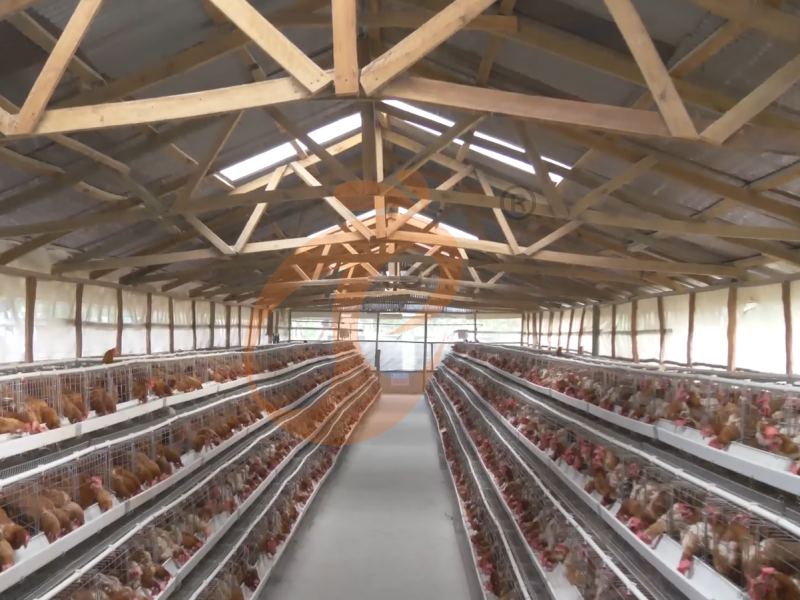
- Steel poultry house structures
Integrated engineering solutions improve labor efficiency, reduce equipment downtime, stabilize flock management, and support long-term production consistency.
Investment decisions normally vary according to farm size and automation level, with complete equipment projects commonly ranging from USD 18,000 to USD 320,000 (European union standard reference only).
Selecting reliable manufacturing quality also lowers future maintenance costs and extends equipment operating life.
Frequently Asked Questions
Q1: How often should layer chicken cage equipment be inspected?
Critical equipment should be inspected at least once every day before major production activities begin.
Components such as feeding systems, drinking lines, ventilation equipment, egg collection belts, and manure removal systems generally require 15–30 minutes of routine inspection per poultry house depending on farm size.
Q2: What is the recommended water pressure for nipple drinking systems?
Most commercial layer farms maintain water pressure between 20–30 kPa, while nipple flow rates generally remain around 65–80 ml/min according to bird age and equipment configuration.
Stable pressure helps maintain consistent water availability throughout every cage row.
Q3: How can daily maintenance reduce operating costs?
Routine inspections identify minor mechanical issues before expensive failures occur.
Regular servicing of motors, chains, bearings, controllers, and structural fasteners can reduce unexpected equipment downtime while extending service life by
several production cycles, resulting in lower maintenance expenses over the lifetime of the project.
Taiyu (HK) Group - One Of China Largest Layer Chicken Cage Manufacturer
Professional manufacturing of layer chicken cage systems engineered for commercial egg farms ranging from 5,000 to over 200,000 laying hens.
Global factory-direct supply covering complete poultry equipment, standardized production, quality inspection, and international project delivery.
Turn-key poultry engineering solutions including poultry house design, equipment manufacturing, installation guidance, commissioning, and technical training.
Integrated poultry equipment portfolio covering automatic feeding, drinking, egg collection, manure removal, ventilation, cooling, and environmental control systems.
Experienced engineering teams provide customized project layouts, commercial specifications, overseas installation support, and long-term technical service for poultry farms worldwide.
Contact Us To Received Your Customized Poultry Farm Plan
Headquarters And Branchs
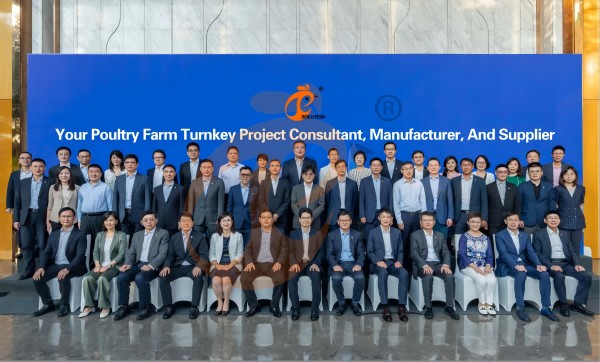
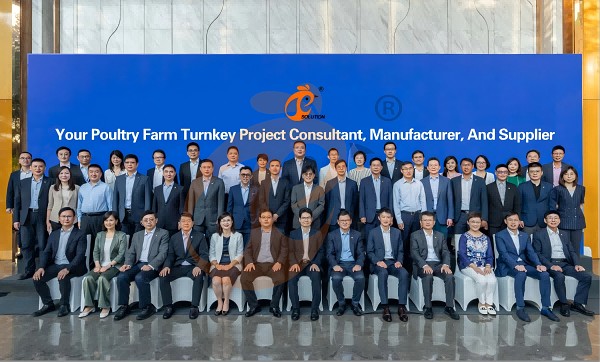
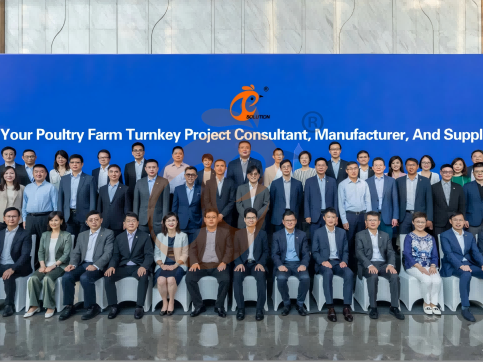
Hong Kong Headquarter Management Team
Hong Kong Headquarter Taiyu Industrial Group CO., LTD
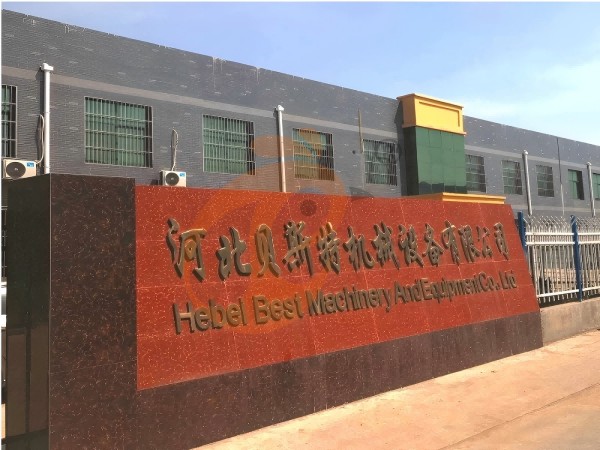
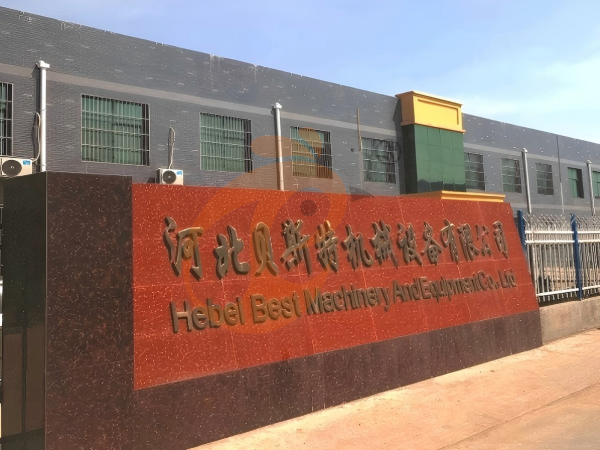
China Hebei Best Machinery And Equipment CO., LTD
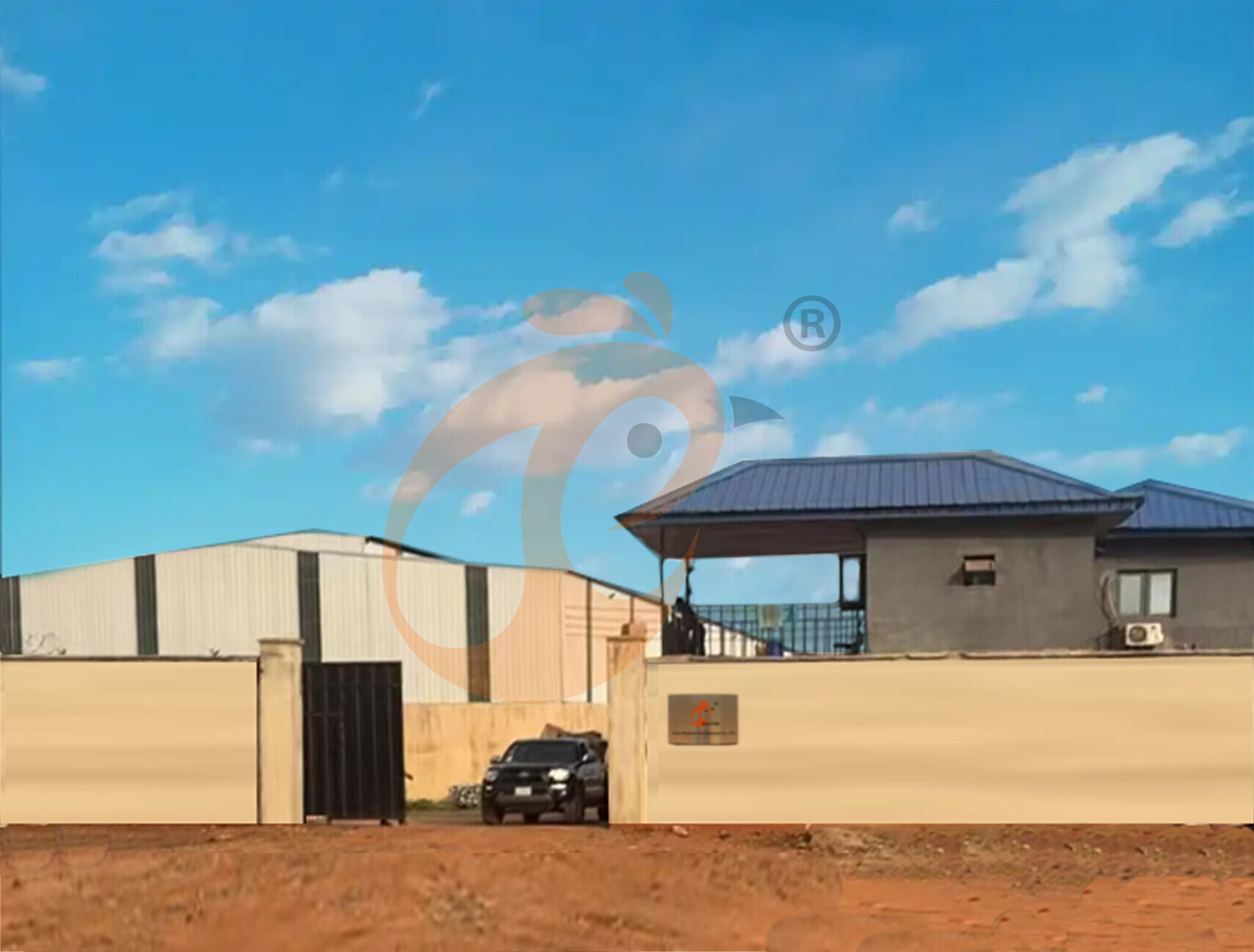
Nigeria Vanke Machinery And Equipment CO., LTD
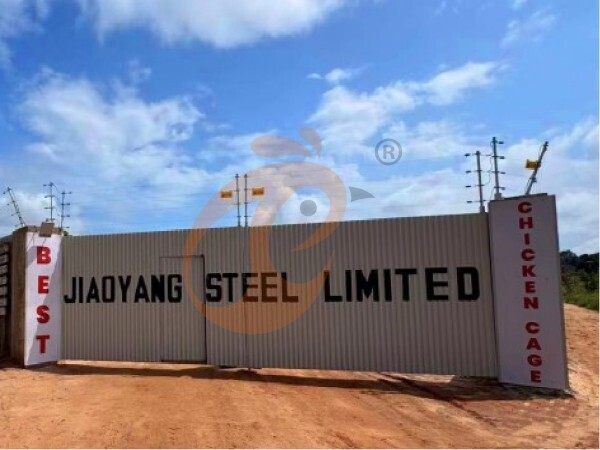
Tanzania Best Machinery And Equipment CO., LTD
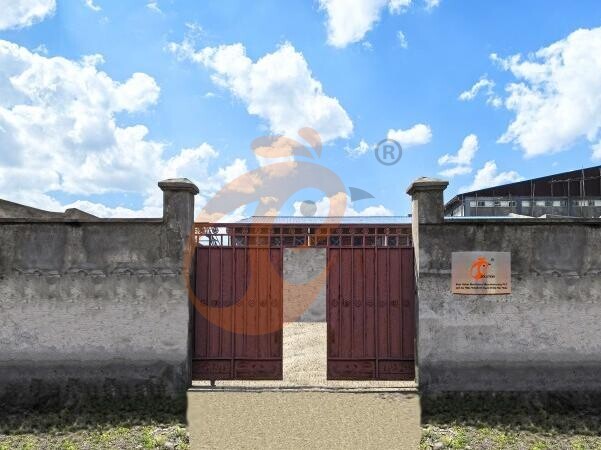
Ethiopia Best Hebei Machinery Manufacturing PLC
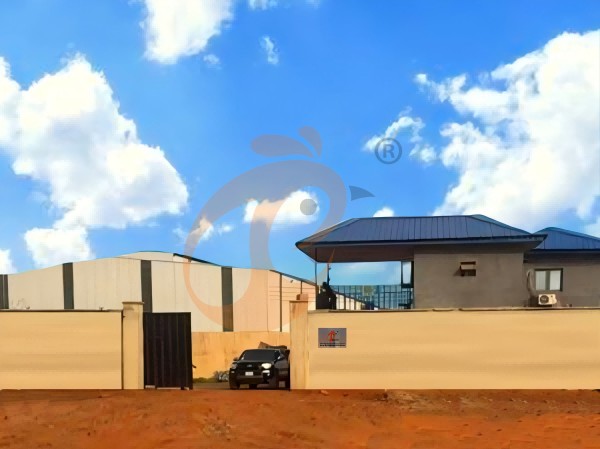
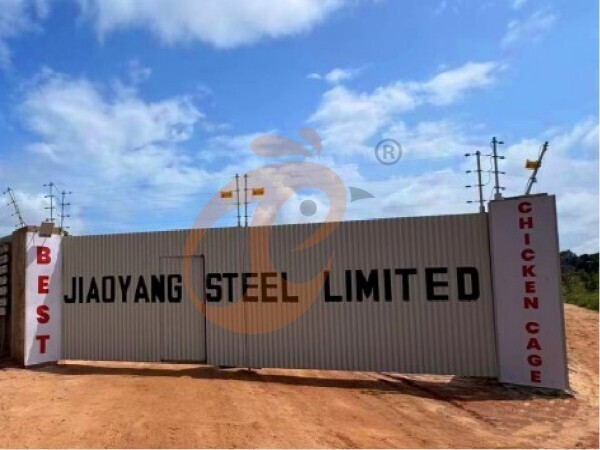
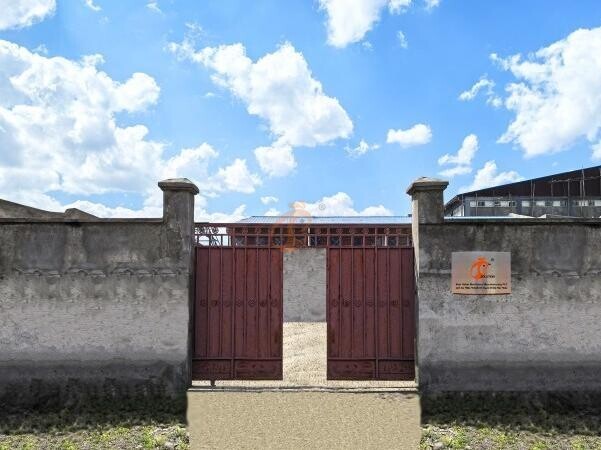
Reception /24 WhatsApp NO. : +8618830120193
FAQ
How To Reduce Stress And Improve Egg Production In Battery Cage Farms?
Good ventilation, temperature 18–25℃, lighting 16h/day.
Automatic feeding and drinking systems ensure sufficient nutrition and water; egg production 90–98%.
What Are The Advanced Tips For Egg Hygiene And Quality Control In Layer Cage Systems?
Monitor feed nutrition and water quality to ensure strong eggshells.
How To Implement Advanced Light Management Systems In Poultry Cage Farms?
Combined with automatic feeding, egg production increases 2–3%, breakage <3%.
Message
Products recommended
 HK Headquarter Offers EU-standard Poultry Farm Solutions, Manufacture Poultry Farm Equipment1. Continuous communication with the EU and the US
2. China, Nigeria, Ethiopia, Tanzania branch companies and factories
3. The products’ quality is customized for local poultry farms
4. Poultry cage and poultry farm equipment stock for sale
5. 24 online reception Whatsapp NO. : +8618830120193,contact us to get full informationRead More China Branch Offer Poultry Farm Business Plan, Manufacture Poultry Farm Equipment1. Address: Flat/RM 2416, 24/F, Runxing Building, Youyi Nan Street, Shijiazhuang City, Hebei Province, China
2. Poultry cage and poultry farm equipment factory and stock for sale
3. Customized for local poultry farms
4. Quality and design are based on Euro
5. 24 online reception Whatsapp NO. : +8618830120193Read More Nigeria Branch Offer Poultry Farm Business Plan, Manufacture Poultry Farm Equipment1. Address: After Sinoma Office, 200 Meters Near Danco Filling Station, Lagos/Ibadan Expressway, Lagos State, Nigeria
2. Poultry cage and poultry farm equipment factory and stock for sale
3. Customized for Nigerian poultry farms
4. Quality and design are based on Euro
5. 24 online reception Whatsapp NO. : +8618830120193Read More Ethiopia Branch Offer Poultry Farm Business Plan, Manufacture Poultry Farm Equipment1. Address: Gelan Gura, Akaki-kaliti Sub City, Addis Ababa, Ethiopia
2. Poultry cage and poultry farm equipment stock for sale
3. Customized for Ethiopian poultry farms
4. Quality and design are based on Euro
5. 24 online reception Whatsapp NO. : +8618830120193, contact us to get price listRead More Tanzania Branch Offer Poultry Farm Business Plan, Manufacture Poultry Farm Equipment1. Address: No.8, Sova Road, Msufini, Mlandizi, Kibaha, Pwani, Tanzania
2. Poultry cage and poultry farm equipment factory and stock for sale
3. Customized for Tanzanian poultry farms
4. Quality and design are based on Euro
5. 24 online reception Whatsapp NO. : +8618830120193Read More Fully Automatic H Type Layer Chicken Cage1. 30,000-100,000+ layers/house chooses it, Poultry farmers can achieve an egg production rate of 96-98%
2. A significant improvement over the 85-90% typically seen in manual systems
3. A typical poultry farm can expect a 30-40% reduction in labor costs due to the automation
4. Each feeding line efficiently supplies feed to around 100,000 hens per 30 mins
5. Reception /WhatsApp NO. : +8618830120193Read More Fully Automatic A Type Layer Chicken Cage1. 10,000-50,000 layers/house chooses it
2. Cleaner egg collection reduces breakage by 0.5%
3. Improved hygiene helps reduce mortality rate to <3%
4. 1–2 technicians can handle 15,000–30,000 birds
5. Reception /WhatsApp NO. : +8618830120193Read More Semi Automatic H Type Layer Chicken Cage1. 1,00-20,000 layers/house chooses it
2. Nipple drinkers flow 30–60 ML / min
3. Hot-dip galvanized (typical coating ≥ 275 g/m²)
4. Reduce ammonia by ~ 35–40%
5. Reception /WhatsApp NO. : +8618830120193Read More Semi Automatic A Type Layer Chicken Cage1. 1,00-20,000 layers/house chooses it, no rust for 10 years, no deformation for 15 years
2. Chickens live comfortably, you can raise them with peace of mind
3. Save water, save money—efficiency you can measure
4. Improve environment quality, and increase egg production rate
5. Reception /WhatsApp NO. : +8618830120193Read More
By clicking 'Allow All', you agree to the storage of cookies on your device to enhance site navigation, analyze site usage and assist with our marketing efforts.