






Blog
Pralson feeder systems support automated poultry feed distribution across intensive production environments with consistent mechanical performance and stable output efficiency.
Industrial feeding equipment maintenance practices improve durability, reduce mechanical wear, and ensure stable long term operational continuity under continuous workload conditions.
Engineering maintenance strategies integrate inspection routines, lubrication cycles, calibration control, and component replacement scheduling for optimized system reliability management.
Environmental control factors including dust concentration, humidity levels, and ammonia exposure directly influence structural integrity and electrical stability performance.
Systematic operational procedures enhance feeding accuracy, reduce downtime risks, and support efficient large scale poultry production management structures.
Get professional poultry farm construction guidance, equipment selection solutions, and the latest price lists, whatsApp to +8618830120193, +2348111199996, or click to learn more.
Understanding What Determines Feeder Lifespan
Several factors influence how long a feeder system can operate efficiently.
Data is for reference only.Swipe horizontally to view full table.
Science Behind Equipment Wear
Mechanical wear occurs when two surfaces repeatedly interact under pressure.
Bearing raceways can experience more than 1.2 million contact cycles during a single production period, gradually increasing surface roughness and rolling resistance.
Chain driven feed transport systems also experience elongation caused by pin and bushing friction, which can reduce transmission efficiency by 4% to 7% before visible deterioration appears.
Engineering assessments indicate that contamination particles larger than 80 μm can significantly accelerate abrasive wear within moving assemblies.
Way #1: Perform Daily Visual Inspections
Daily inspections are the simplest and most cost effective maintenance activity.
Minor abnormalities such as connector discoloration, uneven chain movement, or delayed sensor response often appear weeks before operational failure.
Data is for reference only.Swipe horizontally to view full table.
Regular inspection programs may reduce emergency repairs by approximately 28% annually.
Facilities performing documented inspections often identify over 70% of developing faults before production performance is affected.
Way #2: Keep Feed Pans And Feed Lines Clean
Dust and feed residue accumulation increase friction and restrict material movement.
Why Cleaning Matters
Dust buildup can reduce motor cooling efficiency and increase internal temperatures.
Excessive residue may also encourage microbial contamination and feed blockage.
Data is for reference only.Swipe horizontally to view full table.
Feed residues containing moisture above 13% can compact inside transfer sections and increase conveying resistance.
Routine cleaning also helps maintain airflow through equipment housings, improving thermal dissipation performance.
Way #3: Follow A Proper Lubrication Program
Lubrication reduces direct metal to metal contact.
Data is for reference only.Swipe horizontally to view full table.
Proper lubrication can reduce annual bearing wear by approximately 38%.
Well maintained rotating assemblies frequently operate with friction coefficients below 0.08, reducing energy consumption and minimizing thermal stress.
Grease contamination by water exceeding 0.15% may substantially shorten component service intervals.
Way #4: Control Corrosion And Moisture Exposure
Corrosion is one of the most common causes of premature equipment failure in poultry houses.
Ammonia, humidity, and moisture attack exposed metal surfaces continuously.
Data is for reference only.Swipe horizontally to view full table.
Metal surfaces exposed to ammonia rich environments may experience corrosion rates exceeding 0.04 mm annually when protective layers are damaged.
Ventilation systems maintaining at least 12 air exchanges per hour contribute to reduced moisture accumulation around equipment structures.
Way #5: Calibrate Feed Distribution Regularly
When feed is distributed unevenly, mechanical loads become unbalanced.
Certain components experience higher stress levels than others, accelerating localized wear.
Data is for reference only.Swipe horizontally to view full table.
Accurate calibration supports consistent feed conversion performance.
Distribution deviations greater than 8% between feeding points may increase feed wastage and reduce flock uniformity.
Chicken feeding system operators frequently conduct calibration verification before each new production cycle.
Way #6: Replace Wear Parts Before Failure
Waiting until a component breaks often causes additional damage.
Data is for reference only.Swipe horizontally to view full table.
Preventive replacement programs improve operational continuity and reduce costly downtime.
Unexpected gearbox failures may generate repair expenses ranging from usd 480 to usd 1,200 depending on system configuration.
European union standard reference only.
Replacement planning also reduces secondary damage affecting adjacent assemblies and electrical components.
Way #7: Monitor Electrical System Performance
Electrical issues often appear before mechanical failures.
Data is for reference only.Swipe horizontally to view full table.
Stable electrical conditions improve system reliability and motor efficiency.
Terminal connection resistance above 0.25 Ω can contribute to localized heating and reduced power transmission efficiency.
Periodic thermal imaging inspections often identify developing electrical faults before visible damage occurs.
Build A Structured Maintenance Schedule
A maintenance plan helps prevent overlooked tasks.
Data is for reference only.Swipe horizontally to view full table.
Consistency is often more important than maintenance complexity.
Facilities implementing scheduled maintenance frequently maintain equipment utilization rates above 92% throughout annual production periods.
Common Mistakes That Shorten Feeder Lifespan
Many failures are caused by operational errors.
Examples include:
- Ignoring unusual noise
- Delaying lubrication
- Running overloaded systems
- Neglecting cleaning
- Skipping calibration
- Using unsuitable spare parts
- Ignoring electrical abnormalities
Maintenance compliance programs have been shown to reduce downtime probability to below 2.8% per production cycle.
Operational reviews indicate that delayed maintenance activities account for approximately 35% of avoidable feeder related disruptions.
Frequently Asked Questions
Q1: How often should a pralson feeder be inspected?
A1: Daily inspection is recommended for drive assemblies, feed transport sections, and electrical components.
Detailed maintenance verification every four weeks supports early detection of wear progression and alignment deviations.
Q2: What indicates lubrication performance is declining?
A2: Increasing operating noise, slower component response, and rising housing temperatures may indicate lubrication deterioration.
Grease discoloration and particulate contamination also suggest replacement requirements.
Q3: Can environmental conditions affect service life?
A3: Yes.
Persistent moisture exposure, elevated ammonia concentration, and inadequate ventilation can accelerate corrosion and reduce component durability over time.
Taiyu (HK) Group - One Of China Largest Pralson Feeder Manufacturer
Pralson feeder solutions are deployed in broiler, layer, breeder, and integrated poultry production facilities requiring continuous feed transport and controlled distribution efficiency.
Factory direct manufacturing supports specification consistency, project procurement management, and coordinated production scheduling across international markets.
Poultry equipment systems include feeding lines, drinking lines, ventilation systems, environmental control equipment, and supporting infrastructure components.
Turn key engineering capabilities cover design consultation, equipment integration, installation planning, commissioning support, and operational coordination.
Standardized manufacturing procedures, technical documentation systems, and quality-control protocols support long-term commercial poultry investment projects.
Contact Us To Received Your Customized Poultry Farm Plan
Headquarters And Branchs
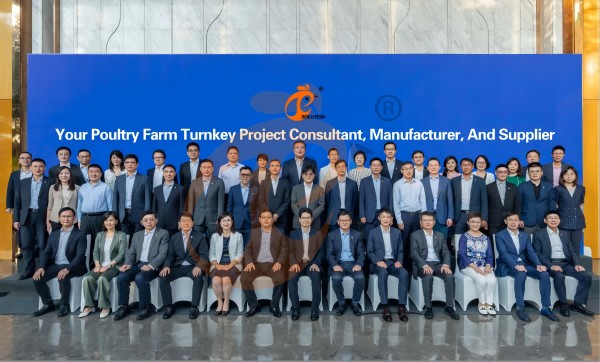
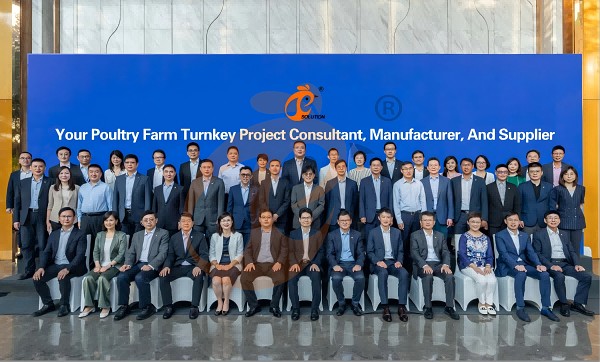
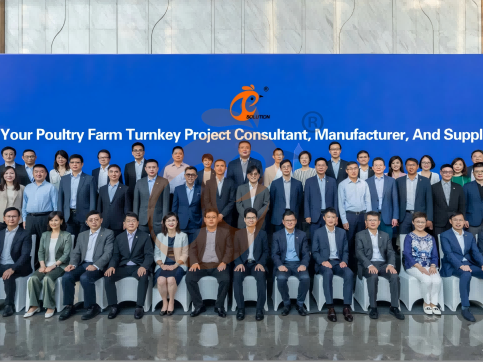
Hong Kong Headquarter Management Team
Hong Kong Headquarter Taiyu Industrial Group CO., LTD
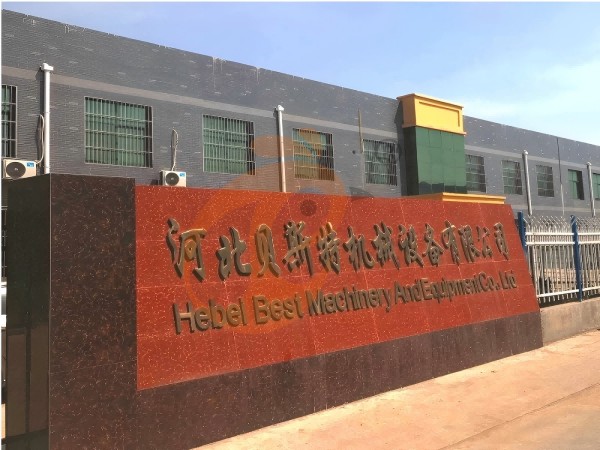
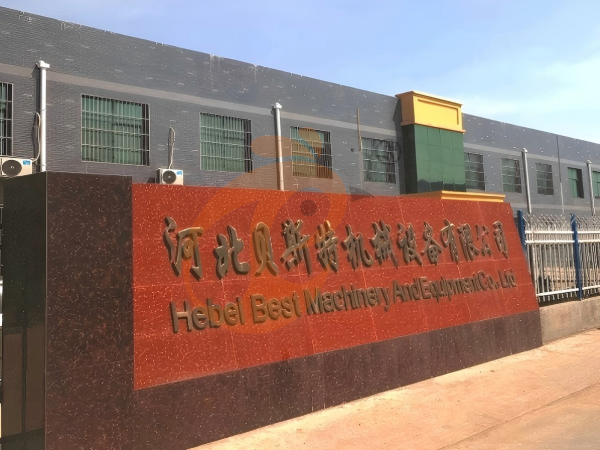
China Hebei Best Machinery And Equipment CO., LTD
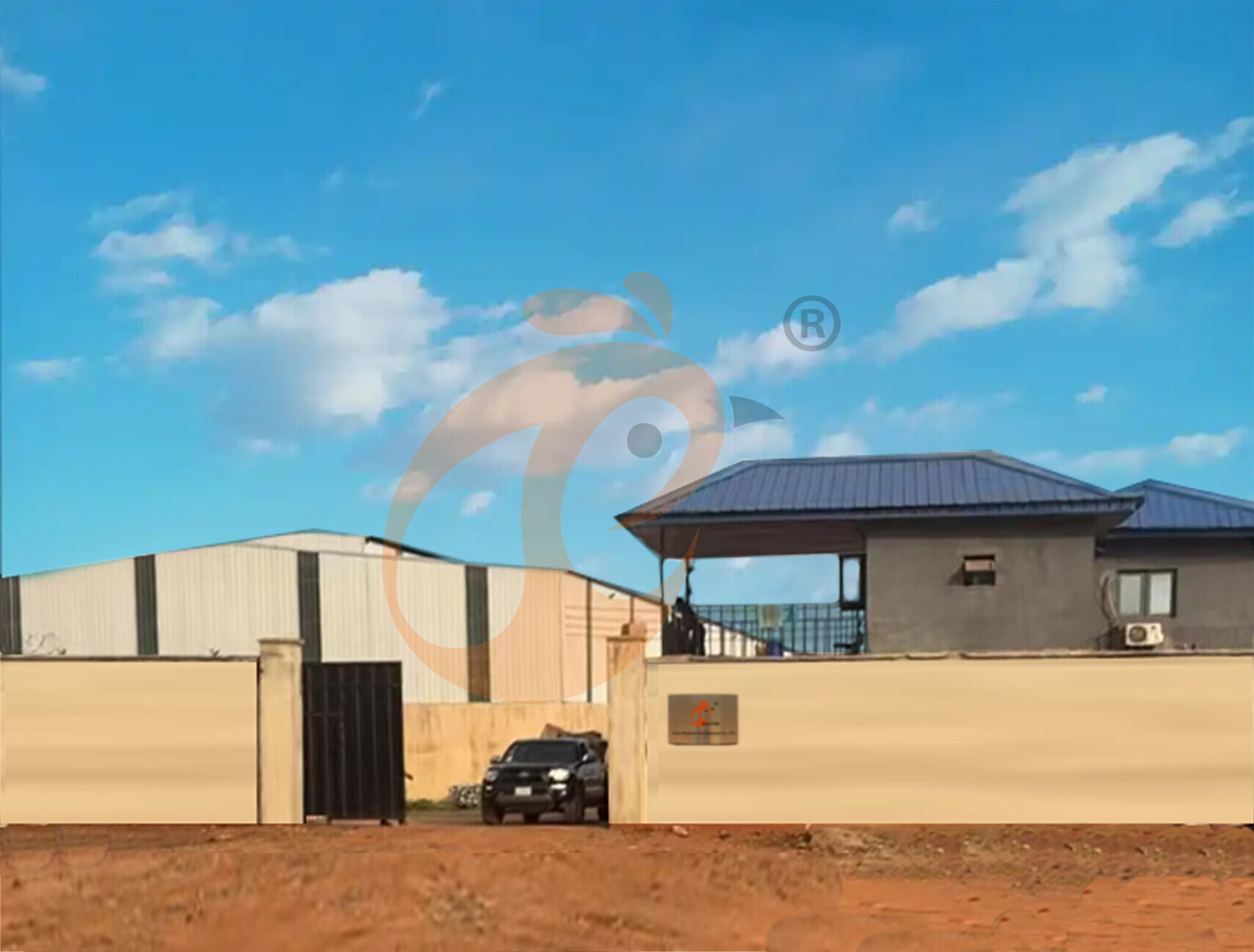
Nigeria Vanke Machinery And Equipment CO., LTD
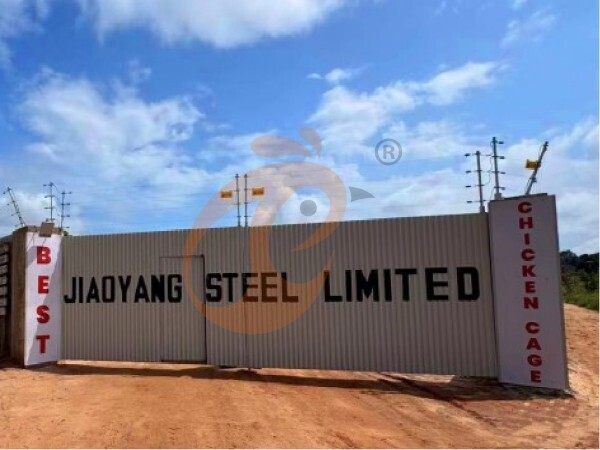
Tanzania Best Machinery And Equipment CO., LTD
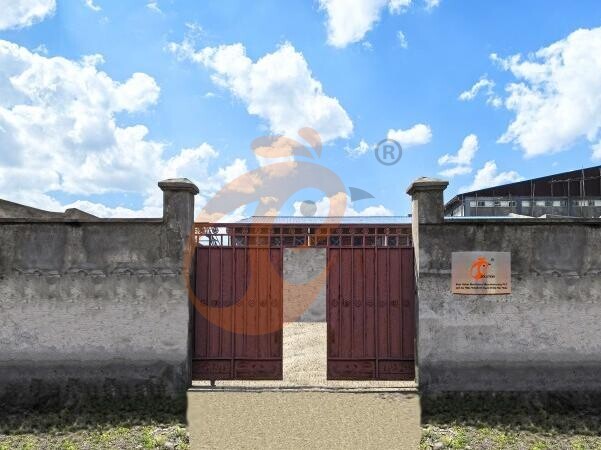
Ethiopia Best Hebei Machinery Manufacturing PLC
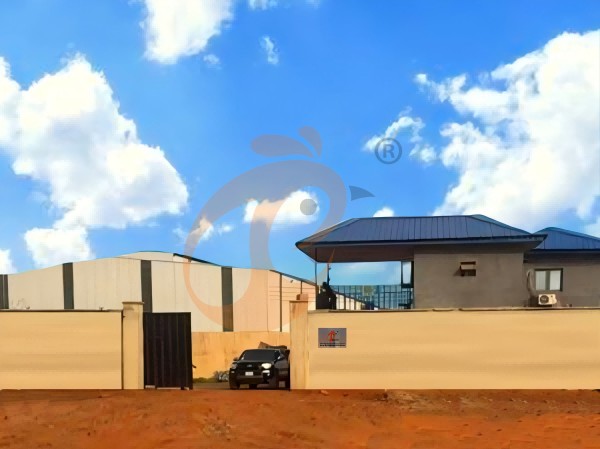
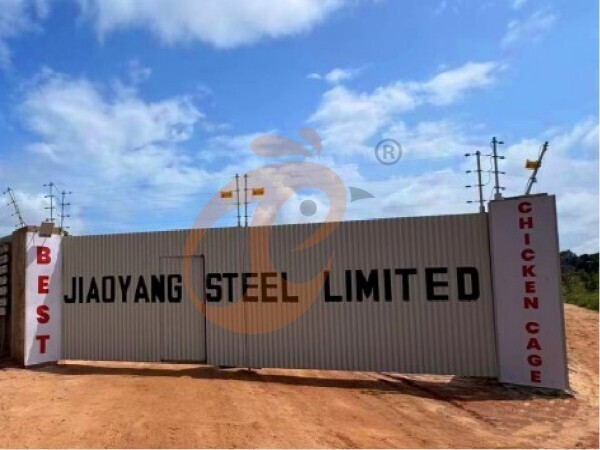
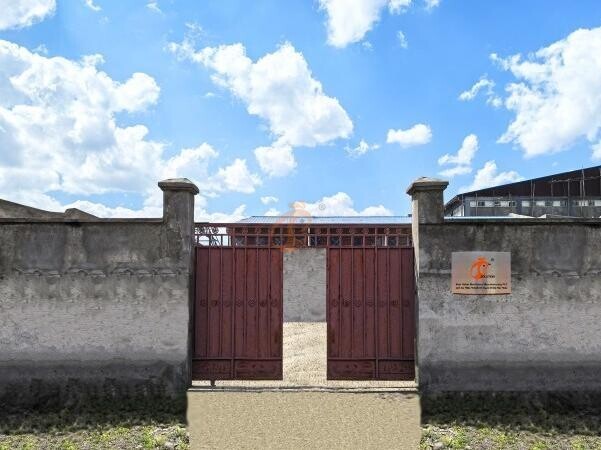
Reception /24 WhatsApp NO. : +8618830120193
FAQ
What Are The Water Filtration Requirements For Plasson Poultry Equipment?
Suspended solid concentration is controlled below 40 mg per liter for system stability.
Backwash flow rate reaches 1.5–2.0 m³ per hour for effective filter regeneration.
What Are The Pipeline Dimension Standards In Plasson Poultry Equipment?
Branch lines operate with 16–20 mm diameter for balanced pressure across drinking points.
Maximum pipeline length per zone reaches 80–120 meters without pressure loss impact.
What Are The Bird Age Adaptation Settings In Plasson Poultry Equipment
Water flow sensitivity is adjusted to 60–100 ml per minute for different age groups.
Bird access spacing is optimized at 8–15 birds per nipple depending on growth phase.
Message
Products recommended
 HK Headquarter Offers EU-standard Poultry Farm Solutions, Manufacture Poultry Farm Equipment1. Continuous communication with the EU and the US
2. China, Nigeria, Ethiopia, Tanzania branch companies and factories
3. The products’ quality is customized for local poultry farms
4. Poultry cage and poultry farm equipment stock for sale
5. 24 online reception Whatsapp NO. : +8618830120193,contact us to get full informationRead More China Branch Offer Poultry Farm Business Plan, Manufacture Poultry Farm Equipment1. Address: Flat/RM 2416, 24/F, Runxing Building, Youyi Nan Street, Shijiazhuang City, Hebei Province, China
2. Poultry cage and poultry farm equipment factory and stock for sale
3. Customized for local poultry farms
4. Quality and design are based on Euro
5. 24 online reception Whatsapp NO. : +8618830120193Read More Nigeria Branch Offer Poultry Farm Business Plan, Manufacture Poultry Farm Equipment1. Address: After Sinoma Office, 200 Meters Near Danco Filling Station, Lagos/Ibadan Expressway, Lagos State, Nigeria
2. Poultry cage and poultry farm equipment factory and stock for sale
3. Customized for Nigerian poultry farms
4. Quality and design are based on Euro
5. 24 online reception Whatsapp NO. : +8618830120193Read More Ethiopia Branch Offer Poultry Farm Business Plan, Manufacture Poultry Farm Equipment1. Address: Gelan Gura, Akaki-kaliti Sub City, Addis Ababa, Ethiopia
2. Poultry cage and poultry farm equipment stock for sale
3. Customized for Ethiopian poultry farms
4. Quality and design are based on Euro
5. 24 online reception Whatsapp NO. : +8618830120193, contact us to get price listRead More Tanzania Branch Offer Poultry Farm Business Plan, Manufacture Poultry Farm Equipment1. Address: No.8, Sova Road, Msufini, Mlandizi, Kibaha, Pwani, Tanzania
2. Poultry cage and poultry farm equipment factory and stock for sale
3. Customized for Tanzanian poultry farms
4. Quality and design are based on Euro
5. 24 online reception Whatsapp NO. : +8618830120193Read More Fully Automatic H Type Layer Chicken Cage1. 30,000-100,000+ layers/house chooses it, Poultry farmers can achieve an egg production rate of 96-98%
2. A significant improvement over the 85-90% typically seen in manual systems
3. A typical poultry farm can expect a 30-40% reduction in labor costs due to the automation
4. Each feeding line efficiently supplies feed to around 100,000 hens per 30 mins
5. Reception /WhatsApp NO. : +8618830120193Read More Fully Automatic A Type Layer Chicken Cage1. 10,000-50,000 layers/house chooses it
2. Cleaner egg collection reduces breakage by 0.5%
3. Improved hygiene helps reduce mortality rate to <3%
4. 1–2 technicians can handle 15,000–30,000 birds
5. Reception /WhatsApp NO. : +8618830120193Read More Semi Automatic H Type Layer Chicken Cage1. 1,00-20,000 layers/house chooses it
2. Nipple drinkers flow 30–60 ML / min
3. Hot-dip galvanized (typical coating ≥ 275 g/m²)
4. Reduce ammonia by ~ 35–40%
5. Reception /WhatsApp NO. : +8618830120193Read More Semi Automatic A Type Layer Chicken Cage1. 1,00-20,000 layers/house chooses it, no rust for 10 years, no deformation for 15 years
2. Chickens live comfortably, you can raise them with peace of mind
3. Save water, save money—efficiency you can measure
4. Improve environment quality, and increase egg production rate
5. Reception /WhatsApp NO. : +8618830120193Read More
By clicking 'Allow All', you agree to the storage of cookies on your device to enhance site navigation, analyze site usage and assist with our marketing efforts.