






Blog
Broiler chicken cage flooring plays a fundamental role in poultry house efficiency, bird welfare, production consistency, and environmental management throughout commercial farming operations.
Modern broiler cage system design supports stable growth performance, cleaner housing conditions, improved manure separation, and reduced health challenges during production cycles.
Chicken cage floor engineering influences structural durability, foot condition, airflow distribution, moisture control, and long term equipment reliability under intensive farming conditions.
Scientific flooring selection contributes to healthier living environments, better movement support, improved sanitation standards, and optimized management efficiency across different production stages.
Comprehensive evaluation of materials, mesh structure, surface quality, waste handling, ventilation performance, and economic outcomes provides valuable guidance for equipment selection.
Get professional poultry farm construction guidance, equipment selection solutions, and the latest price lists, whatsApp to +8618830120193, +2348111199996, or click to learn more.
How Cage Flooring Influences Broiler Performance
The cage floor serves as the primary contact surface for broilers throughout their lives.
Every movement, feeding activity, and resting period depends on the stability and comfort provided by the floor.
Flooring influences several important production indicators, including feed conversion ratio, daily weight gain, mortality rate, and welfare outcomes.
Birds that experience discomfort or injuries often reduce movement and feed intake, which can negatively affect growth performance.
Data is for reference only.Swipe horizontally to view full table.
Because broilers spend virtually every hour of their lives on cage flooring, even small improvements in floor design can generate measurable benefits over an entire production cycle.
Factor 1: Flooring Material Selection
The choice of flooring material determines durability, hygiene performance, and bird comfort.
Different materials offer varying levels of strength, corrosion resistance, and maintenance requirements.
The most common materials used in broiler cage systems include:
- Hot-dip galvanized wire
- Zinc-aluminum coated wire
- Stainless steel mesh
- Reinforced plastic flooring panels
Among these options, galvanized wire remains one of the most widely used solutions because it provides a practical balance between durability and investment cost.
Science Insight
Broilers gain weight rapidly during the final weeks before market.
A chick weighing less than 50 grams at placement can exceed 2.5 kilograms within six weeks.
As body weight increases, the pressure exerted on the feet rises substantially, making flooring material quality increasingly important for maintaining bird comfort and mobility.
Material Durability And Corrosion Resistance
Flooring is continuously exposed to moisture, manure, cleaning agents, and changing environmental conditions.
Corrosion can weaken structural integrity and create rough surfaces that increase injury risks.
Selecting corrosion resistant materials helps maintain floor performance throughout years of operation and reduces replacement costs.
Data is for reference only.Swipe horizontally to view full table.
Longer service life not only reduces maintenance expenses but also minimizes production interruptions associated with equipment replacement.
Factor 2: Wire Diameter And Structural Stability
Wire diameter plays an important role in supporting bird weight and maintaining floor stability.
If the wire is too thin, it may deform under load.
Excessive deformation can create uneven surfaces that affect bird movement and increase stress on legs and feet.
Properly engineered flooring distributes weight evenly across the cage structure.
Stable floors help maintain bird posture and reduce the risk of skeletal problems during rapid growth phases.
Structural stability becomes particularly important in high density broiler operations where thousands of birds are housed within the same facility.
Consistent floor performance contributes to uniform flock development and predictable production outcomes.
Factor 3: Mesh Opening Design
Mesh opening size affects both bird safety and manure removal efficiency.
Openings must be large enough to allow waste to pass through while remaining small enough to support broiler feet comfortably.
When mesh openings are oversized, birds may experience toe injuries or difficulty maintaining balance.
Conversely, undersized openings can restrict manure passage and increase contamination levels within the housing environment.
Data is for reference only.Swipe horizontally to view full table.
Proper mesh design creates a balance between comfort, hygiene, and operational efficiency.
Factor 4: Surface Smoothness And Foot Health
Surface smoothness is one of the most important factors affecting footpad condition.
Rough surfaces can cause abrasion, while sharp welding points may lead to cuts or skin damage.
Foot health directly affects mobility.
Birds experiencing pain while walking often spend more time sitting, which may increase pressure on the breast area and reduce feed consumption.
Data is for reference only.Swipe horizontally to view full table.
Manufacturers commonly use precision welding and hot dip galvanization techniques to improve surface quality and reduce injury risks.
Factor 5: Waste Removal Efficiency
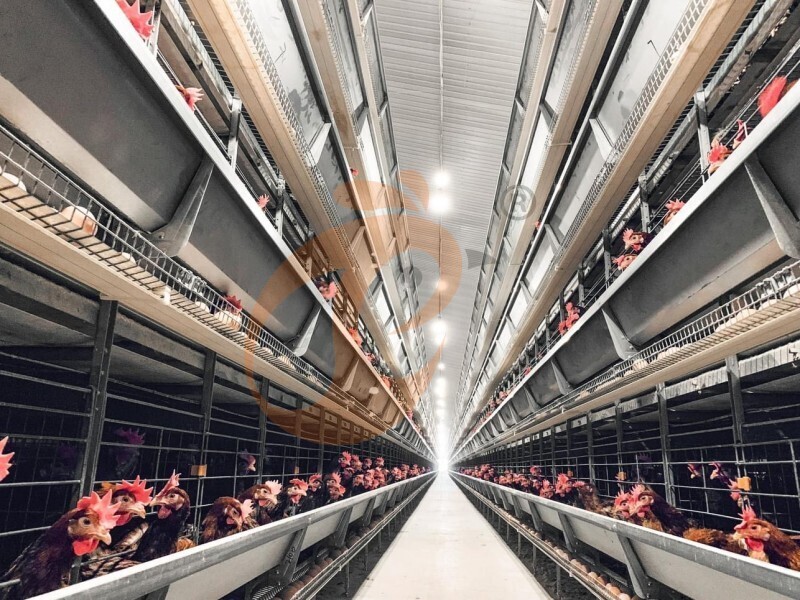
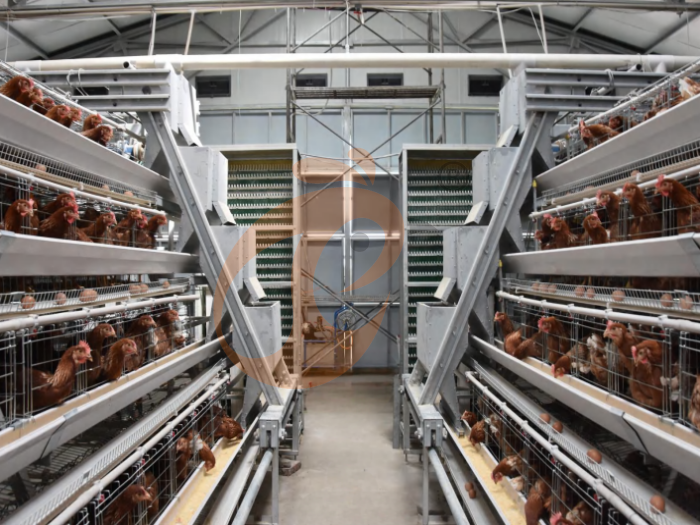
One of the main advantages of broiler cage systems is the rapid separation of birds from manure.
Efficient waste removal reduces direct contact with pathogens and helps maintain cleaner housing conditions.
Poor manure management can create favorable conditions for bacterial growth and increase the likelihood of disease outbreaks.
Accumulated waste also contributes to moisture buildup and unpleasant odors inside poultry houses.
Science Insight
Fresh poultry manure can contain substantial microbial populations.
Effective waste separation limits bird exposure to harmful microorganisms and contributes to a healthier production environment.
This is one reason why manure management is considered a key component of biosecurity programs on modern poultry farms.
Efficient flooring design allows manure to fall through quickly and supports automated cleaning systems.
Moisture Control And Ammonia Reduction
Moisture accumulation beneath cages directly influences ammonia generation.
Excessive ammonia can irritate the respiratory tract and negatively affect bird performance.
Maintaining appropriate moisture levels helps preserve air quality and reduces environmental stress.
Data is for reference only.Swipe horizontally to view full table.
These figures demonstrate how moisture management can significantly influence ammonia levels within poultry housing facilities.
Factor 6: Ventilation Performance Around The Floor
Floor design affects airflow patterns around birds.
Adequate air circulation helps remove excess heat, moisture, and airborne contaminants while maintaining a more stable environment.
During warm weather, proper airflow becomes especially important because broilers are sensitive to heat stress.
Improved ventilation supports feed intake and helps birds maintain normal physiological functions.
Data is for reference only.Swipe horizontally to view full table.
Although ventilation systems play the primary role in air movement, flooring design contributes significantly by allowing air to circulate beneath and around the birds.
Economic Impact Of Proper Flooring Design
Investing in quality flooring often results in measurable economic returns.
Improved bird health, reduced mortality, and lower veterinary expenses can quickly offset higher initial equipment costs.
Well designed flooring also supports more uniform flock performance, allowing producers to market birds at consistent target weights.
European union standard reference only.
Data is for reference only.Swipe horizontally to view full table.
These improvements can significantly increase profitability over multiple production cycles each year.
Frequently Asked Questions
Q1: What is the recommended service life for commercial broiler cage flooring?
A1: Service life depends on material selection and operating conditions.
Hot dip galvanized wire flooring commonly operates for approximately 9 years, while stainless steel mesh systems may remain in service for around 14 years under proper maintenance programs.
Q2: How does mesh opening size affect poultry health?
A2: Mesh openings influence foot support, manure discharge, and walking stability.
Dimensions between 12 × 24 mm and 22 × 25 mm are commonly selected according to bird age and body weight requirements.
Q3: What ammonia level should poultry farms aim to maintain?
Many commercial operations attempt to maintain ammonia concentrations below 20 ppm.
Maintaining manure moisture near 54% to 60% often helps support healthier environmental conditions and respiratory comfort.
Taiyu (HK) Group - One Of China Largest Broiler Chicken Cage Flooring Manufacturer
Broiler chicken cage flooring systems are widely applied in commercial poultry farms requiring efficient manure separation, stable bird support, and scalable production management across multiple housing configurations.
Global factory direct supply capability supports poultry equipment projects with standardized manufacturing procedures, batch consistency control, and documented quality inspection processes.
Engineering teams provide integrated poultry equipment solutions covering cage systems, feeding lines, drinking systems, manure removal units, and environmental control equipment.
Turn-key project execution includes layout planning, equipment configuration, installation guidance, commissioning support, and operational training for commercial poultry facilities.
International project experience supports customers across Asia, Africa, the Middle East, and South America with technical specifications tailored to regional farming requirements and production objectives.
Contact Us To Received Your Customized Poultry Farm Plan
Headquarters And Branchs
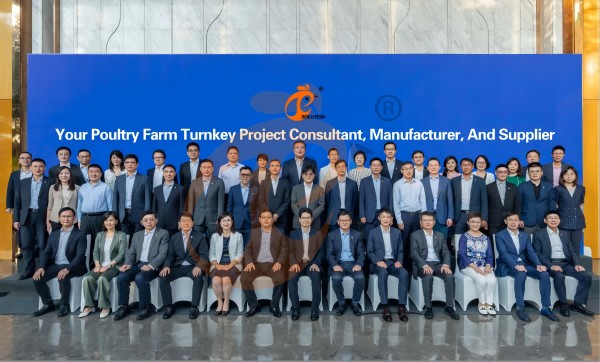
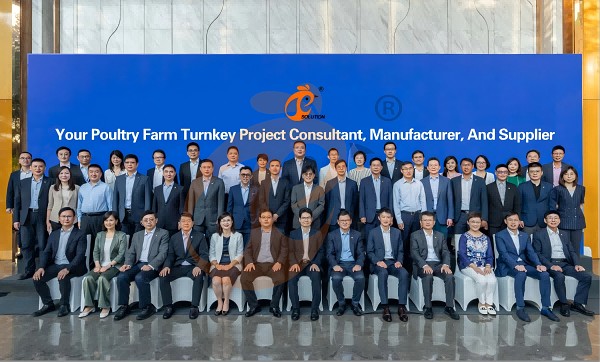
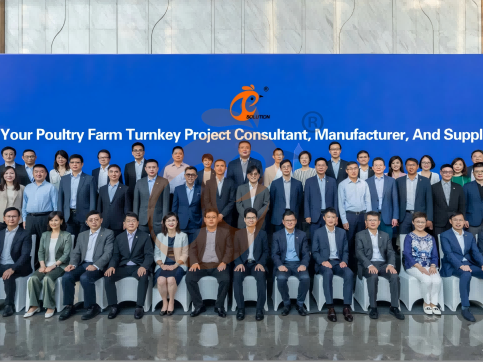
Hong Kong Headquarter Management Team
Hong Kong Headquarter Taiyu Industrial Group CO., LTD
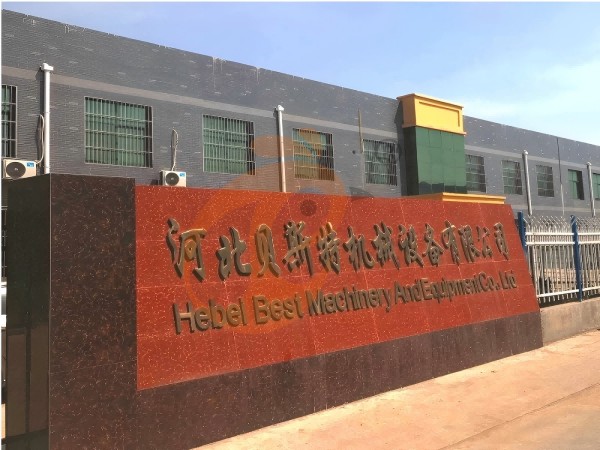
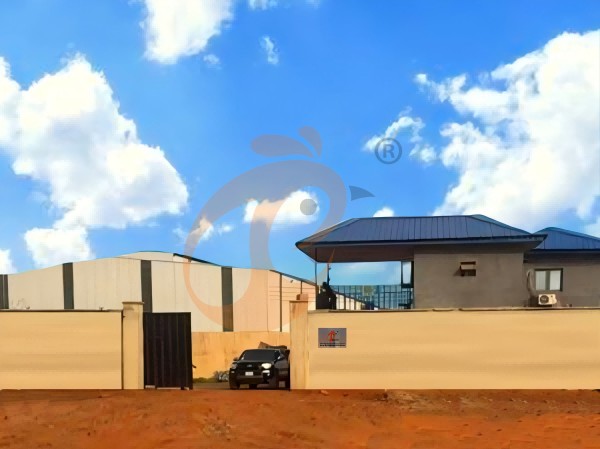
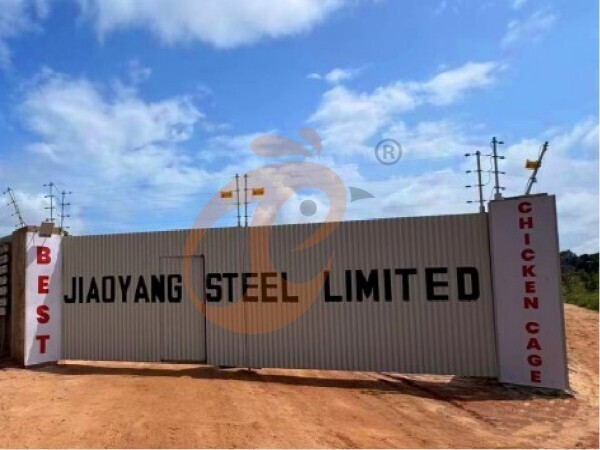
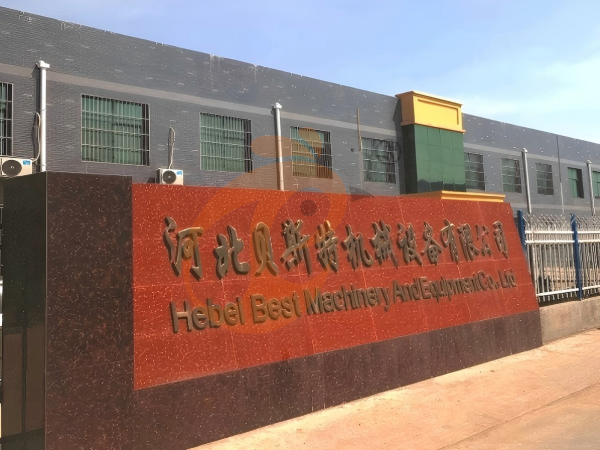
China Hebei Best Machinery And Equipment CO., LTD
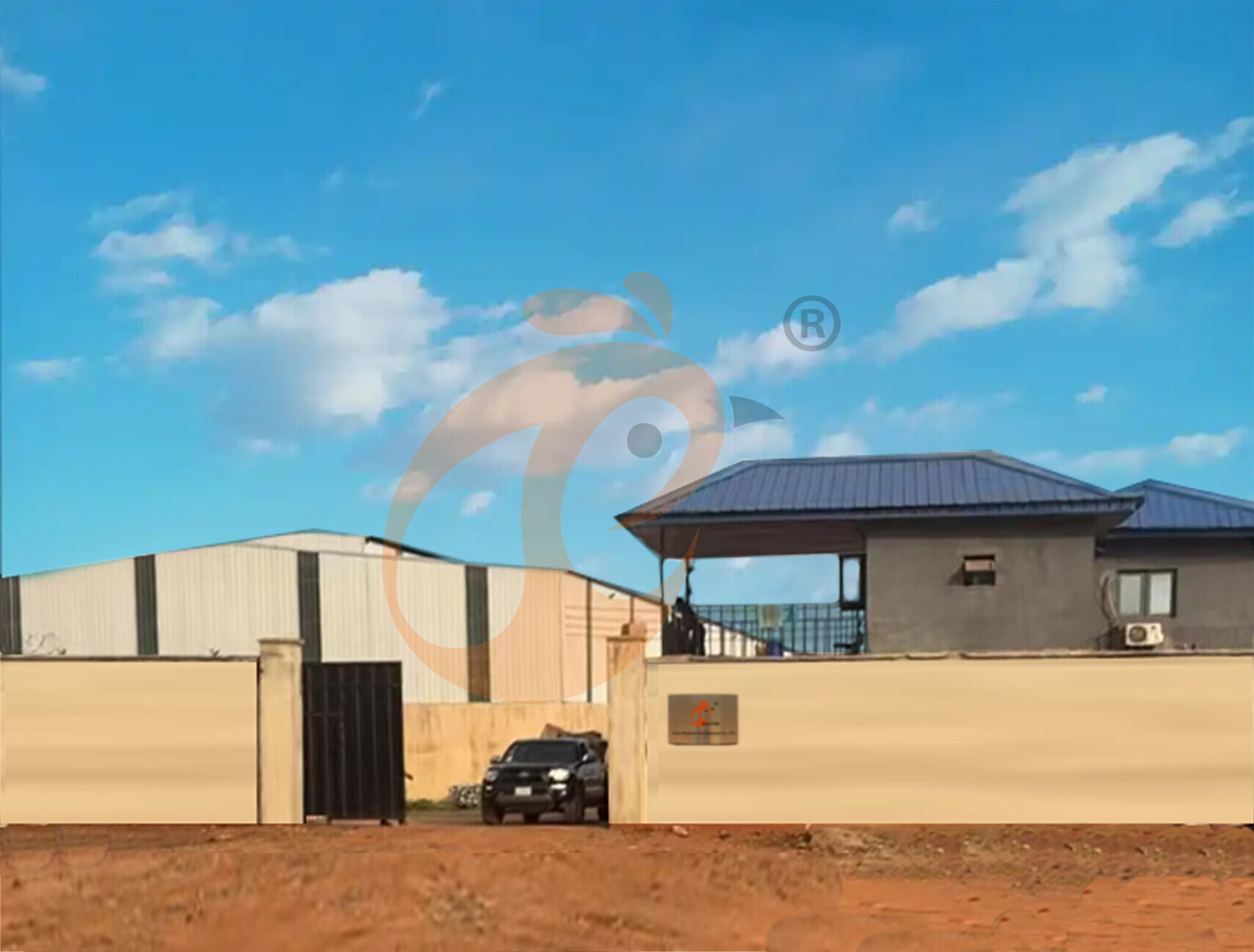
Nigeria Vanke Machinery And Equipment CO., LTD
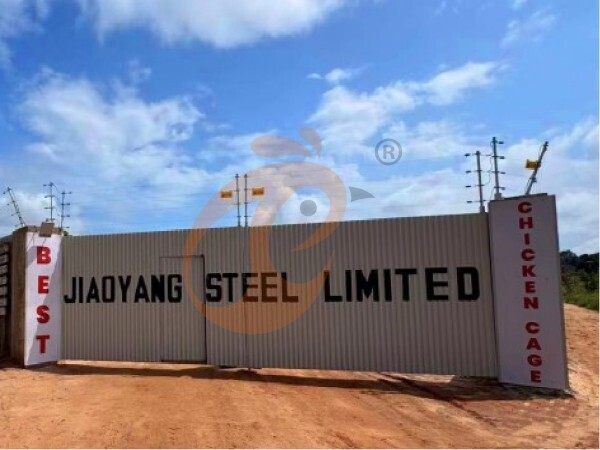
Tanzania Best Machinery And Equipment CO., LTD
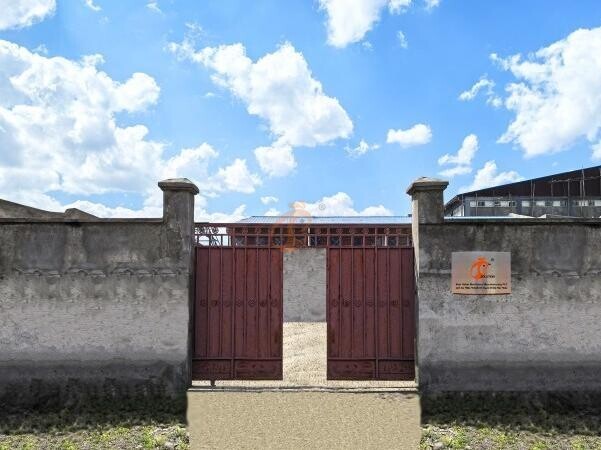
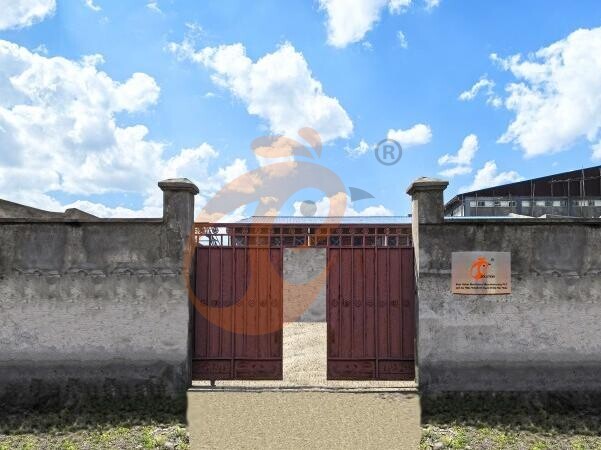
Ethiopia Best Hebei Machinery Manufacturing PLC
Reception /24 WhatsApp NO. : +8618830120193
FAQ
What Cage Structure Options Are Available For Broiler Chicken Cage Systems?
H-type cage systems are configured in 3–12 tiers accommodating 360–1440 birds per set for intensive farming operations.
Structural height ranges from 1.75–10.11 meters maximizing vertical space utilization and housing efficiency.
How Does Stocking Density Affect Broiler Chicken Cage Performance?
H-type systems maintain 500 cm² allocation per bird optimizing housing density and production output.
Bird distribution is balanced at 8 birds per compartment in partitioned cage configurations reducing competition.
Which Cage Dimensions Are Commonly Used In Broiler Chicken Cage Systems?
H-type cage modules measure 3.3 × 1.82 meters providing larger continuous housing sections.
Internal compartment height varies from 40–55 cm ensuring adequate bird activity and ventilation circulation.
Message
Products recommended
 HK Headquarter Offers EU-standard Poultry Farm Solutions, Manufacture Poultry Farm Equipment1. Continuous communication with the EU and the US
2. China, Nigeria, Ethiopia, Tanzania branch companies and factories
3. The products’ quality is customized for local poultry farms
4. Poultry cage and poultry farm equipment stock for sale
5. 24 online reception Whatsapp NO. : +8618830120193,contact us to get full informationRead More China Branch Offer Poultry Farm Business Plan, Manufacture Poultry Farm Equipment1. Address: Flat/RM 2416, 24/F, Runxing Building, Youyi Nan Street, Shijiazhuang City, Hebei Province, China
2. Poultry cage and poultry farm equipment factory and stock for sale
3. Customized for local poultry farms
4. Quality and design are based on Euro
5. 24 online reception Whatsapp NO. : +8618830120193Read More Nigeria Branch Offer Poultry Farm Business Plan, Manufacture Poultry Farm Equipment1. Address: After Sinoma Office, 200 Meters Near Danco Filling Station, Lagos/Ibadan Expressway, Lagos State, Nigeria
2. Poultry cage and poultry farm equipment factory and stock for sale
3. Customized for Nigerian poultry farms
4. Quality and design are based on Euro
5. 24 online reception Whatsapp NO. : +8618830120193Read More Ethiopia Branch Offer Poultry Farm Business Plan, Manufacture Poultry Farm Equipment1. Address: Gelan Gura, Akaki-kaliti Sub City, Addis Ababa, Ethiopia
2. Poultry cage and poultry farm equipment stock for sale
3. Customized for Ethiopian poultry farms
4. Quality and design are based on Euro
5. 24 online reception Whatsapp NO. : +8618830120193, contact us to get price listRead More Tanzania Branch Offer Poultry Farm Business Plan, Manufacture Poultry Farm Equipment1. Address: No.8, Sova Road, Msufini, Mlandizi, Kibaha, Pwani, Tanzania
2. Poultry cage and poultry farm equipment factory and stock for sale
3. Customized for Tanzanian poultry farms
4. Quality and design are based on Euro
5. 24 online reception Whatsapp NO. : +8618830120193Read More Fully Automatic H Type Layer Chicken Cage1. 30,000-100,000+ layers/house chooses it, Poultry farmers can achieve an egg production rate of 96-98%
2. A significant improvement over the 85-90% typically seen in manual systems
3. A typical poultry farm can expect a 30-40% reduction in labor costs due to the automation
4. Each feeding line efficiently supplies feed to around 100,000 hens per 30 mins
5. Reception /WhatsApp NO. : +8618830120193Read More Fully Automatic A Type Layer Chicken Cage1. 10,000-50,000 layers/house chooses it
2. Cleaner egg collection reduces breakage by 0.5%
3. Improved hygiene helps reduce mortality rate to <3%
4. 1–2 technicians can handle 15,000–30,000 birds
5. Reception /WhatsApp NO. : +8618830120193Read More Semi Automatic H Type Layer Chicken Cage1. 1,00-20,000 layers/house chooses it
2. Nipple drinkers flow 30–60 ML / min
3. Hot-dip galvanized (typical coating ≥ 275 g/m²)
4. Reduce ammonia by ~ 35–40%
5. Reception /WhatsApp NO. : +8618830120193Read More Semi Automatic A Type Layer Chicken Cage1. 1,00-20,000 layers/house chooses it, no rust for 10 years, no deformation for 15 years
2. Chickens live comfortably, you can raise them with peace of mind
3. Save water, save money—efficiency you can measure
4. Improve environment quality, and increase egg production rate
5. Reception /WhatsApp NO. : +8618830120193Read More
By clicking 'Allow All', you agree to the storage of cookies on your device to enhance site navigation, analyze site usage and assist with our marketing efforts.