






Blog
- Automatic layer cage system planning connects feeding, drinking, egg collection, manure removal, and environmental control into one coordinated production structure.
- Poultry layer cage system economics depend on building utilization, labor requirements, equipment configuration, maintenance, and market requirements rather than equipment price alone.
- Farm capacity, available land, electricity standards, labor costs, and customer demand determine whether A type battery cage or cage-free housing better matches a commercial investment model.
- Integrated automatic layer cage system engineering can create a more predictable production workflow for large-scale layer farms while maintaining flexible equipment expansion.
Get professional poultry farm construction guidance, equipment selection solutions, and the latest price lists, whatsApp to +8618830120193, +2348111199996, or click to learn more.
Profitability Starts With The Production System
For a commercial layer project, A type battery cage equipment directly influences capital recovery, labor organization, egg handling, and daily production stability.
A properly engineered poultry layer cage system can provide a service life of up to 20 years, while an integrated automatic line can reduce egg handling and support a reported breakage rate of ≤0.5%.
The economic comparison should therefore consider the complete production chain rather than cage purchase price alone.
Building dimensions, automation configuration, local labor costs, feed management, egg-market requirements, and applicable regulations should all enter the investment model.
Structural And Capacity Comparison
Data is for reference only.Swipe horizontally to view full table.
Published A type battery cage specifications commonly use q235 galvanized steel and 3–4 tiers, with individual configurations reaching 160 birds per set.
Cage-free housing instead allocates usable floor area across litter, nesting, feeding, and movement zones.
A Type Battery Cage As An Integrated Production Platform
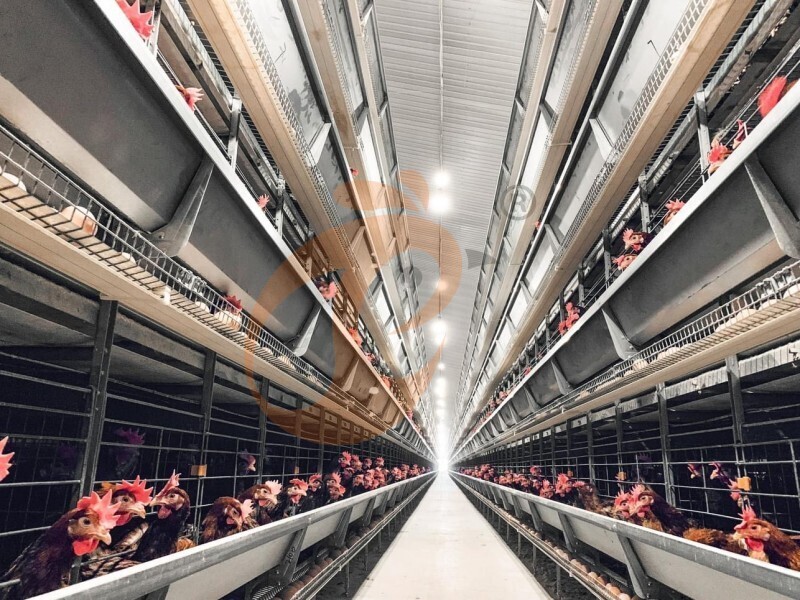
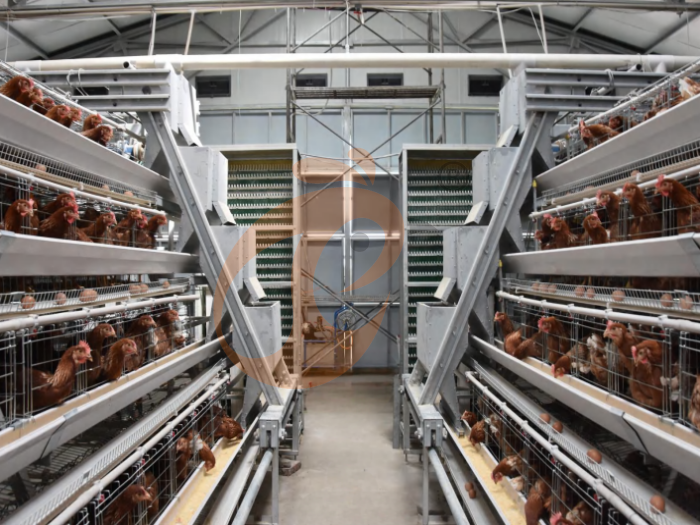
The A type battery cage configuration uses a trapezoidal frame to organize several production functions around a compact structural footprint.
Standard commercial automatic layer cage system designs can integrate automatic feeding, nipple drinking, egg conveying, manure removal, and environmental-control interfaces into one production line.
From an engineering perspective, the objective is to establish a controlled sequence: feed delivery → water supply → laying → egg transfer → manure removal.
For example, automatic systems can be configured with a programmable cleaning schedule of 2–4 cycles/day, allowing equipment operation to follow a defined maintenance routine.
Land Utilization And House Configuration
Data is for reference only.Swipe horizontally to view full table.
A type battery cage layouts can be designed around compact house dimensions.
Published examples include 95 × 13 × 4 m buildings accommodating approximately 20,160 birds.
Cage-free planning requires additional floor area for movement, litter, nests, and service access, which can materially change construction economics.
Feed And Water Engineering
Feed distribution should be designed around uniform delivery rather than manual placement.
A fully automatic poultry layer cage system can use approximately 110–130 g feed/bird/day, with chain or hopper feeding selected according to house geometry and flock capacity.
The drinking line should also be engineered as part of the a type battery cage system.
Typical nipple configurations can be designed around 3–5 birds/nipple, while pressure and pipe arrangement are adjusted to maintain stable water delivery along the complete row.
Egg Collection And Manure Removal
Data is for reference only.Swipe horizontally to view full table.
Automatic egg collection transfers eggs from the A type battery cage channel toward the collection point, reducing repeated manual contact.
Commercial automatic layer cage system designs also use manure belts or scrapers to move waste from beneath cage rows toward an external discharge point.
Labor Efficiency Through Automation
Labor cost is increasingly connected to equipment architecture.
A commercial automatic poultry layer cage system can be configured so that 1–2 technicians manage approximately 15,000–30,000 birds, depending on automation level and management procedures.
This changes the role of the operator from repetitive material handling to equipment inspection, flock observation, alarm response, and production control.
A centralized control cabinet can coordinate multiple drives and operating sequences, reducing the need for separate manual operation of individual production lines.
Automation And Electrical Parameters
Data is for reference only.Swipe horizontally to view full table.
A properly matched electrical system prevents motors from being selected independently of conveyor loading and house geometry.
Published A type battery cage designs indicate approximately 0.75 kw per tier for certain manure and egg-belt applications, although final motor selection must be calculated from conveyor length and load.
Cage-Free Economics Depend On The Egg Market
Cage-free production can become commercially relevant when customers, retailers, institutional buyers, or regulations specify cage-free sourcing.
However, the system requires a different equipment architecture because birds move freely between feeding, drinking, nesting, and litter areas.
The investment model should therefore include the additional management requirements associated with floor production.
For example, a poultry layer cage system may use 4–7 hens per nest when configured for relevant cage-free comparison planning, while litter-management frequency can reach daily inspection intervals depending on moisture and flock conditions.
Total Cost Of Ownership
Data is for reference only.Swipe horizontally to view full table.
European union standard reference only.
Reference equipment figures vary by specification, building design, and market.
A published agricultural equipment-cost schedule lists component allowances by bird and notes that actual costs can vary by approximately ±25%.
The lowest purchase price is not necessarily the lowest total cost.
A better calculation includes equipment + building + labor + energy + maintenance + feed management + egg losses + manure handling + replacement costs.
Technical Selection By Farm Objective
Data is for reference only.Swipe horizontally to view full table.
For investors prioritizing compact building utilization and mechanized handling, A type battery cage equipment provides a standardized engineering platform.
Commercial specifications show wire diameters of 2.0–4.0 mm, while q235 steel is commonly used for structural components.
Build The Equipment Around The Business Model
Data is for reference only.Swipe horizontally to view full table.
The most profitable system is not selected from the cage name alone; it is engineered from the farm's production target, house dimensions, labor structure, and sales channel.
A type battery cage systems can be configured with automatic feeding, drinking, egg collection, manure removal, and environmental-control equipment as one coordinated package.
For equipment buyers, the practical approach is to provide planned bird capacity, house length and width, local power standard, automation level, and target egg market before equipment selection.
Our engineering team can then calculate cage rows, equipment quantities, conveyor routes, manure handling, electrical load, and installation layout as a complete Automatic layer cage system solution.
Frequently Asked Questions
Q1: What makes a type battery cage economically attractive for layer farms?
A1: An A type battery cage uses structured housing and mechanized workflows to coordinate multiple production operations.
A commercial project can integrate feeding, drinking, egg transfer, and manure handling around a centralized layout serving approximately 10,000–50,000 layers.
Q2: When can cage-free housing have a commercial advantage?
A2: Cage-free housing can support markets where retailers, institutional buyers, customers, or regulations require cage-free eggs.
Economic feasibility depends on the achievable egg premium, additional building requirements, equipment investment, labor organization, and flock-management costs.
Q3: What should be calculated before purchasing layer equipment?
A3: A poultry layer cage system should be calculated from bird capacity, house dimensions, electrical supply, automation scope, ventilation demand, egg collection routes, manure output, and future expansion.
A project-specific engineering calculation should be completed before final equipment quantities and building interfaces are confirmed.
Taiyu (HK) Group - One Of China Toppest A Type Battery Cage Manufacturer
A type battery cage integrates galvanized structural components, feeding, nipple drinking, egg collection, and manure handling for commercial layer projects, with configurations supporting 3–4 housing tiers and scalable flock capacities
Global factory direct sales provide coordinated poultry equipment supply, technical specifications, component matching, production inspection, export packaging, and project-oriented equipment documentation
Turn-key engineering connects cage installation, automatic feeding, drinking systems, egg collection, manure removal, ventilation interfaces, electrical controls, commissioning, and operator training within one project framework
Poultry equipment configurations are engineered according to building dimensions, flock capacity, local electrical standards, climate conditions, automation requirements, and planned production workflow for overseas commercial farms
Factory-based manufacturing supports equipment customization, spare-parts planning, technical coordination, international shipment preparation, and project-stage engineering communication for layer farm developments
Contact Us To Received Your Customized Poultry Farm Plan
Headquarters And Branchs
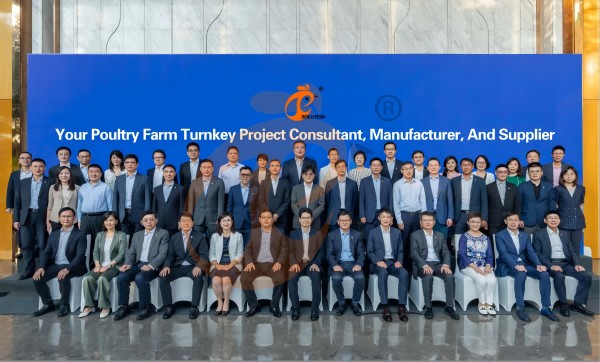
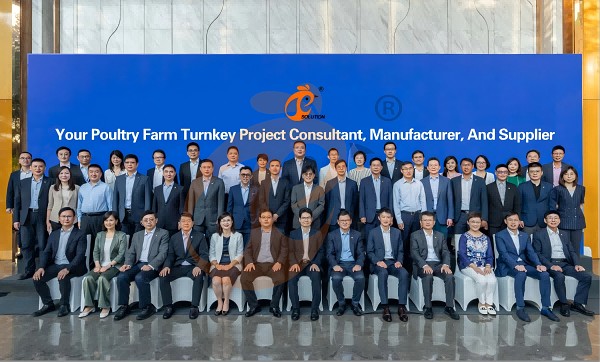
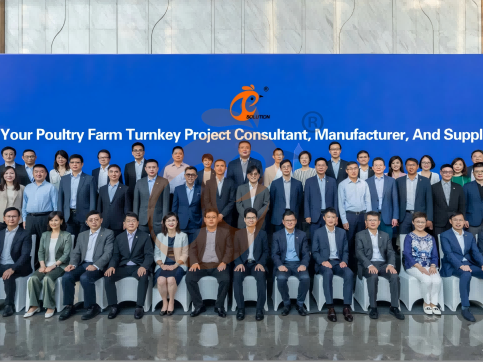
Hong Kong Headquarter Management Team
Hong Kong Headquarter Taiyu Industrial Group CO., LTD
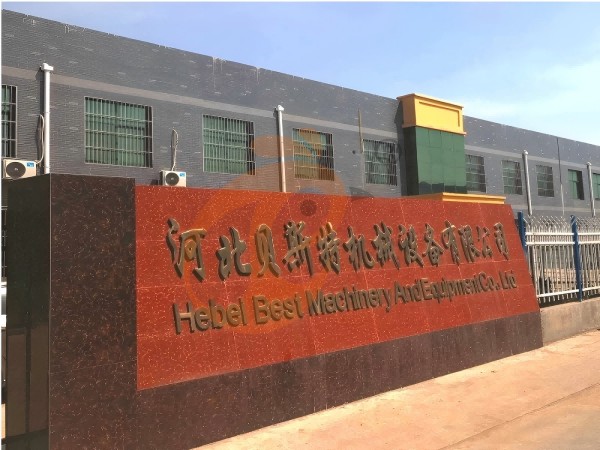
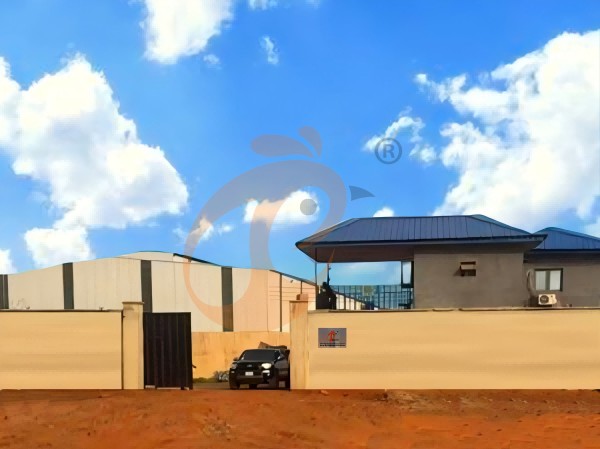
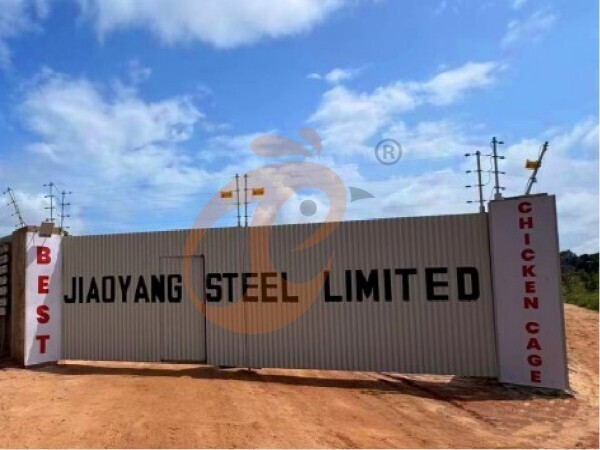
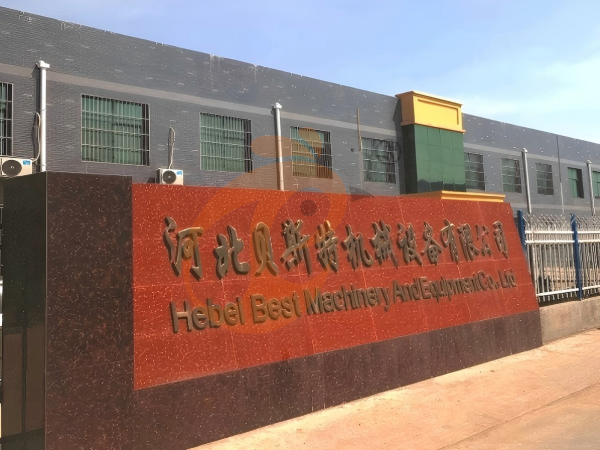
China Hebei Best Machinery And Equipment CO., LTD
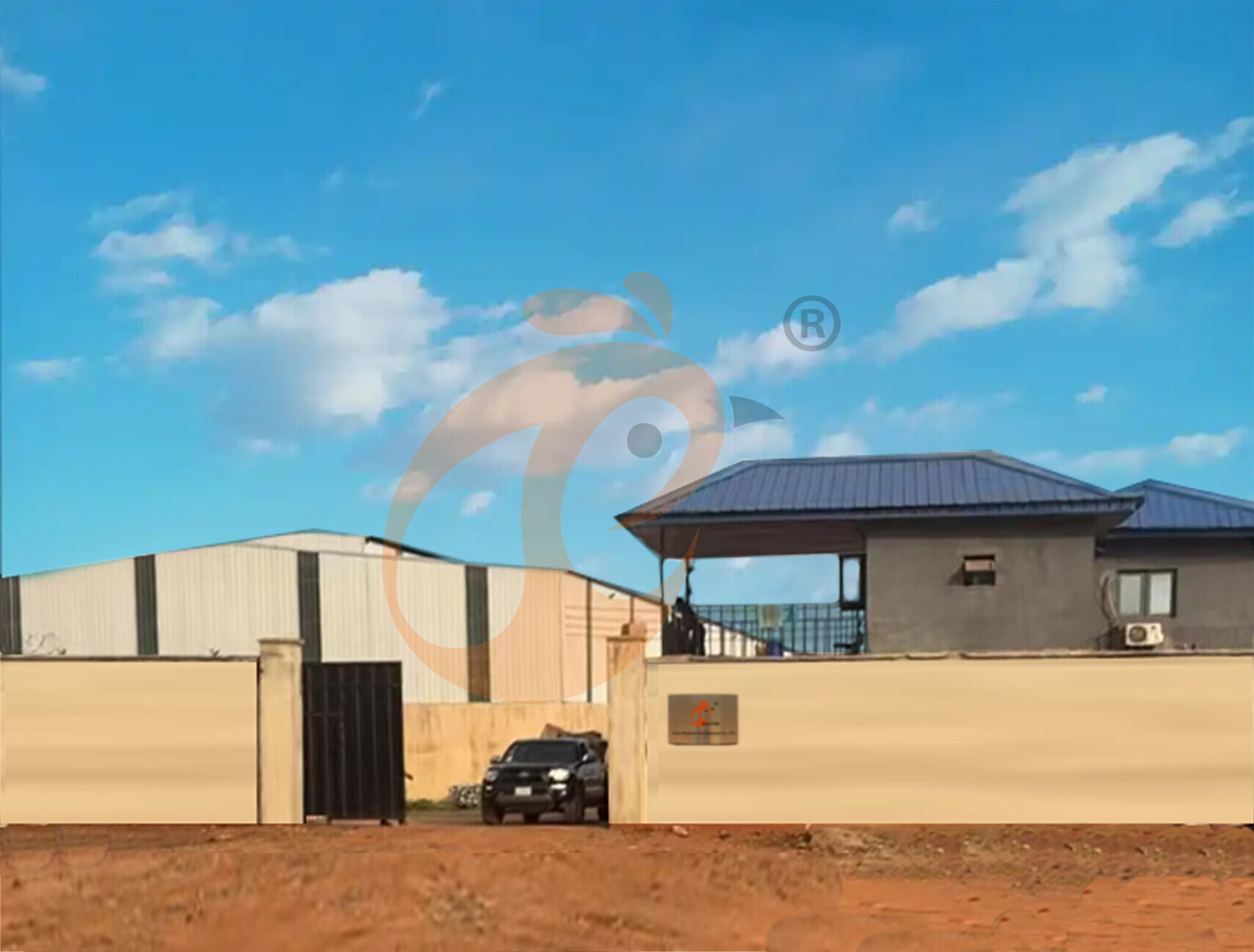
Nigeria Vanke Machinery And Equipment CO., LTD
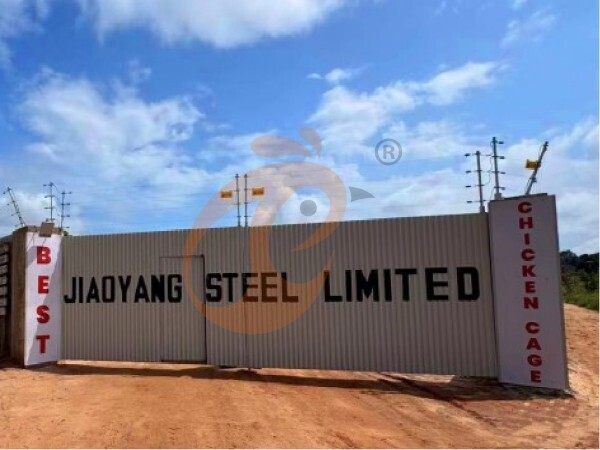
Tanzania Best Machinery And Equipment CO., LTD
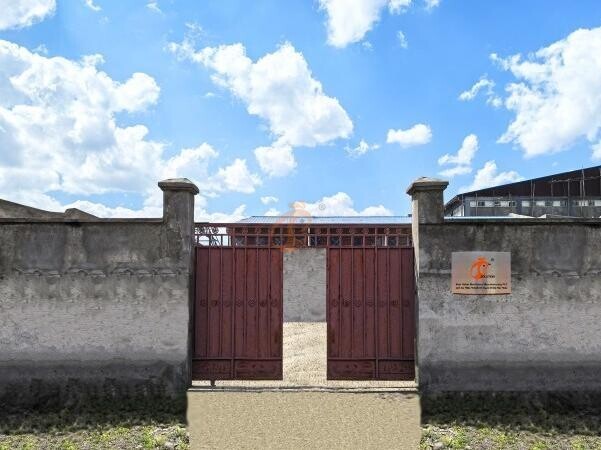
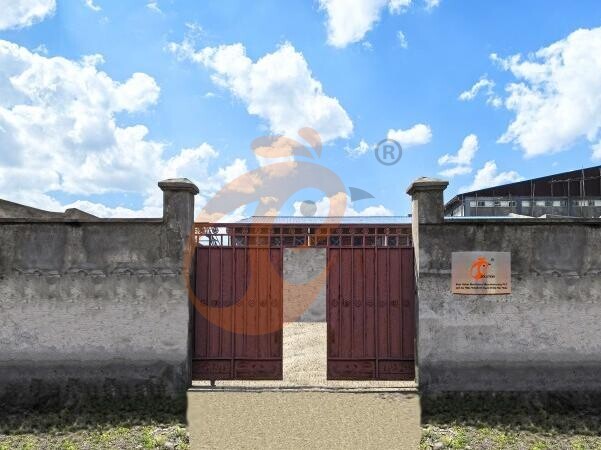
Ethiopia Best Hebei Machinery Manufacturing PLC
Reception /24 WhatsApp NO. : +8618830120193
FAQ
What Are The Most Efficient Feeding Systems For A-Type Layer Cage Farms?
Even feed distribution reduces waste
One worker manages 5,000–10,000 birds
FCR reduced to 1.9–2.2
Egg production rate: 90–96%
How To Select The Best Supplier For A-Type Chicken Cage Systems?
Ensure material quality and anti-corrosion performance
Equipment lifespan: more than 25 years
Egg production rate: 90–96%
Labor savings: 50–70%
How To Integrate Water And Feed Automation In A-Type Layer Cage System?
Automatically control flow and timing
Egg production rate: 90–96%
FCR: 1.9–2.2
Mortality rate: 2–3%
- poultry equipment
- layer cage
- poultry farm
- battery cage
- poultry farm
- poultry farm construction
- battery cage manufacturer
- battery cage system
- battery cage design
- layer cage system
- automatic layer cage
- battery cage
- layer farm
- layer equipment
- poultry layer cage system
- battery cage specifications
- poultry layer cage
- Ethiopia
- Nigeria
Message
Products recommended
 HK Headquarter Offers EU-standard Poultry Farm Solutions, Manufacture Poultry Farm Equipment1. Continuous communication with the EU and the US
2. China, Nigeria, Ethiopia, Tanzania branch companies and factories
3. The products’ quality is customized for local poultry farms
4. Poultry cage and poultry farm equipment stock for sale
5. 24 online reception Whatsapp NO. : +8618830120193,contact us to get full informationRead More China Branch Offer Poultry Farm Business Plan, Manufacture Poultry Farm Equipment1. Address: Flat/RM 2416, 24/F, Runxing Building, Youyi Nan Street, Shijiazhuang City, Hebei Province, China
2. Poultry cage and poultry farm equipment factory and stock for sale
3. Customized for local poultry farms
4. Quality and design are based on Euro
5. 24 online reception Whatsapp NO. : +8618830120193Read More Nigeria Branch Offer Poultry Farm Business Plan, Manufacture Poultry Farm Equipment1. Address: After Sinoma Office, 200 Meters Near Danco Filling Station, Lagos/Ibadan Expressway, Lagos State, Nigeria
2. Poultry cage and poultry farm equipment factory and stock for sale
3. Customized for Nigerian poultry farms
4. Quality and design are based on Euro
5. 24 online reception Whatsapp NO. : +8618830120193Read More Ethiopia Branch Offer Poultry Farm Business Plan, Manufacture Poultry Farm Equipment1. Address: Gelan Gura, Akaki-kaliti Sub City, Addis Ababa, Ethiopia
2. Poultry cage and poultry farm equipment stock for sale
3. Customized for Ethiopian poultry farms
4. Quality and design are based on Euro
5. 24 online reception Whatsapp NO. : +8618830120193, contact us to get price listRead More Tanzania Branch Offer Poultry Farm Business Plan, Manufacture Poultry Farm Equipment1. Address: No.8, Sova Road, Msufini, Mlandizi, Kibaha, Pwani, Tanzania
2. Poultry cage and poultry farm equipment factory and stock for sale
3. Customized for Tanzanian poultry farms
4. Quality and design are based on Euro
5. 24 online reception Whatsapp NO. : +8618830120193Read More Fully Automatic H Type Layer Chicken Cage1. 30,000-100,000+ layers/house chooses it, Poultry farmers can achieve an egg production rate of 96-98%
2. A significant improvement over the 85-90% typically seen in manual systems
3. A typical poultry farm can expect a 30-40% reduction in labor costs due to the automation
4. Each feeding line efficiently supplies feed to around 100,000 hens per 30 mins
5. Reception /WhatsApp NO. : +8618830120193Read More Fully Automatic A Type Layer Chicken Cage1. 10,000-50,000 layers/house chooses it
2. Cleaner egg collection reduces breakage by 0.5%
3. Improved hygiene helps reduce mortality rate to <3%
4. 1–2 technicians can handle 15,000–30,000 birds
5. Reception /WhatsApp NO. : +8618830120193Read More Semi Automatic H Type Layer Chicken Cage1. 1,00-20,000 layers/house chooses it
2. Nipple drinkers flow 30–60 ML / min
3. Hot-dip galvanized (typical coating ≥ 275 g/m²)
4. Reduce ammonia by ~ 35–40%
5. Reception /WhatsApp NO. : +8618830120193Read More Semi Automatic A Type Layer Chicken Cage1. 1,00-20,000 layers/house chooses it, no rust for 10 years, no deformation for 15 years
2. Chickens live comfortably, you can raise them with peace of mind
3. Save water, save money—efficiency you can measure
4. Improve environment quality, and increase egg production rate
5. Reception /WhatsApp NO. : +8618830120193Read More
By clicking 'Allow All', you agree to the storage of cookies on your device to enhance site navigation, analyze site usage and assist with our marketing efforts.