






Blog
Nipple drinker system planning combines house geometry, water distribution, bird requirements, and equipment compatibility into one practical engineering framework, with 12–18 m structural widths supporting scalable poultry-house configurations.
Automatic poultry drinking system design integrates filtration, regulation, pipelines, nipples, suspension, flushing, and monitoring into coordinated infrastructure for commercial production environments.
Chicken nipple drinker system selection considers material construction, connection standards, maintenance access, installation accuracy, and long-term replacement requirements across different poultry operations.
Modular equipment planning supports broiler, layer, breeder, retrofit, and expansion projects while simplifying procurement, installation, commissioning, and spare-parts management.
- Complete poultry drinking equipment packages transform individual components into an engineered water-delivery network, creating a practical purchasing pathway for modern poultry farms and professional equipment suppliers.
Get professional poultry farm construction guidance, equipment selection solutions, and the latest price lists, whatsApp to +8618830120193, +2348111199996, or click to learn more.
Start With The Farm Blueprint
A nipple drinker system should be engineered around the poultry house rather than assembled from individual parts.
Before selecting equipment, define the house geometry, bird population, production cycle, and water-source characteristics.
A properly planned nipple drinker system can cover houses with a 12–18 m structural width while maintaining a clean and accessible drinking arrangement.
The commercial value of a complete drinking solution comes from integration.
Instead of purchasing nipples, pipes, regulators, and connectors separately, producers can specify a matched system designed around the actual house.
An automatic poultry drinking system reduces installation uncertainty and gives the farm a single equipment partner for system configuration and replacement parts.
Farm Layout And System Engineering Parameters
Data is for reference only.Swipe horizontally to view full table.
A complete nipple drinker system should be configured after these physical dimensions are confirmed.
The objective is to make the equipment package fit the building instead of forcing the building to accommodate an unsuitable drinking system.
Planning Tip #1: Make Water Delivery Adjustable
Think adjustment, not just installation.
Birds change considerably throughout the production cycle, so a nipple drinker system that is correctly positioned during brooding may require a different operating position later.
An adjustable suspension system can provide approximately 250–450 mm of vertical movement, allowing operators to reposition the line as the flock develops.
An automatic poultry drinking system with modular suspension can serve several house configurations without requiring a completely different product architecture.
For farms operating multiple houses, standardized accessories can simplify spare-parts management and installation training.
Waterline positioning should also consider the operator's working area.
Maintaining approximately 300–500 mm of service clearance beneath relevant structural components can make inspection and adjustment more practical during routine farm operations.
Nipple Drinker Technical Configuration
Data is for reference only.Swipe horizontally to view full table.
For commercial projects, material selection should correspond to water chemistry, cleaning procedures, and expected service conditions.
Stainless-steel components can be specified where corrosion resistance and mechanical durability are important purchasing criteria for a chicken nipple drinker system.
The Nipple Is Only One Part Of The System
A nipple drinker may be the most visible component, but nipple drinker system performance depends on what happens before the water reaches it.
Source → filtration → regulation → distribution → drinking point → flushing
That sequence is the real product.
A filtration assembly with a 50–100 mesh screen can be incorporated upstream to help control particulate contamination entering the drinking network.
At the same time, a properly configured flushing arrangement can help operators remove accumulated material from the pipeline rather than allowing it to remain inside the system.
This is where a poultry equipment manufacturer can differentiate itself.
Selling a nipple alone creates a component transaction.
Selling the complete water-delivery architecture creates an engineered automatic poultry drinking system.
Water Treatment And Monitoring Equipment
Data is for reference only.Swipe horizontally to view full table.
Monitoring equipment gives farm operators measurable information instead of relying entirely on visual inspection.
A nipple drinker system equipped with monitoring components can make water management easier to document and can help identify abnormal operating conditions earlier.
Planning Tip #2: Design For Hygiene From The Beginning
Water hygiene should be engineered into the nipple drinker system rather than added after installation.
A drinking line with accessible flushing points allows operators to incorporate cleaning procedures into routine management.
For example, a flushing valve positioned at the end of each section can provide a defined maintenance point instead of requiring workers to dismantle pipe connections.
The system should also minimize unnecessary exposed joints.
A properly assembled connection may use two-stage sealing at critical interfaces, reducing the number of potential leakage paths.
For large commercial farms, maintenance design becomes even more important.
If a nipple drinker system contains 6–10 independent service sections, operators can isolate individual areas during inspection rather than interrupting the entire house.
Pipe And Connection Specifications
Data is for reference only.Swipe horizontally to view full table.
The pipe network should be treated as a complete hydraulic assembly.
Selecting components with compatible dimensions and pressure ratings simplifies installation and helps reduce unnecessary adapters.
For poultry equipment suppliers, offering pipes, fittings, valves, and nipples as a matched package also creates a stronger B2B proposition.
Customers can order a complete nipple drinker system according to their house drawing instead of calculating every fitting individually.
Planning Tip #3: Design For Easy Installation
Installation time is an equipment cost.
A nipple drinker system with standardized connections can reduce the number of installation decisions made inside the poultry house.
If the main components use a common 22 mm connection platform, installers can work with a more consistent fitting architecture.
Suspension and alignment are equally important.
During installation, the line should follow the building geometry rather than gradually drifting away from its intended position.
A difference of only 30–50 mm per section can become significant over a long poultry house.
For manufacturers, installation-friendly design is a selling feature.
Preconfigured line assemblies, labeled fittings, compatible brackets, and complete accessory kits can make the automatic poultry drinking system easier for international customers to install.
Installation And Commissioning Checklist
Data is for reference only.Swipe horizontally to view full table.
Commissioning should be documented before birds enter the house.
A supplier that provides installation drawings, component lists, commissioning instructions, and spare-parts information offers considerably more value than a supplier providing only cartons of components.
A professional chicken nipple drinker system should be supplied with technical documentation that supports installation verification and operational handover.
Planning Tip #4: Prepare For Different Farm Scales
A scalable nipple drinker system should not require an entirely new product concept every time the customer adds another poultry house.
For a medium-size project, the equipment package can be divided into standardized modules.
Each module can contain a regulator assembly, filtration components, pipe sections, nipple assemblies, suspension hardware, and flushing accessories.
A modular purchasing structure can also simplify international shipments.
For example, one equipment package can be organized around 4–8 palletized modules, allowing the supplier to prepare standardized packing lists and installation documentation.
This approach is particularly useful for poultry equipment manufacturers serving distributors, farm contractors, and turnkey poultry-house builders.
Commercial System Configuration For Poultry Farms
Data is for reference only.Swipe horizontally to view full table.
The figures above are illustrative engineering configurations; final quantities should be calculated from the house layout, bird type, water source, hydraulic design, and selected nipple model.
Planning Tip #5: Design For Maintenance, Replacement, And Expansion
The cheapest system is not always the lowest-cost system.
A farm should consider the entire operating cycle when purchasing poultry drinking equipment.
Ask three practical questions.
- Can workers inspect the nipple drinker system easily?
- Can individual components be replaced without rebuilding the entire line?
- Can the system be expanded if the farm grows?
Modular components can make these tasks easier.
For equipment manufacturers, modular design is also a strong commercial advantage.
Offering replacement nipples, connectors, regulators, filters, and complete line accessories allows suppliers to support customers beyond the initial installation.
That turns a one-time equipment order into a long-term farm equipment relationship.
Build The Right Nipple Drinker System From Day One
A nipple drinker system is a relatively small part of a poultry house, but its design can influence daily water management across the entire flock.
The most effective approach is to plan the complete system before purchasing individual components.
For poultry equipment buyers, look for a supplier that can provide more than nipples: a complete solution covering drinking lines, pressure control, filtration, suspension, accessories, spare parts, and technical support.
The strongest equipment proposition is simple:
Design the water system around the farm.
Match every component to the system.
Supply the equipment as one complete solution.
That is how a nipple drinker becomes a professional poultry drinking system and how an equipment supplier becomes a long-term partner for modern poultry farms.
Frequently Asked Questions
Q1: What should be considered dhen Designing a nipple drinker system?
A1: A nipple drinker system should be planned around house dimensions, flock size, water-source conditions, pipe routing, filtration, pressure control, flushing, and maintenance access.
A practical design can divide a long poultry house into 6–10 service sections for easier inspection and maintenance.
Q2: How can a nipple drinker system support different poultry houses?
A2: A modular nipple drinker system can combine adjustable suspension, standardized pipe connections, interchangeable nipples, filtration assemblies, and flushing components.
Modular architecture is particularly useful when one equipment package needs to support broiler, layer, breeder, retrofit, and expansion projects.
Q3: Why should farms purchase a complete poultry drinking system?
A3: A complete nipple drinker system coordinates the hydraulic, mechanical, and maintenance requirements of the drinking network.
Integrated procurement can include nipples, pipelines, regulators, filters, suspension components, flushing assemblies, and spare parts within one technical configuration.
Taiyu (HK) Group - One Of China Toppest Nipple Drinker System Manufacturer
Nipple drinker system solutions combine stainless-steel drinking components, modular pipelines, filtration, regulation, suspension, and flushing assemblies for commercial poultry-house projects with engineered configurations.
Global factory-direct supply covers poultry equipment components, customized drinking-line packages, technical drawings, component lists, packing specifications, and international project coordination.
Poultry equipment production supports distributor orders, farm contractors, poultry-house builders, and integrated turn-key engineering projects requiring coordinated equipment packages and installation documentation.
Turn-key engineering support connects equipment configuration, system layout, commissioning documentation, spare-parts planning, and project-based delivery for commercial poultry production facilities worldwide.
Factory-based manufacturing provides standardized production control, project packaging, export coordination, and technical communication for international poultry equipment procurement programs.
Contact Us To Received Your Customized Poultry Farm Plan
Headquarters And Branchs

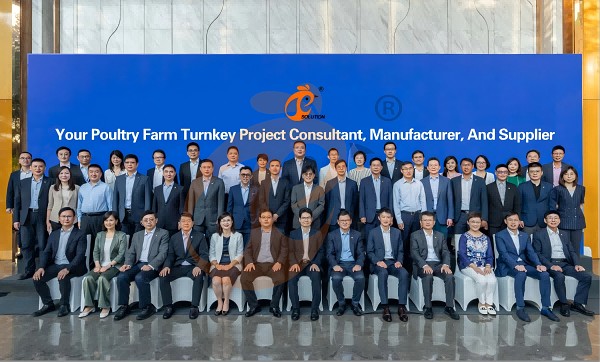
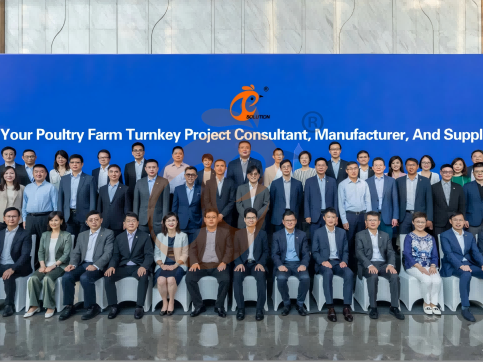
Hong Kong Headquarter Management Team
Hong Kong Headquarter Taiyu Industrial Group CO., LTD
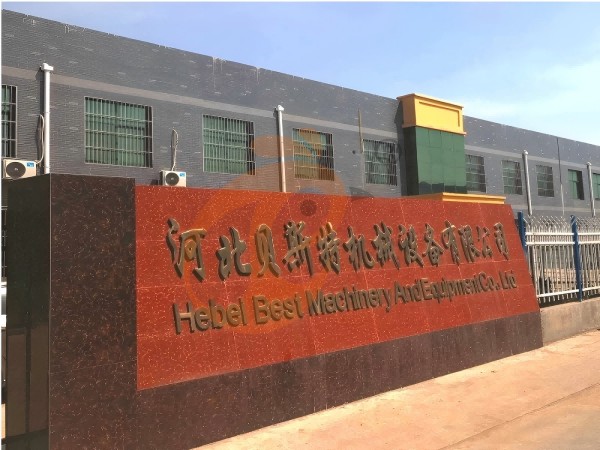
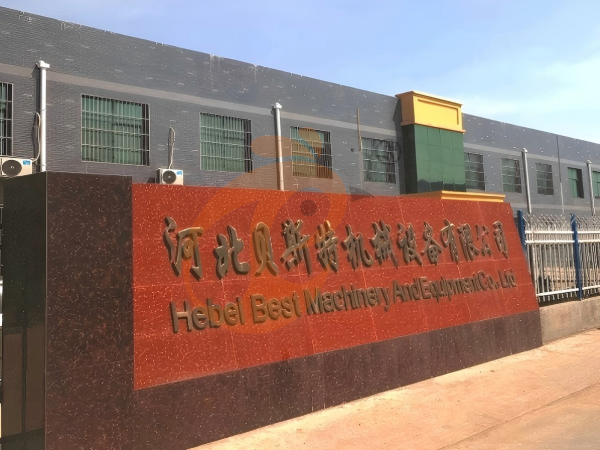
China Hebei Best Machinery And Equipment CO., LTD
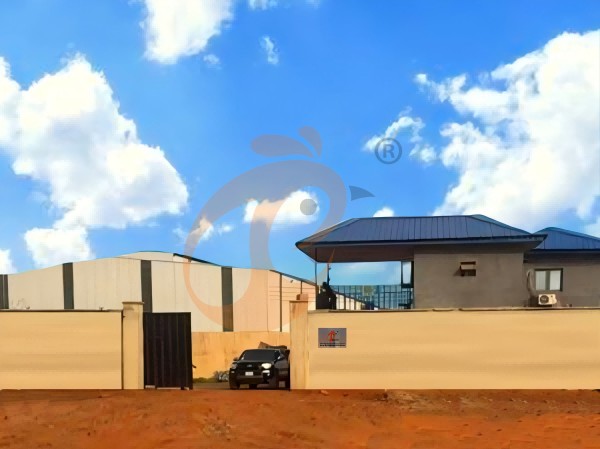
Nigeria Vanke Machinery And Equipment CO., LTD
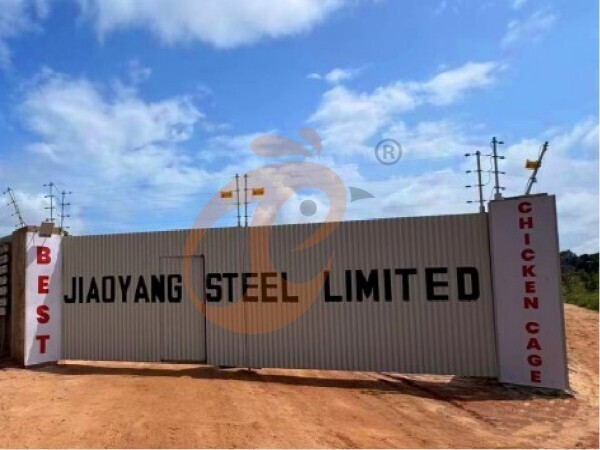
Tanzania Best Machinery And Equipment CO., LTD
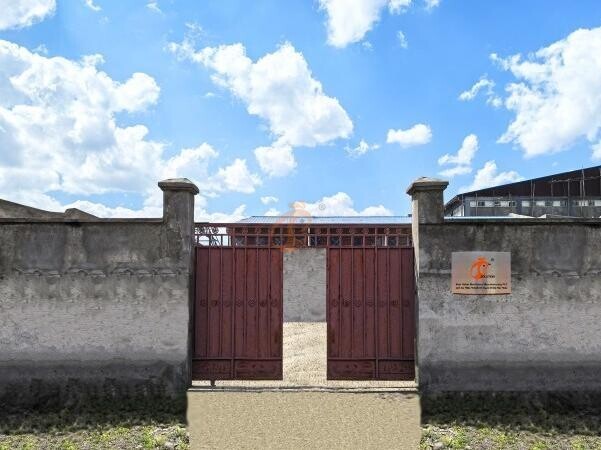
Ethiopia Best Hebei Machinery Manufacturing PLC
Reception /24 WhatsApp NO. : +8618830120193
FAQ
What Water Quality Requirements Are Necessary For Nipple Drinkers In Poultry Chicken Cage Systems?
Water hardness is maintained within 100–150 mg/L CaCO₃ equivalent for valve protection.
Microbial load is controlled under 100 CFU/mL for safe poultry consumption standards.
What Is The Recommended Stocking Ratio For Nipple Drinkers In Poultry Chicken Cage Systems?
Drinker spacing is typically set at 25–30 cm to reduce competition stress.
Water demand allocation is calculated at 180–220 ml per bird daily in intensive production.
How Is Water Flow Regulated In Nipple Drinkers For Poultry Chicken Cage Farming Systems?
Pressure stability is maintained within 0.18–0.22 MPa across drinking lines.
Drop formation interval is adjusted at 1–2 seconds per activation for efficient intake.
- poultry equipment
- poultry farm
- poultry farm
- poultry farm construction
- poultry equipment manufacturer
- poultry equipment supplier
- poultry drinking equipment
- poultry drinking system
- automatic poultry drinking system
- poultry house
- poultry drinking system design
- poultry equipment suppliers
- poultry equipment manufacturers
- Ethiopia
- Nigeria
Message
Products recommended
 HK Headquarter Offers EU-standard Poultry Farm Solutions, Manufacture Poultry Farm Equipment1. Continuous communication with the EU and the US
2. China, Nigeria, Ethiopia, Tanzania branch companies and factories
3. The products’ quality is customized for local poultry farms
4. Poultry cage and poultry farm equipment stock for sale
5. 24 online reception Whatsapp NO. : +8618830120193,contact us to get full informationRead More China Branch Offer Poultry Farm Business Plan, Manufacture Poultry Farm Equipment1. Address: Flat/RM 2416, 24/F, Runxing Building, Youyi Nan Street, Shijiazhuang City, Hebei Province, China
2. Poultry cage and poultry farm equipment factory and stock for sale
3. Customized for local poultry farms
4. Quality and design are based on Euro
5. 24 online reception Whatsapp NO. : +8618830120193Read More Nigeria Branch Offer Poultry Farm Business Plan, Manufacture Poultry Farm Equipment1. Address: After Sinoma Office, 200 Meters Near Danco Filling Station, Lagos/Ibadan Expressway, Lagos State, Nigeria
2. Poultry cage and poultry farm equipment factory and stock for sale
3. Customized for Nigerian poultry farms
4. Quality and design are based on Euro
5. 24 online reception Whatsapp NO. : +8618830120193Read More Ethiopia Branch Offer Poultry Farm Business Plan, Manufacture Poultry Farm Equipment1. Address: Gelan Gura, Akaki-kaliti Sub City, Addis Ababa, Ethiopia
2. Poultry cage and poultry farm equipment stock for sale
3. Customized for Ethiopian poultry farms
4. Quality and design are based on Euro
5. 24 online reception Whatsapp NO. : +8618830120193, contact us to get price listRead More Tanzania Branch Offer Poultry Farm Business Plan, Manufacture Poultry Farm Equipment1. Address: No.8, Sova Road, Msufini, Mlandizi, Kibaha, Pwani, Tanzania
2. Poultry cage and poultry farm equipment factory and stock for sale
3. Customized for Tanzanian poultry farms
4. Quality and design are based on Euro
5. 24 online reception Whatsapp NO. : +8618830120193Read More Fully Automatic H Type Layer Chicken Cage1. 30,000-100,000+ layers/house chooses it, Poultry farmers can achieve an egg production rate of 96-98%
2. A significant improvement over the 85-90% typically seen in manual systems
3. A typical poultry farm can expect a 30-40% reduction in labor costs due to the automation
4. Each feeding line efficiently supplies feed to around 100,000 hens per 30 mins
5. Reception /WhatsApp NO. : +8618830120193Read More Fully Automatic A Type Layer Chicken Cage1. 10,000-50,000 layers/house chooses it
2. Cleaner egg collection reduces breakage by 0.5%
3. Improved hygiene helps reduce mortality rate to <3%
4. 1–2 technicians can handle 15,000–30,000 birds
5. Reception /WhatsApp NO. : +8618830120193Read More Semi Automatic H Type Layer Chicken Cage1. 1,00-20,000 layers/house chooses it
2. Nipple drinkers flow 30–60 ML / min
3. Hot-dip galvanized (typical coating ≥ 275 g/m²)
4. Reduce ammonia by ~ 35–40%
5. Reception /WhatsApp NO. : +8618830120193Read More Semi Automatic A Type Layer Chicken Cage1. 1,00-20,000 layers/house chooses it, no rust for 10 years, no deformation for 15 years
2. Chickens live comfortably, you can raise them with peace of mind
3. Save water, save money—efficiency you can measure
4. Improve environment quality, and increase egg production rate
5. Reception /WhatsApp NO. : +8618830120193Read More
By clicking 'Allow All', you agree to the storage of cookies on your device to enhance site navigation, analyze site usage and assist with our marketing efforts.