






Blog
- Imported and local manufacturers can deliver comparable cage architectures, while material certification, dimensional control, commissioning procedures, and 275 g/m² zinc coating provide more useful procurement evidence
- Feeding, drinking, manure removal, ventilation, and plc automation determine whether broiler cage equipment performs as an integrated production system rather than disconnected components
- Technical support, spare-parts planning, installation documentation, and project customization influence operational continuity, with 4-hour response targets supporting structured after-sales management
- Complete equipment packages can reduce interface risks across commercial poultry projects, connecting poultry cage equipment with engineering drawings, electrical systems, commissioning, and future expansion
Get professional poultry farm construction guidance, equipment selection solutions, and the latest price lists, whatsApp to +8618830120193, +2348111199996, or click to learn more.
Engineering Comparison: What You Actually Buy
Data is for reference only.Swipe horizontally to view full table.
Imported and local systems can share the same basic architecture.
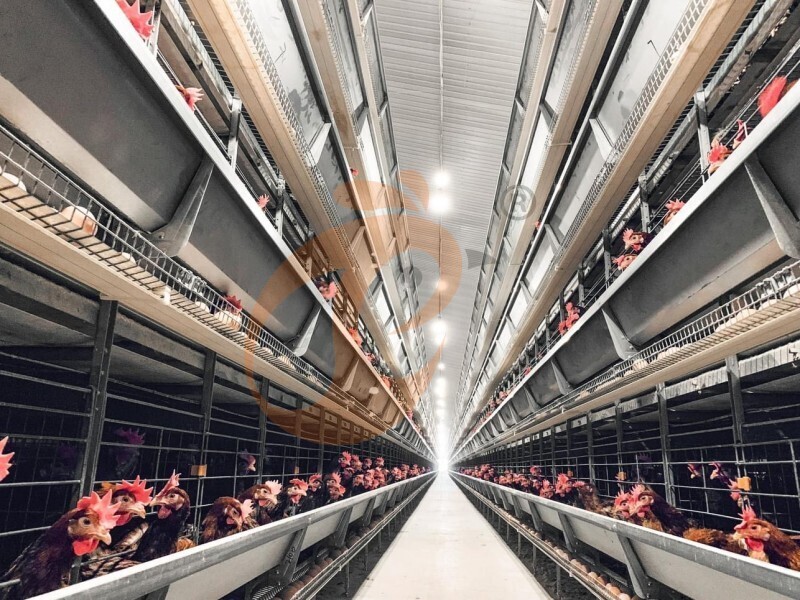
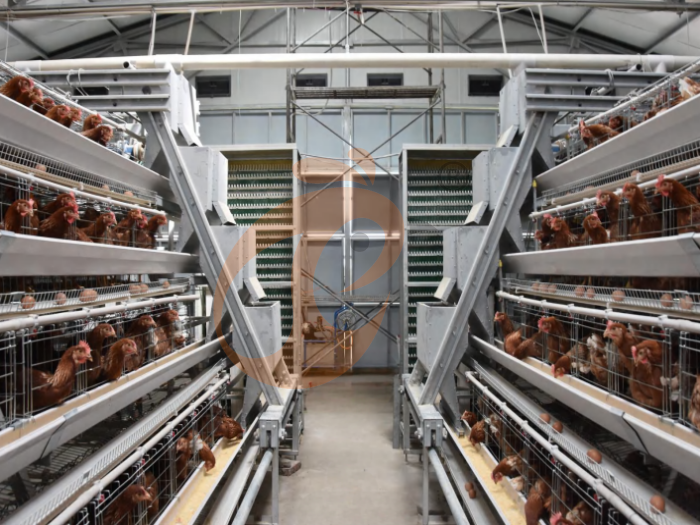
Commercial broiler chicken cage systems commonly combine galvanized steel cages with automatic feeding, nipple drinking, manure removal, and environmental-control equipment.
Reliability Begins With System Engineering, Not Country Of Origin
Engineering principle — a cage manufacturer should be evaluated as an equipment engineering partner rather than simply as a supplier of steel cages.
A professional broiler chicken cage supplier can calculate structural loading with a 1.5 safety factor and reserve 15% control-panel I/o capacity for future expansion.
System perspective — reliability depends on whether cage rows, feeding, drinking, manure removal, and ventilation operate as one coordinated production system.
An integrated automatic broiler cage system can reduce interface problems because mechanical and electrical components are designed around the same farm layout.
Commercial result — equipment value therefore comes from engineering compatibility as much as individual component quality.
Structural Parameters That Affect Service Performance
Data is for reference only.Swipe horizontally to view full table.
Galvanized steel remains important for broiler chicken cage structures because poultry houses expose equipment to moisture and manure-related corrosion.
Modular poultry cage equipment also allows components to be transported and assembled according to individual house layouts.
The Procurement Test: Replace "Quality" With Measurable Acceptance
Step 1 — drawing review
Before production, require a general arrangement drawing, equipment layout, and electrical schematic.
A professional broiler chicken cage supplier should freeze the design with a ±2 mm component machining tolerance and provide a 3-stage drawing approval process.
Step 2 — factory inspection
Inspect weld consistency, coating uniformity, fastener fit, and moving components instead of judging equipment from appearance alone.
For automatic broiler cage equipment, incoming materials, assembly conditions, and finished equipment should follow separate inspection checkpoints.
Step 3 — site commissioning
Mechanical alignment should be verified before electrical testing.
A practical commissioning protocol can target ≤1.5% feeder alignment deviation before birds enter the broiler chicken cage system.
Feeding Equipment: Where Automation Becomes Commercially Relevant
Data is for reference only.Swipe horizontally to view full table.
Automatic feeding systems are commonly configured with chain, pan, or traveling-hopper mechanisms.
For a broiler chicken cage, synchronized feed distribution can connect hopper control, feed lines, sensors, and drive motors into one operating sequence.
Why Local Technical Support Can Change The Project Equation
Scenario — commissioning adjustment.
A farm may receive correctly manufactured equipment and still require an unexpected mechanical adjustment during commissioning.
For a broiler chicken cage project, delayed troubleshooting can postpone production even when individual components meet their specifications.
Service model — response structure.
Our sales model treats response capability as part of equipment value.
Remote engineering support can be structured around a 4-hour initial response target, while installation documentation can be prepared in 2 languages for international projects.
Pre-sales engineering — project preparation.
An experienced poultry equipment manufacturer can review house dimensions, determine equipment interfaces, check power requirements, and prepare a complete equipment list before manufacturing begins.
Drinking, Manure And Environmental Equipment
Data is for reference only.Swipe horizontally to view full table.
Commercial broiler chicken cage systems can integrate nipple drinking, manure belts, fans, and cooling equipment into a unified environmental-control configuration.
For poultry cage equipment, water distribution, waste removal, and ventilation must be considered together because each subsystem affects daily operating stability.
Imported Components Are Not Automatically Better Integrated
Case analysis — component selection.
A farm may purchase imported motors, sensors, or controllers while still experiencing failures when mechanical and electrical interfaces are poorly coordinated.
A locally manufactured broiler chicken cage can operate consistently when drawings, tolerances, inspection procedures, and commissioning controls are properly managed.
Design logic — integration first.
Our approach is to design around 24-hour continuous operating cycles and maintain 20% spare electrical capacity within the control architecture.
The objective of automatic broiler cage equipment is not component complexity but correct communication between every subsystem during daily production.
Procurement logic — system value.
Country of origin provides useful background information, but documented engineering control provides more direct evidence for equipment reliability.
Electrical And Automation Architecture
Data is for reference only.Swipe horizontally to view full table.
Plc-based automation can coordinate feeding, watering, ventilation, and environmental monitoring for an integrated broiler chicken cage project.
A properly configured poultry equipment control system can also connect environmental inputs with operating commands through a centralized interface.
Installation, Maintenance And Spare-Parts Structure
Data is for reference only.Swipe horizontally to view full table.
A professional manufacturer should supply installation drawings, spare-parts lists, and maintenance procedures with the broiler chicken cage package.
Preventive maintenance for poultry cage equipment should be established before commercial operation rather than developed after the first equipment fault.
The Manufacturer Selection Matrix: Look At The Whole Project
Project-focused evaluation.
If your project is equipment-focused, compare steel quality, component consistency, and manufacturing inspection.
For a broiler chicken cage project, documented material certificates and dimensional inspection provide concrete procurement evidence.
Automation-focused evaluation.
If your project is automation-focused, compare plc architecture, sensor integration, and compatibility between feeding, drinking, manure, and ventilation systems.
For automatic broiler cage equipment, control compatibility can determine whether individual subsystems operate as one production platform.
Expansion-focused evaluation.
If your project is expansion-focused, compare modularity and the supplier’s ability to reproduce the same design for additional poultry houses.
Our equipment model combines cage structures, feeding, drinking, manure removal, ventilation, automation, installation guidance, and after-sales support under one engineering framework.
Commercial Specification: What A Complete Supply Package Should Contain
Data is for reference only.Swipe horizontally to view full table.
The reliability of a broiler chicken cage manufacturer is demonstrated through engineering consistency, measurable specifications, and complete project support.
Imported equipment can provide sophisticated components, while local manufacturers can provide manufacturing flexibility and closer service.
For commercial poultry cage equipment, the more practical purchasing method is to compare the complete technical package from structural steel and feeding equipment to automation, installation, and spare parts.
Our broiler chicken cage equipment is designed around a complete-project model with customizable layouts, automatic feeding, nipple drinking, manure removal, ventilation, and intelligent control integration.
Frequently Asked Questions
Q1: What determines broiler chicken cage reliability more than country of origin?
A1: Material certification, dimensional control, system integration, commissioning procedures, and after-sales engineering support provide more direct reliability evidence than country of origin alone.
A structured broiler chicken cage project can also use documented inspection checkpoints and approximately 1.5 safety factor structural calculations.
Q2: Should imported components be used in local broiler cage equipment?
A2: Imported motors, plcs, sensors, or electrical components can be selected when project requirements justify them.
For automatic broiler cage equipment, component selection should remain compatible with the overall control architecture and service system.
Q3: What should be included in a complete broiler cage equipment project?
A3: A complete project normally includes cages, feeding, drinking, manure removal, ventilation, electrical control, sensors, installation documentation, commissioning, and spare parts.
For poultry equipment projects, a centralized engineering standard can reduce interface problems between subsystems.
Taiyu (HK) Group - One Of China Toppest Broiler Chicken Cage Manufacturer
Broiler chicken cage systems combine modular galvanized structures with integrated feeding, drinking, manure removal, ventilation, and automation, supporting configurations from 3–8 tiers
Global factory direct sales provide direct engineering coordination, standardized manufacturing control, international documentation, and project-specific equipment configuration for commercial poultry farms
Poultry equipment packages cover cage systems, automatic feeding, nipple drinking, environmental control, manure handling, electrical automation, installation guidance, and spare-parts planning
Turn-key engineering connects house-layout review, equipment selection, production, delivery, installation guidance, commissioning, and technical support within one coordinated project workflow
Project engineering support provides equipment drawings, electrical diagrams, component specifications, commissioning procedures, and scalable solutions for new poultry houses and expansion projects
Contact Us To Received Your Customized Poultry Farm Plan
Headquarters And Branchs
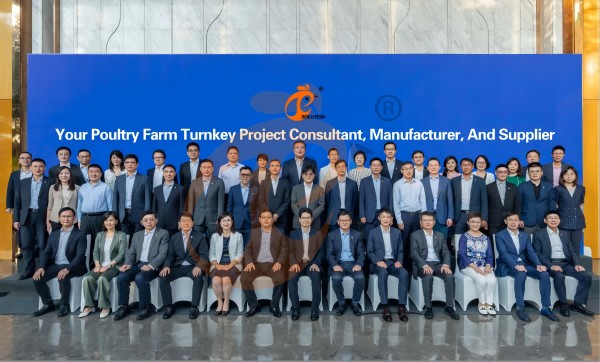
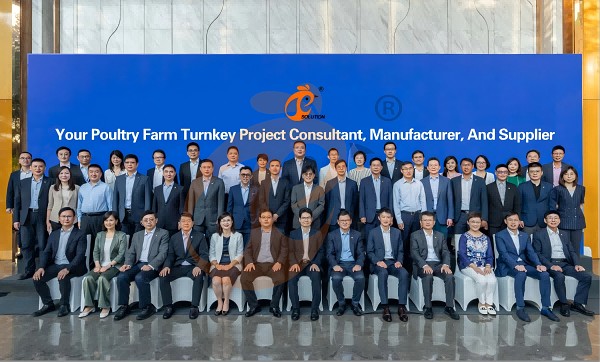
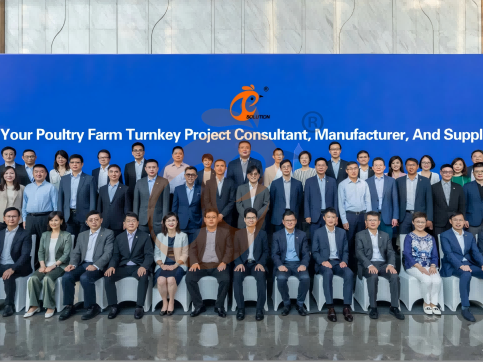
Hong Kong Headquarter Management Team
Hong Kong Headquarter Taiyu Industrial Group CO., LTD
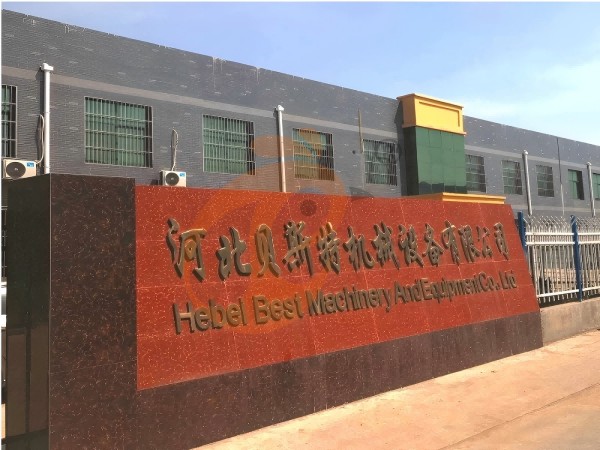
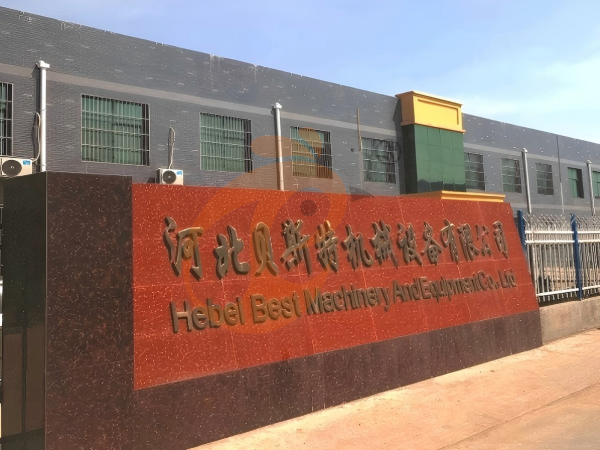
China Hebei Best Machinery And Equipment CO., LTD
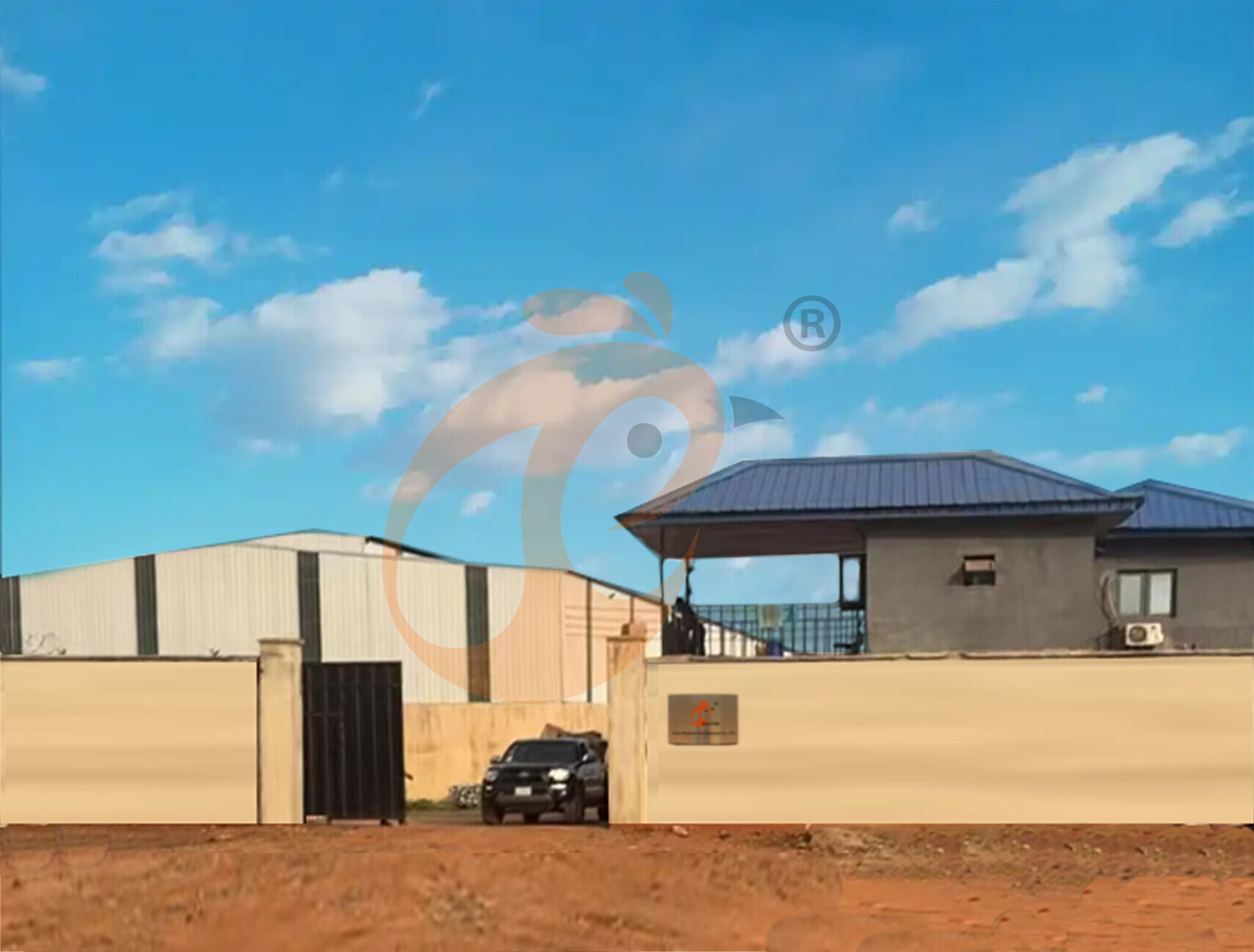
Nigeria Vanke Machinery And Equipment CO., LTD
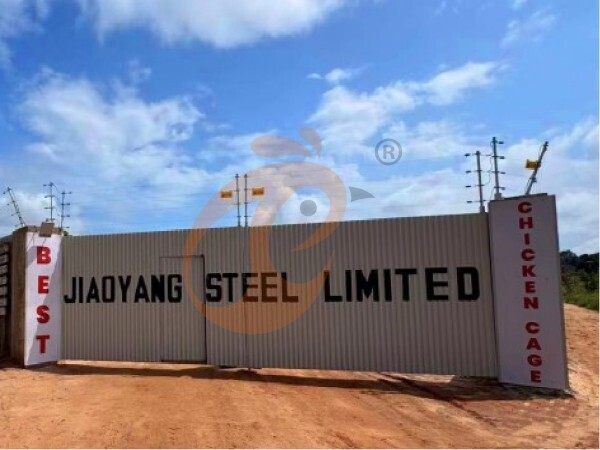
Tanzania Best Machinery And Equipment CO., LTD
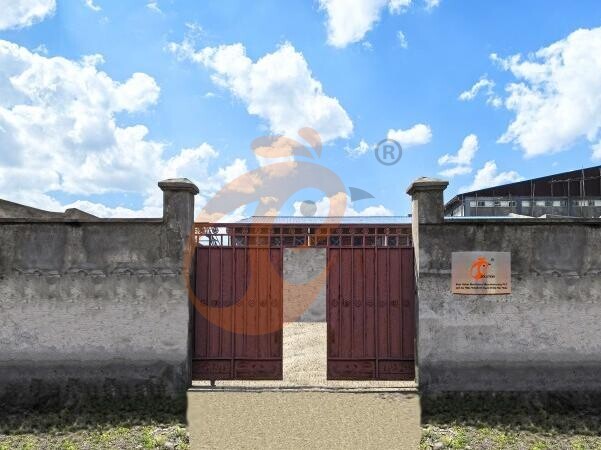
Ethiopia Best Hebei Machinery Manufacturing PLC
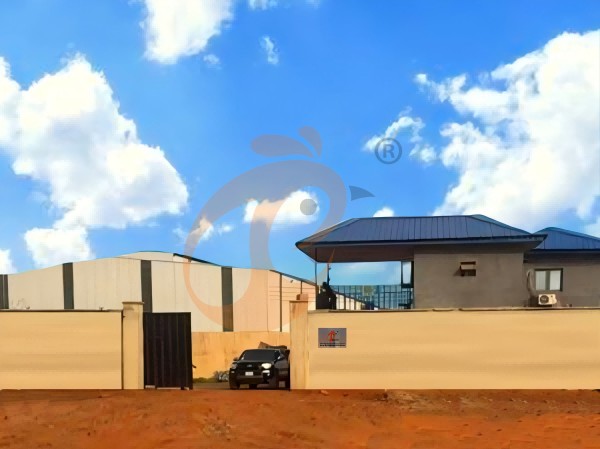
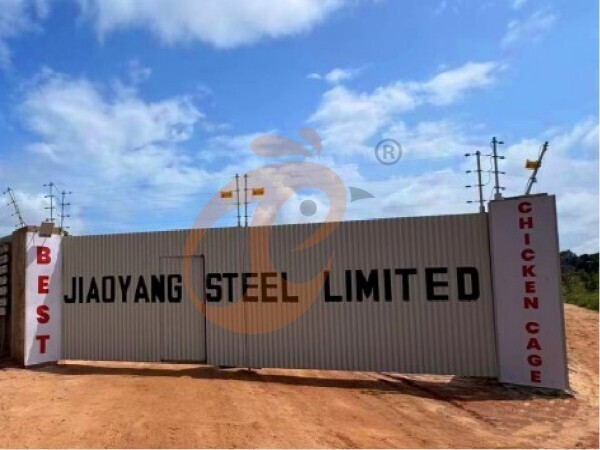
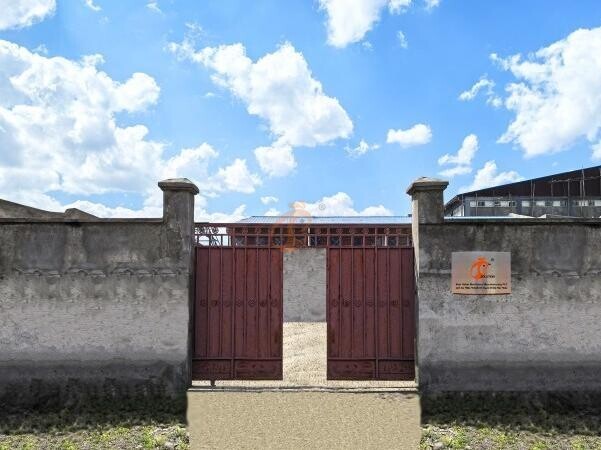
Reception /24 WhatsApp NO. : +8618830120193
FAQ
What Cage Structure Options Are Available For Broiler Chicken Cage Systems?
H-type cage systems are configured in 3–12 tiers accommodating 360–1440 birds per set for intensive farming operations.
Structural height ranges from 1.75–10.11 meters maximizing vertical space utilization and housing efficiency.
How Does Stocking Density Affect Broiler Chicken Cage Performance?
H-type systems maintain 500 cm² allocation per bird optimizing housing density and production output.
Bird distribution is balanced at 8 birds per compartment in partitioned cage configurations reducing competition.
Which Cage Dimensions Are Commonly Used In Broiler Chicken Cage Systems?
H-type cage modules measure 3.3 × 1.82 meters providing larger continuous housing sections.
Internal compartment height varies from 40–55 cm ensuring adequate bird activity and ventilation circulation.
- poultry equipment
- chicken cage
- broiler cage
- poultry farm
- feeding equipment
- poultry cage
- poultry farm
- poultry farm construction
- chicken cage manufacturer
- chicken cage equipment
- modular poultry cage
- poultry equipment manufacturer
- poultry cage equipment
- automatic feeding system
- poultry house
- chicken cage supplier
- chicken cage system
- chicken cage project
- broiler cage system
- automatic broiler cage
- broiler cage equipment
- broiler chicken cage
- broiler chicken cage supplier
- broiler chicken cage manufacturer
- Ethiopia
- Nigeria
Message
Products recommended
 HK Headquarter Offers EU-standard Poultry Farm Solutions, Manufacture Poultry Farm Equipment1. Continuous communication with the EU and the US
2. China, Nigeria, Ethiopia, Tanzania branch companies and factories
3. The products’ quality is customized for local poultry farms
4. Poultry cage and poultry farm equipment stock for sale
5. 24 online reception Whatsapp NO. : +8618830120193,contact us to get full informationRead More China Branch Offer Poultry Farm Business Plan, Manufacture Poultry Farm Equipment1. Address: Flat/RM 2416, 24/F, Runxing Building, Youyi Nan Street, Shijiazhuang City, Hebei Province, China
2. Poultry cage and poultry farm equipment factory and stock for sale
3. Customized for local poultry farms
4. Quality and design are based on Euro
5. 24 online reception Whatsapp NO. : +8618830120193Read More Nigeria Branch Offer Poultry Farm Business Plan, Manufacture Poultry Farm Equipment1. Address: After Sinoma Office, 200 Meters Near Danco Filling Station, Lagos/Ibadan Expressway, Lagos State, Nigeria
2. Poultry cage and poultry farm equipment factory and stock for sale
3. Customized for Nigerian poultry farms
4. Quality and design are based on Euro
5. 24 online reception Whatsapp NO. : +8618830120193Read More Ethiopia Branch Offer Poultry Farm Business Plan, Manufacture Poultry Farm Equipment1. Address: Gelan Gura, Akaki-kaliti Sub City, Addis Ababa, Ethiopia
2. Poultry cage and poultry farm equipment stock for sale
3. Customized for Ethiopian poultry farms
4. Quality and design are based on Euro
5. 24 online reception Whatsapp NO. : +8618830120193, contact us to get price listRead More Tanzania Branch Offer Poultry Farm Business Plan, Manufacture Poultry Farm Equipment1. Address: No.8, Sova Road, Msufini, Mlandizi, Kibaha, Pwani, Tanzania
2. Poultry cage and poultry farm equipment factory and stock for sale
3. Customized for Tanzanian poultry farms
4. Quality and design are based on Euro
5. 24 online reception Whatsapp NO. : +8618830120193Read More Fully Automatic H Type Layer Chicken Cage1. 30,000-100,000+ layers/house chooses it, Poultry farmers can achieve an egg production rate of 96-98%
2. A significant improvement over the 85-90% typically seen in manual systems
3. A typical poultry farm can expect a 30-40% reduction in labor costs due to the automation
4. Each feeding line efficiently supplies feed to around 100,000 hens per 30 mins
5. Reception /WhatsApp NO. : +8618830120193Read More Fully Automatic A Type Layer Chicken Cage1. 10,000-50,000 layers/house chooses it
2. Cleaner egg collection reduces breakage by 0.5%
3. Improved hygiene helps reduce mortality rate to <3%
4. 1–2 technicians can handle 15,000–30,000 birds
5. Reception /WhatsApp NO. : +8618830120193Read More Semi Automatic H Type Layer Chicken Cage1. 1,00-20,000 layers/house chooses it
2. Nipple drinkers flow 30–60 ML / min
3. Hot-dip galvanized (typical coating ≥ 275 g/m²)
4. Reduce ammonia by ~ 35–40%
5. Reception /WhatsApp NO. : +8618830120193Read More Semi Automatic A Type Layer Chicken Cage1. 1,00-20,000 layers/house chooses it, no rust for 10 years, no deformation for 15 years
2. Chickens live comfortably, you can raise them with peace of mind
3. Save water, save money—efficiency you can measure
4. Improve environment quality, and increase egg production rate
5. Reception /WhatsApp NO. : +8618830120193Read More
By clicking 'Allow All', you agree to the storage of cookies on your device to enhance site navigation, analyze site usage and assist with our marketing efforts.