


Blog
This article evaluates chicken cage systems for layers and broilers in Ethiopia, focusing on local production challenges, feed efficiency, and sustainability.
It compares productivity, labor, and environmental requirements for both systems.
We discuss financial implications, including local currency (Ethiopian Birr) estimates for operational costs.
Biosecurity practices and disease management strategies suitable for Ethiopia are reviewed.
Market demand for eggs and broilers is analyzed with production alignment.
Resource utilization and local feed availability are examined for efficiency.
Practical solutions for electricity and water constraints are provided.
The article concludes with frequently asked questions addressing Ethiopian poultry farm decision making.
Get professional poultry farm construction guidance, equipment selection solutions, and the latest price lists, whatsApp to +8618830120193, click to learn more.

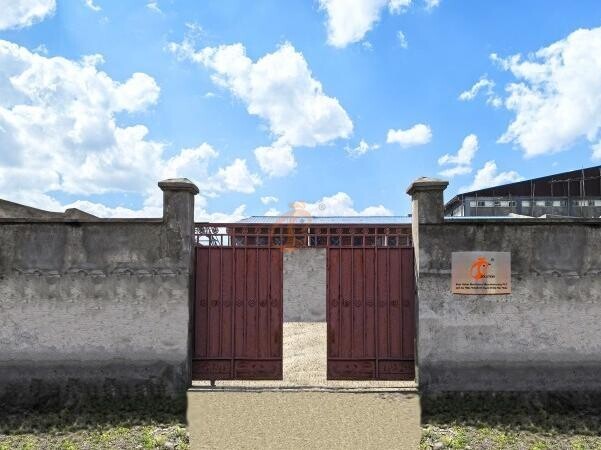
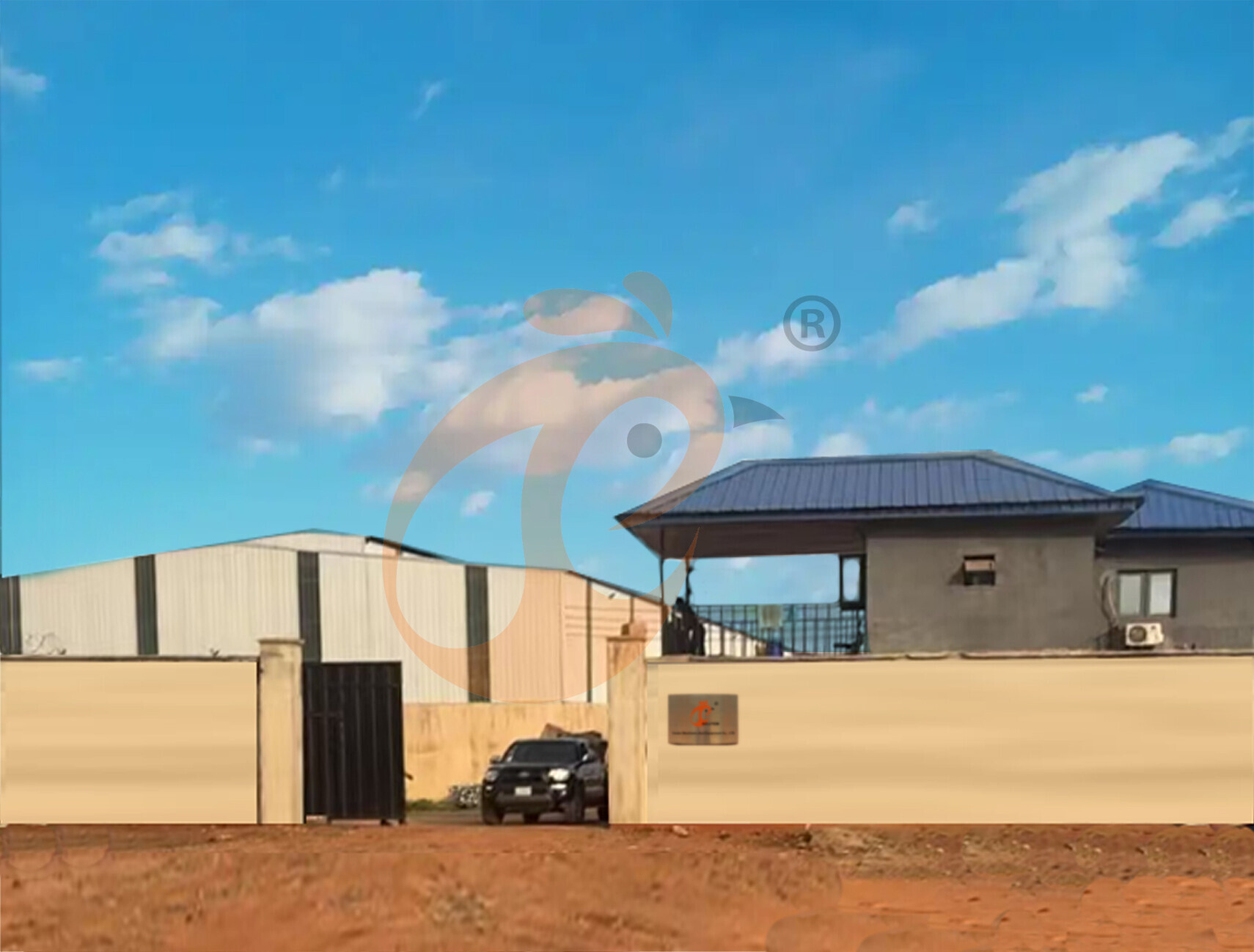
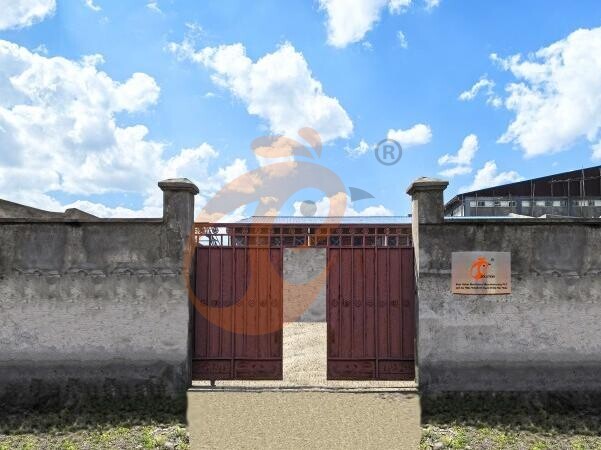
Ethiopia Branch Office And Factory Of Poultry Farm Equipment
Ethiopia Poultry Sector Landscape
The poultry industry in Ethiopia is rapidly growing due to rising urban demand for eggs and broiler meat.
Producers are increasingly seeking efficient chicken cage systems that balance productivity, labor savings, and biosecurity.
Local challenges include high feed prices, unreliable electricity, and endemic diseases such as Newcastle disease.
Farmers must consider flock size, market priorities, and input availability to optimize profitability.
This section introduces the overall landscape to set the context for comparing layer and broiler systems.
Poultry Production Goals In Ethiopia
Ethiopian poultry farms pursue several production objectives to ensure profitability and sustainability.
Egg production is a primary revenue source for smallholder and commercial layer farms.
Broiler production focuses on short term meat supply to meet fluctuating urban demand.
Mortality reduction and feed efficiency are critical due to high input costs.
Producers must consider disease prevalence, seasonal temperature variations, and labor availability to achieve realistic production targets.
Data is for reference only.Swipe horizontally to view full table.
What Is A Type Cage System Definition And Components
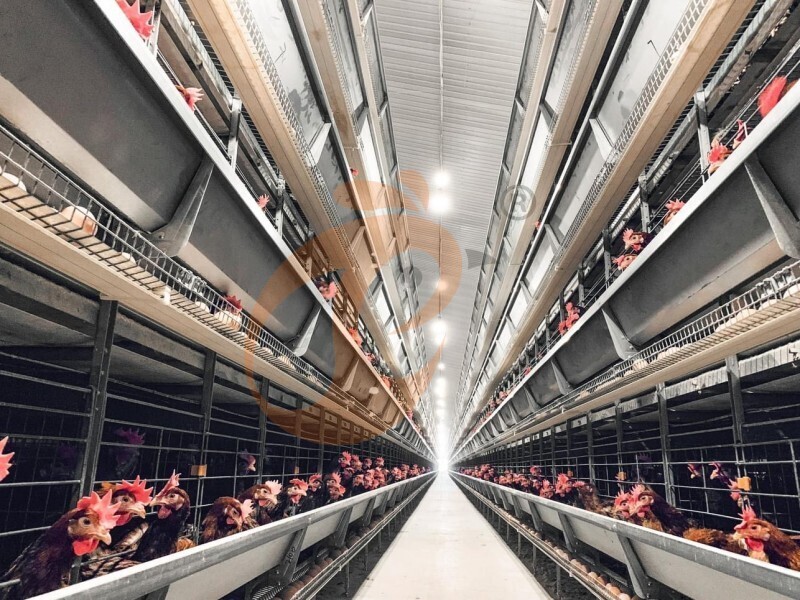
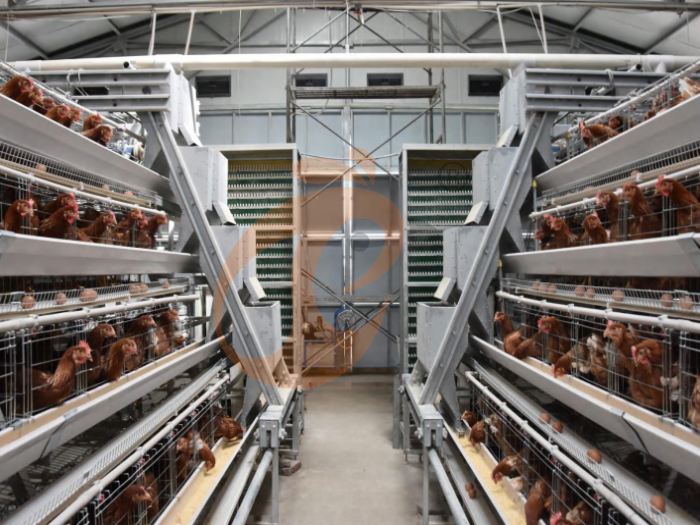
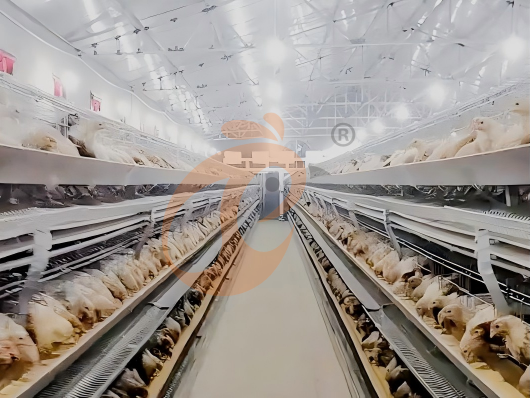
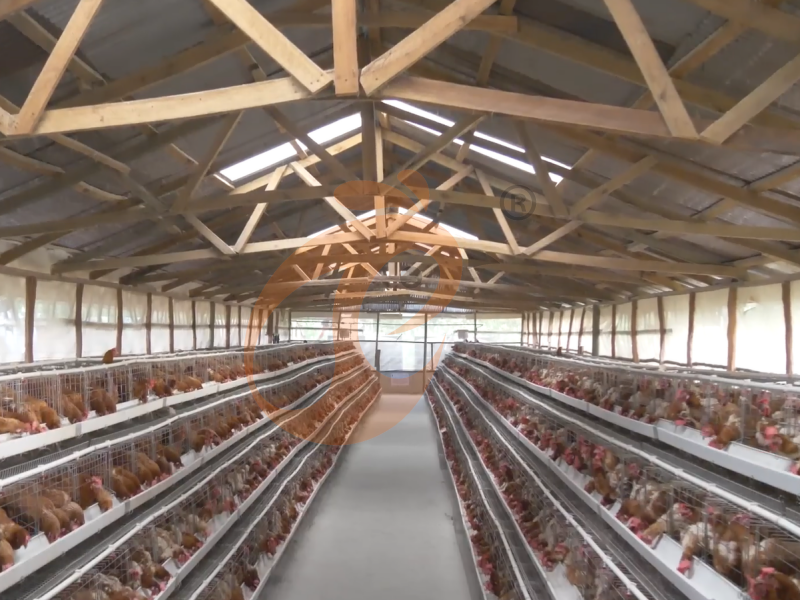
Type chicken cages are multi-tiered systems designed to maximize space while maintaining hygiene and efficiency.
In Ethiopian urban and peri-urban farms, these systems allow higher flock density without increasing labor costs.
Proper cage design helps reduce feed wastage and limits bird contact with excreta, lowering disease risk.
Farmers must select cage materials that withstand local humidity and corrosion, ensuring long term durability.
The following table presents technical specifications for standard type chicken cages used in Ethiopia.
Data is for reference only.Swipe horizontally to view full table.
Feed Conversion And Resource Efficiency
Feed cost accounts for the largest share of poultry farm expenditure in Ethiopia.
Optimizing feed conversion directly impacts profitability, especially where imported feed ingredients are expensive.
Layers require steady, balanced nutrition over extended cycles, while broilers consume large quantities over shorter periods.
Efficient cage management reduces feed wastage and ensures even growth, which is crucial for meeting market demands.
The table below quantifies feed intake and production output for practical planning.
Data is for reference only.Swipe horizontally to view full table.
Labor And Management Requirements
Labor efficiency is a critical consideration for Ethiopian poultry farmers.
Urban farms can hire trained staff, while rural operations rely on family labor with limited availability.
Broilers require closer monitoring due to rapid growth cycles and higher vulnerability to disease.
Efficient labor allocation in cage systems allows farms to scale up production without proportionally increasing staffing costs.
This table compares daily management and labor skill requirements.
Data is for reference only.Swipe horizontally to view full table.
Environmental Conditions In Ethiopia And Housing Impact
Ethiopia's climate varies from hot dry lowlands to cool highlands, affecting poultry comfort and productivity.
Temperature and humidity extremes influence feed conversion, egg quality, and bird mortality.
Cage ventilation and shelter design must adapt to seasonal variations while minimizing energy costs.
Power interruptions can compromise mechanical ventilation; passive airflow designs help maintain stability.
The table summarizes environmental risks and corresponding management considerations for cage systems.
Data is for reference only.Swipe horizontally to view full table.
Biosecurity And Disease Control
Cage systems reduce floor contact and help control endemic diseases such as Newcastle disease.
Layers are exposed longer; broilers have repeated cycles requiring careful sanitation.
Vaccination schedules, proper cleaning, and biosecurity protocols are essential to maintain low mortality and production consistency.
The table below shows risk and control measures for local Ethiopian conditions.
Data is for reference only.Swipe horizontally to view full table.
Capital And Operating Cost Comparison
Local producers must evaluate both cage purchase costs and ongoing operational expenses.
Imported cages may increase initial cost due to foreign exchange fluctuations.
Local fabrication reduces upfront cost while maintaining durability and efficiency.
Proper budgeting ensures profitability even in variable feed and electricity markets.
Currency in Ethiopian Birr.European union standard reference only.
Data is for reference only.Swipe horizontally to view full table.
Market Demand Alignment
Urban and regional markets in Ethiopia have growing demand for eggs and broiler meat.
Layer systems must maintain consistent egg production to stabilize income.
Broiler systems must provide rapid turnover to meet fluctuating meat prices.
Understanding local consumption patterns is crucial to adjust flock size and output.
Data is for reference only.Swipe horizontally to view full table.
Sustainability And Local Resource Use
Local feed resources such as maize, noug cake, and wheat bran affect cost and sustainability.
Cage systems reduce waste, enable easier composting, and improve labor efficiency.
Water management and energy use must consider Ethiopia's frequent power fluctuations.
Integration of renewable energy and efficient feed practices enhances long-term viability.
Data is for reference only.Swipe horizontally to view full table.
Local Challenges And Targeted Solutions
Ethiopian producers face feed price volatility, power outages, limited cage availability, and veterinary access issues.
Strategic solutions include solar powered ventilation, local cage fabrication, feed cooperatives, and staff training.
Implementation of these solutions improves productivity, reduces costs, and enhances flock health.
Data is for reference only.Swipe horizontally to view full table.
Practical Recommendations For Ethiopian Poultry Farmers
Ethiopian poultry farmers can enhance productivity and profitability by implementing targeted strategies.
Optimized flock size maintain 1,000–2,000 layers or 2,000–3,000 broilers per cage unit to balance feed efficiency and labor.
Feed management use local feed ingredients such as maize, wheat bran, and noug cake to reduce costs by 10–15%.
Climate adaptation integrate shaded housing and passive ventilation to reduce heat stress, especially in lowland regions.
Water and energy efficiency install solar-powered water pumps and fans to overcome frequent electricity interruptions.
Biosecurity practices implement strict cleaning schedules and vaccination protocols to limit mortality rates below 8%.
These measures directly address Ethiopian production challenges, ensuring consistent output, lower operational costs, and higher market competitiveness.
Frequently Asked Questions
Q1: Is a Type chicken cage suitable for Ethiopian layer farms?
A1: Yes, it aligns with local egg market demand, reduces labor requirements, and integrates local feed efficiently.
Q2: Can broiler chicken cages succeed in Ethiopia?
A2: Yes, but farms must manage rapid growth cycles, feed cost fluctuations, and biosecurity carefully.
Q3: How can Ethiopian producers address power and water challenges in cages?
A3: Solutions include solar ventilation, water storage systems, and passive airflow designs for consistent production.
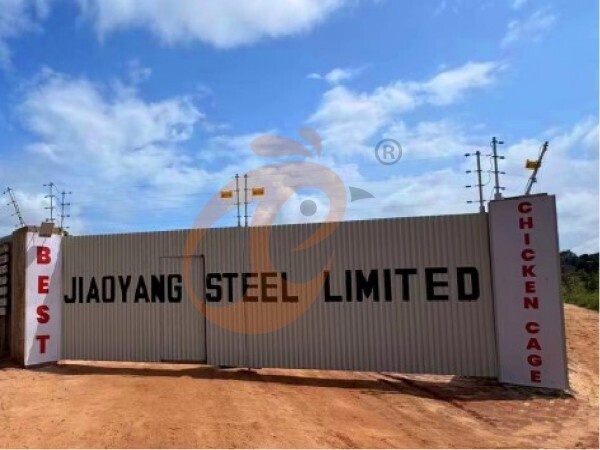
Ethiopia Best Hebei Machinery Manufacturing Plc - One Of Ethiopia Largest Chicken Cage Manufacturer
HB best provides global factory direct sales and professional poultry farm equipment solutions.
The company offers complete turn key engineering projects for poultry cage installation.
Products include high quality poultry cages, feeders, drinkers, and environmental control systems.
HB best emphasizes local Ethiopian technical support and staff training services.
The company ensures efficient supply chains and long term maintenance for commercial farms.
Contact Us To Received Your Customized Poultry Farm Plan
Headquarters And Branchs

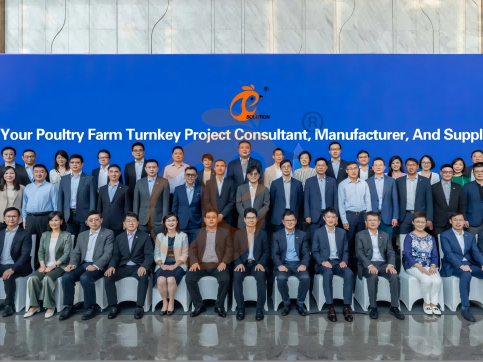
Hong Kong Headquarter Management Team
Hong Kong Headquarter Taiyu Industrial Group CO., LTD
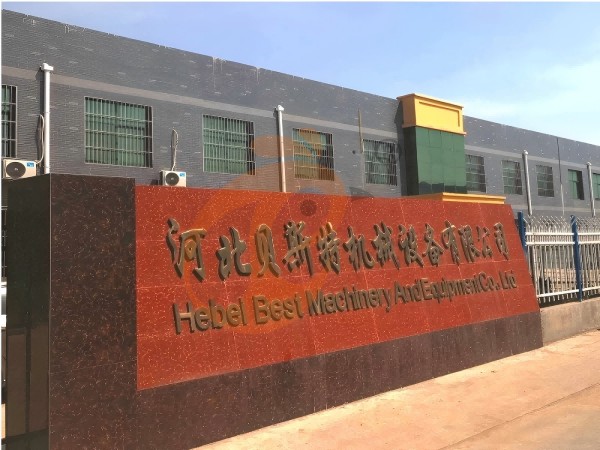
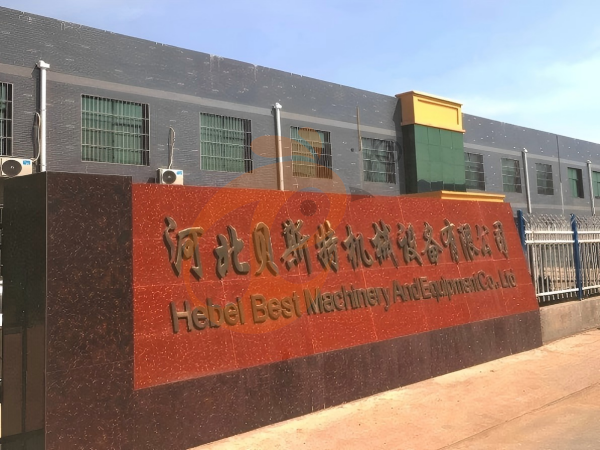
China Hebei Best Machinery And Equipment CO., LTD
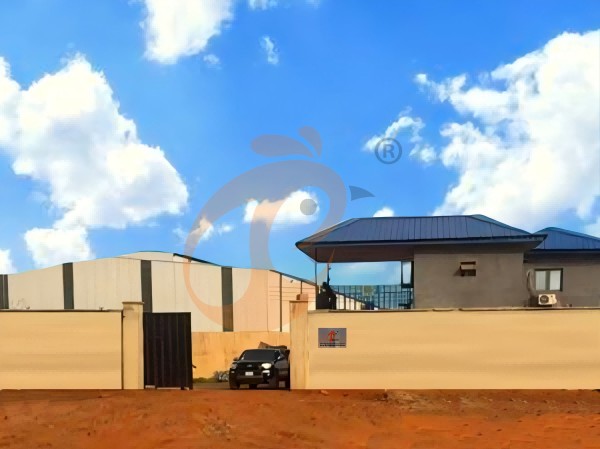
Nigeria Vanke Machinery And Equipment CO., LTD
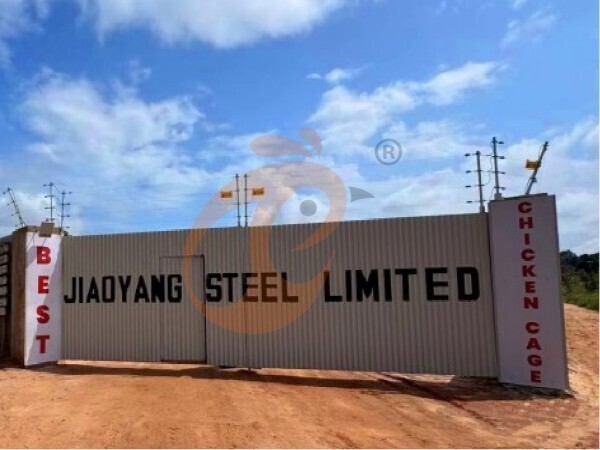
Tanzania Best Machinery And Equipment CO., LTD
Ethiopia Best Hebei Machinery Manufacturing PLC
Reception /24 WhatsApp NO. : +8618830120193
FAQ
What Are The Advantages Of A-Type Poultry Cage For Medium-Sized Farms?
Farm capacity per house: 10,000–50,000 birds
Egg production rate: 90–96%
FCR: 1.9–2.2
Labor savings: 50–70%
How To Reduce Egg Breakage Rate In A-Type Layer Cage Farms?
Control conveyor speed
Egg breakage rate <1%
Daily egg yield: 900–960 eggs/1,000 birds
Egg production rate: 90–96%
How To Improve Egg Production Stability In A-Type Layer Cage System?
Scheduled feeding and drinking
Temperature 20–25°C, humidity 50–60%
Egg production rate: 90–96%
FCR: 1.9–2.2
Message
Products recommended
 HK Headquarter Offers EU-standard Poultry Farm Solutions, Manufacture Poultry Farm Equipment1. Continuous communication with the EU and the US
2. China, Nigeria, Ethiopia, Tanzania branch companies and factories
3. The products’ quality is customized for local poultry farms
4. Poultry cage and poultry farm equipment stock for sale
5. 24 online reception Whatsapp NO. : +8618830120193,contact us to get full informationRead More China Branch Offer Poultry Farm Business Plan, Manufacture Poultry Farm Equipment1. Address: Flat/RM 2416, 24/F, Runxing Building, Youyi Nan Street, Shijiazhuang City, Hebei Province, China
2. Poultry cage and poultry farm equipment factory and stock for sale
3. Customized for local poultry farms
4. Quality and design are based on Euro
5. 24 online reception Whatsapp NO. : +8618830120193Read More Nigeria Branch Offer Poultry Farm Business Plan, Manufacture Poultry Farm Equipment1. Address: After Sinoma Office, 200 Meters Near Danco Filling Station, Lagos/Ibadan Expressway, Lagos State, Nigeria
2. Poultry cage and poultry farm equipment factory and stock for sale
3. Customized for Nigerian poultry farms
4. Quality and design are based on Euro
5. 24 online reception Whatsapp NO. : +8618830120193Read More Ethiopia Branch Offer Poultry Farm Business Plan, Manufacture Poultry Farm Equipment1. Address: Gelan Gura, Akaki-kaliti Sub City, Addis Ababa, Ethiopia
2. Poultry cage and poultry farm equipment stock for sale
3. Customized for Ethiopian poultry farms
4. Quality and design are based on Euro
5. 24 online reception Whatsapp NO. : +8618830120193, contact us to get price listRead More Tanzania Branch Offer Poultry Farm Business Plan, Manufacture Poultry Farm Equipment1. Address: No.8, Sova Road, Msufini, Mlandizi, Kibaha, Pwani, Tanzania
2. Poultry cage and poultry farm equipment factory and stock for sale
3. Customized for Tanzanian poultry farms
4. Quality and design are based on Euro
5. 24 online reception Whatsapp NO. : +8618830120193Read More Fully Automatic H Type Layer Chicken Cage1. 30,000-100,000+ layers/house chooses it, Poultry farmers can achieve an egg production rate of 96-98%
2. A significant improvement over the 85-90% typically seen in manual systems
3. A typical poultry farm can expect a 30-40% reduction in labor costs due to the automation
4. Each feeding line efficiently supplies feed to around 100,000 hens per 30 mins
5. Reception /WhatsApp NO. : +8618830120193Read More Fully Automatic A Type Layer Chicken Cage1. 10,000-50,000 layers/house chooses it
2. Cleaner egg collection reduces breakage by 0.5%
3. Improved hygiene helps reduce mortality rate to <3%
4. 1–2 technicians can handle 15,000–30,000 birds
5. Reception /WhatsApp NO. : +8618830120193Read More Semi Automatic H Type Layer Chicken Cage1. 1,00-20,000 layers/house chooses it
2. Nipple drinkers flow 30–60 ML / min
3. Hot-dip galvanized (typical coating ≥ 275 g/m²)
4. Reduce ammonia by ~ 35–40%
5. Reception /WhatsApp NO. : +8618830120193Read More Semi Automatic A Type Layer Chicken Cage1. 1,00-20,000 layers/house chooses it, no rust for 10 years, no deformation for 15 years
2. Chickens live comfortably, you can raise them with peace of mind
3. Save water, save money—efficiency you can measure
4. Improve environment quality, and increase egg production rate
5. Reception /WhatsApp NO. : +8618830120193Read More
By clicking 'Allow All', you agree to the storage of cookies on your device to enhance site navigation, analyze site usage and assist with our marketing efforts.