


Blog
Chicken cage systems improve egg production efficiency in Ethiopian farms.
The article compares chicken cage and floor rearing systems.
Focuses on feed conversion, bird health, labor, and financial returns.
Discusses climate adaptation and biosecurity practices in Ethiopia.
Includes practical solutions for smallholder and commercial producers.
Presents tables with local Ethiopian cost, productivity, and mortality data.
Highlights land utilization and labor efficiency challenges in Ethiopia.
Recommends strategies to optimize poultry farm performance locally.
Get professional poultry farm construction guidance, equipment selection solutions, and the latest price lists, whatsApp to +8618830120193, click to learn more.

Ethiopia Branch Office And Factory Of Poultry Farm Equipment
Housing Costs And Capital Investment
Investments in housing significantly affect Ethiopian poultry profitability.
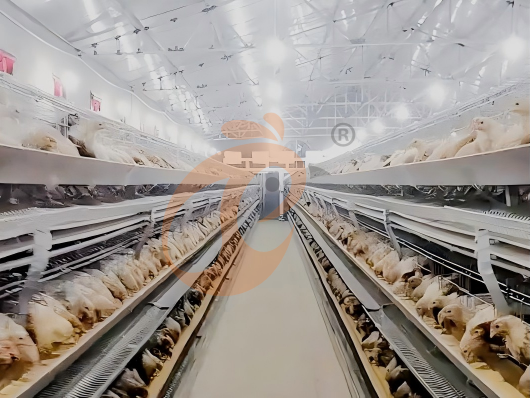
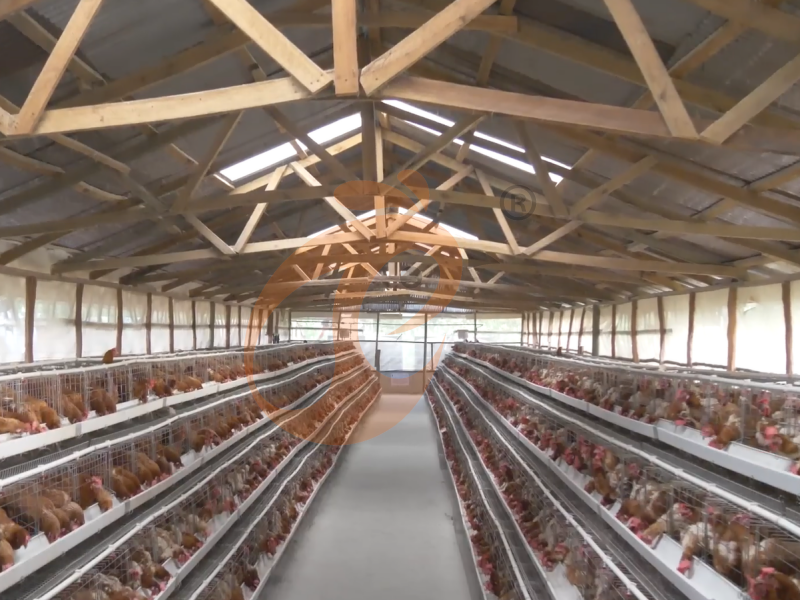
Chicken cage systems require metal frames, feeders, and elevated floors.
Floor systems can use local materials but need frequent litter replacement.
Data is for reference only. Swipe horizontally to view full table.
European union standard reference only.
Local Ethiopian farmers must plan for long term depreciation and material sourcing.
Space Utilization And Stocking Density
Space allocation influences egg production, feed conversion, and mortality.
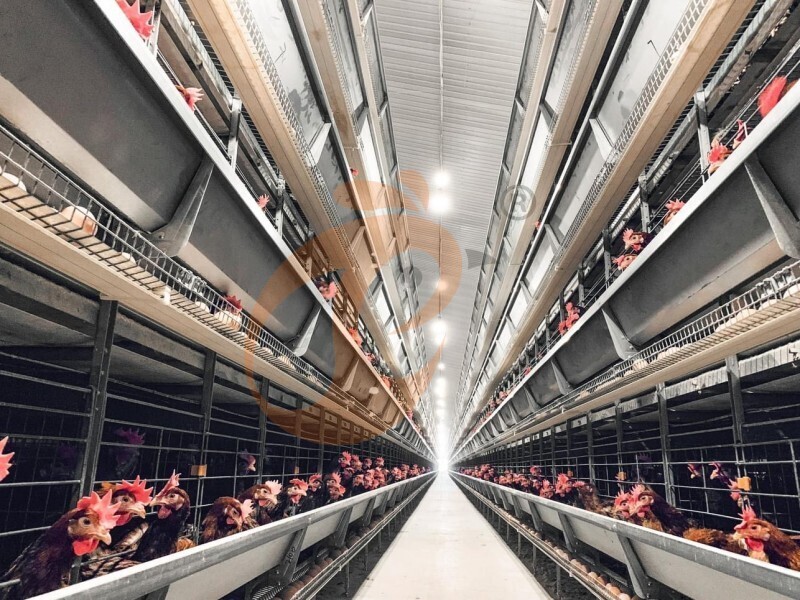
Chicken cage systems allow vertical stacking, maximizing limited land use in Ethiopia.
Data is for reference only. Swipe horizontally to view full table.
Space efficiency is vital for urban areas like Addis Ababa and Bahir Dar.
Feed Conversion Performance
Feed cost is 65–75% of total production expenditure in Ethiopia.
Chicken cage systems can improve feed conversion and reduce feed wastage.
Data is for reference only. Swipe horizontally to view full table.
European union standard reference only.
Optimized feed management is essential for both systems.
Bird Health And Mortality
Disease control is a key concern in Ethiopia.
Chicken cage systems facilitate waste separation and cleaning, reducing pathogen exposure.
Data is for reference only. Swipe horizontally to view full table.
Improved hygiene reduces mortality and veterinary costs in local farms.
Labor Time And Management Practices
Labor availability and cost vary across Ethiopia.
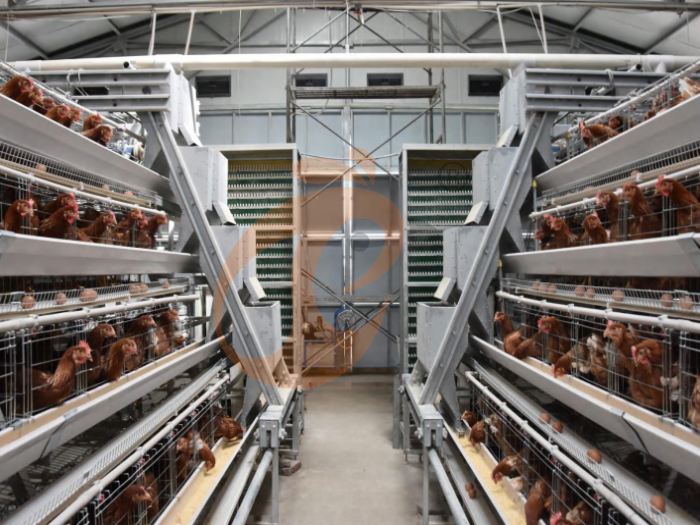
Chicken cage systems save labor through organized feeding, cleaning, and monitoring.
Data is for reference only. Swipe horizontally to view full table.
Training can mitigate labor intensity for floor systems in rural Ethiopia.
Environmental Control And Climate Factors
Ethiopian climates vary from highland to lowland regions.
Temperature and humidity management affects feed intake, growth, and health.
Data is for reference only. Swipe horizontally to view full table.
Investing in ventilation is easier in cage systems for controlled airflow.
Egg Laying Productivity
Housing affects egg production, quality, and marketability in Ethiopia.
Data is for reference only. Swipe horizontally to view full table.
Cage systems improve egg uniformity for urban markets like Addis Ababa Merkato.
Financial Returns And Cost Recovery
Financial viability is essential for Ethiopian producers.
Chicken cage systems can yield higher net profit despite higher initial investment.
Data is for reference only. Swipe horizontally to view full table.
European union standard reference only.
Return on invetment reflects Ethiopian feed cost, market prices, and mortality patterns.
Biosecurity And Disease Prevention
Biosecurity reduces risk from endemic diseases like Newcastle in Ethiopia.
Data is for reference only. Swipe horizontally to view full table.
Proper hygiene and monitoring are critical for floor systems in local conditions.
Local Input Supply And Sustainability
Local feed ingredients like maize, soybean, and sorghum reduce cost and dependence on imports.
Data is for reference only. Swipe horizontally to view full table.
Chicken cage systems utilize feed efficiently, reducing overall feed expenditure.
Frequently Asked Questions
Q1: Is chicken cage suitable for small farms in Ethiopia?
A1: Yes, chicken cage systems suit peri-urban farms with limited land.
They improve egg production, reduce mortality, and save labor.
Q2: How does floor rearing perform under Ethiopian climate?
A2: Floor rearing can work with careful litter management and ventilation.
Farmers must monitor humidity and disease risk in highland and lowland regions.
Q3: Which system maximizes financial returns in Ethiopia?
A3: Chicken cage systems generally provide higher net profit and return on investment .
Investment planning and feed efficiency are key for local market success.
Strategic Recommendations For Ethiopian Poultry Producers
For Ethiopian farmers seeking sustainable productivity, consider the following.
Optimize space and feed usage chicken cage systems allow precise feed allocation, reducing waste and improving conversion efficiency.
Enhance bird health monitoring structured layouts simplify disease detection and treatment schedules.
Balance investment and labor cage systems require higher initial cost but reduce weekly labor by up to 40%, supporting peri-urban operations.
Adapt to climate conditions implement ventilation and shading solutions tailored to local highland and lowland variations.
Leverage local feed resources integrating maize, sorghum, and sunflower meal lowers feed cost while maintaining growth and egg production.
This approach helps Ethiopian poultry producers increase profitability, reduce mortality, and ensure consistent egg and meat quality for local markets.
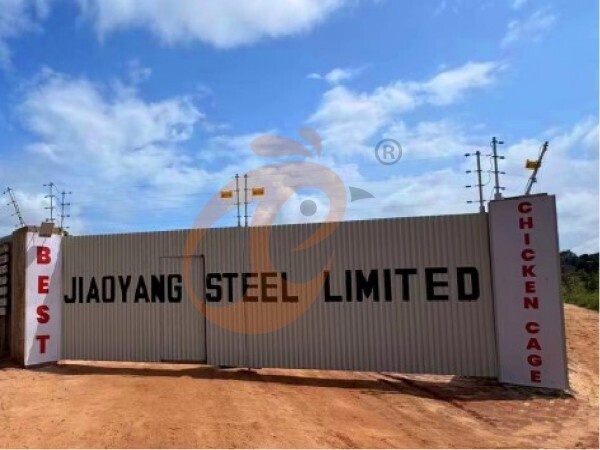
Ethiopia Best Hebei Machinery Manufacturing Plc - One Of Ethiopia Biggest Chicken Cage Manufacturer
HB best offers global factory direct sales for poultry farm equipment.
Their chicken cage systems integrate turnkey engineering for local Ethiopian farms.
The company provides high quality poultry cages with reliable performance.
HB best supports installation, training, and maintenance services for all projects.
They deliver complete poultry farm solutions including feed, ventilation, and waste management.
Contact Us To Received Your Customized Poultry Farm Plan
Headquarters And Branchs

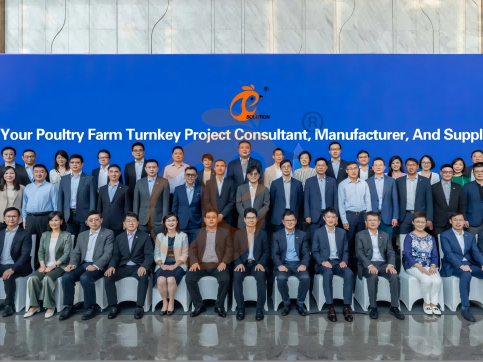
Hong Kong Headquarter Management Team
Hong Kong Headquarter Taiyu Industrial Group CO., LTD
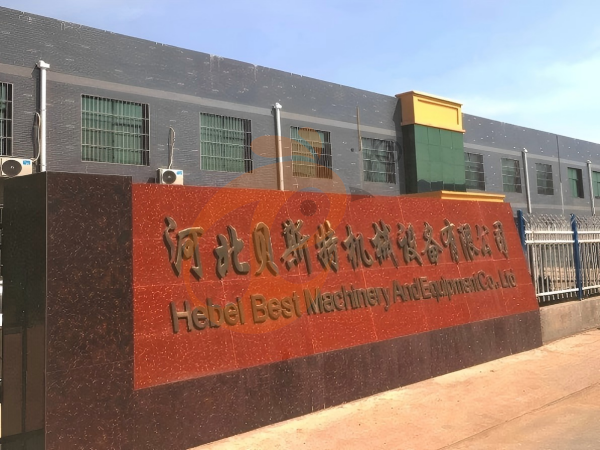
China Hebei Best Machinery And Equipment CO., LTD
Nigeria Vanke Machinery And Equipment CO., LTD
Tanzania Best Machinery And Equipment CO., LTD
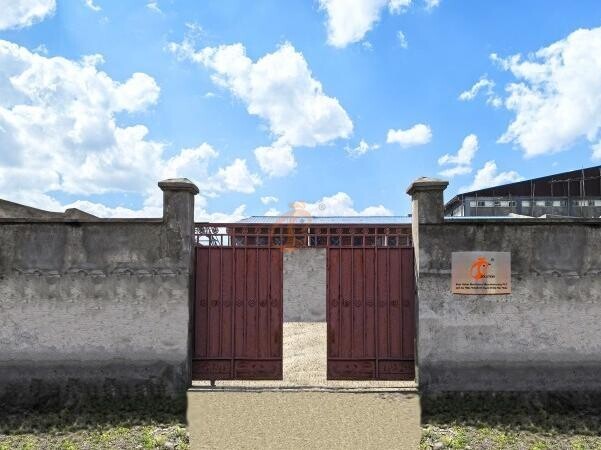
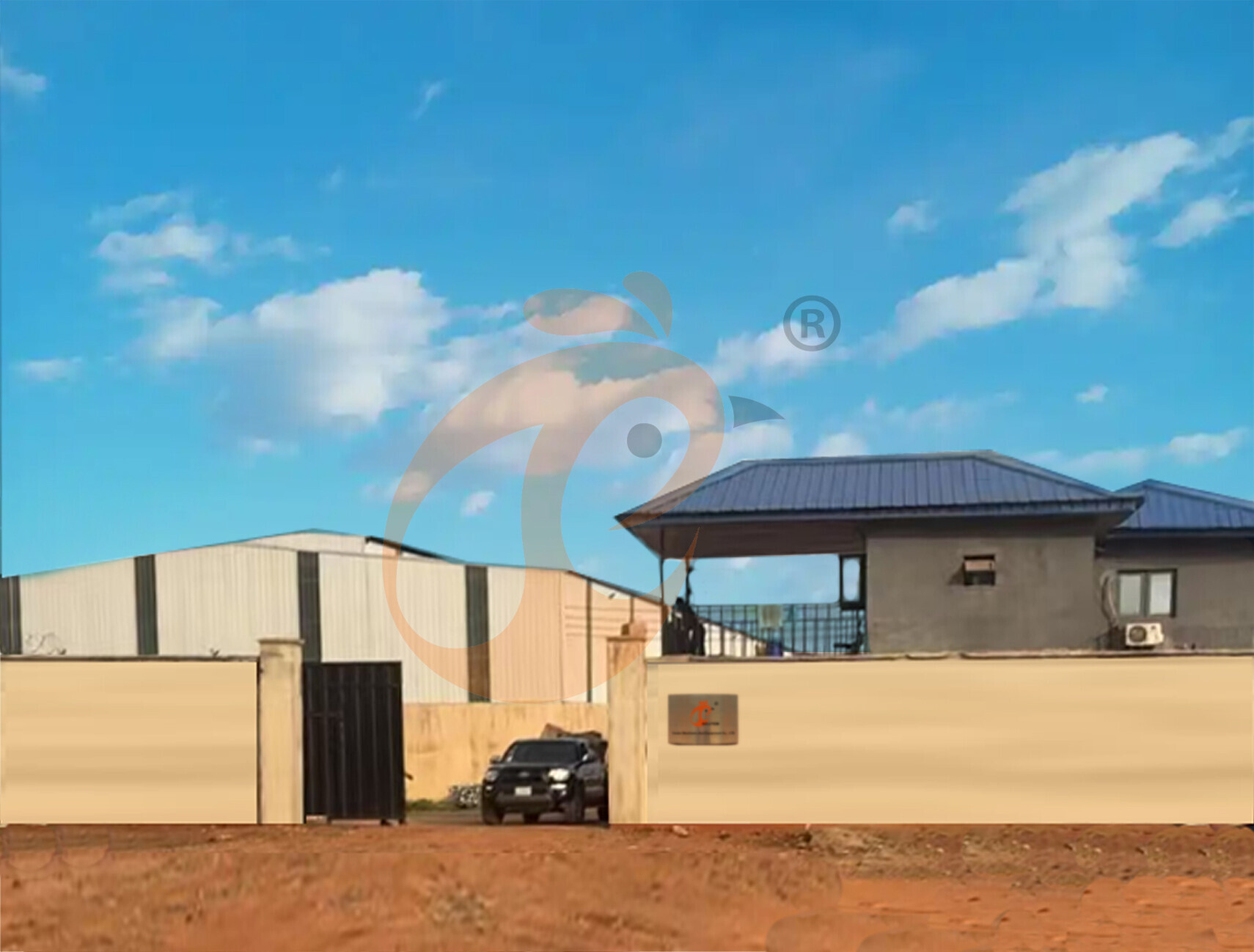
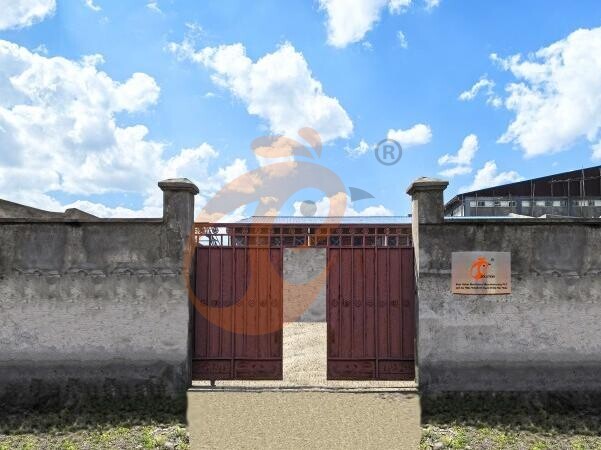
Ethiopia Best Hebei Machinery Manufacturing PLC
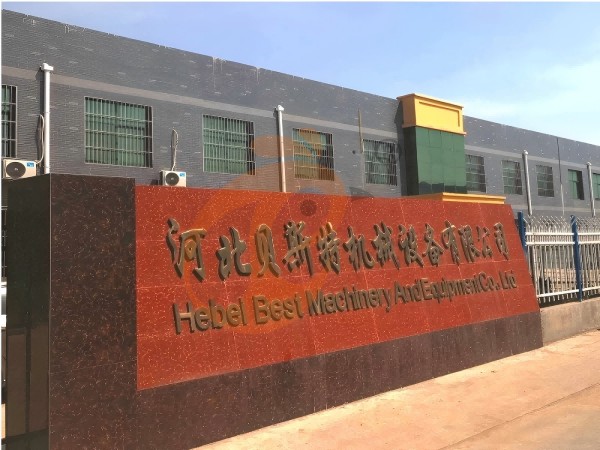
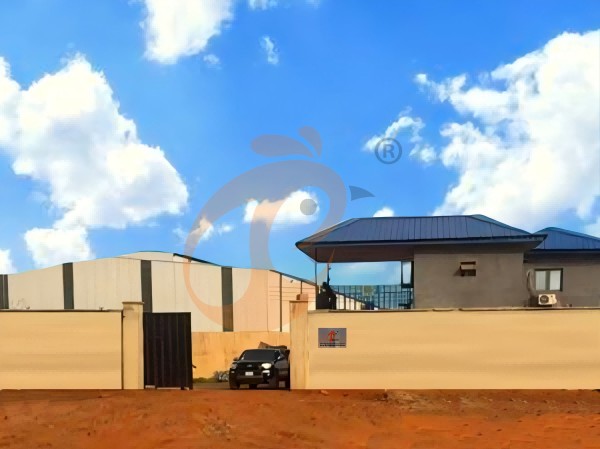
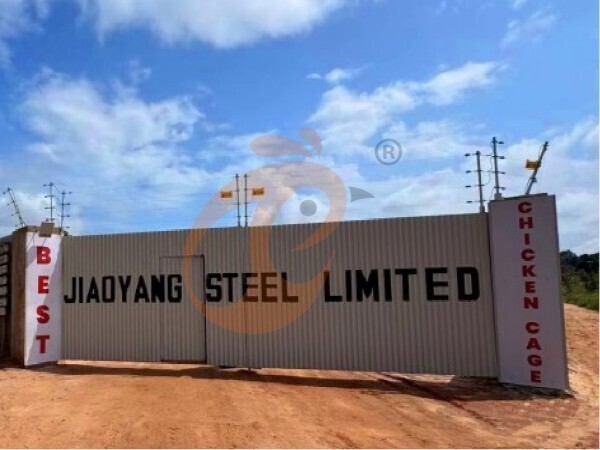
Reception /24 WhatsApp NO. : +8618830120193
FAQ
How To Reduce Pecking And Aggression In A-Type Chicken Cage Layers?
Even lighting and good ventilation
Provide supplemental feed and water
Mortality rate: 2–3%
Egg production rate: 90–96%
What Are The Recommended Aisle Widths In A-Type Chicken Cage Houses?
Facilitates manual operation and equipment access
Farm capacity per house: 10,000–50,000 birds
Egg production rate: 90–96%
How To Ensure Proper Airflow In A-Type Layer Cage Farm?
Roof vents and air ducts designed properly
Reduce heat stress and humidity
Egg production rate: 90–96%
FCR: 1.9–2.2
Message
Products recommended
 HK Headquarter Offers EU-standard Poultry Farm Solutions, Manufacture Poultry Farm Equipment1. Continuous communication with the EU and the US
2. China, Nigeria, Ethiopia, Tanzania branch companies and factories
3. The products’ quality is customized for local poultry farms
4. Poultry cage and poultry farm equipment stock for sale
5. 24 online reception Whatsapp NO. : +8618830120193,contact us to get full informationRead More China Branch Offer Poultry Farm Business Plan, Manufacture Poultry Farm Equipment1. Address: Flat/RM 2416, 24/F, Runxing Building, Youyi Nan Street, Shijiazhuang City, Hebei Province, China
2. Poultry cage and poultry farm equipment factory and stock for sale
3. Customized for local poultry farms
4. Quality and design are based on Euro
5. 24 online reception Whatsapp NO. : +8618830120193Read More Nigeria Branch Offer Poultry Farm Business Plan, Manufacture Poultry Farm Equipment1. Address: After Sinoma Office, 200 Meters Near Danco Filling Station, Lagos/Ibadan Expressway, Lagos State, Nigeria
2. Poultry cage and poultry farm equipment factory and stock for sale
3. Customized for Nigerian poultry farms
4. Quality and design are based on Euro
5. 24 online reception Whatsapp NO. : +8618830120193Read More Ethiopia Branch Offer Poultry Farm Business Plan, Manufacture Poultry Farm Equipment1. Address: Gelan Gura, Akaki-kaliti Sub City, Addis Ababa, Ethiopia
2. Poultry cage and poultry farm equipment stock for sale
3. Customized for Ethiopian poultry farms
4. Quality and design are based on Euro
5. 24 online reception Whatsapp NO. : +8618830120193, contact us to get price listRead More Tanzania Branch Offer Poultry Farm Business Plan, Manufacture Poultry Farm Equipment1. Address: No.8, Sova Road, Msufini, Mlandizi, Kibaha, Pwani, Tanzania
2. Poultry cage and poultry farm equipment factory and stock for sale
3. Customized for Tanzanian poultry farms
4. Quality and design are based on Euro
5. 24 online reception Whatsapp NO. : +8618830120193Read More Fully Automatic H Type Layer Chicken Cage1. 30,000-100,000+ layers/house chooses it, Poultry farmers can achieve an egg production rate of 96-98%
2. A significant improvement over the 85-90% typically seen in manual systems
3. A typical poultry farm can expect a 30-40% reduction in labor costs due to the automation
4. Each feeding line efficiently supplies feed to around 100,000 hens per 30 mins
5. Reception /WhatsApp NO. : +8618830120193Read More Fully Automatic A Type Layer Chicken Cage1. 10,000-50,000 layers/house chooses it
2. Cleaner egg collection reduces breakage by 0.5%
3. Improved hygiene helps reduce mortality rate to <3%
4. 1–2 technicians can handle 15,000–30,000 birds
5. Reception /WhatsApp NO. : +8618830120193Read More Semi Automatic H Type Layer Chicken Cage1. 1,00-20,000 layers/house chooses it
2. Nipple drinkers flow 30–60 ML / min
3. Hot-dip galvanized (typical coating ≥ 275 g/m²)
4. Reduce ammonia by ~ 35–40%
5. Reception /WhatsApp NO. : +8618830120193Read More Semi Automatic A Type Layer Chicken Cage1. 1,00-20,000 layers/house chooses it, no rust for 10 years, no deformation for 15 years
2. Chickens live comfortably, you can raise them with peace of mind
3. Save water, save money—efficiency you can measure
4. Improve environment quality, and increase egg production rate
5. Reception /WhatsApp NO. : +8618830120193Read More
By clicking 'Allow All', you agree to the storage of cookies on your device to enhance site navigation, analyze site usage and assist with our marketing efforts.