


Blog
Ethiopian chicken cage systems offer high egg production efficiency and profitability insights.
Analysis covers capital expenditure, land utilization, feed conversion ratio, and operational costs.
Comparison highlights labor dynamics between cage free and chicken cage systems in Ethiopia.
The study examines veterinary health, biosecurity, and disease control effectiveness locally.
Revenue streams, egg grading, and manure sales potential are evaluated comprehensively.
Case study demonstrates profitability shift when transitioning to H type chicken cages.
Indigenous versus exotic breed performance in controlled environments is analyzed.
Recommendations for sustainable poultry operations near Addis Ababa are provided.
Get professional poultry farm construction guidance, equipment selection solutions, and the latest price lists, whatsApp to +8618830120193, click to learn more.

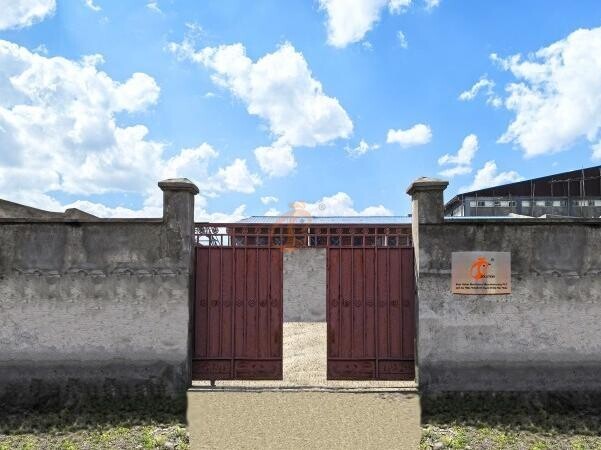
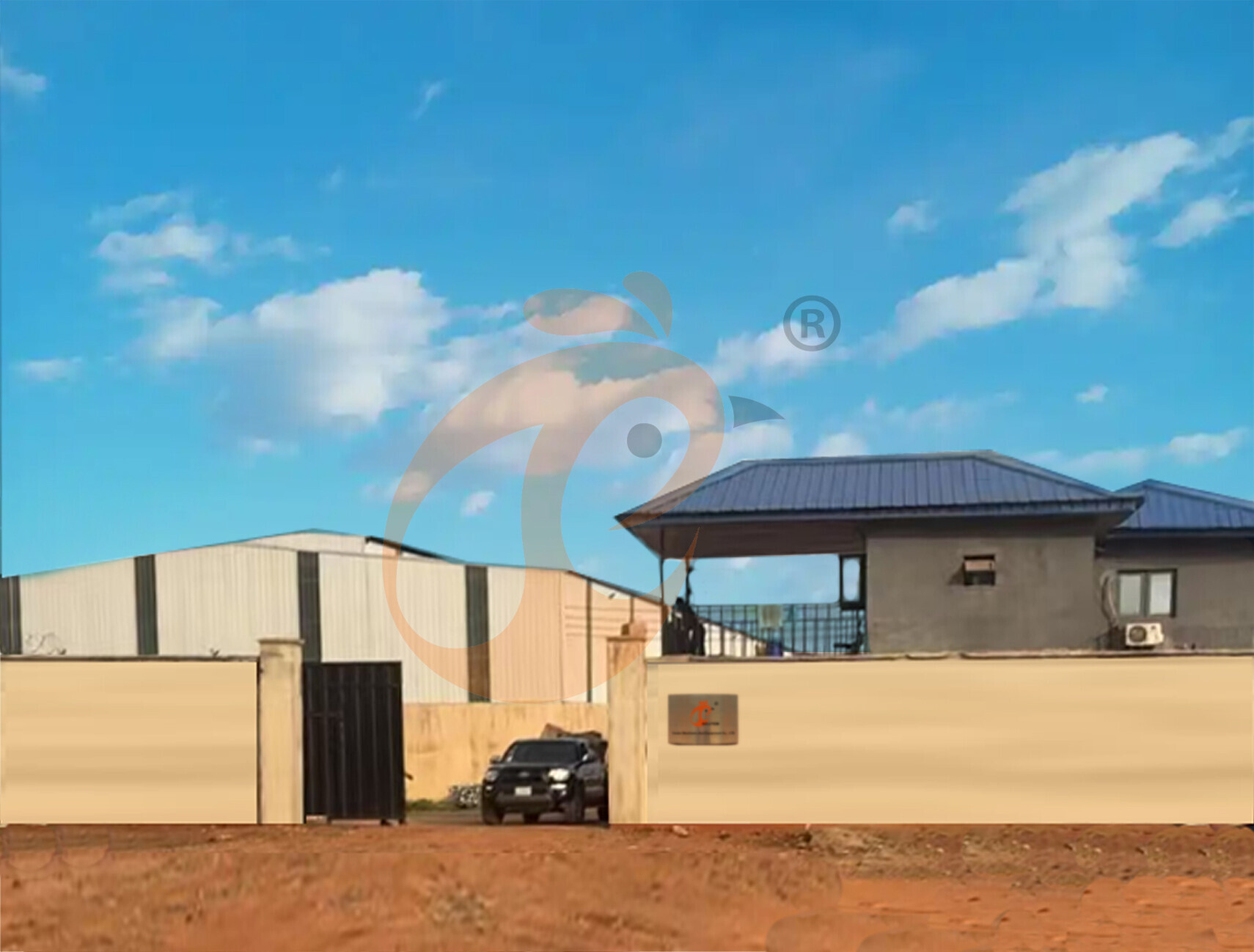
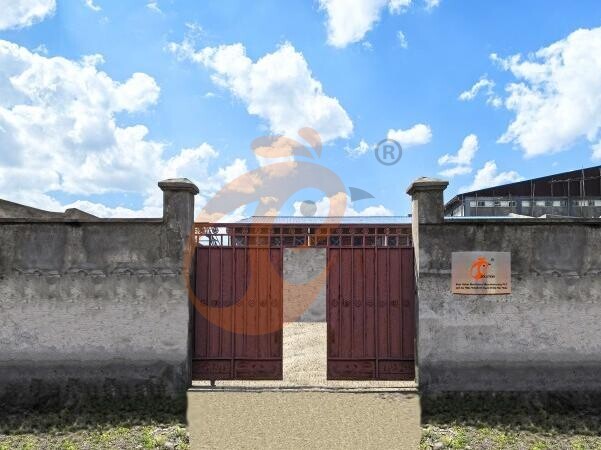
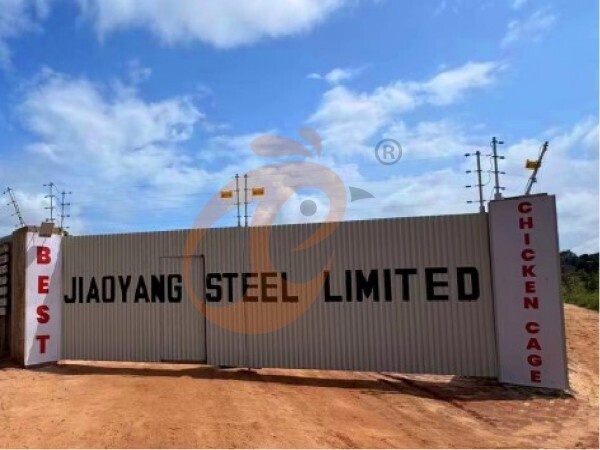
Ethiopia Branch Office And Factory Of Poultry Farm Equipment
Capital Expenditure And Land Utilization In The Ethiopian Highlands
One of the most significant hurdles for Ethiopian poultry farmers is the cost of entry, specifically regarding housing and land.
In the central highlands, where the weather is cool and suitable for layers, land is scarce and costly.
Cage free systems require vast amounts of floor space to meet even basic production targets.
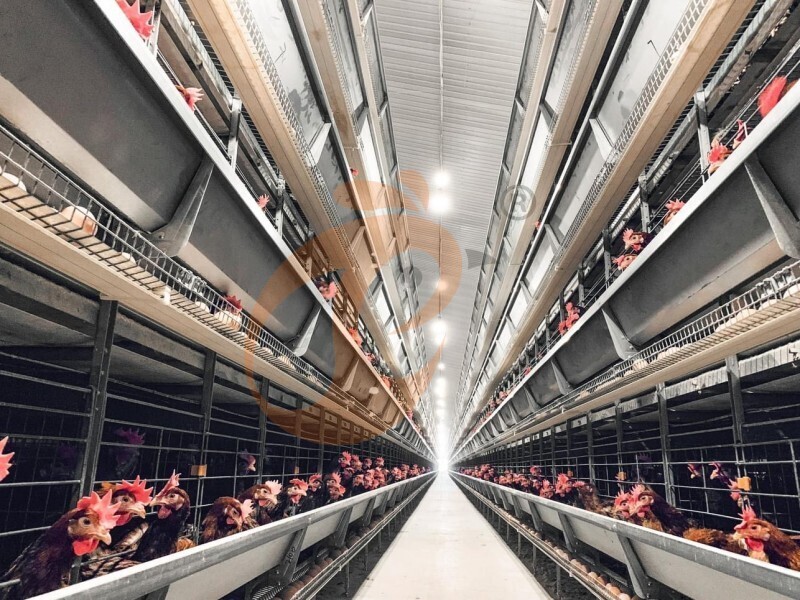
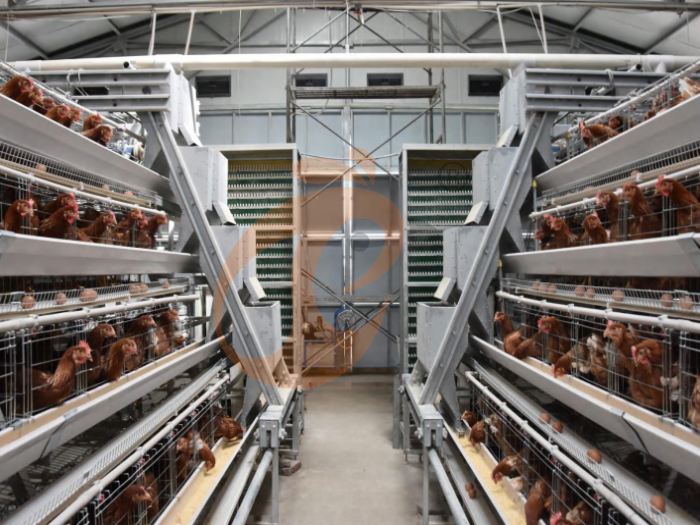
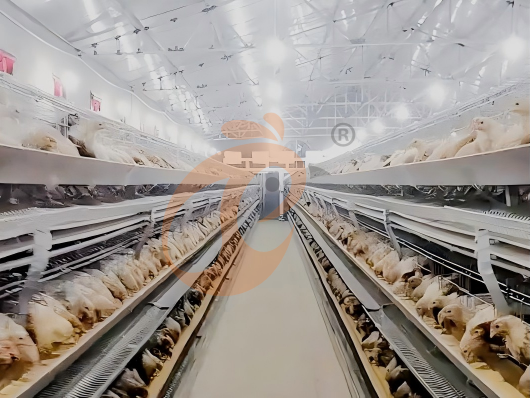
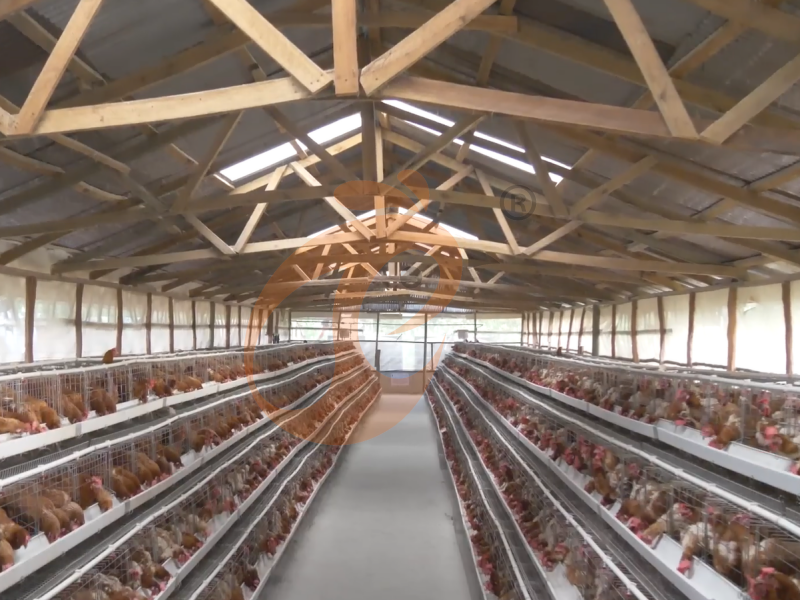
Conversely, H type chicken cages utilize vertical space, drastically reducing the footprint per bird.
Data is for reference only. Swipe horizontally to view full table.
Data compiled from central Ethiopia layer farm surveys.
This density advantage allows farmers located near Modjo or Debre Zeit to maximize production on limited acreage.
By reducing the land component of the investment, the farmer allocates more capital toward climate control and feeding systems, which directly influence egg yield.
Biological Performance And Feed Conversion Efficiency
The profitability of a layer farm hinges on the conversion of feed into eggs.
In Ethiopia, where feed ingredients like maize and soybean meal are subject to global price fluctuations, efficiency is the ultimate risk mitigator.
Cage free systems allow birds higher activity levels, which increases their maintenance energy requirements.
H type chicken cages restrict movement, conserving energy for egg production.
Data is for reference only. Swipe horizontally to view full table.
A lower feed conversion ratio (FCR) in H type systems means that for every thousand birds, the farmer saves a significant amount of feed monthly.
Furthermore, the controlled environment reduces the risk of keel bone damage and feather pecking, which are common issues in large cage free flocks that lead to mortality.
Labor Dynamics And Operational Control
Labor costs in Ethiopia, while lower than in Western nations, still represent a substantial recurring expense.
Furthermore, finding skilled labor willing to perform the manual tasks associated with cage free systems such as walking through litter to collect floor eggs and spreading bedding is increasingly difficult.
Data is for reference only. Swipe horizontally to view full table.
Operational data from Ethiopian small scale commercial farms.
In H type systems with manure belts, the litter is removed mechanically.
This eliminates the back breaking labor of removing soiled bedding.
It also allows the farmer to sell the manure as organic fertilizer to the fruit and vegetable farmers in the rift valley, creating an additional revenue stream.
Veterinary Health And Biosecurity In Local Climates
Ethiopia's diverse climate, from the humid tropics to the dry highlands, presents unique disease challenges.
Newcastle disease and coccidiosis are persistent threats in the traditional sector.
Cage free systems, by their nature, expose birds to their own droppings, facilitating the spread of oocysts and bacteria.
Data is for reference only. Swipe horizontally to view full table.
Because H type chicken cages separate the bird from the waste, the pathogen load is drastically reduced.
For the Ethiopian farmer lacking access to advanced veterinary services in rural areas, the biosecurity of a chicken cage system is a practical necessity.
Revenue Streams And Egg Quality Grading
The Ethiopian consumer is discerning; eggs with dirty shells or weak structural integrity fetch a lower price in the open market.
In cage free systems, "floor eggs" (laid in the litter) often become dirty or cracked.
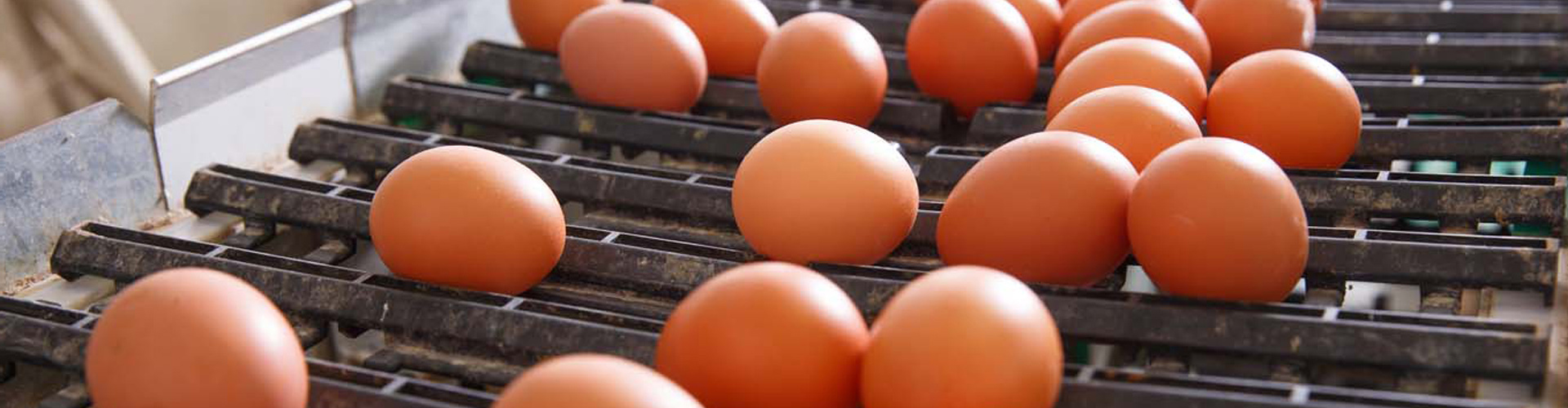
In H type systems, eggs roll onto a collection belt, remaining clean and intact.
Data is for reference only. Swipe horizontally to view full table.
This higher grading percentage directly correlates to revenue.
Additionally, the concentrated manure from cage belts is easier to dry and bag, fetching a premium price compared to the diluted, wet litter of deep pit systems.
The Case Study Transitioning In Central Ethiopia
A recent conversion project near Addis Ababa provided stark evidence of the profitability gap.
A farm operating with 10,000 layers on a deep litter system was struggling with high mortality and low egg counts.
After transitioning to a galvanized H type chicken cage system, the financial metrics shifted dramatically.
Data is for reference only. Swipe horizontally to view full table.
The data shows that despite the higher feed consumption associated with a denser, healthier population, the revenue per bird in the H type system far exceeds that of the cage free model.
The payback period on the initial chicken cage investment was shortened by nearly 12 months.
Addressing The "Local Chicken" Paradigm
Critics argue that Ethiopian indigenous breeds perform poorly in cages due to stress.
However, the commercial sector in Ethiopia relies primarily on exotic breeds (Isa Brown, Bovan Brown) which have been genetically selected for high production in chicken cage environments.
Furthermore, for farmers raising Fayoumi or Koekoek crosses, H type chicken cages provide the controlled environment necessary to prevent the broodiness that plagues free range systems.
Data is for reference only. Swipe horizontally to view full table.
While the indigenous chicken has cultural value and disease resistance, its low productivity makes it unsuitable for high investment chicken cage systems.
However, for the exotic breeds that drive urban supply, chicken cages are vastly superior.
Conclusion The Verdict For Ethiopian Agribusiness
For the Ethiopian farmer looking to scale, the choice is clear.
While cage free systems offer a lower entry cost and align with specific welfare certifications for export, they fail to deliver the density, biosecurity, and feed efficiency required for the local market.
The H type chicken cage system addresses the specific Ethiopian pain points: limited urban land, high feed costs, and the need for consistent Grade A egg quality.
Final recommendation for a commercial operation near a major consumption area like Addis Ababa or Bahir Dar, the H type chicken cage system is the only path to sustainable profit.
The capital expenditure is higher, but the return on investment, driven by labor savings and feed conversion, is undeniable.
The future of Ethiopian poultry lies in stacking up, not spreading out.
Frequently Asked Questions
Q1: Is the H type chicken cage suitable for Ethiopian small scale farms?
A2: Yes, it is designed for limited land areas common in Ethiopia and improves egg production efficiency.
Farmers can achieve better feed conversion ratios and lower mortality with proper management.
Q2: How can Ethiopian farmers maintain biosecurity in chicken cages?
A2: Farmers should regularly clean manure belts and provide vaccination programs to reduce disease risks.
This method reduces exposure to coccidiosis and Newcastle disease effectively in local climates.
Q3: Can local Ethiopian breeds perform well in H type chicken cages?
Indigenous breeds have lower productivity; exotic breeds like Isa Brown are recommended.
Cages help prevent broodiness and maximize Grade A egg output in Ethiopia.
Ethiopia Best Hebei Machinery Manufacturing Plc - One Of Ethiopia Biggest Chicken Cage Manufacturer
HB best offers global factory direct sales for poultry farm equipment with turn key solutions.
The company provides high quality poultry cages suitable for commercial operations anywhere.
Their turn key engineering projects integrate climate control, feeding, and manure management systems.
HB best ensures reliable service support for poultry farm expansion and equipment maintenance.
The company specializes in exporting and supplying poultry cages with consistent quality assurance.
Contact Us To Received Your Customized Poultry Farm Plan
Headquarters And Branchs

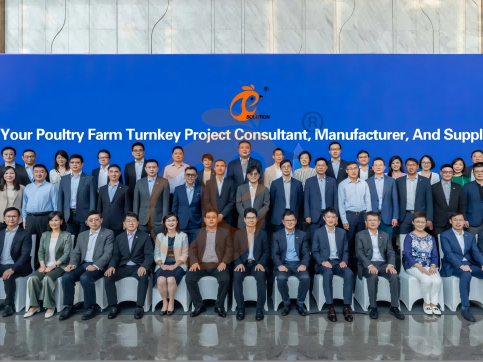
Hong Kong Headquarter Management Team
Hong Kong Headquarter Taiyu Industrial Group CO., LTD
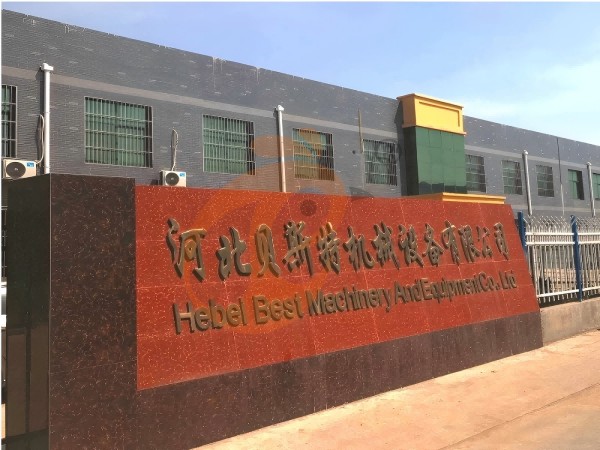
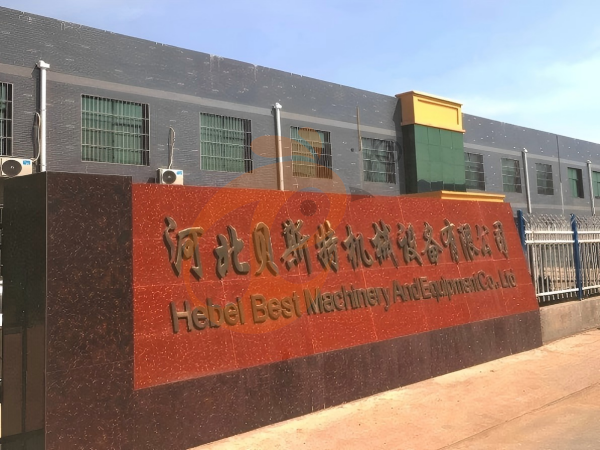
China Hebei Best Machinery And Equipment CO., LTD
Nigeria Vanke Machinery And Equipment CO., LTD
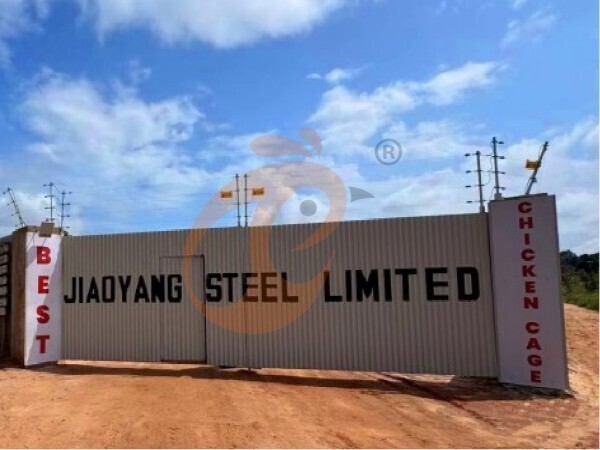
Tanzania Best Machinery And Equipment CO., LTD
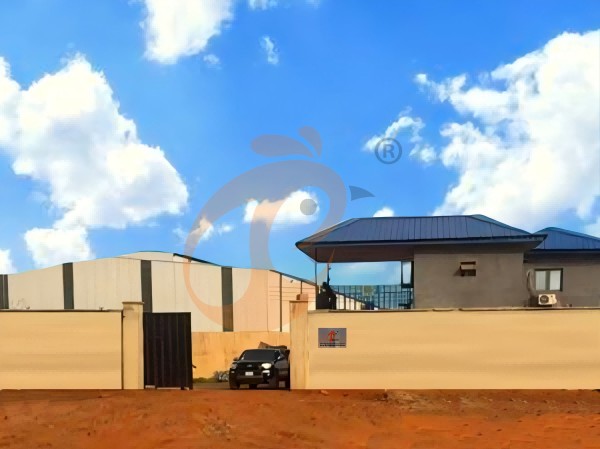
Ethiopia Best Hebei Machinery Manufacturing PLC
Reception /24 WhatsApp NO. : +8618830120193
FAQ
How To Maintain H-Type Chicken Cage For 25 Years Lifespan?
Check feeding and drinking systems
Maintain anti-corrosion coating
Equipment lifespan: more than 25 years
Egg production rate: 90-98%
What Are The Key Considerations When Buying H-Type Poultry Cage?
Corrosion-resistant cage material
Equipment lifespan and maintenance cost
Egg production rate: 90-98%
Labor savings: 70-90%
How To Upgrade H-Type Battery Cage System To Full Automation?
Integrate with farm management software
Egg production rate: 90-98%
FCR 1.9–2.1
Labor savings: 70-90%
Message
Products recommended
 HK Headquarter Offers EU-standard Poultry Farm Solutions, Manufacture Poultry Farm Equipment1. Continuous communication with the EU and the US
2. China, Nigeria, Ethiopia, Tanzania branch companies and factories
3. The products’ quality is customized for local poultry farms
4. Poultry cage and poultry farm equipment stock for sale
5. 24 online reception Whatsapp NO. : +8618830120193,contact us to get full informationRead More China Branch Offer Poultry Farm Business Plan, Manufacture Poultry Farm Equipment1. Address: Flat/RM 2416, 24/F, Runxing Building, Youyi Nan Street, Shijiazhuang City, Hebei Province, China
2. Poultry cage and poultry farm equipment factory and stock for sale
3. Customized for local poultry farms
4. Quality and design are based on Euro
5. 24 online reception Whatsapp NO. : +8618830120193Read More Nigeria Branch Offer Poultry Farm Business Plan, Manufacture Poultry Farm Equipment1. Address: After Sinoma Office, 200 Meters Near Danco Filling Station, Lagos/Ibadan Expressway, Lagos State, Nigeria
2. Poultry cage and poultry farm equipment factory and stock for sale
3. Customized for Nigerian poultry farms
4. Quality and design are based on Euro
5. 24 online reception Whatsapp NO. : +8618830120193Read More Ethiopia Branch Offer Poultry Farm Business Plan, Manufacture Poultry Farm Equipment1. Address: Gelan Gura, Akaki-kaliti Sub City, Addis Ababa, Ethiopia
2. Poultry cage and poultry farm equipment stock for sale
3. Customized for Ethiopian poultry farms
4. Quality and design are based on Euro
5. 24 online reception Whatsapp NO. : +8618830120193, contact us to get price listRead More Tanzania Branch Offer Poultry Farm Business Plan, Manufacture Poultry Farm Equipment1. Address: No.8, Sova Road, Msufini, Mlandizi, Kibaha, Pwani, Tanzania
2. Poultry cage and poultry farm equipment factory and stock for sale
3. Customized for Tanzanian poultry farms
4. Quality and design are based on Euro
5. 24 online reception Whatsapp NO. : +8618830120193Read More Fully Automatic H Type Layer Chicken Cage1. 30,000-100,000+ layers/house chooses it, Poultry farmers can achieve an egg production rate of 96-98%
2. A significant improvement over the 85-90% typically seen in manual systems
3. A typical poultry farm can expect a 30-40% reduction in labor costs due to the automation
4. Each feeding line efficiently supplies feed to around 100,000 hens per 30 mins
5. Reception /WhatsApp NO. : +8618830120193Read More Fully Automatic A Type Layer Chicken Cage1. 10,000-50,000 layers/house chooses it
2. Cleaner egg collection reduces breakage by 0.5%
3. Improved hygiene helps reduce mortality rate to <3%
4. 1–2 technicians can handle 15,000–30,000 birds
5. Reception /WhatsApp NO. : +8618830120193Read More Semi Automatic H Type Layer Chicken Cage1. 1,00-20,000 layers/house chooses it
2. Nipple drinkers flow 30–60 ML / min
3. Hot-dip galvanized (typical coating ≥ 275 g/m²)
4. Reduce ammonia by ~ 35–40%
5. Reception /WhatsApp NO. : +8618830120193Read More Semi Automatic A Type Layer Chicken Cage1. 1,00-20,000 layers/house chooses it, no rust for 10 years, no deformation for 15 years
2. Chickens live comfortably, you can raise them with peace of mind
3. Save water, save money—efficiency you can measure
4. Improve environment quality, and increase egg production rate
5. Reception /WhatsApp NO. : +8618830120193Read More
By clicking 'Allow All', you agree to the storage of cookies on your device to enhance site navigation, analyze site usage and assist with our marketing efforts.