


Blog
Ethiopian chicken cage farming trends influence production efficiency and cost control in large scale farms.
This article explores structural design differences, feed efficiency, and disease control benefits.
Space utilization, labor allocation, and local climate adaptability are analyzed in detail.
Cost and return on investment considerations provide guidance for large scale poultry producers.
Local challenges including electricity supply, feed availability, and skilled labor constraints are addressed.
Egg yield, mortality rates, and sanitation practices in Ethiopian conditions are evaluated.
Recommendations for sustainable adoption of chicken cages are outlined with actionable solutions.
Comparative tables summarize key technical parameters and financial implications for farms.
Get professional poultry farm construction guidance, equipment selection solutions, and the latest price lists, whatsApp to +8618830120193, click to learn more.

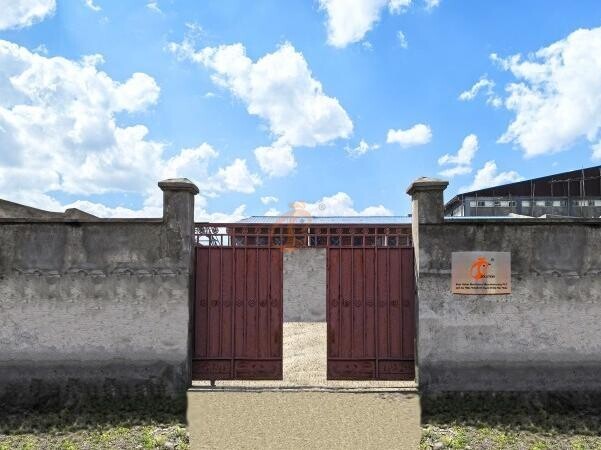
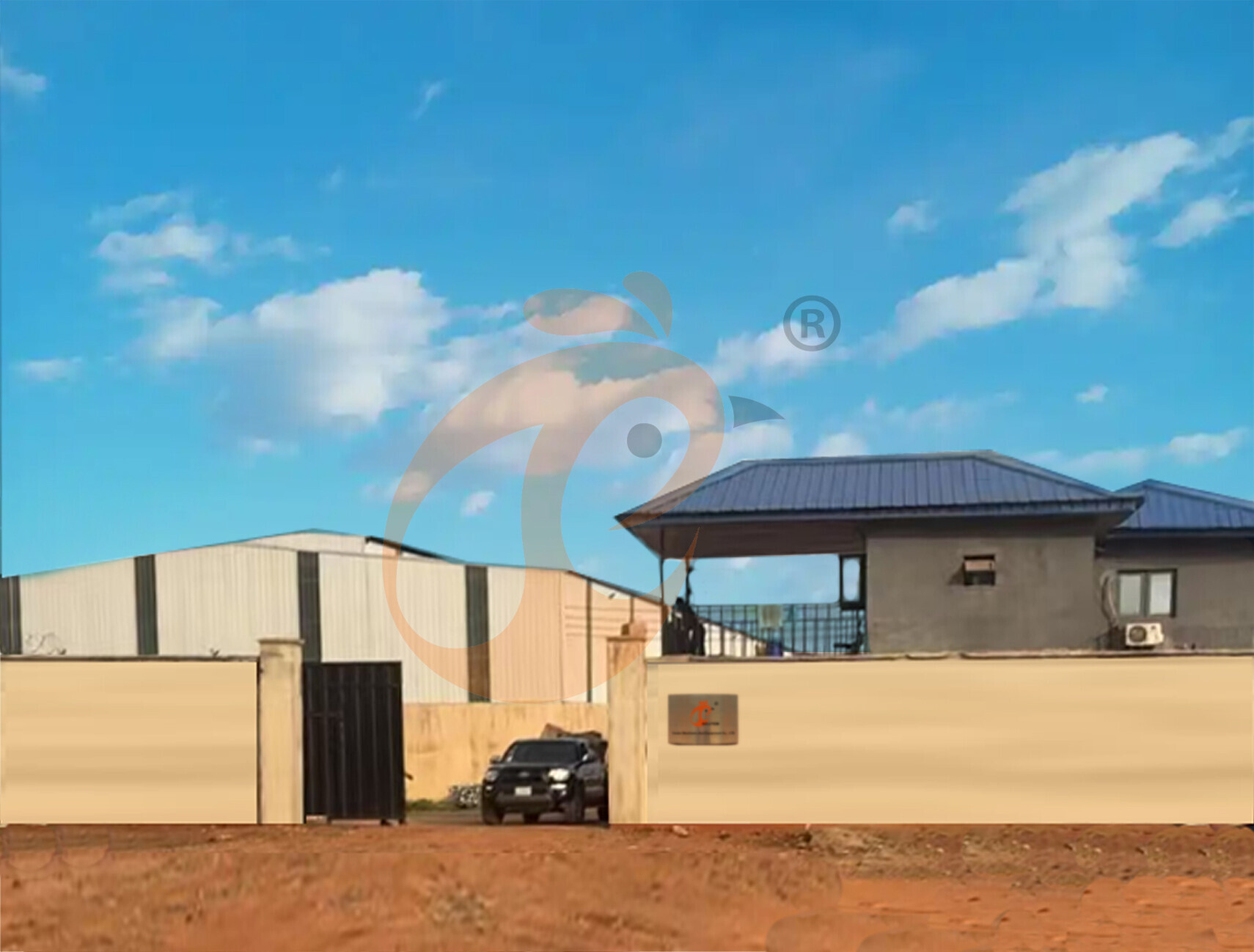
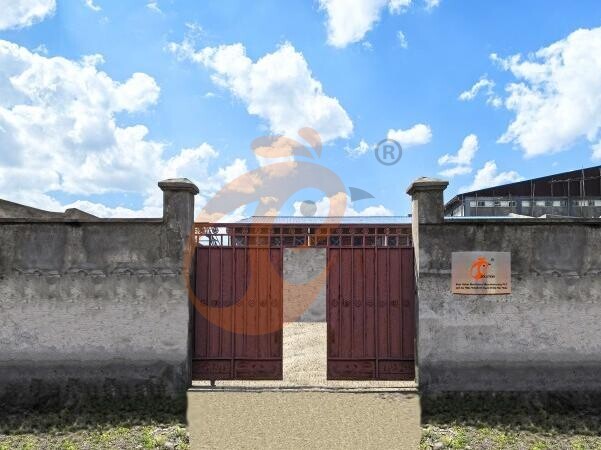
Ethiopia Branch Office And Factory Of Poultry Farm Equipment
Introduction Poultry Production In Ethiopia
Poultry production represents one of the most dynamic segments of Ethiopian agriculture.
With a population exceeding 120 million people and rising demand for affordable animal protein, the sector faces pressure to increase productivity while reducing mortality, disease spread, and labor costs.
Modern housing systems such as chicken cage systems have begun to attract attention among commercial producers in regions such as Oromia, Amhara, and Southern Nations.
Two major cage configurations are currently considered by aggregators, cooperatives, and large scale farms the H type and the A type cage systems.
This article evaluates both alternatives in the context of Ethiopian large scale poultry farming, analyzes technical and economic parameters, and offers recommendations to solve local production bottlenecks.
Overview Of Poultry Cage Systems
In Ethiopia, traditional poultry farming has relied on floor systems or scattered house structures.
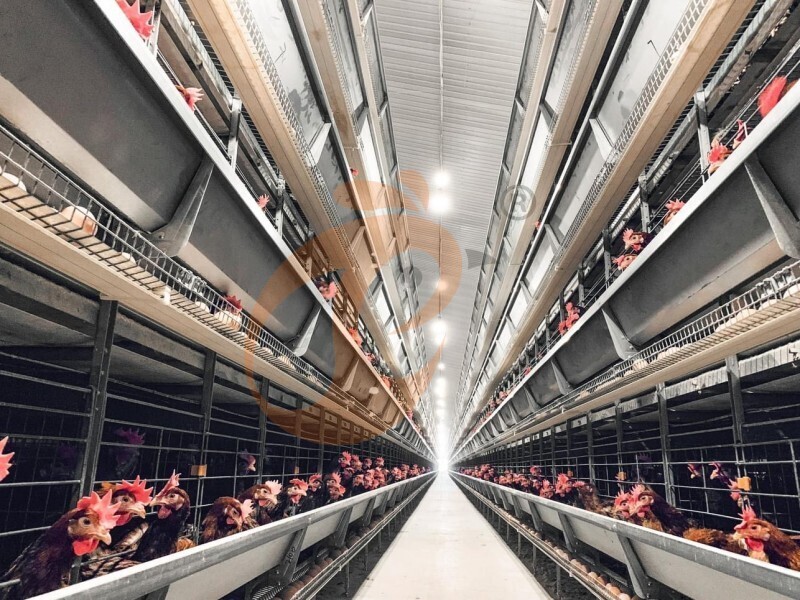
Chicken cage systems are relatively new but rapidly adopted for commercial layers and broilers.
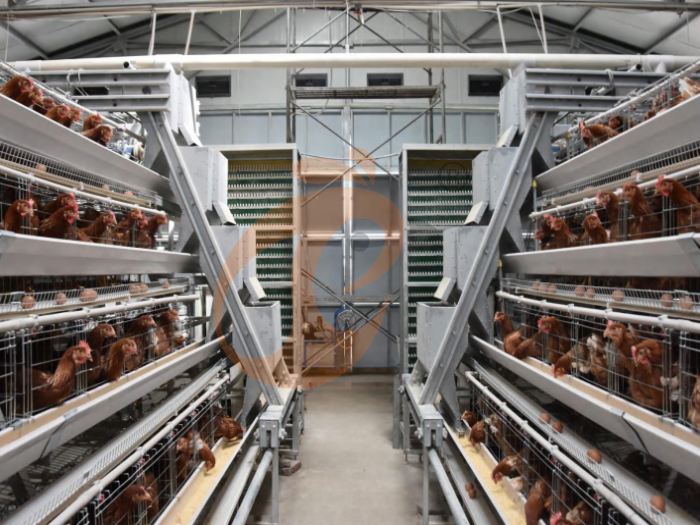
The primary differences between H type and A type poultry cages lie in their structural design, space requirements, and management workflows.
The decision for either system should align with Ethiopian environmental conditions such as temperature variability, feed logistics, and labor availability.
Design Comparison Structural Characteristics
The structural design of cage systems directly affects productivity and maintenance.
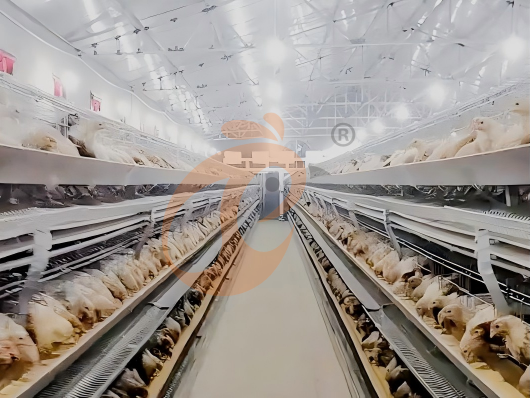
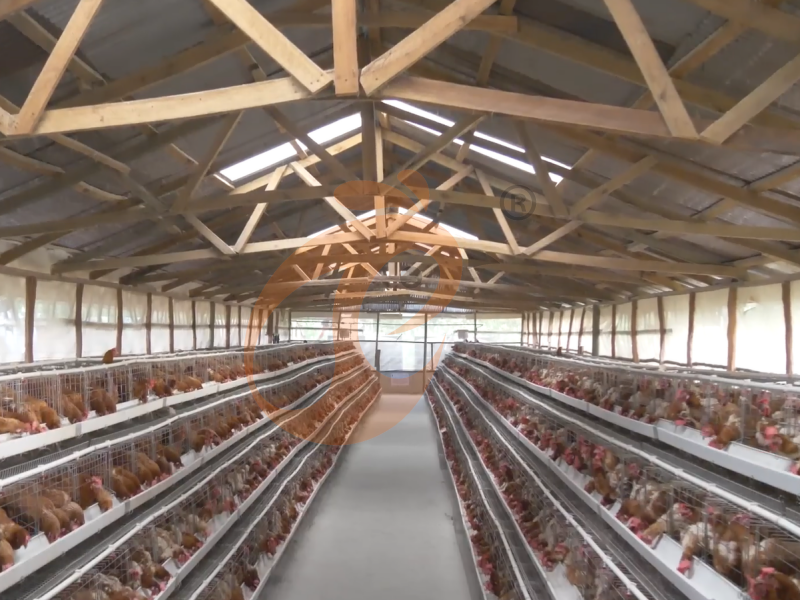
H type cages are characterized by horizontal levels forming an 'H' pattern that facilitates egg collection and manure removal.
A type cages are configured in angled tiers forming an 'A' shape which enables natural manure fall and easy access for workers.
Each configuration influences airflow, bird distribution, and operational workflows.
Data is for reference only.Swipe horizontally to view full table.
Adaptability To Ethiopian Climatic Conditions
Ethiopia's climate varies from subtropical highlands to hot lowlands.
Design adaptability to heat stress, humidity, and ventilation patterns remains crucial for optimizing egg yield and bird health.
H type cages, with centralized aisles, can support fan placement and directional airflow that mitigates heat stress.
A type cages, because of their incline, promote passive airflow but may require additional shading or insulation in regions like Afar or Somali where temperatures peak.
Space Utilization And Farm Layout Planning
Large farms in Ethiopia, such as those scaling 10,000+ birds near Addis Ababa or Bahir Dar, must optimize land footprint and building costs.
In constrained farm sites, the stacking efficiency of a cage system can influence construction expenditures and utility alignment.
Data is for reference only.Swipe horizontally to view full table.
Feed Efficiency And Upkeep Costs
Feed cost accounts for over 60% of total recurrent expenditure on Ethiopian farms.
Cage design affects feeding accuracy and wastage.
H type cages, with flat feeding troughs, allow uniform access but need more precise feeders to avoid feed accumulation.
A type's slight angle reduces waste through hierarchy management but demands regular adjustment to feeder height.
Data is for reference only.Swipe horizontally to view full table.
Labor Allocation And Workflow Efficiency
Labor availability is a recurring challenge for Ethiopian agribusinesses, particularly outside major urban centers.
Chicken cage systems should target minimized manpower without compromising animal welfare.
Data is for reference only.Swipe horizontally to view full table.
Egg Yield And Quality Outputs
Ethiopian producers prioritize consistent daily egg production and shell quality due to strong market demand in cities like Addis Ababa, Dire Dawa, and Mekelle.
Cage environment directly affects production cycles, uniformity, and mortality.
Data is for reference only.Swipe horizontally to view full table.
Disease Control And Biosecurity
Biosecurity is a priority in Ethiopia due to outbreaks of Newcastle disease and avian influenza in past years.
Chicken cage systems that ease disinfection and limit bird contact reduce pathogens.
Data is for reference only.Swipe horizontally to view full table.
Cost Benefit Analysis Specific To Ethiopia
Financial planning for farm investments in Ethiopia must consider exchange rates, transport from Djibouti port, and local steel pricing.
Capital expenditure (CAPEX) and operational expenditure (OPEX) differ significantly per system.
Data is for reference only.Swipe horizontally to view full table.
Local Challenges And Practical Recommendations
Ethiopian large farms confront intermittent electricity supply, limited access to spare parts outside Addis Ababa, and fluctuating feed ingredient prices.
To resolve these pain points
Solar assisted ventilation both H and A type houses benefit from solar ventilation to ensure temperature consistency.
Local spare parts stock farms should stock local hardware for feeder adjustments and belt tensioners.
Worker training programs cage specific workflow training improves mortality management.
Cooperative purchasing bulk purchase of cages from regional hubs reduces freight costs.
Frequently Asked Questions
Q1: Is A type chicken cage suitable for Ethiopian climate?
A1: Yes, the A type chicken cage offers better airflow and passive ventilation, reducing heat stress in high temperature Ethiopian regions.
Q2: Can these cages help small and large Ethiopian farms reduce labor costs?
A2: Yes, both H type and A type chicken cages optimize workflow, but A type requires less labor for egg collection and manure handling, suitable for farms with limited skilled labor.
Q3: How do these chicken cages improve biosecurity in Ethiopia?
A3: Chicken cages facilitate easier sanitation, reduce bird contact, and limit disease transmission, addressing common outbreaks like Newcastle disease and avian influenza.
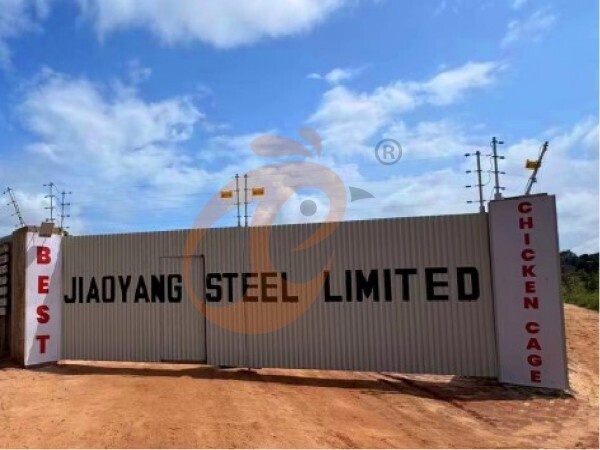
Ethiopia Best Hebei Machinery Manufacturing Plc - One Of Ethiopia Largest Chicken Cage Manufacturer
Global factory direct sales provide Ethiopian farms with cost effective poultry farm equipment.
Comprehensive poultry cage solutions support turn key engineering for large and small farms.
HB best offers high quality cage materials ensuring long term farm operation efficiency.
Professional installation and maintenance services streamline farm setup and management processes.
The company provides tailored solutions, ensuring poultry farm equipment meets local Ethiopian conditions.
Contact Us To Received Your Customized Poultry Farm Plan
Headquarters And Branchs

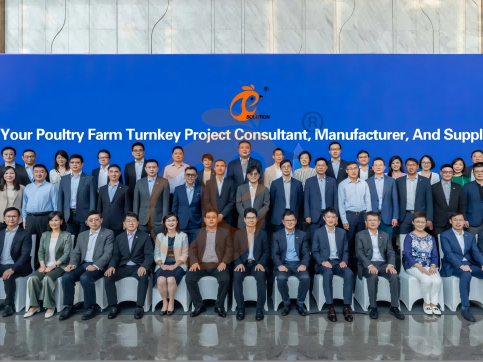
Hong Kong Headquarter Management Team
Hong Kong Headquarter Taiyu Industrial Group CO., LTD
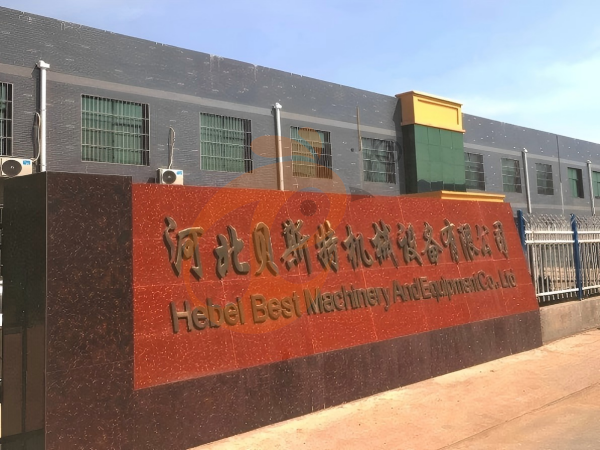
China Hebei Best Machinery And Equipment CO., LTD
Nigeria Vanke Machinery And Equipment CO., LTD
Tanzania Best Machinery And Equipment CO., LTD
Ethiopia Best Hebei Machinery Manufacturing PLC
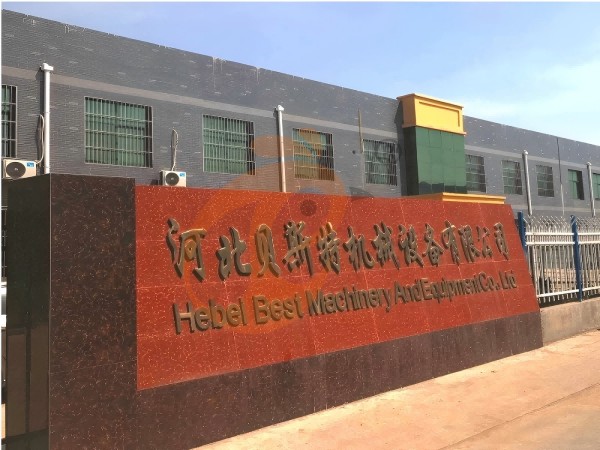
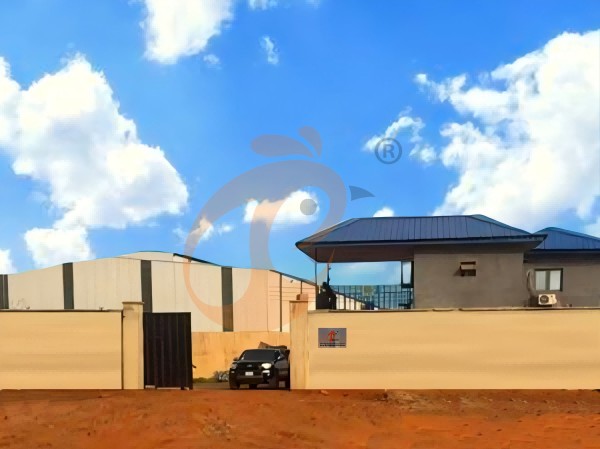
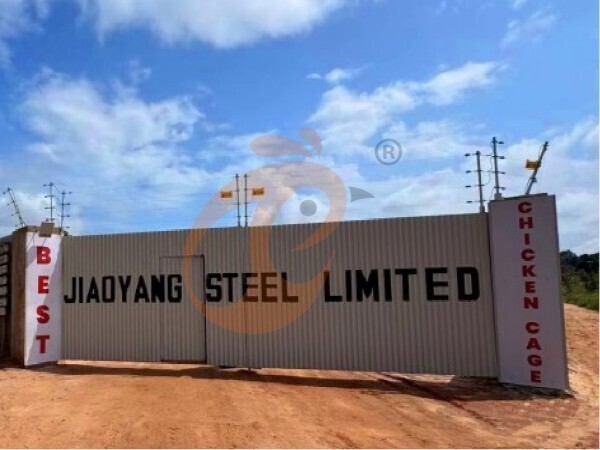
Reception /24 WhatsApp NO. : +8618830120193
FAQ
How To Manage Lighting Programs In H-Type Layer Cage Houses?
Ensure even light distribution
Promotes laying rhythm
Egg production rate: 90-98%
FCR 1.9–2.1
What Are The Cleaning Procedures For H-Type Battery Cage System?
Use environmentally safe disinfectants
Clean manure troughs
Reduce pathogen spread
Egg production rate: 90-98%
How To Expand H-Type Chicken Cage Farm Without Reducing Efficiency?
Maintain automated feeding and drinking systems
Ensure uniform ventilation and lighting
Farm capacity per house: 30,000 - 100,000+0 birds
Labor savings: 70-90%
Message
Products recommended
 HK Headquarter Offers EU-standard Poultry Farm Solutions, Manufacture Poultry Farm Equipment1. Continuous communication with the EU and the US
2. China, Nigeria, Ethiopia, Tanzania branch companies and factories
3. The products’ quality is customized for local poultry farms
4. Poultry cage and poultry farm equipment stock for sale
5. 24 online reception Whatsapp NO. : +8618830120193,contact us to get full informationRead More China Branch Offer Poultry Farm Business Plan, Manufacture Poultry Farm Equipment1. Address: Flat/RM 2416, 24/F, Runxing Building, Youyi Nan Street, Shijiazhuang City, Hebei Province, China
2. Poultry cage and poultry farm equipment factory and stock for sale
3. Customized for local poultry farms
4. Quality and design are based on Euro
5. 24 online reception Whatsapp NO. : +8618830120193Read More Nigeria Branch Offer Poultry Farm Business Plan, Manufacture Poultry Farm Equipment1. Address: After Sinoma Office, 200 Meters Near Danco Filling Station, Lagos/Ibadan Expressway, Lagos State, Nigeria
2. Poultry cage and poultry farm equipment factory and stock for sale
3. Customized for Nigerian poultry farms
4. Quality and design are based on Euro
5. 24 online reception Whatsapp NO. : +8618830120193Read More Ethiopia Branch Offer Poultry Farm Business Plan, Manufacture Poultry Farm Equipment1. Address: Gelan Gura, Akaki-kaliti Sub City, Addis Ababa, Ethiopia
2. Poultry cage and poultry farm equipment stock for sale
3. Customized for Ethiopian poultry farms
4. Quality and design are based on Euro
5. 24 online reception Whatsapp NO. : +8618830120193, contact us to get price listRead More Tanzania Branch Offer Poultry Farm Business Plan, Manufacture Poultry Farm Equipment1. Address: No.8, Sova Road, Msufini, Mlandizi, Kibaha, Pwani, Tanzania
2. Poultry cage and poultry farm equipment factory and stock for sale
3. Customized for Tanzanian poultry farms
4. Quality and design are based on Euro
5. 24 online reception Whatsapp NO. : +8618830120193Read More Fully Automatic H Type Layer Chicken Cage1. 30,000-100,000+ layers/house chooses it, Poultry farmers can achieve an egg production rate of 96-98%
2. A significant improvement over the 85-90% typically seen in manual systems
3. A typical poultry farm can expect a 30-40% reduction in labor costs due to the automation
4. Each feeding line efficiently supplies feed to around 100,000 hens per 30 mins
5. Reception /WhatsApp NO. : +8618830120193Read More Fully Automatic A Type Layer Chicken Cage1. 10,000-50,000 layers/house chooses it
2. Cleaner egg collection reduces breakage by 0.5%
3. Improved hygiene helps reduce mortality rate to <3%
4. 1–2 technicians can handle 15,000–30,000 birds
5. Reception /WhatsApp NO. : +8618830120193Read More Semi Automatic H Type Layer Chicken Cage1. 1,00-20,000 layers/house chooses it
2. Nipple drinkers flow 30–60 ML / min
3. Hot-dip galvanized (typical coating ≥ 275 g/m²)
4. Reduce ammonia by ~ 35–40%
5. Reception /WhatsApp NO. : +8618830120193Read More Semi Automatic A Type Layer Chicken Cage1. 1,00-20,000 layers/house chooses it, no rust for 10 years, no deformation for 15 years
2. Chickens live comfortably, you can raise them with peace of mind
3. Save water, save money—efficiency you can measure
4. Improve environment quality, and increase egg production rate
5. Reception /WhatsApp NO. : +8618830120193Read More
By clicking 'Allow All', you agree to the storage of cookies on your device to enhance site navigation, analyze site usage and assist with our marketing efforts.