






Blog
Broiler chicken cage maintenance combines structural protection, mechanical servicing, and environmental management to support long-term equipment performance across commercial poultry facilities.
Systematic inspection procedures help identify early signs of corrosion, component fatigue, water leakage, and operational wear before maintenance costs increase significantly.
Technical maintenance standards covering feeding systems, drinking lines, drive assemblies, and manure removal equipment contribute to stable daily operation and production continuity.
Preventive maintenance planning improves asset utilization, extends service life, reduces replacement frequency, and supports predictable operating budgets throughout multiple production cycles.
Engineering-based management practices provide measurable reference parameters, maintenance schedules, inspection methods, and performance benchmarks for modern poultry housing infrastructure.
Get professional poultry farm construction guidance, equipment selection solutions, and the latest price lists, whatsApp to +8618830120193, +2348111199996, or click to learn more.
Understand The Importance Of Cage Maintenance
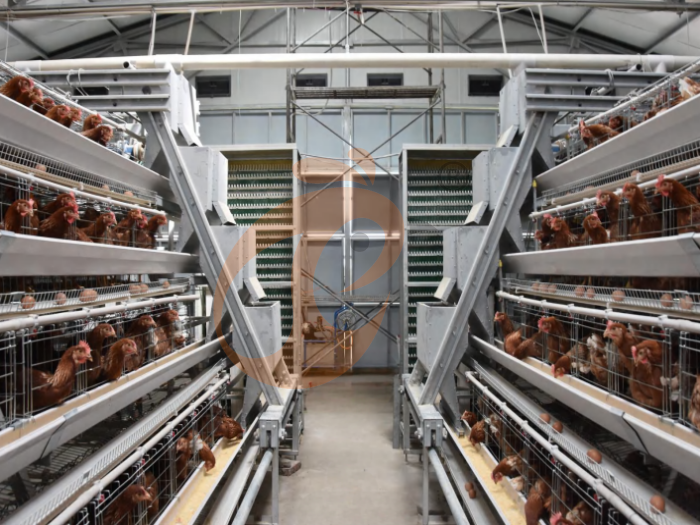
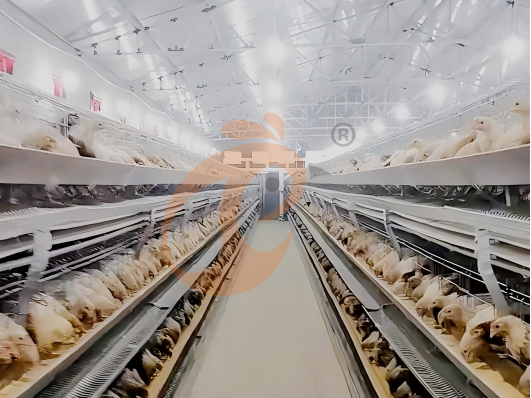
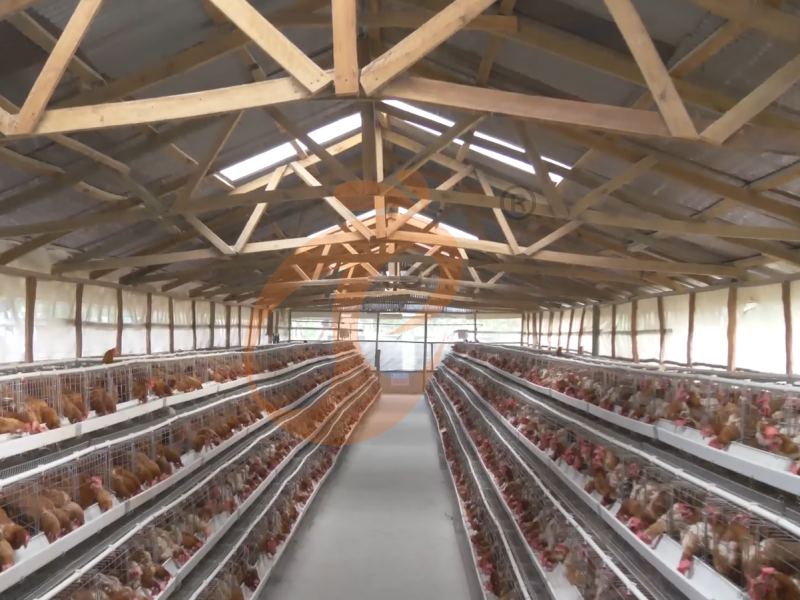
Broiler cage systems operate under continuous mechanical load and biological stress conditions inside poultry houses.
Environmental humidity fluctuations, ammonia accumulation, dust particles, and bird movement gradually influence structural and mechanical performance.
Maintenance strategy should focus on preventing small defects from evolving into system-wide failures that affect production output.
Routine maintenance integration ensures equipment reliability across multiple production cycles without disrupting daily farm operations.
Operational data analysis supports decision-making for inspection timing, component replacement, and resource allocation planning.
Data is for reference only.Swipe horizontally to view full table.
Monitor Galvanized Surface Protection
Zinc coating integrity determines corrosion resistance performance of cage structures in humid poultry environments.
Protective layers gradually degrade under continuous exposure to moisture, ammonia gases, and chemical cleaning agents.
Surface inspection should focus on coating thickness stability, oxidation spots, and localized steel exposure.
Water leakage zones often accelerate coating deterioration along drinker lines and connection joints.
Early intervention reduces propagation of corrosion into structural frame components.
Data is for reference only.Swipe horizontally to view full table.
Inspect Cage Wire Fatigue And Structural Stability
Wire mesh flooring continuously carries distributed live load from broiler birds and equipment operations.
Repeated stress cycles contribute to material fatigue and gradual deformation over long production periods.
Inspection should evaluate wire alignment, weld stability, joint reinforcement, and structural straightness.
Stress concentration areas commonly appear at corner joints and support connection points.
Timely correction of deformation improves structural safety and reduces replacement requirements.
Data is for reference only.Swipe horizontally to view full table.
Maintain Feed Delivery Accuracy
Feed distribution consistency directly influences growth uniformity and production efficiency in broiler operations.
Irregular feed flow increases competition behavior among birds and reduces conversion efficiency performance.
Maintenance includes inspection of feed hoppers, transport chains, augers, and trough alignment systems.
Feed accumulation must be removed to maintain smooth mechanical flow within delivery channels.
Automatic broiler cage equipment requires precise calibration of feed transport components for stable operation.
Data is for reference only.Swipe horizontally to view full table.
Service Drinking Line Components
Water delivery systems directly affect physiological performance and environmental hygiene conditions inside poultry houses.
Small leakage points may create persistent moisture accumulation affecting both sanitation and structural durability.
Routine flushing reduces mineral scaling and microbial deposition inside pipelines.
Pressure regulators and filters require consistent monitoring for stable water flow performance.
Stable hydration systems support uniform flock development across production cycles.
Data is for reference only.Swipe horizontally to view full table.
Lubricate Mechanical Drive Components
Mechanical transmission systems operate under continuous friction and rotational movement during feeding and manure handling processes.
Insufficient lubrication increases wear rate and reduces component service life significantly.
Lubrication selection must match manufacturer specifications to ensure compatibility and performance stability.
Maintenance logs should record lubrication intervals, grease types, and service quantities.
Efficient lubrication reduces energy loss and improves mechanical transmission efficiency.
Data is for reference only.Swipe horizontally to view full table.
Clean Manure Removal Systems Thoroughly
Manure removal systems maintain environmental hygiene and reduce ammonia accumulation inside poultry houses.
Organic buildup increases mechanical resistance and reduces conveyor efficiency over time.
Cleaning procedures include belt surface treatment, scraper alignment, and roller inspection.
Scheduled sanitation improves operational consistency and reduces unplanned stoppage frequency.
Automatic manure handling systems improve large-scale poultry management efficiency.
Data is for reference only.Swipe horizontally to view full table.
Establish Predictive Maintenance Records
Maintenance documentation transforms operational activities into structured engineering data systems.
Historical records enable trend analysis for failure prediction and maintenance scheduling optimization.
Digital tracking improves spare part planning and reduces unexpected downtime risk.
Predictive systems support better resource allocation across production cycles.
Technical records assist equipment manufacturers in providing targeted service support.
Data is for reference only.Swipe horizontally to view full table.
Economic Impact Of Preventive Maintenance
Preventive maintenance functions as a cost control mechanism across poultry production systems.
Planned servicing reduces frequency of emergency interventions and equipment replacement events.
Unplanned failures often increase operational disruption and labor inefficiency.
European union standard reference only.
Data is for reference only.Swipe horizontally to view full table.
Structured maintenance planning improves financial predictability and operational stability across long production cycles.
Long-Term System Performance Strategy
Maintenance effectiveness depends on consistency, accuracy, and technical discipline across all operational stages.
Integrated management of corrosion control, lubrication, sanitation, and structural monitoring extends equipment lifespan significantly.
Engineering supervision improves safety conditions and production stability inside poultry facilities.
Large-scale poultry expansion increases demand for structured maintenance systems and technical standardization.
Frequently Asked Questions
Q1: How frequently should cage structural inspection be performed?
A1: Structural inspection is typically scheduled every 7 days for visual assessment and every 30 days for technical evaluation of joints and load-bearing components.
Q2: What environmental factor accelerates cage corrosion most?
A2: Continuous moisture exposure combined with ammonia concentration around 10-25 ppm accelerates coating degradation and metal oxidation.
Q3: Does preventive maintenance reduce equipment failure cost?
A3: Preventive maintenance reduces unexpected breakdown frequency and can lower annual emergency repair expenditure by several hundred dollars depending on farm scale.
Taiyu (HK) Group - One Of China Most Famous Broiler Chicken Cage Manufacturer
Broiler chicken cage system design, manufacturing, installation, and after-sales technical support for global poultry projects.
Global factory-direct supply model supporting poultry equipment distribution across large and medium-scale farms.
Turn-key engineering services covering poultry house planning, equipment integration, and commissioning solutions.
Automatic poultry equipment systems including feeding, drinking, ventilation, and manure removal technologies.
International export experience across Asia, Africa, Middle East, and South America poultry markets.
Contact Us To Received Your Customized Poultry Farm Plan
Headquarters And Branchs

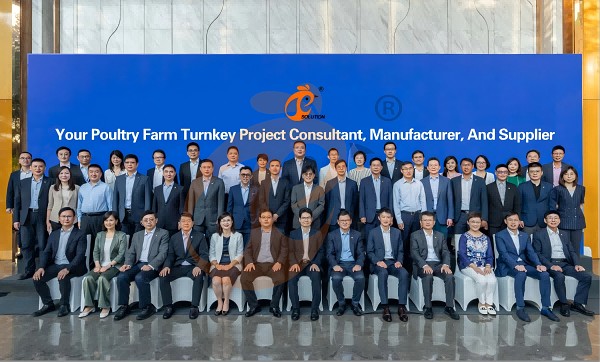
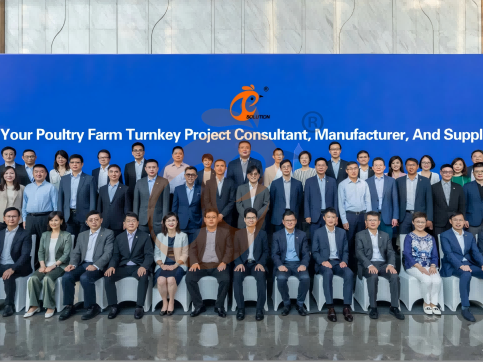
Hong Kong Headquarter Management Team
Hong Kong Headquarter Taiyu Industrial Group CO., LTD
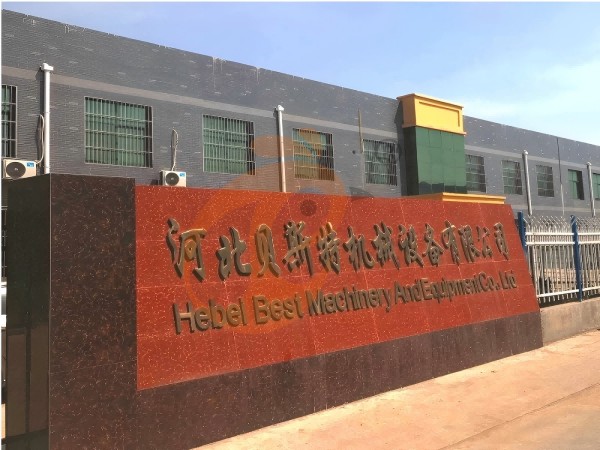
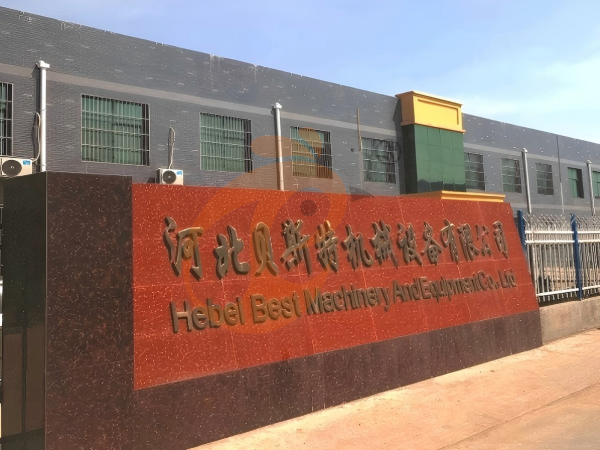
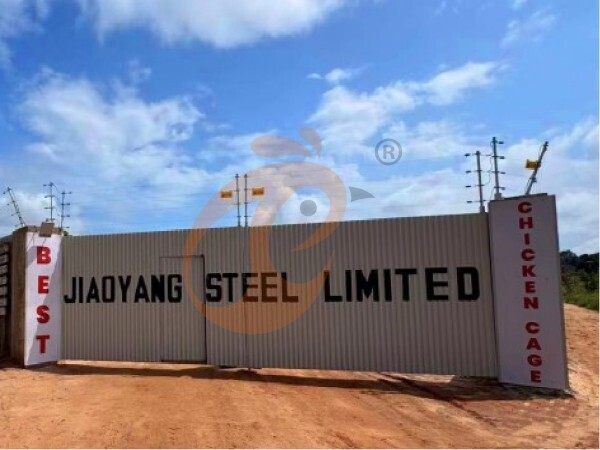
China Hebei Best Machinery And Equipment CO., LTD
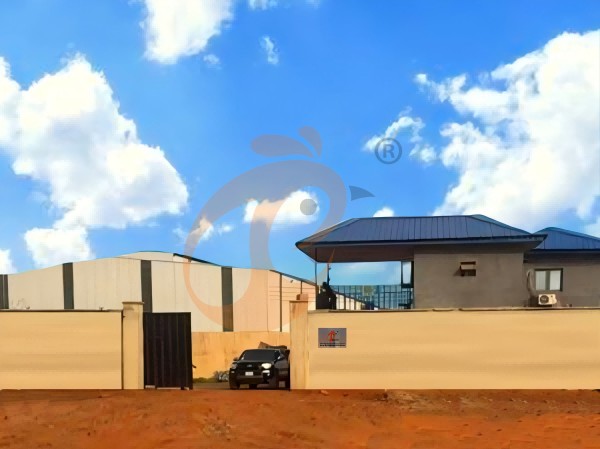
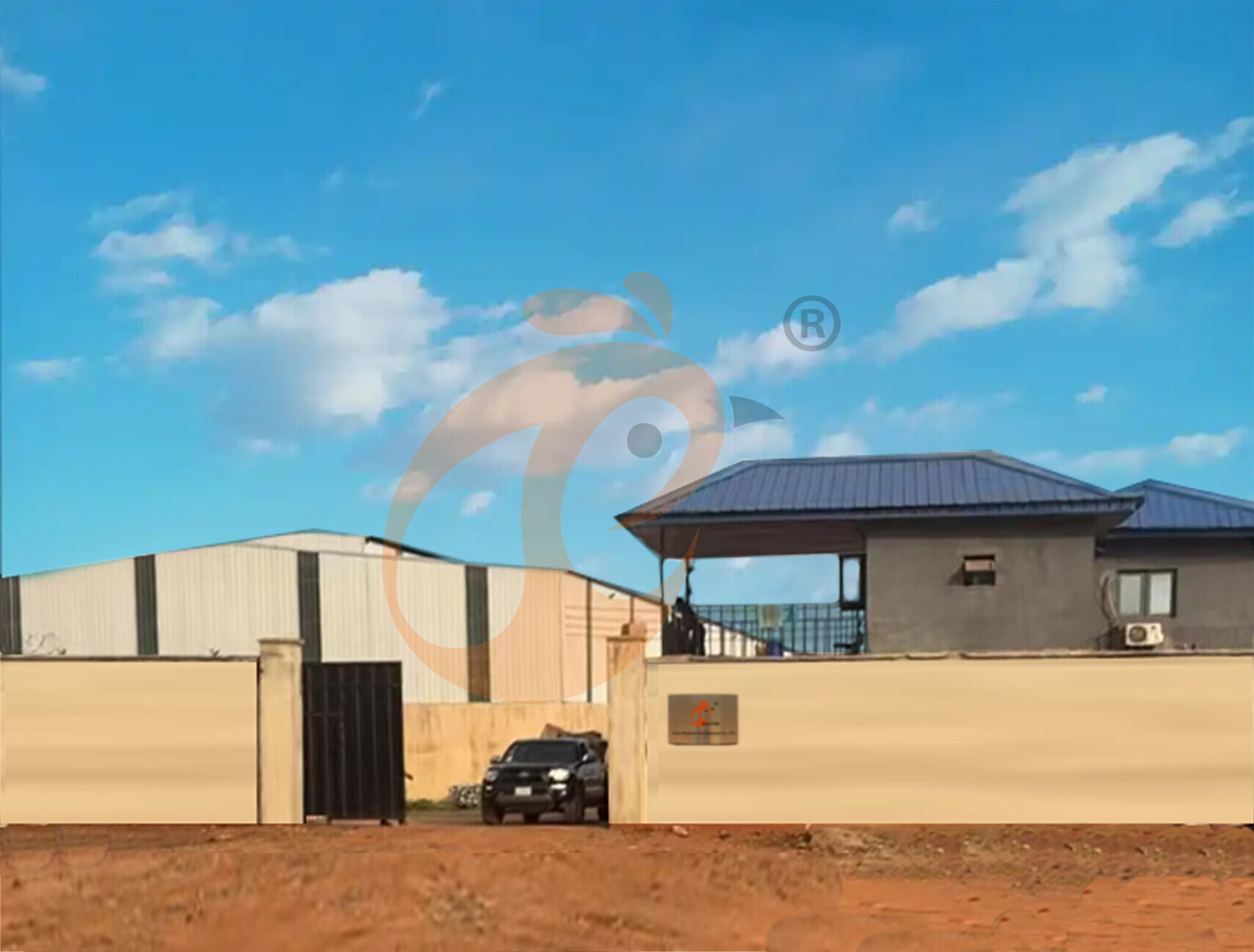
Nigeria Vanke Machinery And Equipment CO., LTD
Tanzania Best Machinery And Equipment CO., LTD
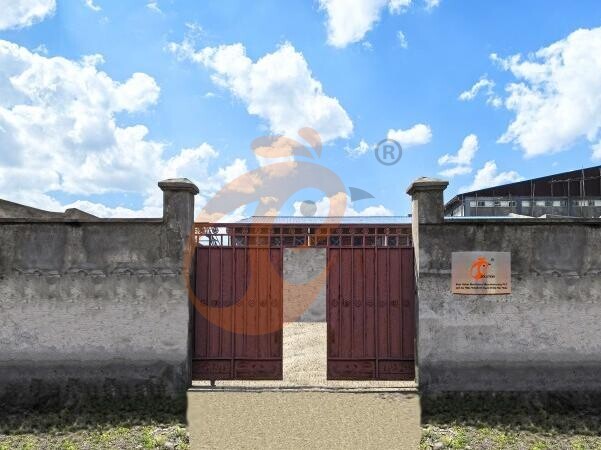
Ethiopia Best Hebei Machinery Manufacturing PLC
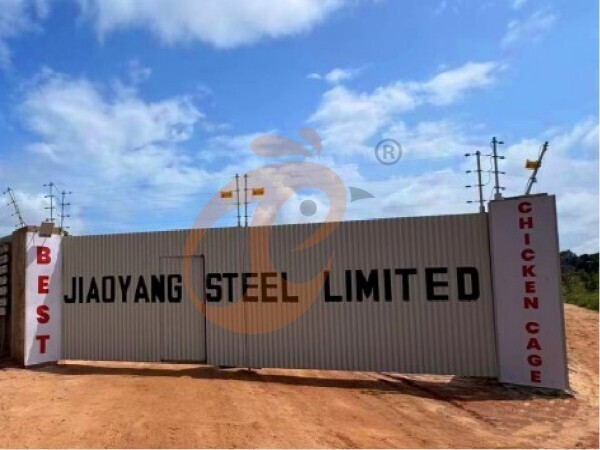
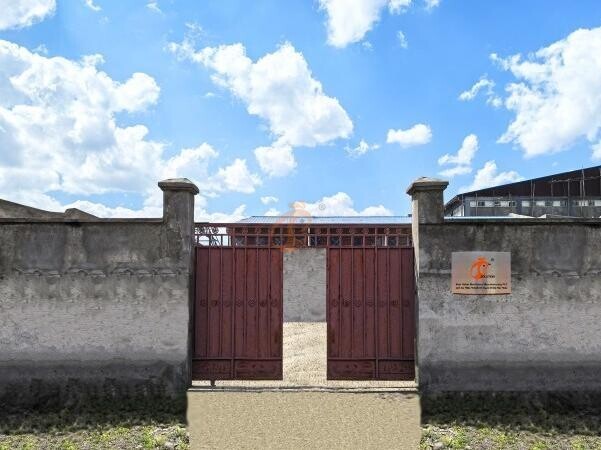
Reception /24 WhatsApp NO. : +8618830120193
FAQ
What Cage Structure Options Are Available For Broiler Chicken Cage Systems?
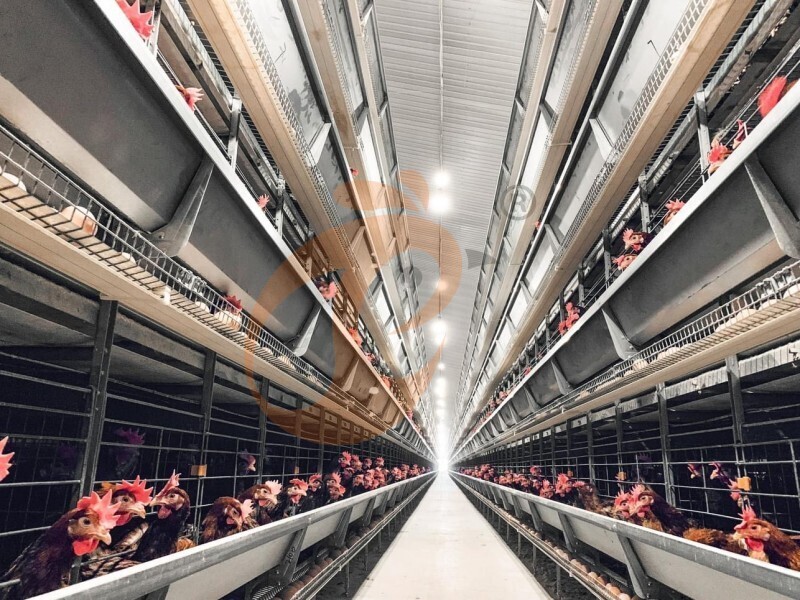
H-type cage systems are configured in 3–12 tiers accommodating 360–1440 birds per set for intensive farming operations.
Structural height ranges from 1.75–10.11 meters maximizing vertical space utilization and housing efficiency.
How Does Stocking Density Affect Broiler Chicken Cage Performance?
H-type systems maintain 500 cm² allocation per bird optimizing housing density and production output.
Bird distribution is balanced at 8 birds per compartment in partitioned cage configurations reducing competition.
Which Cage Dimensions Are Commonly Used In Broiler Chicken Cage Systems?
H-type cage modules measure 3.3 × 1.82 meters providing larger continuous housing sections.
Internal compartment height varies from 40–55 cm ensuring adequate bird activity and ventilation circulation.
- poultry equipment
- chicken cage
- broiler cage
- poultry farm
- poultry farm
- poultry farm construction
- chicken cage manufacturer
- automatic poultry equipment
- poultry house
- chicken cage system
- chicken cage maintenance
- broiler cage system
- automatic broiler cage
- broiler cage equipment
- broiler chicken cage
- broiler chicken cage manufacturer
- Ethiopia
- Nigeria
Message
Products recommended
 HK Headquarter Offers EU-standard Poultry Farm Solutions, Manufacture Poultry Farm Equipment1. Continuous communication with the EU and the US
2. China, Nigeria, Ethiopia, Tanzania branch companies and factories
3. The products’ quality is customized for local poultry farms
4. Poultry cage and poultry farm equipment stock for sale
5. 24 online reception Whatsapp NO. : +8618830120193,contact us to get full informationRead More China Branch Offer Poultry Farm Business Plan, Manufacture Poultry Farm Equipment1. Address: Flat/RM 2416, 24/F, Runxing Building, Youyi Nan Street, Shijiazhuang City, Hebei Province, China
2. Poultry cage and poultry farm equipment factory and stock for sale
3. Customized for local poultry farms
4. Quality and design are based on Euro
5. 24 online reception Whatsapp NO. : +8618830120193Read More Nigeria Branch Offer Poultry Farm Business Plan, Manufacture Poultry Farm Equipment1. Address: After Sinoma Office, 200 Meters Near Danco Filling Station, Lagos/Ibadan Expressway, Lagos State, Nigeria
2. Poultry cage and poultry farm equipment factory and stock for sale
3. Customized for Nigerian poultry farms
4. Quality and design are based on Euro
5. 24 online reception Whatsapp NO. : +8618830120193Read More Ethiopia Branch Offer Poultry Farm Business Plan, Manufacture Poultry Farm Equipment1. Address: Gelan Gura, Akaki-kaliti Sub City, Addis Ababa, Ethiopia
2. Poultry cage and poultry farm equipment stock for sale
3. Customized for Ethiopian poultry farms
4. Quality and design are based on Euro
5. 24 online reception Whatsapp NO. : +8618830120193, contact us to get price listRead More Tanzania Branch Offer Poultry Farm Business Plan, Manufacture Poultry Farm Equipment1. Address: No.8, Sova Road, Msufini, Mlandizi, Kibaha, Pwani, Tanzania
2. Poultry cage and poultry farm equipment factory and stock for sale
3. Customized for Tanzanian poultry farms
4. Quality and design are based on Euro
5. 24 online reception Whatsapp NO. : +8618830120193Read More Fully Automatic H Type Layer Chicken Cage1. 30,000-100,000+ layers/house chooses it, Poultry farmers can achieve an egg production rate of 96-98%
2. A significant improvement over the 85-90% typically seen in manual systems
3. A typical poultry farm can expect a 30-40% reduction in labor costs due to the automation
4. Each feeding line efficiently supplies feed to around 100,000 hens per 30 mins
5. Reception /WhatsApp NO. : +8618830120193Read More Fully Automatic A Type Layer Chicken Cage1. 10,000-50,000 layers/house chooses it
2. Cleaner egg collection reduces breakage by 0.5%
3. Improved hygiene helps reduce mortality rate to <3%
4. 1–2 technicians can handle 15,000–30,000 birds
5. Reception /WhatsApp NO. : +8618830120193Read More Semi Automatic H Type Layer Chicken Cage1. 1,00-20,000 layers/house chooses it
2. Nipple drinkers flow 30–60 ML / min
3. Hot-dip galvanized (typical coating ≥ 275 g/m²)
4. Reduce ammonia by ~ 35–40%
5. Reception /WhatsApp NO. : +8618830120193Read More Semi Automatic A Type Layer Chicken Cage1. 1,00-20,000 layers/house chooses it, no rust for 10 years, no deformation for 15 years
2. Chickens live comfortably, you can raise them with peace of mind
3. Save water, save money—efficiency you can measure
4. Improve environment quality, and increase egg production rate
5. Reception /WhatsApp NO. : +8618830120193Read More
By clicking 'Allow All', you agree to the storage of cookies on your device to enhance site navigation, analyze site usage and assist with our marketing efforts.