






Blog
Workforce capability directly determines uptime stability across feeding, watering, ventilation, and manure extraction networks under intensive poultry production cycles.
Skill heterogeneity across operators requires structured segmentation to avoid misalignment between mechanical complexity and human execution capacity.
Equipment lifecycle efficiency is strongly influenced by early-stage calibration accuracy and fault-response timing during daily operations.
Safety execution consistency reduces mechanical injury probability and prevents secondary system contamination events in enclosed poultry houses.
Continuous competency reinforcement stabilizes long-term output performance across automated poultry infrastructure ecosystems.
Get professional poultry farm construction guidance, equipment selection solutions, and the latest price lists, whatsApp to +8618830120193, +2348111199996, or click to learn more.
Step One Assess Operator Capability And Equipment Coverage
Operator evaluation must convert field behavior into quantifiable technical indices aligned with real machinery response patterns.
Equipment mapping should include electrical load behavior, mechanical response latency, and subsystem interdependence indicators.
Data is for reference only.Swipe horizontally to view full table.
Evaluation outputs determine task assignment thresholds across feeder calibration, water pressure balancing, airflow regulation, and waste transport stability control.
Cross-system competency variance above 2.0 score gap indicates retraining requirement trigger.
Step Two Build Modular Instruction Frameworks By System Type
Training architecture must isolate mechanical domains to prevent cognitive overload during fault diagnosis training cycles.
Each module aligns with subsystem-specific failure modes and maintenance frequency intervals.
Data is for reference only.Swipe horizontally to view full table.
Instructional segmentation reduces cross-system interference errors during live barn operations.
Competency confirmation requires completion of system-specific performance validation tasks.
Step Three Execute Hands On Mechanical Simulation Training
Simulation training must replicate real-world failure kinetics including delay propagation and cascading system response effects.
Operator reaction time and corrective sequencing accuracy define pass thresholds.
Data is for reference only.Swipe horizontally to view full table.
Repeated fault exposure reduces diagnostic variance under field stress conditions.
Assessment includes both mechanical resolution speed and procedural compliance accuracy.
Step Four Standardize Operating Procedures And Risk Control Systems
Sop structures define deterministic response pathways under mechanical, hydraulic, and electrical risk exposure scenarios.
Isolation sequencing must precede all maintenance interventions without exception.
Standardized signage reduces procedural deviation during shift transitions and emergency interventions.
European union standard reference only.
Step Five Evaluate Performance And Maintain Continuous Improvement Cycles
Performance analytics must track deviation frequency, corrective latency, and reoccurrence probability across equipment categories.
Feedback loops directly influence retraining scheduling algorithms.
Data is for reference only.Swipe horizontally to view full table.
Deviation clustering across consecutive cycles indicates system-level retraining necessity.
Corrective actions must be executed before next production cycle initiation.
Environmental Control Calibration Standards In Poultry Facilities
Temperature regulation range
- 18–28°c maintained to stabilize bird thermal comfort and prevent ventilation overreaction
Humidity management band
- 60–70% relative humidity target to reduce litter caking and microbial growth risk
Air pressure control window
- 25–45 pa static pressure maintained in tunnel systems for stable airflow distribution across house length
Gas concentration safety limit
- Co₂ kept below 3,000 ppm to avoid respiratory load in high-density stocking environments
Ammonia exposure threshold
Nh₃ maintained under 20 ppm to reduce eye irritation and long-term respiratory stress in broiler and layer units
Electrical Load Management Standards For Poultry Equipment Systems
Voltage stability requirement
- 380–415 v three-phase supply maintained to support continuous operation of large-scale poultry machinery systems
Motor efficiency benchmark
- Ie3-class motors typically achieve 88–93% efficiency under standard loading conditions in ventilation and feeding systems
Frequency regulation range
- 49.5–50.5 hz tolerance band ensures stable rotational speed for augers and conveyor drives
Power factor optimization level
- 0.85–0.95 range maintained to reduce reactive power loss in automated poultry facility networks
Circuit protection threshold
16–32 a breaker rating commonly applied across subsystem control panels to prevent overload damage in distributed equipment lines
Frequently Asked Questions
Q1: What is the minimum skill level required for equipment operators?
A1: Entry level operators require at least 1.5 to 2.0 baseline competence across all mechanical systems.
Practical evaluation is conducted after 10 supervised operational cycles.
Q2: How long does it take to fully train a technician?
A2: Full competency usually requires 14 to 18 working days depending on system complexity.
High automation farms may extend training to 21 days.
Q3: Which equipment causes most operational errors?
A3: Feed auger systems and water line regulators show highest error frequency in early training stages.
Improper calibration accounts for approximately 38 percent of initial faults.
Taiyu (HK) Group - One Of China Biggest Poultry Equipment Manufacturer
Industrial poultry projects deployed across 92,000–210,000 bird capacity facilities with integrated automation and climate control infrastructure systems
Global factory direct supply covering poultry equipment including auger feed lines, bell drinker systems, cooling pads, manure scrapers, and led lighting networks
Turn-key engineering execution including structural layout design, installation supervision, commissioning verification, and operator training certification programs
Manufacturing output supported by multi-line production facilities achieving cycle stability of 18,500 units per month across standardized equipment categories
Project commercial framework denominated in usd with European union standard reference only applied for compliance validation and export acceptance criteria
Contact Us To Received Your Customized Poultry Farm Plan
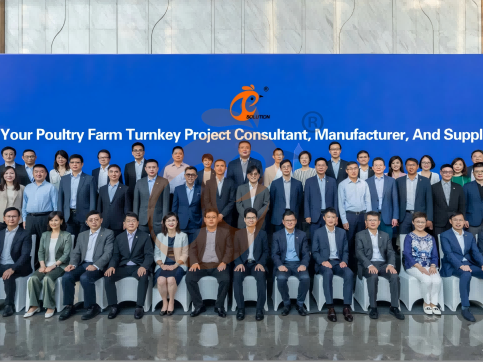
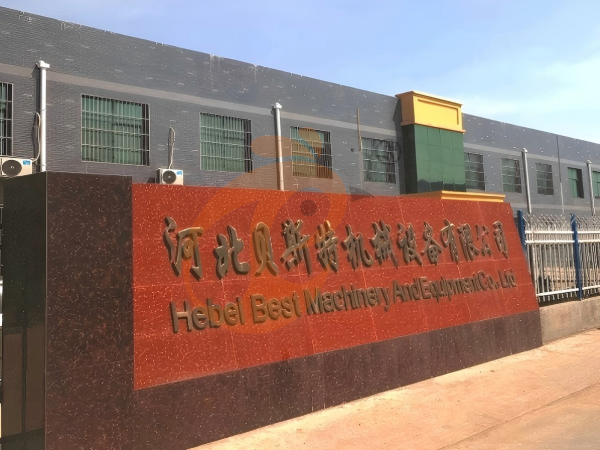
Headquarters And Branchs

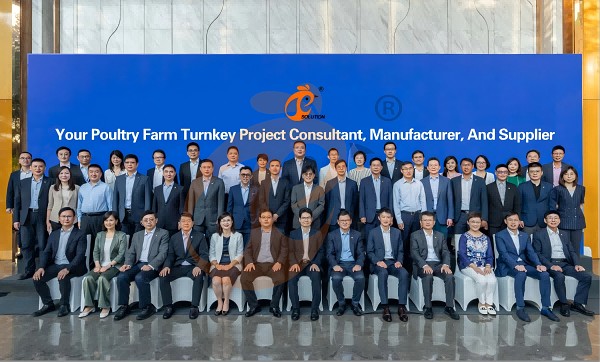
Hong Kong Headquarter Management Team
Hong Kong Headquarter Taiyu Industrial Group CO., LTD
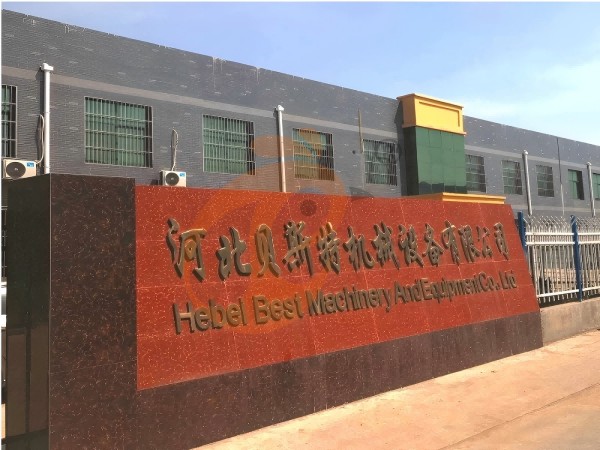
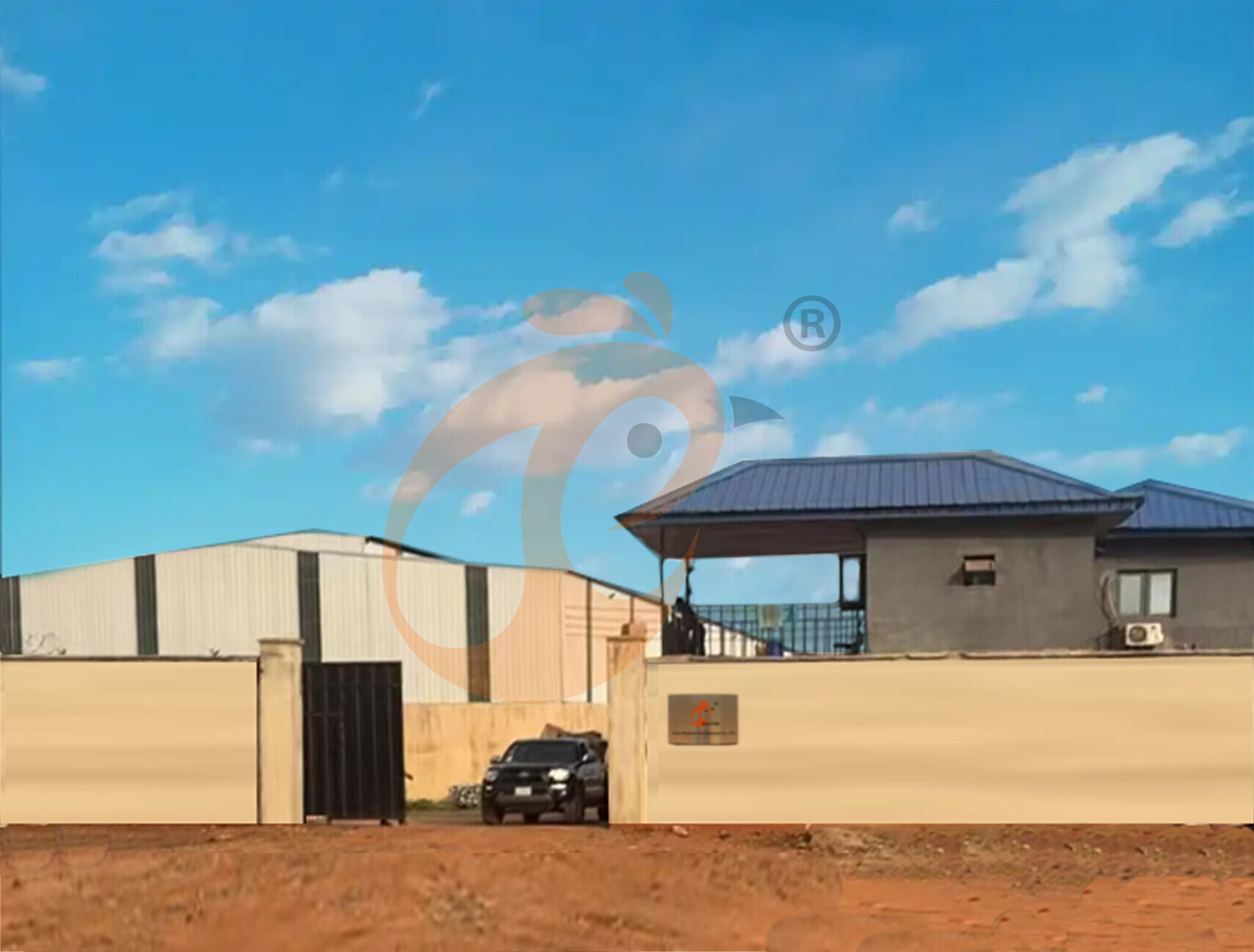
China Hebei Best Machinery And Equipment CO., LTD
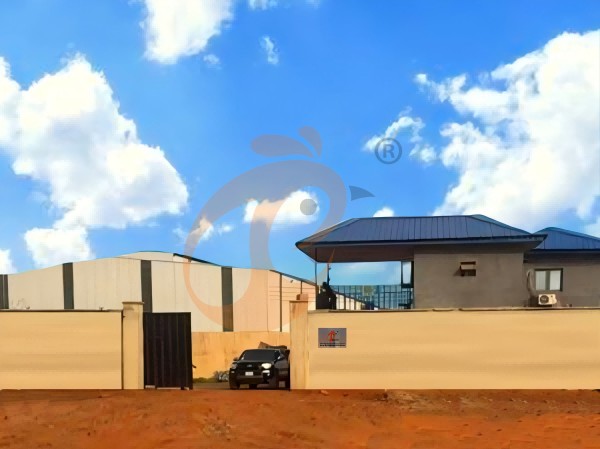
Nigeria Vanke Machinery And Equipment CO., LTD
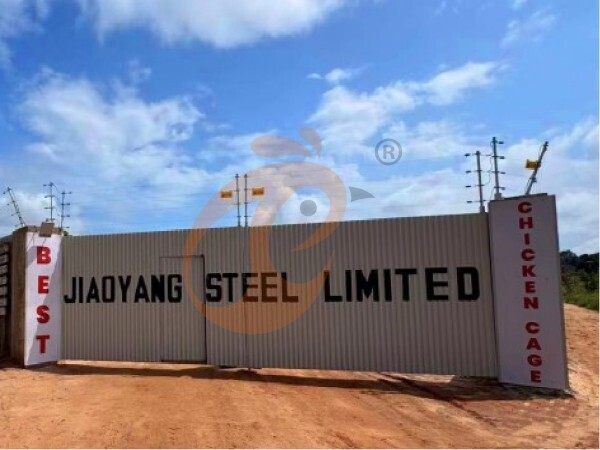
Tanzania Best Machinery And Equipment CO., LTD
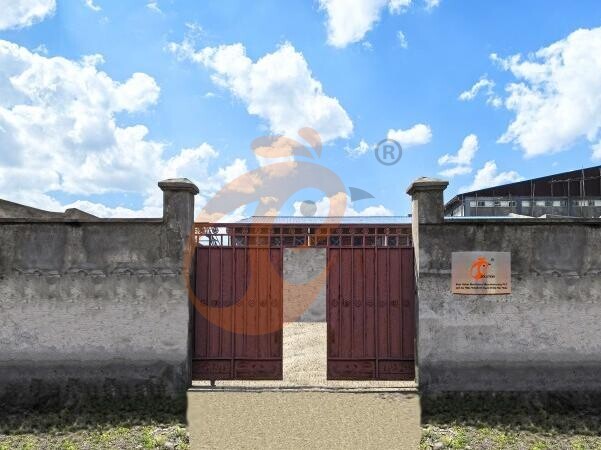
Ethiopia Best Hebei Machinery Manufacturing PLC
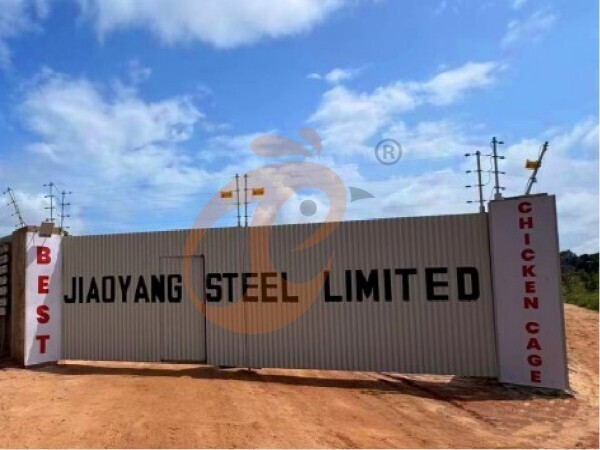
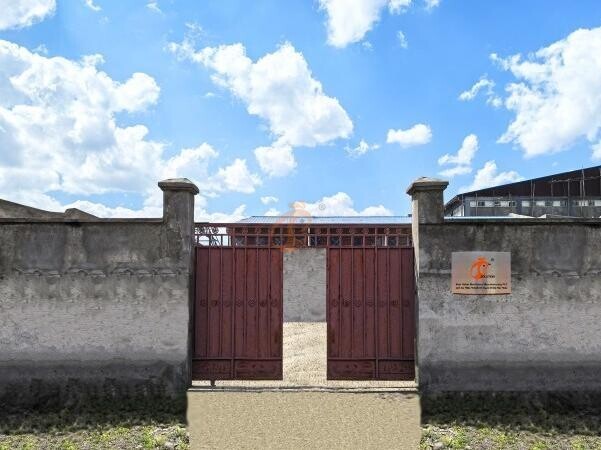
Reception /24 WhatsApp NO. : +8618830120193
FAQ
What Equipment Modules Are Included In Automatic Chicken Cage Poultry Equipment For Poultry Chicken Cage Systems?
Watering modules integrate pipelines rated for 16–20 mm diameter supporting stable distribution.
Manure belts utilize 1.0–1.2 mm thickness materials for continuous waste removal durability.
Which Structural Equipment Specifications Define Automatic Chicken Cage Poultry Equipment In Poultry Chicken Cage Systems?
Wire mesh spacing is maintained at 20–25 mm to support bird stability and waste separation.
Galvanization coating reaches 90–130 g/m² for corrosion resistance in high humidity environments.
What Drive System Equipment Parameters Are Used In Automatic Chicken Cage Poultry Equipment For Poultry Chicken Cage Farms?
Gear reducer ratio is configured between 1:20–1:40 for controlled mechanical output speed.
Transmission efficiency reaches 85%–92% minimizing energy loss during continuous operation.
Message
Products recommended
 HK Headquarter Offers EU-standard Poultry Farm Solutions, Manufacture Poultry Farm Equipment1. Continuous communication with the EU and the US
2. China, Nigeria, Ethiopia, Tanzania branch companies and factories
3. The products’ quality is customized for local poultry farms
4. Poultry cage and poultry farm equipment stock for sale
5. 24 online reception Whatsapp NO. : +8618830120193,contact us to get full informationRead More China Branch Offer Poultry Farm Business Plan, Manufacture Poultry Farm Equipment1. Address: Flat/RM 2416, 24/F, Runxing Building, Youyi Nan Street, Shijiazhuang City, Hebei Province, China
2. Poultry cage and poultry farm equipment factory and stock for sale
3. Customized for local poultry farms
4. Quality and design are based on Euro
5. 24 online reception Whatsapp NO. : +8618830120193Read More Nigeria Branch Offer Poultry Farm Business Plan, Manufacture Poultry Farm Equipment1. Address: After Sinoma Office, 200 Meters Near Danco Filling Station, Lagos/Ibadan Expressway, Lagos State, Nigeria
2. Poultry cage and poultry farm equipment factory and stock for sale
3. Customized for Nigerian poultry farms
4. Quality and design are based on Euro
5. 24 online reception Whatsapp NO. : +8618830120193Read More Ethiopia Branch Offer Poultry Farm Business Plan, Manufacture Poultry Farm Equipment1. Address: Gelan Gura, Akaki-kaliti Sub City, Addis Ababa, Ethiopia
2. Poultry cage and poultry farm equipment stock for sale
3. Customized for Ethiopian poultry farms
4. Quality and design are based on Euro
5. 24 online reception Whatsapp NO. : +8618830120193, contact us to get price listRead More Tanzania Branch Offer Poultry Farm Business Plan, Manufacture Poultry Farm Equipment1. Address: No.8, Sova Road, Msufini, Mlandizi, Kibaha, Pwani, Tanzania
2. Poultry cage and poultry farm equipment factory and stock for sale
3. Customized for Tanzanian poultry farms
4. Quality and design are based on Euro
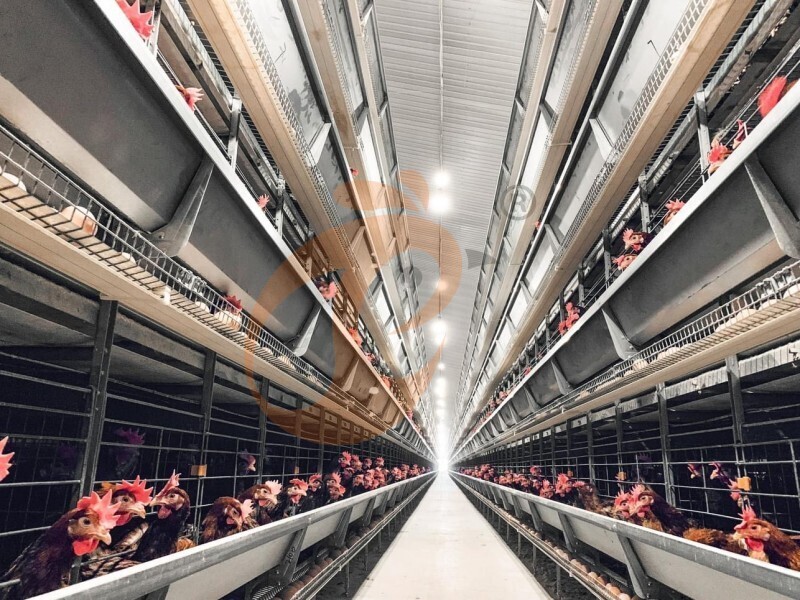
5. 24 online reception Whatsapp NO. : +8618830120193Read More Fully Automatic H Type Layer Chicken Cage1. 30,000-100,000+ layers/house chooses it, Poultry farmers can achieve an egg production rate of 96-98%
2. A significant improvement over the 85-90% typically seen in manual systems
3. A typical poultry farm can expect a 30-40% reduction in labor costs due to the automation
4. Each feeding line efficiently supplies feed to around 100,000 hens per 30 mins
5. Reception /WhatsApp NO. : +8618830120193Read More Fully Automatic A Type Layer Chicken Cage1. 10,000-50,000 layers/house chooses it
2. Cleaner egg collection reduces breakage by 0.5%
3. Improved hygiene helps reduce mortality rate to <3%
4. 1–2 technicians can handle 15,000–30,000 birds
5. Reception /WhatsApp NO. : +8618830120193Read More Semi Automatic H Type Layer Chicken Cage1. 1,00-20,000 layers/house chooses it
2. Nipple drinkers flow 30–60 ML / min
3. Hot-dip galvanized (typical coating ≥ 275 g/m²)
4. Reduce ammonia by ~ 35–40%
5. Reception /WhatsApp NO. : +8618830120193Read More Semi Automatic A Type Layer Chicken Cage1. 1,00-20,000 layers/house chooses it, no rust for 10 years, no deformation for 15 years
2. Chickens live comfortably, you can raise them with peace of mind
3. Save water, save money—efficiency you can measure
4. Improve environment quality, and increase egg production rate
5. Reception /WhatsApp NO. : +8618830120193Read More
By clicking 'Allow All', you agree to the storage of cookies on your device to enhance site navigation, analyze site usage and assist with our marketing efforts.