


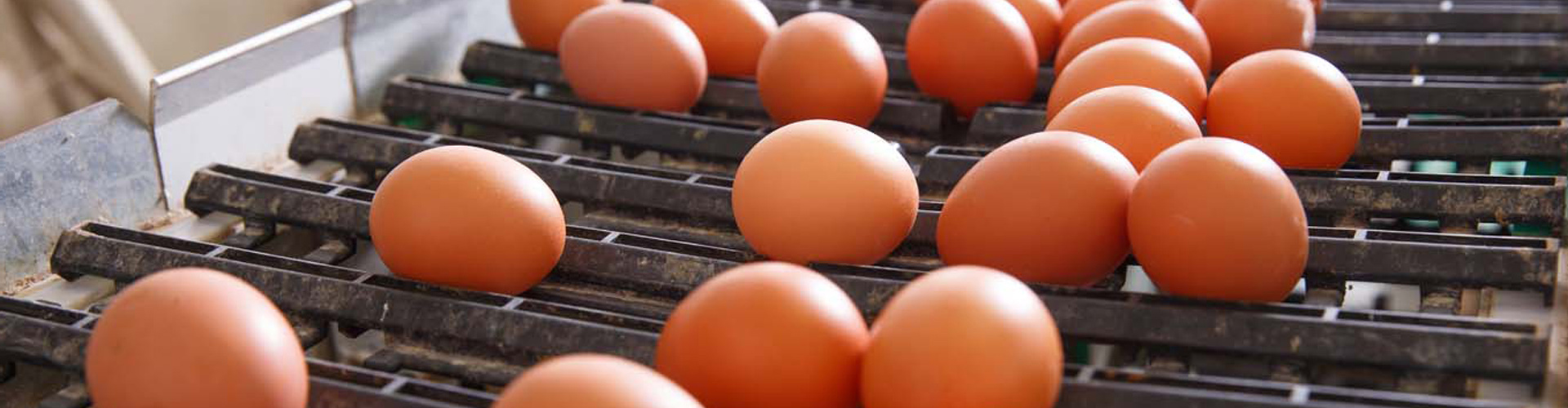
Chicks hatching

Blog

Why Choose Broiler Chicken Cage Systems | 5 Proven Benefits For Poultry Farms
Time : May 25, 2026
  • Modern poultry farming requires efficient housing systems, stable production management, improved feed conversion, advanced poultry equipment integration, and reliable commercial broiler farming solutions.

  • Automatic chicken cage technology supports higher stocking density, cleaner production environments, lower mortality rates, and faster meat chicken growth performance.

  • Commercial poultry farms increasingly adopt automated broiler systems because poultry cage structures improve environmental control, reduce operational labor requirements, and optimize production profitability.

  • Intelligent ventilation systems, automatic feeding lines, and poultry farm equipment automation create sustainable production conditions for modern poultry operations with stronger long-term investment returns.

  • Large scale poultry enterprises also benefit from improved production consistency, lower disease transmission risks, and more accurate daily flock management.

Get professional poultry farm construction guidance, equipment selection solutions, and the latest price lists, whatsApp to +8618830120193, +2348111199996, or click to learn more.
Taiyu (HK) Group Equipment

Taiyu (HK) Group Equipment


What Is A Broiler Chicken Cage System?


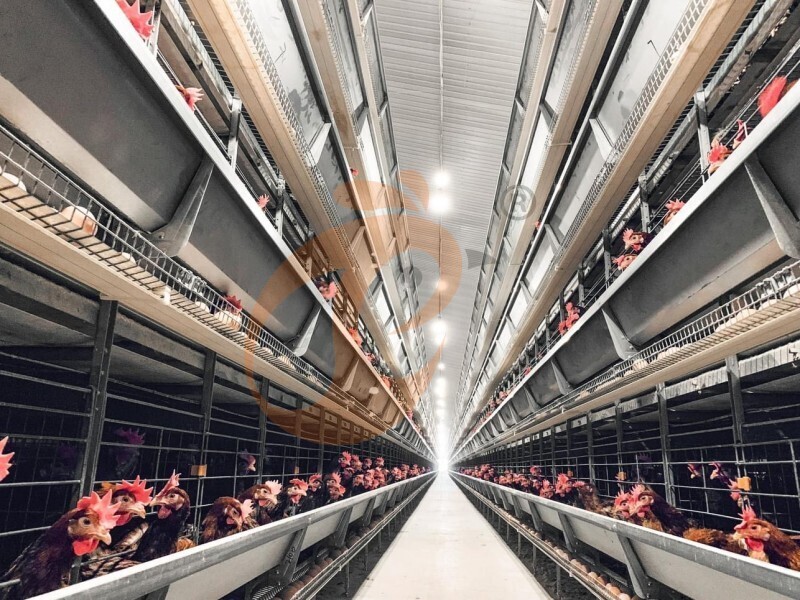
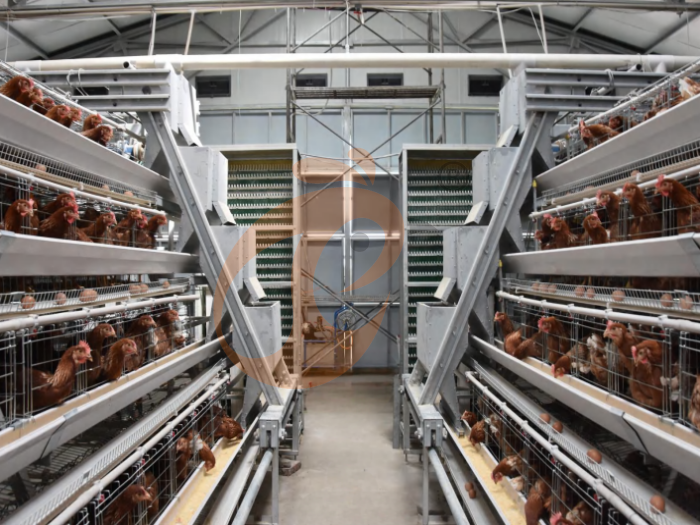
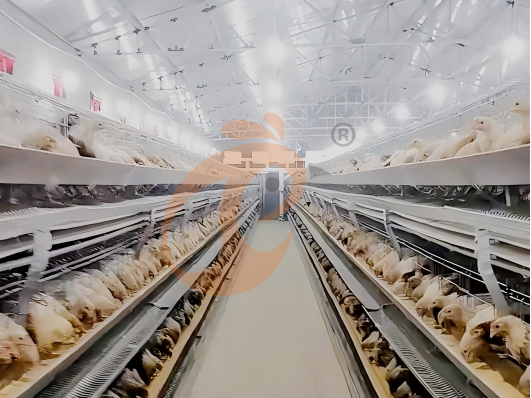
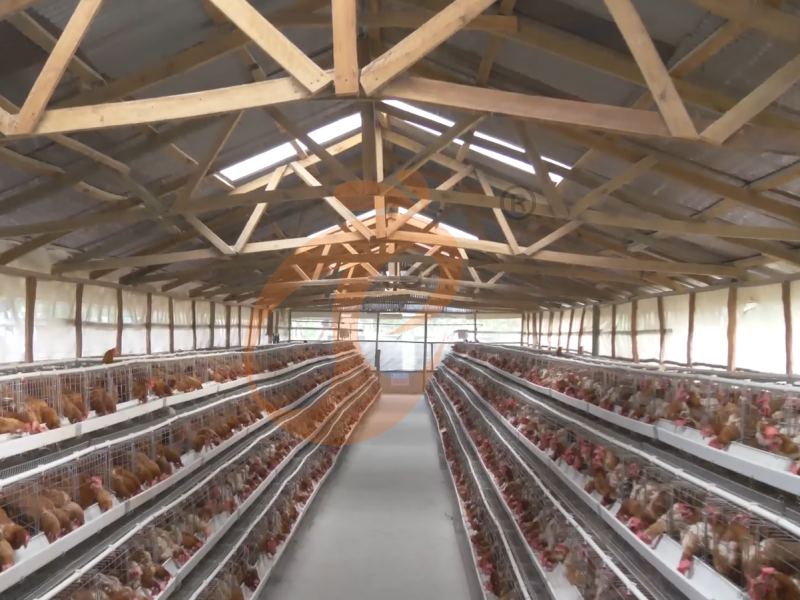
A broiler chicken cage system is a modern poultry housing structure designed specifically for raising meat chickens in organized tiers or compartments.

Advanced poultry farming equipment improves production efficiency and operational management for commercial poultry farms.

Modern poultry cage structures are commonly manufactured from hot-dip galvanized steel materials with automated operational components for continuous daily production management.

The systems often include automatic feeding systems, nipple drinking lines, manure removal systems, ventilation equipment, environmental control technology, and intelligent lighting systems.

Automatic chicken cage structures help poultry farms maintain stable production environments while reducing labor intensity and operational management pressure.

Basic Structure Of A Broiler Chicken Cage System

Data is for reference only.Swipe horizontally to view full table.

ComponentOperating Capacity
Feeding Line45 kg feed per hour
Drinking System12 liters water per minute
Cage Frame120 birds per unit
Ventilation Fans36,000 m³ airflow per hour
Manure Belt95 meters cleaning per hour
Lighting System18 hours daily operation


Higher Space Utilization


One of the biggest advantages of broiler cage systems is the ability to raise more birds within the same building area.

Traditional floor systems require large walking and resting spaces for chickens, while cage systems use vertical space effectively through multi-tier designs.

Commercial poultry farms with automatic chicken cage systems can increase production volume significantly without purchasing additional land resources.

Modern poultry farming enterprises increasingly choose multi-layer poultry cage systems because building utilization efficiency directly affects annual profitability and operational expansion capacity.

Comparison Of Stocking Density

Data is for reference only.Swipe horizontally to view full table.

System TypeBirds Per Square Meter
Floor System11 birds
Semi-Intensive System14 birds
Broiler Cage System24 birds

The increased density allows poultry farms to reduce building construction investment, improve annual meat production volume, and optimize overall production management efficiency.

Commercial broiler farming projects with 20,000 birds can reduce building occupation area by approximately 35% through modern poultry cage structures.


Scientific Insight Why Space Efficiency Matters


In poultry science, production efficiency is measured through the relationship between feed consumption, housing investment, labor costs, and meat output.

Poultry farms that improve space utilization efficiency generally achieve stronger long-term production profitability.

Automatic poultry farming equipment also supports more stable environmental control conditions because ventilation systems, feeding systems, and manure removal equipment operate more efficiently inside organized poultry cage structures.

Modern broiler farming projects increasingly adopt intelligent environmental management systems to improve productivity consistency and operational stability.

Example Cost Distribution

Data is for reference only.Swipe horizontally to view full table.

Expense CategoryFloor SystemCage System
Land Requirement2,400 m²1,500 m²
Annual Labor Cost$18,000$9,500
Feed Loss Rate8%3%
Electricity Consumption6,200 kWh4,800 kWh

This directly increases profitability for commercial poultry farming operations.

Large-scale broiler farms often save more than $6,000 annually through reduced labor requirements and lower feed loss ratios.

European union standard reference only.


Better Disease Control


Disease outbreaks remain one of the most serious risks in commercial poultry farming.

Broiler cage systems significantly reduce bird-to-bird contamination because chickens have minimal direct contact with manure accumulation areas.

Traditional floor systems allow birds to remain continuously exposed to wet litter conditions, contaminated feed particles, and moisture accumulation.

Poultry cage systems separate birds from manure through elevated flooring structures and automatic manure removal belts.

Disease Risk Comparison

Data is for reference only.Swipe horizontally to view full table.

Disease FactorFloor SystemCage System
Daily Manure Contact Time24 hours1 hour
Litter Moisture Content34%12%
Mortality Rate7.2%3.1%
Veterinary Cost Per 10,000 Birds$4,800$2,100

Cleaner production environments help poultry farms reduce medication expenses, improve flock health conditions, and achieve more stable production performance throughout the broiler growth cycle.


Educational Section Understanding Coccidiosis


Coccidiosis is a common parasitic disease in poultry caused by protozoa called Eimeria.

The disease spreads rapidly through contaminated feces and wet litter environments.

Commercial poultry farms with poor moisture management often experience severe production losses caused by intestinal infections and reduced feed conversion efficiency.

Typical symptoms include bloody droppings, weight reduction, reduced appetite, dehydration, weak mobility, and sudden mortality increases.

Poultry cage systems interrupt the disease transmission cycle because birds remain separated from manure and wet litter accumulation.

Coccidiosis Impact On Production

Data is for reference only.Swipe horizontally to view full table.

Production IndicatorInfected FlockControlled Flock
Average Weight At 35 Days1.75 kg2.28 kg
Feed Conversion Ratio2.151.62
Mortality Rate8.4%2.7%
Daily Weight Gain48 g66 g

Large scale poultry farms increasingly prefer poultry cage systems because disease prevention directly affects annual production profitability and market supply consistency.


Reduced Feed Waste


Feed represents approximately 60%–70% of total poultry production costs.

Even small amounts of unnecessary feed loss can significantly reduce poultry farm profitability.

Modern broiler cage systems use scientifically designed feeding troughs and automatic feed distribution systems to improve feed utilization efficiency.

Automatic poultry farming equipment also prevents birds from scratching, contaminating, or spilling feed materials onto manure accumulation surfaces.

Poultry farms using intelligent feeding systems generally achieve more stable daily feed intake performance and lower production waste rates.

Feed Efficiency Comparison

Data is for reference only.Swipe horizontally to view full table.

ParameterFloor RaisingCage Raising
Feed Waste Per 1,000 Birds Daily42 kg16 kg
Feed Conversion Ratio2.041.63
Feed Intake At 35 Days3.98 kg3.62 kg
Final Market Weight2.08 kg2.36 kg

Commercial poultry operations can save approximately $10,000–$16,000 annually through reduced feed waste and optimized feed conversion performance.

European union standard reference only.


Why Feed Conversion Ratio Matters


Feed conversion ratio (FCR) measures how efficiently chickens convert feed into body weight.

Poultry farms with lower FCR values generally achieve better profitability because lower feed consumption produces higher meat output performance.

Modern automatic chicken cage systems help improve FCR performance because birds maintain more stable movement patterns, cleaner feeding conditions, and reduced environmental stress during the production cycle.

Feed Conversion Standards

Data is for reference only.Swipe horizontally to view full table.

Production ConditionFCR Value
Poor Environmental Control2.20
Conventional Floor Farming1.95
Semi-Automatic Poultry Cage1.78
Fully Automated Cage System1.55

Lower FCR values directly reduce feed procurement expenses and improve long-term operational profitability for commercial poultry farming enterprises.


Easier Farm Management


Modern cage systems are increasingly automated.

Advanced poultry farming equipment reduces manual labor requirements and simplifies daily operational management procedures for commercial poultry farms.

Automated systems manage feeding, drinking, waste removal, temperature control, humidity adjustment, and lighting schedules through intelligent operational control systems.

Poultry farm managers can monitor production data more accurately while reducing manual operational errors and labor pressure.

Labor Requirement Comparison

Data is for reference only.Swipe horizontally to view full table.

Farm TypeWorkers Needed Per 10,000 Birds
Traditional Floor Farm11 workers
Semi-Automatic Farm6 workers
Automated Cage Farm3 workers

This reduction in labor dependency is especially valuable in regions facing labor shortages and increasing employee management costs.

Modern poultry farming enterprises also benefit from more accurate production monitoring, lower operational downtime, and improved environmental management consistency through automated poultry equipment integration.

Key Automation Features

Data is for reference only.Swipe horizontally to view full table.

Automation FeatureDaily Operating Capacity
Automatic Feeding18 tons feed distribution
Nipple Drinking System28,000 liters water supply
Manure Removal Belt12 cleaning cycles daily
Climate Control18°C–28°C regulation
Automatic Lighting5 programmable schedules


Improved Bird Growth Performance


Broiler chickens grow more efficiently inside stable production environments with continuous access to clean feed and water resources.

Poultry cage systems improve production stability by maintaining organized housing structures and more accurate environmental management conditions.

Commercial poultry farms using automatic chicken cage systems often achieve faster growth rates, better weight uniformity, lower mortality percentages, and more consistent meat quality performance throughout the entire production cycle.

Growth Performance Data

Data is for reference only.Swipe horizontally to view full table.

IndicatorFloor SystemCage System
Average Market Weight2.05 kg2.38 kg
Mortality Rate6.9%2.9%
Daily Weight Gain54 g68 g
Harvest Uniformity81%94%

These production improvements significantly increase annual commercial poultry farming profitability and market competitiveness.


Environmental Benefits Of Broiler Cage Systems


Modern poultry farming must also consider environmental sustainability and waste management efficiency.

Poultry cage systems support cleaner production environments through organized manure collection systems and improved ventilation management.

Commercial poultry farms using automated manure removal equipment generally experience lower ammonia accumulation levels, lower water consumption rates, and improved overall air quality conditions inside poultry houses.

Environmental Comparison

Data is for reference only.Swipe horizontally to view full table.

Environmental FactorFloor SystemCage System
Water Consumption Per 10,000 Birds24,000 liters daily17,500 liters daily
Ammonia Concentration32 ppm14 ppm
Waste Collection Efficiency68%96%
Ventilation Energy Consumption5,800 kWh yearly4,200 kWh yearly

Efficient manure collection systems also improve organic fertilizer processing efficiency and environmental sanitation management performance.


Are Broiler Cage Systems Suitable For Small Farms?


Many poultry farmers believe cage systems are only suitable for large industrial poultry projects.

Smaller poultry farms can also benefit from semi-automatic poultry cage systems because organized production management improves operational efficiency regardless of farm size.

Poultry farms with 3,000–8,000 birds often achieve faster investment recovery periods after upgrading from traditional floor systems to modern poultry farming equipment.

Smaller poultry operations also benefit from reduced feed waste, improved disease prevention, and lower daily labor requirements.

Small Farm Production Comparison

Data is for reference only.Swipe horizontally to view full table.

Production IndicatorFloor FarmCage Farm
Annual Production Cycles5 cycles6 cycles
Average Labor Hours Daily14 hours6 hours
Feed Waste Monthly1,120 kg420 kg
Marketable Bird Ratio88%96%

Modern poultry cage systems provide flexible operational solutions for both medium-scale and small-scale poultry farming enterprises.


Important Factors Before Installing A Cage System


Before investing in poultry equipment, poultry farmers should carefully evaluate climate conditions, electricity supply stability, production scale requirements, building dimensions, and long-term operational budgets.

Commercial poultry farms with poor ventilation design or unstable electrical systems may experience reduced automation efficiency.

Professional poultry equipment planning and engineering support therefore remain critical for successful cage system installation projects.

Checklist For Poultry Farmers

Data is for reference only.Swipe horizontally to view full table.

FactorRecommended Standard
Farm SizeAbove 3,000 birds
Building HeightAbove 3.5 meters
Ventilation Capacity3.5 m³ per bird hourly
Power Supply380V industrial electricity
Water Pressure0.15–0.30 MPa

Choosing professional poultry equipment suppliers also improves long-term operational reliability and maintenance efficiency.


Common Misunderstandings About Broiler Cage Systems


Some poultry farmers hesitate to adopt cage systems because of outdated information and incorrect production assumptions.

Modern poultry farming equipment has improved significantly through intelligent automation technology, stronger galvanized steel materials, and optimized environmental control systems.

Commercial poultry enterprises using advanced poultry cage structures generally achieve more stable operational management and lower production costs than traditional floor farming systems.

Production Performance Comparison

Data is for reference only.Swipe horizontally to view full table.

Production ParameterTraditional Floor FarmingAutomated Cage Farming
Production Cycle Duration42 days35 days
Feed Consumption Per Bird4.18 kg3.66 kg
Annual Output Per House120,000 birds186,000 birds
Average Survival Rate92%97%

Understanding actual production advantages helps poultry farmers make more accurate long-term investment decisions.


Future Trends In Poultry Farming


  • The poultry industry is moving toward smart farming systems, data-driven management, automated environmental control, and AI-based production monitoring technologies.

  • Poultry cage systems are becoming the foundation of modern commercial poultry farming because intelligent equipment integration improves operational efficiency and production consistency.

  • Future poultry farms will increasingly use remote monitoring platforms, precision feeding systems, automatic disease detection technologies, and intelligent climate management systems.

  • Poultry farming enterprises that modernize production systems early may gain stronger long-term competitiveness in global meat production markets.


Frequently Asked Questions


Q1: What is the main advantage of broiler chicken cage systems?

A1: The main advantage is improved production efficiency.

Broiler cage systems increase stocking density, reduce feed waste, improve environmental sanitation, and support more stable daily flock management for commercial poultry farming operations.

Q2: Are broiler chicken cage systems suitable for hot climate regions?

A2: Yes.

Modern poultry farming equipment includes ventilation fans, cooling pads, and automatic environmental control systems capable of maintaining stable production temperatures in tropical and high-temperature regions.

Q3: How long does a broiler chicken cage system last?

A3: High-quality galvanized steel poultry cage systems generally operate for 15–20 years under proper maintenance conditions and scheduled equipment inspection management procedures.


Taiyu (HK) Group - One Of China Biggest Broiler Chicken Cage Systems Manufacturer


  • Advanced broiler chicken cage systems support efficient commercial poultry farming management operations

  • Global factory direct sales provide stable poultry equipment production and competitive pricing advantages

  • Professional poultry cage solutions improve intelligent environmental control and feeding management efficiency

  • Turn-key poultry farm engineering supports installation, commissioning, training, and operational guidance services

  • Modern poultry equipment systems increase productivity for international commercial poultry farming projects


Contact Us To Received Your Customized Poultry Farm Plan


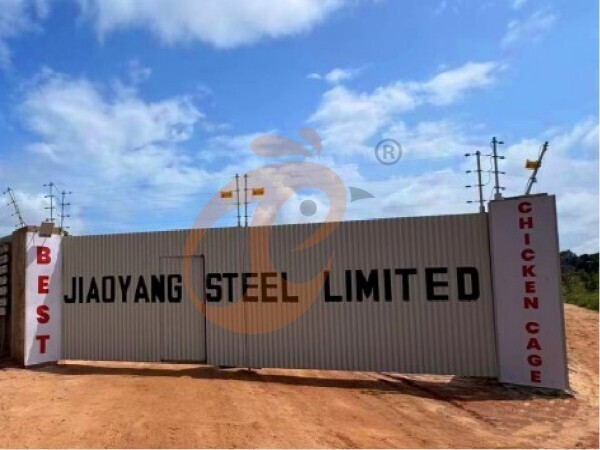
Headquarters And Branchs
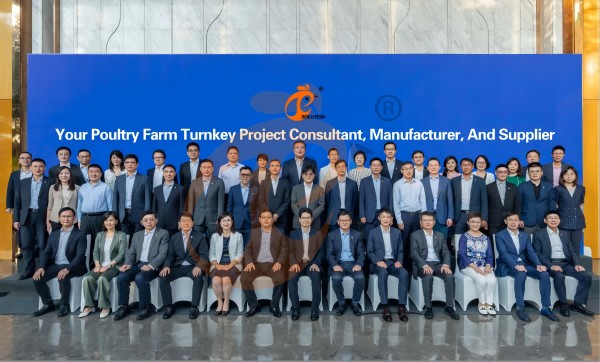
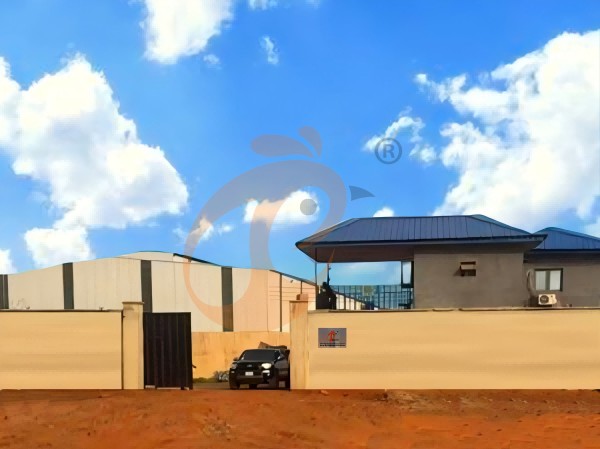
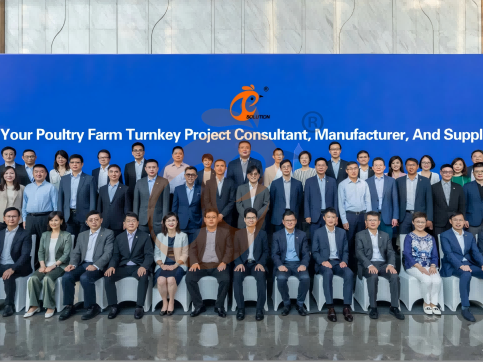
Hong Kong Headquarter Management Team


  • Hong Kong Headquarter Taiyu Industrial Group CO., LTD

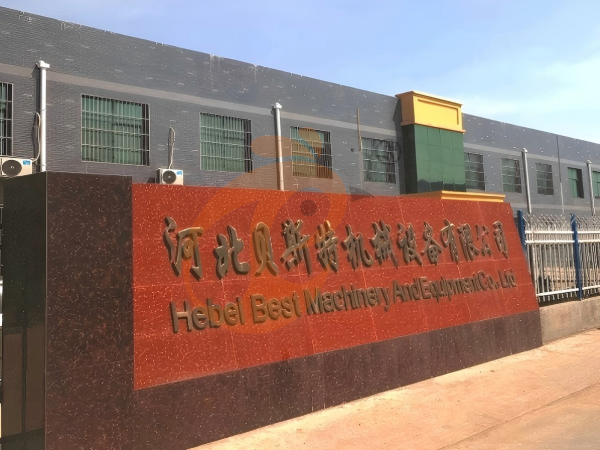
  • China Hebei Best Machinery And Equipment CO., LTD

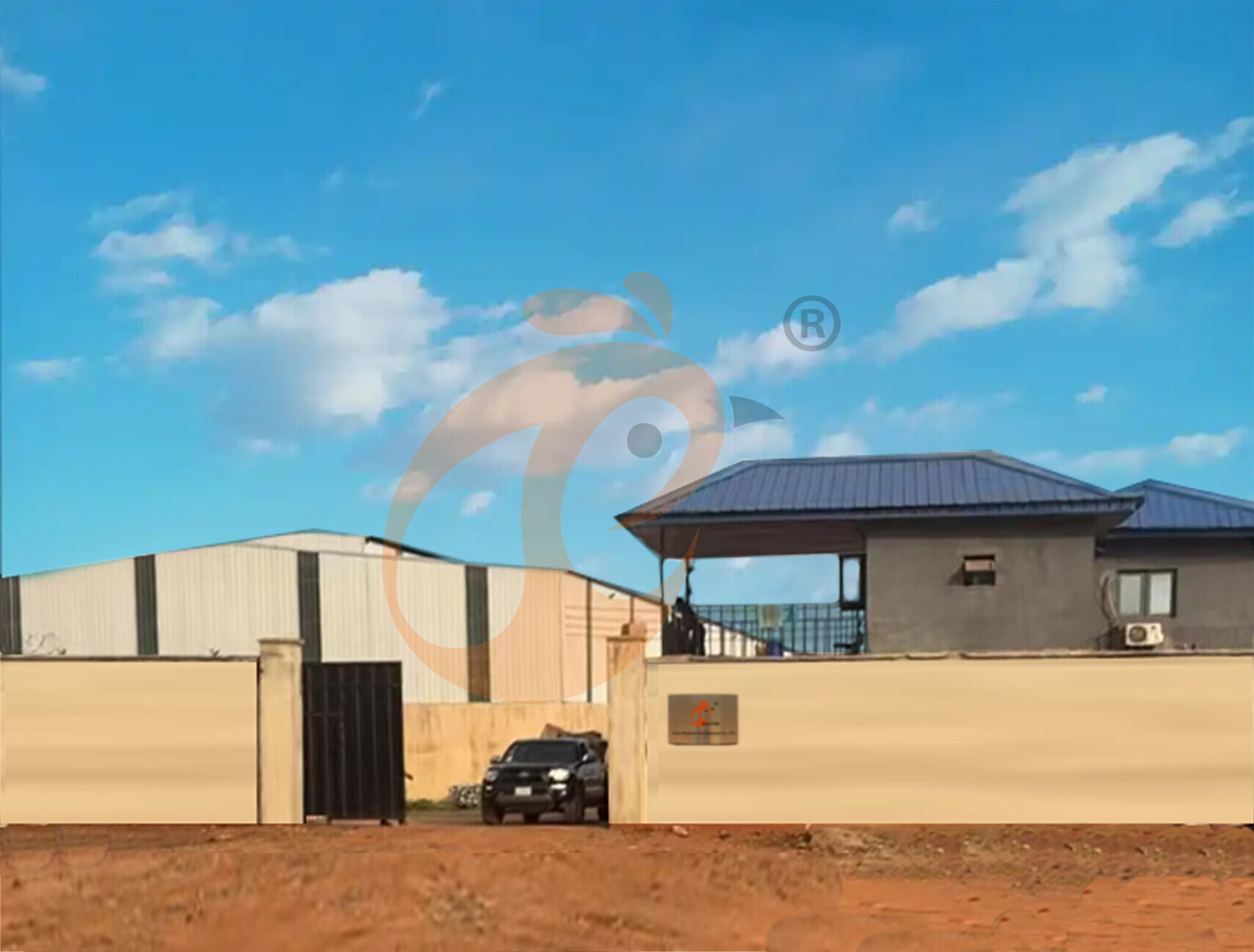
  • Nigeria Vanke Machinery And Equipment CO., LTD

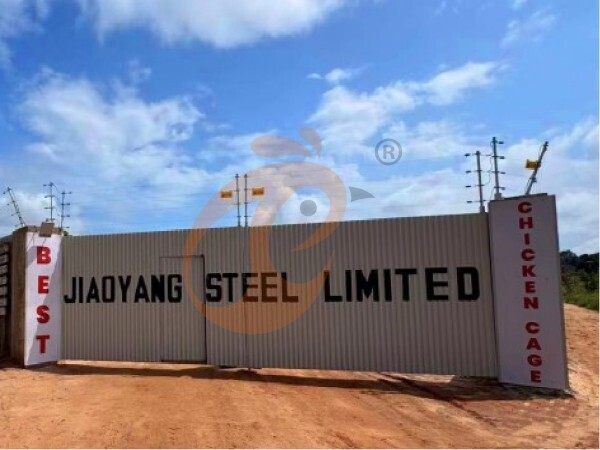
  • Tanzania Best Machinery And Equipment CO., LTD

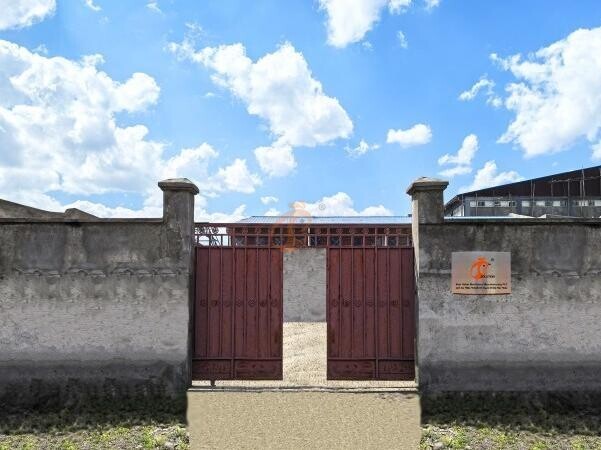
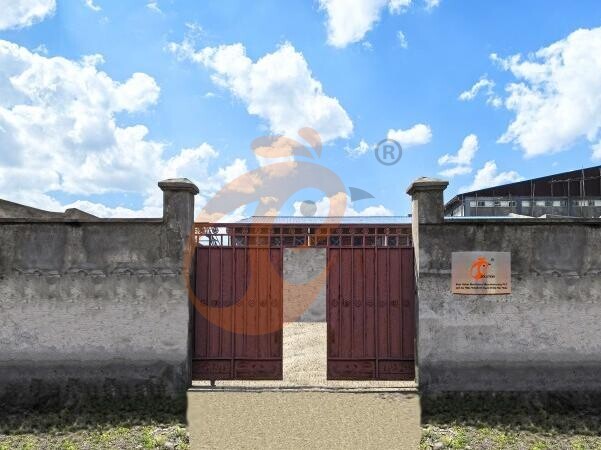
  • Ethiopia Best Hebei Machinery Manufacturing PLC
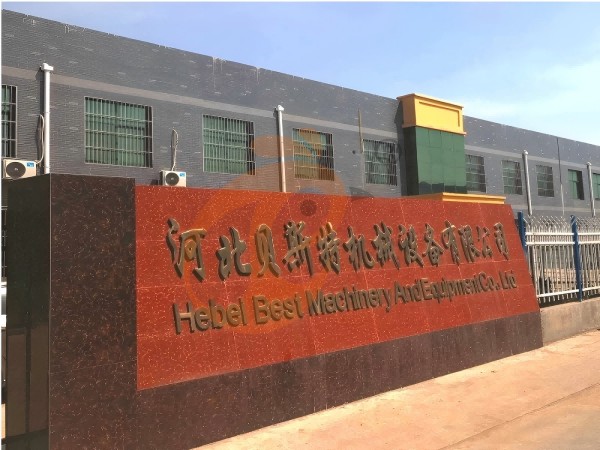

China Branch


Nigeria Branch


Tanzania Branch


Ethiopia Branch


Reception /24 WhatsApp NO. : +8618830120193

Email:sales@bestchickencage.com

FAQ

Q:

What Feeding System Integration Is Used In Broiler Chicken Cage Systems For Poultry Chicken Farms?

A:
Feed trough length is designed at 8–12 cm per bird for equal feed access.
Automatic feeding lines operate at 3–6 kg per meter feed delivery capacity.
Feed distribution cycle time is controlled within 4–6 minutes per full house line.
Q:

What Environmental Control Standards Are Required For Broiler Chicken Cage Systems In Poultry Chicken Houses?

A:
Temperature is controlled within 20–26°C for optimal metabolic growth efficiency.
Relative humidity is maintained at 50–65% to prevent respiratory stress.
Ammonia concentration is kept below 10 ppm to ensure respiratory health stability.
Q:

What Are The Cage Layer Height And Structural Design Standards In Broiler Chicken Cage Systems For Poultry Chicken Production?

A:
Cage tier height spacing is commonly designed at 55–65 cm to ensure ventilation efficiency between layers.
Structural load capacity per tier reaches 35–45 kg per square meter for live bird weight support.
Frame inclination angle is maintained at 6–8 degrees to facilitate manure removal efficiency.

Message

Send

Products recommended