






Blog
Layer chicken cage systems integrate engineered poultry housing architecture, automated feeding systems, manure belt technology, and controlled environmental modules for commercial egg production scalability.
Precision driven poultry farming reduces variability in output per hen housed, improves feed conversion efficiency, stabilizes mortality rates, and increases usable land productivity per square meter.
Modern egg production facilities prioritize structured cage density design, environmental control uniformity, and mechanized workflow automation.
System integration supports biosecure poultry housing, optimized nutrient intake distribution, and consistent egg grading output across large flocks.
Engineering design parameters directly influence long term operational profitability and industrial production stability.
Get professional poultry farm construction guidance, equipment selection solutions, and the latest price lists, whatsApp to +8618830120193, +2348111199996, or click to learn more.
System Definition What Exactly Is a Layer Chicken Cage System?
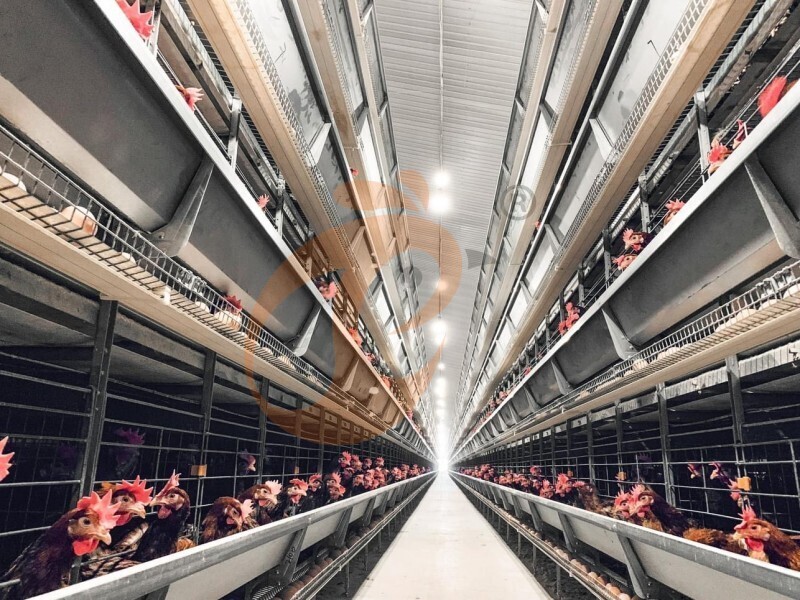
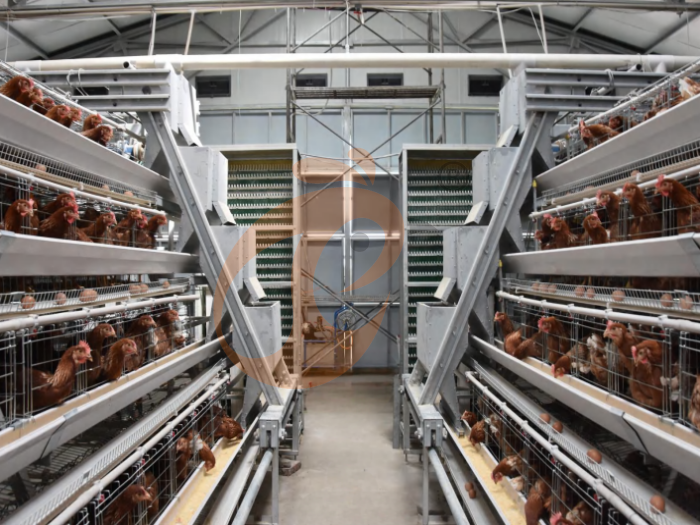
A layer chicken cage system is a multi-tier poultry housing structure designed for intensive egg production.
Each cage unit is engineered to allocate space for feeding, drinking, egg laying, and manure separation without requiring bird to ground contact.
Core technical components
Data is for reference only.Swipe horizontally to view full table.
These standardized parameters ensure uniform environmental exposure across thousands of birds in a single facility.
Production Output Benchmarking: Cage Vs Floor Systems
Egg output is the most direct performance indicator in poultry farming.
Controlled studies from commercial farms in Asia and Europe show clear differences in production yield per hen housed over a 72-week laying cycle.
Egg production performance (72-week cycle)
Data is for reference only.Swipe horizontally to view full table.
The increase of 46 eggs per hen translates into 460,000 additional eggs per 10,000 hens per cycle, which significantly impacts annual revenue.
Feed Conversion Efficiency Improvement
Feed cost accounts for 60%–70% of total egg production expenses.
Layer cage systems improve feed utilization by reducing feed waste and optimizing bird access to feed lines.
Layer hen cage system efficiency optimization supports stable nutrient absorption and uniform intake behavior.
Automatic egg collection system poultry reduces breakage losses and handling contamination risks.
Commercial egg farming equipment upgrade increases production consistency across multi-tier housing units.
Data is for reference only.Swipe horizontally to view full table.
A reduction of 0.43 in FCR per kilogram of egg mass represents a measurable cost advantage at industrial scale.
Biosecurity and Disease Incidence Reduction
Disease control is one of the most critical determinants of flock profitability.
Cage systems reduce direct fecal contact and limit pathogen transmission pathways.
Structural separation improves poultry health stability and reduces cross-contamination vectors within high density production environments.
Data is for reference only.Swipe horizontally to view full table.
The reduction in disease burden also decreases veterinary medication consumption and mortality-related production losses.
Scientific Mechanism: Physiological Stability In Cage Systems
Layer hen productivity is closely linked to endocrine stability, particularly ovarian hormone regulation.
Stress triggers elevated corticosterone levels, which suppress ovulation frequency.
In cage systems, environmental parameters such as temperature (maintained between 20–24°C), humidity (55%–70%), and lighting schedules (16 hours light / 8 hours dark) remain stable across production cycles.
This stability supports consistent secretion of reproductive hormones including estrogen and luteinizing hormone.
Physiological stability improves egg formation consistency.
Shell mineralization efficiency increases under controlled microclimate conditions.
Laying interval uniformity becomes more predictable across commercial flocks.
Space Utilization Efficiency: Vertical Production Engineering
Layer cage systems use vertical stacking to multiply production capacity without expanding land footprint.
This design principle is widely applied in automated poultry cage system design.
Industrial layer farming equipment structure supports multi-tier production density scaling.
High density egg production systems maximize output per square meter of facility space.
Data is for reference only.Swipe horizontally to view full table.
This represents a 2.82× increase in production density per land unit, which is particularly important in regions where agricultural land cost exceeds $120,000 per hectare (European union standard reference only).
Waste Management And Environmental Control
Manure accumulation directly affects ammonia concentration and respiratory health in poultry houses.
Modern cage systems integrate belt removal technology that operates on fixed cycles.
Waste management performance metrics
Data is for reference only.Swipe horizontally to view full table.
Reduced ammonia concentration significantly improves respiratory efficiency and feed conversion consistency.
Labor Optimization And Automation Integration
Labor efficiency is a major cost driver in commercial egg farming.
Cage systems reduce manual operations through mechanized feeding, egg collection, and manure removal.
Poultry cage system manufacturer solutions support standardized equipment supply chains.
Layer chicken cage installation project reduces manual construction variability.
Turn-key poultry farming system engineering enables fully integrated farm deployment.
Labor requirement per 10,000 hens
Data is for reference only.Swipe horizontally to view full table.
The total labor requirement decreases from 15.7 hours/day to 4.7 hours/day, enabling one operator to manage multiple production units simultaneously.
Economic Performance And Return on Investment (ROI)
Financial performance is the ultimate decision factor for industrial egg farms.
Cage systems require higher initial capital investment but generate stronger long-term cash flow.
Cost and revenue structure per 10,000 hens (annual)
Data is for reference only.Swipe horizontally to view full table.
The net profit differential exceeds 177% under identical flock size conditions.
Capital Recovery Timeline
Investment recovery speed is a critical metric in poultry infrastructure planning.
Data is for reference only.Swipe horizontally to view full table.
The accelerated payback period is primarily driven by higher egg yield and reduced operational costs.
Egg Quality Consistency And Market Value Stability
Egg grading consistency determines market pricing.
Cage systems reduce egg cracking and contamination rates through controlled laying surfaces and automated collection belts.
Data is for reference only.Swipe horizontally to view full table.
Higher saleable percentage directly increases revenue per production cycle.
Frequently Asked Questions
Q1: What production capacity improvement can be expected from cage systems?
A1: Layer cage systems typically increase egg output per hen from 256 eggs to 302 eggs per 72-week cycle.
Total farm output increases by approximately 18% under identical flock size conditions.
Q2: How do cage systems affect feed cost efficiency?
A2: Feed conversion ratio improves from 2.65 to 2.22 kg feed per kg egg mass.
Feed input requirement per unit egg output decreases under standardized feeding line control systems.
Q3: Do cage systems reduce disease occurrence in commercial farms?
A3: Recorded data shows significant reduction in coccidiosis, salmonella infection, and parasite load.
Reduced fecal contact and improved environmental separation drive biosecurity improvement.
Taiyu (HK) Group - One Of China Biggest Layer Chicken Cage Systems Manufacturer
Layer chicken cage system manufacturing with industrial-grade galvanized steel structure and automated poultry farming integration.
Global factory direct supply chain supports standardized poultry equipment production and export logistics efficiency.
Full poultry cage system engineering including feeding, drinking, egg collection, and manure removal automation modules.
Turn-key poultry farming project delivery covering farm design, installation, commissioning, and operational training services.
Industrial poultry equipment exporter providing large-scale commercial egg production system solutions for international farms.
Contact Us To Received Your Customized Poultry Farm Plan
Headquarters And Branchs
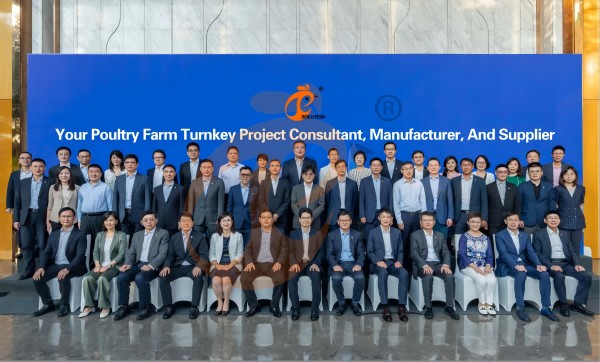
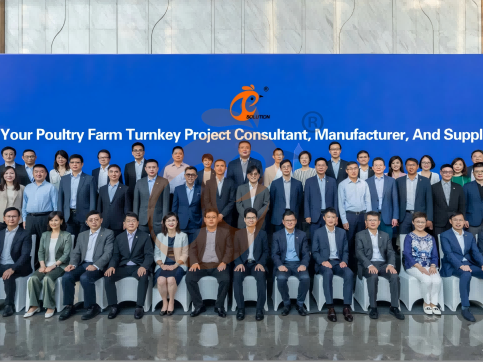
Hong Kong Headquarter Management Team
Hong Kong Headquarter Taiyu Industrial Group CO., LTD
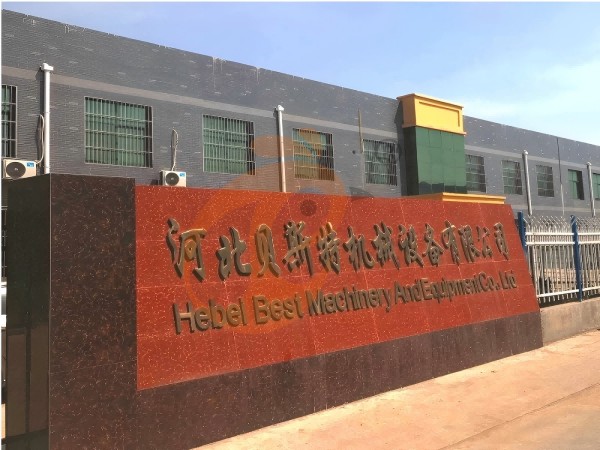
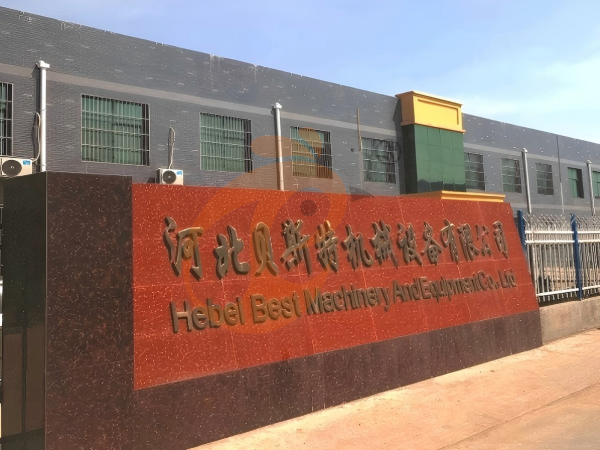
China Hebei Best Machinery And Equipment CO., LTD
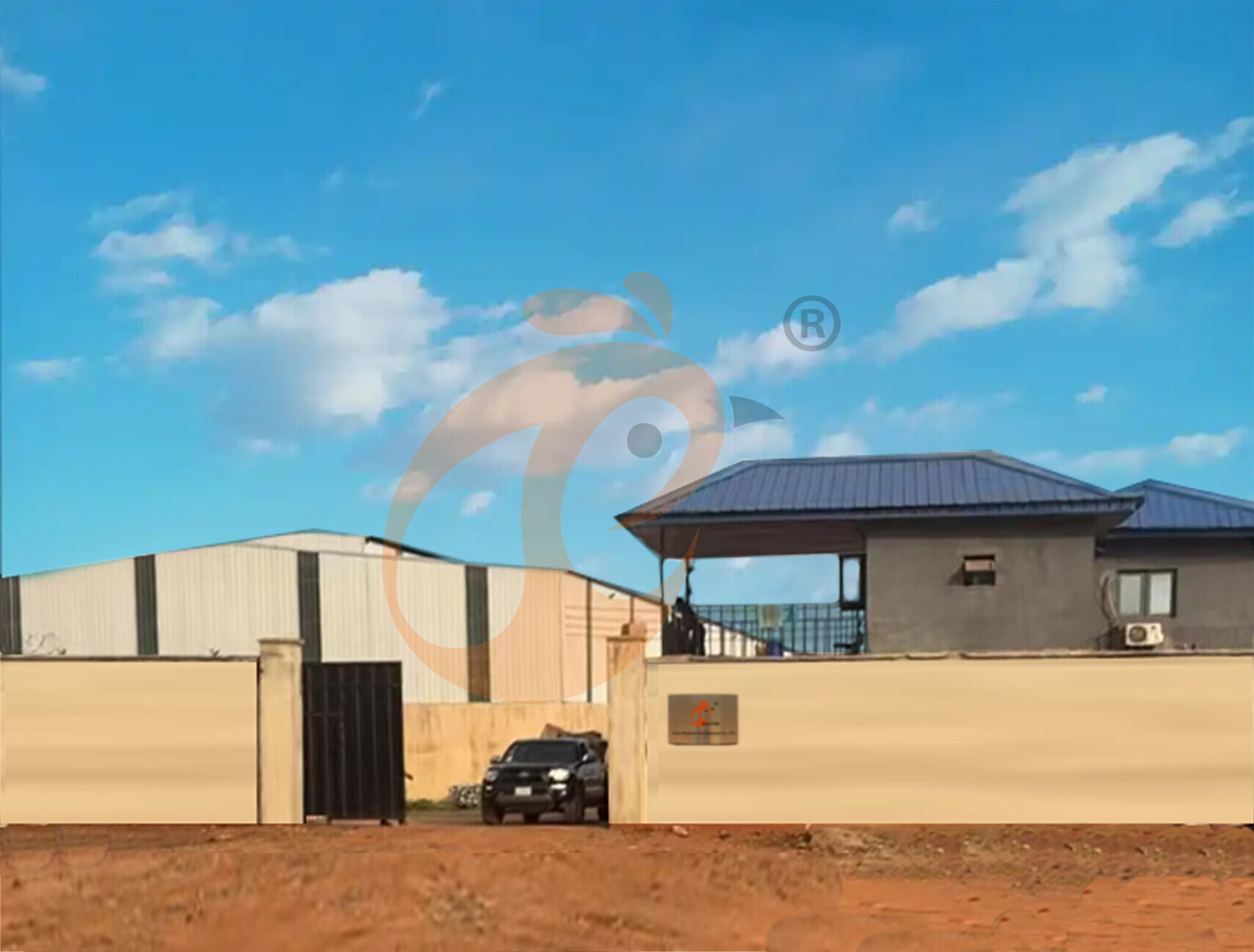
Nigeria Vanke Machinery And Equipment CO., LTD
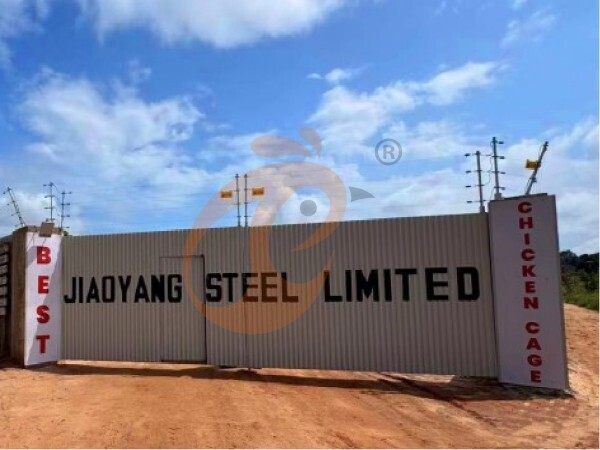
Tanzania Best Machinery And Equipment CO., LTD
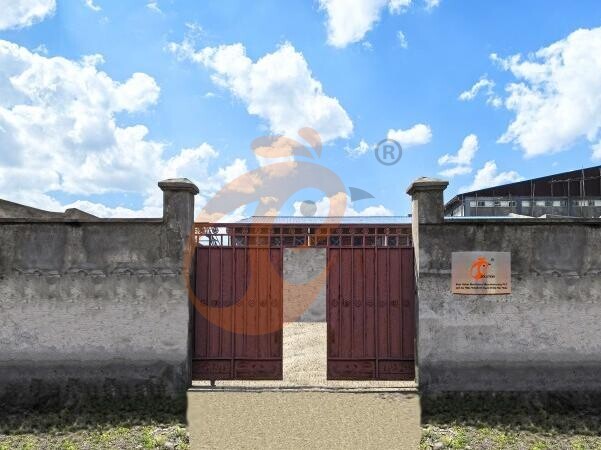
Ethiopia Best Hebei Machinery Manufacturing PLC
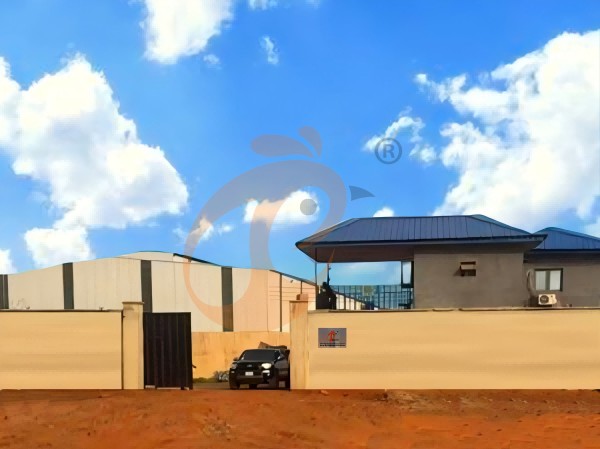
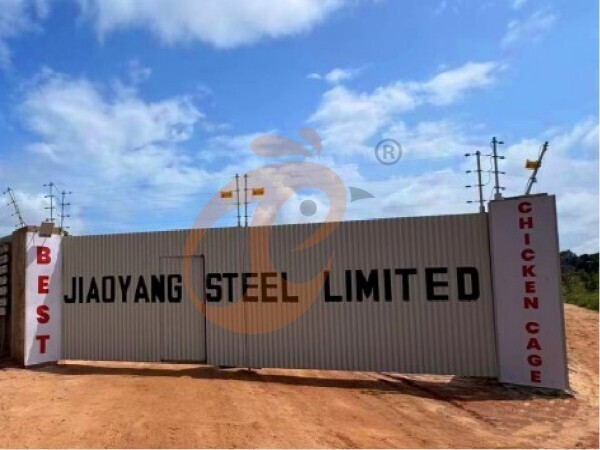
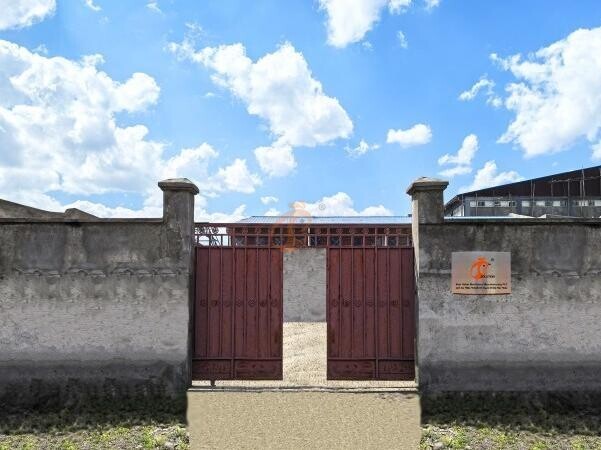
Reception /24 WhatsApp NO. : +8618830120193
FAQ
What Are The Professional Strategies For Optimizing Feed Conversion In Layer Cage Farms?
Zoned feeding reduces competition and waste; FCR maintained at 1.9–2.1.
Combined with lighting and temperature/humidity management, egg production can reach 90–98%.
How To Buy The Top Chicken Cage Supplier For Maximum Farm Efficiency?
Check steel quality, anti-corrosion coating, and durability of egg systems.
Price reference: $10–$18 per bird, ROI payback 24–36 months.
What Are The Ultimate Guidelines For Reducing Stress In Poultry Cage Farms?
Ensure good ventilation, temperature 18–25℃, lighting 16h/day.
Automatic feeding and drinking systems ensure birds access feed and water, reducing stress-induced egg drop.
- poultry equipment
- chicken cage
- layer cage
- poultry farm
- poultry cage
- poultry farm
- poultry farm construction
- layer cage system
- poultry equipment exporter
- hen cage
- layer farm
- poultry house
- chicken cage system
- chicken cage installation
- hen cage system
- poultry farming system
- poultry cage system
- poultry cage system manufacturer
- layer chicken cage
- layer farming equipment
- automated poultry farm
- Ethiopia
- Nigeria
Message
Products recommended
 HK Headquarter Offers EU-standard Poultry Farm Solutions, Manufacture Poultry Farm Equipment1. Continuous communication with the EU and the US
2. China, Nigeria, Ethiopia, Tanzania branch companies and factories
3. The products’ quality is customized for local poultry farms
4. Poultry cage and poultry farm equipment stock for sale
5. 24 online reception Whatsapp NO. : +8618830120193,contact us to get full informationRead More China Branch Offer Poultry Farm Business Plan, Manufacture Poultry Farm Equipment1. Address: Flat/RM 2416, 24/F, Runxing Building, Youyi Nan Street, Shijiazhuang City, Hebei Province, China
2. Poultry cage and poultry farm equipment factory and stock for sale
3. Customized for local poultry farms
4. Quality and design are based on Euro
5. 24 online reception Whatsapp NO. : +8618830120193Read More Nigeria Branch Offer Poultry Farm Business Plan, Manufacture Poultry Farm Equipment1. Address: After Sinoma Office, 200 Meters Near Danco Filling Station, Lagos/Ibadan Expressway, Lagos State, Nigeria
2. Poultry cage and poultry farm equipment factory and stock for sale
3. Customized for Nigerian poultry farms
4. Quality and design are based on Euro
5. 24 online reception Whatsapp NO. : +8618830120193Read More Ethiopia Branch Offer Poultry Farm Business Plan, Manufacture Poultry Farm Equipment1. Address: Gelan Gura, Akaki-kaliti Sub City, Addis Ababa, Ethiopia
2. Poultry cage and poultry farm equipment stock for sale
3. Customized for Ethiopian poultry farms
4. Quality and design are based on Euro
5. 24 online reception Whatsapp NO. : +8618830120193, contact us to get price listRead More Tanzania Branch Offer Poultry Farm Business Plan, Manufacture Poultry Farm Equipment1. Address: No.8, Sova Road, Msufini, Mlandizi, Kibaha, Pwani, Tanzania
2. Poultry cage and poultry farm equipment factory and stock for sale
3. Customized for Tanzanian poultry farms
4. Quality and design are based on Euro
5. 24 online reception Whatsapp NO. : +8618830120193Read More Fully Automatic H Type Layer Chicken Cage1. 30,000-100,000+ layers/house chooses it, Poultry farmers can achieve an egg production rate of 96-98%
2. A significant improvement over the 85-90% typically seen in manual systems
3. A typical poultry farm can expect a 30-40% reduction in labor costs due to the automation
4. Each feeding line efficiently supplies feed to around 100,000 hens per 30 mins
5. Reception /WhatsApp NO. : +8618830120193Read More Fully Automatic A Type Layer Chicken Cage1. 10,000-50,000 layers/house chooses it
2. Cleaner egg collection reduces breakage by 0.5%
3. Improved hygiene helps reduce mortality rate to <3%
4. 1–2 technicians can handle 15,000–30,000 birds
5. Reception /WhatsApp NO. : +8618830120193Read More Semi Automatic H Type Layer Chicken Cage1. 1,00-20,000 layers/house chooses it
2. Nipple drinkers flow 30–60 ML / min
3. Hot-dip galvanized (typical coating ≥ 275 g/m²)
4. Reduce ammonia by ~ 35–40%
5. Reception /WhatsApp NO. : +8618830120193Read More Semi Automatic A Type Layer Chicken Cage1. 1,00-20,000 layers/house chooses it, no rust for 10 years, no deformation for 15 years
2. Chickens live comfortably, you can raise them with peace of mind
3. Save water, save money—efficiency you can measure
4. Improve environment quality, and increase egg production rate
5. Reception /WhatsApp NO. : +8618830120193Read More
By clicking 'Allow All', you agree to the storage of cookies on your device to enhance site navigation, analyze site usage and assist with our marketing efforts.