






Blog
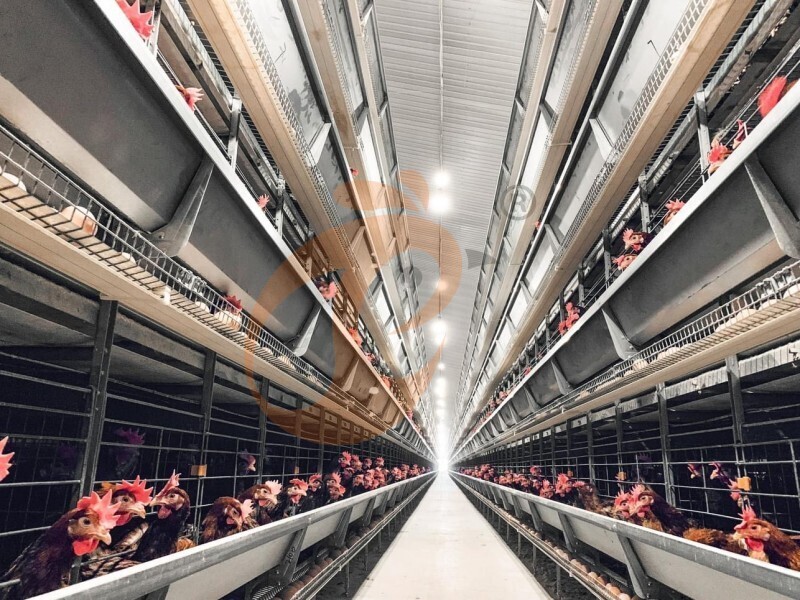
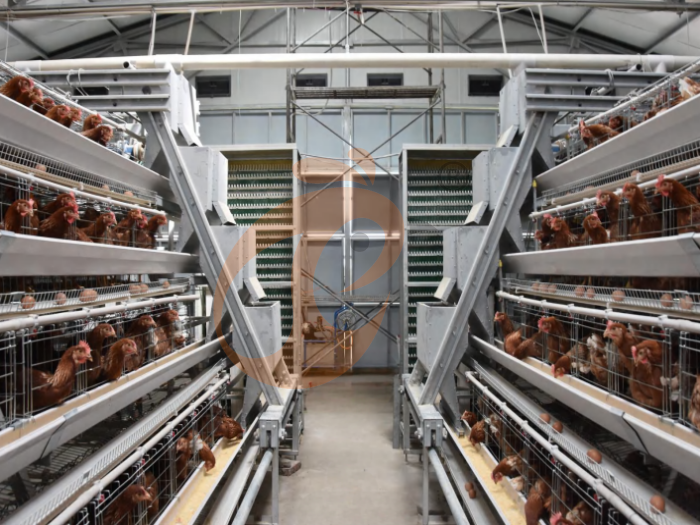
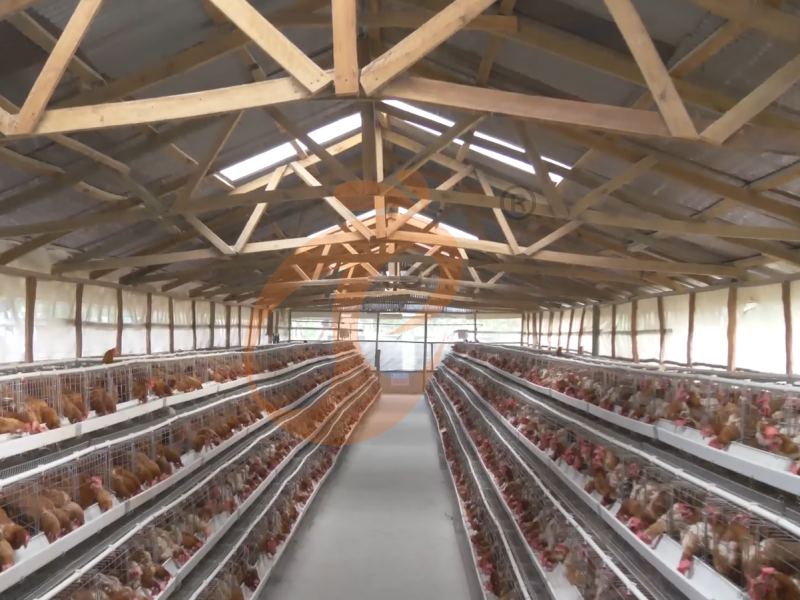
A type poultry cage system management defines structured daily operations inside modern layer production facilities.
Routine inspection cycles stabilize flock performance across multi tier housing environments.
Environmental control, feeding discipline, and hygiene sequencing support consistent egg output levels.
Mechanical cage layouts enable efficient observation across dense stocking configurations.
Operational coordination improves flock uniformity across ventilation, lighting, and waste handling zones.
Get professional poultry farm construction guidance, equipment selection solutions, and the latest price lists, whatsApp to +8618830120193, +2348111199996, or click to learn more.
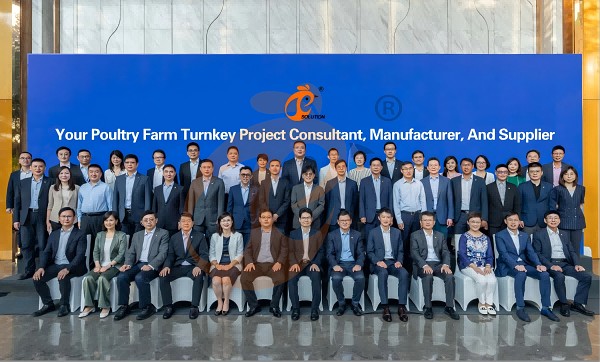
Understanding Daily Management Structure In Poultry Cage Houses
Daily operational workflow inside cage based poultry houses follows repetitive biological and mechanical control logic.
Production stability depends on synchronized execution of feeding, hydration, climate, and sanitation routines.
Poultry House Automation System integration improves consistency across large scale housing environments.
Data is for reference only.Swipe horizontally to view full table.
Environmental Inspection And Structural Condition Check
Morning inspection focuses on structural airflow distribution and thermal balance consistency.
Bird positioning patterns reflect immediate environmental comfort levels across cage tiers.
Temperature gradients influence metabolic activity across vertically arranged cage systems.
Data is for reference only.Swipe horizontally to view full table.
Feed Distribution Calibration And Consumption Control
Feed delivery consistency determines production uniformity across all laying cycles.
Mechanical auger systems require calibration to maintain equal feed spread across cage rows.
Nutritional balance supports shell formation and metabolic stability in production flocks.
Data is for reference only.Swipe horizontally to view full table.
Water Line Stability And Hydration Flow Control
Hydration delivery stability directly impacts feed digestion efficiency and egg production rhythm.
Pipeline flushing cycles remove sediment accumulation inside nipple drinking systems.
Water pressure balancing ensures equal distribution across vertical cage layers.
Data is for reference only.Swipe horizontally to view full table.
Lighting Synchronization And Photoperiod Regulation
Lighting rhythm regulates endocrine balance and egg laying frequency.
Gradual illumination transitions reduce stress response across flock populations.
Timer based systems ensure stable photoperiod execution across production cycles.
Data is for reference only.Swipe horizontally to view full table.
Egg Collection Timing And Product Classification
Egg harvesting frequency affects shell integrity and commercial grading performance.
Collection intervals reduce breakage risk inside densely stocked cage systems.
Handling protocols determine final market classification outcomes.
Data is for reference only.Swipe horizontally to view full table.
Biosecurity Control And Disinfection Workflow
Biosecurity sequencing reduces pathogen transmission risk inside closed poultry environments.
Entry control systems regulate personnel movement across production zones.
Chemical dilution ratios ensure standardized disinfection effectiveness.
Data is for reference only.Swipe horizontally to view full table.
Manure Removal And Waste Processing Control
Waste accumulation control stabilizes air quality and reduces microbial growth conditions.
Mechanical scraping systems assist in continuous manure discharge cycles.
Drying processes prepare material for downstream fertilizer utilization.
Data is for reference only.Swipe horizontally to view full table.
Record Keeping And Operational Documentation
Structured documentation improves traceability across production cycles.
Digital logging systems capture feed, water, and production metrics.
Historical comparison supports long term performance optimization.
Data is for reference only.Swipe horizontally to view full table.
Common Operational Mistakes In Cage Management
Operational deviations often originate from inconsistent timing execution.
Delayed intervention increases system instability across cage tiers.
Maintenance neglect impacts long term productivity efficiency.
Data is for reference only.Swipe horizontally to view full table.
Operational Stability Matrix For Layer Cage Production Systems
Stocking density 9.8 birds/m² across cage tiers improves spatial distribution consistency and reduces movement conflict inside layered housing structures.
Average egg weight reaches 62.5 grams with shell thickness 0.34 millimeters under regulated nutrient absorption cycles and controlled calcium deposition patterns.
Weekly laying performance maintains 92.3% production rate supported by synchronized management intervals across feeding and resting phases.
Feed conversion ratio (fcr) stabilizes at 1.78:1 across controlled nutrient intake programs aligned with metabolic efficiency optimization logic.
Cage tier spacing 48 centimeters enhances airflow separation index measured at 0.65, supporting vertical environmental balance and reducing inter layer microclimate interference.
Frequently Asked Questions
Q1: What is daily management frequency inside cage systems?
A1: Daily management occurs across multiple fixed intervals ranging from early morning to late evening.
Typical operational cycles include six to eight inspection rounds per production day.
Each cycle supports environmental correction and production stability control.
Q2: How does feeding accuracy affect egg production output?
A2: Feeding accuracy directly influences nutrient absorption efficiency and shell formation stability.
A deviation of 5 grams per bird per day can alter production consistency.
Uniform feed distribution improves flock synchronization across cage tiers.
Q3: What is primary cause of egg breakage inside cage houses?
A3: Egg breakage usually results from delayed collection and improper tray handling.
Handling angles above 35 degrees increase shell fracture probability during transport.
Frequent collection cycles reduce contact time inside cage compartments.
Taiyu (HK) Group - One Of China Biggest Poultry Equipment Manufacturer Supplier
A type poultry cage system deployed in 10,000–200,000 bird layer farms supports 9–10 birds/m² density, integrated feeding, drinking, ventilation control.
Global factory direct supply ensures standardized galvanized steel poultry equipment with consistent corrosion resistance and structural accuracy across export projects.
Poultry equipment scope includes cages, feeding lines, nipple drinking systems, manure removal belts, and environmental control modules for industrial production.
Turn key engineering covers farm layout design, installation supervision, electrical integration, and commissioning validation for complete poultry housing systems delivery.
Customization and export logistics support modular cage configuration adjustment, automation upgrades, and coordinated shipment across multi-region agricultural markets.
Contact Us To Received Your Customized Poultry Farm Plan
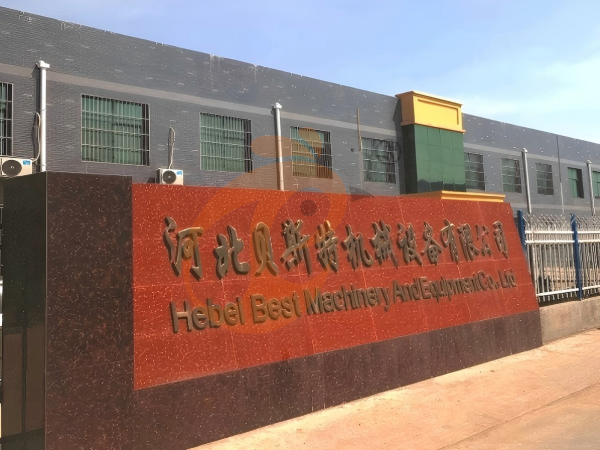
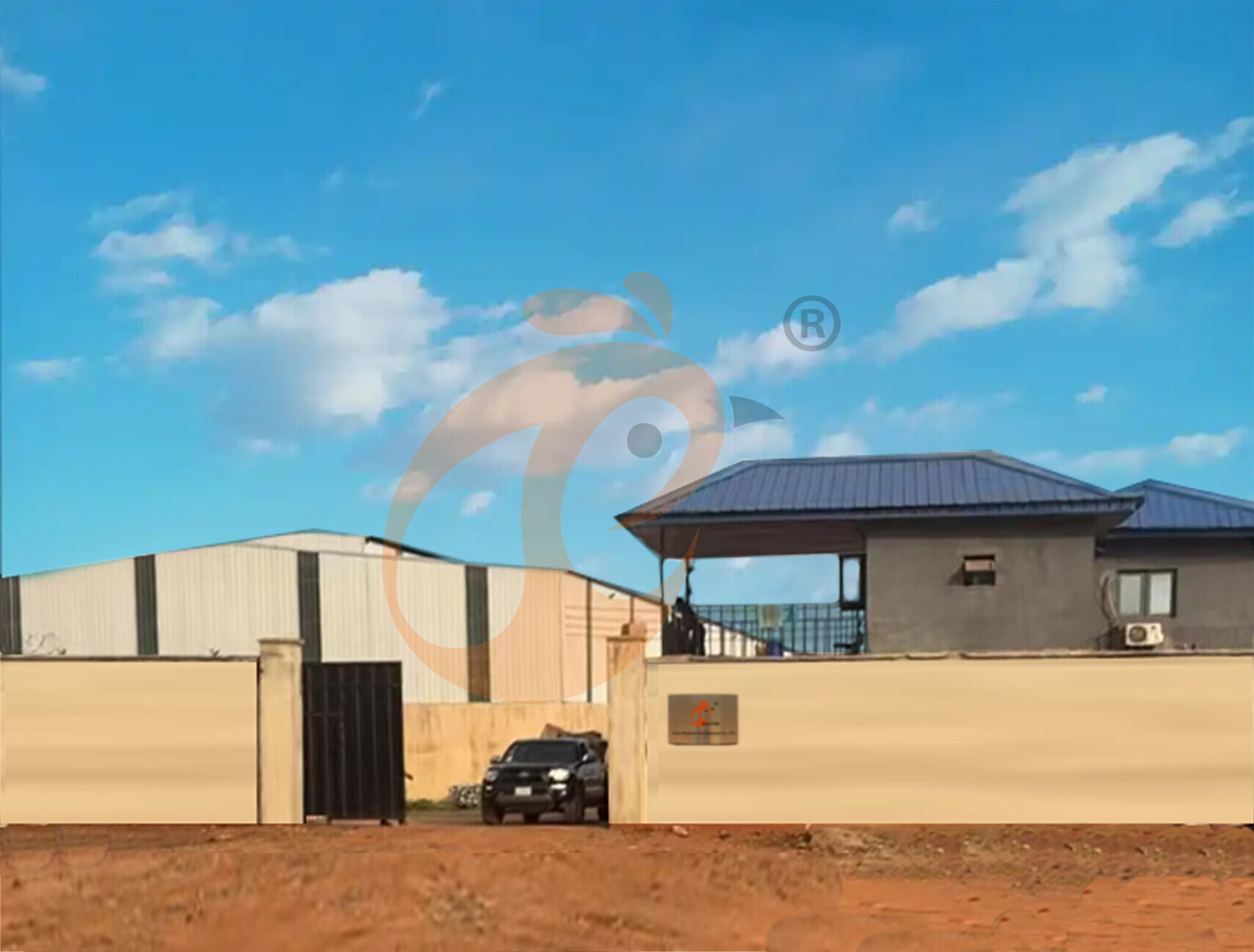
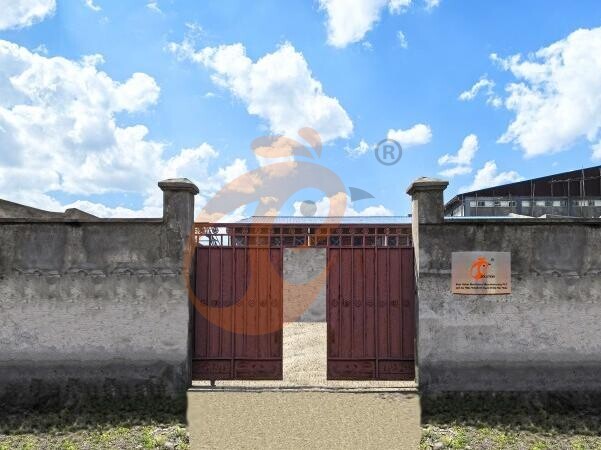
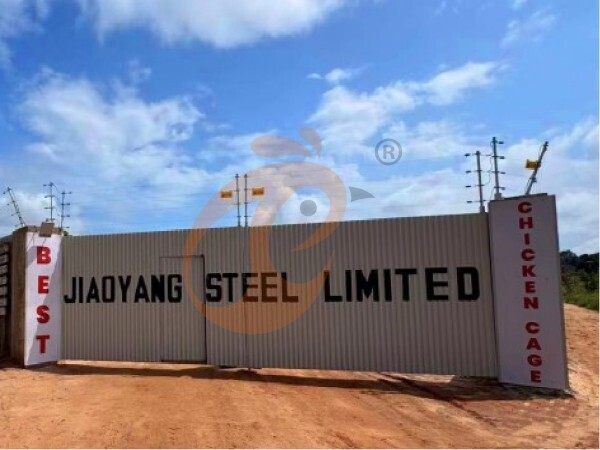
Headquarters And Branchs
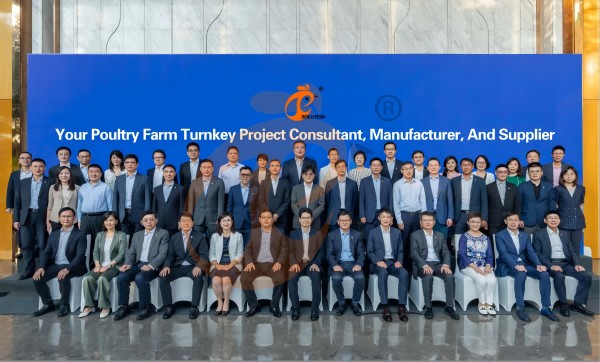
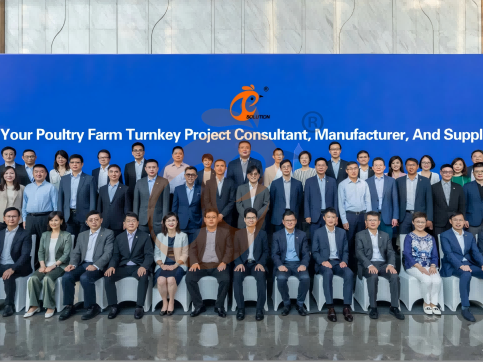
Hong Kong Headquarter Management Team
Hong Kong Headquarter Taiyu Industrial Group CO., LTD
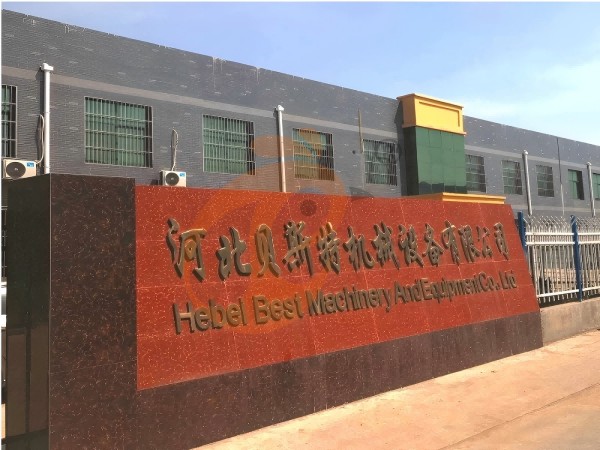
China Hebei Best Machinery And Equipment CO., LTD
Nigeria Vanke Machinery And Equipment CO., LTD
Tanzania Best Machinery And Equipment CO., LTD
Ethiopia Best Hebei Machinery Manufacturing PLC
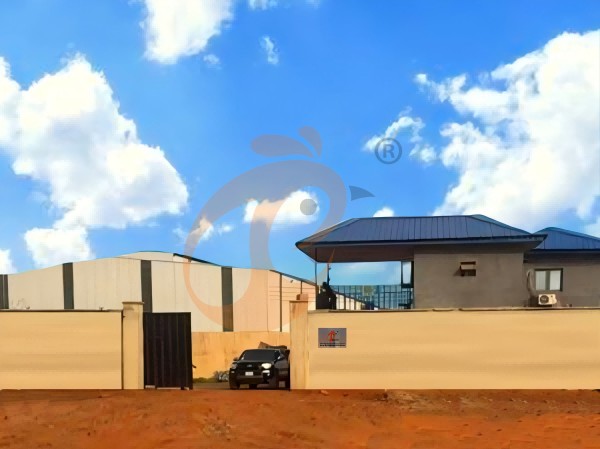
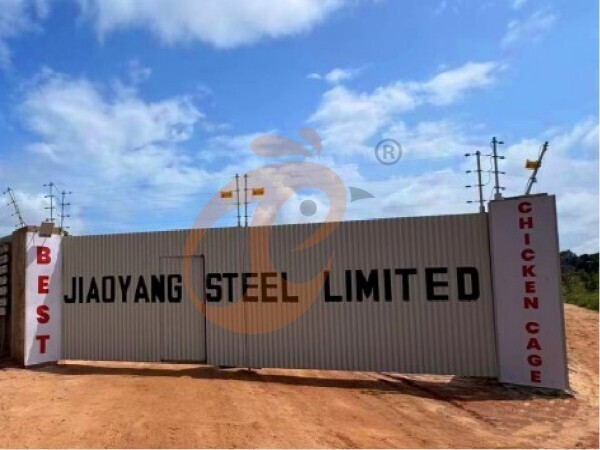
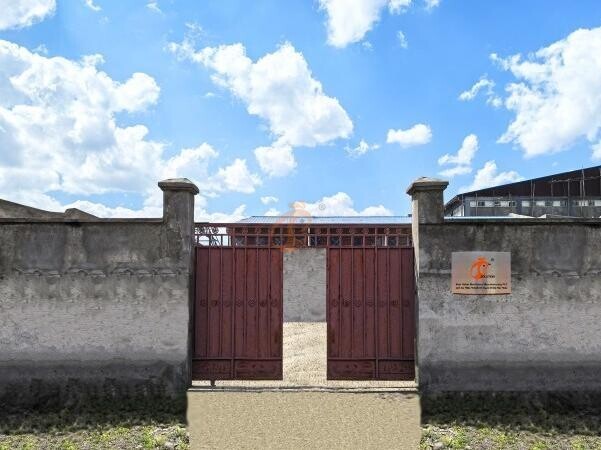
Reception /24 WhatsApp NO. : +8618830120193
FAQ
What Are The Most Efficient Feeding Systems For A-Type Layer Cage Farms?
Even feed distribution reduces waste
One worker manages 5,000–10,000 birds
FCR reduced to 1.9–2.2
Egg production rate: 90–96%
How To Select The Best Supplier For A-Type Chicken Cage Systems?
Ensure material quality and anti-corrosion performance
Equipment lifespan: more than 25 years
Egg production rate: 90–96%
Labor savings: 50–70%
How To Integrate Water And Feed Automation In A-Type Layer Cage System?
Automatically control flow and timing
Egg production rate: 90–96%
FCR: 1.9–2.2
Mortality rate: 2–3%
Message
Products recommended
 HK Headquarter Offers EU-standard Poultry Farm Solutions, Manufacture Poultry Farm Equipment1. Continuous communication with the EU and the US
2. China, Nigeria, Ethiopia, Tanzania branch companies and factories
3. The products’ quality is customized for local poultry farms
4. Poultry cage and poultry farm equipment stock for sale
5. 24 online reception Whatsapp NO. : +8618830120193,contact us to get full informationRead More China Branch Offer Poultry Farm Business Plan, Manufacture Poultry Farm Equipment1. Address: Flat/RM 2416, 24/F, Runxing Building, Youyi Nan Street, Shijiazhuang City, Hebei Province, China
2. Poultry cage and poultry farm equipment factory and stock for sale
3. Customized for local poultry farms
4. Quality and design are based on Euro
5. 24 online reception Whatsapp NO. : +8618830120193Read More Nigeria Branch Offer Poultry Farm Business Plan, Manufacture Poultry Farm Equipment1. Address: After Sinoma Office, 200 Meters Near Danco Filling Station, Lagos/Ibadan Expressway, Lagos State, Nigeria
2. Poultry cage and poultry farm equipment factory and stock for sale
3. Customized for Nigerian poultry farms
4. Quality and design are based on Euro
5. 24 online reception Whatsapp NO. : +8618830120193Read More Ethiopia Branch Offer Poultry Farm Business Plan, Manufacture Poultry Farm Equipment1. Address: Gelan Gura, Akaki-kaliti Sub City, Addis Ababa, Ethiopia
2. Poultry cage and poultry farm equipment stock for sale
3. Customized for Ethiopian poultry farms
4. Quality and design are based on Euro
5. 24 online reception Whatsapp NO. : +8618830120193, contact us to get price listRead More Tanzania Branch Offer Poultry Farm Business Plan, Manufacture Poultry Farm Equipment1. Address: No.8, Sova Road, Msufini, Mlandizi, Kibaha, Pwani, Tanzania
2. Poultry cage and poultry farm equipment factory and stock for sale
3. Customized for Tanzanian poultry farms
4. Quality and design are based on Euro
5. 24 online reception Whatsapp NO. : +8618830120193Read More Fully Automatic H Type Layer Chicken Cage1. 30,000-100,000+ layers/house chooses it, Poultry farmers can achieve an egg production rate of 96-98%
2. A significant improvement over the 85-90% typically seen in manual systems
3. A typical poultry farm can expect a 30-40% reduction in labor costs due to the automation
4. Each feeding line efficiently supplies feed to around 100,000 hens per 30 mins
5. Reception /WhatsApp NO. : +8618830120193Read More Fully Automatic A Type Layer Chicken Cage1. 10,000-50,000 layers/house chooses it
2. Cleaner egg collection reduces breakage by 0.5%
3. Improved hygiene helps reduce mortality rate to <3%
4. 1–2 technicians can handle 15,000–30,000 birds
5. Reception /WhatsApp NO. : +8618830120193Read More Semi Automatic H Type Layer Chicken Cage1. 1,00-20,000 layers/house chooses it
2. Nipple drinkers flow 30–60 ML / min
3. Hot-dip galvanized (typical coating ≥ 275 g/m²)
4. Reduce ammonia by ~ 35–40%
5. Reception /WhatsApp NO. : +8618830120193Read More Semi Automatic A Type Layer Chicken Cage1. 1,00-20,000 layers/house chooses it, no rust for 10 years, no deformation for 15 years
2. Chickens live comfortably, you can raise them with peace of mind
3. Save water, save money—efficiency you can measure
4. Improve environment quality, and increase egg production rate
5. Reception /WhatsApp NO. : +8618830120193Read More
By clicking 'Allow All', you agree to the storage of cookies on your device to enhance site navigation, analyze site usage and assist with our marketing efforts.