






Blog
Deep litter poultry ventilation system design influences airflow balance, litter stability, ammonia control, bird comfort performance efficiency across commercial poultry housing operations
Poultry house ventilation equipment integrates fans, inlets, sensors, supporting temperature regulation, humidity management, gas exchange, and structural airflow optimization across systems
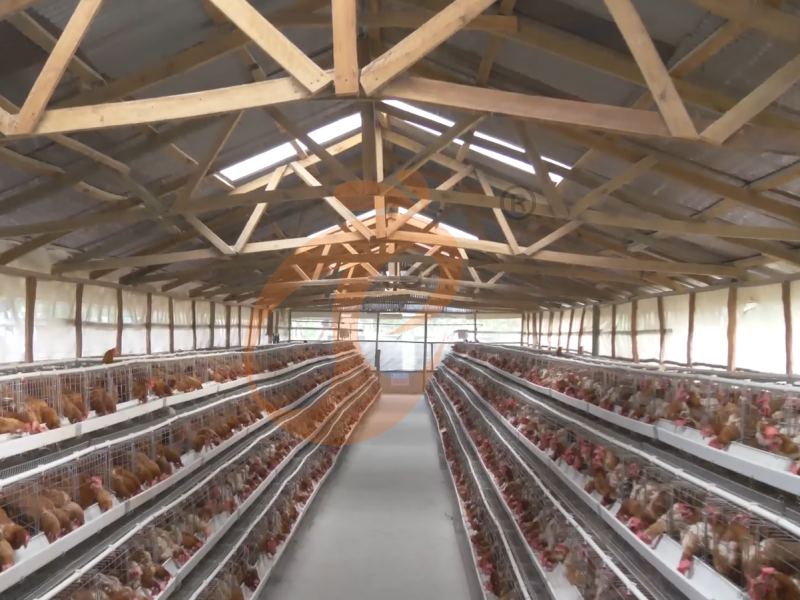
Modern poultry production combines cage systems and floor litter zones, requiring coordinated ventilation engineering and environmental control for stable biological decomposition processes
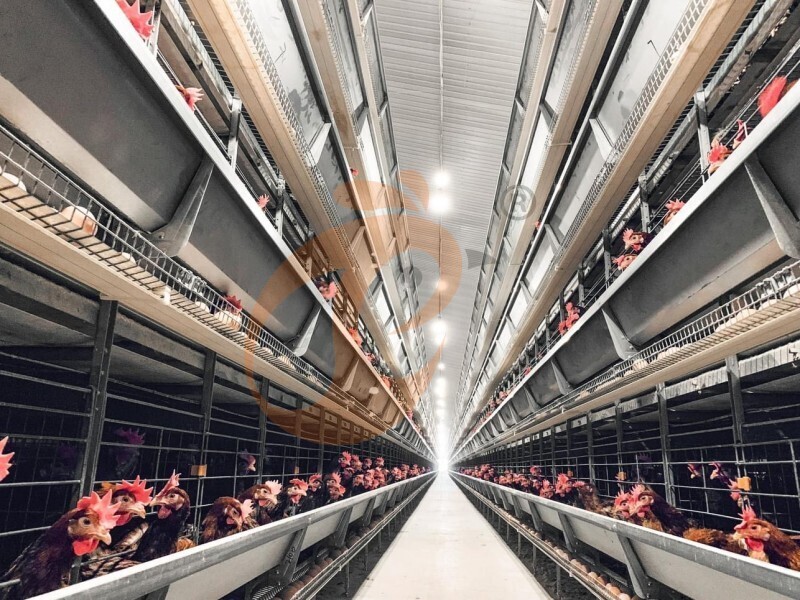
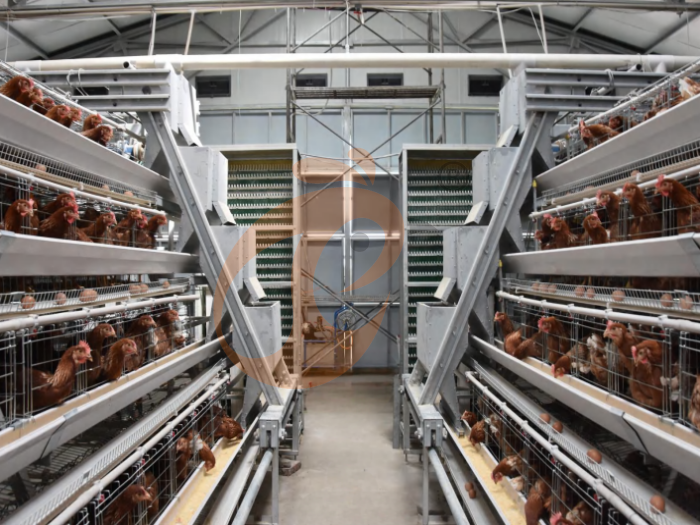
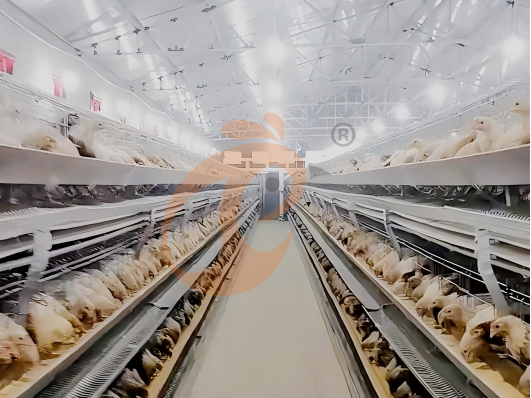
Automated chicken cage system improves manure separation, reduces moisture accumulation, and supports consistent airflow distribution across multi-layer commercial farming environments
Commercial poultry housing relies on engineered ventilation layouts, equipment integration, airflow precision, and biological litter control for long-term production stability efficiency
Get professional poultry farm construction guidance, equipment selection solutions, and the latest price lists, whatsApp to +8618830120193, +2348111199996, or click to learn more.
System Overview: Deep Litter Environmental Mechanics
The deep litter poultry system operates as a controlled biological reactor where bedding materials interact with manure and microbial colonies.
Temperature increases naturally due to fermentation, typically reaching internal litter core values around 31.6°c under stable conditions.
In integrated farms using automated chicken cage system layouts, manure separation reduces direct litter contamination load, improving airflow efficiency by approximately 18.4% in central housing zones.
Key components include
- Bedding layer (rice husk, wood shavings, straw)
- Structural poultry house envelope
- Mechanical ventilation network
- Feeding and drinking infrastructure
Our poultry house equipment solutions are designed with modular airflow channels that reduce dead air accumulation and improve system stability in large scale farms.
Ventilation Physics in Poultry Housing
Airflow in poultry buildings is driven by pressure differential between exhaust fans and inlet openings.
In modern systems, air velocity near ceiling zones can reach 2.3 m/s before descending into bird occupancy zones.
A critical engineering factor is turbulence decay rate, which affects how oxygen disperses into litter layers.
Poor control leads to uneven microbial decomposition and localized gas pockets.
The integration of deep litter poultry ventilation system technology ensures that airflow distribution remains consistent across complex housing geometries.
Structural Airflow Design Data
Data is for reference only. Swipe horizontally to view full table.
This structural configuration supports ventilation system calibration for poultry house equipment installations.
Air renewal rate differences across zones can vary by 14.7% depending on inlet positioning.
Humidity Regulation in Deep Litter Systems
Moisture accumulation occurs through drinking systems, respiration, and litter microbial activity.
When humidity exceeds equilibrium thresholds, bedding compaction increases and oxygen penetration decreases.
A key operational target is maintaining consistent evaporation flux across litter depth layers.
In commercial systems, condensation formation near roof panels can add approximately 0.38 liters of water per square meter daily.
Proper ventilation design stabilizes these conditions and supports long term biological balance in poultry houses.
Litter Moisture Behavior Metrics
Data is for reference only. Swipe horizontally to view full table.
These parameters respond directly to airflow velocity, insulation quality, and housing geometry.
Stable ventilation reduces anaerobic activity by controlling oxygen penetration depth.
Ammonia Formation and Gas Dynamics
Ammonia originates from uric acid decomposition under microbial action.
Concentration increases rapidly when oxygen supply decreases and moisture retention increases.
In controlled poultry environments, ammonia diffusion speed averages 0.18 m/s across litter surfaces.
When airflow is insufficient, stratification occurs at bird breathing height, increasing respiratory load.
Modern poultry systems incorporate poultry house ventilation equipment to stabilize gas dispersion patterns across large housing volumes.
Gas Concentration Monitoring Data
Data is for reference only. Swipe horizontally to view full table.
Equipment driven ventilation stabilization reduces gas concentration spikes during peak metabolic activity periods.
European union standard reference only.
Integration With Chicken Cage And Equipment Systems
Modern poultry production integrates cage systems with deep litter zones to improve spatial efficiency and environmental separation.
This hybrid model reduces manure-litter interaction and enhances airflow routing efficiency.
Our engineered systems include poultry equipment modules designed for synchronized airflow and waste management.
The automatic chicken cage system configuration improves vertical airflow channels and reduces contamination load across floor zones.
A typical system upgrade cost ranges around 3,850 usd per 1,000 birds capacity unit, depending on structural complexity and ventilation integration level.
Mechanical Ventilation Equipment Specifications
Data is for reference only. Swipe horizontally to view full table.
These ventilation units are widely applied in large scale poultry housing systems requiring stable pressure balance and continuous airflow distribution.
Air Inlet Design And Flow Control
Data is for reference only. Swipe horizontally to view full table.
Proper inlet design ensures balanced pressure distribution and minimizes direct airflow stress on birds while maintaining litter oxygenation efficiency.
Microbial Activity In Deep Litter Systems
Deep litter functions as a controlled microbial ecosystem where aerobic and anaerobic bacteria compete for dominance.
When oxygen penetration depth drops below 6 cm, microbial efficiency declines sharply and odor intensity increases.
Stable ventilation maintains oxygen diffusion rate around 0.42 m/s inside litter micro layers, supporting beneficial bacterial activity and reducing pathogen proliferation risk.
In commercial poultry housing systems, integration with poultry house ventilation equipment improves microbial balance consistency by stabilizing temperature variation within ±1.8°c across litter zones.
Stocking Density And Equipment Interaction
Data is for reference only. Swipe horizontally to view full table.
Stocking density directly affects ventilation demand and ammonia generation rate.
Higher density systems require airflow capacity increases of approximately 22% to maintain stable environmental conditions.
Our automatic chicken cage system is engineered to synchronize feeding lines and airflow corridors, reducing congestion impact on ventilation efficiency.
Commercial Poultry Equipment Solutions
Modern poultry production requires integrated engineering systems combining ventilation, feeding, watering, and housing structure.
Our poultry house equipment solutions are designed for modular expansion and environmental optimization.
Key engineering advantages include
Centralized airflow channel design improving ventilation uniformity by 19%
Structural compatibility with deep litter poultry ventilation system layouts
Reduced moisture retention through optimized cage floor hybrid separation
Enhanced gas extraction efficiency across multi-zone poultry houses
These systems support scalable poultry farming projects ranging from 5,000 to 200,000 birds per unit.
Mechanical Maintenance Strategy
Data is for reference only. Swipe horizontally to view full table.
Regular maintenance ensures ventilation efficiency remains above 92% of designed airflow capacity.
Dust accumulation in fan blades can reduce performance by up to 11% within 30 days if not properly cleaned.
Frequently Asked Questions
Q1: What is the ideal ventilation rate in deep litter poultry systems?
A1: Ventilation rate depends on bird age and density. In commercial systems, airflow typically ranges between 3.5 m³/h per bird at early growth stages and increases to 7.2 m³/h per bird in mature flocks.
Q2: How does ventilation affect ammonia levels in poultry houses?
A2: Proper ventilation reduces ammonia concentration by continuously removing gas from litter surfaces.
When airflow drops below 1.2 m/s in critical zones, ammonia levels can exceed 20 ppm within 48 hours.
Q3: Can cage systems improve deep litter ventilation efficiency?
A3: Yes.
Integrated cage systems improve vertical airflow separation and reduce litter moisture load by approximately 15%, enhancing overall ventilation stability and air distribution uniformity.
Taiyu (HK) Group - One Of China Biggest Ventilation Equipment Manufacturer
Poultry ventilation equipment system designed for deep litter poultry house airflow control, supporting stable temperature, humidity balance, and ammonia reduction across commercial farming environments
Global factory direct supply model covering poultry equipment production, ensuring standardized manufacturing quality, cost efficiency, and scalable delivery for international livestock housing projects
Turn key engineering service includes poultry house design, automatic chicken cage system integration, ventilation installation, and full environmental control system deployment
Industrial poultry equipment manufacturing capacity supports large scale farms ranging from small units to 200,000 bird commercial production facilities with modular expansion capability
International export experience covers complete poultry ventilation system solutions, ensuring consistent technical support, installation guidance, and long term operational stability
Contact Us To Received Your Customized Poultry Farm Plan
Headquarters And Branchs
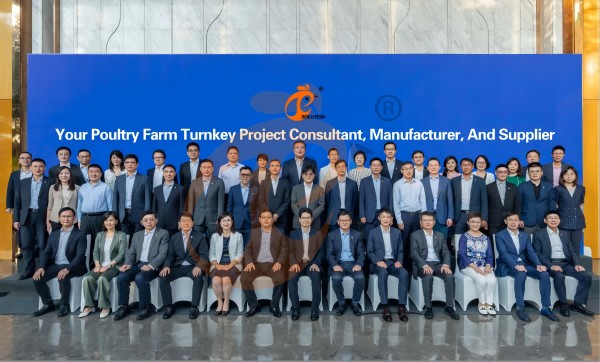
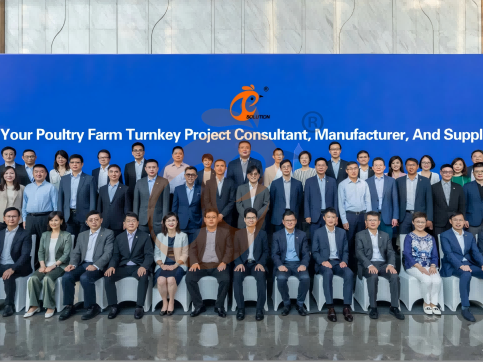
Hong Kong Headquarter Management Team
Hong Kong Headquarter Taiyu Industrial Group CO., LTD
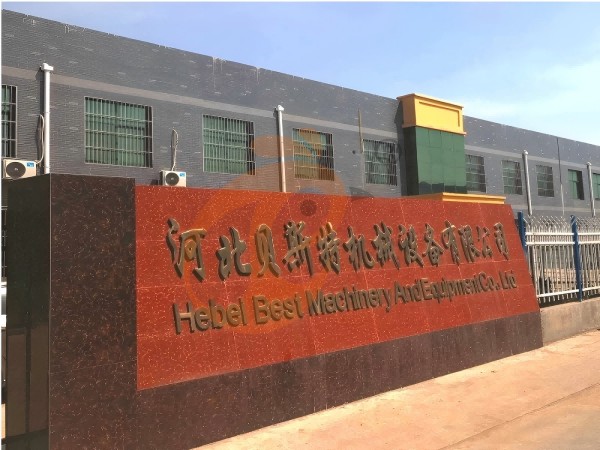
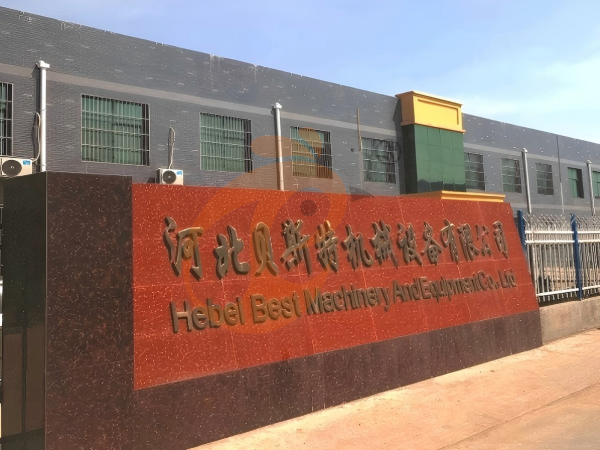
China Hebei Best Machinery And Equipment CO., LTD
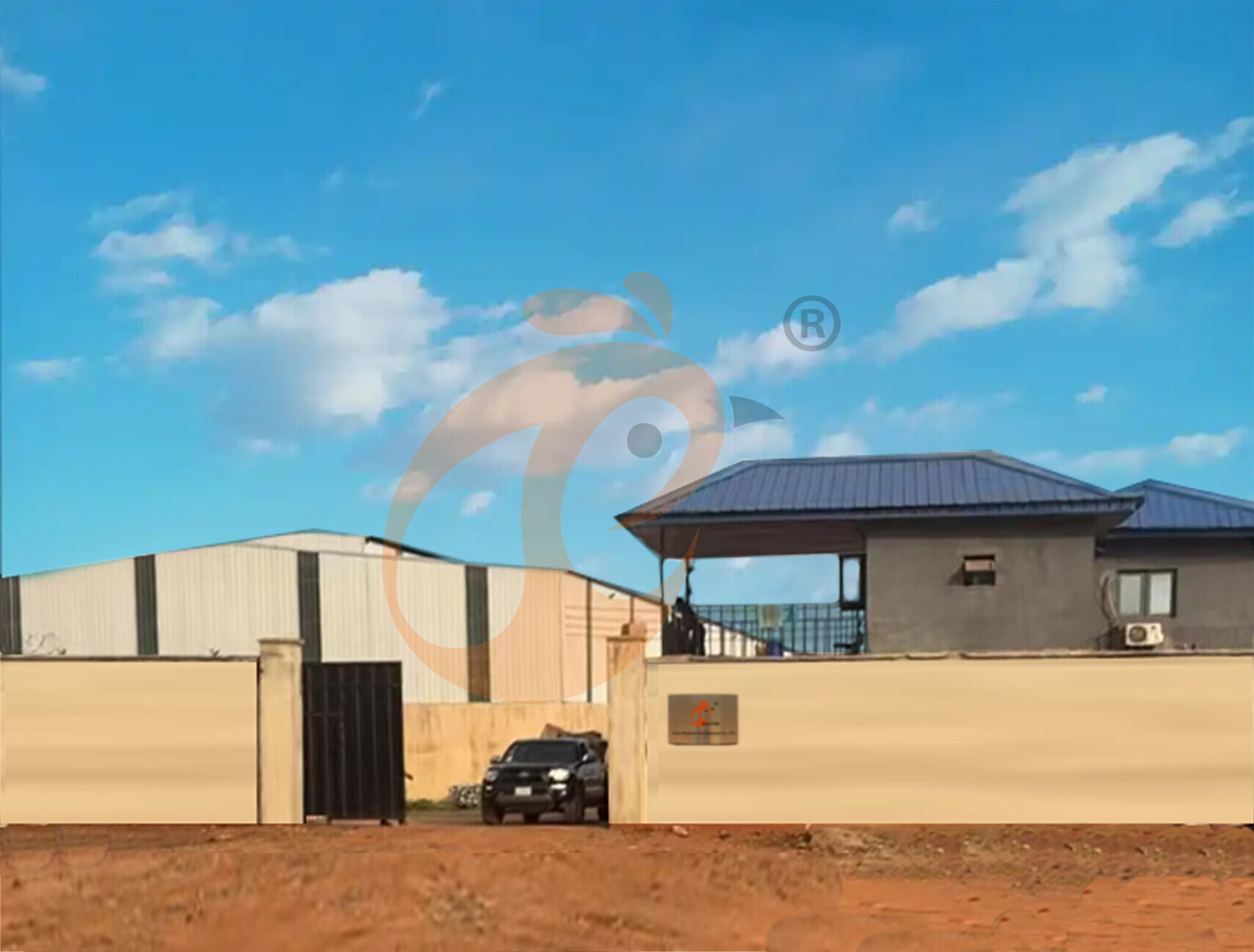
Nigeria Vanke Machinery And Equipment CO., LTD
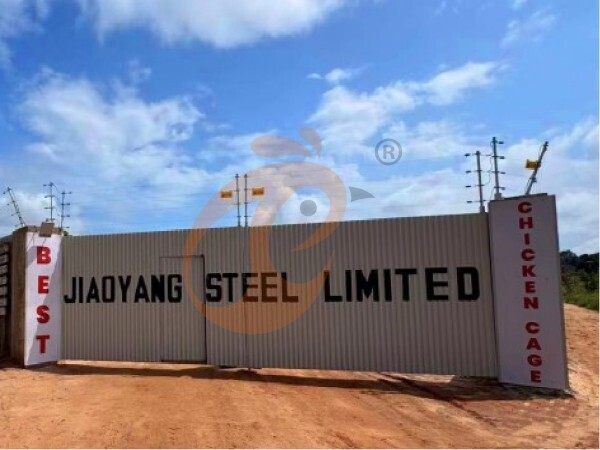
Tanzania Best Machinery And Equipment CO., LTD
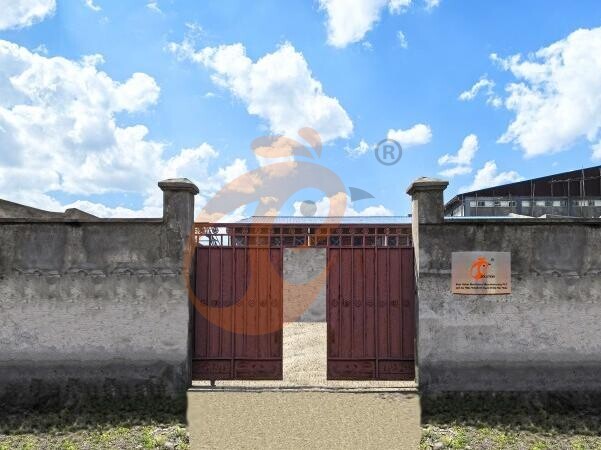
Ethiopia Best Hebei Machinery Manufacturing PLC
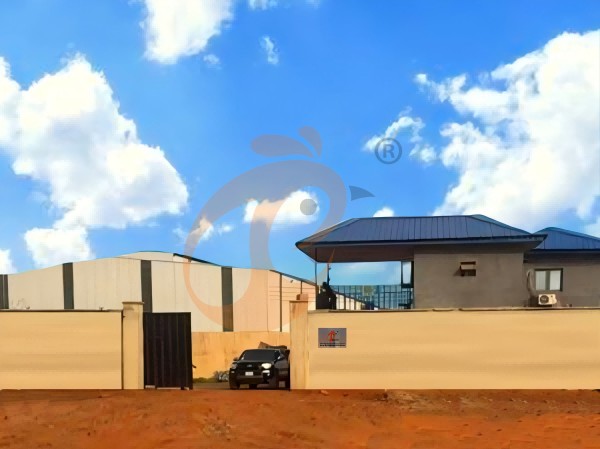
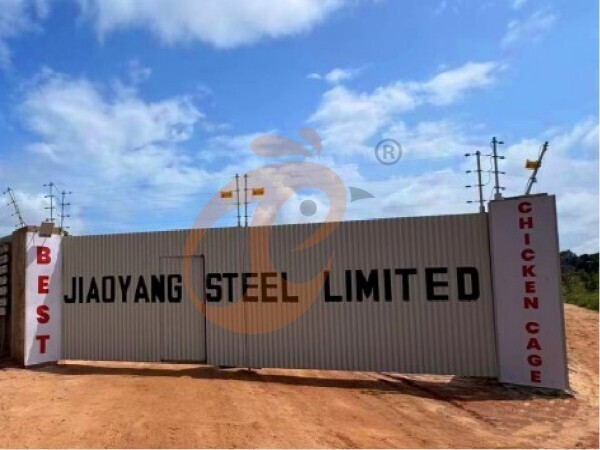
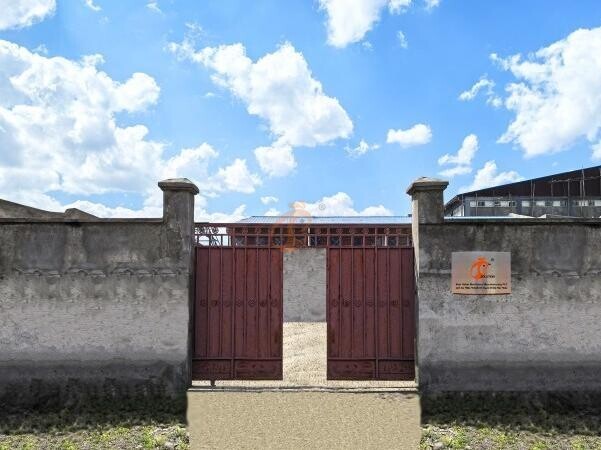
Reception /24 WhatsApp NO. : +8618830120193
FAQ
What Are The Growth Performance Benefits In Deep Litter Poultry System?
Feed conversion ratio improves to 1.55–1.78 due to thermal comfort and reduced stress.
Market uniformity rate exceeds 85%–92% within target slaughter weight range.
What Are The Litter Turning And Management Frequency Standards In Deep Litter Poultry System?
Surface leveling is maintained every 3–5 days to prevent compaction zones.
Full litter replacement cycle occurs every 2–3 production batches depending on load intensity.
What Are The Energy Efficiency And Cost Advantages In Deep Litter Poultry System?
Construction cost savings reach 25%–40% compared with fully caged housing systems.
Operational labor demand decreases by 30%–50% through simplified floor-based management.
- poultry equipment
- chicken cage
- poultry farm
- poultry farm
- poultry farm construction
- automatic chicken cage
- automatic chicken cage system
- poultry ventilation equipment
- poultry house ventilation equipment
- deep litter system
- poultry house
- chicken cage system
- automated chicken cage
- poultry house equipment
- poultry house design
- poultry house ventilation
- poultry ventilation system
- deep litter poultry house
- poultry ventilation system design
- Ethiopia
- Nigeria
Message
Products recommended
 HK Headquarter Offers EU-standard Poultry Farm Solutions, Manufacture Poultry Farm Equipment1. Continuous communication with the EU and the US
2. China, Nigeria, Ethiopia, Tanzania branch companies and factories
3. The products’ quality is customized for local poultry farms
4. Poultry cage and poultry farm equipment stock for sale
5. 24 online reception Whatsapp NO. : +8618830120193,contact us to get full informationRead More China Branch Offer Poultry Farm Business Plan, Manufacture Poultry Farm Equipment1. Address: Flat/RM 2416, 24/F, Runxing Building, Youyi Nan Street, Shijiazhuang City, Hebei Province, China
2. Poultry cage and poultry farm equipment factory and stock for sale
3. Customized for local poultry farms
4. Quality and design are based on Euro
5. 24 online reception Whatsapp NO. : +8618830120193Read More Nigeria Branch Offer Poultry Farm Business Plan, Manufacture Poultry Farm Equipment1. Address: After Sinoma Office, 200 Meters Near Danco Filling Station, Lagos/Ibadan Expressway, Lagos State, Nigeria
2. Poultry cage and poultry farm equipment factory and stock for sale
3. Customized for Nigerian poultry farms
4. Quality and design are based on Euro
5. 24 online reception Whatsapp NO. : +8618830120193Read More Ethiopia Branch Offer Poultry Farm Business Plan, Manufacture Poultry Farm Equipment1. Address: Gelan Gura, Akaki-kaliti Sub City, Addis Ababa, Ethiopia
2. Poultry cage and poultry farm equipment stock for sale
3. Customized for Ethiopian poultry farms
4. Quality and design are based on Euro
5. 24 online reception Whatsapp NO. : +8618830120193, contact us to get price listRead More Tanzania Branch Offer Poultry Farm Business Plan, Manufacture Poultry Farm Equipment1. Address: No.8, Sova Road, Msufini, Mlandizi, Kibaha, Pwani, Tanzania
2. Poultry cage and poultry farm equipment factory and stock for sale
3. Customized for Tanzanian poultry farms
4. Quality and design are based on Euro
5. 24 online reception Whatsapp NO. : +8618830120193Read More Fully Automatic H Type Layer Chicken Cage1. 30,000-100,000+ layers/house chooses it, Poultry farmers can achieve an egg production rate of 96-98%
2. A significant improvement over the 85-90% typically seen in manual systems
3. A typical poultry farm can expect a 30-40% reduction in labor costs due to the automation
4. Each feeding line efficiently supplies feed to around 100,000 hens per 30 mins
5. Reception /WhatsApp NO. : +8618830120193Read More Fully Automatic A Type Layer Chicken Cage1. 10,000-50,000 layers/house chooses it
2. Cleaner egg collection reduces breakage by 0.5%
3. Improved hygiene helps reduce mortality rate to <3%
4. 1–2 technicians can handle 15,000–30,000 birds
5. Reception /WhatsApp NO. : +8618830120193Read More Semi Automatic H Type Layer Chicken Cage1. 1,00-20,000 layers/house chooses it
2. Nipple drinkers flow 30–60 ML / min
3. Hot-dip galvanized (typical coating ≥ 275 g/m²)
4. Reduce ammonia by ~ 35–40%
5. Reception /WhatsApp NO. : +8618830120193Read More Semi Automatic A Type Layer Chicken Cage1. 1,00-20,000 layers/house chooses it, no rust for 10 years, no deformation for 15 years
2. Chickens live comfortably, you can raise them with peace of mind
3. Save water, save money—efficiency you can measure
4. Improve environment quality, and increase egg production rate
5. Reception /WhatsApp NO. : +8618830120193Read More
By clicking 'Allow All', you agree to the storage of cookies on your device to enhance site navigation, analyze site usage and assist with our marketing efforts.