






Blog
A type chicken cage system size selection impacts farm productivity, bird welfare, and investment return, especially for commercial poultry equipment buyers seeking stable egg production efficiency
Proper cage sizing improves ventilation balance, manure handling flow, and reduces operational labor demand across medium scale poultry houses
Poultry equipment manufacturer design standards ensure modular scalability from small units to industrial farming projects with automated feeding integration
A type layer cage structure supports multi-tier density optimization, supporting controlled stocking performance and long service lifecycle stability
Modern poultry engineering trends emphasize optimized cage geometry, airflow efficiency, and modular expansion compatibility for future farm scaling
Get professional poultry farm construction guidance, equipment selection solutions, and the latest price lists, whatsApp to +8618830120193, +2348111199996, or click to learn more.
What Defines A Type Cage Structure
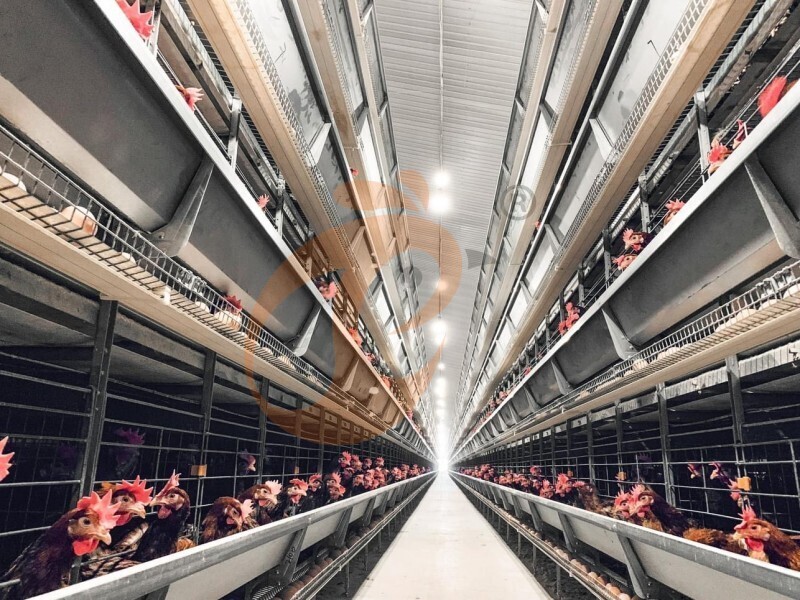
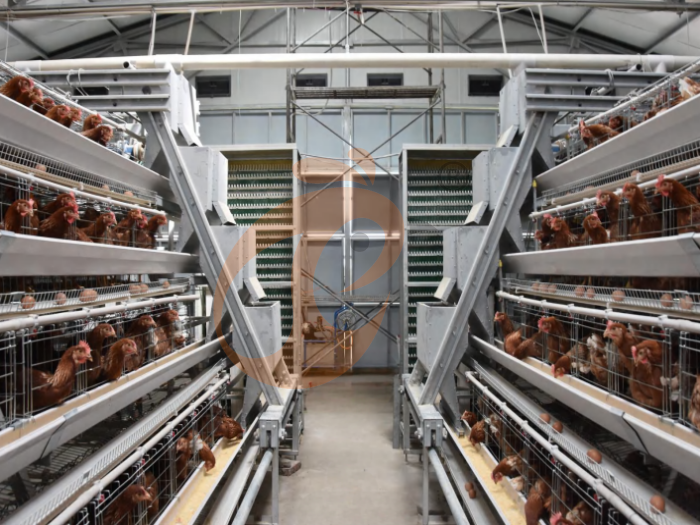
A type chicken cage system is built with stepped geometry allowing manure to drop naturally while maintaining stable tier separation.
Research shows cage inclination angles typically range between 8° and 10° for egg roll efficiency improvement and hygiene control.
Cage structural engineering also determines airflow resistance coefficient and internal thermal distribution uniformity across stacked layers.
The structural design improves ventilation corridors and reduces ammonia concentration buildup inside poultry houses.
Structural Design Parameters Overview
Before selecting production models, engineers evaluate steel load distribution, spatial clearance accuracy, and airflow channel optimization to ensure stable long term installation performance.
The above configuration is widely applied in automated poultry housing systems requiring corrosion resistance and structural stability under continuous production load.
Buyer Tip One: Calculate Farm Capacity Before Size Selection
Correct sizing begins with total flock estimation and production cycle planning.
A commercial farm planning 12,000 hens requires balanced cage distribution to avoid overcrowding stress.
Feed intake distribution and egg collection rhythm must also be aligned with cage density planning to maintain stable production cycles.
Table: Capacity Planning Reference
Before cage procurement, production forecasting models include mortality buffer ratios, egg yield consistency factors, and stocking density thresholds.
This planning model ensures cage system selection aligns with long term commercial poultry investment strategies and operational stability requirements.
Buyer Tip Two: Match House Dimensions With Cage System
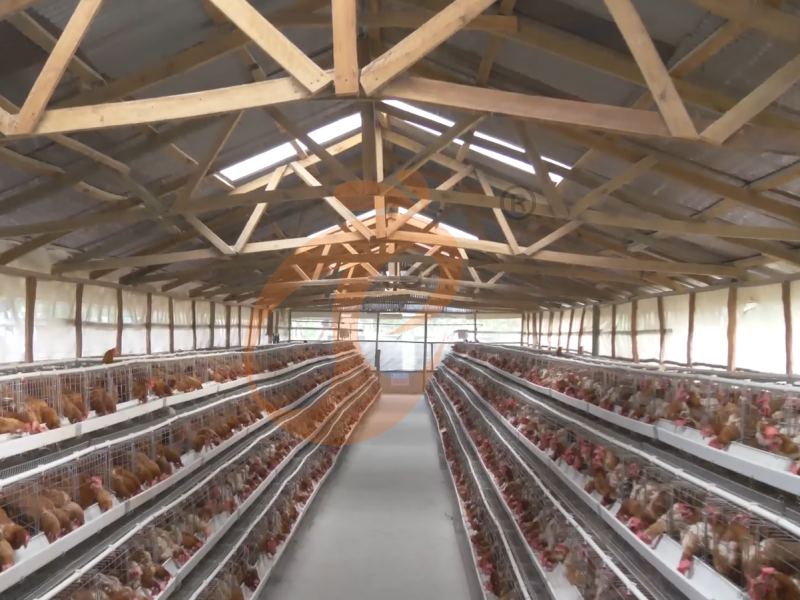
House length and width determine how many cage modules can be installed without airflow obstruction.
Structural compatibility between building geometry and cage layout directly affects ventilation uniformity and maintenance accessibility.
Table: House Layout Compatibility
Installation precision requires alignment between cage rows, aisle clearance, and ventilation channel positioning for stable system operation.
Proper structural matching reduces energy loss in ventilation systems and improves overall poultry house efficiency.
Scientific Note On Space Utilization
Proper spatial design reduces bird stress and improves feed conversion ratio efficiency.
Research in poultry engineering indicates that optimized cage spacing can improve production stability by up to 6.8% under controlled environments.
Microclimate distribution inside cages also influences feather condition and immune response stability.
Table: Space Utilization Metrics
These parameters are widely used in environmental control systems and smart poultry monitoring integration.
Such values are critical for automated poultry house optimization systems used in high density commercial farming environments.
Buyer Tip Three: Select Tier Count According To Climate Conditions
Tier configuration affects ventilation load and heat dissipation efficiency in poultry farms located in tropical and temperate regions.
Environmental adaptation plays a decisive role in maintaining stable egg production rates under fluctuating ambient conditions.
Table: Tier Configuration Selection
Engineering load design varies significantly depending on structural reinforcement and vertical stacking height limitations.
Higher tier systems require enhanced ventilation calibration and stronger support frame engineering for stable long term operation.
Buyer Tip Four: Evaluate Automation Integration Level
Automation determines operational cost reduction and labor dependency in commercial poultry production systems.
Integration level also affects system scalability and feed efficiency consistency across large flocks.
Table: Automation System Components
Each subsystem contributes to precision farming performance and reduces manual intervention requirements.
Automation architecture improves uniformity of production cycles and reduces operational error rates in large scale poultry farms.
Industry Insight On Poultry Efficiency
Advanced cage systems reduce feed wastage by improving controlled feeding distribution.
Studies indicate feed loss reduction can reach 4.3% under optimized cage layouts combined with automated delivery systems.
System efficiency is also influenced by feed particle size consistency and distribution timing accuracy.
Table: Efficiency Performance Indicators
These indicators are widely used in commercial poultry performance evaluation frameworks.
Such metrics are essential for evaluating return on investment in large scale poultry projects and system optimization planning.
Buyer Tip Five: Consider Long Term Expansion Strategy
Scalability is essential when selecting cage system size, especially for farms planning multi-phase expansion.
Expansion planning ensures compatibility between current infrastructure and future capacity upgrades.
Table: Expansion Planning Metrics
Modular engineering design allows incremental system enlargement without disrupting ongoing poultry production cycles.
Such flexibility is critical for commercial poultry enterprises targeting scalable production growth and infrastructure adaptability.
Material Science And Durability Consideration
Galvanized steel structure ensures corrosion resistance in high humidity poultry environments.
Hot-dip coating thickness around 85 microns improves lifespan consistency in long term operation cycles.
Material selection also influences cleaning chemical resistance and structural fatigue threshold.
Table: Material Performance Data
Material engineering standards ensure long term structural stability under intensive farming conditions.
Durability performance directly affects maintenance frequency and replacement cycle planning.
Operational Maintenance And Biosecurity Control
Proper cage sizing also improves sanitation efficiency and disease control performance by reducing manure accumulation zones and improving airflow exchange.
Biosecurity design reduces pathogen transmission probability within confined poultry environments.
Table: Hygiene Control Metrics
These parameters are essential for maintaining stable poultry health management systems.
Such systems significantly improve flock survival rate stability and production consistency in intensive poultry farming operations.
Frequently Asked Question
Q1: What is the ideal size for a type chicken cage system?
A1: Ideal size depends on farm scale, typically supporting 90 to 200 birds per module, with structural adjustment based on house layout and ventilation design requirements.
Q2: How many tiers are recommended for commercial farms?
A2: Three to five tiers are commonly used depending on building height, with four tier systems offering balanced capacity and airflow efficiency for medium farms.
Q3: does cage size affect egg production performance?
A3: Yes, improper sizing can reduce production efficiency by up to 5 percent due to stress, ventilation imbalance, and feeding irregularities in crowded environments.
Taiyu (HK) Group - One Of China Toppest A Type Chicken Cage System Manufacturer
A type chicken cage system provides modular poultry housing solution integrating feeding, drinking, and egg collection structure for commercial layer farming applications
Global factory direct supply ensures consistent manufacturing precision with standardized poultry equipment engineering across multiple international farm projects
Poultry equipment production line supports turn key engineering including design, installation, and automation integration for large scale farming systems
Industrial grade galvanized steel fabrication ensures long service life stability under intensive farming environment conditions with corrosion resistance engineering
Contact Us To Received Your Customized Poultry Farm Plan
Headquarters And Branchs
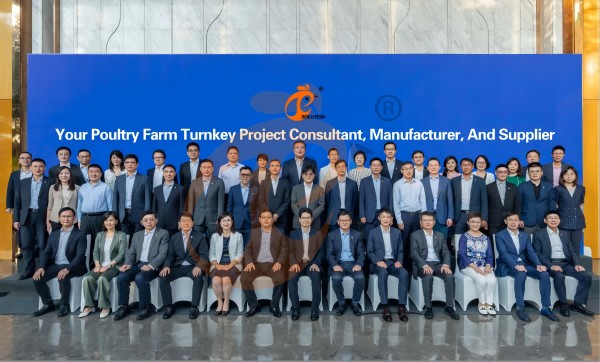
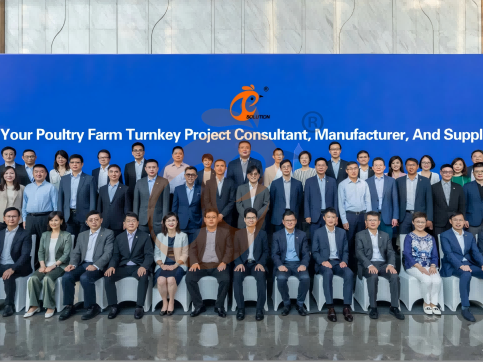
Hong Kong Headquarter Management Team
Hong Kong Headquarter Taiyu Industrial Group CO., LTD
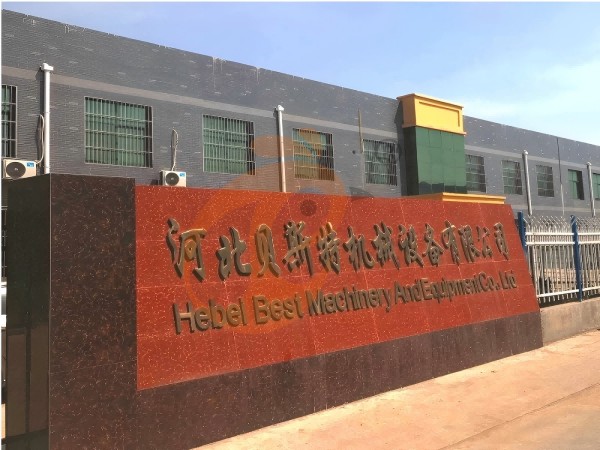
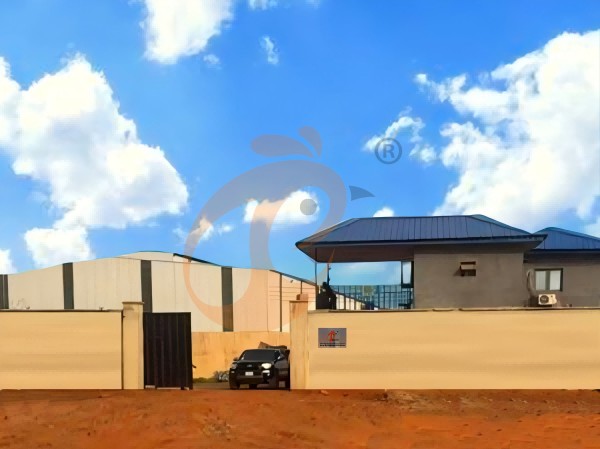
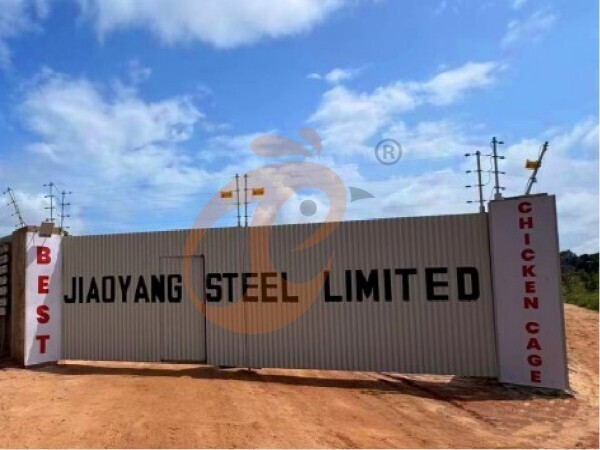
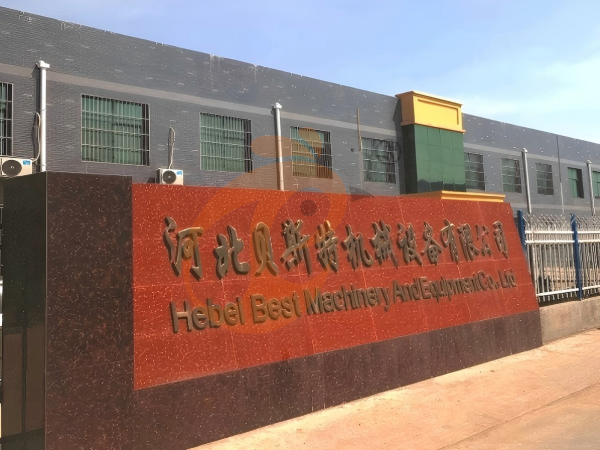
China Hebei Best Machinery And Equipment CO., LTD
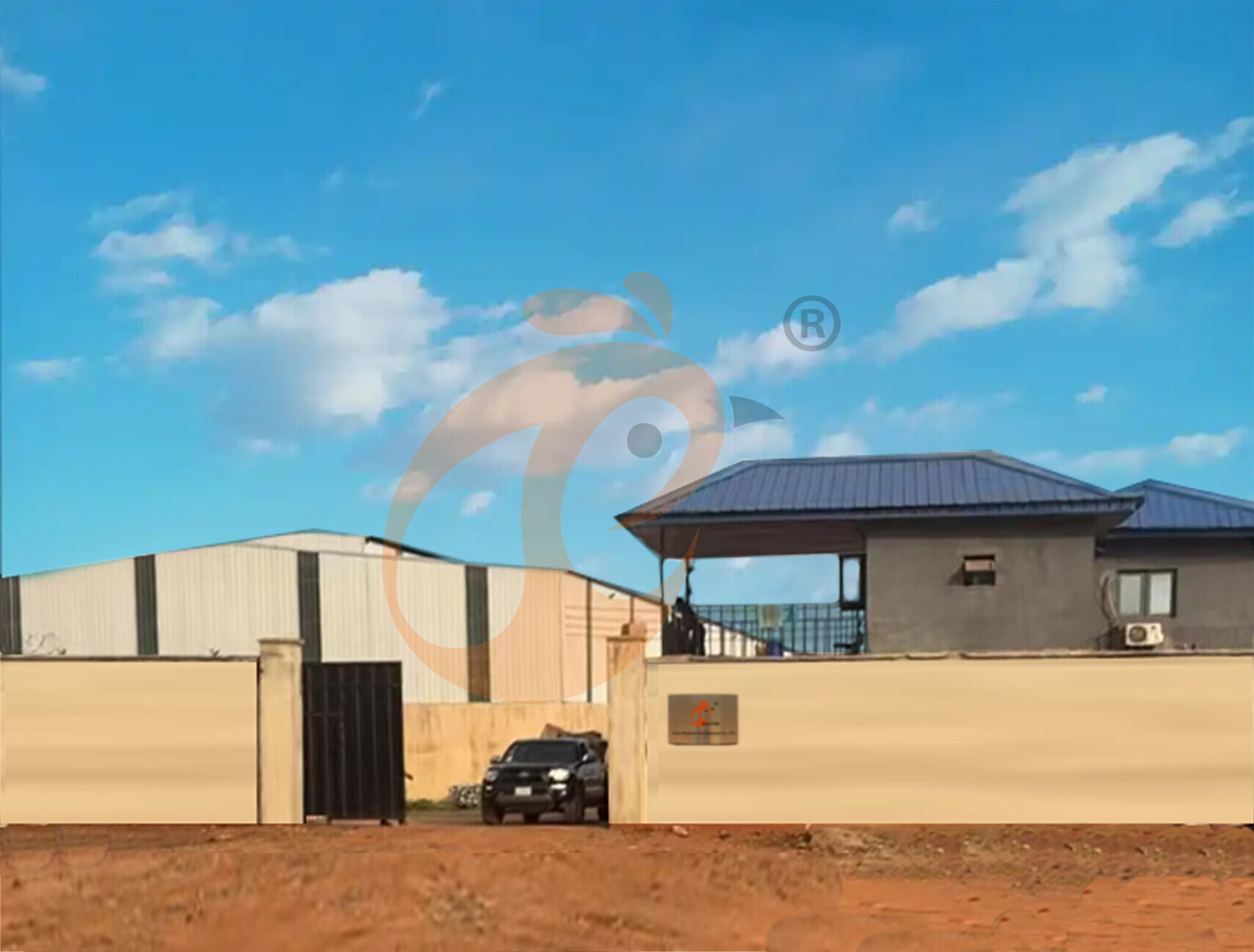
Nigeria Vanke Machinery And Equipment CO., LTD
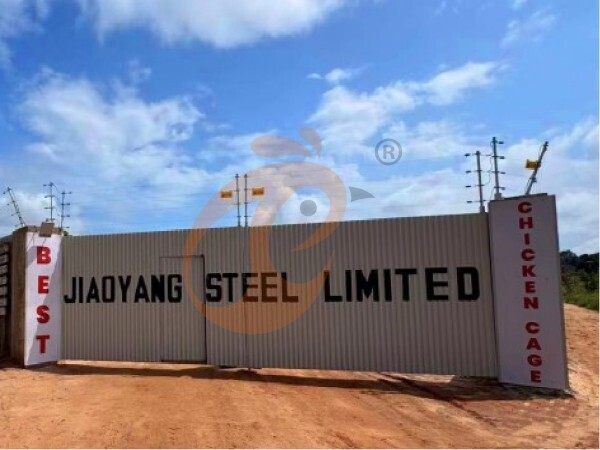
Tanzania Best Machinery And Equipment CO., LTD
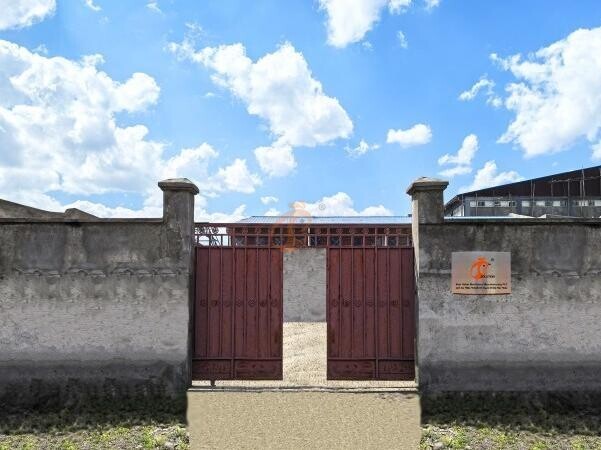
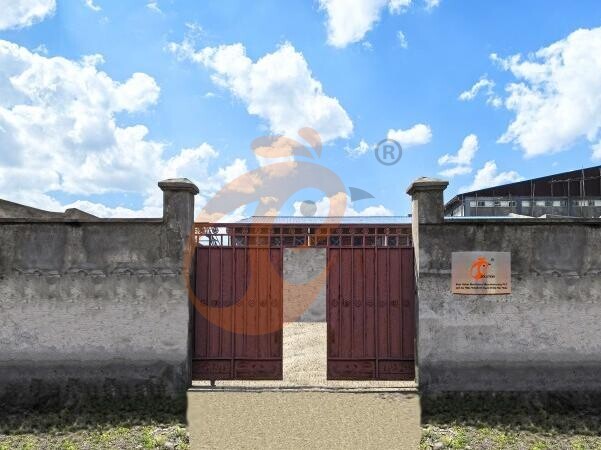
Ethiopia Best Hebei Machinery Manufacturing PLC
Reception /24 WhatsApp NO. : +8618830120193
FAQ
How To Increase Stocking Density Without Reducing Egg Production In A-Type Layer Cage?
Provide 418-500 cm² per bird
Ensure good ventilation
Egg production rate: 90–96%
What Are The Recommended Egg Conveyor Speeds For A-Type Layer Cage Farms?
Reduces egg collision and breakage
Egg breakage rate <1%
Daily egg yield: 900–960 eggs/1,000 birds
Egg production rate: 90–96%
How To Implement Lighting Control In A-Type Poultry Cage Farms?
Even illumination reduces stress
Egg production rate: 90–96%
FCR: 1.9–2.2
Egg breakage rate <1%
Message
Products recommended
 HK Headquarter Offers EU-standard Poultry Farm Solutions, Manufacture Poultry Farm Equipment1. Continuous communication with the EU and the US
2. China, Nigeria, Ethiopia, Tanzania branch companies and factories
3. The products’ quality is customized for local poultry farms
4. Poultry cage and poultry farm equipment stock for sale
5. 24 online reception Whatsapp NO. : +8618830120193,contact us to get full informationRead More China Branch Offer Poultry Farm Business Plan, Manufacture Poultry Farm Equipment1. Address: Flat/RM 2416, 24/F, Runxing Building, Youyi Nan Street, Shijiazhuang City, Hebei Province, China
2. Poultry cage and poultry farm equipment factory and stock for sale
3. Customized for local poultry farms
4. Quality and design are based on Euro
5. 24 online reception Whatsapp NO. : +8618830120193Read More Nigeria Branch Offer Poultry Farm Business Plan, Manufacture Poultry Farm Equipment1. Address: After Sinoma Office, 200 Meters Near Danco Filling Station, Lagos/Ibadan Expressway, Lagos State, Nigeria
2. Poultry cage and poultry farm equipment factory and stock for sale
3. Customized for Nigerian poultry farms
4. Quality and design are based on Euro
5. 24 online reception Whatsapp NO. : +8618830120193Read More Ethiopia Branch Offer Poultry Farm Business Plan, Manufacture Poultry Farm Equipment1. Address: Gelan Gura, Akaki-kaliti Sub City, Addis Ababa, Ethiopia
2. Poultry cage and poultry farm equipment stock for sale
3. Customized for Ethiopian poultry farms
4. Quality and design are based on Euro
5. 24 online reception Whatsapp NO. : +8618830120193, contact us to get price listRead More Tanzania Branch Offer Poultry Farm Business Plan, Manufacture Poultry Farm Equipment1. Address: No.8, Sova Road, Msufini, Mlandizi, Kibaha, Pwani, Tanzania
2. Poultry cage and poultry farm equipment factory and stock for sale
3. Customized for Tanzanian poultry farms
4. Quality and design are based on Euro
5. 24 online reception Whatsapp NO. : +8618830120193Read More Fully Automatic H Type Layer Chicken Cage1. 30,000-100,000+ layers/house chooses it, Poultry farmers can achieve an egg production rate of 96-98%
2. A significant improvement over the 85-90% typically seen in manual systems
3. A typical poultry farm can expect a 30-40% reduction in labor costs due to the automation
4. Each feeding line efficiently supplies feed to around 100,000 hens per 30 mins
5. Reception /WhatsApp NO. : +8618830120193Read More Fully Automatic A Type Layer Chicken Cage1. 10,000-50,000 layers/house chooses it
2. Cleaner egg collection reduces breakage by 0.5%
3. Improved hygiene helps reduce mortality rate to <3%
4. 1–2 technicians can handle 15,000–30,000 birds
5. Reception /WhatsApp NO. : +8618830120193Read More Semi Automatic H Type Layer Chicken Cage1. 1,00-20,000 layers/house chooses it
2. Nipple drinkers flow 30–60 ML / min
3. Hot-dip galvanized (typical coating ≥ 275 g/m²)
4. Reduce ammonia by ~ 35–40%
5. Reception /WhatsApp NO. : +8618830120193Read More Semi Automatic A Type Layer Chicken Cage1. 1,00-20,000 layers/house chooses it, no rust for 10 years, no deformation for 15 years
2. Chickens live comfortably, you can raise them with peace of mind
3. Save water, save money—efficiency you can measure
4. Improve environment quality, and increase egg production rate
5. Reception /WhatsApp NO. : +8618830120193Read More
By clicking 'Allow All', you agree to the storage of cookies on your device to enhance site navigation, analyze site usage and assist with our marketing efforts.