


Blog
Chicken cage procurement in Ethiopia requires proper documentation.
This article identifies four essential details needed for quotations.
We cover company registration and farm layout preparation.
Bird count and cage specifications are included for accuracy.
Power and water access documents affect cage selection.
Egg production targets help suppliers provide suitable designs.
Climate considerations impact cage material and ventilation.
Feeding and egg collection systems are discussed for efficiency.
Manure management plans ensure compliance and sustainability.
Get professional poultry farm construction guidance, equipment selection solutions, and the latest price lists, whatsApp to +8618830120193, click to learn more:

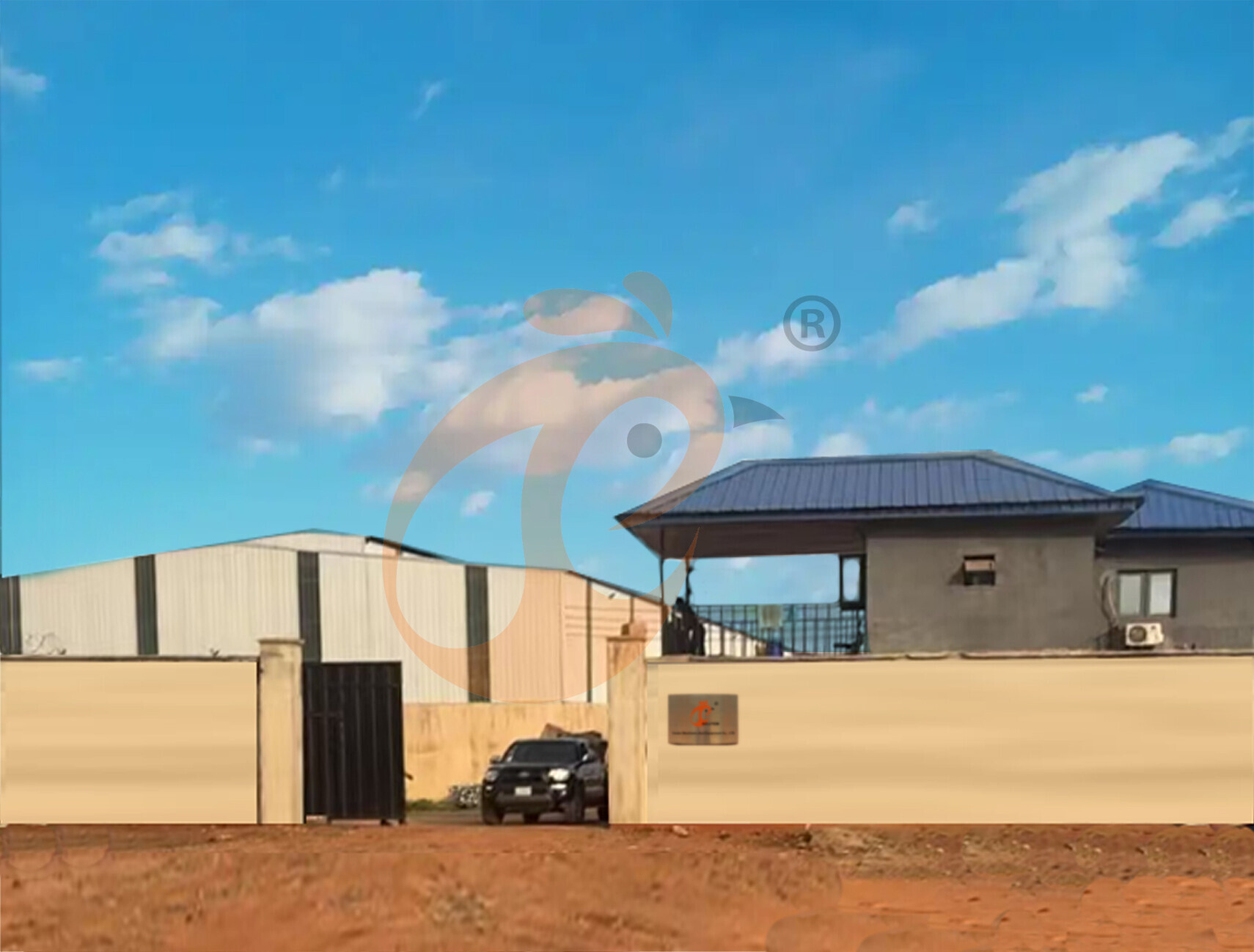
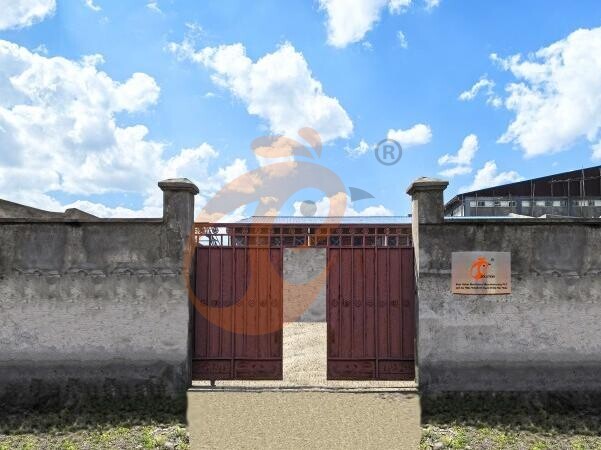
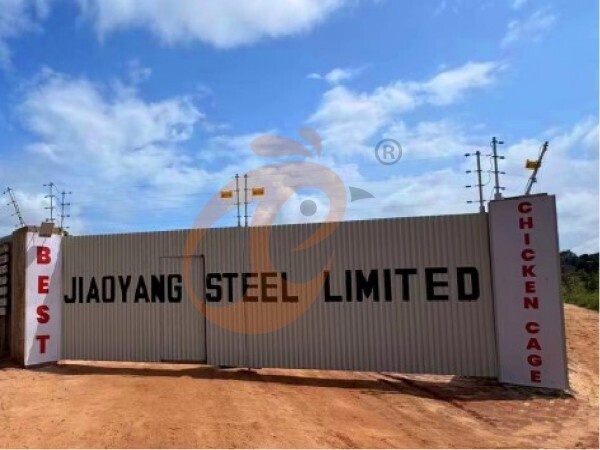
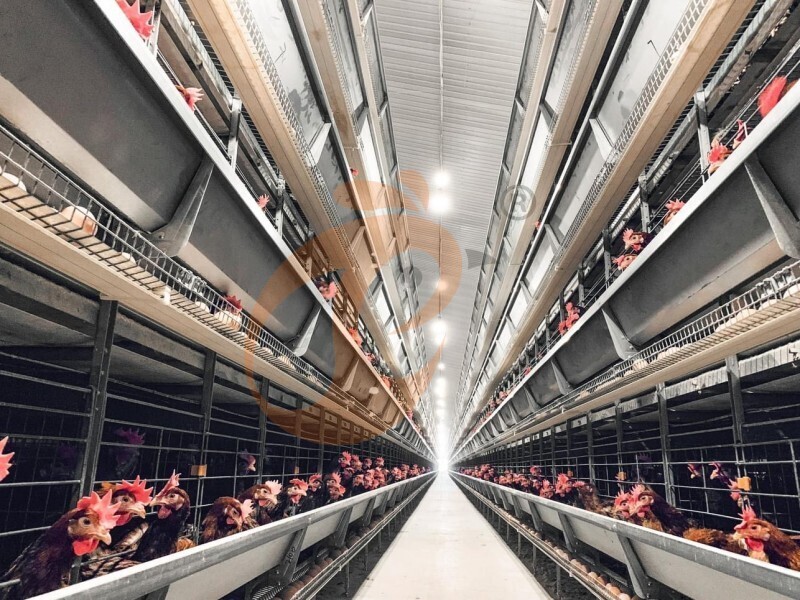
Ethiopia Branch Office And Factory Of Poultry Farm Equipment
Company Registration Documents
In Ethiopia, any business dealing with agricultural equipment, including chicken cages, must be formally registered.
This includes obtaining a Commercial Registration Certificate and a Tax Identification Number.
Suppliers require these documents to verify the legitimacy of the buyer.
Providing complete and accurate registration documents helps suppliers tailor quotations specific to Ethiopian legal requirements.
Data is for reference only.Swipe horizontally to view full table.
Farm Layout And Space Details
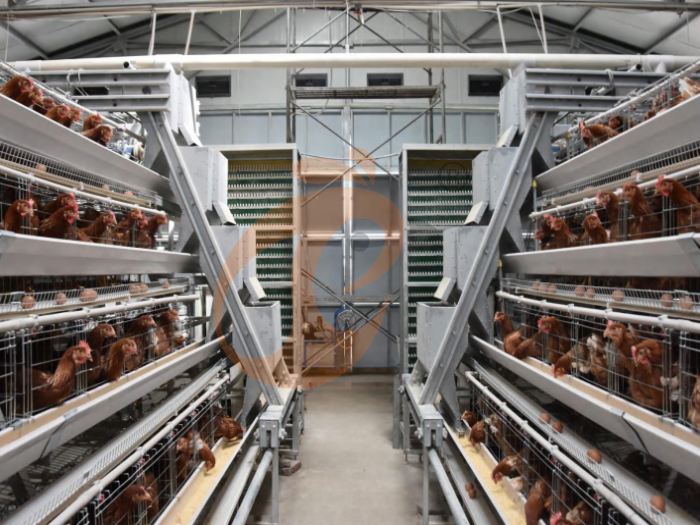
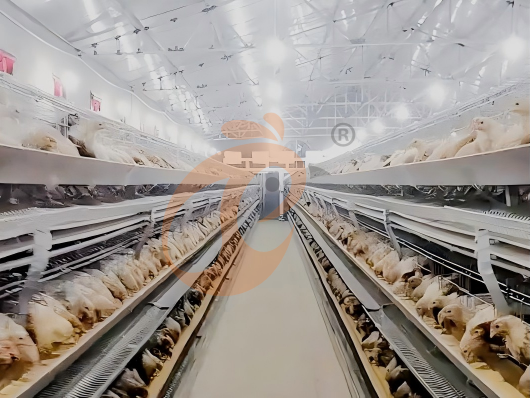
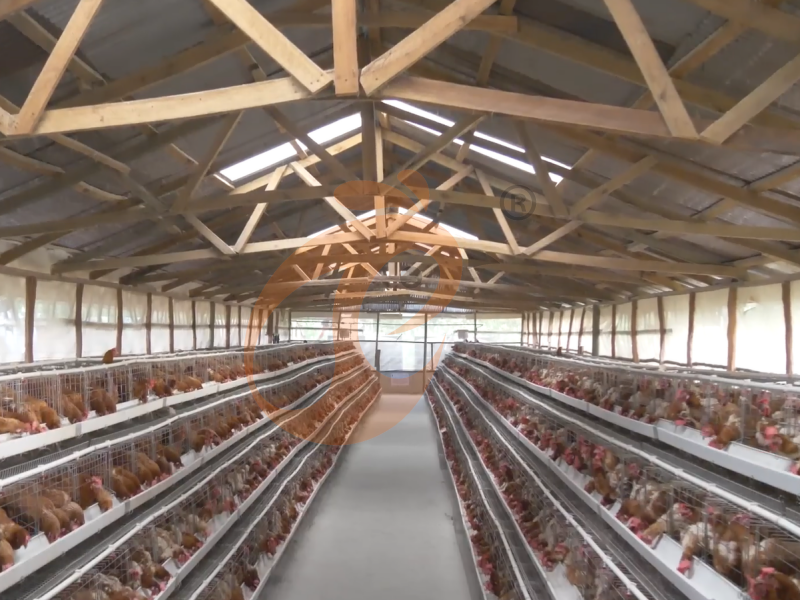
The size and design of the poultry house directly affect chicken cage selection.
Ethiopian farms often face challenges with space optimization due to limited land availability in peri-urban areas.
Suppliers require detailed layout plans, including dimensions and ventilation points, to propose cages suitable for egg-laying hens.
A well-prepared farm layout ensures that cages fit efficiently and meet Ethiopian environmental standards.
Data is for reference only.Swipe horizontally to view full table.
Number Of Birds
The number of egg-laying hens dictates the type and quantity of chicken cages.
Ethiopian farmers generally maintain 500–5000 birds per farm.
Suppliers require exact numbers to prepare quotations that consider both capacity and cost-efficiency.
Accurate bird count also helps in planning feeding systems, manure collection, and cage accessories.
Data is for reference only.Swipe horizontally to view full table.
Cage Specifications
Ethiopian suppliers expect precise specifications when preparing quotations.
These include cage material, dimensions, and accessories.
Aluminum and galvanized steel are preferred due to durability in Ethiopia's humid highland areas.
Cage height, width, and depth must match local management practices to optimize egg production and reduce labor.
Data is for reference only.Swipe horizontally to view full table.
Power And Water Supply Documentation
Reliable electricity and water sources are critical for egg-laying operations.
Suppliers request documentation showing access to power and water, which affects cage features such as automatic feeders, lighting systems, and drinkers.
Many Ethiopian farms in rural areas struggle with intermittent electricity; proper documentation helps suppliers suggest solutions like solar-powered lighting or water pumps.
Data is for reference only.Swipe horizontally to view full table.
Egg Production Target
Ethiopian farmers often aim to meet local market demands, including Addis Ababa and regional towns.
Suppliers need projected egg production numbers to design cages with appropriate feeding and egg collection systems.
Accurate projections prevent under- or over-investment in cage infrastructure.
Data is for reference only.Swipe horizontally to view full table.
Climate And Environmental Considerations
Ethiopia's diverse climate requires cage systems that protect hens from extreme temperatures.
Highlands can be cold, while lowlands may experience heat stress.
Suppliers need information on local temperature ranges and humidity to recommend cage materials and ventilation systems suitable for the environment.
Data is for reference only.Swipe horizontally to view full table.
Manure Management Plans
Proper waste management is essential in Ethiopian poultry farms to maintain hygiene and reduce environmental impact.
Suppliers request manure disposal plans to design cages with appropriate droppings boards and collection systems.
Efficient manure management contributes to sustainable operations and aligns with Ethiopian environmental regulations.
Data is for reference only.Swipe horizontally to view full table.
Feeding System Preferences
Ethiopian farmers may use manual, semi-automatic, or fully automatic feeders depending on labor availability.
Documenting feeding preferences allows suppliers to include compatible cage accessories.
Correctly matching feeders with cages improves feed efficiency and egg production.
Data is for reference only.Swipe horizontally to view full table.
Egg Collection Method
Automated or manual egg collection methods influence cage design.
Ethiopian farms often prefer manual collection in smaller operations due to cost constraints.
Providing egg collection method details ensures the supplier quotes the correct cage configuration, including egg trays and access points.
Data is for reference only.Swipe horizontally to view full table.
Transport And Delivery Documentation
Transport logistics within Ethiopia can be challenging due to road conditions.
Suppliers require delivery documentation, including preferred transport routes and timelines.
Providing this information ensures accurate quotations for both the cages and associated shipping costs.
Data is for reference only.Swipe horizontally to view full table.
Payment And Financing Details
Quotations often depend on payment terms and financing arrangements.
Ethiopian farmers may rely on local banks or cooperative funding.
Suppliers need documents such as bank statements or financing letters to prepare realistic quotations.
Clear financial documentation reduces delays and ensures smooth procurement.
Data is for reference only.Swipe horizontally to view full table.
Frequently Asked Questions
Q1: Are these chicken cages suitable for Ethiopian climate conditions?
Yes, the cages are designed for local highland and lowland temperatures and humidity levels.
Suppliers consider insulation and galvanized steel to prevent corrosion.
Q2: How can small Ethiopian farmers afford large-scale chicken cage systems?
Farmers can use cooperative financing or partial bank payments to access multi-tier systems without over-investment.
Q3: Do these cages comply with Ethiopian poultry farm regulations?
Yes, the designs meet environmental, spacing, and manure management standards required in Ethiopia.
Proper documentation ensures legal compliance.
Ethiopia Best Hebei Machinery Manufacturing Plc - One Of Ethiopia Largest Chicken Cage Manufacturer
HB BEST provides global factory direct sales for poultry farm equipment and chicken cages.
The company offers turnkey engineering solutions for Ethiopian poultry farm projects.
Their team ensures professional installation and continuous maintenance support.
HB BEST supplies high-quality chicken cages that withstand Ethiopian climate conditions.
Customers benefit from efficient project execution and complete poultry farm equipment packages.
Contact Us To Received Your Customized Poultry Farm Plan
Headquarters And Branchs
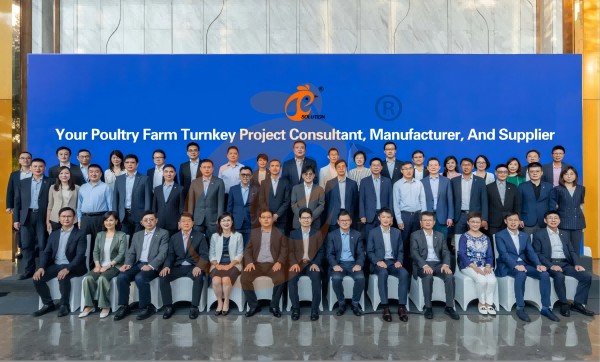
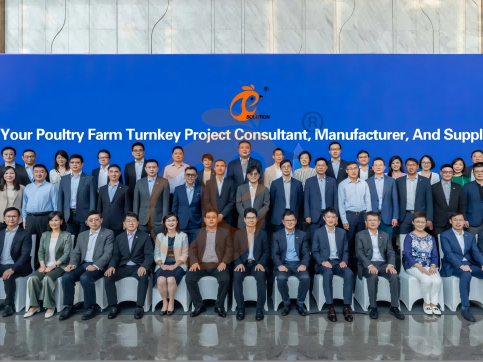
Hong Kong Headquarter Management Team
Hong Kong Headquarter Taiyu Industrial Group CO., LTD
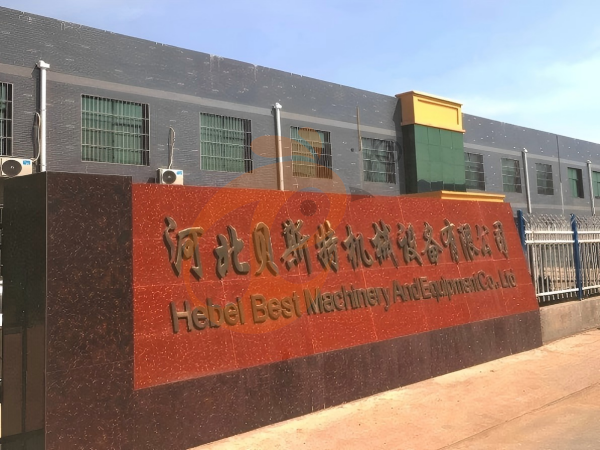
China Hebei Best Machinery And Equipment CO., LTD
Nigeria Vanke Machinery And Equipment CO., LTD
Tanzania Best Machinery And Equipment CO., LTD
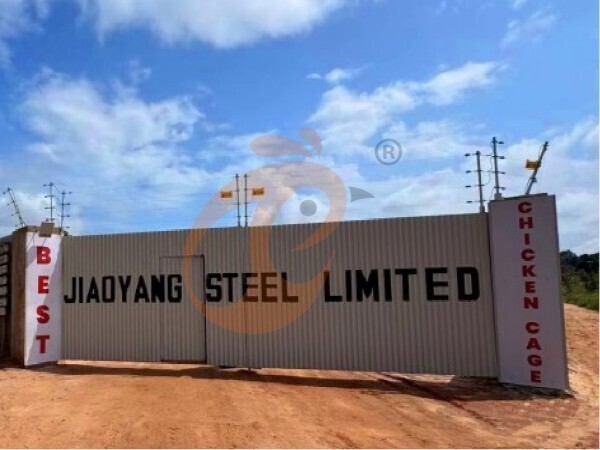
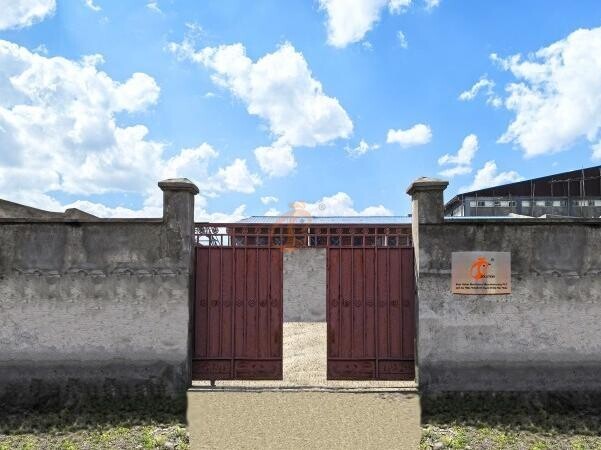
Ethiopia Best Hebei Machinery Manufacturing PLC
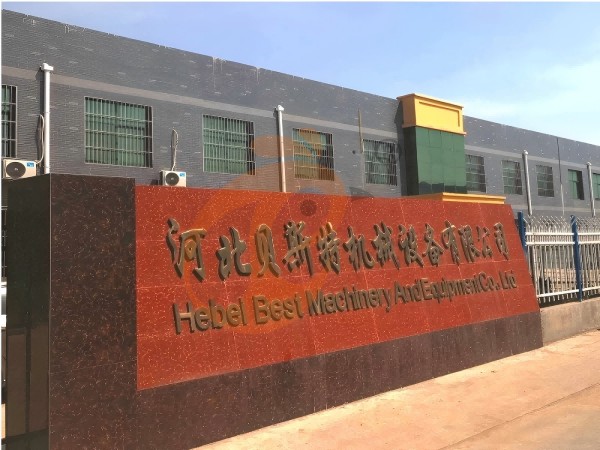
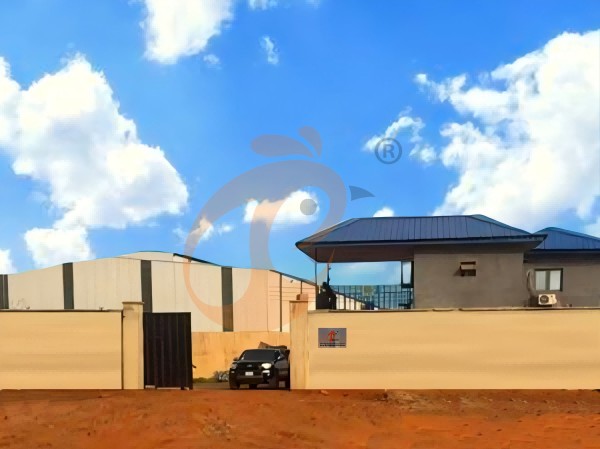
Reception /24 WhatsApp NO. : +8618830120193
FAQ
How To Optimize Light And Dark Cycles For Maximum Egg Production?
Distribute light evenly, avoiding intense light or shadows.
Combined with automatic feeding and drinking systems, egg production increases 2–3%, breakage <1%.
What Are The Professional Guidelines For Layer Cage Farm Cleaning And Biosecurity?
Disinfect cage surfaces and aisles weekly to reduce disease spread.
With health monitoring, egg production 90–98%, mortality 2–3%.
How To Choose The Right Chicken Cage Manufacturer For Long-Term ROI?
Check steel, anti-corrosion coating, and durability of egg systems.
Price $10–$18 per bird, payback 24–36 months, ROI can increase 20–25%.
Message
Products recommended
 HK Headquarter Offers EU-standard Poultry Farm Solutions, Manufacture Poultry Farm Equipment1. Continuous communication with the EU and the US
2. China, Nigeria, Ethiopia, Tanzania branch companies and factories
3. The products’ quality is customized for local poultry farms
4. Poultry cage and poultry farm equipment stock for sale
5. 24 online reception Whatsapp NO. : +8618830120193,contact us to get full informationRead More China Branch Offer Poultry Farm Business Plan, Manufacture Poultry Farm Equipment1. Address: Flat/RM 2416, 24/F, Runxing Building, Youyi Nan Street, Shijiazhuang City, Hebei Province, China
2. Poultry cage and poultry farm equipment factory and stock for sale
3. Customized for local poultry farms
4. Quality and design are based on Euro
5. 24 online reception Whatsapp NO. : +8618830120193Read More Nigeria Branch Offer Poultry Farm Business Plan, Manufacture Poultry Farm Equipment1. Address: After Sinoma Office, 200 Meters Near Danco Filling Station, Lagos/Ibadan Expressway, Lagos State, Nigeria
2. Poultry cage and poultry farm equipment factory and stock for sale
3. Customized for Nigerian poultry farms
4. Quality and design are based on Euro
5. 24 online reception Whatsapp NO. : +8618830120193Read More Ethiopia Branch Offer Poultry Farm Business Plan, Manufacture Poultry Farm Equipment1. Address: Gelan Gura, Akaki-kaliti Sub City, Addis Ababa, Ethiopia
2. Poultry cage and poultry farm equipment stock for sale
3. Customized for Ethiopian poultry farms
4. Quality and design are based on Euro
5. 24 online reception Whatsapp NO. : +8618830120193, contact us to get price listRead More Tanzania Branch Offer Poultry Farm Business Plan, Manufacture Poultry Farm Equipment1. Address: No.8, Sova Road, Msufini, Mlandizi, Kibaha, Pwani, Tanzania
2. Poultry cage and poultry farm equipment factory and stock for sale
3. Customized for Tanzanian poultry farms
4. Quality and design are based on Euro
5. 24 online reception Whatsapp NO. : +8618830120193Read More Fully Automatic H Type Layer Chicken Cage1. 30,000-100,000+ layers/house chooses it, Poultry farmers can achieve an egg production rate of 96-98%
2. A significant improvement over the 85-90% typically seen in manual systems
3. A typical poultry farm can expect a 30-40% reduction in labor costs due to the automation
4. Each feeding line efficiently supplies feed to around 100,000 hens per 30 mins
5. Reception /WhatsApp NO. : +8618830120193Read More Fully Automatic A Type Layer Chicken Cage1. 10,000-50,000 layers/house chooses it
2. Cleaner egg collection reduces breakage by 0.5%
3. Improved hygiene helps reduce mortality rate to <3%
4. 1–2 technicians can handle 15,000–30,000 birds
5. Reception /WhatsApp NO. : +8618830120193Read More Semi Automatic H Type Layer Chicken Cage1. 1,00-20,000 layers/house chooses it
2. Nipple drinkers flow 30–60 ML / min
3. Hot-dip galvanized (typical coating ≥ 275 g/m²)
4. Reduce ammonia by ~ 35–40%
5. Reception /WhatsApp NO. : +8618830120193Read More Semi Automatic A Type Layer Chicken Cage1. 1,00-20,000 layers/house chooses it, no rust for 10 years, no deformation for 15 years
2. Chickens live comfortably, you can raise them with peace of mind
3. Save water, save money—efficiency you can measure
4. Improve environment quality, and increase egg production rate
5. Reception /WhatsApp NO. : +8618830120193Read More
By clicking 'Allow All', you agree to the storage of cookies on your device to enhance site navigation, analyze site usage and assist with our marketing efforts.