


Blog
Poultry feed mill system selection determines feed conversion efficiency and flock growth stability in broiler and layer production, directly affecting FCR performance.
Feed mixer configuration directly influences nutrient uniformity and vitamin distribution consistency in poultry rations under IoT-based monitoring systems.
Feed processing capacity design impacts daily operational throughput and long-term farm expansion planning in USA, China, and European union markets.
Equipment selection affects energy consumption structure and total feed production cost per ton in usd-based investment models.
Get professional poultry farm construction guidance, equipment selection solutions, and the latest price lists, whatsApp to +8618830120193, +2348111199996, or click to learn more.
Define Poultry Feed Production Requirements
Selecting a feed mill for poultry farms begins with precise demand quantification based on flock size and production cycle.
Feed intake varies significantly between broiler and layer operations, and this directly defines system sizing under modern feed mill for poultry farm design standards.
In modern feed mill for poultry farm planning, daily feed requirement is the primary engineering constraint influencing system architecture.
Accurate load estimation prevents mismatch between production demand and installed capacity in Ethiopia birr and usd investment planning models.
Feed Mill System Configuration For Poultry Farms
System architecture defines production efficiency and automation capability.
A small poultry feed mill equipment setup cost varies significantly depending on processing stages integrated into the line, especially in Asia and European union markets.
System selection must align with feed formulation complexity, IoT control integration, and flock expansion planning.
Capacity Design Based On Poultry Growth Cycles
Broiler farms operate on short production cycles requiring stable daily feed output.
Layer farms require continuous production stability across annual cycles with consistent FCR control.
A poultry feed mixer machine price is strongly correlated with batch volume and cycle frequency in usd procurement structures.
Batch planning determines labor scheduling, IoT automation timing, and energy distribution patterns.
Feed Mixer Technical Selection For Poultry Feed Quality
Mixer selection determines feed homogeneity, especially for micro-ingredient distribution used in broiler and layer formulations.
A feed mill machine price for poultry farm depends heavily on mixer type, automation level, and mixing efficiency characteristics.
Paddle mixer systems are widely applied in poultry farms due to controlled nutrient dispersion and stable cv performance.
Engineering Selection Process For Poultry Feed Mills
Engineering selection ensures consistency between production demand and equipment configuration.
Feed mill planning requires structured workflow analysis supported by IoT data collection and historical FCR tracking.
Each step defines downstream equipment selection parameters affecting usd-based total project cost.
Cost Structure Of Poultry Feed Mill Systems
Investment structure includes mechanical equipment, civil engineering, and automation components.
Feed mill cost is strongly influenced by automatic poultry feed production line price configuration and IoT integration level.
Reference currency note European union standard reference only.
Operational Performance Indicators In Poultry Feed Production
Operational performance determines feed efficiency and production consistency in poultry farms.
These parameters directly affect broiler feed conversion efficiency (FCR) and overall flock performance.
Equipment Layout Design For Poultry Feed Mills
Layout design defines material flow direction and contamination control in poultry feed systems.
Poultry feed systems require structured zoning of raw and finished feed sections to ensure stable production flow.
Linear flow design supports stable production sequencing and reduces cross-contamination risk.
Common Engineering Mistakes In Poultry Feed Mill Selection
Incorrect engineering assumptions reduce system efficiency and increase operational instability in poultry farms.
Correct engineering prevents long-term operational inefficiency and reduces usd operating losses.
Frequently Asked Questions Feed Mill Selection For Poultry Farms
Q1: What capacity feed mill is required for 10000 broiler birds
A1: A 10000 broiler farm requires 900–1300 kg daily feed output system with 500 kg batch mixer configuration and 30–55 kW installed power range.
Q2: What mixer type is suitable for poultry feed production
A2: Double shaft paddle mixers are widely applied due to 2–4 min mixing cycles and stable cv ≤3% for premix integration.
Q3: What is the main cost driver in poultry feed mill systems
A3: Mixer system configuration and automation level determine total investment variation more than grinding equipment or civil construction structure.
Taiyu (HK) Group - One Of China Largest Feed Mill For Poultry Farm Manufacturer
Feed mill for poultry farm integrated engineering system covering grinding mixing pelleting processes with automated control architecture for broiler and layer production facilities.
Global factory direct supply model supporting standardized poultry equipment manufacturing and scalable production line configuration for commercial feed operations across China, USA, and European union markets.
Poultry equipment integration including grinder mixer conveyor system and control cabinet designed for continuous poultry feed production environment with IoT monitoring capability.
Poultry cage and housing system compatibility enabling coordinated farm infrastructure and feed delivery synchronization across production cycles for commercial poultry farms.
Turn-key engineering project execution covering design manufacturing installation commissioning for complete poultry feed mill production line deployment in usd-based contracting structure.
Contact Us To Received Your Customized Poultry Farm Plan
Headquarters And Branchs

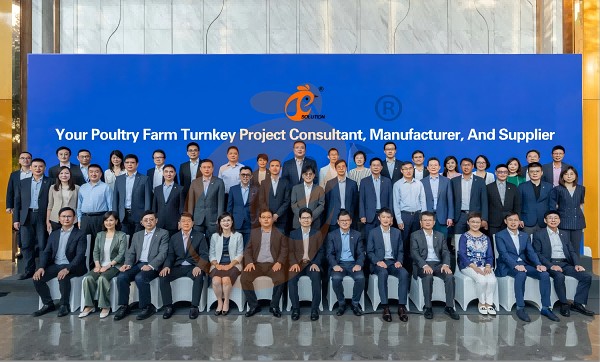
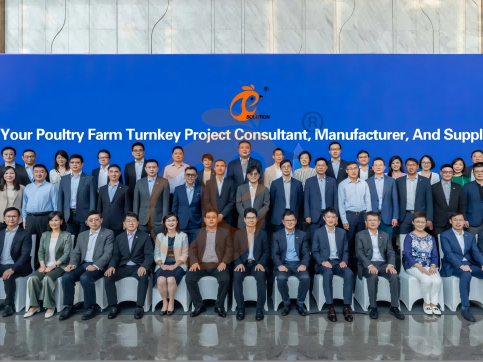
Hong Kong Headquarter Management Team
Hong Kong Headquarter Taiyu Industrial Group CO., LTD
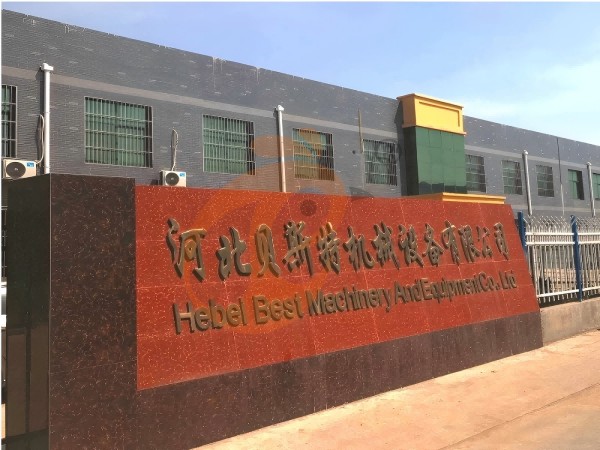
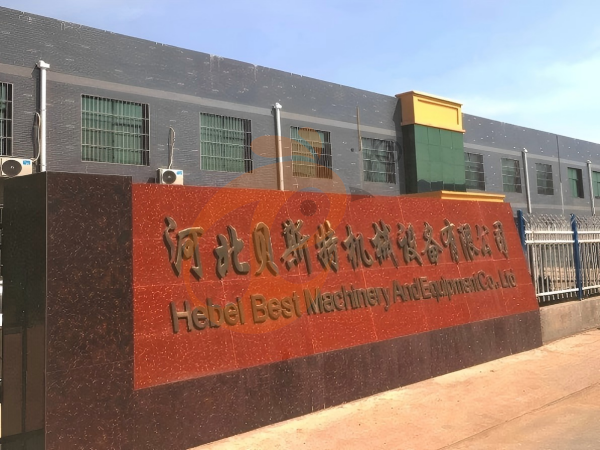
China Hebei Best Machinery And Equipment CO., LTD
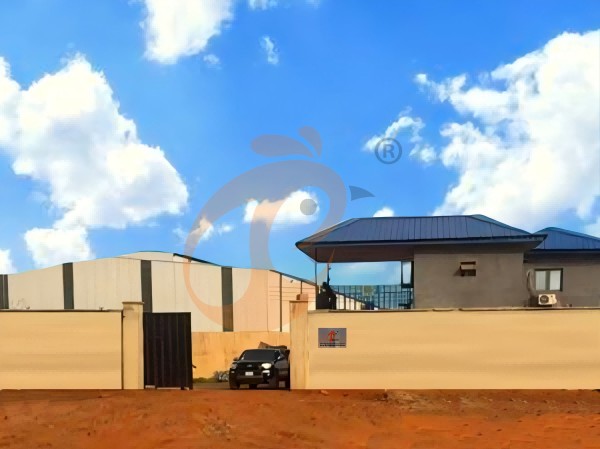
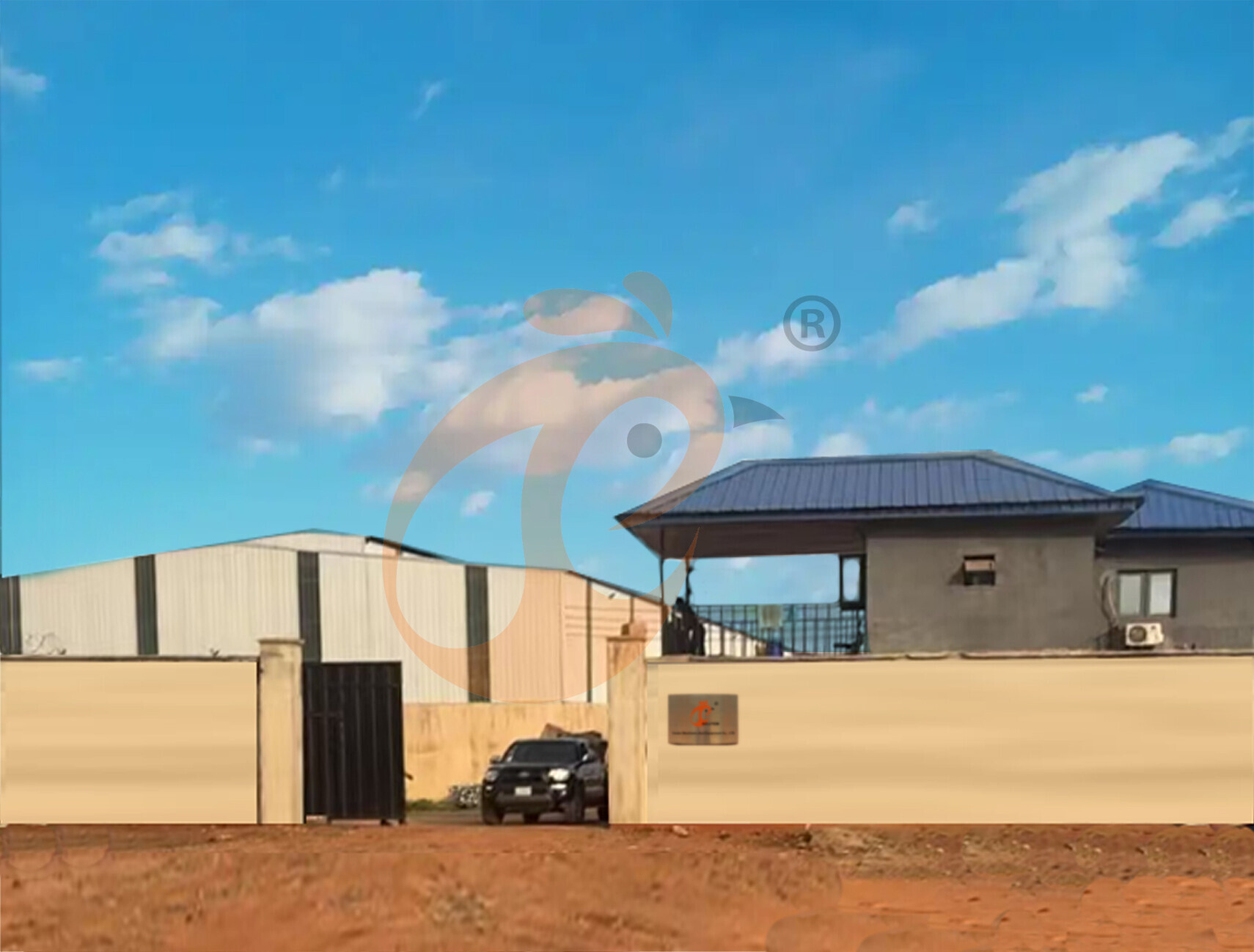
Nigeria Vanke Machinery And Equipment CO., LTD
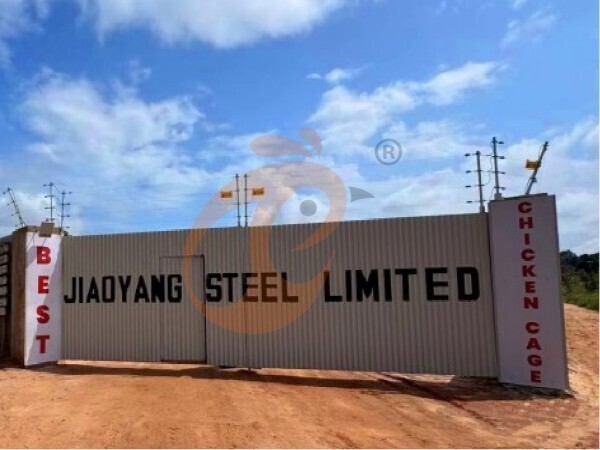
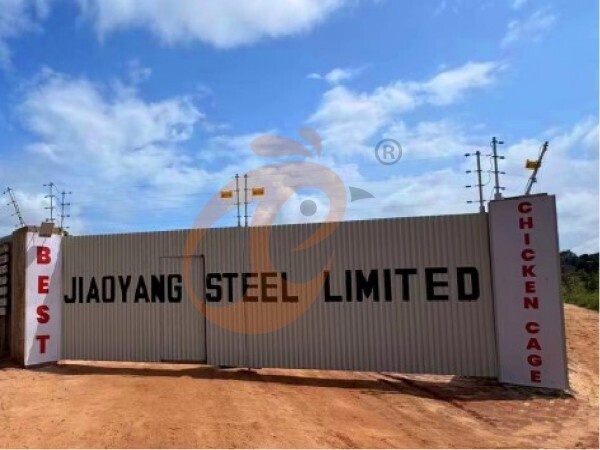
Tanzania Best Machinery And Equipment CO., LTD
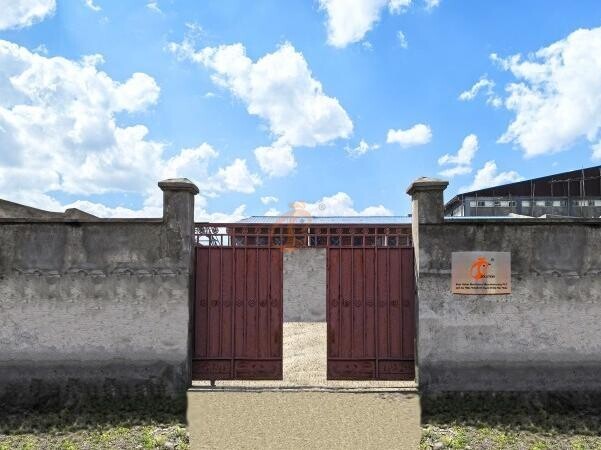
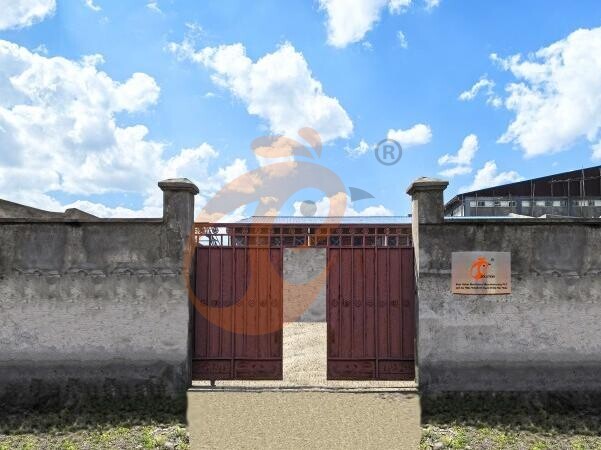
Ethiopia Best Hebei Machinery Manufacturing PLC
Reception /24 WhatsApp NO. : +8618830120193
FAQ
What Is The Typical Capacity Range Of Feed Mill Systems In Poultry Chicken Production?
Medium systems operate at 5–10 tons per hour for commercial poultry complexes above 50,000 birds.
Large industrial mills reach 15–25 tons per hour for integrated feed supply chains.
What Are The Key Mixing Uniformity Standards In Feed Mixer Systems For Poultry Chicken Feed?
Horizontal mixers maintain batch consistency within 3–6 minutes per cycle for complete ingredient integration.
Riboflavin tracer tests confirm homogeneity above 90% for high-performance poultry feed formulation.
What Grinding Particle Size Is Required In Feed Mill Systems For Poultry Chicken Diets?
Grower feed is processed to 1.5–2.0 mm to balance energy intake and gut development.
Finisher feed targets 2.5–3.0 mm to optimize feed conversion rate in broiler production cycles.
Message
Products recommended
 HK Headquarter Offers EU-standard Poultry Farm Solutions, Manufacture Poultry Farm Equipment1. Continuous communication with the EU and the US
2. China, Nigeria, Ethiopia, Tanzania branch companies and factories
3. The products’ quality is customized for local poultry farms
4. Poultry cage and poultry farm equipment stock for sale
5. 24 online reception Whatsapp NO. : +8618830120193,contact us to get full informationRead More China Branch Offer Poultry Farm Business Plan, Manufacture Poultry Farm Equipment1. Address: Flat/RM 2416, 24/F, Runxing Building, Youyi Nan Street, Shijiazhuang City, Hebei Province, China
2. Poultry cage and poultry farm equipment factory and stock for sale
3. Customized for local poultry farms
4. Quality and design are based on Euro
5. 24 online reception Whatsapp NO. : +8618830120193Read More Nigeria Branch Offer Poultry Farm Business Plan, Manufacture Poultry Farm Equipment1. Address: After Sinoma Office, 200 Meters Near Danco Filling Station, Lagos/Ibadan Expressway, Lagos State, Nigeria
2. Poultry cage and poultry farm equipment factory and stock for sale
3. Customized for Nigerian poultry farms
4. Quality and design are based on Euro
5. 24 online reception Whatsapp NO. : +8618830120193Read More Ethiopia Branch Offer Poultry Farm Business Plan, Manufacture Poultry Farm Equipment1. Address: Gelan Gura, Akaki-kaliti Sub City, Addis Ababa, Ethiopia
2. Poultry cage and poultry farm equipment stock for sale
3. Customized for Ethiopian poultry farms
4. Quality and design are based on Euro
5. 24 online reception Whatsapp NO. : +8618830120193, contact us to get price listRead More Tanzania Branch Offer Poultry Farm Business Plan, Manufacture Poultry Farm Equipment1. Address: No.8, Sova Road, Msufini, Mlandizi, Kibaha, Pwani, Tanzania
2. Poultry cage and poultry farm equipment factory and stock for sale
3. Customized for Tanzanian poultry farms
4. Quality and design are based on Euro
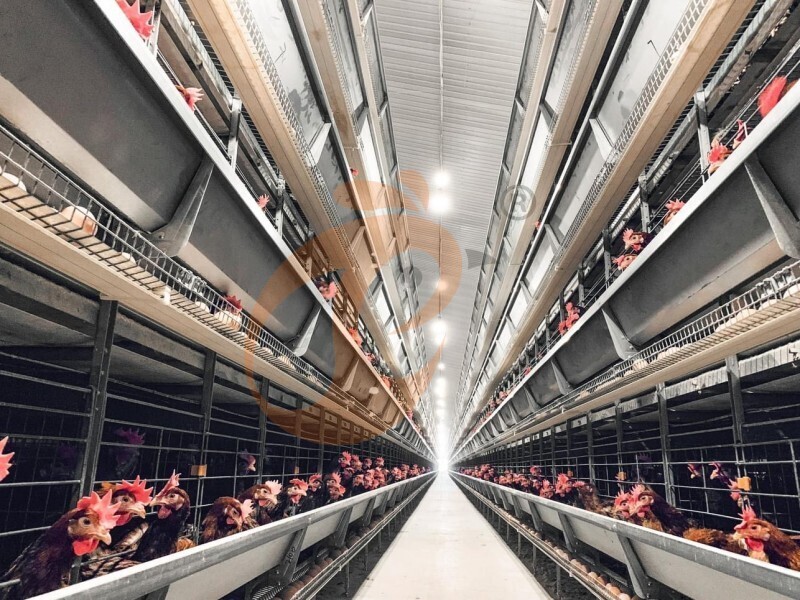
5. 24 online reception Whatsapp NO. : +8618830120193Read More Fully Automatic H Type Layer Chicken Cage1. 30,000-100,000+ layers/house chooses it, Poultry farmers can achieve an egg production rate of 96-98%
2. A significant improvement over the 85-90% typically seen in manual systems
3. A typical poultry farm can expect a 30-40% reduction in labor costs due to the automation
4. Each feeding line efficiently supplies feed to around 100,000 hens per 30 mins
5. Reception /WhatsApp NO. : +8618830120193Read More Fully Automatic A Type Layer Chicken Cage1. 10,000-50,000 layers/house chooses it
2. Cleaner egg collection reduces breakage by 0.5%
3. Improved hygiene helps reduce mortality rate to <3%
4. 1–2 technicians can handle 15,000–30,000 birds
5. Reception /WhatsApp NO. : +8618830120193Read More Semi Automatic H Type Layer Chicken Cage1. 1,00-20,000 layers/house chooses it
2. Nipple drinkers flow 30–60 ML / min
3. Hot-dip galvanized (typical coating ≥ 275 g/m²)
4. Reduce ammonia by ~ 35–40%
5. Reception /WhatsApp NO. : +8618830120193Read More Semi Automatic A Type Layer Chicken Cage1. 1,00-20,000 layers/house chooses it, no rust for 10 years, no deformation for 15 years
2. Chickens live comfortably, you can raise them with peace of mind
3. Save water, save money—efficiency you can measure
4. Improve environment quality, and increase egg production rate
5. Reception /WhatsApp NO. : +8618830120193Read More
By clicking 'Allow All', you agree to the storage of cookies on your device to enhance site navigation, analyze site usage and assist with our marketing efforts.