


Blog
Ethiopia poultry cage market growth analysis reveals cost gaps and actionable solutions.
Comparison of Ethiopia and Asia poultry cage material and labor costs with local context.
Assessment of transport, import duties, and logistics challenges impacting Ethiopian farms.
Analysis of quality, biosecurity, and lifecycle costs for long-term farm efficiency.
Strategic recommendations for financing, local fabrication, and operational improvements.
Data tables provide actionable insights for investment decisions and return on investment calculations.
Frequently asked questions section addresses Ethiopian farm-specific questions and practical cage adoption strategies.
Get professional poultry farm construction guidance, equipment selection solutions, and the latest price lists, whatsApp to +8618830120193, click to learn more.

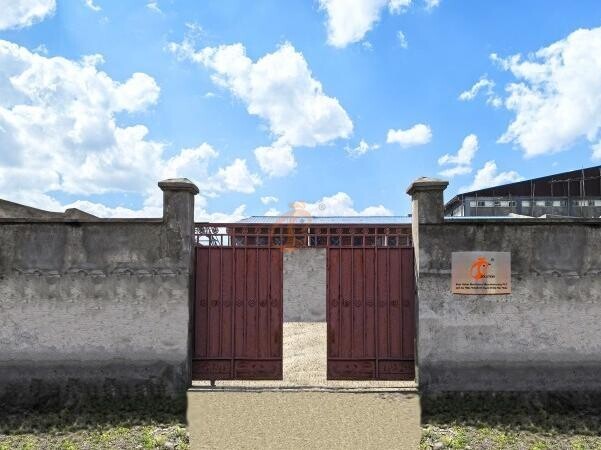
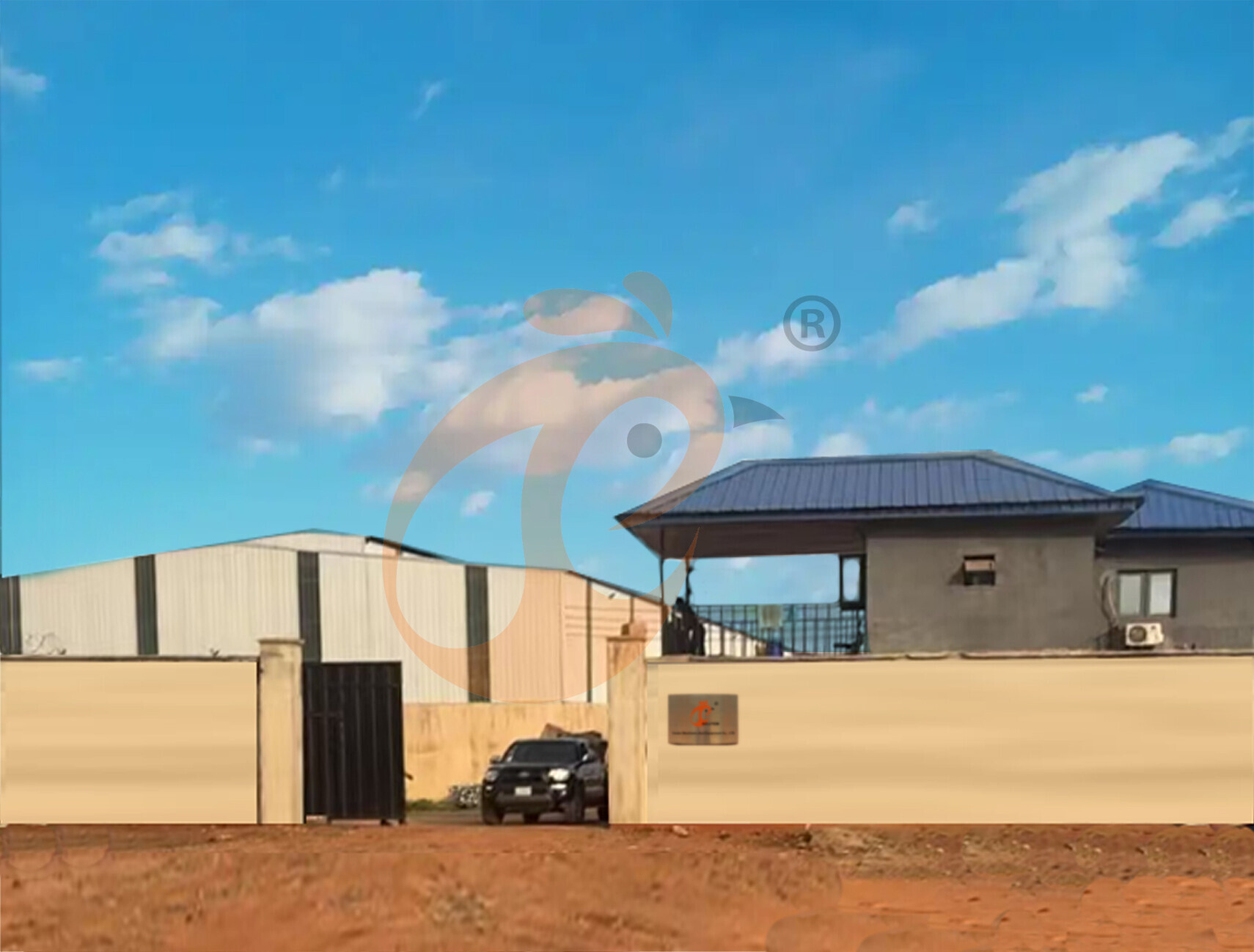
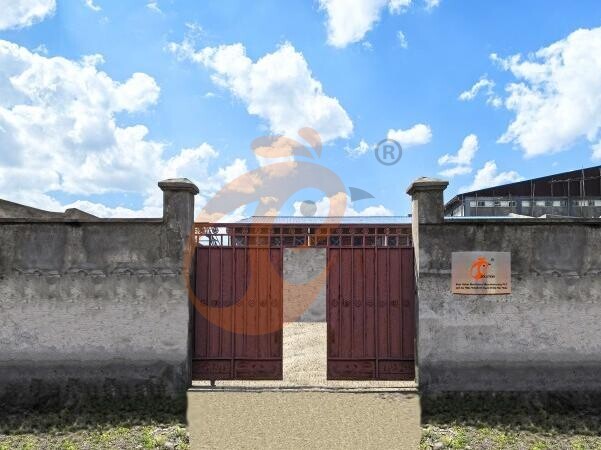
Ethiopia Branch Office And Factory Of Poultry Farm Equipment
Poultry Sector In Ethiopia And Asia
Ethiopia's poultry sector faces rapid growth, driven by domestic demand for protein and government livestock programs.
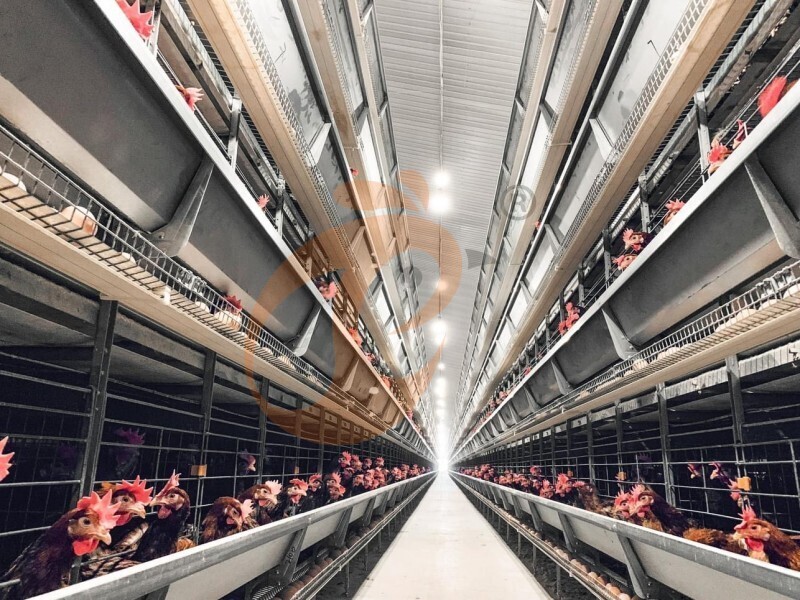
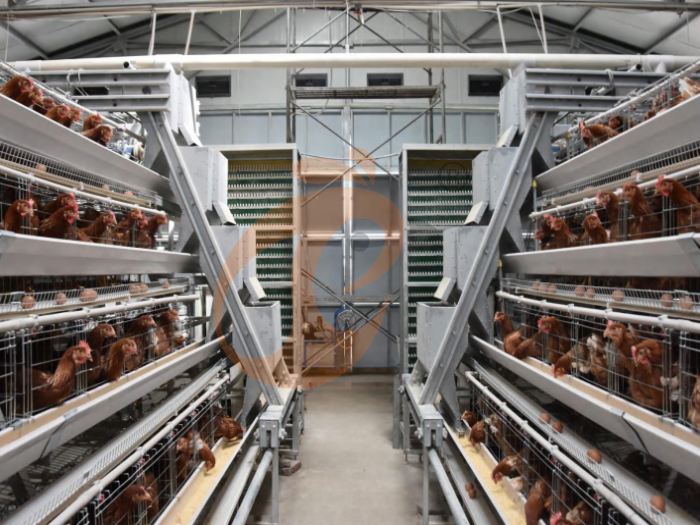
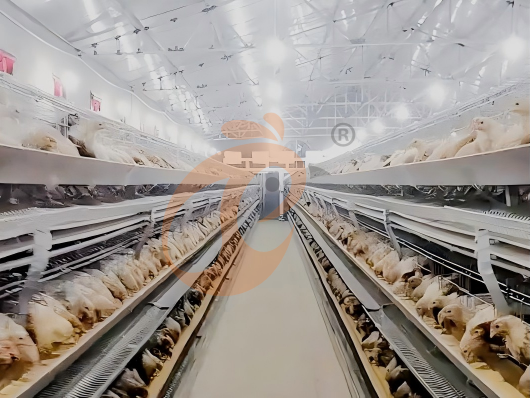
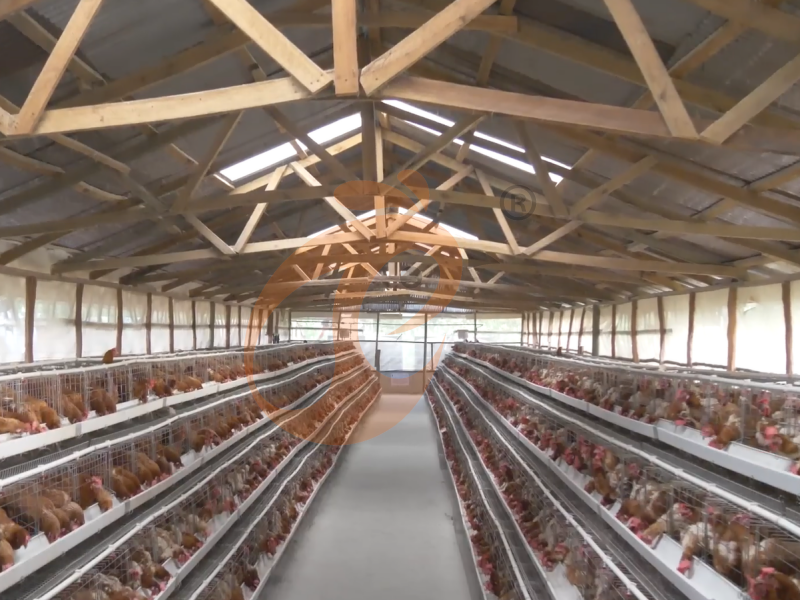
Poultry cages are central to farm productivity, biosecurity, and cost management.
Asia's established cage manufacturing provides mature products with lower unit cost and higher durability.
Comparing Ethiopian local and Asian imported cages highlights operational cost drivers and investment priorities for farmers.
Price Composition Of Poultry Cages
Data is for reference only.Swipe horizontally to view full table.
This breakdown allows Ethiopian farmers to target cost reduction measures.
Material Cost Differences
Data is for reference only.Swipe horizontally to view full table.
European union standard reference only
Material costs in Ethiopia are nearly double due to import dependency and forex impact.
Solution: Incentivizing local steel fabrication and bulk wire production can reduce unit cost by up to 35%, improving farm-level profitability.
Labor Cost And Production Efficiency
Data is for reference only.Swipe horizontally to view full table.
Lower labor rates in Ethiopia are offset by reduced productivity.
Solution: Implementing mechanized cage assembly and training programs can lower labor cost per unit by approximately 25%, increasing production efficiency.
Transportation And Distribution Costs
Data is for reference only.Swipe horizontally to view full table.
Remote locations and poor infrastructure increase Ethiopian transport costs.
Solution: Optimizing transport routes, consolidating shipments, and expanding rail logistics could reduce delivery cost by up to 30%.
Import Duties, Tariffs, And Exchange Rate Impact
Data is for reference only.Swipe horizontally to view full table.
Import tariffs and currency fluctuations substantially increase Ethiopian cage prices.
Solution: Advocating for reduced duties on agricultural infrastructure and stabilizing forex access can lower overall investment cost.
Standard Poultry Cage Price Comparison
Data is for reference only.Swipe horizontally to view full table.
Even local fabrication approaches imported system costs due to raw material and labor inefficiencies.
Solution: Improving local supply chains and standardization can reduce costs while maintaining quality.
Quality And Lifecycle Cost Differences
Data is for reference only.Swipe horizontally to view full table.
Longer lifespan and better service support reduce lifecycle costs for Asian cages.
Solution: Developing local quality standards and maintenance networks enhances cage durability and farm return on investment.
Biosecurity And Farm Productivity Impact
Data is for reference only.Swipe horizontally to view full table.
Advanced cage design reduces disease risk and mortality in Ethiopian farms.
Solution: Training on hygiene practices and improved cage systems increases productivity and lowers operational losses.
Financing And Affordability Barriers
Data is for reference only.Swipe horizontally to view full table.
High financing costs delay Ethiopian farm expansion.
Solution: Concessional loans and supplier credit reduce upfront burden and support adoption of quality cages.
Strategic Investment Insights For Ethiopian Poultry Farmers
Investing in the right chicken cage system directly impacts farm profitability.
Ethiopian farmers face a choice between imported Asian cages and locally fabricated alternatives.
Key considerations include
- Material efficiency: Imported cages use advanced coated steel, reducing replacement costs by 35–40%.
- Labor productivity: Local assembly may require more worker hours, increasing operational cost per unit.
- Transport and logistics: Consolidating shipments can reduce delivery cost by up to 30%.
Lifecycle cost: Factoring lifespan, maintenance, and biosecurity, Asian cages may offer lower total cost of ownership, even with higher upfront investment.
Recommendation: Evaluate cage cost not only on initial price but on long-term return on investment, farm biosecurity, and maintenance accessibility.
This approach allows Ethiopian poultry farmers to make informed investment decisions that improve efficiency and profitability.
Recommendations And Strategic Direction
Key Ethiopian cost drivers include
- Import duties and tariffs
- Local material and labor inefficiencies
- Transport and logistical constraints
- Financing limitations
Strategic measures promote local fabrication, improve transport infrastructure, reduce tariffs, offer accessible financing, implement quality standards, and provide farmer training to improve productivity.
Frequently Asked Questions
Q1: Is this chicken cage suitable for use in Ethiopia?
A1: Yes, Asian cages provide longer lifespan and improved biosecurity.
Local adaptation and minor modifications ensure compatibility with Ethiopian farm conditions.
Q2: How can Ethiopian farmers reduce cost of poultry cages?
A2: Using locally fabricated cages, optimizing shipment routes, and accessing financing programs reduce expenses.
Government incentives further lower import dependency costs.
Q3: Are maintenance and spare parts available locally?
A3: Limited availability exists, but promoting standardized local production and supplier networks improves access to parts and ongoing maintenance support.
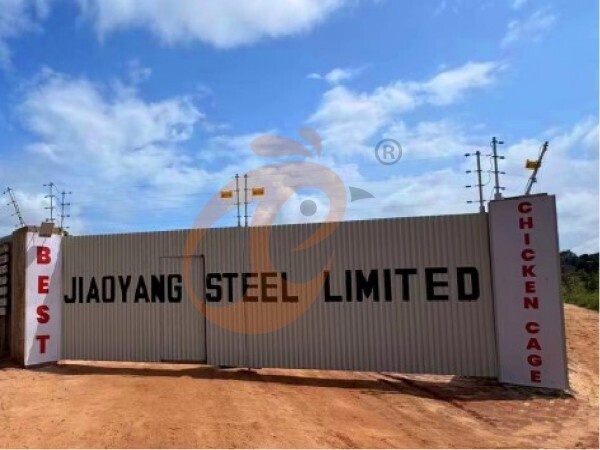
Ethiopia Best Hebei Machinery Manufacturing Plc - One Of Ethiopia Largest Chicken Cage Manufacturer
- Offers global factory direct sales for poultry farm equipment with competitive pricing.
- Provides high-quality poultry cage systems suitable for turnkey projects in Ethiopia.
- Delivers full-service turn-key engineering solutions for poultry farm construction.
- Supports farmers with maintenance, spare parts, and training for equipment longevity.
Ensures comprehensive poultry farm equipment solutions including cages, feeders, and drinkers.
Contact Us To Received Your Customized Poultry Farm Plan
Headquarters And Branchs

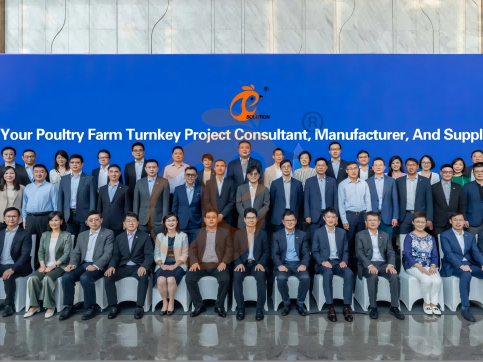
Hong Kong Headquarter Management Team
Hong Kong Headquarter Taiyu Industrial Group CO., LTD
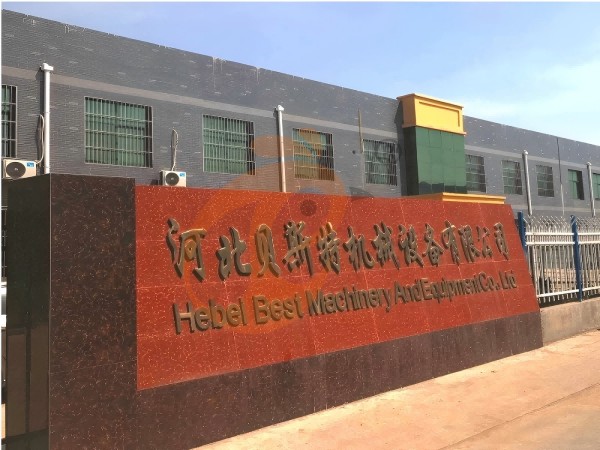
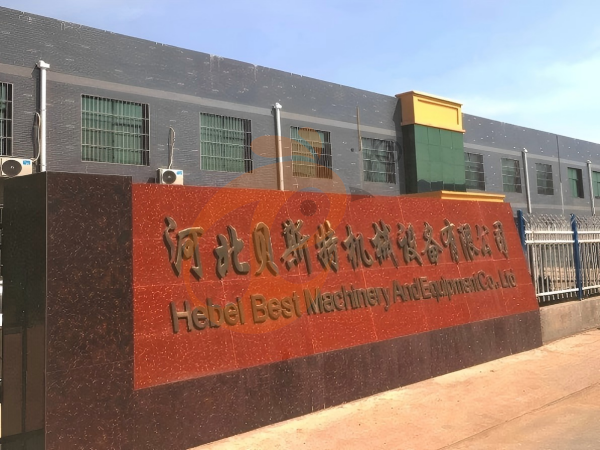
China Hebei Best Machinery And Equipment CO., LTD
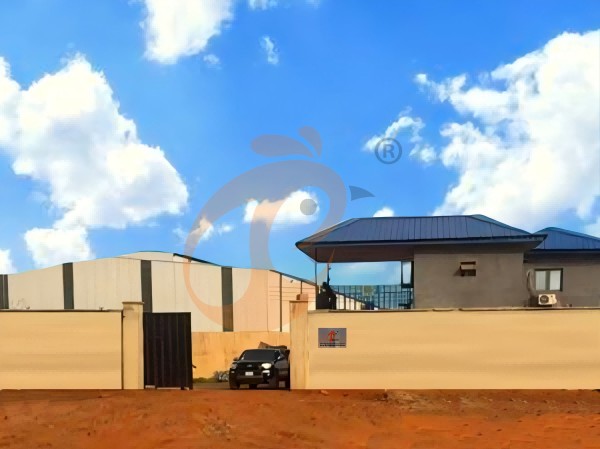
Nigeria Vanke Machinery And Equipment CO., LTD
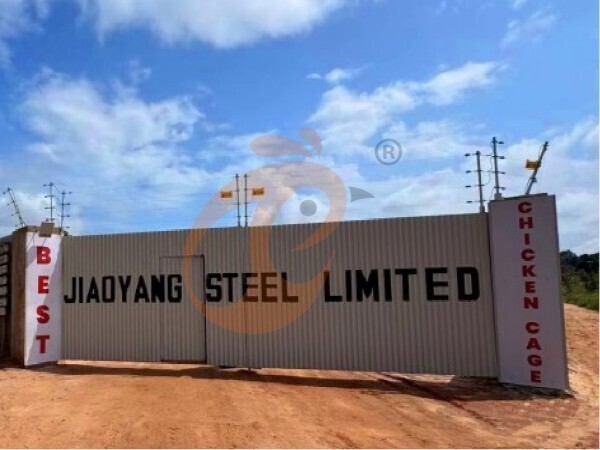
Tanzania Best Machinery And Equipment CO., LTD
Ethiopia Best Hebei Machinery Manufacturing PLC
Reception /24 WhatsApp NO. : +8618830120193
FAQ
Message
Products recommended
 HK Headquarter Offers EU-standard Poultry Farm Solutions, Manufacture Poultry Farm Equipment1. Continuous communication with the EU and the US
2. China, Nigeria, Ethiopia, Tanzania branch companies and factories
3. The products’ quality is customized for local poultry farms
4. Poultry cage and poultry farm equipment stock for sale
5. 24 online reception Whatsapp NO. : +8618830120193,contact us to get full informationRead More China Branch Offer Poultry Farm Business Plan, Manufacture Poultry Farm Equipment1. Address: Flat/RM 2416, 24/F, Runxing Building, Youyi Nan Street, Shijiazhuang City, Hebei Province, China
2. Poultry cage and poultry farm equipment factory and stock for sale
3. Customized for local poultry farms
4. Quality and design are based on Euro
5. 24 online reception Whatsapp NO. : +8618830120193Read More Nigeria Branch Offer Poultry Farm Business Plan, Manufacture Poultry Farm Equipment1. Address: After Sinoma Office, 200 Meters Near Danco Filling Station, Lagos/Ibadan Expressway, Lagos State, Nigeria
2. Poultry cage and poultry farm equipment factory and stock for sale
3. Customized for Nigerian poultry farms
4. Quality and design are based on Euro
5. 24 online reception Whatsapp NO. : +8618830120193Read More Ethiopia Branch Offer Poultry Farm Business Plan, Manufacture Poultry Farm Equipment1. Address: Gelan Gura, Akaki-kaliti Sub City, Addis Ababa, Ethiopia
2. Poultry cage and poultry farm equipment stock for sale
3. Customized for Ethiopian poultry farms
4. Quality and design are based on Euro
5. 24 online reception Whatsapp NO. : +8618830120193, contact us to get price listRead More Tanzania Branch Offer Poultry Farm Business Plan, Manufacture Poultry Farm Equipment1. Address: No.8, Sova Road, Msufini, Mlandizi, Kibaha, Pwani, Tanzania
2. Poultry cage and poultry farm equipment factory and stock for sale
3. Customized for Tanzanian poultry farms
4. Quality and design are based on Euro
5. 24 online reception Whatsapp NO. : +8618830120193Read More Fully Automatic H Type Layer Chicken Cage1. 30,000-100,000+ layers/house chooses it, Poultry farmers can achieve an egg production rate of 96-98%
2. A significant improvement over the 85-90% typically seen in manual systems
3. A typical poultry farm can expect a 30-40% reduction in labor costs due to the automation
4. Each feeding line efficiently supplies feed to around 100,000 hens per 30 mins
5. Reception /WhatsApp NO. : +8618830120193Read More Fully Automatic A Type Layer Chicken Cage1. 10,000-50,000 layers/house chooses it
2. Cleaner egg collection reduces breakage by 0.5%
3. Improved hygiene helps reduce mortality rate to <3%
4. 1–2 technicians can handle 15,000–30,000 birds
5. Reception /WhatsApp NO. : +8618830120193Read More Semi Automatic H Type Layer Chicken Cage1. 1,00-20,000 layers/house chooses it
2. Nipple drinkers flow 30–60 ML / min
3. Hot-dip galvanized (typical coating ≥ 275 g/m²)
4. Reduce ammonia by ~ 35–40%
5. Reception /WhatsApp NO. : +8618830120193Read More Semi Automatic A Type Layer Chicken Cage1. 1,00-20,000 layers/house chooses it, no rust for 10 years, no deformation for 15 years
2. Chickens live comfortably, you can raise them with peace of mind
3. Save water, save money—efficiency you can measure
4. Improve environment quality, and increase egg production rate
5. Reception /WhatsApp NO. : +8618830120193Read More
By clicking 'Allow All', you agree to the storage of cookies on your device to enhance site navigation, analyze site usage and assist with our marketing efforts.