






Blog
Modern poultry production depends on controlled feed quality systems that directly affect growth rate, egg output, and flock uniformity.
Feed mills operate under continuous mechanical load, where contamination risks accumulate through raw material handling and processing cycles.
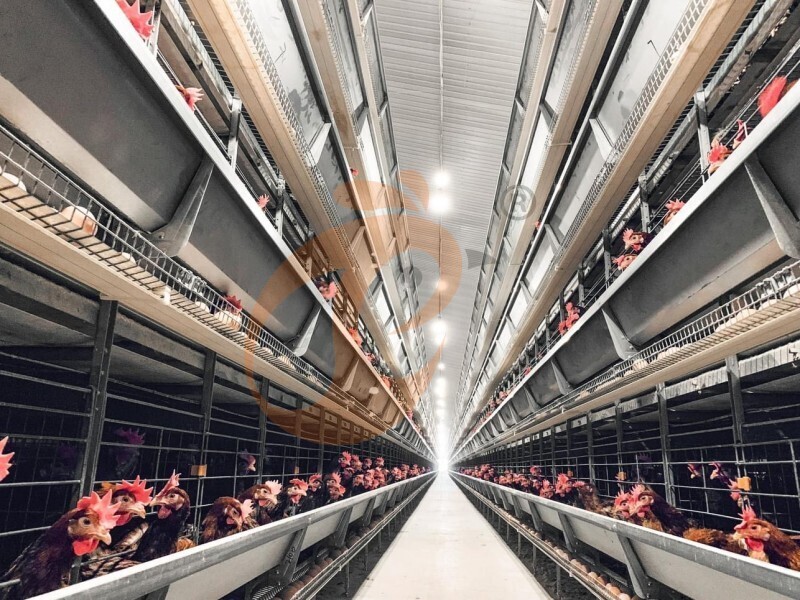
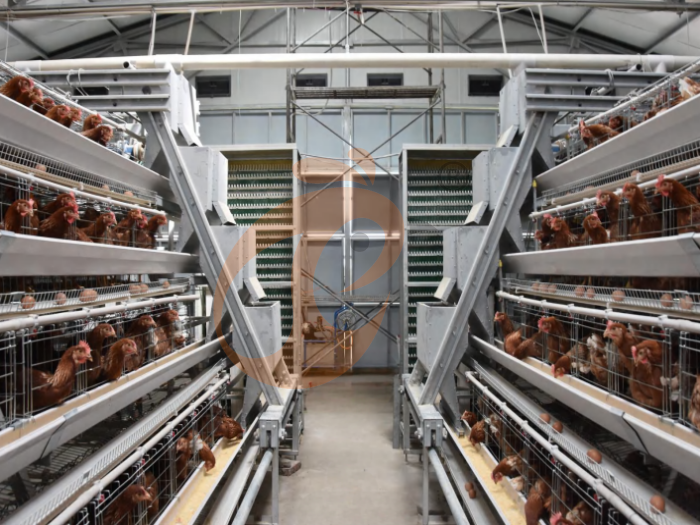
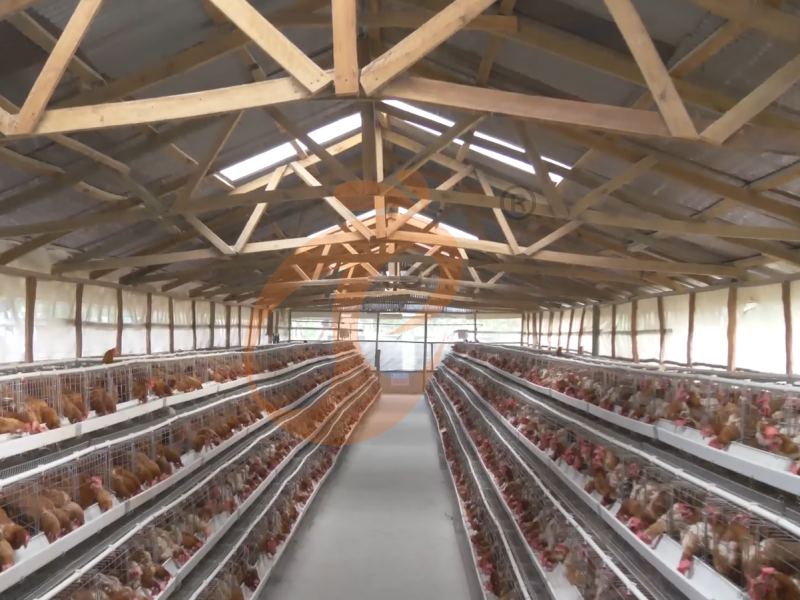
Poultry cage systems require stable nutrient delivery to maintain production efficiency across large scale housing units.
Storage instability, microbial contamination, and mechanical residue buildup can reduce feed integrity across production stages.
Integrated cleaning strategies connect feed milling operations with cage based poultry farming systems to maintain consistent output quality.
Get professional poultry farm construction guidance, equipment selection solutions, and the latest price lists, whatsApp to +8618830120193, +2348111199996, or click to learn more.
Why Feed Mill Cleaning Matters In Poultry Farming
Feed milling systems operate with continuous ingredient transformation, where physical and biological contamination can enter at multiple stages.
Poultry farms using cage systems depend on stable feed composition to maintain metabolic efficiency and production consistency.
Equipment sanitation directly influences nutrient preservation and operational reliability across the production chain.
Data is for reference only.Swipe horizontally to view full table.
Clean feed processing improves performance stability in layer cage and broiler cage systems.
European union standard reference only.
Remove Feed Residues From Equipment
Feed residues accumulate inside processing systems after repeated production cycles.
These residues undergo chemical changes that affect feed stability and increase contamination probability.
Mechanical cleaning ensures consistency across batching processes in poultry feed production systems connected to cage farming operations.
Feed residue removal improves feed uniformity and reduces contamination transfer between production batches.
Data is for reference only.Swipe horizontally to view full table.
Automated poultry cage systems depend on stable feed particle consistency for uniform distribution.
Sanitize Feed Storage Areas
Feed storage systems influence nutrient preservation during raw material buffering and distribution stages.
Environmental variation in storage units affects oxidation rate and nutrient degradation patterns.
Proper sanitation reduces feed quality deterioration across storage cycles.
Data is for reference only.Swipe horizontally to view full table.
Storage control directly affects feed performance inside cage based poultry systems.
European union standard reference only.
Clean Dust And Air Handling Systems
Feed milling environments generate particulate matter during grinding, mixing, and packaging stages.
Airborne dust affects mechanical efficiency and increases particulate concentration inside production facilities.
Filtration systems improve operational stability and reduce airborne contamination accumulation.
Data is for reference only.Swipe horizontally to view full table.
Industrial airflow regulation improves feed hygiene for poultry cage production environments.
Establish Preventive Maintenance And Cleaning Schedule
Maintenance scheduling ensures consistent feed production quality and equipment reliability.
Structured cleaning intervals reduce mechanical degradation and improve operational continuity in poultry feed systems integrated with cage farming operations.
Data is for reference only.Swipe horizontally to view full table.
Preventive maintenance improves feed consistency in automated poultry cage systems.
Connection Between Feed Quality And Poultry Cage Performance
Feed nutritional stability determines production consistency in cage based poultry farming systems.
Ingredient variability affects metabolic efficiency and flock uniformity across housing units.
Controlled feed formulation supports predictable production output.
Data is for reference only.Swipe horizontally to view full table.
Layer cage production depends on stable feed nutrient composition for consistent output levels.
Benefits For Poultry Cage Manufacturers
Poultry cage manufacturers integrate feed management systems into complete poultry farm solutions.
Feed hygiene programs improve operational efficiency across cage based production environments.
System integration increases long term farm productivity and equipment utilization rates.
Data is for reference only.Swipe horizontally to view full table.
Integrated systems improve poultry cage farm efficiency and production consistency.
Best Practices For Integrated Poultry Farms
Integrated poultry farms require synchronized management of feed production, housing systems, and environmental control.
Coordination between feed milling and cage systems ensures consistent production performance.
Automation improves operational precision across multiple farm units.
Data is for reference only.Swipe horizontally to view full table.
System integration improves operational sustainability in large-scale poultry production facilities.
Operational Control Summary
- Mixing retention time 90–180 seconds for ingredient uniformity in feed batches
- Pellet conditioning temperature 74–82°c to stabilize starch gelatinization efficiency
- Grinding particle size range 650–900 microns for layer feed formulation consistency
- Conveyor transport speed 1.2–2.5 m/s to reduce adhesion and residue formation
- Metal impurity capture capacity 1.5 kg per 100 tons feed via magnetic separation systems
Feed production stability depends on coordinated control of mechanical processing parameters and sanitation cycles.
Stable output supports uniform performance in automated cage feeding environments.
Consistent formulation reduces metabolic variation across high-density poultry housing systems.
Frequently Asked Questions
Q1: What is the recommended cleaning frequency for feed milling equipment?
A1: Feed milling equipment requires cleaning every 24 to 72 hours depending on component type.
Hammer mills accumulate approximately 3.2 kilograms of residue per cycle.
Regular cleaning reduces microbial load and stabilizes feed particle uniformity across poultry cage feeding systems.
Q2: How does storage environment affect feed nutrient stability?
A2: Feed storage conditions influence oxidation rate and nutrient retention levels.
Temperature maintained between 18 and 24 degrees celsius reduces degradation speed.
Relative humidity control between 52 and 63 percent preserves vitamin activity and amino acid integrity during storage periods.
Q3: What is the impact of airborne dust on feed production systems?
A3: Dust concentration above 200 mg per cubic meter increases mechanical wear and reduces filtration efficiency.
Cyclone outlet systems typically manage airflow at 1,200 cubic meters per hour to stabilize particulate control and maintain feed purity across production lines.
Taiyu (HK) Group - One Of China Biggest Feed Mill Manufacturer
Feed mill cleaning equipment provides integrated solutions for modern poultry production systems.
Factory direct manufacturing supports stable pricing and standardized equipment quality control.
Poultry equipment systems include cage housing, feed milling sanitation, and automated feeding integration.
Turn key project services cover farm design, installation, and operational system deployment globally.
Global export capacity supports large scale industrial poultry farming development projects worldwide.
Contact Us To Received Your Customized Poultry Farm Plan
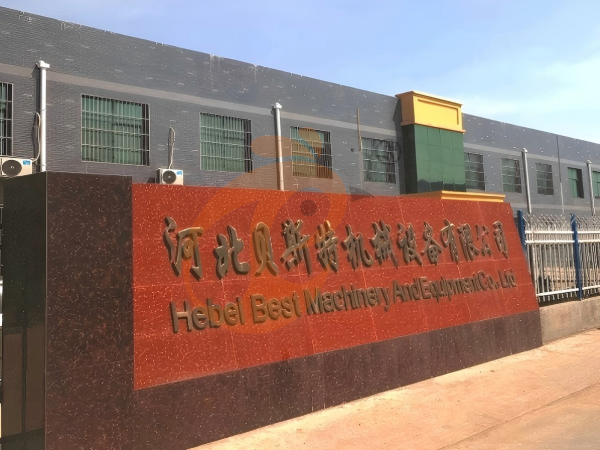
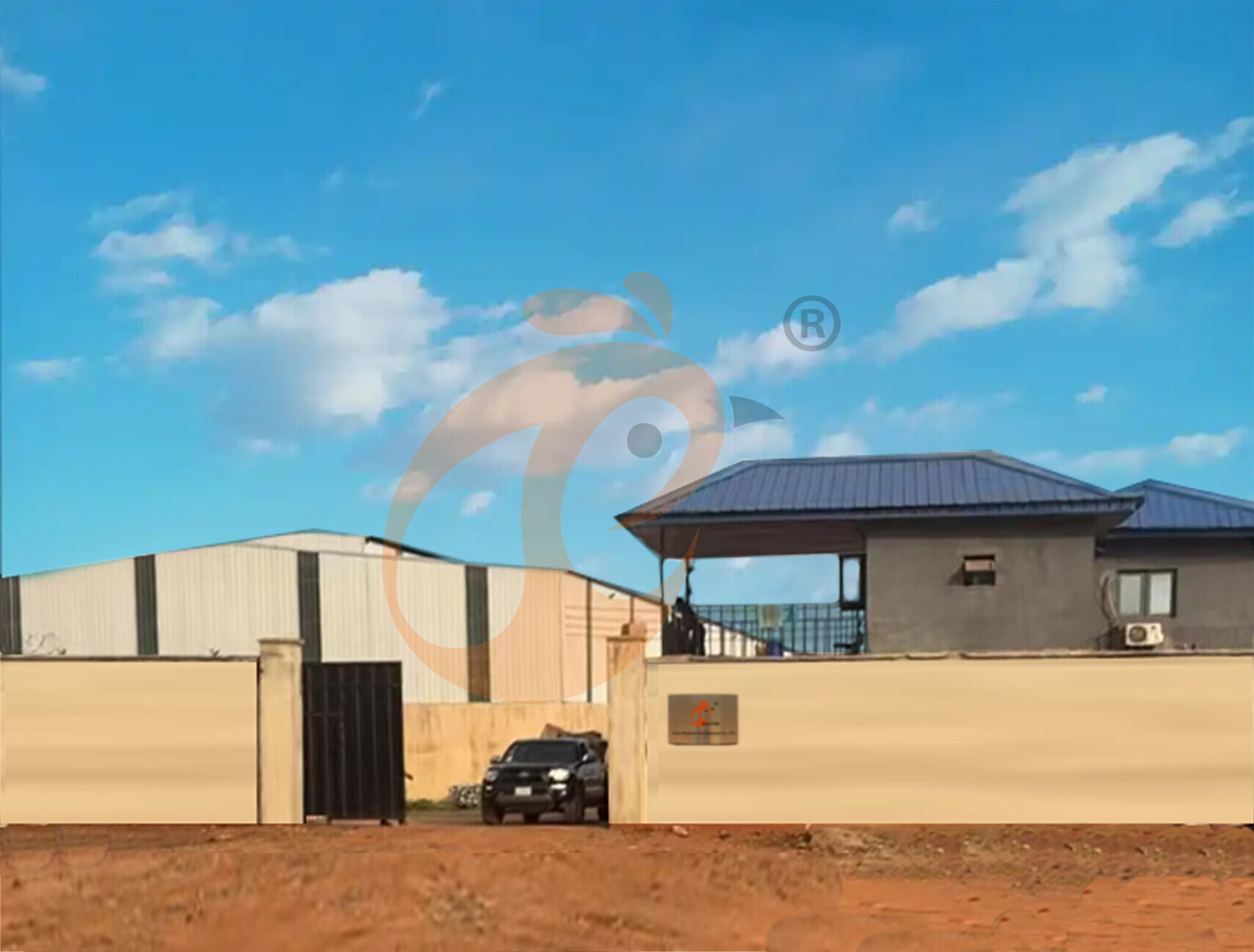
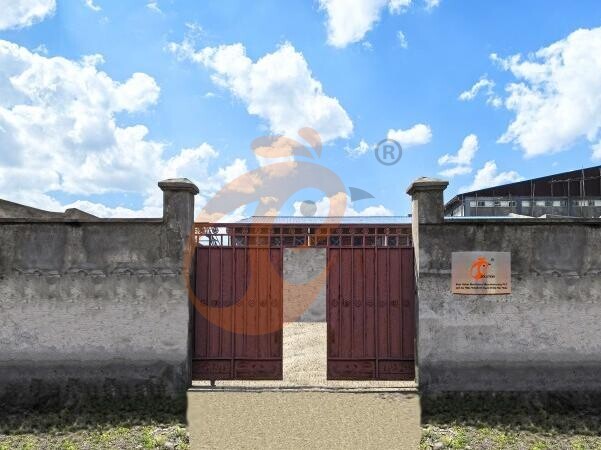
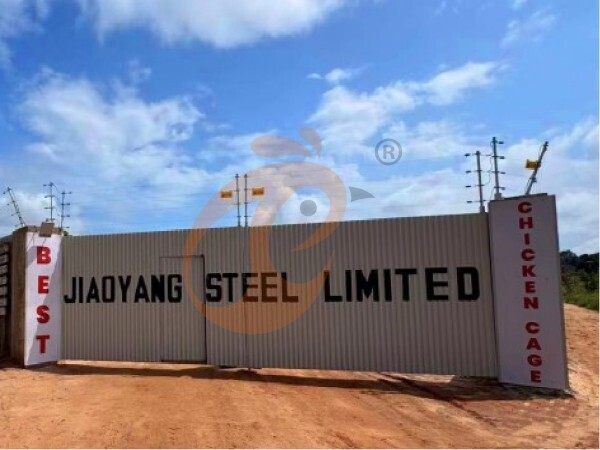
Headquarters And Branchs
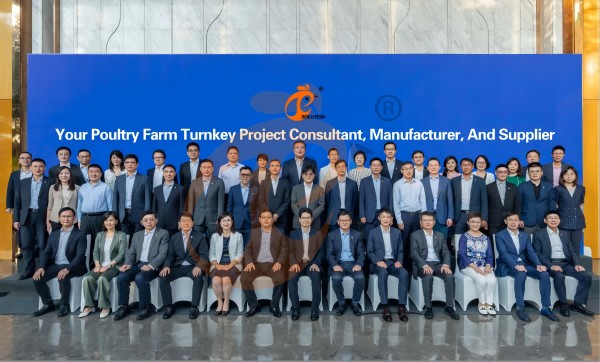
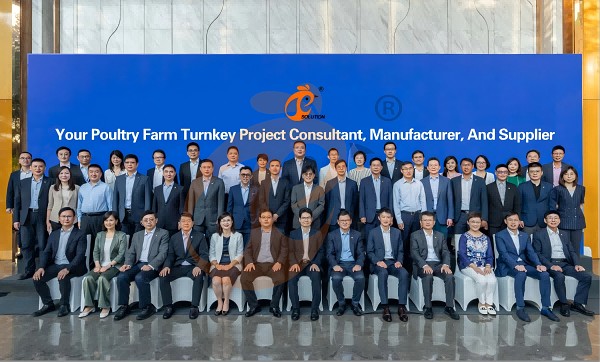
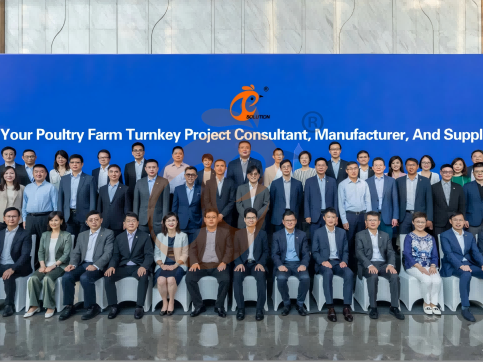
Hong Kong Headquarter Management Team
Hong Kong Headquarter Taiyu Industrial Group CO., LTD
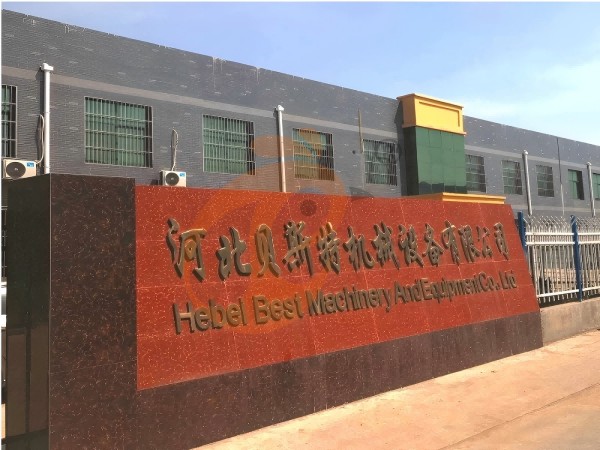
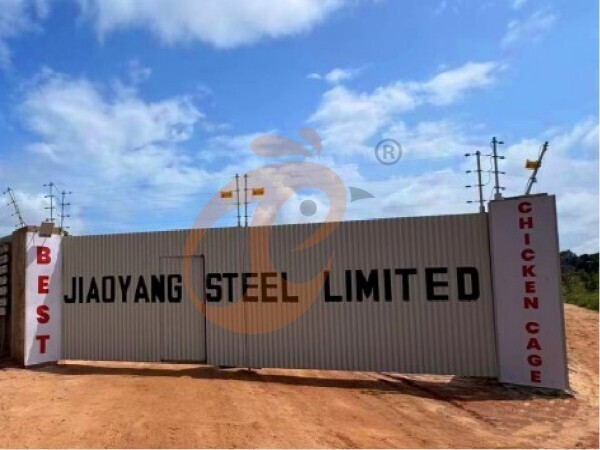
China Hebei Best Machinery And Equipment CO., LTD
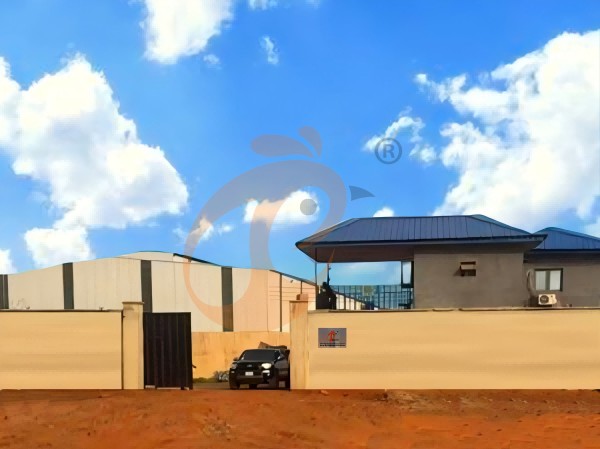
Nigeria Vanke Machinery And Equipment CO., LTD
Tanzania Best Machinery And Equipment CO., LTD
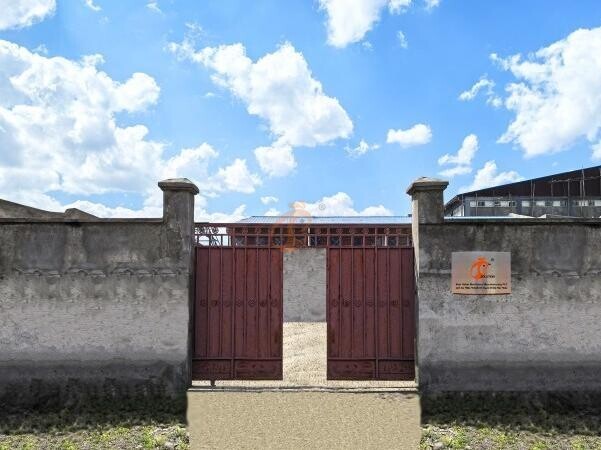
Ethiopia Best Hebei Machinery Manufacturing PLC
Reception /24 WhatsApp NO. : +8618830120193
FAQ
What Are The Main Equipment Components In Feed Mill And Feed Mixer Systems For Poultry Chicken Production?
Hammer mill units operate with rotor speeds of 2800–3600 rpm for efficient grain size reduction.
Twin-shaft mixers achieve batch capacities of 500–2000 kg per cycle for uniform poultry feed blending.
What Dust Control Requirements Are Needed In Feed Mill Operations For Poultry Chicken Farms?
Cyclone separators remove 85%–92% of airborne particles during grinding and conveying processes.
Negative pressure systems maintain airflow velocity between 0.8–1.2 m/s to prevent dust leakage.
What Temperature Parameters Are Used In Feed Mill Processing For Poultry Chicken Feed?
Conditioning temperature reaches 75–85°C to improve pellet durability and pathogen reduction.
Cooling stage reduces pellet temperature to within 5°C of ambient conditions for safe storage.
Message
Products recommended
 HK Headquarter Offers EU-standard Poultry Farm Solutions, Manufacture Poultry Farm Equipment1. Continuous communication with the EU and the US
2. China, Nigeria, Ethiopia, Tanzania branch companies and factories
3. The products’ quality is customized for local poultry farms
4. Poultry cage and poultry farm equipment stock for sale
5. 24 online reception Whatsapp NO. : +8618830120193,contact us to get full informationRead More China Branch Offer Poultry Farm Business Plan, Manufacture Poultry Farm Equipment1. Address: Flat/RM 2416, 24/F, Runxing Building, Youyi Nan Street, Shijiazhuang City, Hebei Province, China
2. Poultry cage and poultry farm equipment factory and stock for sale
3. Customized for local poultry farms
4. Quality and design are based on Euro
5. 24 online reception Whatsapp NO. : +8618830120193Read More Nigeria Branch Offer Poultry Farm Business Plan, Manufacture Poultry Farm Equipment1. Address: After Sinoma Office, 200 Meters Near Danco Filling Station, Lagos/Ibadan Expressway, Lagos State, Nigeria
2. Poultry cage and poultry farm equipment factory and stock for sale
3. Customized for Nigerian poultry farms
4. Quality and design are based on Euro
5. 24 online reception Whatsapp NO. : +8618830120193Read More Ethiopia Branch Offer Poultry Farm Business Plan, Manufacture Poultry Farm Equipment1. Address: Gelan Gura, Akaki-kaliti Sub City, Addis Ababa, Ethiopia
2. Poultry cage and poultry farm equipment stock for sale
3. Customized for Ethiopian poultry farms
4. Quality and design are based on Euro
5. 24 online reception Whatsapp NO. : +8618830120193, contact us to get price listRead More Tanzania Branch Offer Poultry Farm Business Plan, Manufacture Poultry Farm Equipment1. Address: No.8, Sova Road, Msufini, Mlandizi, Kibaha, Pwani, Tanzania
2. Poultry cage and poultry farm equipment factory and stock for sale
3. Customized for Tanzanian poultry farms
4. Quality and design are based on Euro
5. 24 online reception Whatsapp NO. : +8618830120193Read More Fully Automatic H Type Layer Chicken Cage1. 30,000-100,000+ layers/house chooses it, Poultry farmers can achieve an egg production rate of 96-98%
2. A significant improvement over the 85-90% typically seen in manual systems
3. A typical poultry farm can expect a 30-40% reduction in labor costs due to the automation
4. Each feeding line efficiently supplies feed to around 100,000 hens per 30 mins
5. Reception /WhatsApp NO. : +8618830120193Read More Fully Automatic A Type Layer Chicken Cage1. 10,000-50,000 layers/house chooses it
2. Cleaner egg collection reduces breakage by 0.5%
3. Improved hygiene helps reduce mortality rate to <3%
4. 1–2 technicians can handle 15,000–30,000 birds
5. Reception /WhatsApp NO. : +8618830120193Read More Semi Automatic H Type Layer Chicken Cage1. 1,00-20,000 layers/house chooses it
2. Nipple drinkers flow 30–60 ML / min
3. Hot-dip galvanized (typical coating ≥ 275 g/m²)
4. Reduce ammonia by ~ 35–40%
5. Reception /WhatsApp NO. : +8618830120193Read More Semi Automatic A Type Layer Chicken Cage1. 1,00-20,000 layers/house chooses it, no rust for 10 years, no deformation for 15 years
2. Chickens live comfortably, you can raise them with peace of mind
3. Save water, save money—efficiency you can measure
4. Improve environment quality, and increase egg production rate
5. Reception /WhatsApp NO. : +8618830120193Read More
By clicking 'Allow All', you agree to the storage of cookies on your device to enhance site navigation, analyze site usage and assist with our marketing efforts.