






Blog
Modern poultry production combines advanced automation, efficient housing infrastructure, feed consistency management, workplace safety systems, and equipment reliability standards.
Feed pellet machine technology supports stable feed manufacturing processes that help maintain continuous feed distribution across large commercial chicken cage system operations.
Poultry feed pellet mill facilities involve mechanical compression, electrical power transmission, steam conditioning, and environmental control measures requiring systematic risk management.
Preventive maintenance programs improve equipment longevity, production efficiency, feed uniformity, and operational continuity throughout modern poultry enterprises.
This article examines inspection practices, lockout procedures, dust mitigation, thermal protection, blockage handling methods, and maintenance strategies for safe production environments.
Get professional poultry farm construction guidance, equipment selection solutions, and the latest price lists, whatsApp to +8618830120193, +2348111199996, or click to learn more.
The Intersection Of Cage Production And Feed Milling
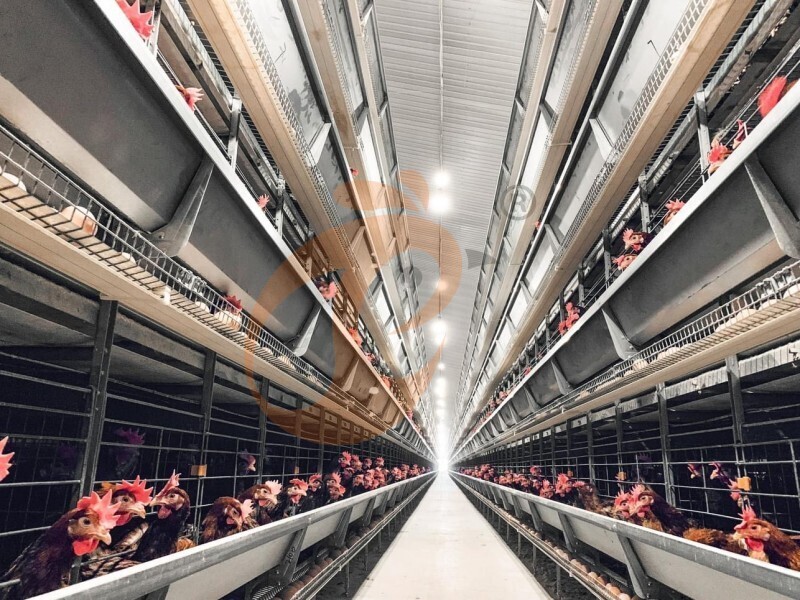
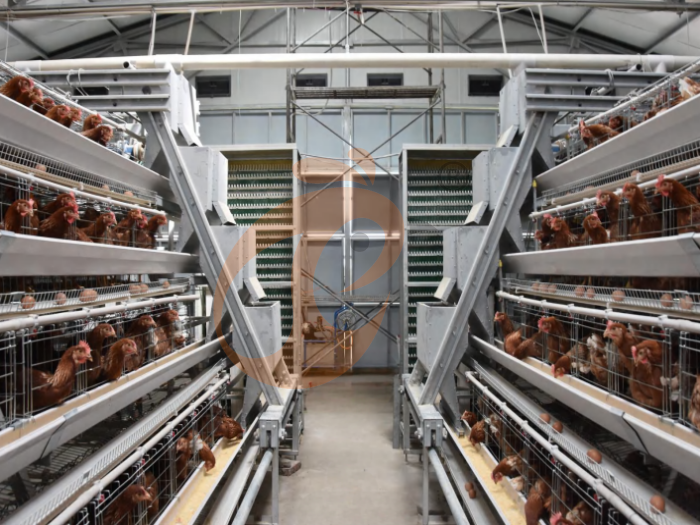
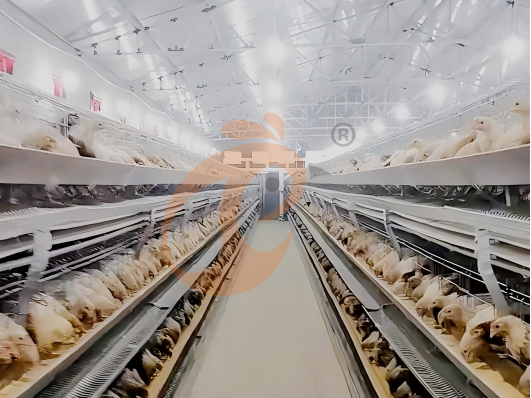
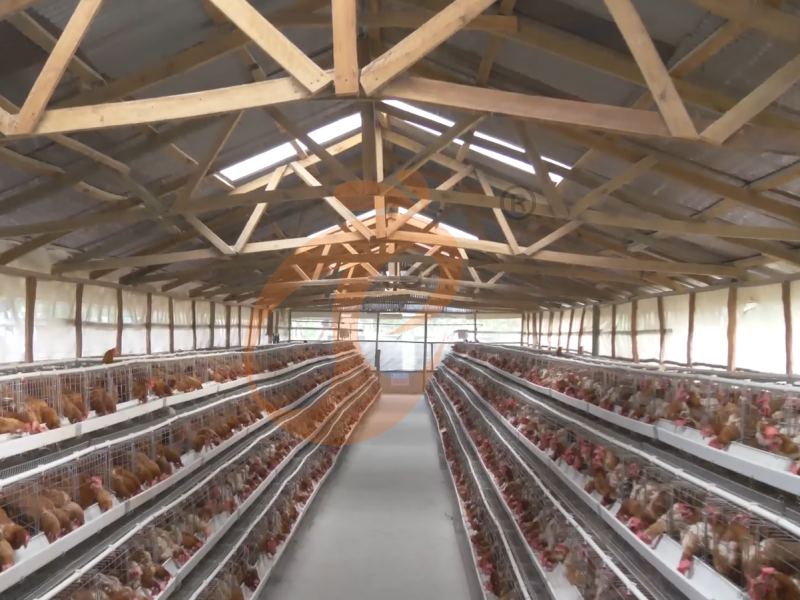
Modern layer and broiler houses use multi-tier battery or A-frame chicken cages.
These systems feature integrated automated feeding trolleys or chain-driven troughs.
If feed pellets are poorly formed, meaning they are too soft or contain excessive fines, they clog automated distribution lines.
This leaves sections of the poultry house without feed.
To combat this challenge, farms process specialized feed formulations using commercial ring die or flat die feed pellet machine systems.
A well-designed chicken cage system depends heavily on consistent pellet quality and uninterrupted feed flow.
Maintaining high pellet machine safety protects staff and ensures a continuous, reliable food supply for birds.
Rigorous Pre-Operation Mechanical Inspections
You should never start a poultry feed pellet mill without conducting a detailed inspection of internal components.
The extreme pressure generated inside the compression chamber can turn a loose bolt into dangerous flying debris.
Operators must inspect the gap between the roller and die, ensure the magnetic separator is clear of debris, and confirm cutting knives are properly aligned.
Data is for reference only.Swipe horizontally to view full table.
Farms maintaining extensive poultry equipment inventories can simplify this process through structured pre-start inspection programs.
Implement Strict Lockout/Tagout (LOTO) Protocols
Pellet machines use powerful high torque electric motors.
During maintenance activities such as die replacement or blockage removal, accidental startup can cause severe injuries.
Establishing The LOTO Boundary
Every poultry facility should install a dedicated electrical isolation breaker within direct sight of the machine.
This protocol becomes especially important in large chicken cage system production complexes where multiple workers operate simultaneously.
LOTO Phases
Data is for reference only.Swipe horizontally to view full table.
Dust Control And Explosion Mitigation
Feed processing generates organic dust from corn, wheat bran, and soybean meal.
When suspended in enclosed environments at high concentrations, dust may become explosive if exposed to static discharge or friction sparks.
Dust Risk Zones
Data is for reference only.Swipe horizontally to view full table.
Safety Parameters
Data is for reference only.Swipe horizontally to view full table.
Thermal And Steam Burn Prevention
High-quality poultry feed pellets require elevated temperatures to gelatinize starches and improve pellet durability.
This process introduces pressurized steam into feed mash, heating material to temperatures between 75°C and 90°C.
Safety warning uninsulated steam pipes and hot die housings can cause severe burns.
Data is for reference only.Swipe horizontally to view full table.
Proper Material Feeding And Blockage Clearing
When the pelleting chamber becomes overloaded or feed moisture levels are excessive, die holes may clog and stall production.
The hazard of hand feeding clears
Data is for reference only.Swipe horizontally to view full table.
Regular die and roller maintenance integration
Because feed pellet machine systems operate under high mechanical loads, wear naturally develops over time.
Using weakened components can lead to ring die failure, machine damage, and operator hazards.
Maintenance schedules should align with production requirements across automated poultry facilities.
For example, a 50,000 layer operation may consume feed worth more than usd 3,000 per day (European union standard reference only).
Unexpected equipment downtime can disrupt feeding schedules and affect production efficiency.
Data is for reference only.Swipe horizontally to view full table.
Frequently Asked Questions
Q1: How often should a feed pellet machine be inspected?
A1: Daily inspections are recommended before every startup.
Critical areas include die clearance, lubrication systems, magnetic separators, and fastener integrity.
Operations exceeding 16 hours per day should include an additional mid-shift inspection.
Maintaining roller-to-die clearance between 0.1 mm and 0.3 mm helps improve pellet consistency and reduce component wear.
Q2: Why is dust control important in poultry feed pellet mill operations?
A2: Dust accumulation around hammer mills, conveyors, and elevators increases fire and explosion risks.
Airborne concentrations above 50 mg/m³ may become hazardous under certain ignition conditions.
Maintaining levels below 10 mg/m³, combined with pulse bag filters and routine vacuum cleaning, improves workplace safety and equipment reliability.
Q3: How does pellet quality affect a chicken cage system?
A3: Automated feeding systems require uniform pellet size and durability.
Excessive fines can obstruct feeding troughs and chain conveyors.
Conditioning feed at temperatures between 75°c and 90°c improves pellet strength, reduces feed waste, supports efficient distribution, and helps maintain uninterrupted feeding throughout large poultry housing operations.
Taiyu (HK) Group - One Of China Largest Feed Pellet Machine Manufacturer
Professional feed pellet machine manufacturer providing efficient solutions for poultry, livestock, and animal feed production facilities.
Global factory direct supply supporting customers across Asia, Africa, Europe, South America, and the Middle East.
Complete poultry equipment systems including feeding, drinking, manure removal, ventilation, and environmental control technologies.
Comprehensive turn key engineering projects covering design, manufacturing, installation, commissioning, and technical training services.
Experienced engineering teams delivering customized solutions, stable production performance, rapid support, and long term after sales service.
Contact Us To Received Your Customized Poultry Farm Plan
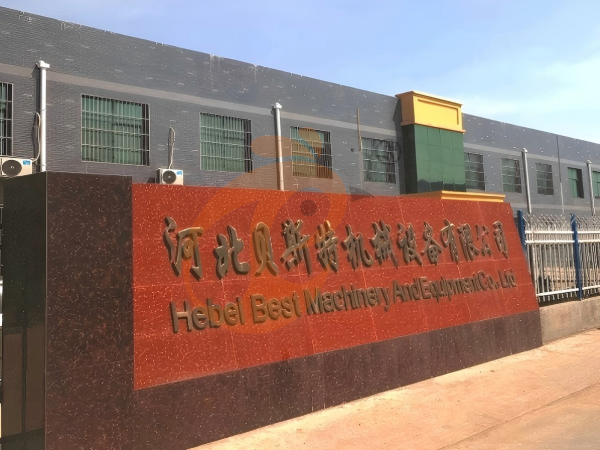
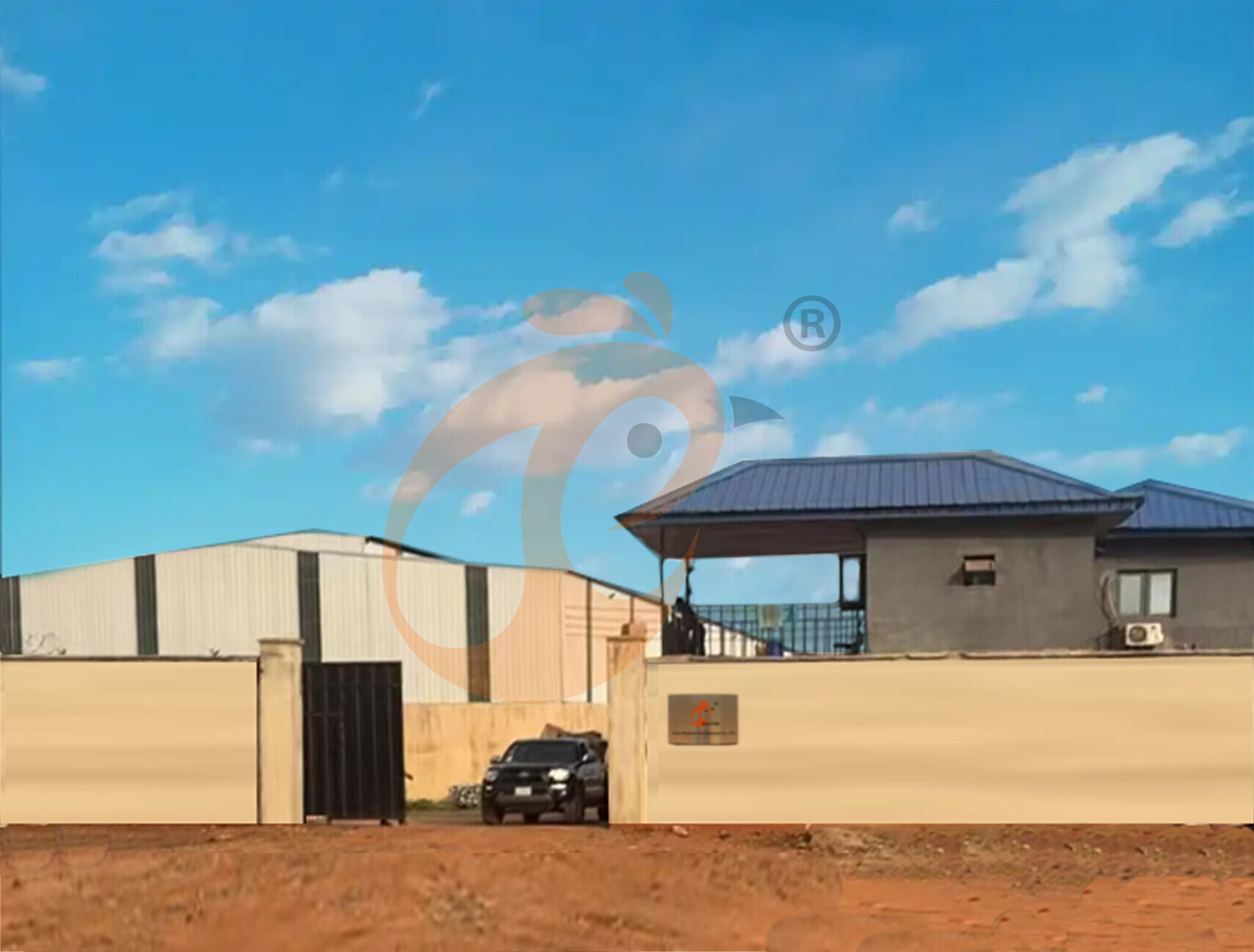
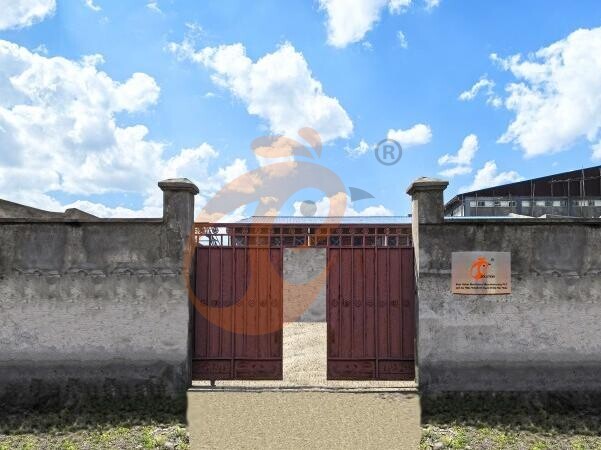
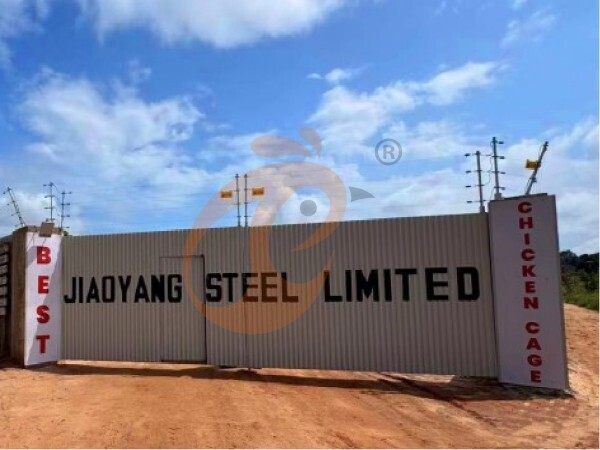
Headquarters And Branchs
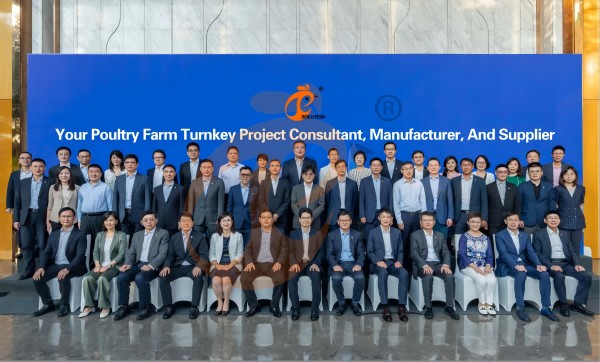
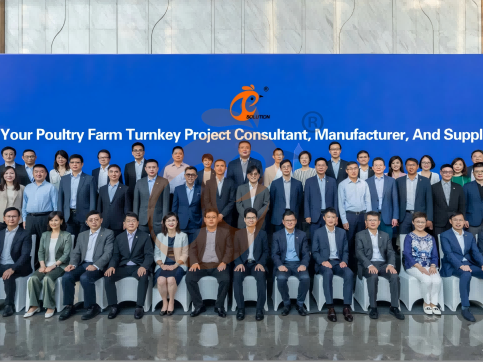
Hong Kong Headquarter Management Team
Hong Kong Headquarter Taiyu Industrial Group CO., LTD
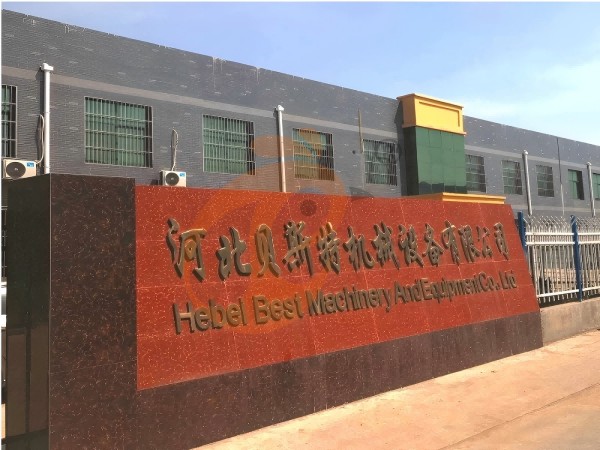
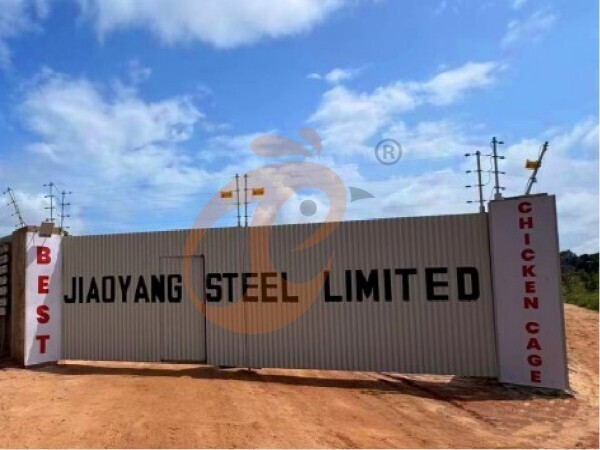
China Hebei Best Machinery And Equipment CO., LTD
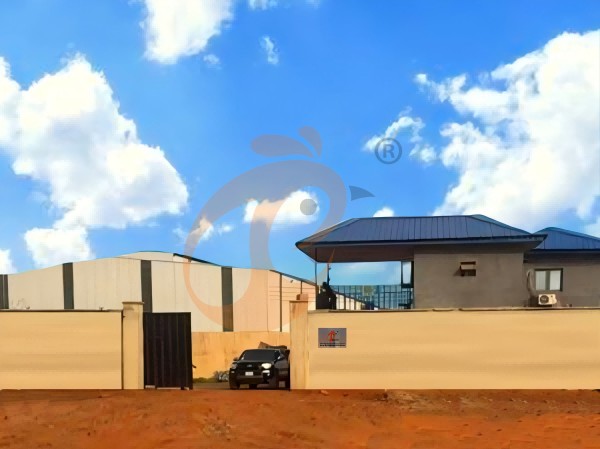
Nigeria Vanke Machinery And Equipment CO., LTD
Tanzania Best Machinery And Equipment CO., LTD
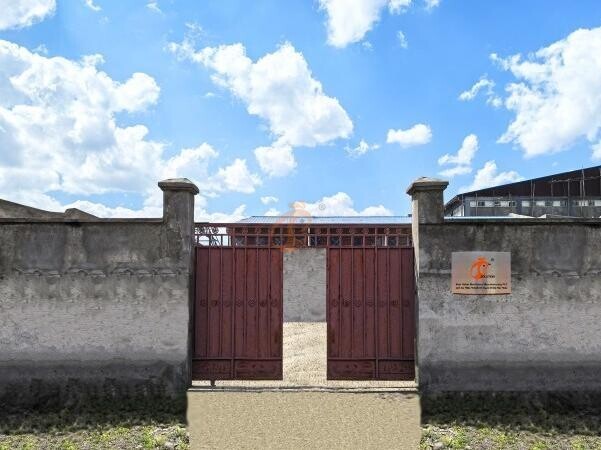
Ethiopia Best Hebei Machinery Manufacturing PLC
Reception /24 WhatsApp NO. : +8618830120193
FAQ
What Feeding System Standards Are Required For Pellet Machine In Poultry Chicken Feed Production Lines?
Feeder capacity is designed at 1.2–2.5 tons per hour depending on raw material density.
Flow consistency deviation is maintained within ±2% for uniform pellet quality output.
What Maintenance And Wear Part Replacement Standards Apply To Pellet Machine?
Bearing replacement intervals typically occur every 12–18 months under continuous operation.
Gearbox oil change frequency is maintained at 1000–1500 operating hours for system reliability.
What Safety Protection Systems Are Integrated In Pellet Machine For Poultry Chicken Feed Production?
Emergency stop response time is maintained within 0.5–1.0 seconds for operational safety.
Vibration monitoring limits are set at 4.5–6.0 mm/s to prevent mechanical failure.
Message
Products recommended
 HK Headquarter Offers EU-standard Poultry Farm Solutions, Manufacture Poultry Farm Equipment1. Continuous communication with the EU and the US
2. China, Nigeria, Ethiopia, Tanzania branch companies and factories
3. The products’ quality is customized for local poultry farms
4. Poultry cage and poultry farm equipment stock for sale
5. 24 online reception Whatsapp NO. : +8618830120193,contact us to get full informationRead More China Branch Offer Poultry Farm Business Plan, Manufacture Poultry Farm Equipment1. Address: Flat/RM 2416, 24/F, Runxing Building, Youyi Nan Street, Shijiazhuang City, Hebei Province, China
2. Poultry cage and poultry farm equipment factory and stock for sale
3. Customized for local poultry farms
4. Quality and design are based on Euro
5. 24 online reception Whatsapp NO. : +8618830120193Read More Nigeria Branch Offer Poultry Farm Business Plan, Manufacture Poultry Farm Equipment1. Address: After Sinoma Office, 200 Meters Near Danco Filling Station, Lagos/Ibadan Expressway, Lagos State, Nigeria
2. Poultry cage and poultry farm equipment factory and stock for sale
3. Customized for Nigerian poultry farms
4. Quality and design are based on Euro
5. 24 online reception Whatsapp NO. : +8618830120193Read More Ethiopia Branch Offer Poultry Farm Business Plan, Manufacture Poultry Farm Equipment1. Address: Gelan Gura, Akaki-kaliti Sub City, Addis Ababa, Ethiopia
2. Poultry cage and poultry farm equipment stock for sale
3. Customized for Ethiopian poultry farms
4. Quality and design are based on Euro
5. 24 online reception Whatsapp NO. : +8618830120193, contact us to get price listRead More Tanzania Branch Offer Poultry Farm Business Plan, Manufacture Poultry Farm Equipment1. Address: No.8, Sova Road, Msufini, Mlandizi, Kibaha, Pwani, Tanzania
2. Poultry cage and poultry farm equipment factory and stock for sale
3. Customized for Tanzanian poultry farms
4. Quality and design are based on Euro
5. 24 online reception Whatsapp NO. : +8618830120193Read More Fully Automatic H Type Layer Chicken Cage1. 30,000-100,000+ layers/house chooses it, Poultry farmers can achieve an egg production rate of 96-98%
2. A significant improvement over the 85-90% typically seen in manual systems
3. A typical poultry farm can expect a 30-40% reduction in labor costs due to the automation
4. Each feeding line efficiently supplies feed to around 100,000 hens per 30 mins
5. Reception /WhatsApp NO. : +8618830120193Read More Fully Automatic A Type Layer Chicken Cage1. 10,000-50,000 layers/house chooses it
2. Cleaner egg collection reduces breakage by 0.5%
3. Improved hygiene helps reduce mortality rate to <3%
4. 1–2 technicians can handle 15,000–30,000 birds
5. Reception /WhatsApp NO. : +8618830120193Read More Semi Automatic H Type Layer Chicken Cage1. 1,00-20,000 layers/house chooses it
2. Nipple drinkers flow 30–60 ML / min
3. Hot-dip galvanized (typical coating ≥ 275 g/m²)
4. Reduce ammonia by ~ 35–40%
5. Reception /WhatsApp NO. : +8618830120193Read More Semi Automatic A Type Layer Chicken Cage1. 1,00-20,000 layers/house chooses it, no rust for 10 years, no deformation for 15 years
2. Chickens live comfortably, you can raise them with peace of mind
3. Save water, save money—efficiency you can measure
4. Improve environment quality, and increase egg production rate
5. Reception /WhatsApp NO. : +8618830120193Read More
By clicking 'Allow All', you agree to the storage of cookies on your device to enhance site navigation, analyze site usage and assist with our marketing efforts.