


Blog
Feed mixer for chicken farm installation directly affects feed uniformity, nutrient distribution accuracy, equipment utilization efficiency, and poultry production economics.
Modern poultry operations require engineered mixing systems capable of maintaining ingredient consistency across thousands of daily feed batches.
Mechanical installation quality influences shaft alignment, motor loading, discharge efficiency, vibration control, and long-term maintenance costs.
Correct equipment sizing ensures stable feed production capacity while supporting future flock expansion and operational scalability.
This guide explains site preparation, foundation engineering, electrical integration, calibration procedures, operator training, and performance optimization methods used in commercial chicken farms worldwide.
Get professional poultry farm construction guidance, equipment selection solutions, and the latest price lists, whatsApp to +8618830120193, +2348111199996, or click to learn more.
Why Feed Mixers Are Essential For Chicken Farms
Feed quality consistency directly influences poultry growth performance, flock uniformity, and feed conversion ratio.
Poultry feed mixing equipment enables accurate blending of corn, soybean meal, vitamins, minerals, amino acids, and feed additives within specified nutritional tolerances.
Research from commercial feed manufacturing operations shows that nutrient variation between feed batches can significantly affect body weight distribution at market age.
Data is for reference only.Swipe horizontally to view full table.
Uniform feed manufacturing helps maintain nutritional targets throughout the production cycle and improves production predictability.
Assess Daily Feed Requirements
Accurate feed demand calculations should be completed before equipment procurement and installation.
Mixer capacity selection should match daily feed consumption, production scheduling requirements, ingredient handling systems, and expected farm expansion plans.
Data is for reference only.Swipe horizontally to view full table.
Commercial operations generally target complete batch production cycles within 8–12 minutes to maximize equipment productivity.
Select The Proper Installation Location
Installation location influences workflow efficiency, labor requirements, ingredient transportation distances, and maintenance accessibility.
A Chicken Feed Production System operates most efficiently when positioned between raw material storage facilities and feed distribution infrastructure.
Data is for reference only.Swipe horizontally to view full table.
Dry environmental conditions help preserve ingredient quality and reduce equipment corrosion risks.
Foundation Engineering Requirements
The foundation must support static equipment loads, dynamic operating loads, and full batch material loads.
Reinforced concrete foundations are commonly selected because of structural stability and vibration resistance characteristics.
Data is for reference only.Swipe horizontally to view full table.
Foundation defects frequently increase bearing wear rates and mechanical alignment problems.
Understanding Feed Mixing Science
Feed mixing is an engineering process involving particle size distribution, density variation, flow behavior, and mechanical agitation.
Corn particles, soybean meal, limestone powder, vitamin premixes, and trace minerals exhibit different physical properties during mixing operations.
Laboratory sodium chloride tracer testing demonstrates that optimized mixing cycles produce significantly lower nutrient variation across feed samples.
Consistent nutrient distribution contributes to improved body weight uniformity, enhanced feed conversion performance, and reduced nutritional deficiencies throughout the flock.
Mechanical Assembly Procedures
Mechanical assembly accuracy determines long-term equipment reliability and operational stability.
Critical components include shafts, bearings, drive systems, gearboxes, discharge gates, and support structures.
Data is for reference only.Swipe horizontally to view full table.
Precision alignment minimizes energy losses and reduces maintenance frequency.
Electrical System Integration
Electrical installation should comply with agricultural equipment safety requirements and local regulations.
Stable power supply conditions protect motors, control panels, sensors, and electrical protection devices from premature failure.
Data is for reference only.Swipe horizontally to view full table.
Grounding systems and overload protection devices should be verified before commissioning activities begin.
Performance Testing And Calibration
Testing procedures verify operational readiness before commercial feed production begins.
Calibration activities confirm mixing uniformity, discharge performance, motor loading characteristics, and mechanical stability.
Data is for reference only.Swipe horizontally to view full table.
Testing should continue until all performance parameters meet design specifications.
Operator Training And Maintenance Management
Operator competence directly influences equipment utilization rates and feed quality consistency.
Training programs should cover startup procedures, loading sequences, cleaning standards, preventive maintenance schedules, and emergency shutdown operations.
Routine inspections reduce unexpected downtime and help maintain long-term production efficiency.
Data is for reference only.Swipe horizontally to view full table.
Preventive maintenance costs remain significantly lower than unplanned repair expenditures.
Economic Benefits Of Proper Installation
Correct installation practices contribute to measurable operational savings through improved feed utilization and reduced material losses.
Feed cost reductions can significantly influence annual farm profitability.
Equipment investment values typically range from $3,500 to $45,000 depending on mixer capacity and automation configuration. EU standard reference only.
Data is for reference only.Swipe horizontally to view full table.
Even small improvements in feed utilization efficiency can generate substantial annual savings.
Frequently Asked Questions
Q1: What mixer capacity is suitable for a 10,000-bird chicken farm?
A1: A poultry farm containing approximately 10,000 broilers typically requires around 1,180 kg of feed daily.
A mixer with 1,000–2,000 kg batch capacity generally provides sufficient production flexibility while supporting future expansion requirements.
Q2: How long does feed mixer installation usually take?
A2: Standard installation projects normally require 2–5 working days depending on foundation preparation, electrical connections, equipment size, and commissioning requirements.
Large automated systems may require additional installation time.
Q3: How often should feed mixers be maintained?
A3: Daily cleaning, weekly inspections, monthly bearing checks, quarterly lubrication, and annual overhauls help maintain stable performance.
Structured preventive maintenance programs reduce downtime and extend equipment service life.
Taiyu (HK) Group - One Of China Largest Feed Mixer Manufacturer
Specialized in feed mixer for chicken farm systems, poultry feed mixing equipment, and complete feed processing lines for commercial poultry production.
Global factory-direct supply solutions supporting customers across Asia, Africa, South America, Europe, and the Middle East.
Comprehensive poultry equipment portfolio including feeding systems, drinking systems, ventilation systems, and environmental control equipment.
Professional poultry cage manufacturing for broiler, layer, and breeder farm applications.
Turn-key engineering services covering design, production, installation, commissioning, technical training, and after-sales support.
Contact Us To Received Your Customized Poultry Farm Plan
Headquarters And Branchs

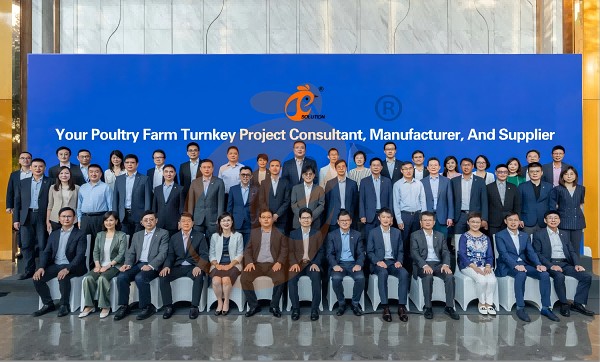
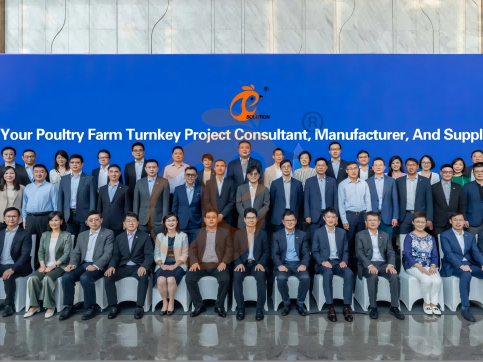
Hong Kong Headquarter Management Team
Hong Kong Headquarter Taiyu Industrial Group CO., LTD
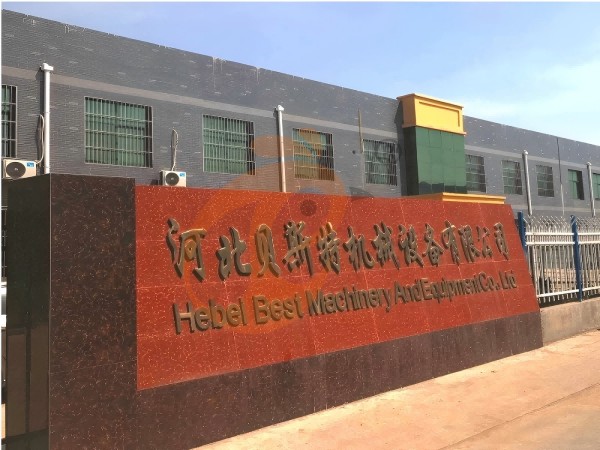
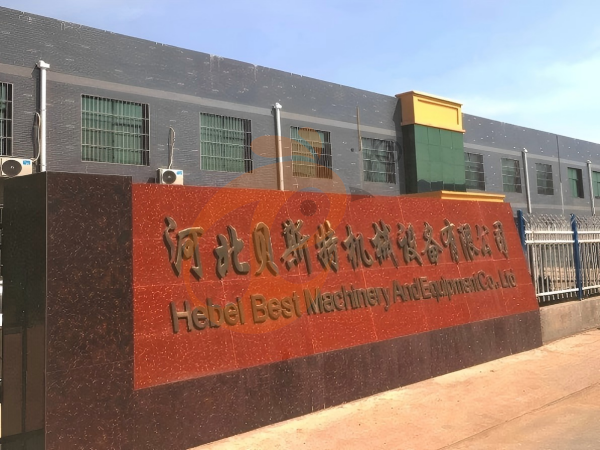
China Hebei Best Machinery And Equipment CO., LTD
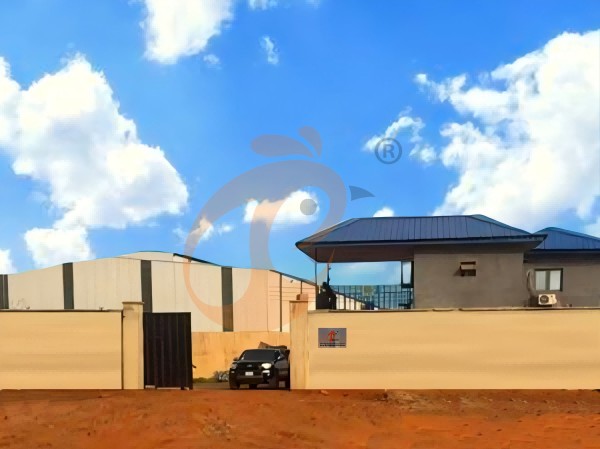
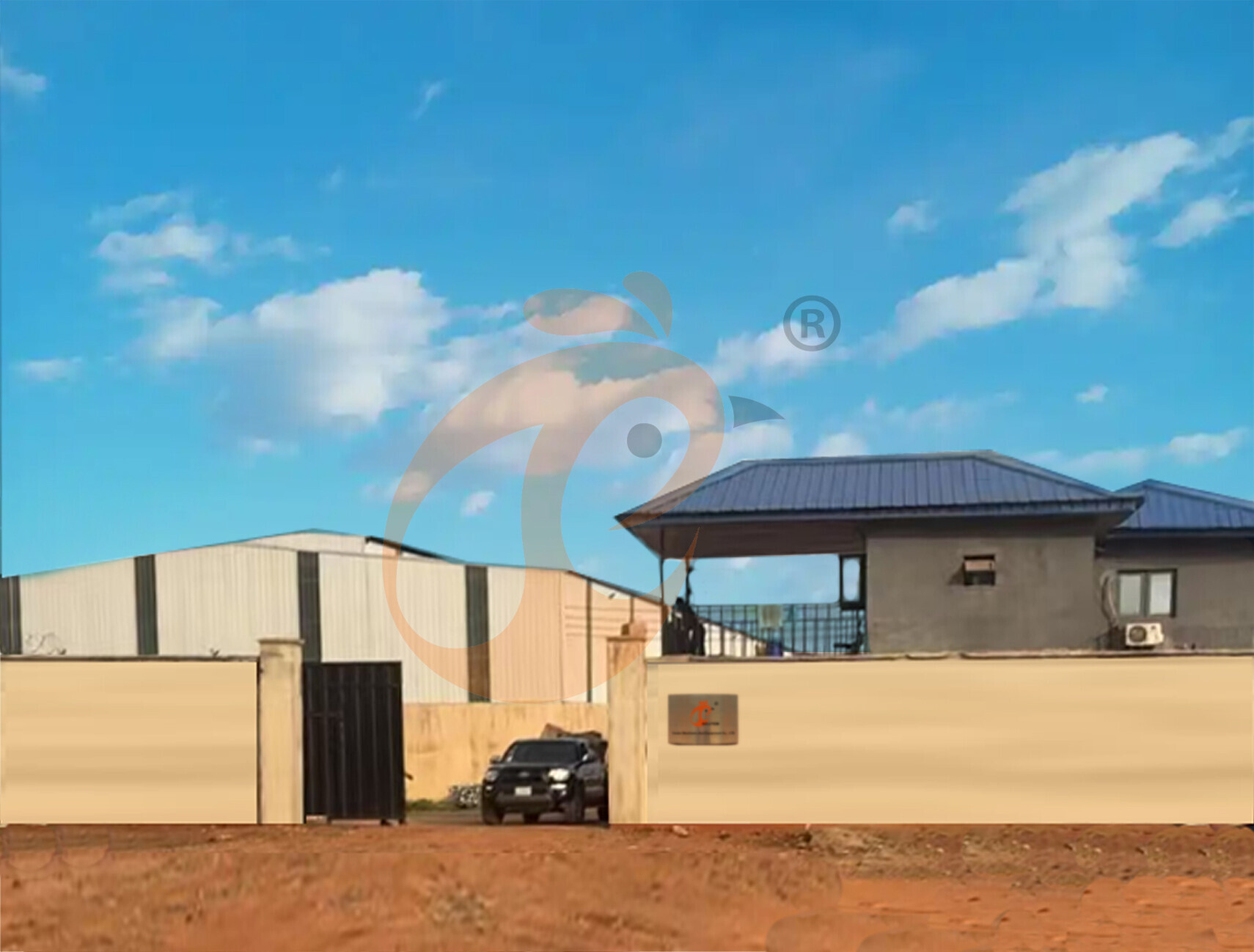
Nigeria Vanke Machinery And Equipment CO., LTD
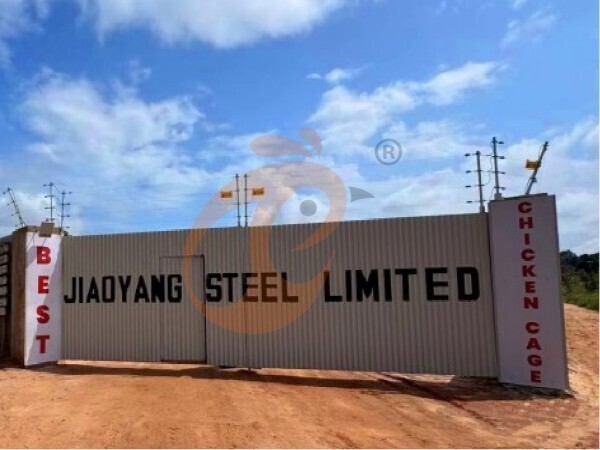
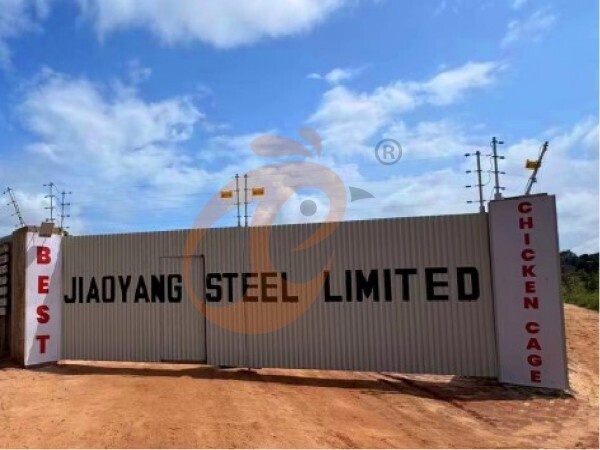
Tanzania Best Machinery And Equipment CO., LTD
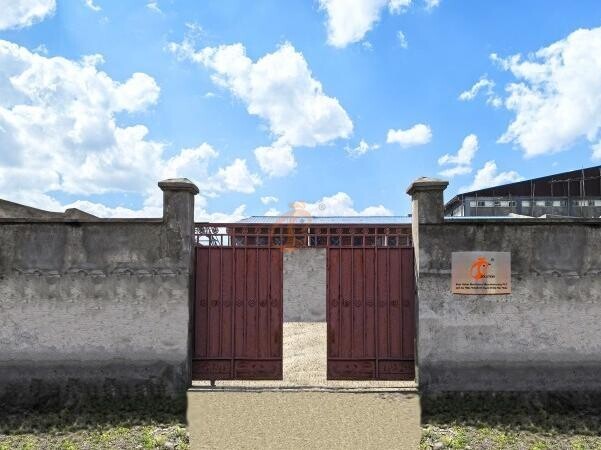
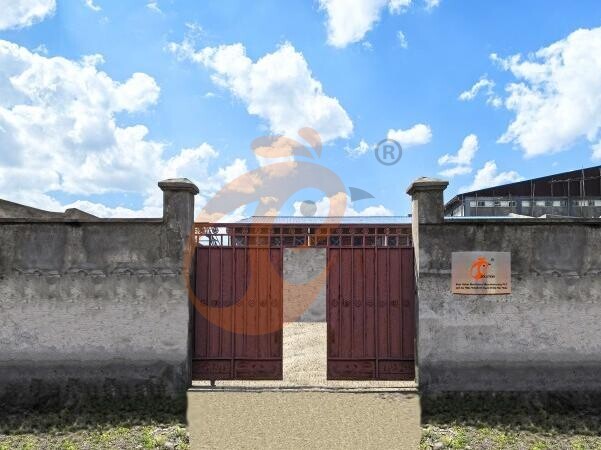
Ethiopia Best Hebei Machinery Manufacturing PLC
Reception /24 WhatsApp NO. : +8618830120193
FAQ
What Is The Typical Capacity Range Of Feed Mill Systems In Poultry Chicken Production?
Medium systems operate at 5–10 tons per hour for commercial poultry complexes above 50,000 birds.
Large industrial mills reach 15–25 tons per hour for integrated feed supply chains.
What Are The Key Mixing Uniformity Standards In Feed Mixer Systems For Poultry Chicken Feed?
Horizontal mixers maintain batch consistency within 3–6 minutes per cycle for complete ingredient integration.
Riboflavin tracer tests confirm homogeneity above 90% for high-performance poultry feed formulation.
What Grinding Particle Size Is Required In Feed Mill Systems For Poultry Chicken Diets?
Grower feed is processed to 1.5–2.0 mm to balance energy intake and gut development.
Finisher feed targets 2.5–3.0 mm to optimize feed conversion rate in broiler production cycles.
Message
Products recommended
 HK Headquarter Offers EU-standard Poultry Farm Solutions, Manufacture Poultry Farm Equipment1. Continuous communication with the EU and the US
2. China, Nigeria, Ethiopia, Tanzania branch companies and factories
3. The products’ quality is customized for local poultry farms
4. Poultry cage and poultry farm equipment stock for sale
5. 24 online reception Whatsapp NO. : +8618830120193,contact us to get full informationRead More China Branch Offer Poultry Farm Business Plan, Manufacture Poultry Farm Equipment1. Address: Flat/RM 2416, 24/F, Runxing Building, Youyi Nan Street, Shijiazhuang City, Hebei Province, China
2. Poultry cage and poultry farm equipment factory and stock for sale
3. Customized for local poultry farms
4. Quality and design are based on Euro
5. 24 online reception Whatsapp NO. : +8618830120193Read More Nigeria Branch Offer Poultry Farm Business Plan, Manufacture Poultry Farm Equipment1. Address: After Sinoma Office, 200 Meters Near Danco Filling Station, Lagos/Ibadan Expressway, Lagos State, Nigeria
2. Poultry cage and poultry farm equipment factory and stock for sale
3. Customized for Nigerian poultry farms
4. Quality and design are based on Euro
5. 24 online reception Whatsapp NO. : +8618830120193Read More Ethiopia Branch Offer Poultry Farm Business Plan, Manufacture Poultry Farm Equipment1. Address: Gelan Gura, Akaki-kaliti Sub City, Addis Ababa, Ethiopia
2. Poultry cage and poultry farm equipment stock for sale
3. Customized for Ethiopian poultry farms
4. Quality and design are based on Euro
5. 24 online reception Whatsapp NO. : +8618830120193, contact us to get price listRead More Tanzania Branch Offer Poultry Farm Business Plan, Manufacture Poultry Farm Equipment1. Address: No.8, Sova Road, Msufini, Mlandizi, Kibaha, Pwani, Tanzania
2. Poultry cage and poultry farm equipment factory and stock for sale
3. Customized for Tanzanian poultry farms
4. Quality and design are based on Euro
5. 24 online reception Whatsapp NO. : +8618830120193Read More Fully Automatic H Type Layer Chicken Cage1. 30,000-100,000+ layers/house chooses it, Poultry farmers can achieve an egg production rate of 96-98%
2. A significant improvement over the 85-90% typically seen in manual systems
3. A typical poultry farm can expect a 30-40% reduction in labor costs due to the automation
4. Each feeding line efficiently supplies feed to around 100,000 hens per 30 mins
5. Reception /WhatsApp NO. : +8618830120193Read More Fully Automatic A Type Layer Chicken Cage1. 10,000-50,000 layers/house chooses it
2. Cleaner egg collection reduces breakage by 0.5%
3. Improved hygiene helps reduce mortality rate to <3%
4. 1–2 technicians can handle 15,000–30,000 birds
5. Reception /WhatsApp NO. : +8618830120193Read More Semi Automatic H Type Layer Chicken Cage1. 1,00-20,000 layers/house chooses it
2. Nipple drinkers flow 30–60 ML / min
3. Hot-dip galvanized (typical coating ≥ 275 g/m²)
4. Reduce ammonia by ~ 35–40%
5. Reception /WhatsApp NO. : +8618830120193Read More Semi Automatic A Type Layer Chicken Cage1. 1,00-20,000 layers/house chooses it, no rust for 10 years, no deformation for 15 years
2. Chickens live comfortably, you can raise them with peace of mind
3. Save water, save money—efficiency you can measure
4. Improve environment quality, and increase egg production rate
5. Reception /WhatsApp NO. : +8618830120193Read More
By clicking 'Allow All', you agree to the storage of cookies on your device to enhance site navigation, analyze site usage and assist with our marketing efforts.