


Blog
Deep litter poultry system equipment creates cleaner chicken houses with ventilation, feeding, and drinking solutions supporting modern farms with reliable performance and 98% operational stability.
Poultry cage system designs improve space management through galvanized structures, automated controls, and durable components suitable for commercial egg production projects.
Free range poultry equipment combines outdoor shelters, fencing systems, and smart accessories for flexible chicken farming environments covering multiple production scales.
Professional cleaning methods integrate advanced equipment selection, moisture control strategies, and practical management processes for healthier poultry houses.
Complete farm solutions connect hygiene improvement, equipment efficiency, and long-term investment value through customized poultry facility planning.
Get professional poultry farm construction guidance, equipment selection solutions, and the latest price lists, whatsApp to +8618830120193, +2348111199996, or click to learn more.
Deep Litter Poultry House Equipment For Efficient Cleaning Management
Deep litter poultry farming depends on proper equipment coordination rather than simple litter replacement.
Modern farms use deep litter poultry system equipment to control airflow, water distribution, feeding efficiency, and daily maintenance workload.
Well-designed systems include automatic feeders, nipple drinkers, ventilation fans, and adjustable house accessories.
These solutions help maintain cleaner floors and reduce manual operations during each production cycle.
Data is for reference only.Swipe horizontally to view full table.
Poultry Cage System Integration For Better Hygiene Control
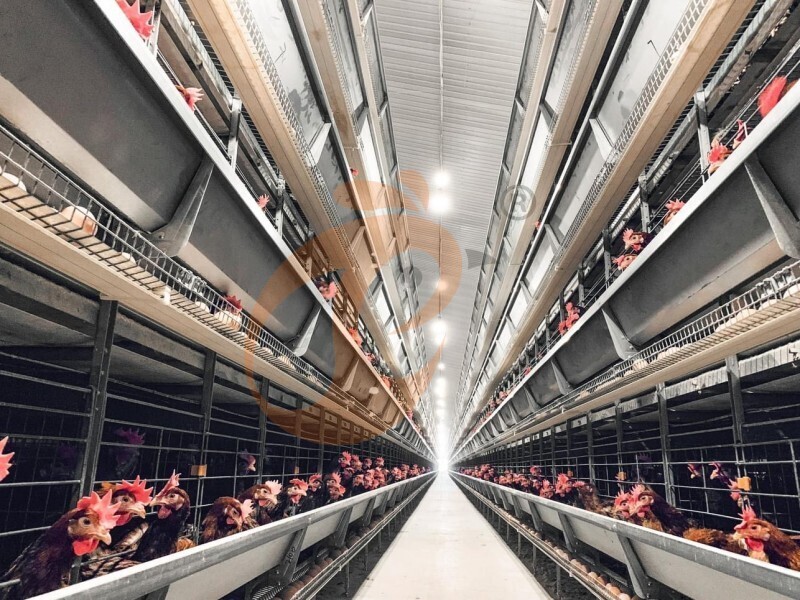
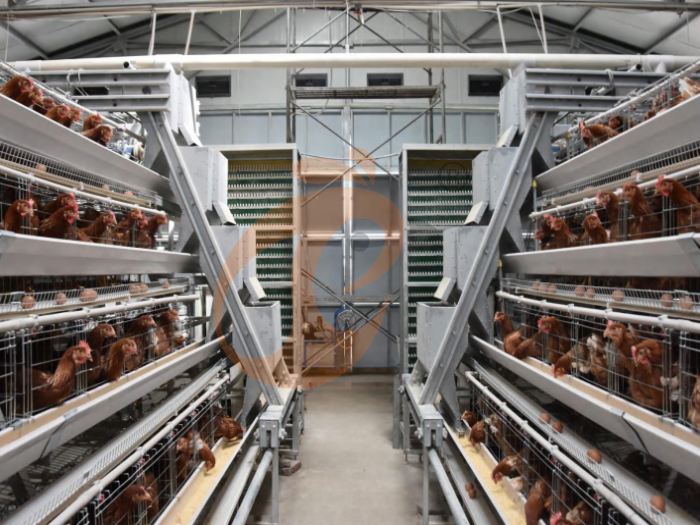
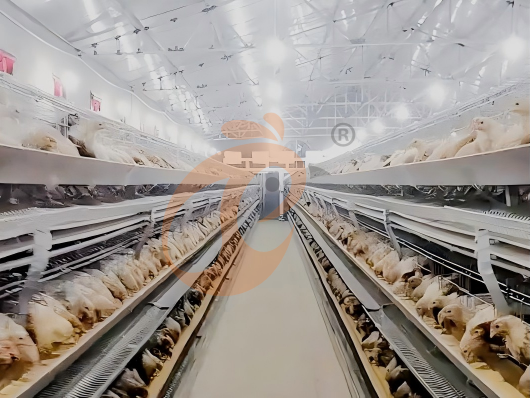
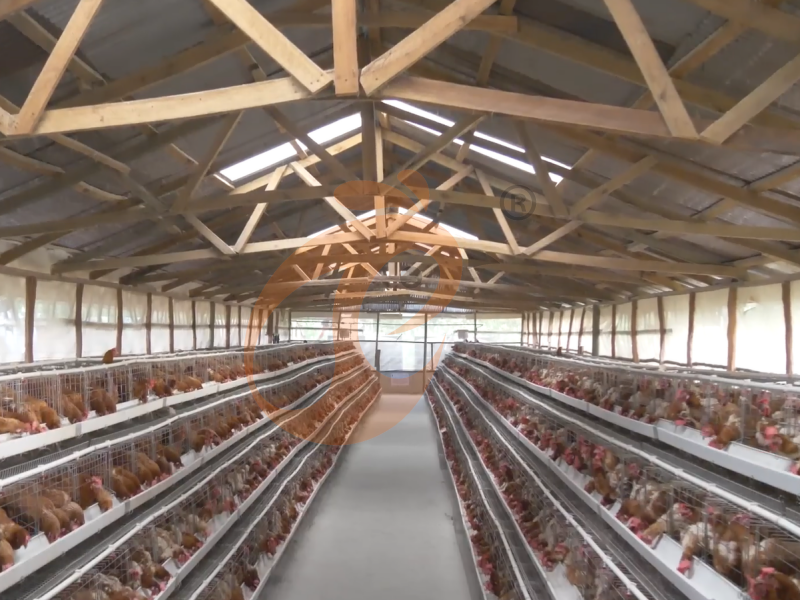
Poultry cage system solutions provide structured housing management for farms requiring higher production density and easier cleaning access.
Galvanized cage structures allow convenient inspection, feeding, and waste handling.
Commercial farms often combine cage systems with automated manure removal and ventilation equipment to improve working conditions.
Data is for reference only.Swipe horizontally to view full table.
Cleaning Equipment Selection Guide For Commercial Chicken Farms
Selecting suitable equipment requires evaluation of farm size, bird quantity, and management targets.
Different poultry projects need different combinations of feeders, cages, ventilation units, and cleaning accessories.
A small free-range farm may prioritize mobility, while industrial farms usually require automation and centralized control.
The correct equipment combination improves operational consistency and reduces unnecessary replacement costs.
Free Range Poultry Equipment For Natural Farming Projects
Free-range farming requires equipment that supports outdoor movement while maintaining protection and hygiene.
Free range poultry equipment includes mobile shelters, fencing systems, nesting solutions, and weather-resistant structures.
These products help farmers create controlled outdoor environments while allowing chickens to access open areas.
European union standard reference only.
Data is for reference only.Swipe horizontally to view full table.
Step One Remove Old Litter With Efficient Cleaning Methods
Removing old litter is the first hygiene management step after flock relocation.
Workers should clear contaminated bedding from corners, feeding areas, and drinking zones.
Portable cleaning tools and waste collection equipment improve working efficiency.
Farm owners can reduce downtime between production batches through organized cleaning procedures.
Equipment Matching Table For Poultry House Maintenance
Data is for reference only.Swipe horizontally to view full table.
Step Two Improve Sanitation Through Automated Drinking And Feeding Systems
Water and feed equipment influence litter quality because leakage and residue can increase moisture problems.
Automatic systems reduce unnecessary contact between workers and poultry areas.
Modern designs focus on stable supply, simple maintenance, and long service periods.
A reliable installation can support continuous farm operation with fewer interruptions.
Step Three Control Moisture With Poultry Ventilation Equipment
Moisture control is essential for deep litter management.
Poultry ventilation equipment removes excess humidity and supports better air circulation inside chicken houses.
Proper airflow also helps reduce unpleasant odors and improves overall housing comfort.
Commercial farms often install multiple ventilation points according to building dimensions.
Data is for reference only.Swipe horizontally to view full table.
Step Four Fresh Litter Management With Smart Farm Layout
Fresh litter installation works better when poultry equipment layout supports daily inspection.
Farm designers consider feeder position, drinking line height, ventilation direction, and cleaning access.
A practical layout reduces hidden moisture areas and improves flock management efficiency.
Deep Litter System Problem Solution Comparison
Data is for reference only.Swipe horizontally to view full table.
Step Five And Step Six Complete Poultry Farm Upgrade Strategy
A successful deep litter poultry project combines cleaning procedures with suitable equipment investment.
Farmers should evaluate production goals before selecting cages, ventilation systems, and free-range accessories.
Professional equipment planning supports future expansion and improves project reliability.
A complete solution can include design, manufacturing, installation, and technical support.
Data is for reference only.Swipe horizontally to view full table.
Poultry Equipment Maintenance Checklist For Long-Term Performance
Regular inspection helps maintain equipment efficiency after installation.
Farm managers should check mechanical parts, water systems, and ventilation components according to operating conditions.
Preventive maintenance reduces unexpected downtime and extends equipment service life.
Data is for reference only.Swipe horizontally to view full table.
Frequently Asked Questions
Q1: How does deep litter poultry system equipment improve farm hygiene?
A1: Deep litter poultry system equipment improves hygiene by combining ventilation, feeding, and drinking solutions that reduce moisture accumulation and simplify daily management.
A properly installed system can support chicken houses with stable environmental control and efficient cleaning routines.
Q2: What poultry cage system is suitable for commercial chicken production?
A2: Poultry cage system selection depends on bird type, production capacity, and farm design requirements.
Layer cage systems with galvanized steel structures are commonly selected for commercial farms requiring organized feeding, egg collection, and cleaning management.
Q3: Why is free range poultry equipment important for outdoor chicken farms?
A3: Free range poultry equipment provides controlled outdoor housing through shelters, fences, and protective structures.
Equipment such as mobile coops and reinforced fencing helps balance natural movement with farm safety requirements.
Taiyu (HK) Group - One Of China Largest Poultry Cage System Manufacturer
Poultry cage system provides engineered galvanized housing structures with optimized dimensions, corrosion resistance, automated compatibility, and commercial production support for global poultry farming projects
Taiyu (HK) group operates global factory direct sales channels supplying professional poultry equipment with customized manufacturing solutions for different market requirements
Complete Turn-key engineering services include project design, equipment production, installation guidance, and technical support for international poultry farms
Advanced production facilities manufacture integrated poultry equipment including cages, ventilation systems, feeding systems, and free-range farming solutions
Global customers receive technical consultation, project planning assistance, and reliable after-sales service from an experienced poultry equipment supplier
Contact Us To Received Your Customized Poultry Farm Plan
Headquarters And Branchs

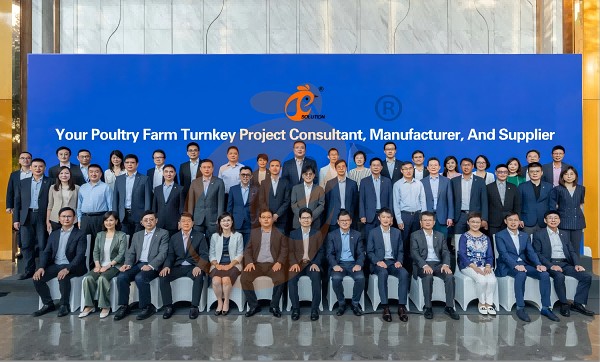
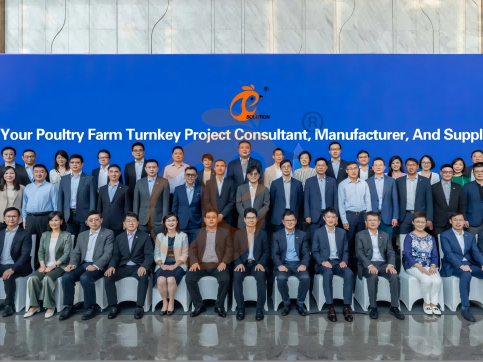
Hong Kong Headquarter Management Team
Hong Kong Headquarter Taiyu Industrial Group CO., LTD
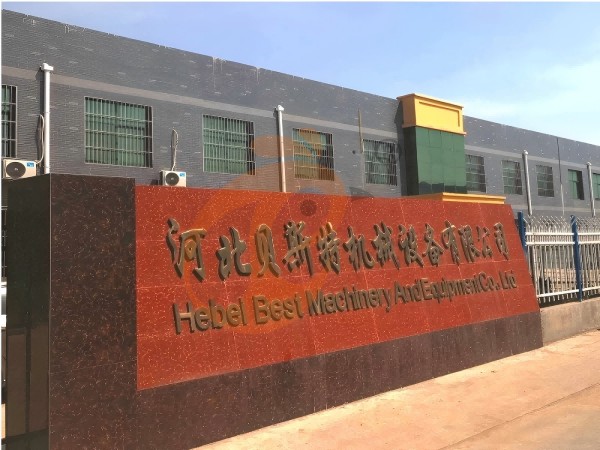
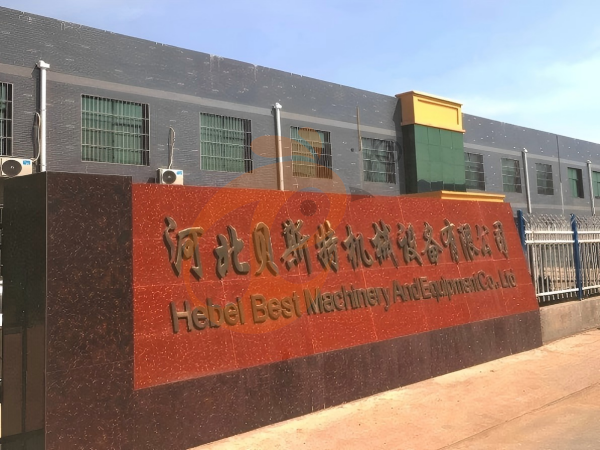
China Hebei Best Machinery And Equipment CO., LTD
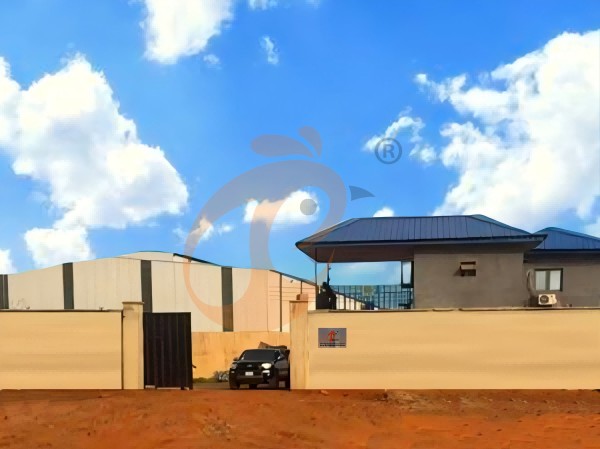
Nigeria Vanke Machinery And Equipment CO., LTD
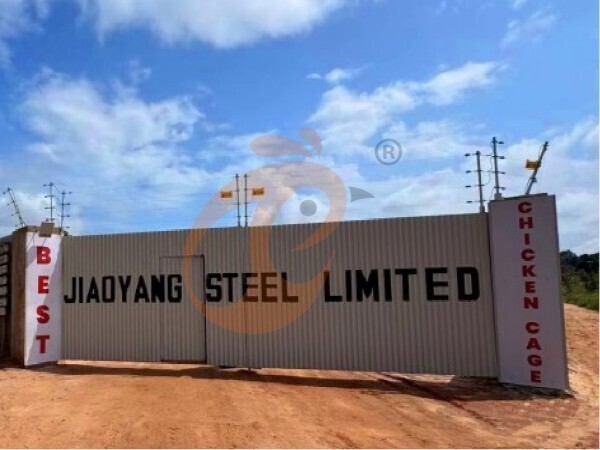
Tanzania Best Machinery And Equipment CO., LTD
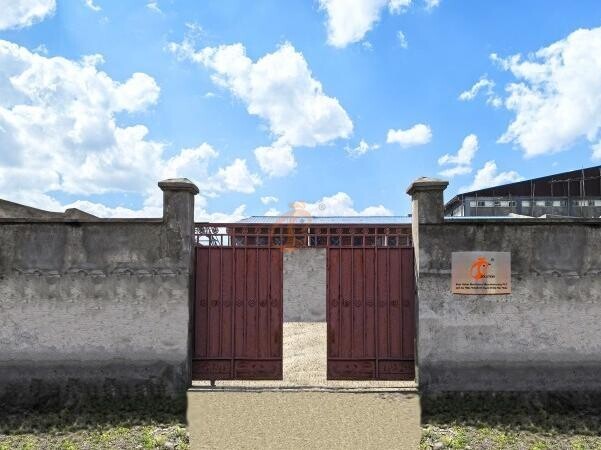
Ethiopia Best Hebei Machinery Manufacturing PLC
Reception /24 WhatsApp NO. : +8618830120193
FAQ
What Are The Growth Performance Benefits In Deep Litter Poultry System?
Feed conversion ratio improves to 1.55–1.78 due to thermal comfort and reduced stress.
Market uniformity rate exceeds 85%–92% within target slaughter weight range.
What Are The Litter Turning And Management Frequency Standards In Deep Litter Poultry System?
Surface leveling is maintained every 3–5 days to prevent compaction zones.
Full litter replacement cycle occurs every 2–3 production batches depending on load intensity.
What Are The Energy Efficiency And Cost Advantages In Deep Litter Poultry System?
Construction cost savings reach 25%–40% compared with fully caged housing systems.
Operational labor demand decreases by 30%–50% through simplified floor-based management.
- poultry equipment
- layer cage
- broiler cage
- poultry farm
- poultry cage
- poultry farm
- poultry farm construction
- layer cage system
- poultry equipment supplier
- poultry ventilation equipment
- automatic feeding system
- deep litter system
- chick cage
- layer farm
- chicken farm
- smart farm
- chicken house
- poultry house
- chicken coop
- broiler cage system
- chick cage system
- poultry cage system
- poultry cage system manufacturer
- smart poultry house
- poultry house equipment
- poultry house ventilation
- deep litter poultry farming
- deep litter poultry house
- deep litter poultry house equipment
- Ethiopia
- Nigeria
Message
Products recommended
 HK Headquarter Offers EU-standard Poultry Farm Solutions, Manufacture Poultry Farm Equipment1. Continuous communication with the EU and the US
2. China, Nigeria, Ethiopia, Tanzania branch companies and factories
3. The products’ quality is customized for local poultry farms
4. Poultry cage and poultry farm equipment stock for sale
5. 24 online reception Whatsapp NO. : +8618830120193,contact us to get full informationRead More China Branch Offer Poultry Farm Business Plan, Manufacture Poultry Farm Equipment1. Address: Flat/RM 2416, 24/F, Runxing Building, Youyi Nan Street, Shijiazhuang City, Hebei Province, China
2. Poultry cage and poultry farm equipment factory and stock for sale
3. Customized for local poultry farms
4. Quality and design are based on Euro
5. 24 online reception Whatsapp NO. : +8618830120193Read More Nigeria Branch Offer Poultry Farm Business Plan, Manufacture Poultry Farm Equipment1. Address: After Sinoma Office, 200 Meters Near Danco Filling Station, Lagos/Ibadan Expressway, Lagos State, Nigeria
2. Poultry cage and poultry farm equipment factory and stock for sale
3. Customized for Nigerian poultry farms
4. Quality and design are based on Euro
5. 24 online reception Whatsapp NO. : +8618830120193Read More Ethiopia Branch Offer Poultry Farm Business Plan, Manufacture Poultry Farm Equipment1. Address: Gelan Gura, Akaki-kaliti Sub City, Addis Ababa, Ethiopia
2. Poultry cage and poultry farm equipment stock for sale
3. Customized for Ethiopian poultry farms
4. Quality and design are based on Euro
5. 24 online reception Whatsapp NO. : +8618830120193, contact us to get price listRead More Tanzania Branch Offer Poultry Farm Business Plan, Manufacture Poultry Farm Equipment1. Address: No.8, Sova Road, Msufini, Mlandizi, Kibaha, Pwani, Tanzania
2. Poultry cage and poultry farm equipment factory and stock for sale
3. Customized for Tanzanian poultry farms
4. Quality and design are based on Euro
5. 24 online reception Whatsapp NO. : +8618830120193Read More Fully Automatic H Type Layer Chicken Cage1. 30,000-100,000+ layers/house chooses it, Poultry farmers can achieve an egg production rate of 96-98%
2. A significant improvement over the 85-90% typically seen in manual systems
3. A typical poultry farm can expect a 30-40% reduction in labor costs due to the automation
4. Each feeding line efficiently supplies feed to around 100,000 hens per 30 mins
5. Reception /WhatsApp NO. : +8618830120193Read More Fully Automatic A Type Layer Chicken Cage1. 10,000-50,000 layers/house chooses it
2. Cleaner egg collection reduces breakage by 0.5%
3. Improved hygiene helps reduce mortality rate to <3%
4. 1–2 technicians can handle 15,000–30,000 birds
5. Reception /WhatsApp NO. : +8618830120193Read More Semi Automatic H Type Layer Chicken Cage1. 1,00-20,000 layers/house chooses it
2. Nipple drinkers flow 30–60 ML / min
3. Hot-dip galvanized (typical coating ≥ 275 g/m²)
4. Reduce ammonia by ~ 35–40%
5. Reception /WhatsApp NO. : +8618830120193Read More Semi Automatic A Type Layer Chicken Cage1. 1,00-20,000 layers/house chooses it, no rust for 10 years, no deformation for 15 years
2. Chickens live comfortably, you can raise them with peace of mind
3. Save water, save money—efficiency you can measure
4. Improve environment quality, and increase egg production rate
5. Reception /WhatsApp NO. : +8618830120193Read More
By clicking 'Allow All', you agree to the storage of cookies on your device to enhance site navigation, analyze site usage and assist with our marketing efforts.