


Blog
Poultry equipment delivering stable flock operation with 99.2% mechanical availability and continuous 22-hour production cycles creates stronger farm profitability.
Smart inspection routines, precision diagnostics, and commercial poultry equipment upgrades reduce unexpected shutdowns while improving long-term operating efficiency.
Automatic poultry equipment combined with reliable environmental control supports healthier birds, lower maintenance frequency, and more predictable production planning.
Engineering maintenance standards, component lifespan management, and practical troubleshooting strategies help commercial farms maintain consistent operational performance throughout every growing cycle.
Professional poultry house equipment manufacturer solutions integrate feeding, drinking, ventilation, automation, and technical service into one coordinated management system for modern poultry production.
Get professional poultry farm construction guidance, equipment selection solutions, and the latest price lists, whatsApp to +8618830120193, +2348111199996, or click to learn more.
Understand Equipment Failure Patterns
Equipment faults rarely appear without warning.
Motor vibration, delayed startup, abnormal sound, or unstable controller response often develop several days before complete failure.
Automatic poultry equipment operating beyond 18 consecutive production hours may reveal hidden wear through small performance changes instead of immediate shutdown.
Recognizing early symptoms protects production continuity while reducing maintenance costs.
Data is for reference only. Swipe horizontally to view full table.
Inspect Electrical Distribution System
Stable electrical distribution remains the foundation of reliable commercial poultry equipment.
Loose terminals, aging relays, or oxidized connectors frequently interrupt normal equipment coordination.
A response delay exceeding 9 seconds after controller activation usually indicates electrical inspection should begin immediately.
Data is for reference only. Swipe horizontally to view full table.
Evaluate Feeding Line Performance
Uneven feed delivery commonly originates from mechanical resistance rather than feed quality.
Commercial poultry equipment with synchronized augers and calibrated drive units maintains stable feed distribution across every feeding circuit.
Deviation exceeding 1.4% between adjacent feed lines should receive immediate investigation.
Data is for reference only. Swipe horizontally to view full table.
Verify Drinking System Stability
Clean water delivery directly supports flock performance and equipment reliability.
Automatic poultry equipment equipped with balanced pressure regulation minimizes leakage while maintaining uniform water access across drinking lines.
Pipeline flushing performed every 72 operating hours helps reduce mineral accumulation.
Data is for reference only. Swipe horizontally to view full table.
Optimize Ventilation Operation
Balanced airflow reduces moisture accumulation while supporting uniform environmental conditions.
A poultry house equipment manufacturer normally recommends coordinated operation between inlet systems and exhaust fans instead of maximizing fan quantity.
Air exchange imbalance lasting more than 14 minutes often indicates system synchronization issues.
Data is for reference only. Swipe horizontally to view full table.
Maintain Climate Control Components
Climate equipment performs most efficiently when every sensor operates within calibrated tolerance.
Commercial poultry equipment integrated with automatic environmental management provides more stable operational coordination than independent devices.
Controller recalibration after approximately 4,500 operating hours maintains measurement consistency.
Data is for reference only. Swipe horizontally to view full table.
Replace Worn Mechanical Parts Before Failure
Mechanical wear progresses gradually rather than suddenly.
Chain elongation, bearing clearance, pulley imbalance, and gearbox vibration should be monitored before visible damage appears.
Replacing components after approximately 82% of expected mechanical lifespan generally lowers emergency maintenance frequency.
Data is for reference only. Swipe horizontally to view full table.
Build A Preventive Maintenance Schedule
Reactive maintenance usually costs more than planned servicing.
Maintenance planning based on equipment operating history provides better production continuity than repairing failures after shutdown.
Annual maintenance expenditure generally remains between usd $2,300 and usd $5,800 (European union standard reference only) for a medium commercial poultry house when preventive servicing is properly implemented.
Data is for reference only. Swipe horizontally to view full table.
Common Troubleshooting Mistakes
Many equipment failures become more serious because diagnosis begins with component replacement instead of fault verification.
Experienced technicians normally isolate electrical, mechanical, pneumatic, and automation systems separately before changing any spare parts.
A diagnosis completed within 35 minutes generally prevents unnecessary replacement of functional assemblies.
Data is for reference only. Swipe horizontally to view full table.
Scientific Knowledge Behind Stable Poultry Equipment
Modern poultry production depends on coordinated interaction among ventilation, feeding, water supply, automation, and environmental regulation instead of independent equipment operation.
Engineering studies indicate that stable mechanical performance improves flock consistency because equipment variation remains significantly lower than biological variation.
Continuous monitoring intervals below 300 seconds help identify abnormal operating trends before production efficiency begins to decline.
Frequently Asked Questions
Q1: How often should commercial poultry equipment receive a complete inspection?
A1: A complete engineering inspection is commonly recommended every 6 months, while daily visual checks and monthly electrical verification help identify abnormal operating conditions much earlier.
Q2: Which poultry equipment experiences the highest maintenance frequency?
A2: Feed conveying assemblies, drinking lines, exhaust fans, and environmental controllers normally require the highest maintenance attention because they operate almost continuously throughout each production cycle, often exceeding 7,000 operating hours annually.
Q3: Why is automatic poultry equipment more reliable than manual systems?
A3: Automatic poultry equipment integrates sensors, controllers, precision drive units, and coordinated operating logic.
System consistency reduces manual adjustment errors while improving production stability and minimizing unexpected downtime during continuous commercial operation.
Taiyu (HK) Group - One Of China Largest Poultry Equipment Manufacturer
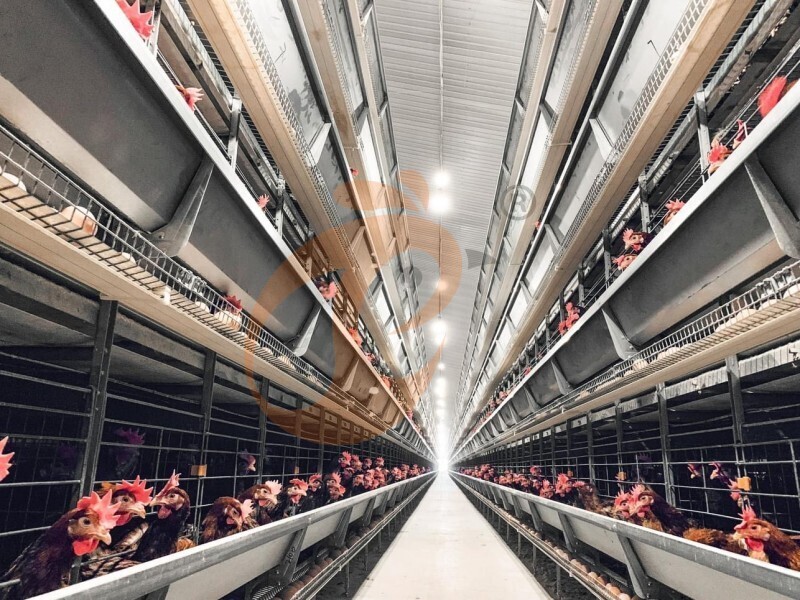
Poultry equipment engineered for broiler farms, layer farms, breeder farms, and integrated livestock projects with complete automatic production solutions covering feeding, drinking, ventilation, cooling, environmental control, manure removal, and intelligent management systems.
Global factory-direct manufacturing with standardized production processes, precision machining, strict quality inspection, and stable delivery schedules supporting customers across multiple international markets.
Complete poultry equipment portfolio supporting customized engineering design, oem production, spare parts supply, installation guidance, commissioning, and lifecycle technical service.
Professional Turn-key poultry farm engineering including project planning, equipment manufacturing, container loading optimization, installation supervision, technical training, and after-sales operational support.
International commercial cooperation supported by experienced engineering teams, digital production management, export documentation, and long-term technical consultation for commercial poultry projects worldwide.
Contact Us To Received Your Customized Poultry Farm Plan
Headquarters And Branchs

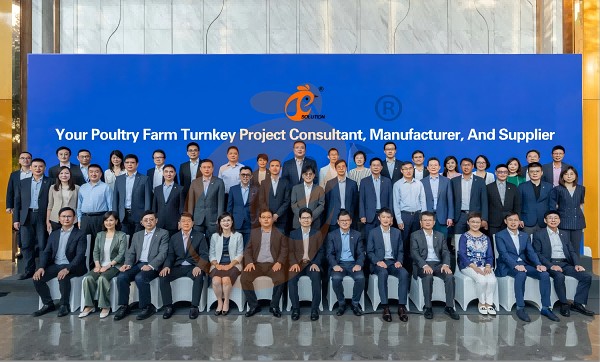
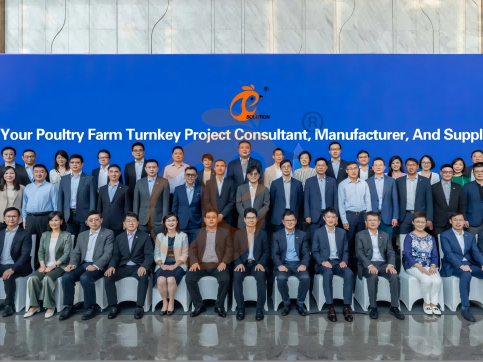
Hong Kong Headquarter Management Team
Hong Kong Headquarter Taiyu Industrial Group CO., LTD
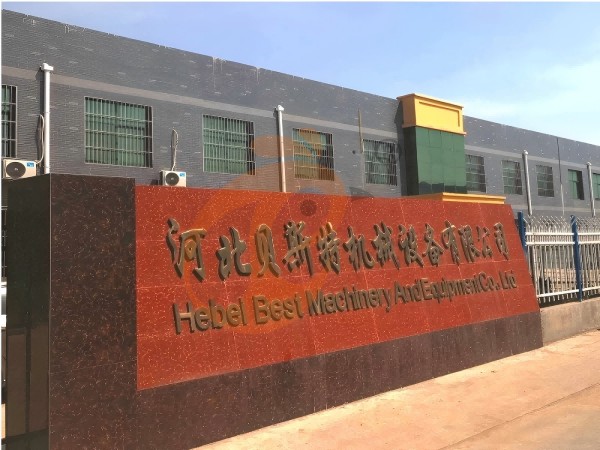
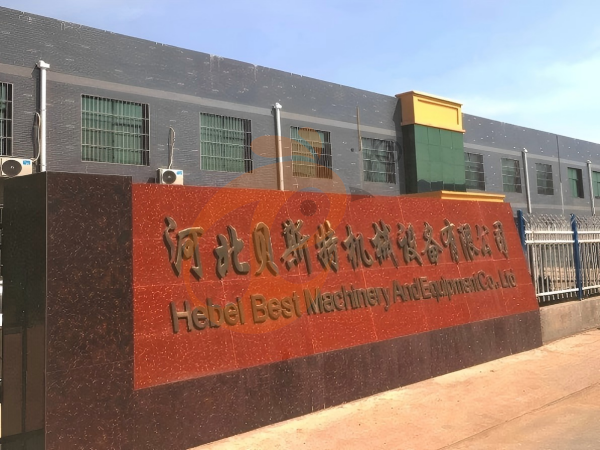
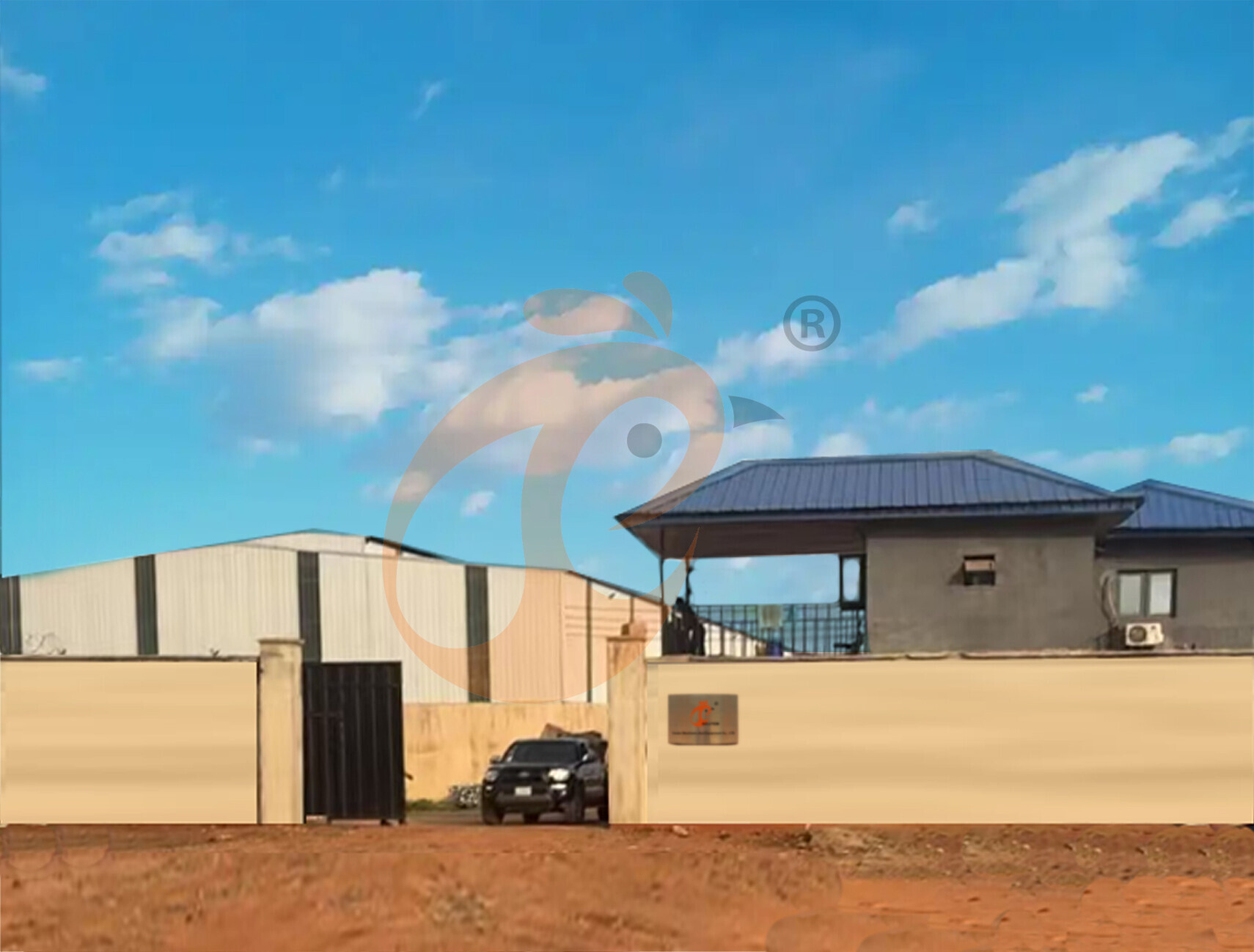
China Hebei Best Machinery And Equipment CO., LTD
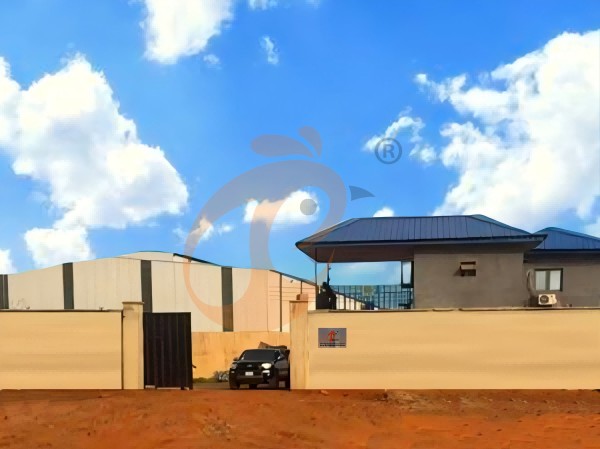
Nigeria Vanke Machinery And Equipment CO., LTD
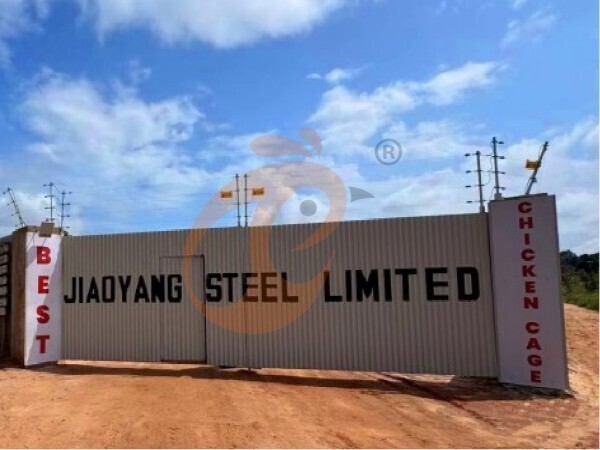
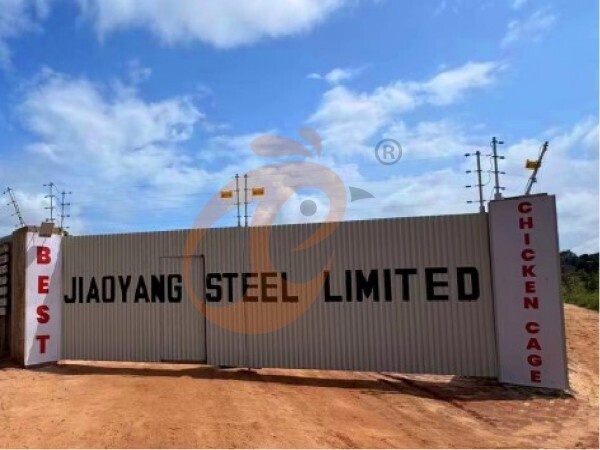
Tanzania Best Machinery And Equipment CO., LTD
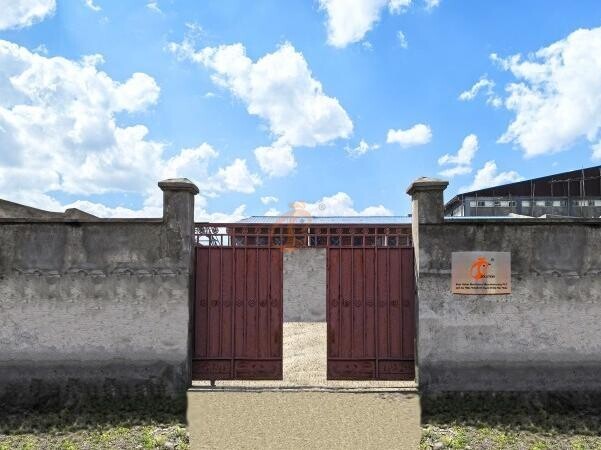
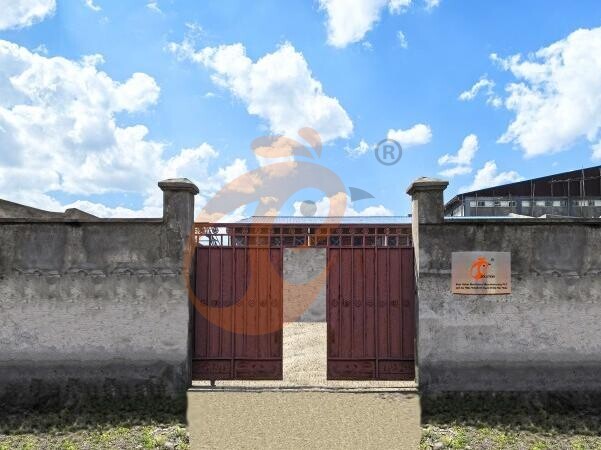
Ethiopia Best Hebei Machinery Manufacturing PLC
Reception /24 WhatsApp NO. : +8618830120193
FAQ
How Is Automation Applied In Complete Poultry Equipment?
Sensor monitoring networks collect environmental data every 5–20 seconds for continuous management accuracy.
Remote monitoring platforms support 24-hour equipment supervision improving operational reliability and response efficiency.
Which Environmental Control Functions Are Managed By Complete Poultry Equipment?
Temperature regulation equipment controls indoor conditions within 18–30°C for optimized poultry growth.
Humidity management systems stabilize relative humidity between 55%–70% reducing respiratory disease risks.
What Installation And Structural Standards Are Required For Complete Poultry Equipment In Poultry Chicken Farms?
Equipment support structures withstand 500–1200 kg load capacity ensuring long-term operational stability.
System installation precision is controlled within ±10 mm reducing mechanical deviation and operational wear.
Message
Products recommended
 HK Headquarter Offers EU-standard Poultry Farm Solutions, Manufacture Poultry Farm Equipment1. Continuous communication with the EU and the US
2. China, Nigeria, Ethiopia, Tanzania branch companies and factories
3. The products’ quality is customized for local poultry farms
4. Poultry cage and poultry farm equipment stock for sale
5. 24 online reception Whatsapp NO. : +8618830120193,contact us to get full informationRead More China Branch Offer Poultry Farm Business Plan, Manufacture Poultry Farm Equipment1. Address: Flat/RM 2416, 24/F, Runxing Building, Youyi Nan Street, Shijiazhuang City, Hebei Province, China
2. Poultry cage and poultry farm equipment factory and stock for sale
3. Customized for local poultry farms
4. Quality and design are based on Euro
5. 24 online reception Whatsapp NO. : +8618830120193Read More Nigeria Branch Offer Poultry Farm Business Plan, Manufacture Poultry Farm Equipment1. Address: After Sinoma Office, 200 Meters Near Danco Filling Station, Lagos/Ibadan Expressway, Lagos State, Nigeria
2. Poultry cage and poultry farm equipment factory and stock for sale
3. Customized for Nigerian poultry farms
4. Quality and design are based on Euro
5. 24 online reception Whatsapp NO. : +8618830120193Read More Ethiopia Branch Offer Poultry Farm Business Plan, Manufacture Poultry Farm Equipment1. Address: Gelan Gura, Akaki-kaliti Sub City, Addis Ababa, Ethiopia
2. Poultry cage and poultry farm equipment stock for sale
3. Customized for Ethiopian poultry farms
4. Quality and design are based on Euro
5. 24 online reception Whatsapp NO. : +8618830120193, contact us to get price listRead More Tanzania Branch Offer Poultry Farm Business Plan, Manufacture Poultry Farm Equipment1. Address: No.8, Sova Road, Msufini, Mlandizi, Kibaha, Pwani, Tanzania
2. Poultry cage and poultry farm equipment factory and stock for sale
3. Customized for Tanzanian poultry farms
4. Quality and design are based on Euro
5. 24 online reception Whatsapp NO. : +8618830120193Read More Fully Automatic H Type Layer Chicken Cage1. 30,000-100,000+ layers/house chooses it, Poultry farmers can achieve an egg production rate of 96-98%
2. A significant improvement over the 85-90% typically seen in manual systems
3. A typical poultry farm can expect a 30-40% reduction in labor costs due to the automation
4. Each feeding line efficiently supplies feed to around 100,000 hens per 30 mins
5. Reception /WhatsApp NO. : +8618830120193Read More Fully Automatic A Type Layer Chicken Cage1. 10,000-50,000 layers/house chooses it
2. Cleaner egg collection reduces breakage by 0.5%
3. Improved hygiene helps reduce mortality rate to <3%
4. 1–2 technicians can handle 15,000–30,000 birds
5. Reception /WhatsApp NO. : +8618830120193Read More Semi Automatic H Type Layer Chicken Cage1. 1,00-20,000 layers/house chooses it
2. Nipple drinkers flow 30–60 ML / min
3. Hot-dip galvanized (typical coating ≥ 275 g/m²)
4. Reduce ammonia by ~ 35–40%
5. Reception /WhatsApp NO. : +8618830120193Read More Semi Automatic A Type Layer Chicken Cage1. 1,00-20,000 layers/house chooses it, no rust for 10 years, no deformation for 15 years
2. Chickens live comfortably, you can raise them with peace of mind
3. Save water, save money—efficiency you can measure
4. Improve environment quality, and increase egg production rate
5. Reception /WhatsApp NO. : +8618830120193Read More
By clicking 'Allow All', you agree to the storage of cookies on your device to enhance site navigation, analyze site usage and assist with our marketing efforts.