


Blog
- Floor rearing system performance improves when stocking density remains around 30–32 kg/m², advanced poultry house equipment stabilizes environmental consistency, and daily management follows measurable engineering standards.
Healthy flocks depend on balanced ventilation, reliable feeding automation, clean water delivery, optimized lighting schedules, and integrated equipment that minimizes unnecessary operational variation.
Modern automatic feeding system solutions reduce manual intervention, improve feed distribution uniformity, and support consistent production efficiency across commercial poultry operations.
Intelligent poultry ventilation system technology maintains fresh air circulation, controls moisture accumulation, and creates comfortable housing conditions throughout different production seasons.
- Professional engineering, durable equipment selection, preventive maintenance planning, and long-term operating stability together create sustainable poultry production with stronger biological performance and lower operational costs.
Get professional poultry farm construction guidance, equipment selection solutions, and the latest price lists, whatsApp to +8618830120193, +2348111199996, or click to learn more.
Why Poultry Welfare Matters
Floor rearing has become the preferred production model for many commercial poultry farms because birds can express more natural behaviors while maintaining high production efficiency.
Modern poultry house equipment supports stable flock performance by integrating environmental control, automatic feeding, water supply, and intelligent climate management into one coordinated operating system.
Small environmental improvements often reduce stress before health issues become visible, while maintaining an average illumination period of 16 hours daily supports stable activity rhythms.
Data is for reference only. Swipe horizontally to view full table.
Maintain Dry Litter Quality
Dry litter remains one of the simplest indicators of overall flock welfare because excessive moisture quickly affects bird comfort, microbial activity, and production stability.
High-quality drinker lines and properly adjusted water pressure help maintain litter consistency while reducing unnecessary maintenance throughout the production cycle.
Data is for reference only. Swipe horizontally to view full table.
Improve Feed Distribution Accuracy
Feed availability directly influences flock uniformity, especially during rapid growth stages.
A professional automatic feeding system distributes feed evenly across every feeding line while reducing segregation caused by manual operations.
Feed transport equipment designed for continuous commercial production also decreases labor requirements and improves daily management efficiency.
Data is for reference only. Swipe horizontally to view full table.
Deliver Safe Drinking Water
Reliable drinking systems reduce contamination risks while maintaining continuous hydration during every production phase.
Stable water availability supports digestive function, feed intake, and overall flock consistency, particularly during warm weather when birds naturally increase water consumption by nearly 70%.
Data is for reference only. Swipe horizontally to view full table.
Optimize Air Quality
Fresh air remains one of the most important biological requirements inside every poultry house.
A high-efficiency poultry ventilation system automatically regulates airflow, removes excessive moisture, and stabilizes indoor environmental conditions without creating unnecessary drafts.
Data is for reference only. Swipe horizontally to view full table.
Control Temperature And Humidity
Environmental stability is achieved when temperature, humidity, airflow, and ventilation capacity operate together rather than independently.
Intelligent controllers continuously coordinate every device, allowing commercial poultry houses to maintain stable production with fewer manual adjustments throughout seasonal changes.
Data is for reference only. Swipe horizontally to view full table.
Provide Proper Lighting Management
Lighting affects feeding activity, resting behavior, movement, and overall flock uniformity.
Professional led lighting systems provide programmable intensity and timing, helping birds establish regular behavioral patterns while reducing unnecessary stress inside modern poultry houses.
Data is for reference only. Swipe horizontally to view full table.
Reduce Labor Through Intelligent Automation
Automation improves operational consistency while reducing dependence on manual management.
Integrated monitoring platforms connect feeding, drinking, ventilation, lighting, and environmental control into one management system, allowing operators to identify abnormalities before production performance declines.
Investment in intelligent poultry equipment generally delivers faster operational returns by lowering maintenance frequency and improving production efficiency.
Typical automation projects range from usd 18,000–120,000 depending on poultry house capacity.
(European union standard reference only.)
Data is for reference only. Swipe horizontally to view full table.
Select Professional Poultry Equipment
Equipment quality determines long-term operating reliability more than initial purchase cost.
Commercial farms increasingly select integrated systems because compatible components simplify installation, maintenance, and future capacity expansion.
Complete engineering solutions also reduce commissioning time while improving coordination between mechanical and electrical systems.
Data is for reference only. Swipe horizontally to view full table.
Frequently Asked Questions
Q1: How does floor rearing improve poultry welfare?
A1: Floor rearing allows birds to move naturally, scratch litter, and interact socially while maintaining stable production when stocking density remains close to 30–32 kg/m² and environmental management is properly controlled.
Q2: Which equipment contributes most to flock welfare?
A2: Automatic feeding systems, nipple drinking lines, ventilation equipment, environmental controllers, and led lighting collectively provide the greatest improvement because every system influences bird health and production stability simultaneously.
Q3: What humidity level is suitable for commercial poultry houses?
A3: Most commercial poultry farms maintain indoor relative humidity between 55% and 65%, reducing excessive litter moisture while supporting respiratory health and stable environmental conditions.
Taiyu (HK) Group - One Of China Largest Poultry House Equipment Manufacturer
Professional poultry house equipment engineered for commercial broiler and layer production, delivering integrated structural reliability, mechanical precision, and long-term operational stability.
Global factory-direct manufacturing provides competitive production capacity, standardized quality management, and efficient international project delivery.
Complete poultry equipment portfolio includes automatic feeding systems, nipple drinking systems, ventilation systems, environmental controllers, manure removal equipment, and steel poultry house structures.
Turn-key engineering services cover project planning, equipment manufacturing, installation guidance, commissioning support, and technical training for commercial poultry farms worldwide.
Experienced engineering teams support customized solutions, export documentation, after-sales service, spare parts management, and continuous technical assistance throughout the complete project lifecycle.
Contact Us To Received Your Customized Poultry Farm Plan
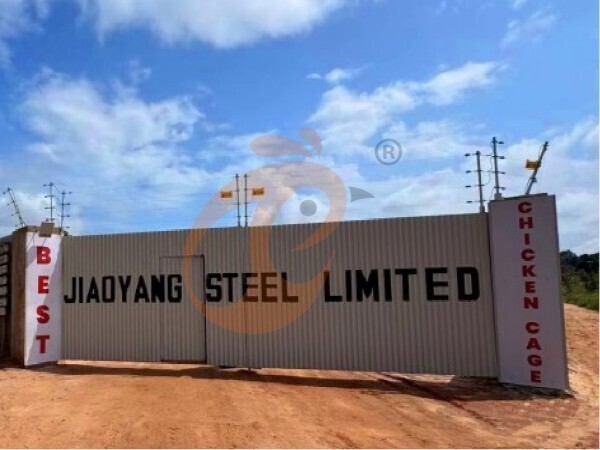
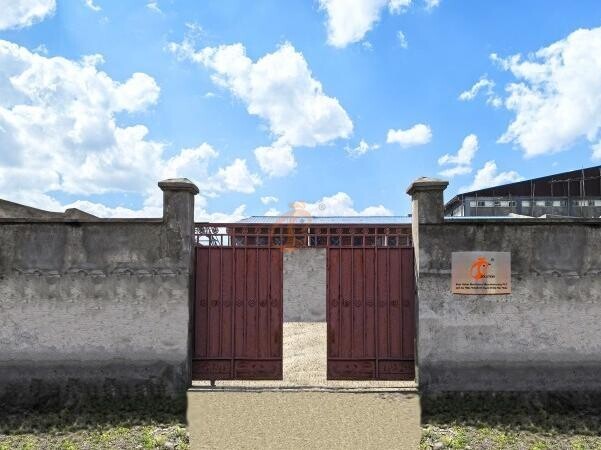
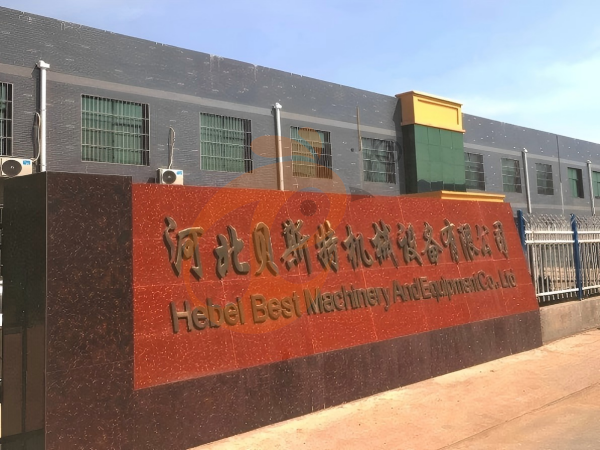
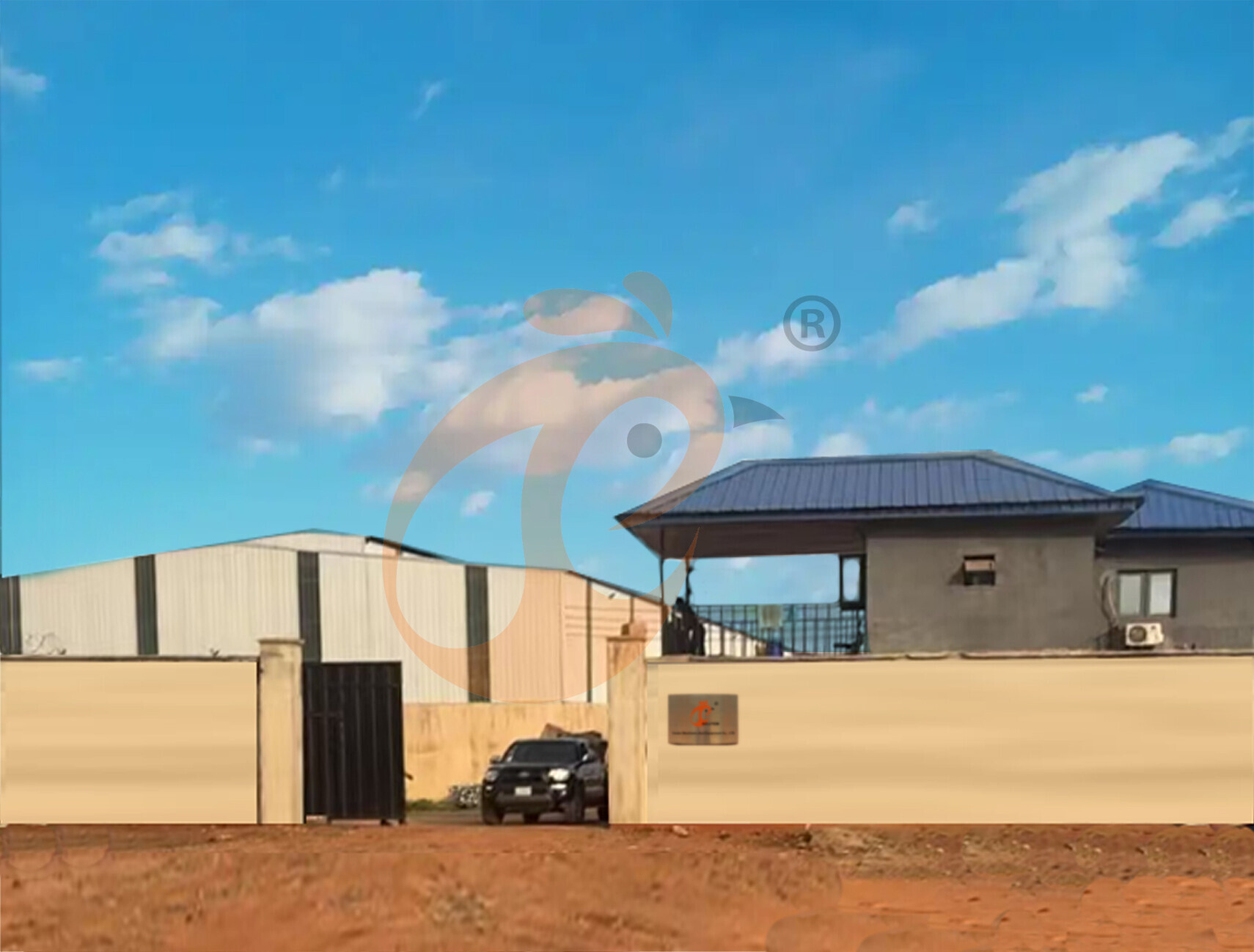
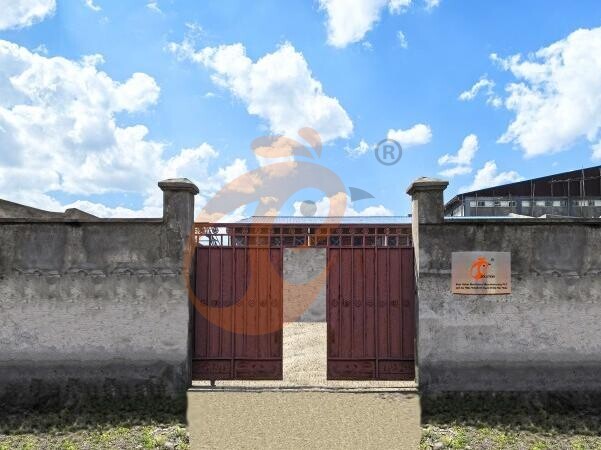
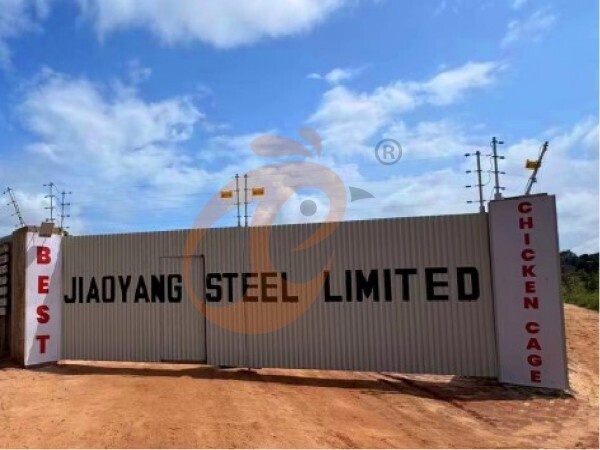
Headquarters And Branchs

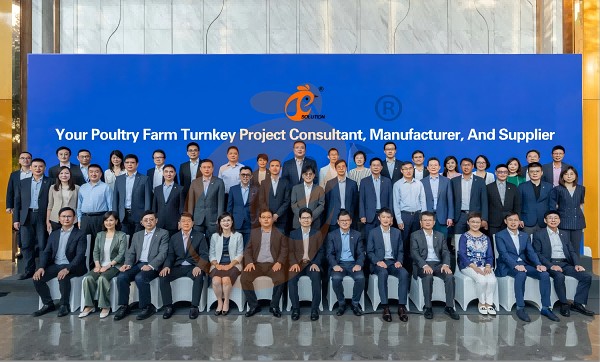
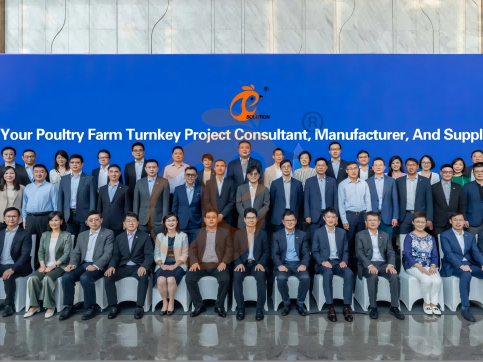
Hong Kong Headquarter Management Team
Hong Kong Headquarter Taiyu Industrial Group CO., LTD
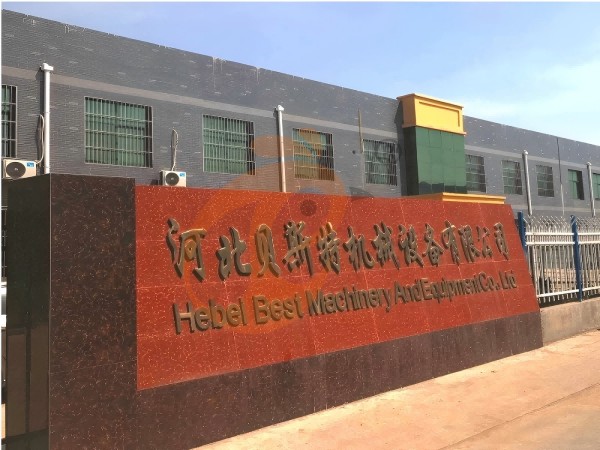
China Hebei Best Machinery And Equipment CO., LTD
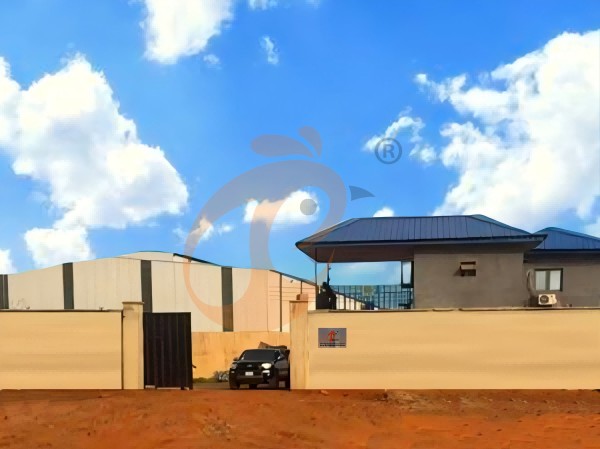
Nigeria Vanke Machinery And Equipment CO., LTD
Tanzania Best Machinery And Equipment CO., LTD
Ethiopia Best Hebei Machinery Manufacturing PLC
Reception /24 WhatsApp NO. : +8618830120193
FAQ
What Growth Performance Indicators Are Expected In Floor Rearing Poultry System?
Feed conversion ratio is maintained at 1.65–1.85 for commercial broilers.
Market slaughter age ranges from 38–45 days depending on breed selection.
What Disease Control Standards Apply In Floor Rearing Poultry System?
Flock vaccination coverage reaches 90%–98% depending on disease prevention program.
Pathogen reduction targets aim for 80%–90% decrease in bacterial load.
What Are The Manure Management Requirements In Floor Rearing Poultry System?
Ammonia emission control targets remain below 15 ppm through regular cleaning cycles.
Dry matter content is maintained above 65% to improve composting efficiency.
Message
Products recommended
 HK Headquarter Offers EU-standard Poultry Farm Solutions, Manufacture Poultry Farm Equipment1. Continuous communication with the EU and the US
2. China, Nigeria, Ethiopia, Tanzania branch companies and factories
3. The products’ quality is customized for local poultry farms
4. Poultry cage and poultry farm equipment stock for sale
5. 24 online reception Whatsapp NO. : +8618830120193,contact us to get full informationRead More China Branch Offer Poultry Farm Business Plan, Manufacture Poultry Farm Equipment1. Address: Flat/RM 2416, 24/F, Runxing Building, Youyi Nan Street, Shijiazhuang City, Hebei Province, China
2. Poultry cage and poultry farm equipment factory and stock for sale
3. Customized for local poultry farms
4. Quality and design are based on Euro
5. 24 online reception Whatsapp NO. : +8618830120193Read More Nigeria Branch Offer Poultry Farm Business Plan, Manufacture Poultry Farm Equipment1. Address: After Sinoma Office, 200 Meters Near Danco Filling Station, Lagos/Ibadan Expressway, Lagos State, Nigeria
2. Poultry cage and poultry farm equipment factory and stock for sale
3. Customized for Nigerian poultry farms
4. Quality and design are based on Euro
5. 24 online reception Whatsapp NO. : +8618830120193Read More Ethiopia Branch Offer Poultry Farm Business Plan, Manufacture Poultry Farm Equipment1. Address: Gelan Gura, Akaki-kaliti Sub City, Addis Ababa, Ethiopia
2. Poultry cage and poultry farm equipment stock for sale
3. Customized for Ethiopian poultry farms
4. Quality and design are based on Euro
5. 24 online reception Whatsapp NO. : +8618830120193, contact us to get price listRead More Tanzania Branch Offer Poultry Farm Business Plan, Manufacture Poultry Farm Equipment1. Address: No.8, Sova Road, Msufini, Mlandizi, Kibaha, Pwani, Tanzania
2. Poultry cage and poultry farm equipment factory and stock for sale
3. Customized for Tanzanian poultry farms
4. Quality and design are based on Euro
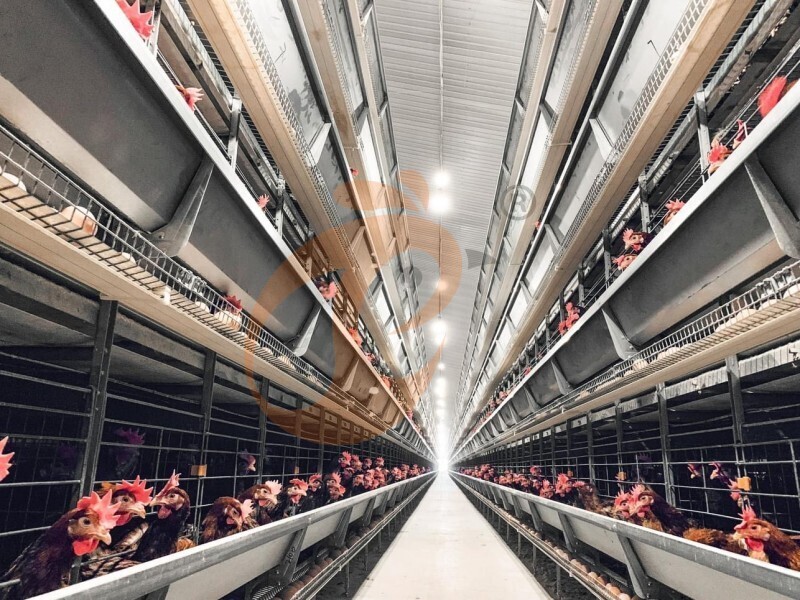
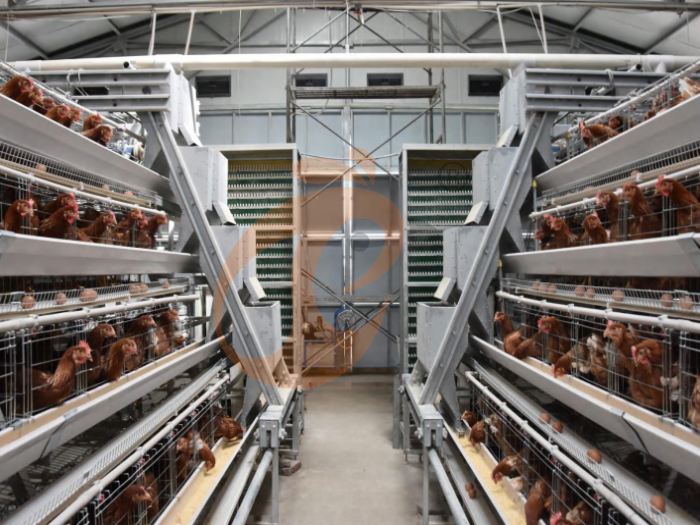
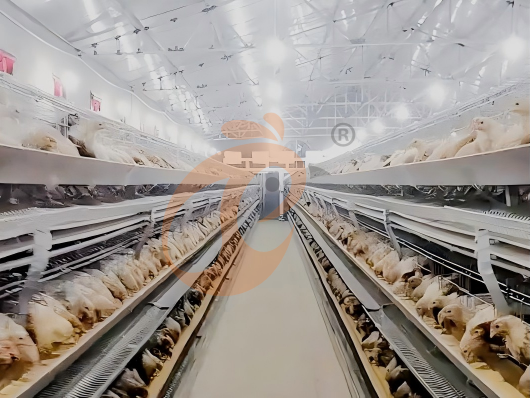
5. 24 online reception Whatsapp NO. : +8618830120193Read More Fully Automatic H Type Layer Chicken Cage1. 30,000-100,000+ layers/house chooses it, Poultry farmers can achieve an egg production rate of 96-98%
2. A significant improvement over the 85-90% typically seen in manual systems
3. A typical poultry farm can expect a 30-40% reduction in labor costs due to the automation
4. Each feeding line efficiently supplies feed to around 100,000 hens per 30 mins
5. Reception /WhatsApp NO. : +8618830120193Read More Fully Automatic A Type Layer Chicken Cage1. 10,000-50,000 layers/house chooses it
2. Cleaner egg collection reduces breakage by 0.5%
3. Improved hygiene helps reduce mortality rate to <3%
4. 1–2 technicians can handle 15,000–30,000 birds
5. Reception /WhatsApp NO. : +8618830120193Read More Semi Automatic H Type Layer Chicken Cage1. 1,00-20,000 layers/house chooses it
2. Nipple drinkers flow 30–60 ML / min
3. Hot-dip galvanized (typical coating ≥ 275 g/m²)
4. Reduce ammonia by ~ 35–40%
5. Reception /WhatsApp NO. : +8618830120193Read More Semi Automatic A Type Layer Chicken Cage1. 1,00-20,000 layers/house chooses it, no rust for 10 years, no deformation for 15 years
2. Chickens live comfortably, you can raise them with peace of mind
3. Save water, save money—efficiency you can measure
4. Improve environment quality, and increase egg production rate
5. Reception /WhatsApp NO. : +8618830120193Read More
By clicking 'Allow All', you agree to the storage of cookies on your device to enhance site navigation, analyze site usage and assist with our marketing efforts.