






Blog
Feed mixer feed waste reduction improves livestock production efficiency through controlled blending mechanics, particle uniformity, moisture stabilization, and additive precision.
Livestock feed mixing efficiency determines nutrient distribution consistency across batch processing systems operating under variable load, speed, and ingredient density.
Livestock feed waste management relies on optimized mixer geometry, controlled retention time, particle homogenization, and precise mechanical energy transfer systems.
Animal feed mixing efficiency reduces segregation losses, improves digestion consistency, stabilizes nutrient intake patterns, and enhances overall herd performance metrics.
This article explains five mixer based methods supported by engineering data tables, process optimization techniques, and waste reduction system integration.
Get professional poultry farm construction guidance, equipment selection solutions, and the latest price lists, whatsApp to +8618830120193, +2348111199996, or click to learn more.
Where Feed Waste Starts And Spreads
Feed loss originates from inconsistent batching and mechanical segregation during handling.
Within livestock feed waste management systems, early-stage imbalance directly influences downstream consumption behavior and cost structure.
Data is for reference only.Swipe horizontally to view full table.
Precision Mixing Architecture
Mechanical blending consistency defines output stability in feed systems.
Feed mixer feed waste reduction depends heavily on structural design, rotation dynamics, and batch uniformity control.
Data is for reference only.Swipe horizontally to view full table.
Particle Behavior Engineering
Particle segregation is a core driver of uneven feed intake.
Animal feed mixing efficiency improves when particle distribution is mechanically stabilized to prevent selective consumption.
Data is for reference only.Swipe horizontally to view full table.
Moisture Equilibrium Control
Moisture balance governs feed cohesion and microbial stability.
Excess variation increases degradation rate and reduces palatability consistency.
Data is for reference only.Swipe horizontally to view full table.
Timing Based Mixing Automation
Batch timing directly influences oxidation exposure and nutrient stability.
Livestock feed waste management improves when idle time is minimized between production and distribution cycles.
Data is for reference only.Swipe horizontally to view full table.
Micro Ingredient Distribution Precision
Micronutrient uniformity directly affects herd health distribution.
Uneven dispersion increases variability in metabolic response across livestock populations.
Data is for reference only.Swipe horizontally to view full table.
Granular Physics Inside Feed Mixing Systems
Feed mixing operates under granular flow physics where gravity, friction, and collision energy interact continuously.
Particle migration patterns determine segregation intensity and mixture stability.
Data is for reference only.Swipe horizontally to view full table.
Integrated Processing Flow System
Feed system efficiency depends on synchronized mechanical stages.
Each stage contributes measurable impact on feed mixer feed waste reduction outcomes.
Data is for reference only.Swipe horizontally to view full table.
Economic Impact of Optimization
Feed efficiency improvements translate directly into operational cost reduction across herd scales.
Data is for reference only.Swipe horizontally to view full table.
Real-World Mixer Performance Snapshot
Feed mixer feed waste reduction improves when mechanical torque is maintained within controlled thresholds that prevent stall conditions during high-density batching.
Blade tip speed above 20 m/s enhances vertical lift of particles, reducing stratification layers inside the chamber.
Discharge geometry at optimized angles ensures near-complete evacuation, limiting residual feed accumulation and improving overall system throughput consistency across repeated production cycles.
Frequently Asked Questions
Q1: What causes uneven feed distribution in mixers?
A1: Uneven distribution is primarily caused by particle size divergence, insufficient mixing cycles, and unstable moisture balance.
Mechanical inconsistency increases segregation, leading to selective feeding behavior and nutrient loss across livestock groups during consumption cycles.
Q2: How does mixer design influence waste reduction?
A2: Mixer geometry determines flow path efficiency, shear force distribution, and blending uniformity.
Optimized designs reduce dead zones and improve circulation dynamics, which directly enhances feed consistency and minimizes residual waste accumulation during discharge phases.
Q3: Why is timing control important in feed processing?
A3: Timing control reduces oxidation exposure and prevents nutrient degradation between mixing and delivery stages.
Shorter idle intervals maintain feed freshness, stabilize additive performance, and reduce variability in consumption efficiency across production cycles.
Taiyu (HK) Group - One Of China Largest Feed Mixer Manufacturer
Feed mixer systems with precision blending technology for industrial livestock feed mixer feed waste reduction applications
Global factory direct supply supporting livestock feed waste management optimization across large scale farming operations
Turn-key engineering solutions for animal feed mixing efficiency improvement and automated production line integration
Poultry equipment systems designed for high consistency feed processing and uniform nutrient distribution performance
Export services covering complete feed processing machinery packages for international agricultural production facilities
Contact Us To Received Your Customized Poultry Farm Plan
Headquarters And Branchs
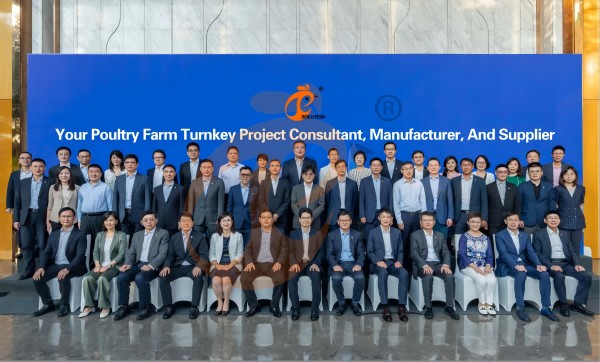
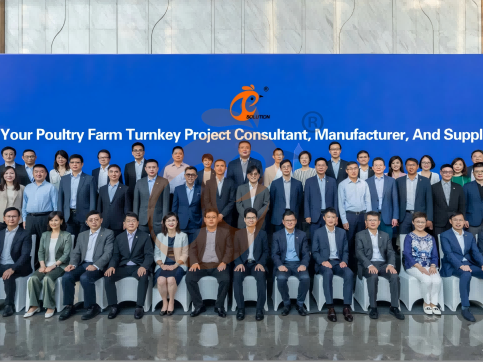
Hong Kong Headquarter Management Team
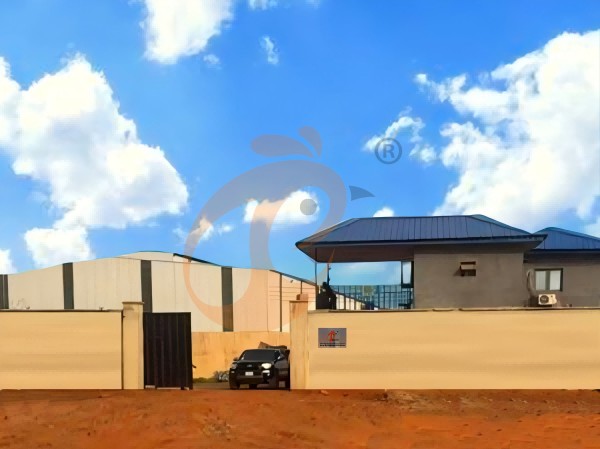
Hong Kong Headquarter Taiyu Industrial Group CO., LTD
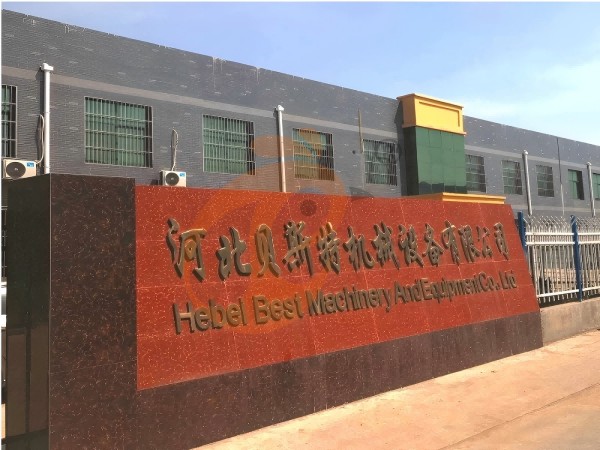
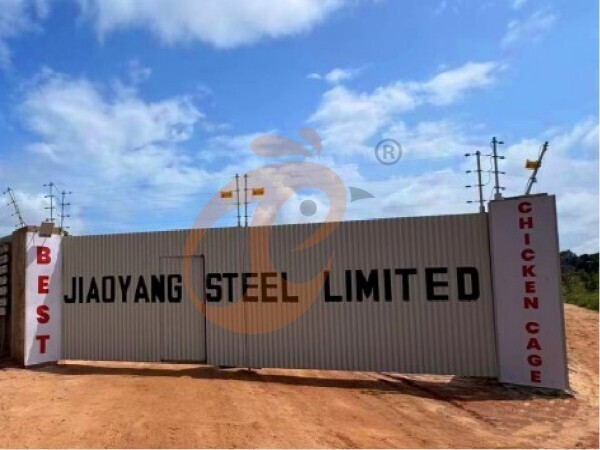
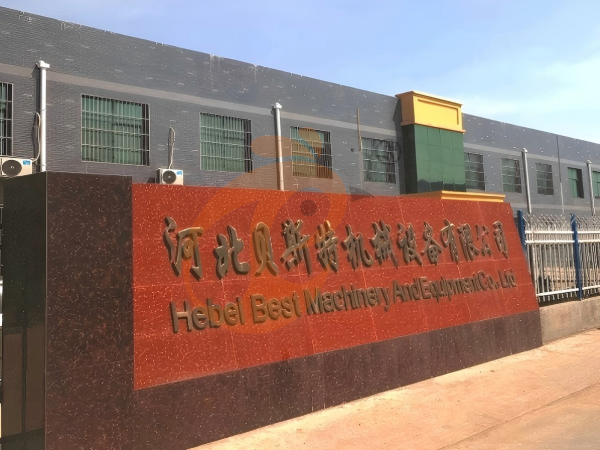
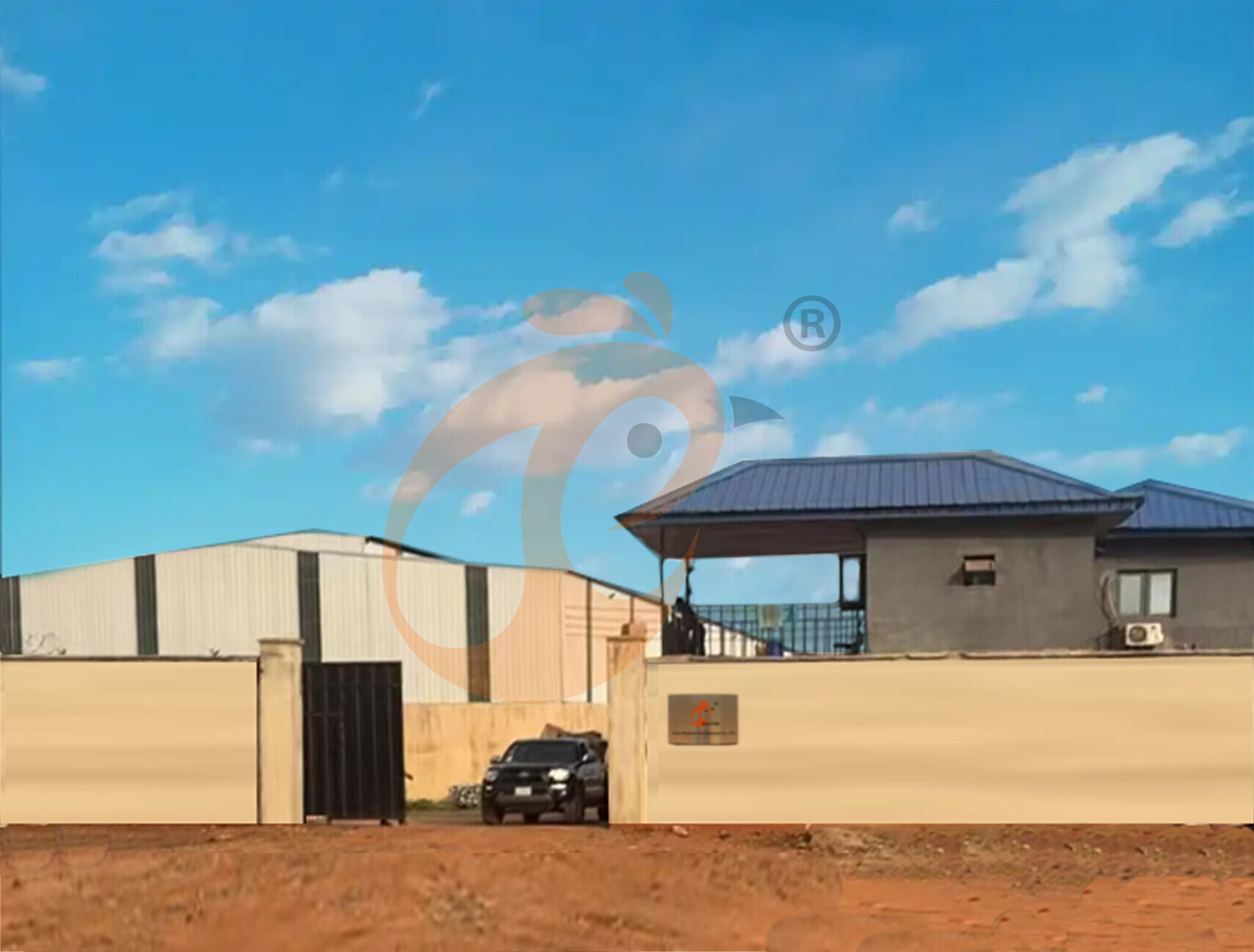
China Hebei Best Machinery And Equipment CO., LTD
Nigeria Vanke Machinery And Equipment CO., LTD
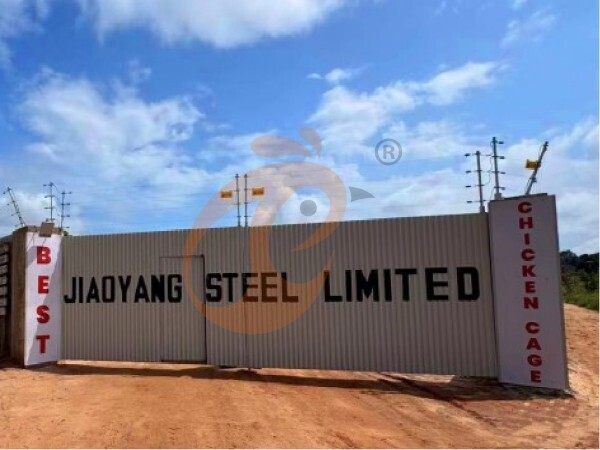
Tanzania Best Machinery And Equipment CO., LTD
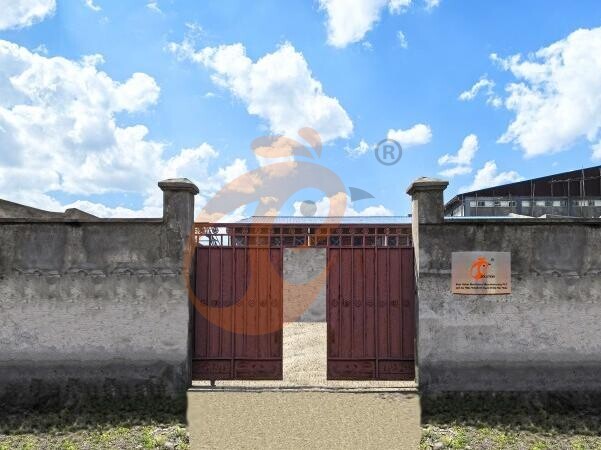
Ethiopia Best Hebei Machinery Manufacturing PLC

Reception /24 WhatsApp NO. : +8618830120193
FAQ
What Moisture Control Standards Are Required In Feed Milling For Poultry Chicken Feed?
Conditioning moisture increases to 16–18% before pelleting for optimal starch gelatinization.
Final feed moisture is controlled at 11–13% to ensure long-term storage stability.
What Energy Consumption Levels Are Standard In Feed Mixer And Feed Mill Operations For Poultry Chicken Farms?
Mixing systems require 3–8 kWh per batch depending on mixer volume and load ratio.
Pelletizing units operate at 60–90 kWh per ton for high-density poultry feed production.
What Raw Material Ratios Are Commonly Processed In Poultry Chicken Feed Mills?
Soybean meal accounts for 18–25% as main protein contributor for growth performance.
Premix addition remains at 2–5% ensuring vitamins and mineral balance stability.
Message
Products recommended
 HK Headquarter Offers EU-standard Poultry Farm Solutions, Manufacture Poultry Farm Equipment1. Continuous communication with the EU and the US
2. China, Nigeria, Ethiopia, Tanzania branch companies and factories
3. The products’ quality is customized for local poultry farms
4. Poultry cage and poultry farm equipment stock for sale
5. 24 online reception Whatsapp NO. : +8618830120193,contact us to get full informationRead More China Branch Offer Poultry Farm Business Plan, Manufacture Poultry Farm Equipment1. Address: Flat/RM 2416, 24/F, Runxing Building, Youyi Nan Street, Shijiazhuang City, Hebei Province, China
2. Poultry cage and poultry farm equipment factory and stock for sale
3. Customized for local poultry farms
4. Quality and design are based on Euro
5. 24 online reception Whatsapp NO. : +8618830120193Read More Nigeria Branch Offer Poultry Farm Business Plan, Manufacture Poultry Farm Equipment1. Address: After Sinoma Office, 200 Meters Near Danco Filling Station, Lagos/Ibadan Expressway, Lagos State, Nigeria
2. Poultry cage and poultry farm equipment factory and stock for sale
3. Customized for Nigerian poultry farms
4. Quality and design are based on Euro
5. 24 online reception Whatsapp NO. : +8618830120193Read More Ethiopia Branch Offer Poultry Farm Business Plan, Manufacture Poultry Farm Equipment1. Address: Gelan Gura, Akaki-kaliti Sub City, Addis Ababa, Ethiopia
2. Poultry cage and poultry farm equipment stock for sale
3. Customized for Ethiopian poultry farms
4. Quality and design are based on Euro
5. 24 online reception Whatsapp NO. : +8618830120193, contact us to get price listRead More Tanzania Branch Offer Poultry Farm Business Plan, Manufacture Poultry Farm Equipment1. Address: No.8, Sova Road, Msufini, Mlandizi, Kibaha, Pwani, Tanzania
2. Poultry cage and poultry farm equipment factory and stock for sale
3. Customized for Tanzanian poultry farms
4. Quality and design are based on Euro
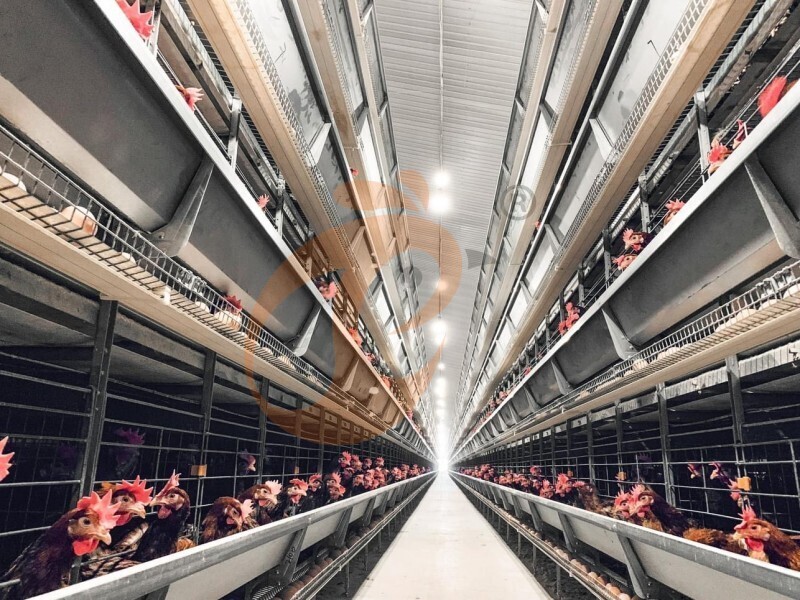
5. 24 online reception Whatsapp NO. : +8618830120193Read More Fully Automatic H Type Layer Chicken Cage1. 30,000-100,000+ layers/house chooses it, Poultry farmers can achieve an egg production rate of 96-98%
2. A significant improvement over the 85-90% typically seen in manual systems
3. A typical poultry farm can expect a 30-40% reduction in labor costs due to the automation
4. Each feeding line efficiently supplies feed to around 100,000 hens per 30 mins
5. Reception /WhatsApp NO. : +8618830120193Read More Fully Automatic A Type Layer Chicken Cage1. 10,000-50,000 layers/house chooses it
2. Cleaner egg collection reduces breakage by 0.5%
3. Improved hygiene helps reduce mortality rate to <3%
4. 1–2 technicians can handle 15,000–30,000 birds
5. Reception /WhatsApp NO. : +8618830120193Read More Semi Automatic H Type Layer Chicken Cage1. 1,00-20,000 layers/house chooses it
2. Nipple drinkers flow 30–60 ML / min
3. Hot-dip galvanized (typical coating ≥ 275 g/m²)
4. Reduce ammonia by ~ 35–40%
5. Reception /WhatsApp NO. : +8618830120193Read More Semi Automatic A Type Layer Chicken Cage1. 1,00-20,000 layers/house chooses it, no rust for 10 years, no deformation for 15 years
2. Chickens live comfortably, you can raise them with peace of mind
3. Save water, save money—efficiency you can measure
4. Improve environment quality, and increase egg production rate
5. Reception /WhatsApp NO. : +8618830120193Read More
By clicking 'Allow All', you agree to the storage of cookies on your device to enhance site navigation, analyze site usage and assist with our marketing efforts.