


Blog
The factory price of poultry battery cage system integrates structural engineering, automation level, and corrosion-resistant metallurgy to define baseline procurement cost for commercial layer production facilities.
It standardizes cost formation through modular cage geometry, galvanized steel specification, and automated feeding integration across scalable poultry housing units.
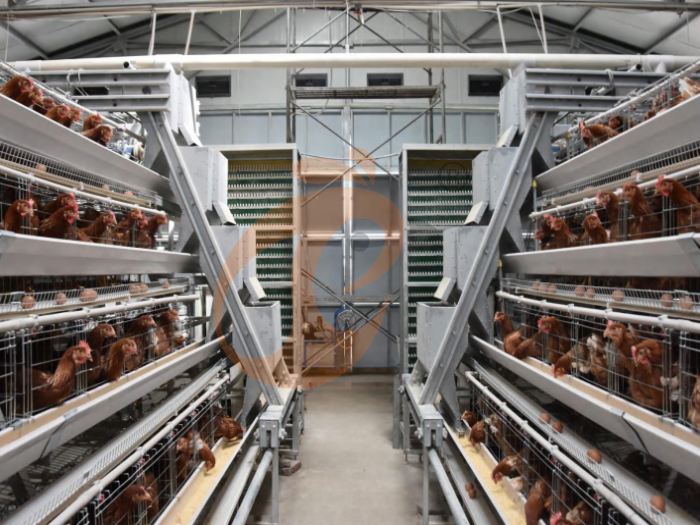
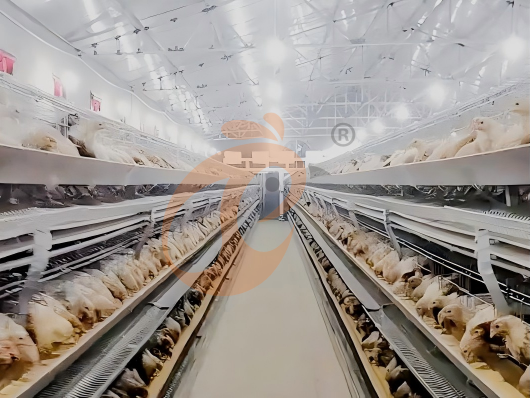
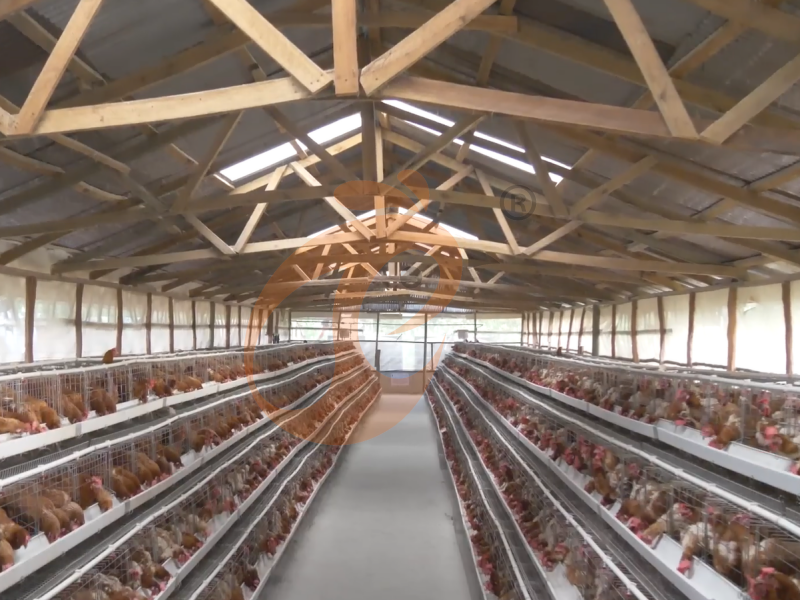
Investment planning depends on bird density configuration, tier architecture, and mechanical egg collection efficiency in industrial poultry farms.
CAPEX allocation typically reflects cage system proportion reaching 40–60 percent of total equipment deployment in medium-scale poultry projects.
OPEX efficiency is influenced by feed delivery precision, manure discharge automation, and long-term structural durability under continuous production cycles.
Get professional poultry farm construction guidance, equipment selection solutions, and the latest price lists, whatsApp to +8618830120193, +2348111199996, or click to learn more.
What Is The Factory Price Of Poultry Battery Cage System
The poultry battery cage factory price index defines direct manufacturing valuation based on steel processing, automation integration, and structural assembly precision.
This pricing model reflects factory output conditions and excludes distributor margin layering across poultry equipment supply chains.
Commercial valuation depends on cage density design, mechanical system integration, and production scale requirements in poultry housing engineering.
Data is for reference only.Swipe horizontally to view full table.
Factory Price Range For Poultry Battery Cage Systems
The poultry battery cage factory pricing structure varies significantly with flock scale, automation depth, and installation architecture complexity.
Small farms operate simplified mechanical structures while industrial farms require integrated automation modules and high-density stacking systems.
Production capacity directly influences steel consumption, motor integration, and installation engineering workload per poultry housing unit.
Data is for reference only.Swipe horizontally to view full table.
Poultry Farming System Scientific Operation Principles
Poultry cage systems operate under controlled environmental engineering principles optimizing feed conversion efficiency and production stability.
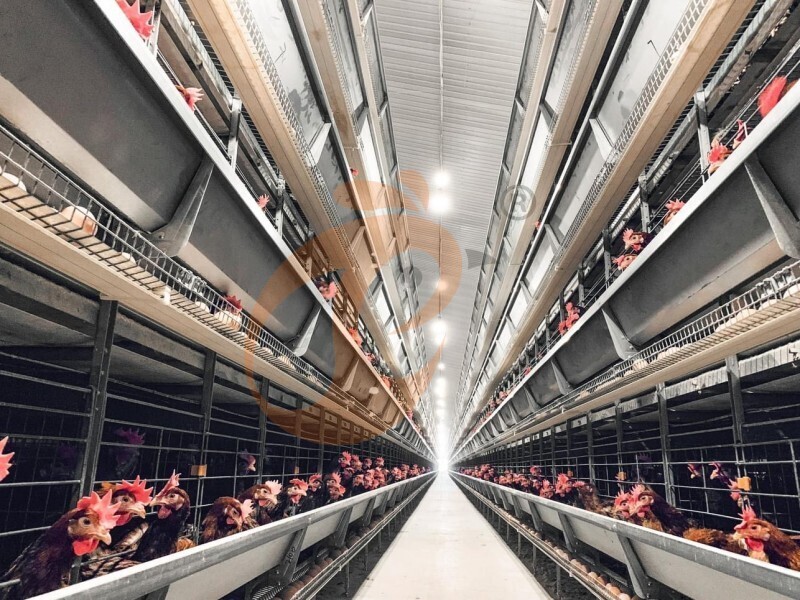
Battery cage architecture regulates spatial density ensuring consistent metabolic output across standardized laying hen populations.
Biological productivity is stabilized through controlled lighting cycles, ventilation uniformity, and automated feeding synchronization systems.
The keyword poultry cage system cost optimization becomes critical in scaling industrial poultry production efficiency models.
Key operational metrics include feed conversion ratio 1.7–2.0 kg feed per kg egg, egg production rate 90–95 percent annually, mortality range 2–4 percent per cycle, manure output 40–50 g per bird daily.
Direct Supply Pricing Model In Poultry Battery Cage Industry
Direct factory supply eliminates intermediary pricing layers and aligns cost structure directly with manufacturing output efficiency.
It reduces procurement distortion caused by regional distribution and reseller aggregation in poultry equipment markets.
Engineering customization becomes more accessible through direct manufacturer coordination and production line integration flexibility.
The term battery cage price from factory reflects standardized industrial pricing without commercial resale adjustment.
Advantage One Cost Structure Optimization
Factory direct procurement reduces multi-layered cost accumulation in poultry cage system deployment projects.
It eliminates distributor commission structures and stabilizes production-level pricing transparency across large-scale installations.
Data is for reference only.Swipe horizontally to view full table.
Advantage Two Engineering Customization Capability
Poultry cage engineering design allows adjustable structural parameters based on farm spatial geometry and production strategy.
Factory direct cooperation enables precise modification of mechanical feeding lines and tier-based structural reinforcement systems.
Customization improves system adaptability in climate variation zones and high-density poultry farming environments.
Data is for reference only.Swipe horizontally to view full table.
Advantage Three Material Engineering And Structural Integrity
Structural integrity in poultry battery cage manufacturing depends on metallurgical quality and welding precision control systems.
Galvanized steel composition directly determines corrosion resistance and long-term operational durability under humid poultry environments.
Factory controlled production ensures consistent mechanical tolerance and load-bearing performance across modular cage assemblies.
Data is for reference only.Swipe horizontally to view full table.
Advantage Four Logistics And Spare Parts Efficiency
Factory supply chains reduce downtime risk through centralized inventory and direct engineering support response systems.
Spare parts availability improves operational continuity in large-scale poultry production environments.
Maintenance cycle efficiency increases through standardized replacement components and factory controlled logistics distribution.
Data is for reference only.Swipe horizontally to view full table.
Five Year Operational Cost Evaluation
Long-term cost structure analysis demonstrates cumulative savings from factory direct poultry cage procurement strategy.
Maintenance efficiency and downtime reduction significantly influence total lifecycle financial performance in poultry housing systems.
Data is for reference only.Swipe horizontally to view full table.
Poultry Cage System Density Optimization Science
Bird density regulation directly influences metabolic efficiency, egg production stability, and welfare compliance in industrial poultry systems.
Optimal density range supports balanced energy consumption and reduces physiological stress indicators in laying hens.
Automated feeding systems enhance nutrient utilization efficiency and reduce feed waste percentage in controlled environments.
Key technical benchmarks include 450–500 cm² per bird optimal space allocation, feed waste reduction 10–15 percent, feed conversion improvement 0.1–0.3 kg ratio efficiency gain, lighting control cycle 16 hours per day standard.
Frequently Asked Questions
Q1: What determines factory price variability in poultry battery cage systems?
A1: Factory price variation depends on steel thickness, automation level, cage tier configuration, and production scale requirements across poultry housing systems.
Bulk order volume and engineering customization also significantly influence final pricing structures in industrial poultry equipment procurement models.
Q2: How does direct supply affect poultry cage system performance?
A2: Direct supply improves pricing transparency and reduces procurement layering while enhancing engineering customization and spare parts response efficiency in farm operations.
It also ensures standardized manufacturing quality control and reduces long-term maintenance variability in poultry production environments.
Q3: Why is battery cage system widely used in commercial poultry farms?
A3: Battery cage systems optimize spatial efficiency, improve feed conversion ratios, and stabilize egg production through controlled environmental conditions.
They also support automated feeding and manure removal systems that reduce labor dependency and increase operational consistency.
Taiyu (HK) Group - One Of China Largest Poultry Battery Cage Manufacturer
Professional manufacturer of poultry battery cage systems with precise factory pricing and high durability.
Global factory direct supply ensures efficient delivery to industrial poultry farms worldwide.
Comprehensive poultry equipment solutions for medium and large-scale commercial operations.
Turn-key engineering projects integrating automated feeding, watering, and egg collection systems.
Expert support and maintenance services for long-term operational stability and productivity.
Contact Us To Received Your Customized Poultry Farm Plan
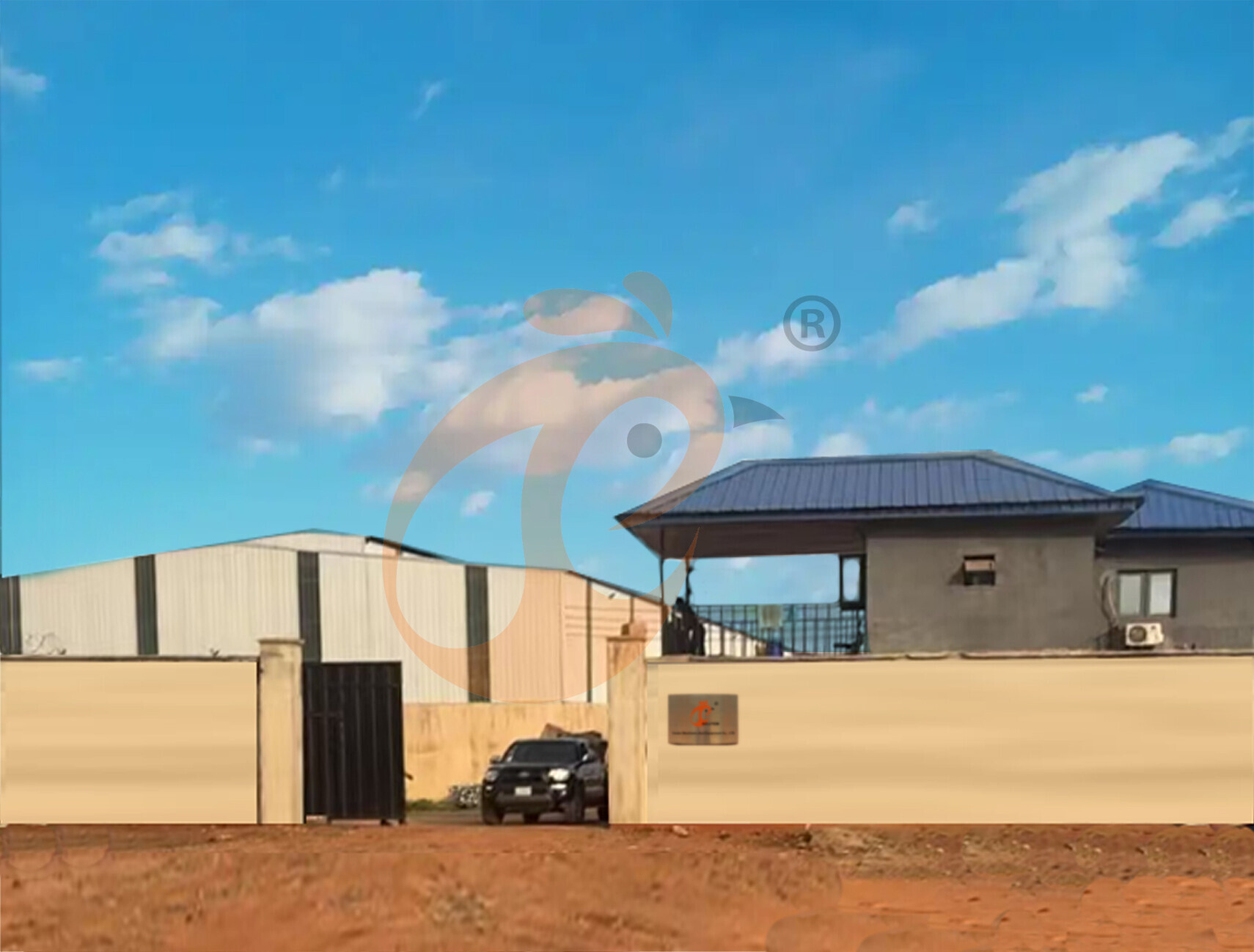
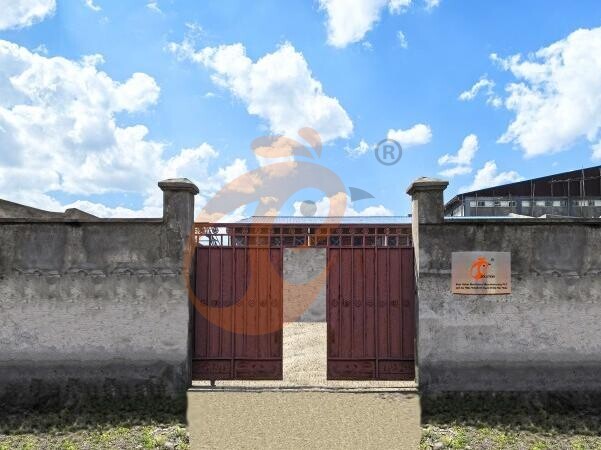
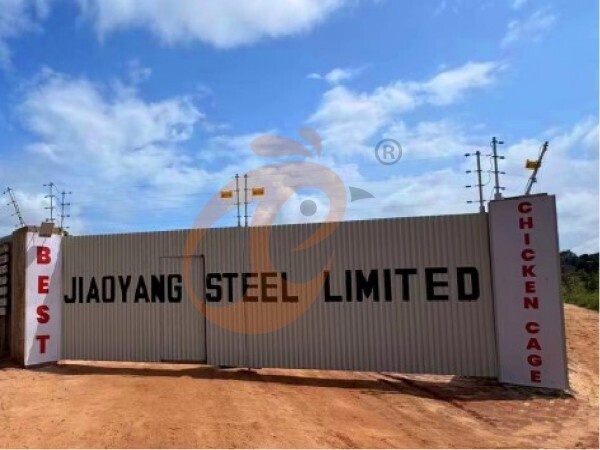
Headquarters And Branchs

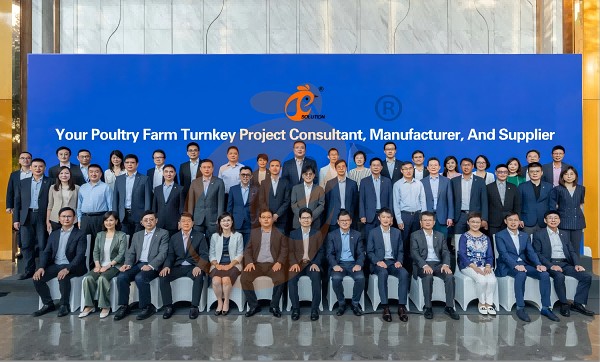
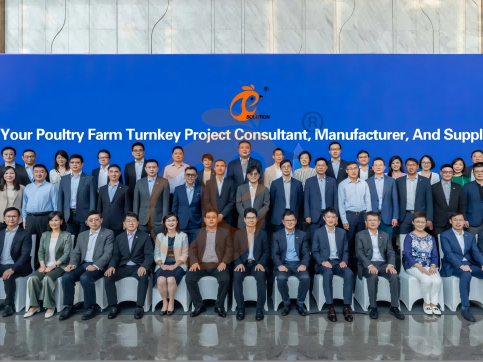
Hong Kong Headquarter Management Team
Hong Kong Headquarter Taiyu Industrial Group CO., LTD
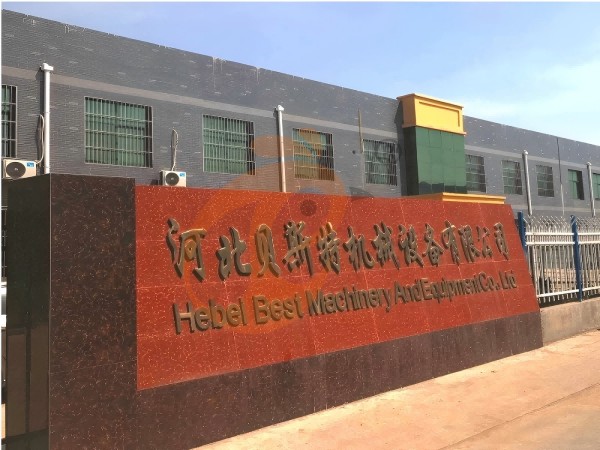
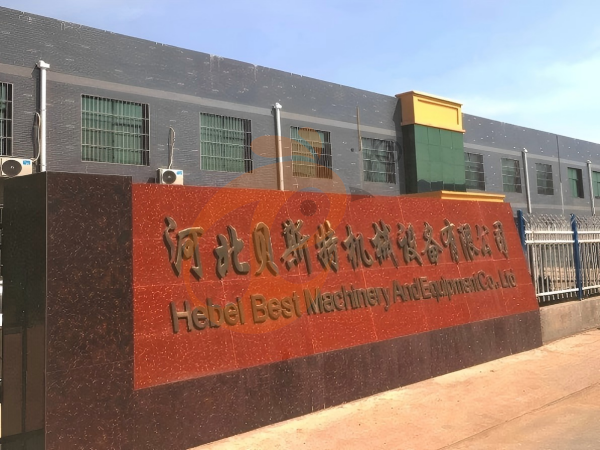
China Hebei Best Machinery And Equipment CO., LTD
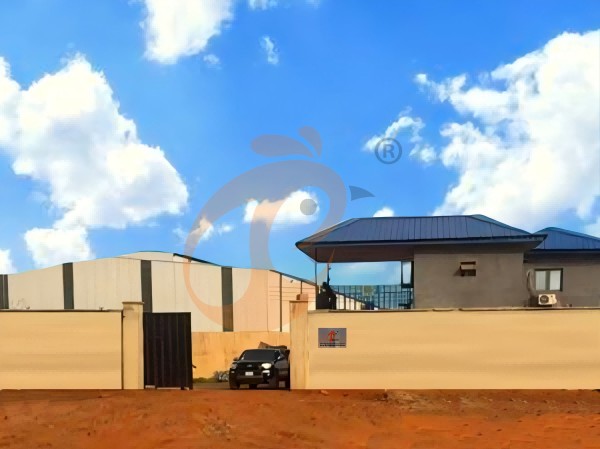
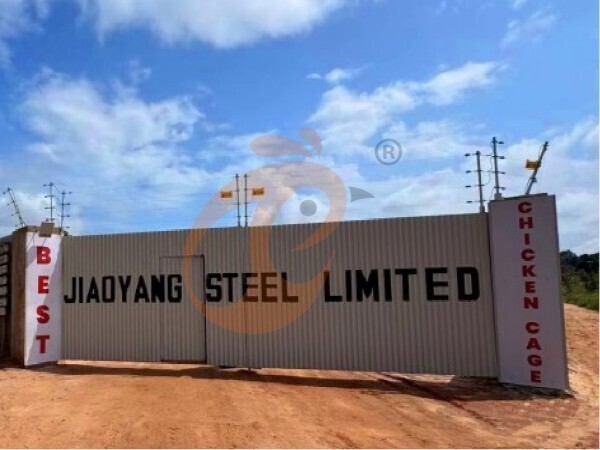
Nigeria Vanke Machinery And Equipment CO., LTD
Tanzania Best Machinery And Equipment CO., LTD
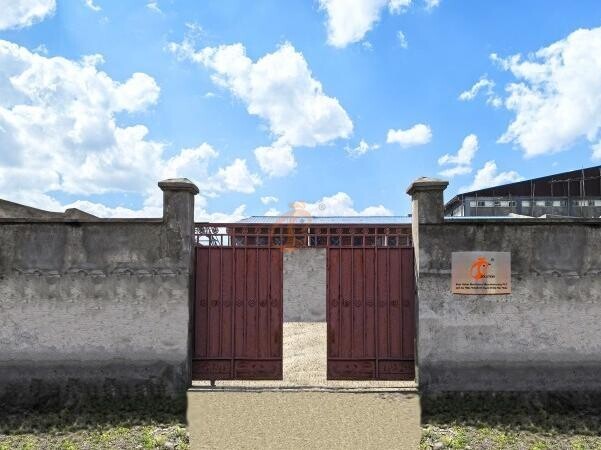
Ethiopia Best Hebei Machinery Manufacturing PLC
Reception /24 WhatsApp NO. : +8618830120193
FAQ
How To Choose The Ultimate Layer Cage System For Multi-Tier Farms?
Install automatic feeding, drinking, egg collection, and manure cleaning systems to boost egg production to 90–98%.
Optimized ventilation and temperature/humidity control reduce mortality to 2–3%.
What Are The Professional Guidelines For Optimizing Feed Storage And Usage In Chicken Cage Farms?
Use automatic feeders to allocate feed as needed, reducing waste by 5–10%.
Regularly monitor feed consumption per tier; FCR 1.9–2.1, egg production 90–98%.
What Are The Professional Guidelines For Reducing Labor Costs Using Automation In Chicken Cage Farms?
Use real-time monitoring systems to manage flock health and egg production.
ROI can be shortened to 24–36 months, improving overall profitability.
Message
Products recommended
 HK Headquarter Offers EU-standard Poultry Farm Solutions, Manufacture Poultry Farm Equipment1. Continuous communication with the EU and the US
2. China, Nigeria, Ethiopia, Tanzania branch companies and factories
3. The products’ quality is customized for local poultry farms
4. Poultry cage and poultry farm equipment stock for sale
5. 24 online reception Whatsapp NO. : +8618830120193,contact us to get full informationRead More China Branch Offer Poultry Farm Business Plan, Manufacture Poultry Farm Equipment1. Address: Flat/RM 2416, 24/F, Runxing Building, Youyi Nan Street, Shijiazhuang City, Hebei Province, China
2. Poultry cage and poultry farm equipment factory and stock for sale
3. Customized for local poultry farms
4. Quality and design are based on Euro
5. 24 online reception Whatsapp NO. : +8618830120193Read More Nigeria Branch Offer Poultry Farm Business Plan, Manufacture Poultry Farm Equipment1. Address: After Sinoma Office, 200 Meters Near Danco Filling Station, Lagos/Ibadan Expressway, Lagos State, Nigeria
2. Poultry cage and poultry farm equipment factory and stock for sale
3. Customized for Nigerian poultry farms
4. Quality and design are based on Euro
5. 24 online reception Whatsapp NO. : +8618830120193Read More Ethiopia Branch Offer Poultry Farm Business Plan, Manufacture Poultry Farm Equipment1. Address: Gelan Gura, Akaki-kaliti Sub City, Addis Ababa, Ethiopia
2. Poultry cage and poultry farm equipment stock for sale
3. Customized for Ethiopian poultry farms
4. Quality and design are based on Euro
5. 24 online reception Whatsapp NO. : +8618830120193, contact us to get price listRead More Tanzania Branch Offer Poultry Farm Business Plan, Manufacture Poultry Farm Equipment1. Address: No.8, Sova Road, Msufini, Mlandizi, Kibaha, Pwani, Tanzania
2. Poultry cage and poultry farm equipment factory and stock for sale
3. Customized for Tanzanian poultry farms
4. Quality and design are based on Euro
5. 24 online reception Whatsapp NO. : +8618830120193Read More Fully Automatic H Type Layer Chicken Cage1. 30,000-100,000+ layers/house chooses it, Poultry farmers can achieve an egg production rate of 96-98%
2. A significant improvement over the 85-90% typically seen in manual systems
3. A typical poultry farm can expect a 30-40% reduction in labor costs due to the automation
4. Each feeding line efficiently supplies feed to around 100,000 hens per 30 mins
5. Reception /WhatsApp NO. : +8618830120193Read More Fully Automatic A Type Layer Chicken Cage1. 10,000-50,000 layers/house chooses it
2. Cleaner egg collection reduces breakage by 0.5%
3. Improved hygiene helps reduce mortality rate to <3%
4. 1–2 technicians can handle 15,000–30,000 birds
5. Reception /WhatsApp NO. : +8618830120193Read More Semi Automatic H Type Layer Chicken Cage1. 1,00-20,000 layers/house chooses it
2. Nipple drinkers flow 30–60 ML / min
3. Hot-dip galvanized (typical coating ≥ 275 g/m²)
4. Reduce ammonia by ~ 35–40%
5. Reception /WhatsApp NO. : +8618830120193Read More Semi Automatic A Type Layer Chicken Cage1. 1,00-20,000 layers/house chooses it, no rust for 10 years, no deformation for 15 years
2. Chickens live comfortably, you can raise them with peace of mind
3. Save water, save money—efficiency you can measure
4. Improve environment quality, and increase egg production rate
5. Reception /WhatsApp NO. : +8618830120193Read More
By clicking 'Allow All', you agree to the storage of cookies on your device to enhance site navigation, analyze site usage and assist with our marketing efforts.