






Blog
The floor rearing system supports modern poultry production efficiency, improving bird welfare, structural flexibility, and environmental adaptability across commercial farms.
Controlled litter depth between 5–10 cm enables ammonia absorption reduction up to 35% when properly ventilated under 6–8 air exchanges per hour.
Ventilation integration stabilizes internal humidity within 50–70% range, reducing heat stress events in summer cycles.
Stocking density optimization typically ranges 6–9 birds/m² depending on breed weight curve.
Feed conversion stability improves predictability in commercial broiler cycles lasting 32–42 days, with reduced behavioral stress load measured via lower corticosterone fluctuations.
Get professional poultry farm construction guidance, equipment selection solutions, and the latest price lists, whatsApp to +8618830120193, +2348111199996, or click to learn more.
What Is a Floor Rearing System?
In simple terms, a floor rearing system is a poultry management method where birds are raised on litter covered floors (such as wood shavings, rice husks, or straw) instead of cages or elevated battery systems.
It allows natural behaviors like scratching, dust bathing, and free movement.
Table Comparison Overview
Data is for reference only.Swipe horizontally to view full table.
Why Poultry Floor System Farming Gains Global Attention
The shift is not just emotional it's economic and biological.
Consumers demand ethically raised poultry, while farmers seek systems that reduce long term stress and mortality.
Poultry floor system farming improves flock uniformity with deviation rates reduced by approximately 8–12% in controlled feeding environments.
Floor systems create a "semi-natural environment" that supports healthier physiological development and reduces leg disorders incidence by nearly 20% in well-managed ventilation houses.
Poultry Farming Equipment Cost Structure
Data is for reference only.Swipe horizontally to view full table.
Science Corner Why Birds Thrive on Floors
From a biological standpoint, chickens are ground foraging animals.
Their nervous system is wired for scratching, pecking, and social grouping.
When birds are restricted, cortisol increases under confinement stress, often 18–25% higher in intensive cage environments.
Immune response becomes less stable, increasing susceptibility to E. coli and respiratory pathogens.
Feather pecking frequency increases in dense systems, sometimes exceeding 15% flock incidence in poorly managed houses.
In floor systems, natural dopamine regulation improves behavioral stability, supporting immune resilience and growth consistency, especially when litter moisture is maintained below 25%.
Productivity Stability in Poultry Floor System Farming
A common misconception is that "freedom equals lower productivity."
In modern poultry science, that is not necessarily true.
When properly managed, floor systems can achieve comparable or even improved weight gain due to reduced chronic stress and more stable gut microbiota development.
Growth Performance Indicators
Data is for reference only.Swipe horizontally to view full table.
Poultry Cage System Alternative Animal Welfare Improvement
Animal welfare is not just ethical it affects meat quality, egg production, and consumer perception.
Floor systems allow dust bathing behavior expression, improving feather lipid balance.
Wing stretching freedom supports skeletal alignment development.
Natural flock socialization reduces aggression peaks during growth phases.
Environmental exploration patterns stimulate feed intake regularity.
These behaviors directly influence bone mineral density, which can improve by 6–10% under balanced calcium phosphorus management.
Welfare Performance Indicators
Data is for reference only.Swipe horizontally to view full table.
Poultry Farming Biosecurity and Disease Control Reality
No system is perfect.
Floor rearing introduces more contact with litter, requiring strict hygiene protocols to prevent microbial buildup.
Modern poultry farming biosecurity systems reduce risks through tunnel ventilation achieving airflow rates of 2.5–3.5 m/s.
Scheduled litter aeration cycles occur every 24–48 hours.
Disease Risk Evaluation
Data is for reference only.Swipe horizontally to view full table.
Poultry Farm Management Flow System
Floor systems rely heavily on routine maintenance.
Clean litter equals stable production output.
Ammonia concentration should be maintained below 20 ppm to prevent respiratory irritation and performance loss.
Daily Operational Schedule
Data is for reference only.Swipe horizontally to view full table.
Poultry Feed Efficiency Optimization System
Floor raised birds move more, increasing metabolic demand.
Nutritional design must support energy balance and gut microbiota stability.
Protein digestibility above 85% is often required to maintain uniform weight gain in high-density floor houses.
Nutritional Adjustment Matrix
Data is for reference only.Swipe horizontally to view full table.
Poultry Farming Profitability Analysis
Farmers evaluate production systems based on return stability, operational cost, and market access.
Floor systems often achieve higher premium pricing in welfare certified poultry markets.
Price premiums range 5–18% depending on regional demand.
Return On Investment Comparison Structure
Data is for reference only.Swipe horizontally to view full table.
Sustainable Poultry Farming System Development
Floor systems integrate well with environmental circular farming models.
Organic manure recycling can produce up to 1.5–2.5 kg fertilizer per bird cycle.
Reduced cage infrastructure lowers steel consumption demand in large farms.
Lower long term energy consumption improves sustainability index across production chains.
Farm ecosystem balance improves when integrated with crop fertilization cycles.
Frequently Asked Questions
Q1: What is a floor rearing system in poultry farming?
A1: A floor rearing system is a poultry housing method where birds are raised on litter covered floors, allowing natural movement, social behavior, and improved welfare conditions compared to cages.
Stocking density and litter moisture control are key performance variables.
Q2: Is poultry floor system farming more profitable than cage systems?
A2: Profitability depends on management quality and market demand.
Poultry floor system farming can achieve higher premium pricing due to welfare certification and consumer preference.
Price uplift can reach 5–18% in premium markets.
Q3: Does poultry cage system still have advantages over floor rearing?
A3: Yes.
Poultry cage system offers stronger biosecurity control, lower pathogen exposure, and reduced disease spread risk.
It remains widely used in industrial egg production systems requiring strict environmental isolation.
Taiyu (HK) Group - One Of China Most Famous Poultry Equipment Manufacturer
Core product wespecialize in manufacturing high quality floor rearing systems tailored for optimal poultry growth.
Global sales our factory offers premium poultry equipment directly to worldwide clients.
Product range we supply durable poultry cage solutions for modern farm management.
Complete service our expert team delivers professional turn key projects from design to installation.
Top quality experience superior manufacturing with our internationally certified farming solutions.
Contact Us To Received Your Customized Poultry Farm Plan
Headquarters And Branchs

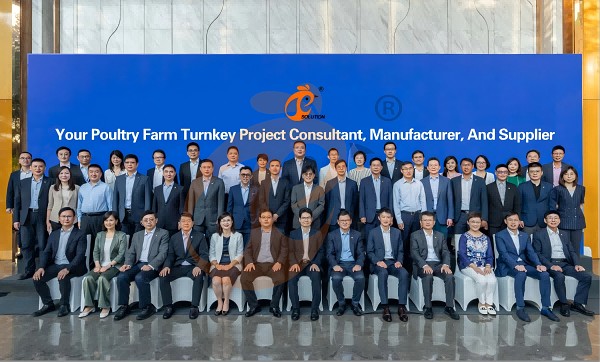
Hong Kong Headquarter Management Team
Hong Kong Headquarter Taiyu Industrial Group CO., LTD
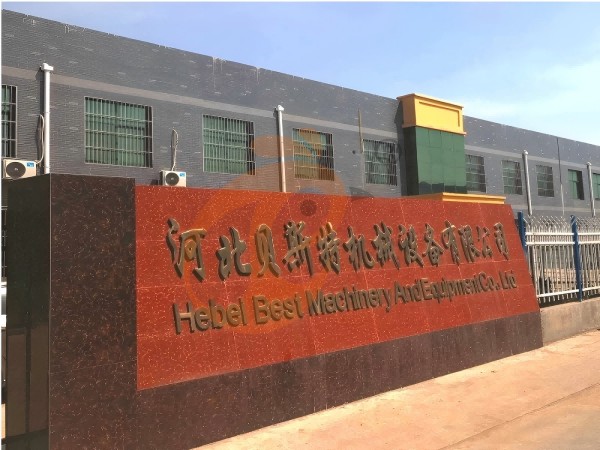
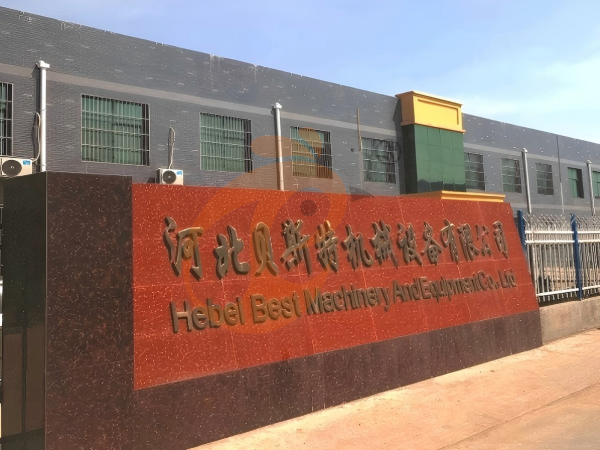
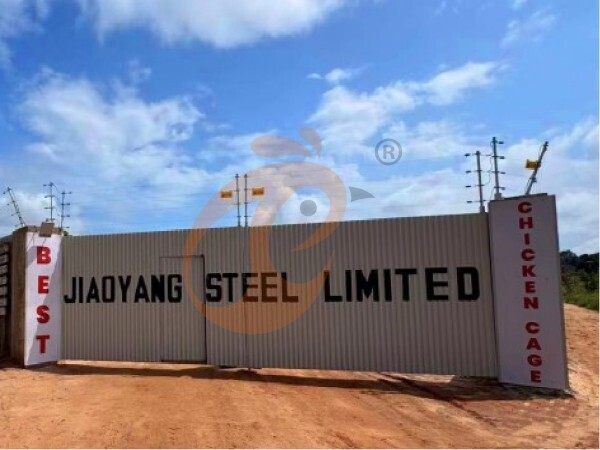
China Hebei Best Machinery And Equipment CO., LTD
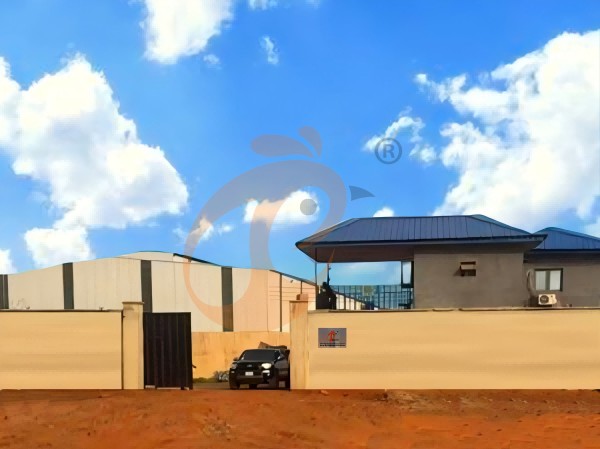
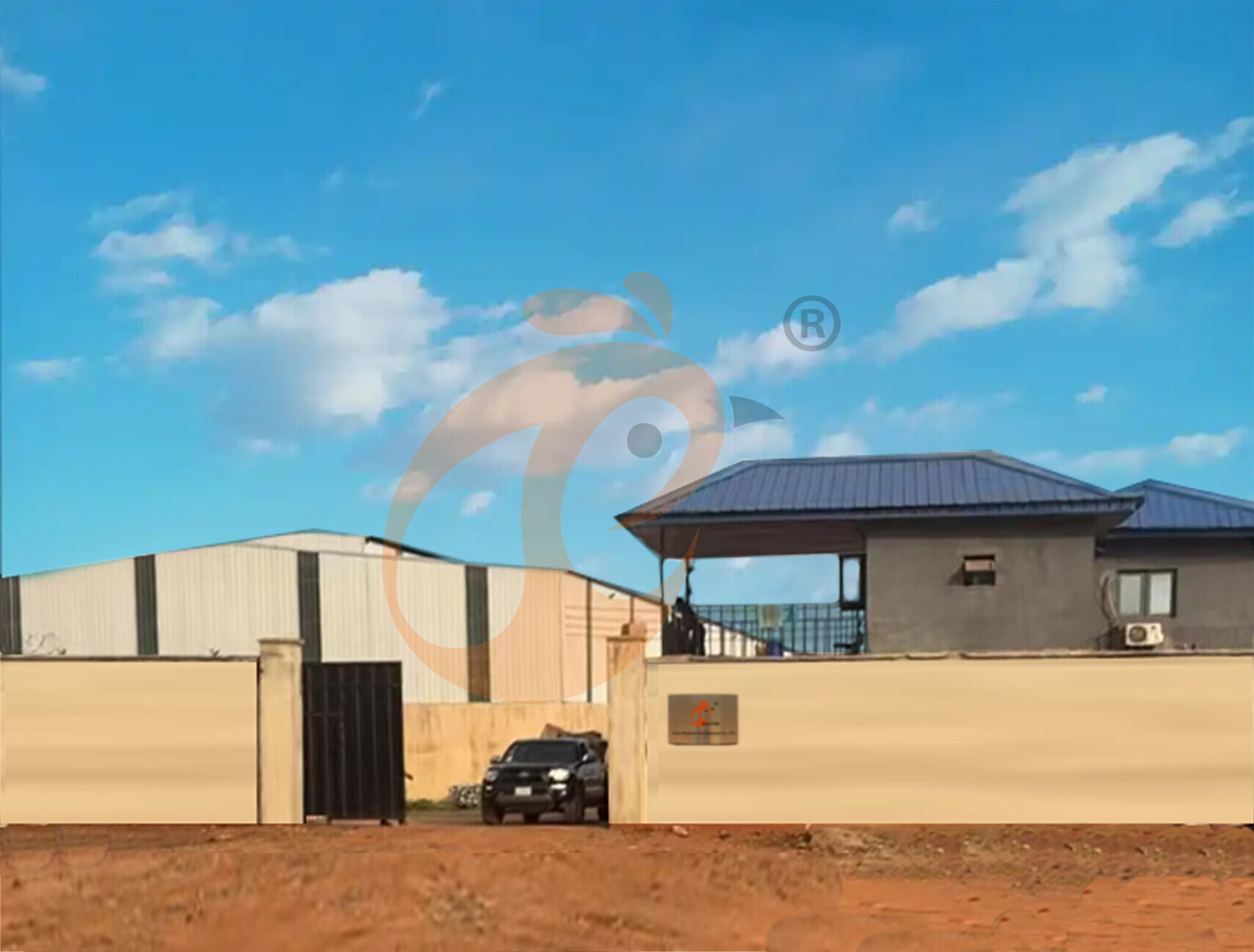
Nigeria Vanke Machinery And Equipment CO., LTD
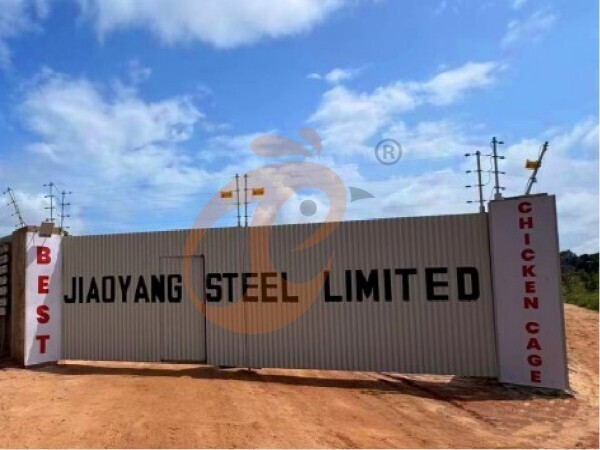
Tanzania Best Machinery And Equipment CO., LTD
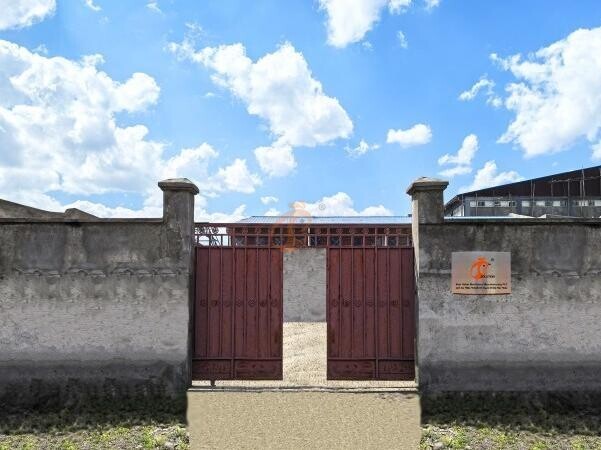
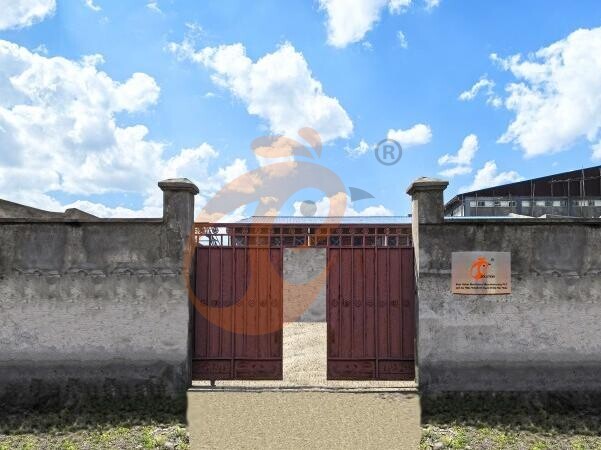
Ethiopia Best Hebei Machinery Manufacturing PLC
Reception /24 WhatsApp NO. : +8618830120193
FAQ
What Ventilation Requirements Are Needed In Floor Rearing Poultry System For Poultry Chicken Farms?
Tunnel airflow velocity ranges from 1.8–2.5 m/s for heat stress reduction.
Static pressure levels are controlled at 18–28 Pa for uniform air distribution.
What Litter Management Standards Are Used In Floor Rearing Poultry System For Poultry Chicken Production?
Moisture content is controlled below 25% to prevent ammonia buildup.
Replacement cycle occurs every 35–45 days depending on flock density.
What Feeding System Configuration Is Used In Floor Rearing Poultry System For Poultry Chicken Farms?
Feed distribution speed ranges from 12–18 meters per minute in automated lines.
Feed trough height is adjusted between 5–10 cm for chick accessibility.
Message
Products recommended
 HK Headquarter Offers EU-standard Poultry Farm Solutions, Manufacture Poultry Farm Equipment1. Continuous communication with the EU and the US
2. China, Nigeria, Ethiopia, Tanzania branch companies and factories
3. The products’ quality is customized for local poultry farms
4. Poultry cage and poultry farm equipment stock for sale
5. 24 online reception Whatsapp NO. : +8618830120193,contact us to get full informationRead More China Branch Offer Poultry Farm Business Plan, Manufacture Poultry Farm Equipment1. Address: Flat/RM 2416, 24/F, Runxing Building, Youyi Nan Street, Shijiazhuang City, Hebei Province, China
2. Poultry cage and poultry farm equipment factory and stock for sale
3. Customized for local poultry farms
4. Quality and design are based on Euro
5. 24 online reception Whatsapp NO. : +8618830120193Read More Nigeria Branch Offer Poultry Farm Business Plan, Manufacture Poultry Farm Equipment1. Address: After Sinoma Office, 200 Meters Near Danco Filling Station, Lagos/Ibadan Expressway, Lagos State, Nigeria
2. Poultry cage and poultry farm equipment factory and stock for sale
3. Customized for Nigerian poultry farms
4. Quality and design are based on Euro
5. 24 online reception Whatsapp NO. : +8618830120193Read More Ethiopia Branch Offer Poultry Farm Business Plan, Manufacture Poultry Farm Equipment1. Address: Gelan Gura, Akaki-kaliti Sub City, Addis Ababa, Ethiopia
2. Poultry cage and poultry farm equipment stock for sale
3. Customized for Ethiopian poultry farms
4. Quality and design are based on Euro
5. 24 online reception Whatsapp NO. : +8618830120193, contact us to get price listRead More Tanzania Branch Offer Poultry Farm Business Plan, Manufacture Poultry Farm Equipment1. Address: No.8, Sova Road, Msufini, Mlandizi, Kibaha, Pwani, Tanzania
2. Poultry cage and poultry farm equipment factory and stock for sale
3. Customized for Tanzanian poultry farms
4. Quality and design are based on Euro
5. 24 online reception Whatsapp NO. : +8618830120193Read More Fully Automatic H Type Layer Chicken Cage1. 30,000-100,000+ layers/house chooses it, Poultry farmers can achieve an egg production rate of 96-98%
2. A significant improvement over the 85-90% typically seen in manual systems
3. A typical poultry farm can expect a 30-40% reduction in labor costs due to the automation
4. Each feeding line efficiently supplies feed to around 100,000 hens per 30 mins
5. Reception /WhatsApp NO. : +8618830120193Read More Fully Automatic A Type Layer Chicken Cage1. 10,000-50,000 layers/house chooses it
2. Cleaner egg collection reduces breakage by 0.5%
3. Improved hygiene helps reduce mortality rate to <3%
4. 1–2 technicians can handle 15,000–30,000 birds
5. Reception /WhatsApp NO. : +8618830120193Read More Semi Automatic H Type Layer Chicken Cage1. 1,00-20,000 layers/house chooses it
2. Nipple drinkers flow 30–60 ML / min
3. Hot-dip galvanized (typical coating ≥ 275 g/m²)
4. Reduce ammonia by ~ 35–40%
5. Reception /WhatsApp NO. : +8618830120193Read More Semi Automatic A Type Layer Chicken Cage1. 1,00-20,000 layers/house chooses it, no rust for 10 years, no deformation for 15 years
2. Chickens live comfortably, you can raise them with peace of mind
3. Save water, save money—efficiency you can measure
4. Improve environment quality, and increase egg production rate
5. Reception /WhatsApp NO. : +8618830120193Read More

By clicking 'Allow All', you agree to the storage of cookies on your device to enhance site navigation, analyze site usage and assist with our marketing efforts.