






Blog
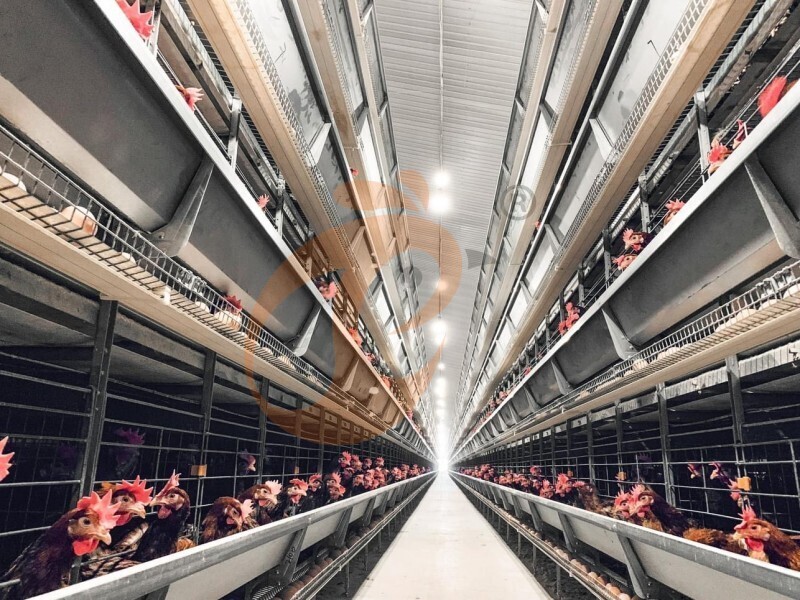
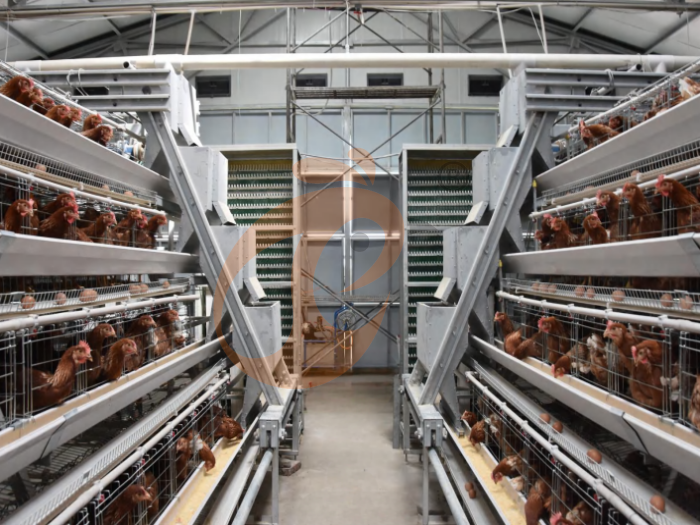
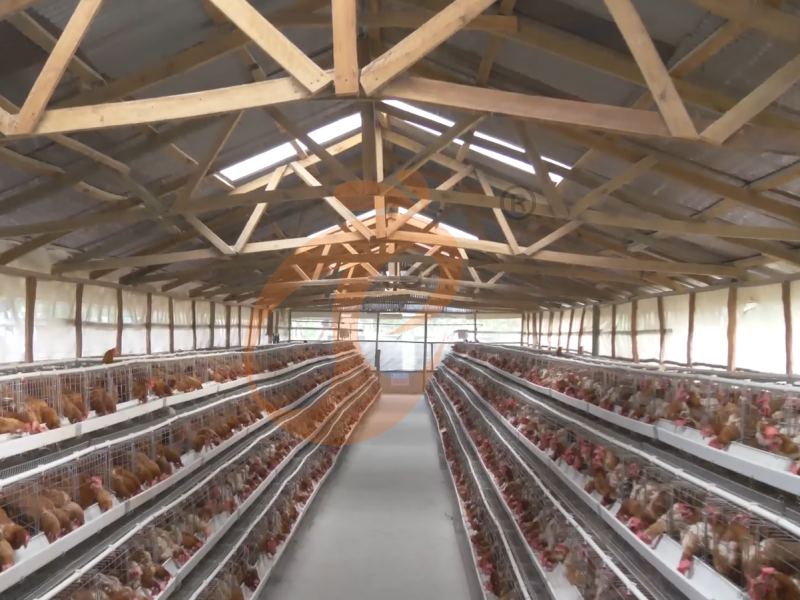
Free range poultry system integrates automated housing structure, outdoor ranging infrastructure, controlled ventilation units, and precision feeding equipment across commercial poultry production farms.
Engineering configuration includes nipple drinking lines supporting 8–12 birds per unit and feeding lines delivering 4–6 cm space per bird.
Production framework enhances egg output stability through balanced lighting schedules, environmental control systems, and nutritional feed formulation technology.
Operational model improves animal welfare performance, product quality metrics, and long-term farm economic efficiency under scalable industrial poultry farming conditions.
Get professional poultry farm construction guidance, equipment selection solutions, and the latest price lists, whatsApp to +8618830120193, +2348111199996, or click to learn more.
System Architecture and Engineering Design
Free range poultry system functions as a complete livestock production infrastructure combining indoor housing and outdoor grazing fields.
Modern farms integrate modular poultry houses, automated feeding lines, and controlled ventilation systems to stabilize production cycles.
Data is for reference only.Swipe horizontally to view full table.
Global Market Adoption And Industry Distribution
Free range poultry farming continues to expand due to welfare certification standards and retail demand.
OECD-FAO agricultural datasets indicate strong regional variation in adoption rates across global poultry industries.
Data is for reference only.Swipe horizontally to view full table.
Poultry Movement And Activity Performance Data
Bird movement directly affects metabolism, bone strength, and muscle development.
Activity tracking systems in commercial poultry farms provide measurable behavioral data under different production models.
Data is for reference only.Swipe horizontally to view full table.
Egg Production Performance And Efficiency Metrics
Commercial free range poultry systems maintain stable production through optimized nutrition and lighting programs.
Production efficiency remains comparable with conventional cage systems under controlled management conditions.
Data is for reference only.Swipe horizontally to view full table.
Nutritional Composition And Product Value Analysis
Egg composition varies due to outdoor exposure, natural forage intake, and sunlight-driven vitamin synthesis.
Controlled feeding trials confirm measurable nutritional differences.
Data is for reference only.Swipe horizontally to view full table.
Disease Control And Veterinary Input Reduction
Free range poultry environments reduce concentrated pathogen transmission by dispersing flock movement across wider areas.
Veterinary usage data demonstrates reduced dependency on antibiotics under structured management systems.
Data is for reference only.Swipe horizontally to view full table.
Feed Intake Structure And Natural Foraging Contribution
Feed consumption in free range systems includes both formulated feed and natural forage intake from outdoor environments.
This structure improves digestive efficiency and nutrient diversity.
Data is for reference only.Swipe horizontally to view full table.
Environmental Load And Waste Management System
Free range poultry systems distribute manure across larger land areas.
This reduces concentrated ammonia accumulation and improves soil nutrient cycling efficiency.
Data is for reference only.Swipe horizontally to view full table.
Economic Investment And Cost Structure
Free range poultry system requires higher land and fencing investment but reduces long term veterinary and medication costs.
Data is for reference only.Swipe horizontally to view full table.
Market Pricing And Commercial Value Structure
Consumer demand for welfare-certified poultry products drives higher retail pricing and stronger brand positioning in global markets.
Data is for reference only.Swipe horizontally to view full table.
Physiological Mechanism And Biological Efficiency
Sunlight exposure in free range poultry systems activates vitamin D3 synthesis in dermal tissues.
This supports calcium transport regulation in intestinal absorption pathways and improves eggshell mineral deposition consistency during laying cycles.
Research in poultry physiology shows that birds exposed to natural daylight cycles achieve more stable endocrine rhythms.
Field observations indicate that birds with regular outdoor activity show 12–18% improvement in bone mineral density compared with fully confined production groups.
This contributes to reduced structural stress during peak laying periods and improved long term productivity stability.
Frequently Asked Questions
Q1: What is the core structure of a free range poultry system?
A1: A free range poultry system integrates indoor housing units, outdoor grazing zones, feeding lines, drinking systems, and ventilation control infrastructure for commercial production.
Q2: How does free range system affect production efficiency?
A2: Production efficiency remains stable under managed conditions with optimized nutrition and environmental control systems supporting consistent laying performance.
Q3: What improves egg nutritional composition in free range systems?
A3: Outdoor forage intake and sunlight exposure increase vitamin and fatty acid accumulation, improving overall egg nutritional profile.
Taiyu (HK) Group - One Of China Toppest Free Range Poultry System Manufacturer
Free range poultry system equipment integrates housing structure, feeding line, drinking system, and ventilation engineering for commercial farms.
Global factory direct supply supports poultry cage system, poultry farming equipment, and integrated poultry production solutions.
Turn key project service includes farm planning, installation, commissioning, and system integration delivery.
Hybrid poultry cage and free range systems support scalable egg production farm construction worldwide.
International export manufacturing standard ensures stable performance for industrial poultry automation projects.
Contact Us To Received Your Customized Poultry Farm Plan
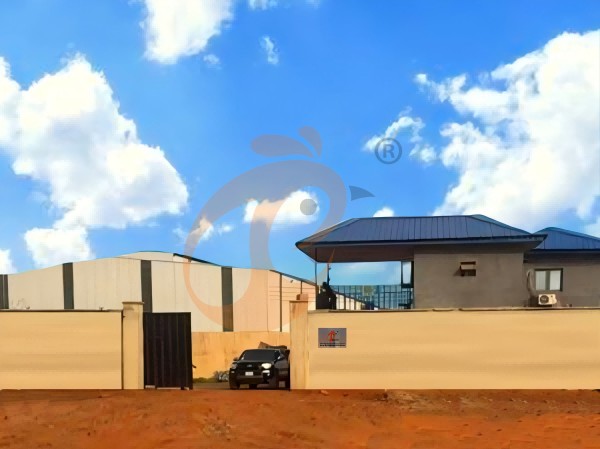
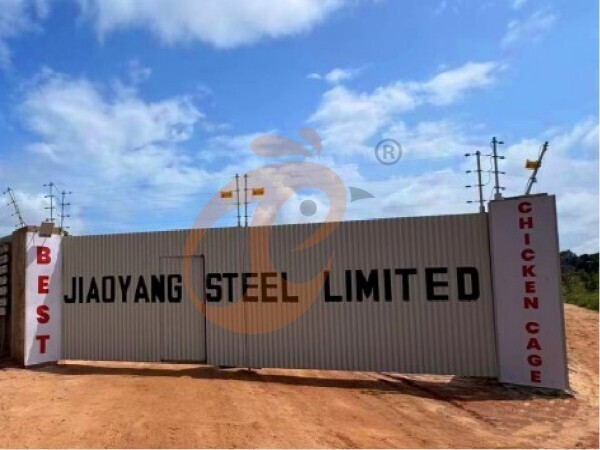
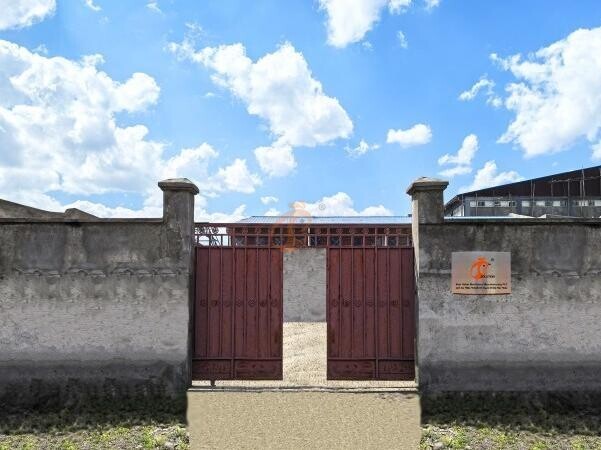
Headquarters And Branchs
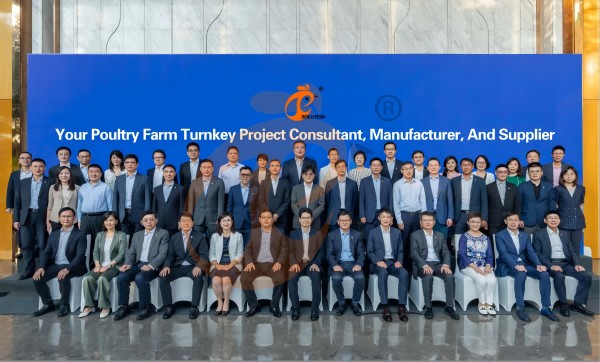
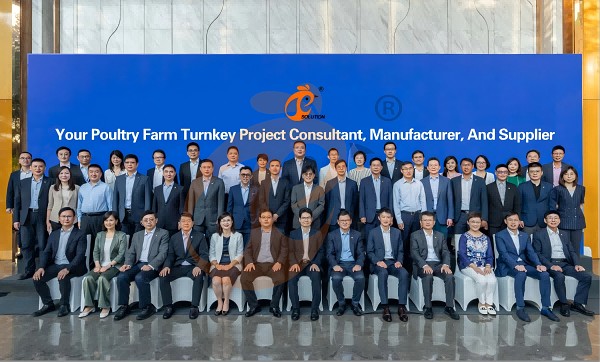
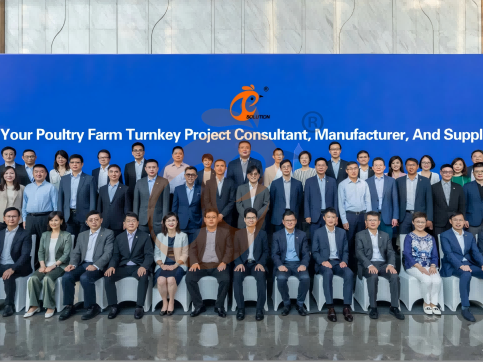
Hong Kong Headquarter Management Team
Hong Kong Headquarter Taiyu Industrial Group CO., LTD
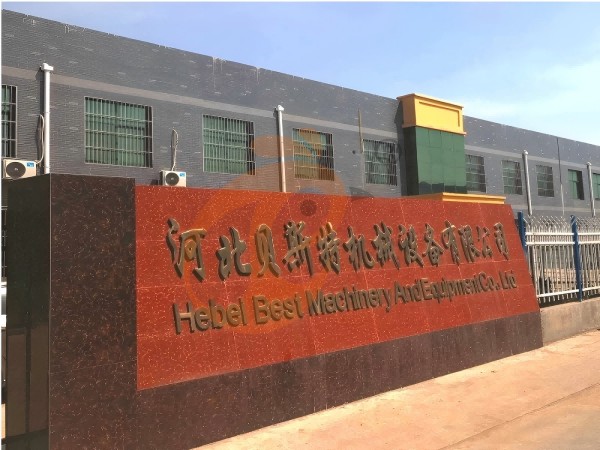
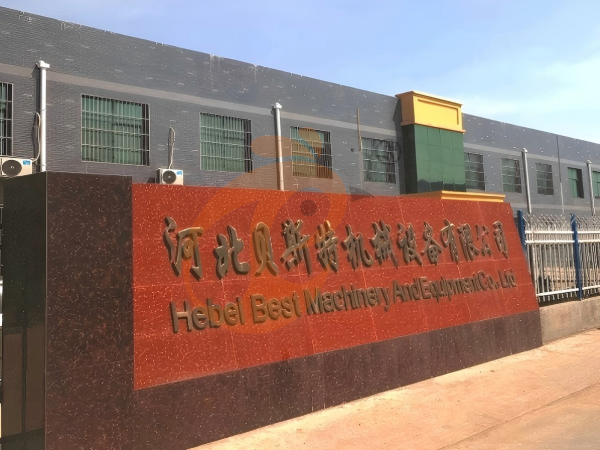
China Hebei Best Machinery And Equipment CO., LTD
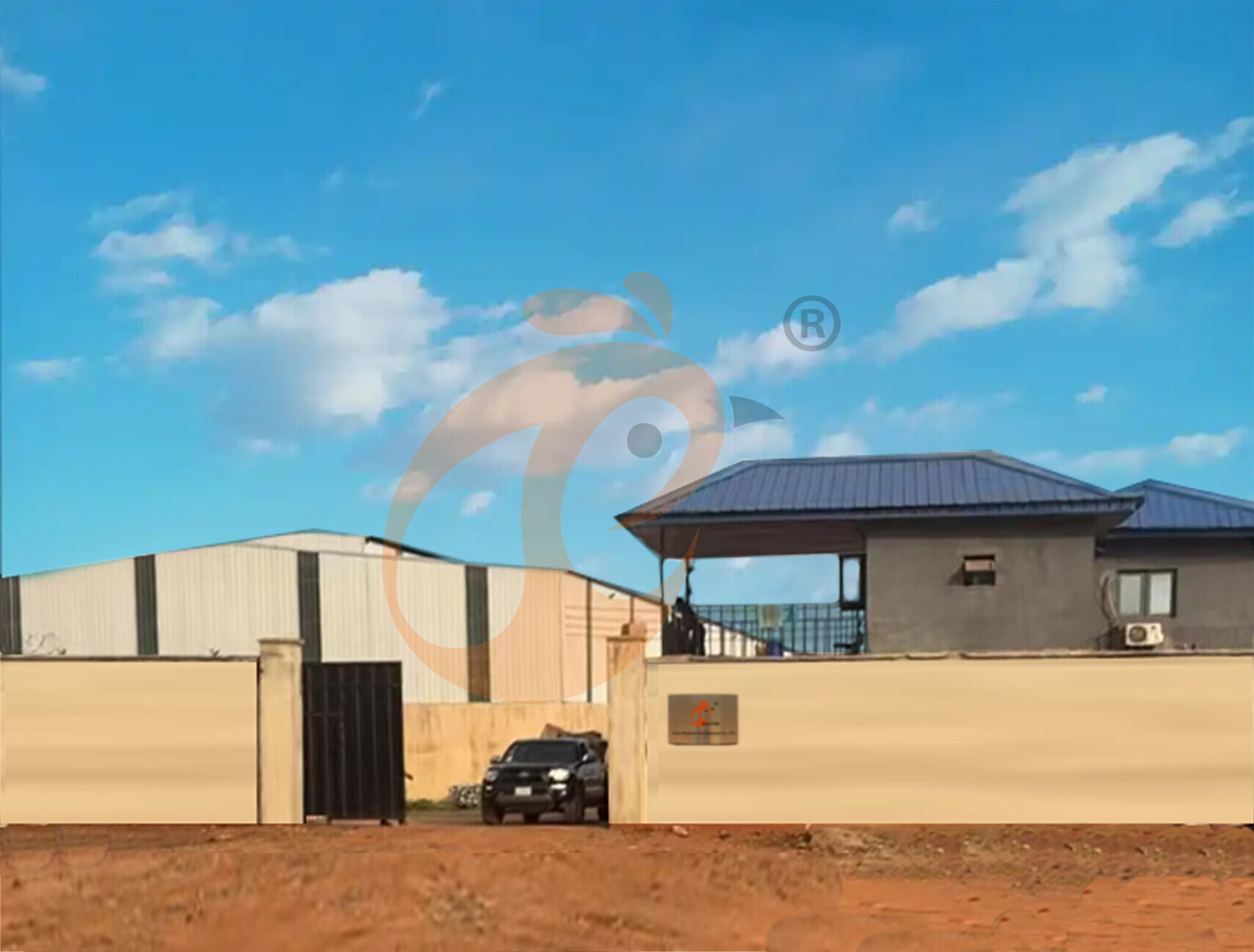
Nigeria Vanke Machinery And Equipment CO., LTD
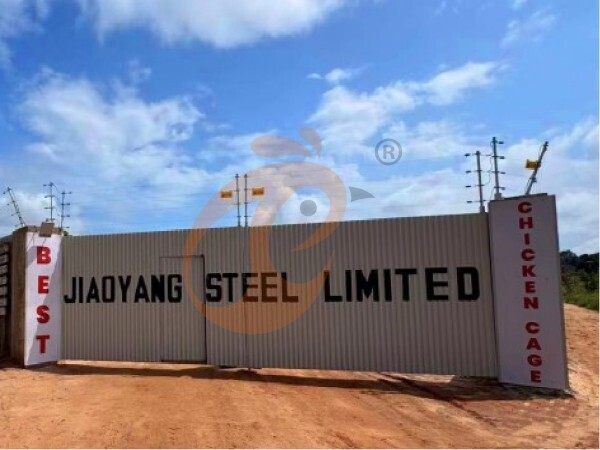
Tanzania Best Machinery And Equipment CO., LTD
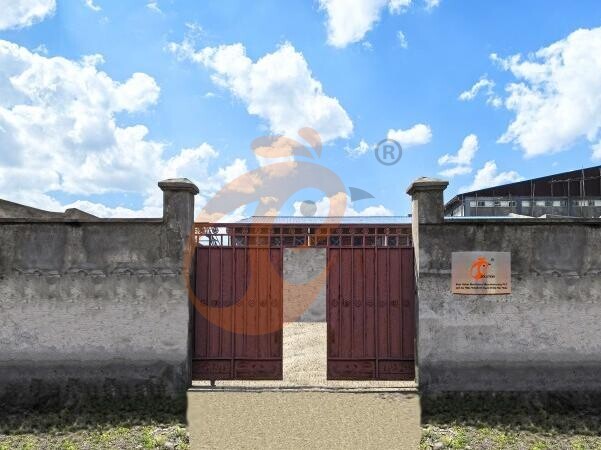
Ethiopia Best Hebei Machinery Manufacturing PLC
Reception /24 WhatsApp NO. : +8618830120193
FAQ
Which Environmental Factors Most Influence Performance In Free Range Poultry System For Poultry Chicken Farms?
Ground temperature fluctuates between 12–28°C affecting grazing activity intensity.
Wind speed tolerance is maintained at 1–3 m/s for outdoor comfort stability.
Why Does Free Range Poultry System Improve Meat Quality In Poultry Chicken Production?
Intramuscular fat content stabilizes at 2.5%–4.0% improving texture balance.
Protein digestibility improves to 88%–94% under natural feeding conditions.
How Is Land Utilization Managed In Free Range Poultry System For Poultry Chicken Farming?
Land recovery efficiency reaches 70%–85% vegetation regrowth per cycle.
Stocking rotation density is maintained at 6–9 birds per hectare for sustainability.
Message
Products recommended
 HK Headquarter Offers EU-standard Poultry Farm Solutions, Manufacture Poultry Farm Equipment1. Continuous communication with the EU and the US
2. China, Nigeria, Ethiopia, Tanzania branch companies and factories
3. The products’ quality is customized for local poultry farms
4. Poultry cage and poultry farm equipment stock for sale
5. 24 online reception Whatsapp NO. : +8618830120193,contact us to get full informationRead More China Branch Offer Poultry Farm Business Plan, Manufacture Poultry Farm Equipment1. Address: Flat/RM 2416, 24/F, Runxing Building, Youyi Nan Street, Shijiazhuang City, Hebei Province, China
2. Poultry cage and poultry farm equipment factory and stock for sale
3. Customized for local poultry farms
4. Quality and design are based on Euro
5. 24 online reception Whatsapp NO. : +8618830120193Read More Nigeria Branch Offer Poultry Farm Business Plan, Manufacture Poultry Farm Equipment1. Address: After Sinoma Office, 200 Meters Near Danco Filling Station, Lagos/Ibadan Expressway, Lagos State, Nigeria
2. Poultry cage and poultry farm equipment factory and stock for sale
3. Customized for Nigerian poultry farms
4. Quality and design are based on Euro
5. 24 online reception Whatsapp NO. : +8618830120193Read More Ethiopia Branch Offer Poultry Farm Business Plan, Manufacture Poultry Farm Equipment1. Address: Gelan Gura, Akaki-kaliti Sub City, Addis Ababa, Ethiopia
2. Poultry cage and poultry farm equipment stock for sale
3. Customized for Ethiopian poultry farms
4. Quality and design are based on Euro
5. 24 online reception Whatsapp NO. : +8618830120193, contact us to get price listRead More Tanzania Branch Offer Poultry Farm Business Plan, Manufacture Poultry Farm Equipment1. Address: No.8, Sova Road, Msufini, Mlandizi, Kibaha, Pwani, Tanzania
2. Poultry cage and poultry farm equipment factory and stock for sale
3. Customized for Tanzanian poultry farms
4. Quality and design are based on Euro
5. 24 online reception Whatsapp NO. : +8618830120193Read More Fully Automatic H Type Layer Chicken Cage1. 30,000-100,000+ layers/house chooses it, Poultry farmers can achieve an egg production rate of 96-98%
2. A significant improvement over the 85-90% typically seen in manual systems
3. A typical poultry farm can expect a 30-40% reduction in labor costs due to the automation
4. Each feeding line efficiently supplies feed to around 100,000 hens per 30 mins
5. Reception /WhatsApp NO. : +8618830120193Read More Fully Automatic A Type Layer Chicken Cage1. 10,000-50,000 layers/house chooses it
2. Cleaner egg collection reduces breakage by 0.5%
3. Improved hygiene helps reduce mortality rate to <3%
4. 1–2 technicians can handle 15,000–30,000 birds
5. Reception /WhatsApp NO. : +8618830120193Read More Semi Automatic H Type Layer Chicken Cage1. 1,00-20,000 layers/house chooses it
2. Nipple drinkers flow 30–60 ML / min
3. Hot-dip galvanized (typical coating ≥ 275 g/m²)
4. Reduce ammonia by ~ 35–40%
5. Reception /WhatsApp NO. : +8618830120193Read More Semi Automatic A Type Layer Chicken Cage1. 1,00-20,000 layers/house chooses it, no rust for 10 years, no deformation for 15 years
2. Chickens live comfortably, you can raise them with peace of mind
3. Save water, save money—efficiency you can measure
4. Improve environment quality, and increase egg production rate
5. Reception /WhatsApp NO. : +8618830120193Read More
By clicking 'Allow All', you agree to the storage of cookies on your device to enhance site navigation, analyze site usage and assist with our marketing efforts.