






Blog
Free range poultry system management integrates welfare, environment, and productivity planning across outdoor and housing systems for modern farming operations.
Simplified monitoring routines are presented covering feeding housing predator control and environmental stability within structured poultry farming systems framework design.
Farmers benefit from structured observation methods that reduce losses improve egg output and maintain flock welfare under variable conditions daily.
Overall guidance highlights practical steps for implementing free range chicken farming system across diverse climates and commercial production scales globally.
Get professional poultry farm construction guidance, equipment selection solutions, and the latest price lists, whatsApp to +8618830120193, +2348111199996, or click to learn more.
Check 1: Flock Health Observation
Morning inspection acts as a biological radar system where subtle behavioral shifts reveal deeper physiological changes before visible symptoms appear.
Early pattern recognition reduces intervention cost and improves survival outcomes in large scale poultry environments.
Data is for reference only.Swipe horizontally to view full table.
Respiratory and mobility diagnostic monitoring set
Behavioral deviations must be interpreted collectively rather than individually since single symptoms may reflect temporary environmental stress rather than disease onset.
Check 2: Feed And Water Availability
Nutritional infrastructure stability directly determines metabolic efficiency and egg laying consistency in free range poultry ecosystems.
Even minor disruptions in feed or water flow can cascade into flock wide productivity imbalance within 24 hours.
Data is for reference only.Swipe horizontally to view full table.
Hydration and nutrient delivery performance dataset
System evaluation should focus on continuity of access rather than static availability, ensuring birds experience uninterrupted intake cycles throughout the day.
Check 3: Outdoor Range Condition
Outdoor environments function as both feeding grounds and immune conditioning zones where biodiversity directly influences flock resilience.
Soil and vegetation quality act as long term indicators of ecosystem sustainability within poultry rotation planning.
Data is for reference only.Swipe horizontally to view full table.
Environmental load and soil utilization metrics
Range assessment must integrate vegetation recovery cycles since overuse of land reduces parasite resistance and long-term carrying capacity.
Check 4: Egg Collection And Quality Control
Egg handling operations represent the most sensitive interface between biological production and commercial value realization.
Timing precision determines both shell integrity and microbial exposure risk across collection cycles.
Data is for reference only.Swipe horizontally to view full table.
Shell integrity and production output metrics.
Quality degradation often begins at the point of delay rather than at the point of production, making timing discipline a critical control variable.
Check 5: Predator And Pest Surveillance
Ecological pressure from predators and pests creates continuous external stress that shapes flock behavior and survival strategies.
Security design must therefore integrate both physical barriers and environmental deterrence mechanisms.
Data is for reference only.Swipe horizontally to view full table.
Biosecurity exposure and intrusion metrics.
Effective protection systems rely on layered defense structures where failure of one layer does not expose the entire flock.
Check 6: Housing And Night Shelter Condition
Night housing transitions the flock into a controlled microenvironment where metabolic recovery and safety converge.
Structural stability and air quality directly influence immune regeneration during rest cycles.
Data is for reference only.Swipe horizontally to view full table.
Microclimate stability and structural integrity indicators
Environmental stability during nighttime determines the baseline performance capacity of the following production day.
Check 7: Waste Management And Biosecurity
Waste streams represent both nutrient recycling potential and contamination risk pathways within poultry ecosystems.
Efficient removal systems prevent microbial buildup and reduce secondary infestation risks.
Data is for reference only.Swipe horizontally to view full table.
Organic residue and contamination load indicators
Waste control effectiveness is directly proportional to cleaning frequency rather than cleaning intensity.
Integrated Daily Checklist Summary
Operational flow mapping transforms fragmented tasks into predictable biological management cycles.
Temporal sequencing ensures that each system component receives attention aligned with flock activity rhythms.
Data is for reference only.Swipe horizontally to view full table.
Farm operation time allocation structure
System rhythm stability reduces human error probability and strengthens long term operational consistency.
Frequently Asked Questions
Q1: What is the recommended ammonia threshold for poultry housing safety?
A1: Most commercial systems maintain ammonia around 10–25 ppm depending on ventilation design.
Values above 25 ppm begin affecting respiratory efficiency and feed conversion stability.
Q2: How is water intake variability measured in free range systems?
A2: Water intake is typically measured in 160–320 ml per bird per day depending on temperature.
Deviation beyond 20 percent may indicate system blockage or flock stress response.
Q3: What shell quality parameter is most sensitive to environmental change?
A3: Albumen height reacts fastest to nutritional and thermal fluctuations.
A drop below 4 mm often signals early production stress within 48 hours.
Taiyu (HK) Group - One Of China Largest Poultry System Management Manufacturer
Free range poultry system management is deployed in 20000 to 500000 bird capacity farms with automated monitoring integration.
Global factory direct supply chain supports standardized poultry equipment production and export compliance across multiple regions.
Turn key engineering services include farm design installation commissioning and operator training for complete system deployment.
Integrated solutions cover feeding systems ventilation cages and waste control modules with technical customization options available.
Commercial projects emphasize modular scalability stable output and long term operational efficiency for industrial poultry farming.
Contact Us To Received Your Customized Poultry Farm Plan
Headquarters And Branchs

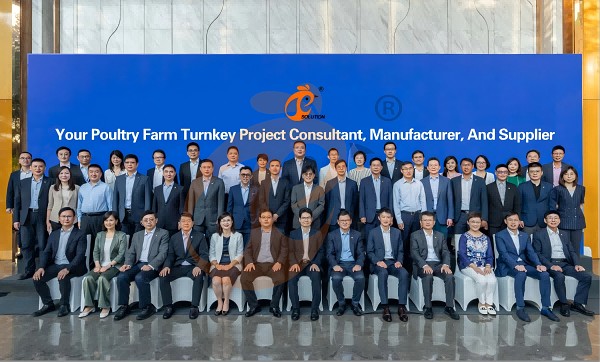
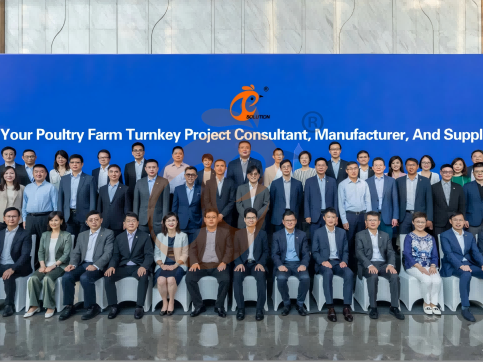
Hong Kong Headquarter Management Team
Hong Kong Headquarter Taiyu Industrial Group CO., LTD
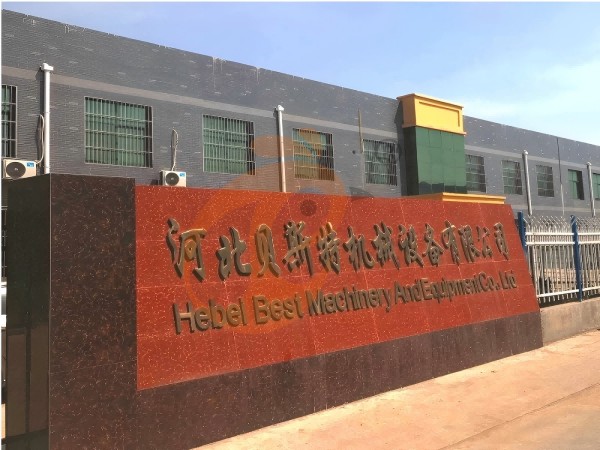
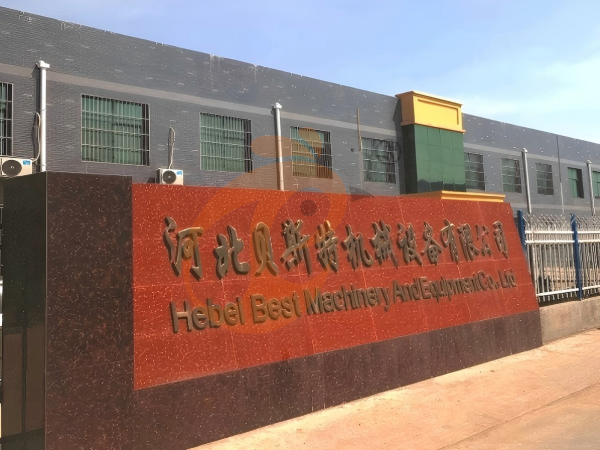
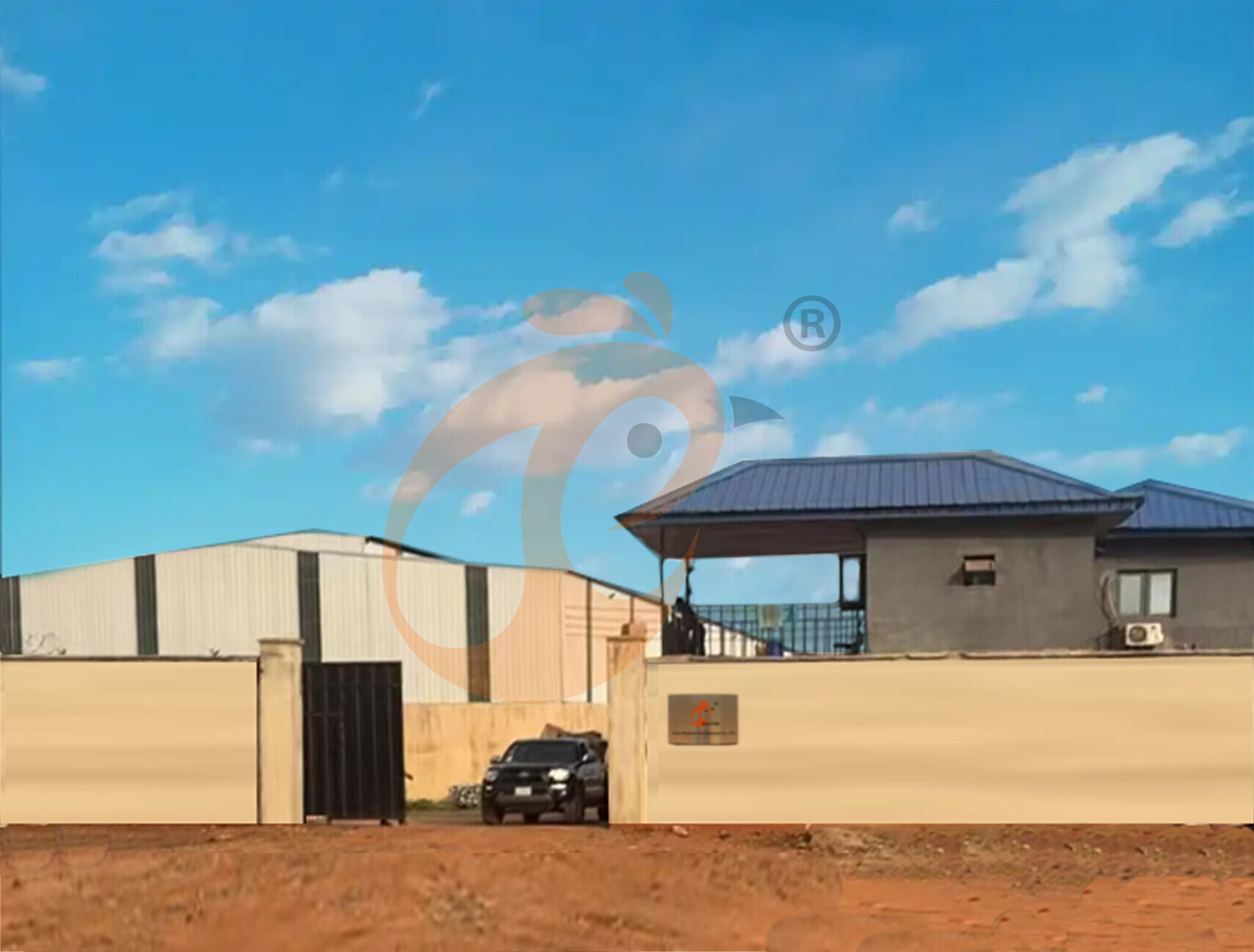
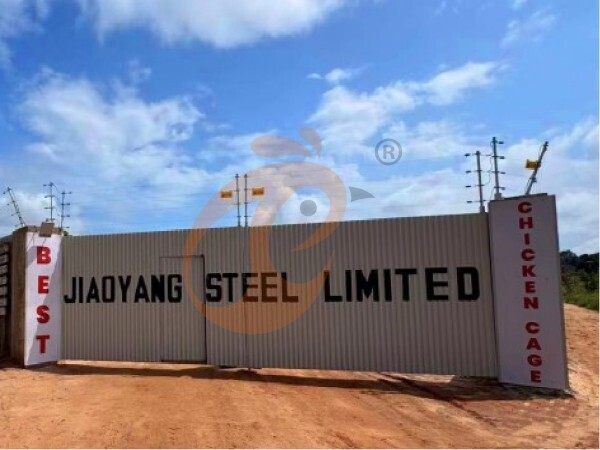
China Hebei Best Machinery And Equipment CO., LTD
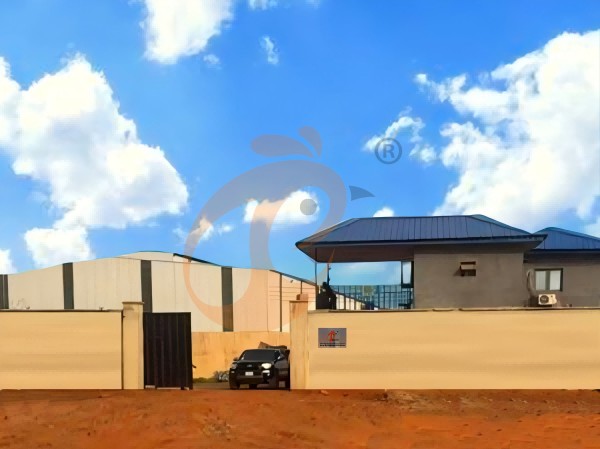
Nigeria Vanke Machinery And Equipment CO., LTD
Tanzania Best Machinery And Equipment CO., LTD
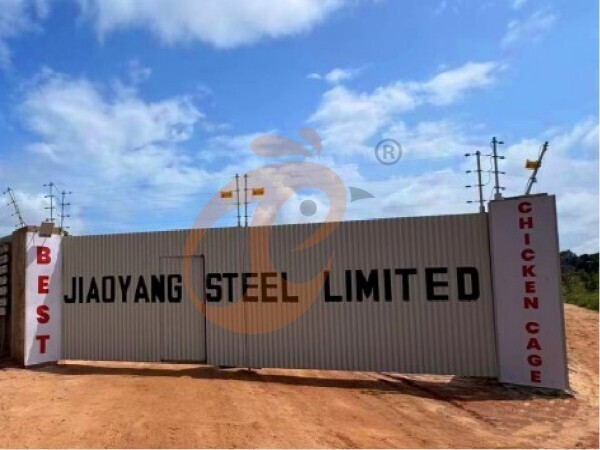
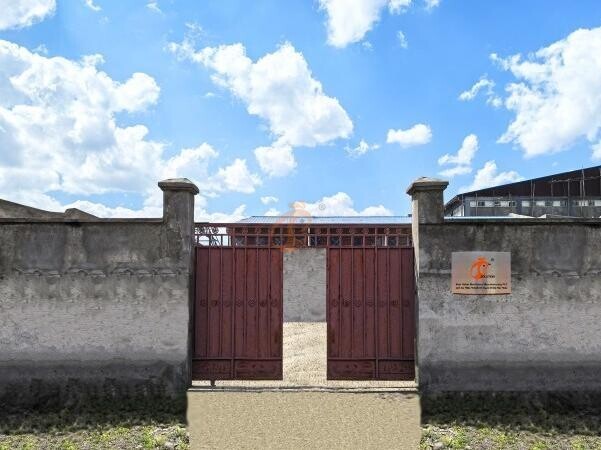
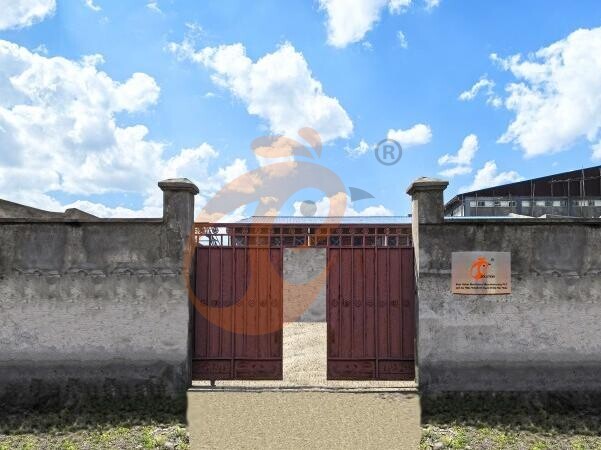
Ethiopia Best Hebei Machinery Manufacturing PLC
Reception /24 WhatsApp NO. : +8618830120193
FAQ
How Does Free Range System Affect Feed Consumption?
Energy expenditure increases daily intake variation by 15%–22% across seasons.
Feed conversion efficiency ranges from 1.9–2.3 depending on grazing intensity.
What Are The Housing Transition Management Standards In Free Range Poultry System?
Indoor-outdoor transition time is controlled within 10–15 minutes per flock movement cycle.
Lighting guidance systems operate at 5–8 lux to direct flock movement behavior.
What Are The Seasonal Adaptation Strategies In Free Range Poultry System?
Summer shade coverage is increased to 60%–80% of grazing area for heat stress reduction.
Rainfall drainage capacity handles 25–40 mm per hour precipitation levels for land usability.
Message
Products recommended
 HK Headquarter Offers EU-standard Poultry Farm Solutions, Manufacture Poultry Farm Equipment1. Continuous communication with the EU and the US
2. China, Nigeria, Ethiopia, Tanzania branch companies and factories
3. The products’ quality is customized for local poultry farms
4. Poultry cage and poultry farm equipment stock for sale
5. 24 online reception Whatsapp NO. : +8618830120193,contact us to get full informationRead More China Branch Offer Poultry Farm Business Plan, Manufacture Poultry Farm Equipment1. Address: Flat/RM 2416, 24/F, Runxing Building, Youyi Nan Street, Shijiazhuang City, Hebei Province, China
2. Poultry cage and poultry farm equipment factory and stock for sale
3. Customized for local poultry farms
4. Quality and design are based on Euro
5. 24 online reception Whatsapp NO. : +8618830120193Read More Nigeria Branch Offer Poultry Farm Business Plan, Manufacture Poultry Farm Equipment1. Address: After Sinoma Office, 200 Meters Near Danco Filling Station, Lagos/Ibadan Expressway, Lagos State, Nigeria
2. Poultry cage and poultry farm equipment factory and stock for sale
3. Customized for Nigerian poultry farms
4. Quality and design are based on Euro
5. 24 online reception Whatsapp NO. : +8618830120193Read More Ethiopia Branch Offer Poultry Farm Business Plan, Manufacture Poultry Farm Equipment1. Address: Gelan Gura, Akaki-kaliti Sub City, Addis Ababa, Ethiopia
2. Poultry cage and poultry farm equipment stock for sale
3. Customized for Ethiopian poultry farms
4. Quality and design are based on Euro
5. 24 online reception Whatsapp NO. : +8618830120193, contact us to get price listRead More Tanzania Branch Offer Poultry Farm Business Plan, Manufacture Poultry Farm Equipment1. Address: No.8, Sova Road, Msufini, Mlandizi, Kibaha, Pwani, Tanzania
2. Poultry cage and poultry farm equipment factory and stock for sale
3. Customized for Tanzanian poultry farms
4. Quality and design are based on Euro
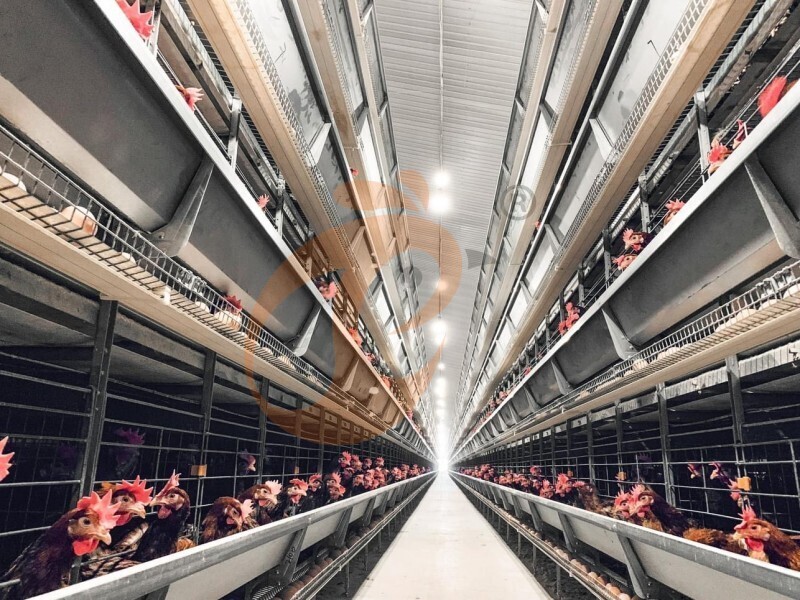
5. 24 online reception Whatsapp NO. : +8618830120193Read More Fully Automatic H Type Layer Chicken Cage1. 30,000-100,000+ layers/house chooses it, Poultry farmers can achieve an egg production rate of 96-98%
2. A significant improvement over the 85-90% typically seen in manual systems
3. A typical poultry farm can expect a 30-40% reduction in labor costs due to the automation
4. Each feeding line efficiently supplies feed to around 100,000 hens per 30 mins
5. Reception /WhatsApp NO. : +8618830120193Read More Fully Automatic A Type Layer Chicken Cage1. 10,000-50,000 layers/house chooses it
2. Cleaner egg collection reduces breakage by 0.5%
3. Improved hygiene helps reduce mortality rate to <3%
4. 1–2 technicians can handle 15,000–30,000 birds
5. Reception /WhatsApp NO. : +8618830120193Read More Semi Automatic H Type Layer Chicken Cage1. 1,00-20,000 layers/house chooses it
2. Nipple drinkers flow 30–60 ML / min
3. Hot-dip galvanized (typical coating ≥ 275 g/m²)
4. Reduce ammonia by ~ 35–40%
5. Reception /WhatsApp NO. : +8618830120193Read More Semi Automatic A Type Layer Chicken Cage1. 1,00-20,000 layers/house chooses it, no rust for 10 years, no deformation for 15 years
2. Chickens live comfortably, you can raise them with peace of mind
3. Save water, save money—efficiency you can measure
4. Improve environment quality, and increase egg production rate
5. Reception /WhatsApp NO. : +8618830120193Read More
By clicking 'Allow All', you agree to the storage of cookies on your device to enhance site navigation, analyze site usage and assist with our marketing efforts.