






Blog
Floor rearing poultry systems support commercial poultry production through controlled environmental architecture, litter based housing stability, and structured spatial planning.
This design framework focuses on airflow efficiency, feeding system layout, structural orientation, and operational hygiene control.
Engineering parameters determine bird growth uniformity, metabolic heat balance, and ammonia dispersion dynamics across housing zones.
Modern poultry farms integrate mechanical ventilation, zoning strategies, and automated feeding systems to improve production consistency.
Explains practical layout rules, structural metrics, and environmental control methods for scalable poultry housing development.
Get professional poultry farm construction guidance, equipment selection solutions, and the latest price lists, whatsApp to +8618830120193, +2348111199996, or click to learn more.
Optimize Orientation And Housing Dimensions
Orientation planning defines solar radiation exposure, internal heat distribution, and longitudinal airflow stability within poultry structures.
In tropical production zones, East–West axis alignment reduces asymmetric wall heating and stabilizes internal litter evaporation rates.
Structural span and ridge height influence air volume exchange efficiency and determine fan power demand in mechanically ventilated systems.
Data is for reference only.Swipe horizontally to view full table.
Stocking density must align with metabolic heat production and litter ammonia generation per square meter.
Data is for reference only.Swipe horizontally to view full table.
Implement Strategic Zoning For Feeding And Watering Systems
Feed and water distribution systems determine flock uniformity, movement efficiency, and energy expenditure across floor areas.
Bird movement radius should remain controlled to reduce congestion pressure around feeding nodes and drinking lines.
Water and feed synchronization supports digestive efficiency and stabilizes daily weight gain curves in intensive production systems.
Data is for reference only.Swipe horizontally to view full table.
Proper spatial balance between feeders and drinkers reduces microbial concentration beneath wet litter zones.
Engineer Precise Ventilation And Air Movement Patterns
Ventilation design regulates ammonia concentration, humidity removal rate, and thermal exchange across litter surfaces.
Airflow in tunnel systems is generated through negative pressure created by axial fan banks positioned at endwall sections.
Incoming air must mix in upper thermal layers before descending to bird height to prevent direct chilling effects.
Data is for reference only.Swipe horizontally to view full table.
Air velocity uniformity prevents localized ammonia accumulation above bird respiration zones.
Design An Integrated Litter And Waste Management Footprint
Litter system design integrates moisture absorption dynamics, microbial load control, and substrate durability performance.
Concrete floor slope supports gravitational drainage during sanitation cycles and prevents long term water retention beneath bedding layers.
Subsoil moisture barriers prevent upward capillary transfer that destabilizes litter dryness equilibrium.
Data is for reference only.Swipe horizontally to view full table.
Moisture stabilization directly reduces ammonia volatilization and bacterial colony expansion within litter substrates.
Incorporate Bio Zoning And Nest Layouts For Breeders Layers
Behavioral zoning improves egg production efficiency by separating feeding, resting, and nesting activity zones.
Lighting gradients guide hens toward nesting compartments and reduce floor egg incidence across production cycles.
Slatted walkways reduce litter contamination transfer into nesting compartments and stabilize hygiene conditions.
Data is for reference only.Swipe horizontally to view full table.
Biosecurity zoning reduces contamination transfer from external equipment and personnel movement pathways.
Operational Design Add-On: Environmental Control Stability Layer
Minimum ventilation rate 0.8 to 1.2 m³/kg live weight per hour
Fan static pressure range 35 to 60 pa
Inlet air velocity target 1.2 to 1.8 m/s at entry point
Relative humidity control band 50% to 70%
Air exchange consistency directly affects litter drying rate and ammonia diffusion stability across floor rearing poultry systems.
Maintaining controlled negative pressure prevents backflow contamination and stabilizes airflow direction from inlet to exhaust zones.
Proper calibration of ventilation capacity per bird mass reduces heat stress events during peak density production cycles and improves overall flock uniformity.
Frequently Asked Questions
Q1: What is the ideal house width for floor rearing poultry systems?
A1: House width depends on ventilation type and bird density load.
Naturally ventilated systems typically operate around 10 to 12 meters to maintain airflow stability.
Tunnel systems can extend up to 14.8 meters due to mechanical air movement capacity.
Q2: How does ventilation affect ammonia levels in poultry houses?
A2: Ventilation controls ammonia dilution by increasing air exchange rate and moisture removal efficiency.
Proper tunnel systems can achieve more than 25 air changes per hour, reducing gas accumulation near litter surfaces.
Q3: What is the recommended litter depth for broiler production?
A3: Most systems use 6 to 10 centimeters depending on substrate type and moisture absorption capacity.
Rice hull systems often operate closer to 6 centimeters due to lower water retention properties.
Taiyu (HK) Group - One Of China Largest Floor Rearing Poultry Equipment Manufacturer
Floor rearing poultry house design systems are applied in broiler farms ranging from 20,000 to 100,000 bird capacity per unit.
Engineering layout includes ventilation integration, feeding automation, and environmental monitoring with precise airflow calibration.
Global factory supply enables standardized poultry equipment manufacturing across controlled industrial production lines.
Turn key engineering service covers design, equipment supply, and installation for commercial poultry infrastructure projects.
Export oriented poultry equipment solutions support scalable farm construction with technical documentation and system integration packages.
Contact Us To Received Your Customized Poultry Farm Plan
Headquarters And Branchs

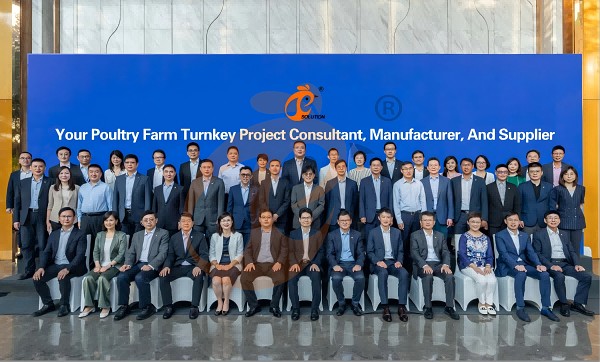
Hong Kong Headquarter Management Team
Hong Kong Headquarter Taiyu Industrial Group CO., LTD
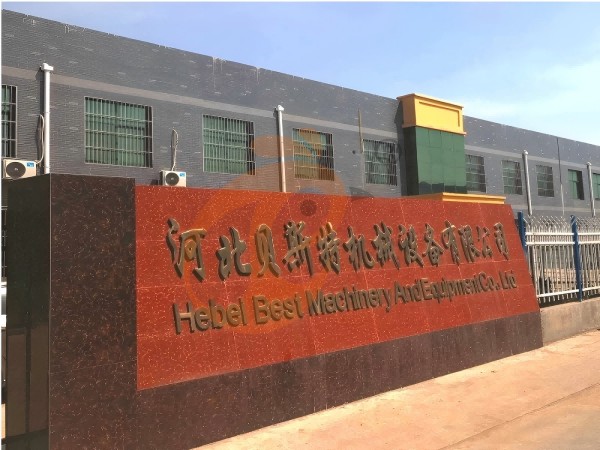
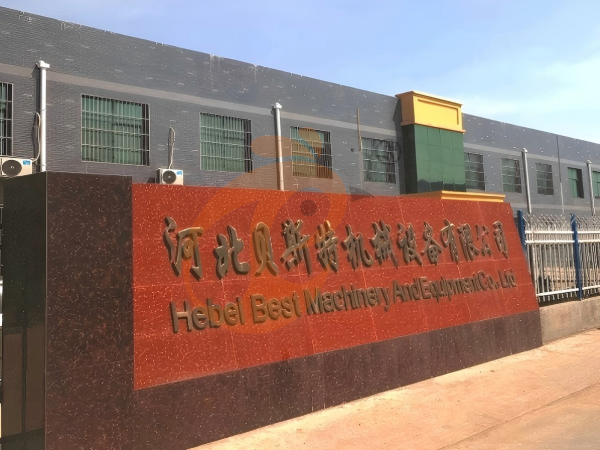
China Hebei Best Machinery And Equipment CO., LTD
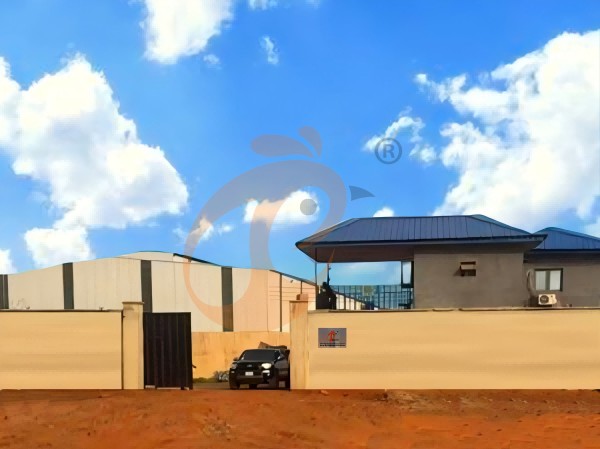
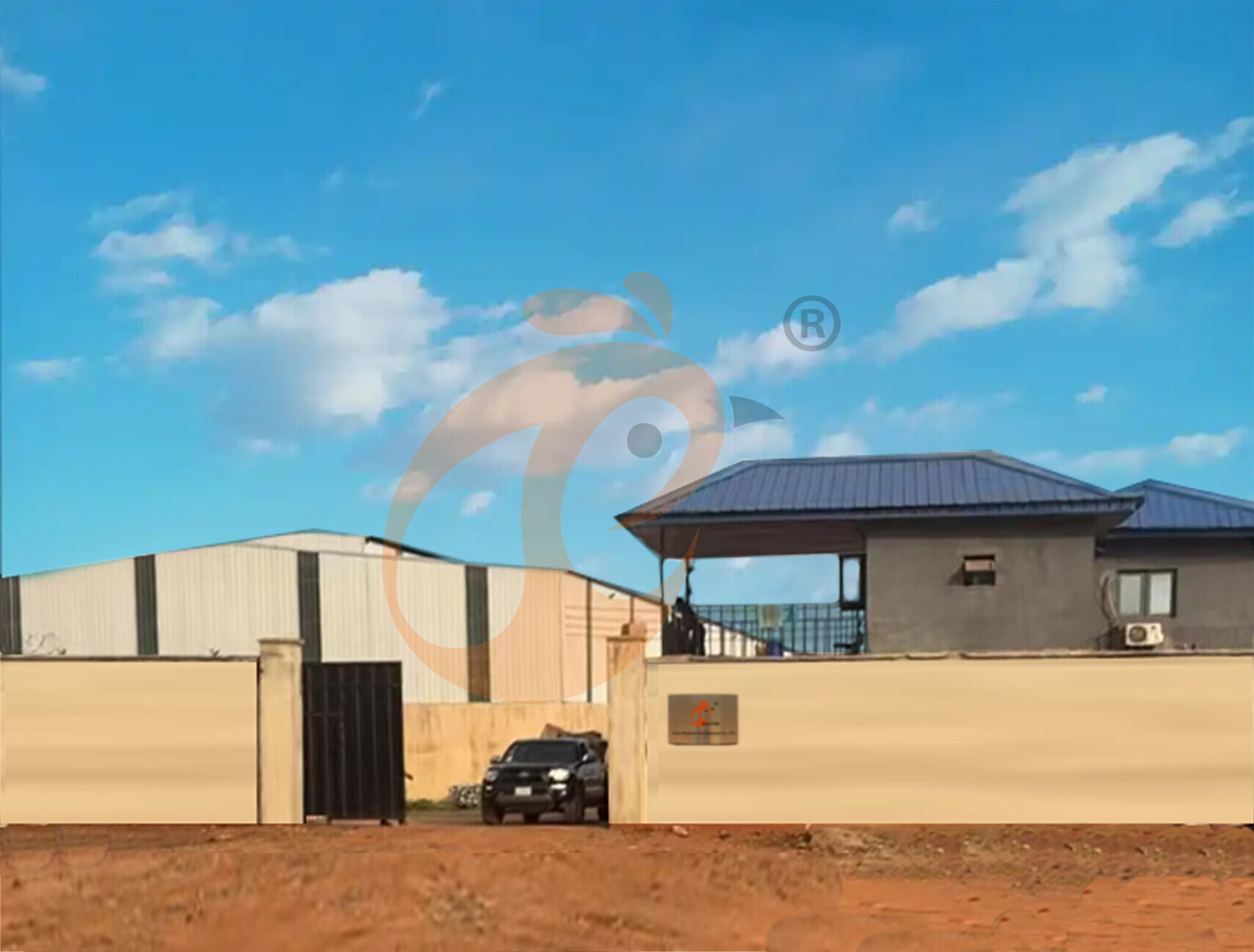
Nigeria Vanke Machinery And Equipment CO., LTD
Tanzania Best Machinery And Equipment CO., LTD
Ethiopia Best Hebei Machinery Manufacturing PLC
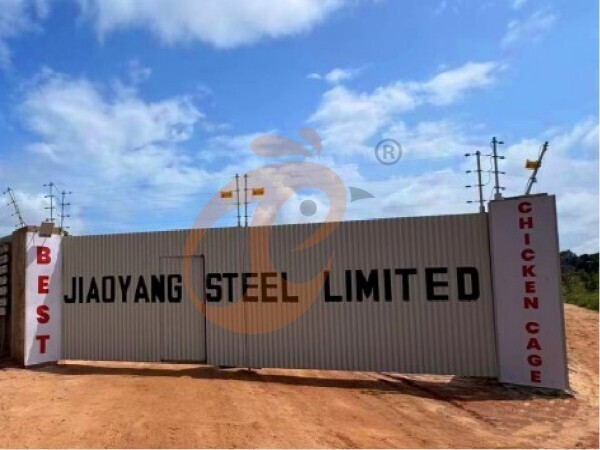
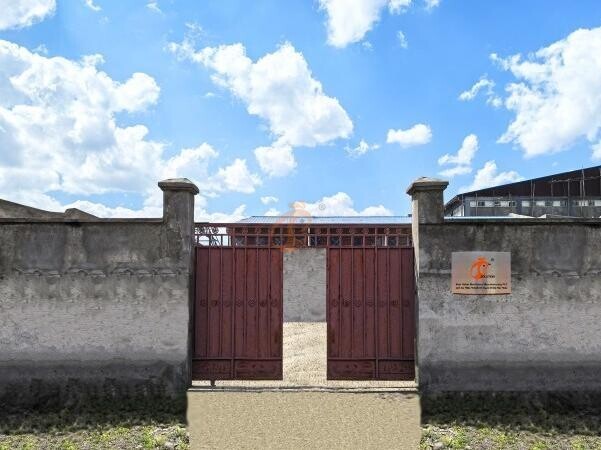
Reception /24 WhatsApp NO. : +8618830120193
FAQ
What Growth Performance Indicators Are Expected In Floor Rearing Poultry System?
Feed conversion ratio is maintained at 1.65–1.85 for commercial broilers.
Market slaughter age ranges from 38–45 days depending on breed selection.
What Disease Control Standards Apply In Floor Rearing Poultry System?
Flock vaccination coverage reaches 90%–98% depending on disease prevention program.
Pathogen reduction targets aim for 80%–90% decrease in bacterial load.
What Are The Manure Management Requirements In Floor Rearing Poultry System?
Ammonia emission control targets remain below 15 ppm through regular cleaning cycles.
Dry matter content is maintained above 65% to improve composting efficiency.
Message
Products recommended
 HK Headquarter Offers EU-standard Poultry Farm Solutions, Manufacture Poultry Farm Equipment1. Continuous communication with the EU and the US
2. China, Nigeria, Ethiopia, Tanzania branch companies and factories
3. The products’ quality is customized for local poultry farms
4. Poultry cage and poultry farm equipment stock for sale
5. 24 online reception Whatsapp NO. : +8618830120193,contact us to get full informationRead More China Branch Offer Poultry Farm Business Plan, Manufacture Poultry Farm Equipment1. Address: Flat/RM 2416, 24/F, Runxing Building, Youyi Nan Street, Shijiazhuang City, Hebei Province, China
2. Poultry cage and poultry farm equipment factory and stock for sale
3. Customized for local poultry farms
4. Quality and design are based on Euro
5. 24 online reception Whatsapp NO. : +8618830120193Read More Nigeria Branch Offer Poultry Farm Business Plan, Manufacture Poultry Farm Equipment1. Address: After Sinoma Office, 200 Meters Near Danco Filling Station, Lagos/Ibadan Expressway, Lagos State, Nigeria
2. Poultry cage and poultry farm equipment factory and stock for sale
3. Customized for Nigerian poultry farms
4. Quality and design are based on Euro
5. 24 online reception Whatsapp NO. : +8618830120193Read More Ethiopia Branch Offer Poultry Farm Business Plan, Manufacture Poultry Farm Equipment1. Address: Gelan Gura, Akaki-kaliti Sub City, Addis Ababa, Ethiopia
2. Poultry cage and poultry farm equipment stock for sale
3. Customized for Ethiopian poultry farms
4. Quality and design are based on Euro
5. 24 online reception Whatsapp NO. : +8618830120193, contact us to get price listRead More Tanzania Branch Offer Poultry Farm Business Plan, Manufacture Poultry Farm Equipment1. Address: No.8, Sova Road, Msufini, Mlandizi, Kibaha, Pwani, Tanzania
2. Poultry cage and poultry farm equipment factory and stock for sale
3. Customized for Tanzanian poultry farms
4. Quality and design are based on Euro
5. 24 online reception Whatsapp NO. : +8618830120193Read More Fully Automatic H Type Layer Chicken Cage1. 30,000-100,000+ layers/house chooses it, Poultry farmers can achieve an egg production rate of 96-98%
2. A significant improvement over the 85-90% typically seen in manual systems
3. A typical poultry farm can expect a 30-40% reduction in labor costs due to the automation
4. Each feeding line efficiently supplies feed to around 100,000 hens per 30 mins
5. Reception /WhatsApp NO. : +8618830120193Read More Fully Automatic A Type Layer Chicken Cage1. 10,000-50,000 layers/house chooses it
2. Cleaner egg collection reduces breakage by 0.5%
3. Improved hygiene helps reduce mortality rate to <3%
4. 1–2 technicians can handle 15,000–30,000 birds
5. Reception /WhatsApp NO. : +8618830120193Read More Semi Automatic H Type Layer Chicken Cage1. 1,00-20,000 layers/house chooses it
2. Nipple drinkers flow 30–60 ML / min
3. Hot-dip galvanized (typical coating ≥ 275 g/m²)
4. Reduce ammonia by ~ 35–40%
5. Reception /WhatsApp NO. : +8618830120193Read More Semi Automatic A Type Layer Chicken Cage1. 1,00-20,000 layers/house chooses it, no rust for 10 years, no deformation for 15 years
2. Chickens live comfortably, you can raise them with peace of mind
3. Save water, save money—efficiency you can measure
4. Improve environment quality, and increase egg production rate
5. Reception /WhatsApp NO. : +8618830120193Read More

By clicking 'Allow All', you agree to the storage of cookies on your device to enhance site navigation, analyze site usage and assist with our marketing efforts.