


Blog
Battery Cage Deep Dive: Pros, Cons, And Alternative Systems Analysis
In the high-stakes world of commercial egg production on a poultry farm, the traditional Battery Cage (Layer cage) system has long been the backbone of efficiency. However, as global consumers and regulators place increasing emphasis on animal welfare, this system is now facing unprecedented scrutiny. At Taiyu Hongkong Group, we understand that long-term market acceptance and sustainability require a delicate balance between operational performance and public perception. We provide advanced, compliant Chicken cage solutions, guiding our clients through this critical transition. This analysis explores the core mechanics and undeniable advantages of the traditional cage, the impact of evolving welfare standards, and the sophisticated alternatives—including our next-generation A-Type Layer Cage and H-Type Cage System—that secure your operation’s future.Taiyu Hongkong Group provides not just the equipment, but the comprehensive financial blueprint you need to succeed..For details, please read - The 2025 Ultimate Poultry Farming Guide: How To Start, Cost Analysis, And Profit Potential.
The Mechanical Precision And Efficiency Of Traditional Cages
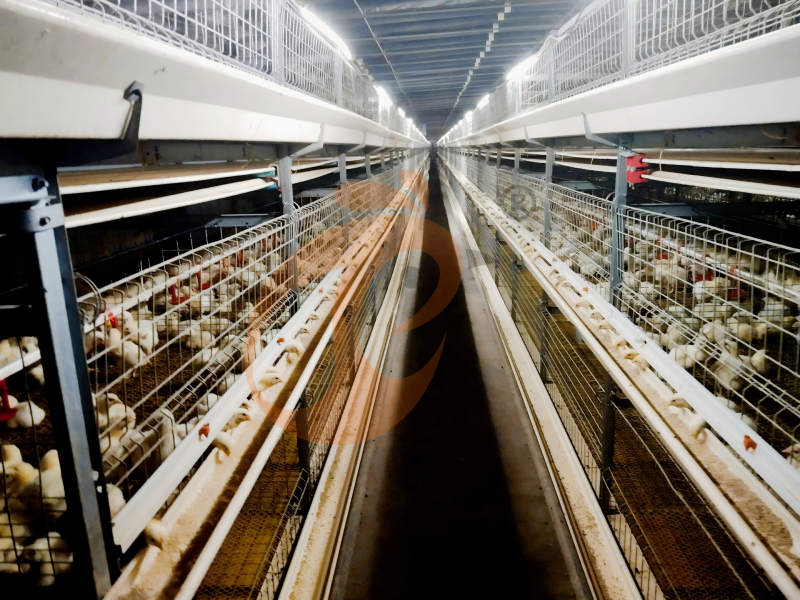
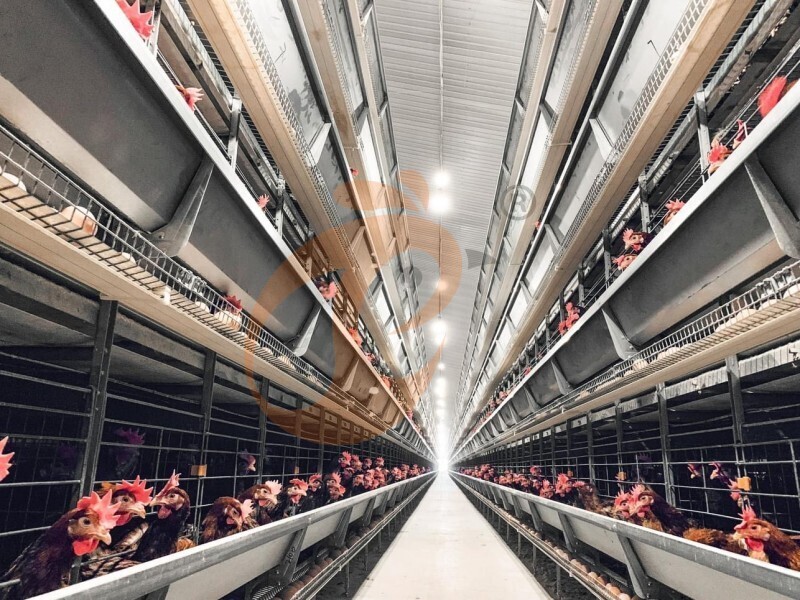
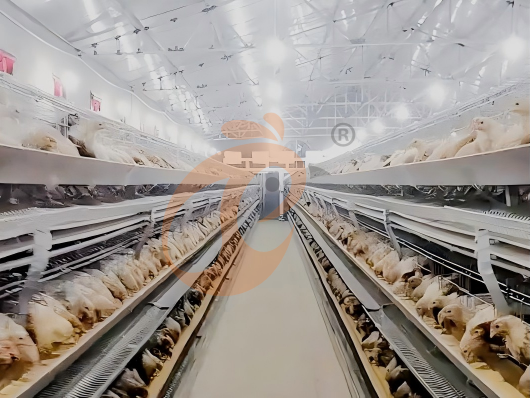
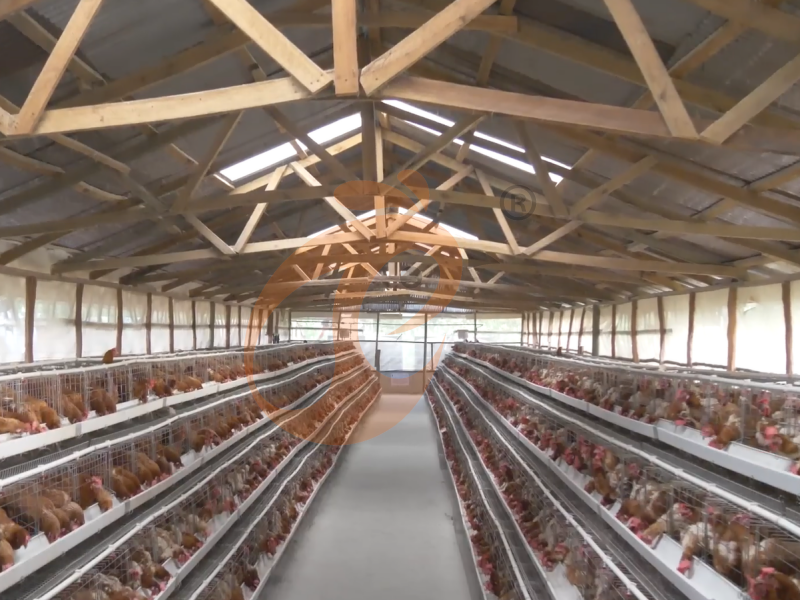
The enduring popularity of the traditional Layer cage lies in its mechanical perfection for high-volume production. It is a system engineered for consistency, high density, and labor minimization. By centralizing feeding, watering, egg collection, and manure removal within a compact, tiered structure, the traditional Battery Cage achieves unmatched spatial utilization, up to 75–80% higher than deep litter systems. This fixed environment virtually eliminates ground-borne diseases, dramatically lowers mortality rates, and ensures a cleaner, safer egg product. For markets where regulatory standards remain conventional, this system offers the lowest capital cost per bird for mass production.
Economic Efficiency Metrics Of Traditional Cage Systems
Deep Dive Into System Architecture: A-Type Layer Cage
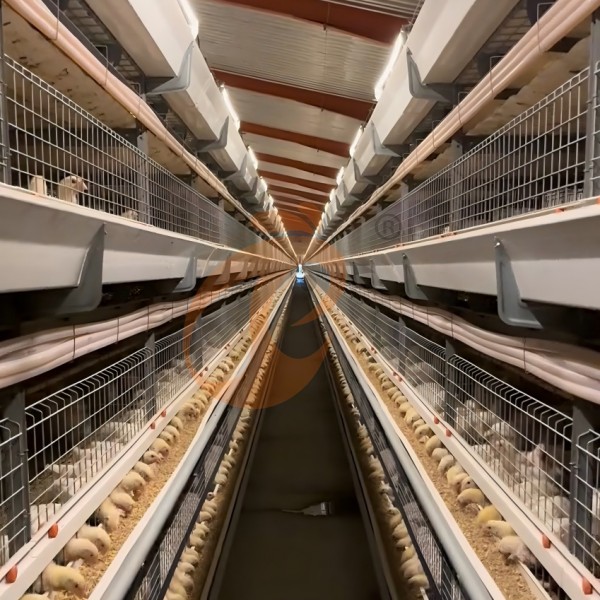
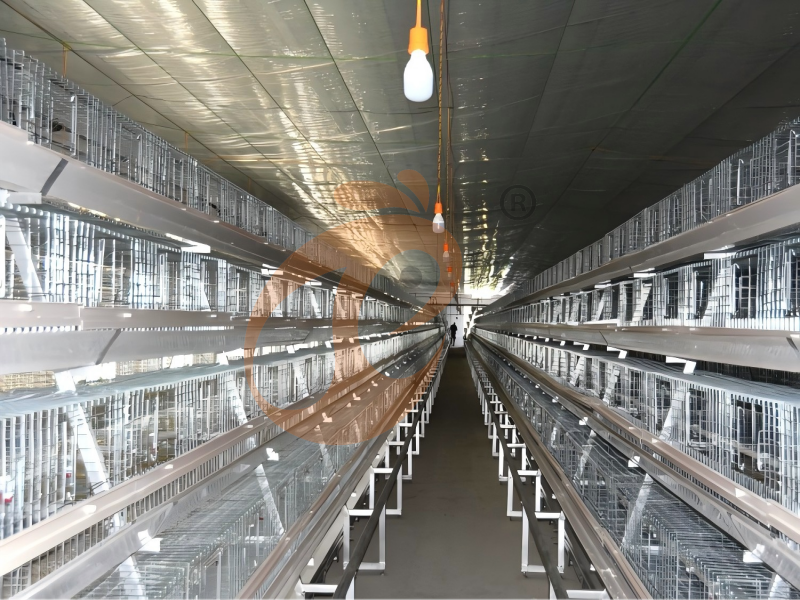
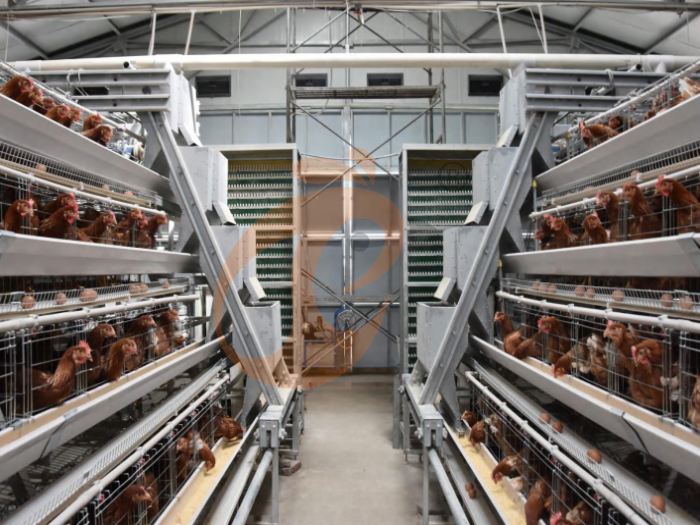
Our renowned A-Type Layer Cage exemplifies the structural integrity and operational effectiveness of a premium Cage System. Constructed from high-strength Q235 galvanized steel, these cages are built for decades of reliable service. The wire mesh is precision-engineered: the bottom mesh is designed with an 8° slope to ensure gentle, automatic egg roll-out, minimizing cracks and breakages (target breakage rate < 1%). The cage mesh is hot-dip galvanized with a zinc layer of ≥275g/m², ensuring a life span of 20–30+ years, even in humid environments. Key to the A-Type’s success are the integrated mechanical systems, including the hopper feeding trolley and the automatic belt manure removal system, which collectively enhance hygiene and reduce labor intensity.
Automatic A-Type Layer Cage Structural Specifications
The Regulatory Shift: Animal Welfare And Public Perception
The core challenge facing the traditional Battery Cage is the restriction of natural chicken behaviors—such as nesting, dust bathing, and perching—leading to welfare concerns. In response, global regulatory bodies are mandating change. The European Union has banned conventional battery cages, mandating enriched Chicken cage or cage-free systems. Key markets in the US (e.g., California, Michigan) have followed suit, signaling a clear trend: non-enriched cages are being phased out. Compliance is no longer optional; it is a prerequisite for market access. If your target market demands higher welfare standards, transitioning to an alternative is essential.
Minimum Space Requirements By Cage System Type
Modern Alternatives: Enriched And Cage-Free Systems
To meet higher welfare standards, Taiyu Hongkong Group offers both Enriched Cage and high-performance Aviary systems. The Enriched Cage incorporates essential features—such as perches for resting and small nesting boxes—within the structural shell of the A-Type Broiler Cage (adapted for layers), allowing for some natural behaviors while maintaining some density. However, the ultimate shift is toward cage-free systems like Deep Litter or Aviary. While these systems require significantly more space and increased labor, they meet the highest welfare demands. Our expertise in ventilation, feeding, and manure handling is critical to managing the complex environmental challenges of cage-free operations, such as high ammonia build-up and disease spread.
Comparative Operational Challenges And Requirements
The Ultimate Automation Solution: H-Type Cage System
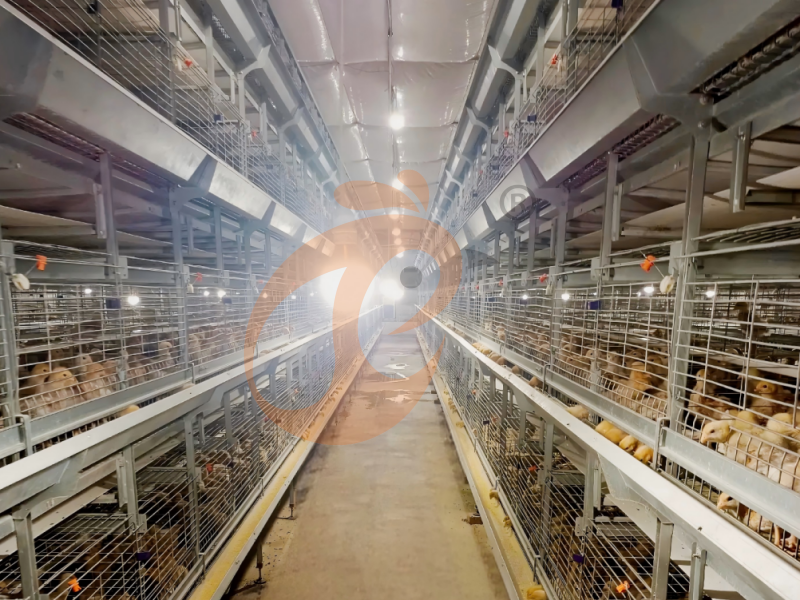
For clients prioritizing maximum density and automation within non-EU/US markets, our H-Type (Vertical) Layer cage system is the pinnacle of engineering. The H-Type’s vertical stacking maximizes bird count per house width, achieving the highest possible density while retaining the benefits of automation. It utilizes the same robust hot-dip galvanized Q235 steel as our A-Type Broiler Cage and layer systems, but with a more compact footprint. With features like full automatic egg collection, belt-based manure removal, and automated climate control (ventilation and cooling pads), the H-Type system requires minimal human interaction, contributing to the lowest possible flock stress and mortality rates. This system represents the future of efficiency for compliant markets.
High-Density H-Type Layer Cage System Data
FAQ
Is The Traditional Battery Cage System Illegal In All Countries Now?No, the traditional Battery Cage system is primarily restricted or banned in the European Union and specific states in the USA and Australia. It remains the dominant and compliant system in many other global markets due to its economic advantages and superior hygiene control.
How Does Manure Removal Differ Between A-Type And H-Type Layer Cages?Both Taiyu’s A-Type and H-Type use automatic belt manure removal for superior hygiene. The A-Type typically has a deep manure pit or a shallow belt system, while the H-Type uses belts directly under each tier for continuous, vertical removal, ensuring feces never drop onto lower tiers.
What Is The Best Cage System To Prevent Egg Breakage?Taiyu’s automated Layer cage systems, both A-Type and H-Type, are designed with an 8° gentle slope and a smooth egg belt surface to minimize impact, achieving a breakage rate of less than 1%. This far outperforms manual collection in deep litter systems.
Partner With Taiyu Hongkong Group
Global leader in advanced Layer cage systems and broiler cage solutions
Hot-dip galvanized Q235 steel, guaranteed 20-30 year lifespan
Complete project management, from initial design to installation and training
Customized, compliant solutions for every scale of poultry farm worldwide
Contact Us To Received Your Customized Poultry Farm Plan
Headquarters And Distribution Centers
Hong Kong Headquarter Taiyu Industrial Group CO., LTD
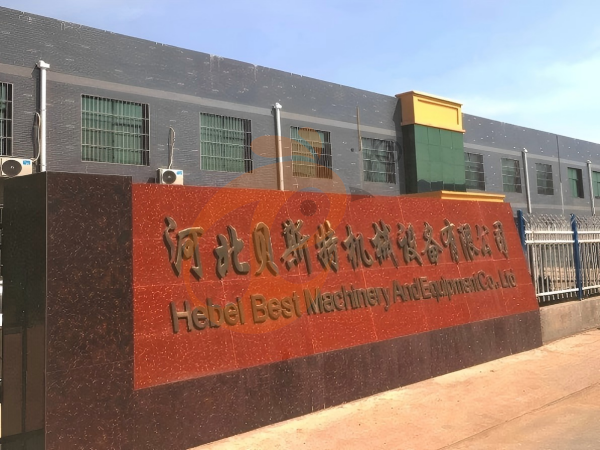
China Hebei Best Machinery And Equipment CO., LTD
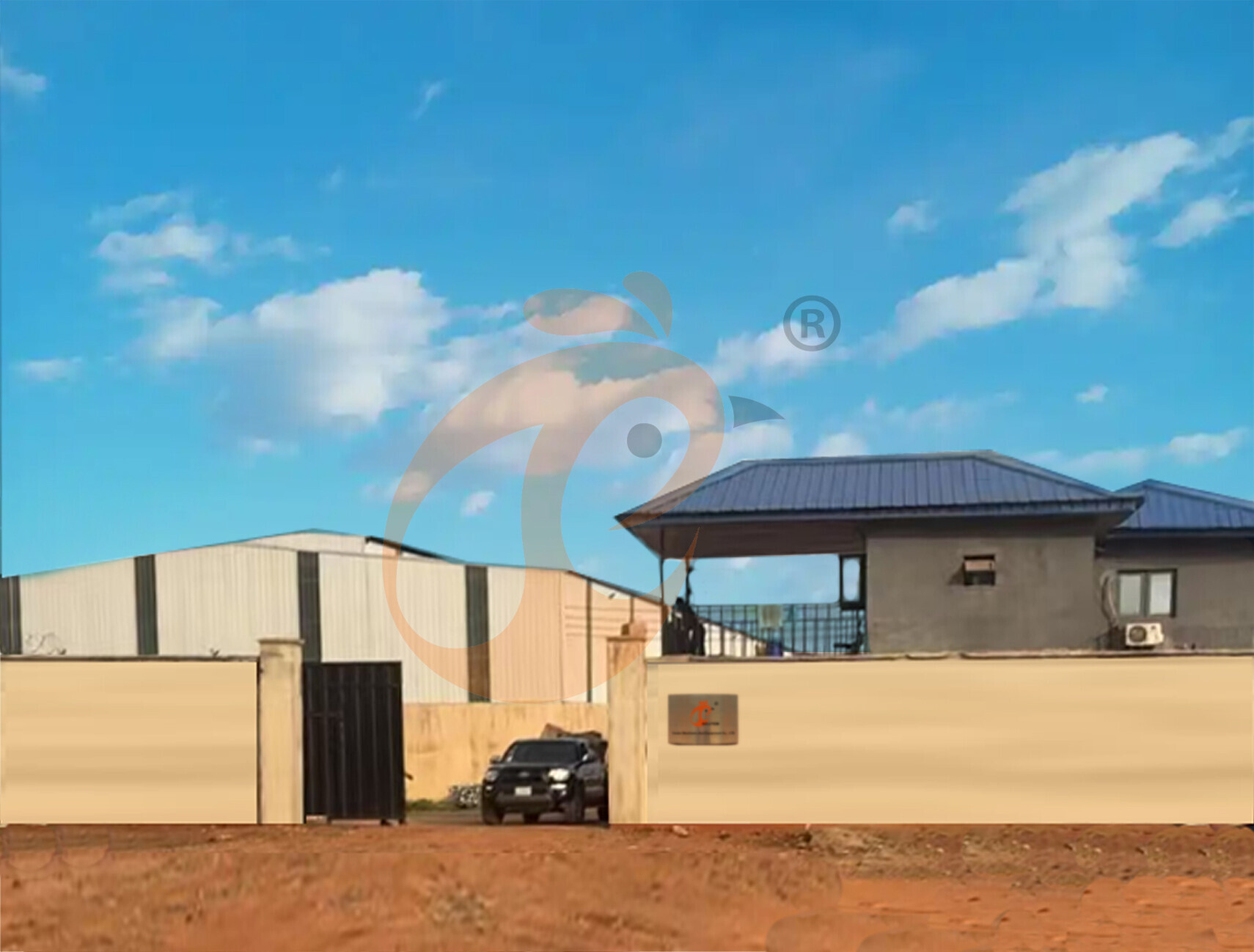
Nigeria Vanke Machinery And Equipment CO., LTD
Tanzania Best Machinery And Equipment CO., LTD
Ethiopia Best Hebei Machinery Manufacturing PLC
Tag
 Fully Automatic H Type Day Old Chicken Cage Design1. 30,000-100,000 chicks/house, average weight gain 55–60g/day
2. Feed waste 0.01%, fully automatic feeding system
3. H-Type fully automated cage mortality rate 1%–2%
4. Tier levels 3 to 12 tiers, biggest ccapacity: 185000 chickens/house
5. Reception /WhatsApp NO. : +8618830120193More Fully Automatic A Type Day Old Chicken Cage Design1. 10,000-50,000 chicks/house chooses it
2. Feeding at a speed of 18 m/min
3. Dispensing water at 30–60 ml/min
4. Ventilation system featuring 36″ axial fans (36,000 m³/h)
5. Reception /WhatsApp NO. : +8618830120193More Types Of Day Old Chicken Cage Design1. 100-100,000 chicks/house
2. Automatic or semi-automatic, H type or A type
3. Service life : 25+years
4. Brooding are as maintained 32–34°C with 65% humidity.
5. Reception /WhatsApp NO. : +8618830120193More
Message
Products recommended
 HK Headquarter Offers EU-standard Poultry Farm Solutions, Manufacture Poultry Farm Equipment1. Continuous communication with the EU and the US
2. China, Nigeria, Ethiopia, Tanzania branch companies and factories
3. The products’ quality is customized for local poultry farms
4. Poultry cage and poultry farm equipment stock for sale
5. 24 online reception Whatsapp NO. : +8618830120193,contact us to get full informationRead More China Branch Offer Poultry Farm Business Plan, Manufacture Poultry Farm Equipment1. Address: Flat/RM 2416, 24/F, Runxing Building, Youyi Nan Street, Shijiazhuang City, Hebei Province, China
2. Poultry cage and poultry farm equipment factory and stock for sale
3. Customized for local poultry farms
4. Quality and design are based on Euro
5. 24 online reception Whatsapp NO. : +8618830120193Read More Nigeria Branch Offer Poultry Farm Business Plan, Manufacture Poultry Farm Equipment1. Address: After Sinoma Office, 200 Meters Near Danco Filling Station, Lagos/Ibadan Expressway, Lagos State, Nigeria
2. Poultry cage and poultry farm equipment factory and stock for sale
3. Customized for Nigerian poultry farms
4. Quality and design are based on Euro
5. 24 online reception Whatsapp NO. : +8618830120193Read More Ethiopia Branch Offer Poultry Farm Business Plan, Manufacture Poultry Farm Equipment1. Address: Gelan Gura, Akaki-kaliti Sub City, Addis Ababa, Ethiopia
2. Poultry cage and poultry farm equipment stock for sale
3. Customized for Ethiopian poultry farms
4. Quality and design are based on Euro
5. 24 online reception Whatsapp NO. : +8618830120193, contact us to get price listRead More Tanzania Branch Offer Poultry Farm Business Plan, Manufacture Poultry Farm Equipment1. Address: No.8, Sova Road, Msufini, Mlandizi, Kibaha, Pwani, Tanzania
2. Poultry cage and poultry farm equipment factory and stock for sale
3. Customized for Tanzanian poultry farms
4. Quality and design are based on Euro
5. 24 online reception Whatsapp NO. : +8618830120193Read More Fully Automatic H Type Layer Chicken Cage1. 30,000-100,000+ layers/house chooses it, Poultry farmers can achieve an egg production rate of 96-98%
2. A significant improvement over the 85-90% typically seen in manual systems
3. A typical poultry farm can expect a 30-40% reduction in labor costs due to the automation
4. Each feeding line efficiently supplies feed to around 100,000 hens per 30 mins
5. Reception /WhatsApp NO. : +8618830120193Read More Fully Automatic A Type Layer Chicken Cage1. 10,000-50,000 layers/house chooses it
2. Cleaner egg collection reduces breakage by 0.5%
3. Improved hygiene helps reduce mortality rate to <3%
4. 1–2 technicians can handle 15,000–30,000 birds
5. Reception /WhatsApp NO. : +8618830120193Read More Semi Automatic H Type Layer Chicken Cage1. 1,00-20,000 layers/house chooses it
2. Nipple drinkers flow 30–60 ML / min
3. Hot-dip galvanized (typical coating ≥ 275 g/m²)
4. Reduce ammonia by ~ 35–40%
5. Reception /WhatsApp NO. : +8618830120193Read More Semi Automatic A Type Layer Chicken Cage1. 1,00-20,000 layers/house chooses it, no rust for 10 years, no deformation for 15 years
2. Chickens live comfortably, you can raise them with peace of mind
3. Save water, save money—efficiency you can measure
4. Improve environment quality, and increase egg production rate
5. Reception /WhatsApp NO. : +8618830120193Read More
By clicking 'Allow All', you agree to the storage of cookies on your device to enhance site navigation, analyze site usage and assist with our marketing efforts.