






Blog
Commercial poultry cage cleaning system improves flock health biosecurity performance while enhancing operational efficiency across modern poultry production facilities globally.
Salmonella control poultry equipment cleaning system reduces pathogen survival rates and strengthens food safety compliance in intensive farming environments.
Poultry farm sanitation automation system integrates mechanical removal chemical treatment and drying verification for consistent hygiene control results.
Automated poultry cage washer system increases cleaning accuracy reduces manual labor dependency and ensures stable sanitation cycles in large scale farms.
Industrial poultry hygiene equipment design ensures corrosion resistance drainage optimization and long term operational stability across production systems.
Get professional poultry farm construction guidance, equipment selection solutions, and the latest price lists, whatsApp to +8618830120193, +2348111199996, or click to learn more.
The High Stakes Of Poultry Hygiene
Maintaining rigorous hygiene standards in commercial poultry operations is not merely a regulatory checkbox it is the cornerstone of flock health, food safety, and business profitability.
For farms utilizing commercial poultry cage cleaning system, the cleaning process involves specific challenges, from removing stubborn organic matter to ensuring disinfectants reach every crevice.
This guide provides six essential hygiene tips, integrating scientific principles with practical, equipment-focused strategies to help protect investment and birds.
Pathogen pressure continues increasing across intensive poultry farming environments.
Disease agents such as salmonella and avian influenza can persist in organic residues for extended periods, especially in humid housing conditions.
Cleaning efficiency directly influences production cycle stability and long-term flock performance.
Proper sanitation programs reduce microbial load while supporting compliance with engineering design requirements for washable livestock equipment surfaces.
Soil Composition In Poultry Housing
Data is for reference only.Swipe horizontally to view full table.
Optimize Wash Water Parameters
Water chemistry and thermal energy determine cleaning performance.
Controlled thermal ranges improve fat separation while preventing protein adhesion to metallic surfaces.
Data Is for reference only.Swipe horizontally to view full table.
Automated Systems For Cage Sanitation
Modern facilities increasingly adopt automated poultry cage washer system solutions to standardize cleaning quality across multi-tier housing environments.
These systems integrate programmable spray arrays and mechanical rotation units for full-surface coverage consistency.
Data is for reference only.Swipe horizontally to view full table.
Drying And Verification
Moisture elimination is essential to prevent microbial regeneration.
Airflow circulation and structural drainage design determine drying efficiency across equipment surfaces.
Data is for reference only.Swipe horizontally to view full table.
Hygienic Equipment Design Importance
Structural engineering determines sanitation effectiveness before cleaning begins.
Equipment must eliminate hidden retention zones and support chemical penetration.
In industrial poultry hygiene equipment design, stainless alloys and coated steel systems provide enhanced resistance to ammonia corrosion and repeated chemical exposure cycles.
Data is for reference only.Swipe horizontally to view full table.
Chemical Selection And Water Quality
Chemical selection must align with contamination type and water mineral content.
Incorrect formulation reduces detergent efficiency and increases scaling risks across equipment pipelines and cage surfaces.
Data is for reference only.Swipe horizontally to view full table.
Master Sanitation Schedule Development
Structured sanitation planning ensures operational consistency across poultry production cycles.
Maintenance schedules integrate mechanical inspection, cleaning cycles, and environmental decontamination procedures for long term system reliability.
Data is for reference only.Swipe horizontally to view full table.
Frequently Asked Questions
Q1: What is the ideal cleaning sequence for poultry cages?
A1: The correct sequence is dry removal, thermal washing at 55°c–68°c, chemical sanitation, and controlled drying until moisture level reaches water activity near 0.60–0.65 range.
Q2: How does water temperature affect poultry equipment cleaning performance?
A2: Water temperature between 55°c and 68°c improves lipid breakdown efficiency by over 40% compared with cold water cleaning, ensuring deeper penetration into biofilm layers.
Q3: Why is automated washing technology important in modern poultry farms?
A3: Automated systems maintain uniform spray pressure around 8–12 bar and reduce cleaning time by up to 35% across multi-tier cage systems.
Taiyu (HK) Group - One Of China Largest Commercial Poultry Cage Cleaning System Manufacturer
Commercial poultry cage cleaning system integrates automated washing engineering corrosion resistant structure design and industrial hygiene optimization for large scale poultry production facilities.
Global factory direct supply model ensures stable manufacturing quality control competitive pricing structure and scalable poultry equipment delivery worldwide markets.
Turn-key engineering solutions include system design equipment fabrication installation supervision and full poultry house automation integration projects for customers.
Advanced poultry equipment production covers customized cage systems feeding lines manure removal systems and sanitation automation technology for modern farms.
International export service supports complete poultry production line delivery across Asia Europe Africa and South America agricultural industrial sectors.
Contact Us To Received Your Customized Poultry Farm Plan
Headquarters And Branchs
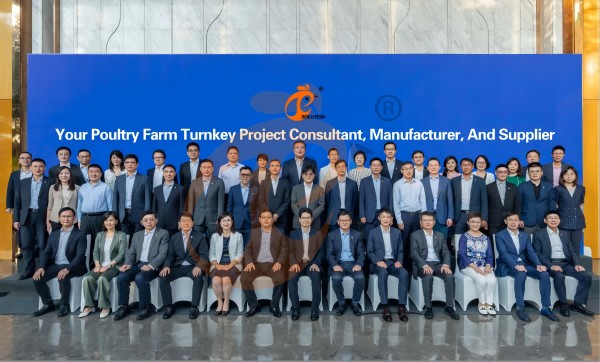
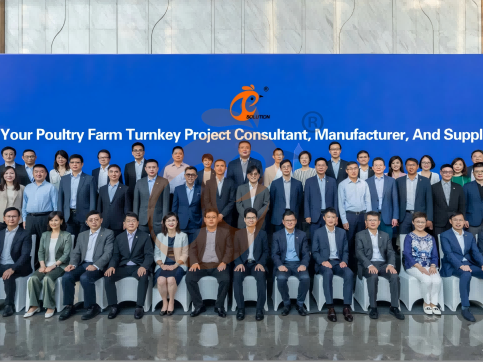
Hong Kong Headquarter Management Team
Hong Kong Headquarter Taiyu Industrial Group CO., LTD
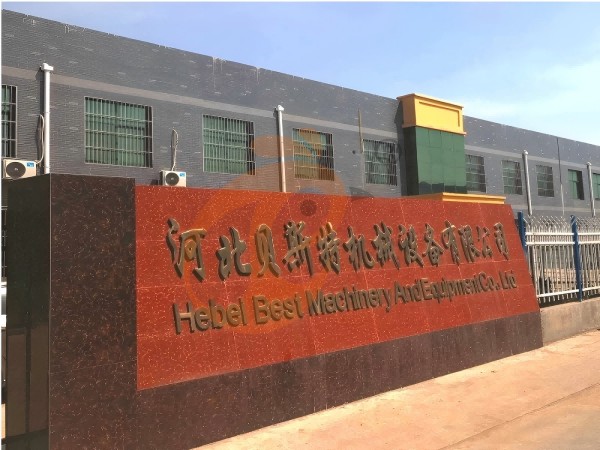
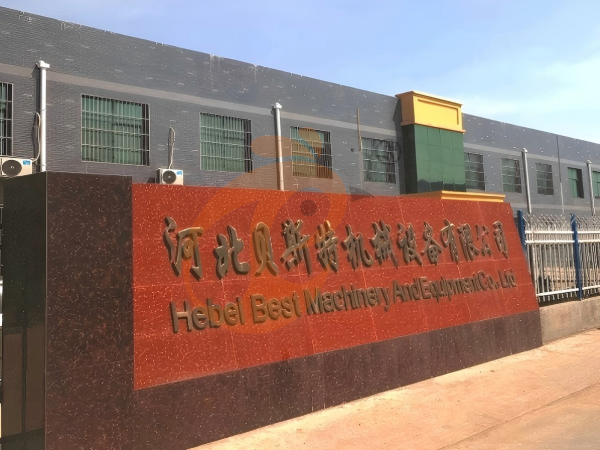
China Hebei Best Machinery And Equipment CO., LTD
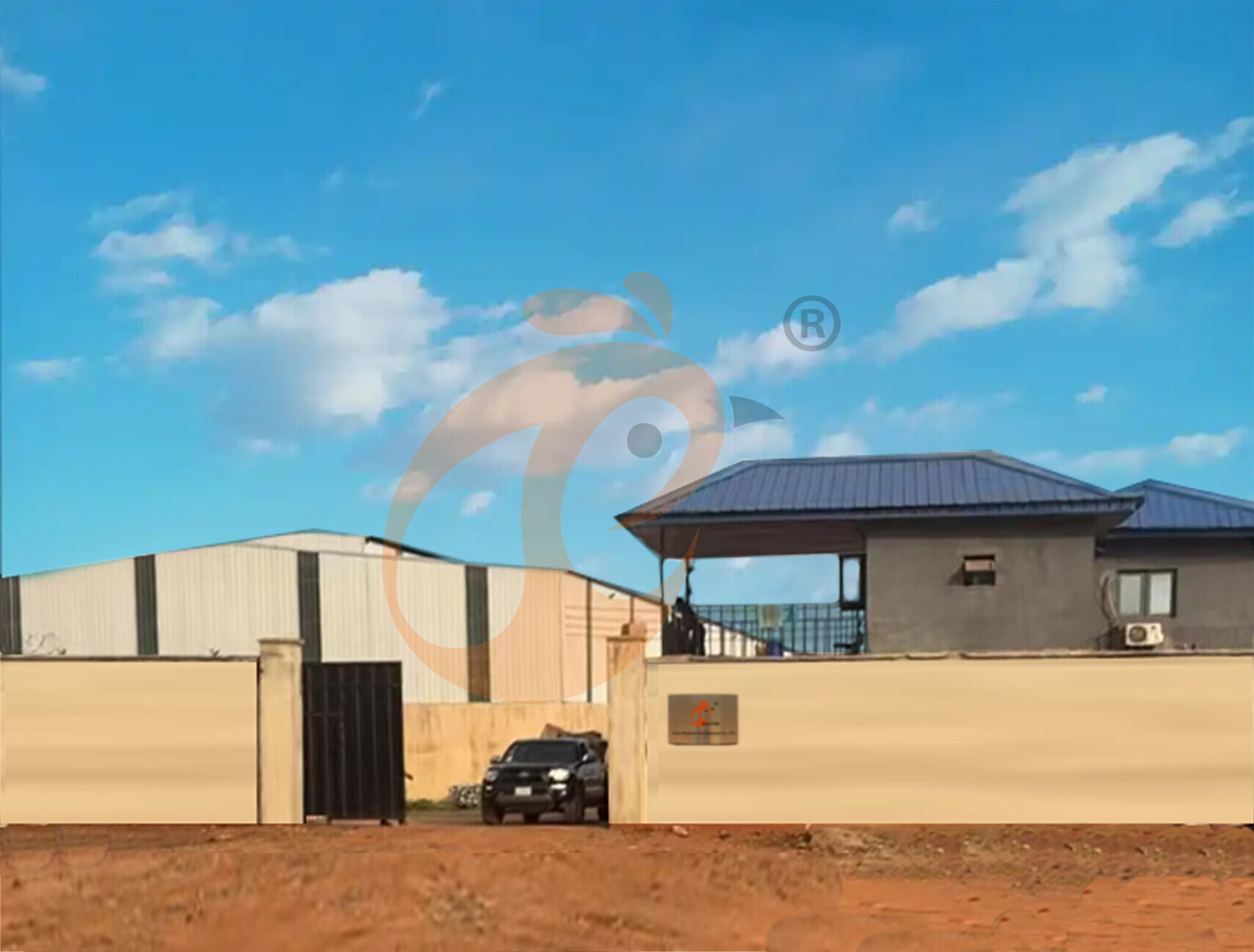
Nigeria Vanke Machinery And Equipment CO., LTD
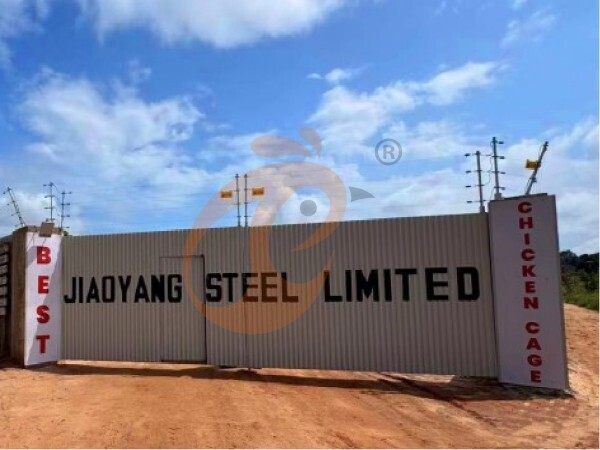
Tanzania Best Machinery And Equipment CO., LTD
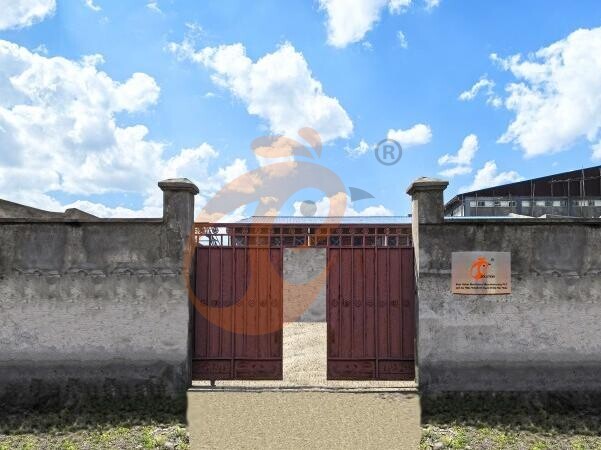
Ethiopia Best Hebei Machinery Manufacturing PLC
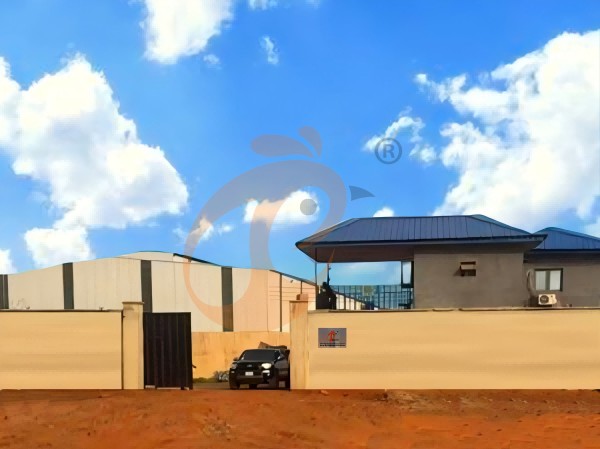
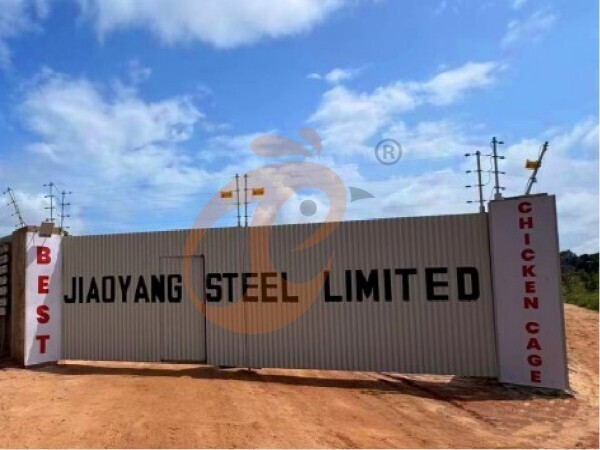
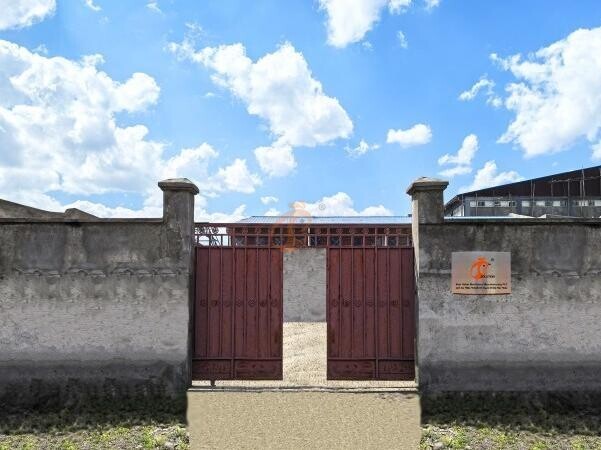
Reception /24 WhatsApp NO. : +8618830120193
FAQ
How Is Automation Applied In Complete Poultry Equipment?
Sensor monitoring networks collect environmental data every 5–20 seconds for continuous management accuracy.
Remote monitoring platforms support 24-hour equipment supervision improving operational reliability and response efficiency.
Which Environmental Control Functions Are Managed By Complete Poultry Equipment?
Temperature regulation equipment controls indoor conditions within 18–30°C for optimized poultry growth.
Humidity management systems stabilize relative humidity between 55%–70% reducing respiratory disease risks.
What Installation And Structural Standards Are Required For Complete Poultry Equipment In Poultry Chicken Farms?
Equipment support structures withstand 500–1200 kg load capacity ensuring long-term operational stability.
System installation precision is controlled within ±10 mm reducing mechanical deviation and operational wear.
Message
Products recommended
 HK Headquarter Offers EU-standard Poultry Farm Solutions, Manufacture Poultry Farm Equipment1. Continuous communication with the EU and the US
2. China, Nigeria, Ethiopia, Tanzania branch companies and factories
3. The products’ quality is customized for local poultry farms
4. Poultry cage and poultry farm equipment stock for sale
5. 24 online reception Whatsapp NO. : +8618830120193,contact us to get full informationRead More China Branch Offer Poultry Farm Business Plan, Manufacture Poultry Farm Equipment1. Address: Flat/RM 2416, 24/F, Runxing Building, Youyi Nan Street, Shijiazhuang City, Hebei Province, China
2. Poultry cage and poultry farm equipment factory and stock for sale
3. Customized for local poultry farms
4. Quality and design are based on Euro
5. 24 online reception Whatsapp NO. : +8618830120193Read More Nigeria Branch Offer Poultry Farm Business Plan, Manufacture Poultry Farm Equipment1. Address: After Sinoma Office, 200 Meters Near Danco Filling Station, Lagos/Ibadan Expressway, Lagos State, Nigeria
2. Poultry cage and poultry farm equipment factory and stock for sale
3. Customized for Nigerian poultry farms
4. Quality and design are based on Euro
5. 24 online reception Whatsapp NO. : +8618830120193Read More Ethiopia Branch Offer Poultry Farm Business Plan, Manufacture Poultry Farm Equipment1. Address: Gelan Gura, Akaki-kaliti Sub City, Addis Ababa, Ethiopia
2. Poultry cage and poultry farm equipment stock for sale
3. Customized for Ethiopian poultry farms
4. Quality and design are based on Euro
5. 24 online reception Whatsapp NO. : +8618830120193, contact us to get price listRead More Tanzania Branch Offer Poultry Farm Business Plan, Manufacture Poultry Farm Equipment1. Address: No.8, Sova Road, Msufini, Mlandizi, Kibaha, Pwani, Tanzania
2. Poultry cage and poultry farm equipment factory and stock for sale
3. Customized for Tanzanian poultry farms
4. Quality and design are based on Euro
5. 24 online reception Whatsapp NO. : +8618830120193Read More Fully Automatic H Type Layer Chicken Cage1. 30,000-100,000+ layers/house chooses it, Poultry farmers can achieve an egg production rate of 96-98%
2. A significant improvement over the 85-90% typically seen in manual systems
3. A typical poultry farm can expect a 30-40% reduction in labor costs due to the automation
4. Each feeding line efficiently supplies feed to around 100,000 hens per 30 mins
5. Reception /WhatsApp NO. : +8618830120193Read More Fully Automatic A Type Layer Chicken Cage1. 10,000-50,000 layers/house chooses it
2. Cleaner egg collection reduces breakage by 0.5%
3. Improved hygiene helps reduce mortality rate to <3%
4. 1–2 technicians can handle 15,000–30,000 birds
5. Reception /WhatsApp NO. : +8618830120193Read More Semi Automatic H Type Layer Chicken Cage1. 1,00-20,000 layers/house chooses it
2. Nipple drinkers flow 30–60 ML / min
3. Hot-dip galvanized (typical coating ≥ 275 g/m²)
4. Reduce ammonia by ~ 35–40%
5. Reception /WhatsApp NO. : +8618830120193Read More Semi Automatic A Type Layer Chicken Cage1. 1,00-20,000 layers/house chooses it, no rust for 10 years, no deformation for 15 years
2. Chickens live comfortably, you can raise them with peace of mind
3. Save water, save money—efficiency you can measure
4. Improve environment quality, and increase egg production rate
5. Reception /WhatsApp NO. : +8618830120193Read More
By clicking 'Allow All', you agree to the storage of cookies on your device to enhance site navigation, analyze site usage and assist with our marketing efforts.