






Blog
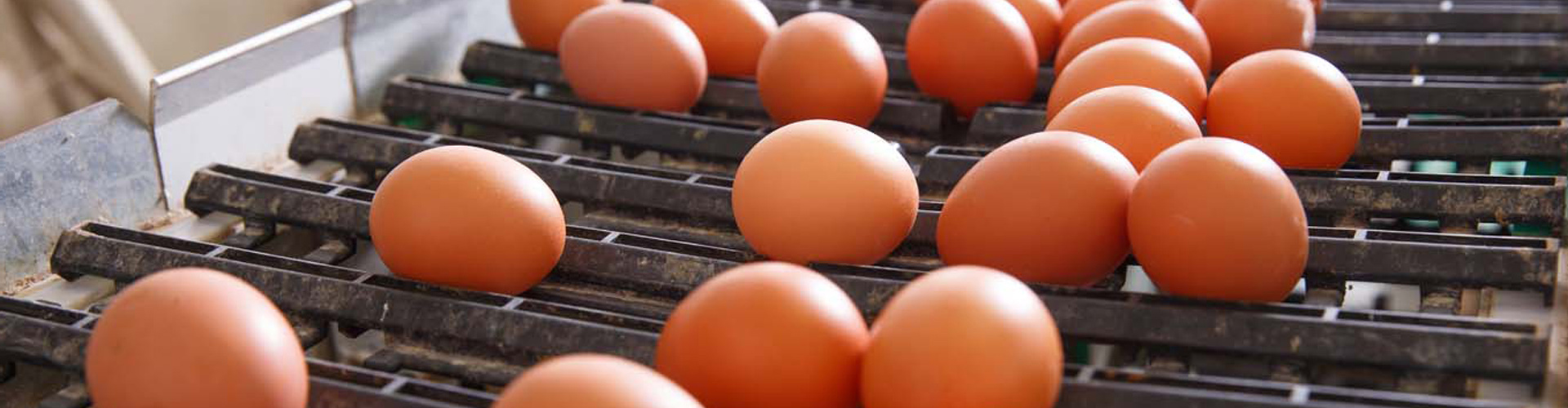
Layer chicken cage feeding system drives modern poultry farming efficiency, enabling automatic feed distribution, high density housing, improved egg output performance.
Automatic layer cage system supports uniform nutrition delivery reduces labor demand enhances farm profitability across commercial egg production operations scale.
Modern poultry feeding equipment integrates smart control sensors ensuring precise feed timing improving flock health and consistent laying cycles efficiency.
Commercial egg production cage system design reduces disease risk improves ventilation and supports automated manure removal systems for farms scale.
Professional chicken cage manufacturer delivers turnkey solutions global supply chains enabling sustainable poultry investment long term returns optimization efficiency growth.
Get professional poultry farm construction guidance, equipment selection solutions, and the latest price lists, whatsApp to +8618830120193, +2348111199996, or click to learn more.
System Overview Of Layer Chicken Cage Feeding
Layer cage feeding architecture represents a fully integrated production model designed for intensive egg farming operations.
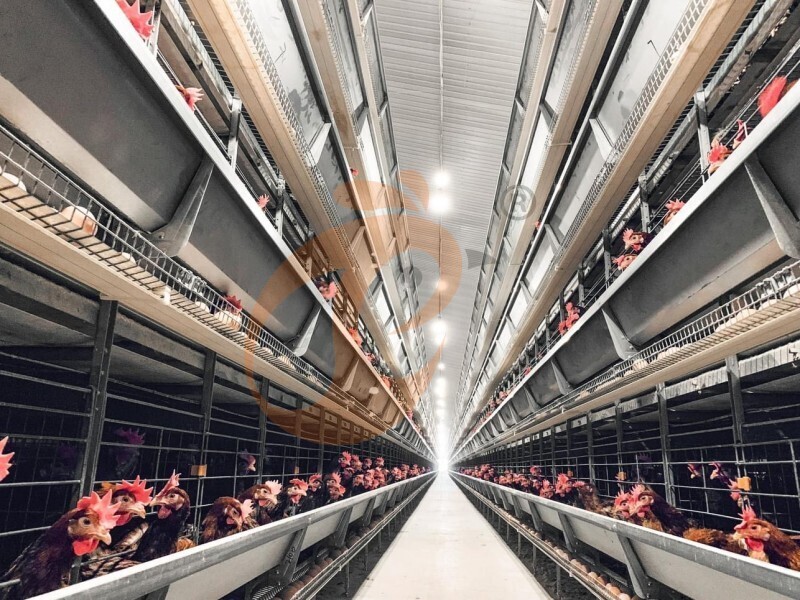
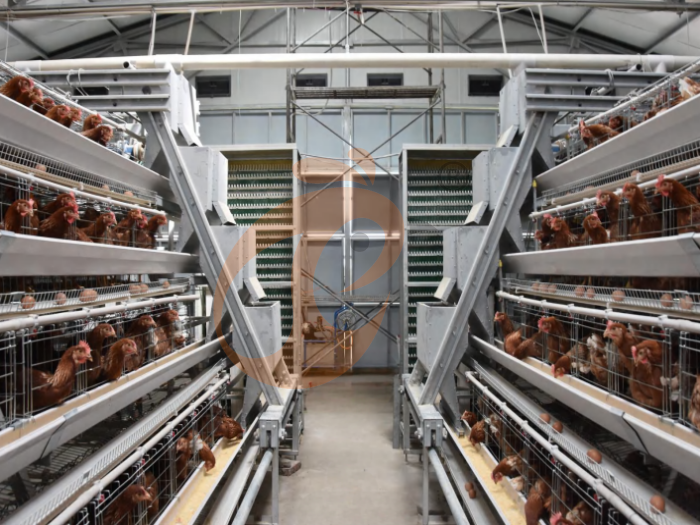
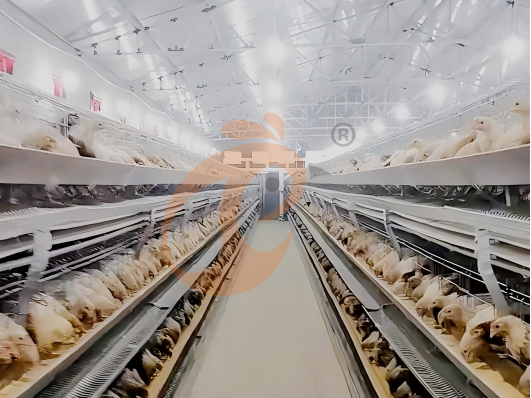
A modern automatic layer cage system connects feed storage, conveying lines, cage structures, and environmental controls into one synchronized unit.
System engineering focuses on uniform feed distribution, minimal waste, and stable flock management across multiple tiers.
Integration of poultry feeding equipment ensures continuous supply and reduces manual labor dependency.
Data is for reference only.Swipe horizontally to view full table.
Scientific Basis Of Layer Feeding Systems
Efficient poultry nutrition science confirms that consistent feed timing and balanced formulation significantly improve egg yield stability.
Adoption of commercial egg production cage system enhances metabolic efficiency and reduces stress induced production drops.
Feed conversion ratio optimization depends on precision feeding intervals and controlled environmental conditions.
Data is for reference only.Swipe horizontally to view full table.
Optimization Tip Automated Feeding Integration
Automation upgrades remain core strategy for high efficiency farms.
Installation of synchronized feeding motors ensures equal feed distribution across all cage tiers.
Advanced anti-blocking auger design reduces downtime and improves system reliability.
Data is for reference only.Swipe horizontally to view full table.
Optimization Tip Cage Density Management
Proper stocking density directly impacts bird welfare and egg productivity.
Balanced cage design ensures airflow optimization and reduces heat stress.
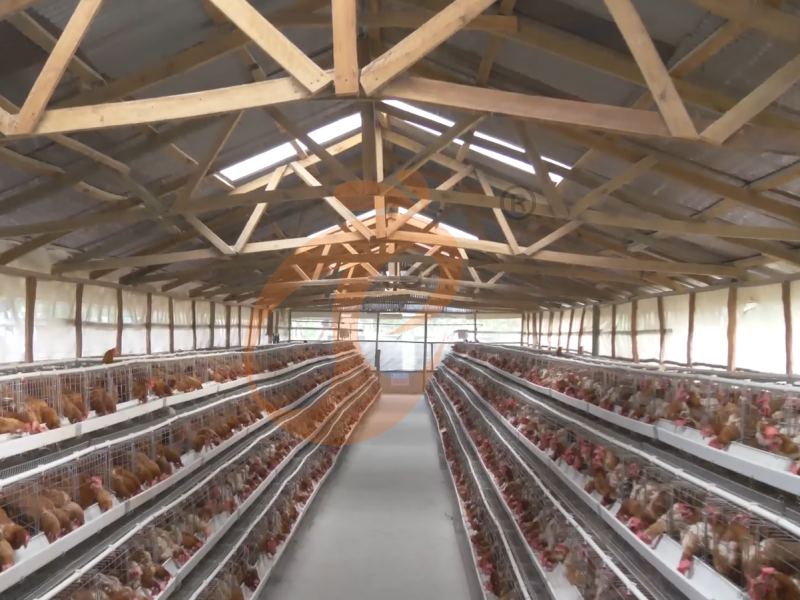
Engineering layout of multi-tier cages allows scalable production without compromising bird comfort or feeding access efficiency.
Data is for reference only.Swipe horizontally to view full table.
Optimization Tip Feed Formulation Control
Feed formulation plays critical role in maximizing genetic potential of layer hens.
Balanced protein, calcium, and amino acids improve shell strength and laying frequency.
Precision feeding systems ensure nutrient consistency across entire flock population.
Optimization Tip Lighting And Cycle Synchronization
Controlled lighting programs regulate biological rhythms of hens.
Synchronization with feeding schedules increases laying consistency and reduces behavioral stress.
Data is for reference only.Swipe horizontally to view full table.
Optimization Tip Smart Monitoring Systems
Iot based monitoring enhances decision-making in poultry operations.
Real-time tracking of feed consumption, temperature, and humidity ensures proactive farm management.
Sensor integration improves efficiency and reduces unexpected production losses.
Data is for reference only.Swipe horizontally to view full table.
Maintenance And Operational Stability
Routine maintenance ensures long-term durability of feeding systems.
Regular inspection of feed lines, motors, and cage structures prevents unexpected downtime.
Preventive maintenance strategies extend equipment lifespan and stabilize production output.
Data is for reference only.Swipe horizontally to view full table.
Advanced Automation Integration In Poultry Systems
Future poultry production relies on full digital integration and intelligent control systems.
Combination of automatic layer cage system, climate control, and predictive analytics improves scalability.
Modern farms adopt centralized monitoring platforms to coordinate feeding, lighting, and ventilation systems for maximum productivity and reduced operational risk.
Frequently Asked Questions
Q1: What is the ideal stocking density in a layer cage system?
A1: Optimal configuration ranges from 420 to 520 cm² per bird depending on breed performance index and housing structure design.
Q2: How does automated feeding improve egg production efficiency?
A2: Automated systems reduce feed variance to approximately 7–9 percent and improve laying consistency above 90 percent under stable conditions.
Q3: What maintenance schedule is recommended for poultry feeding equipment?
A3: Feed lines require inspection every 168 hours, while full system audits are recommended annually at 8,760 hours.
Taiyu (HK) Group - One Of China Largest Layer Chicken Cage Manufacturer
Layer chicken cage feeding system delivers integrated automated poultry production solutions for commercial farms.
Global factory direct supply ensures competitive pricing, high durability poultry equipment, and stable performance standards.
Turn key engineering projects include farm design, installation guidance, and full production commissioning services worldwide.
Advanced poultry equipment manufacturing covers cage systems, feeding lines, manure removal, and environmental control systems.
International export network supports large-scale poultry investment projects with long-term technical support and system optimization.
Contact Us To Received Your Customized Poultry Farm Plan
Headquarters And Branchs

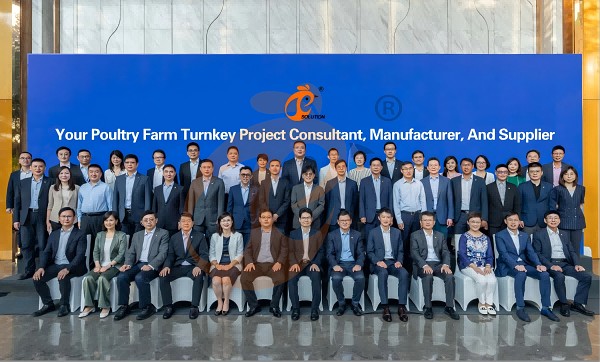
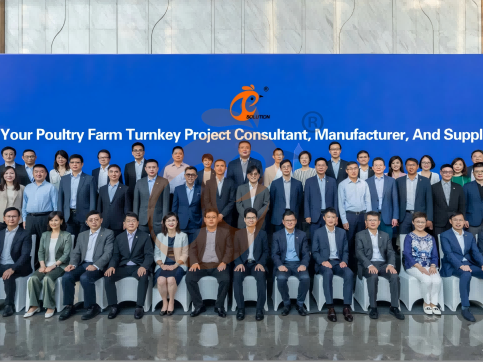
Hong Kong Headquarter Management Team
Hong Kong Headquarter Taiyu Industrial Group CO., LTD
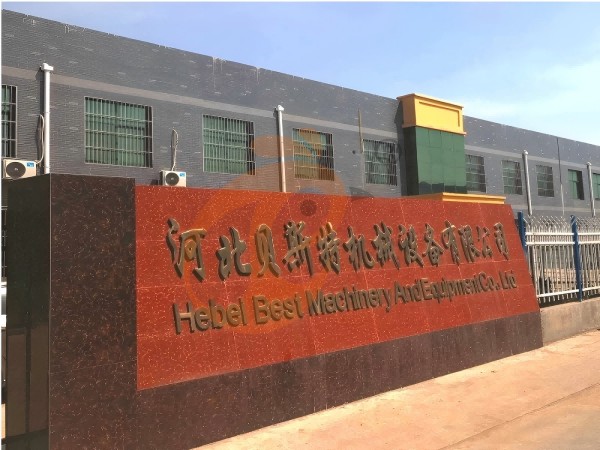
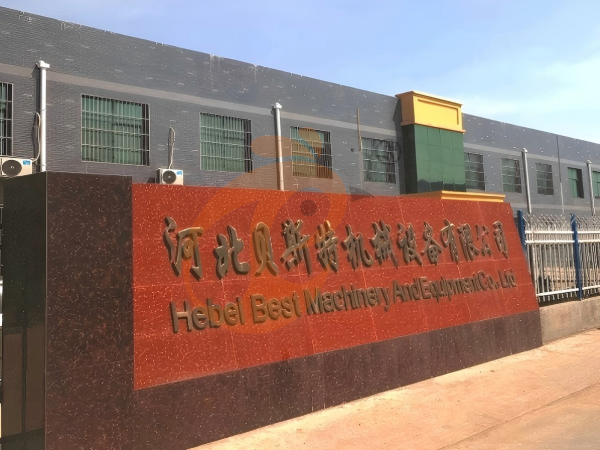
China Hebei Best Machinery And Equipment CO., LTD
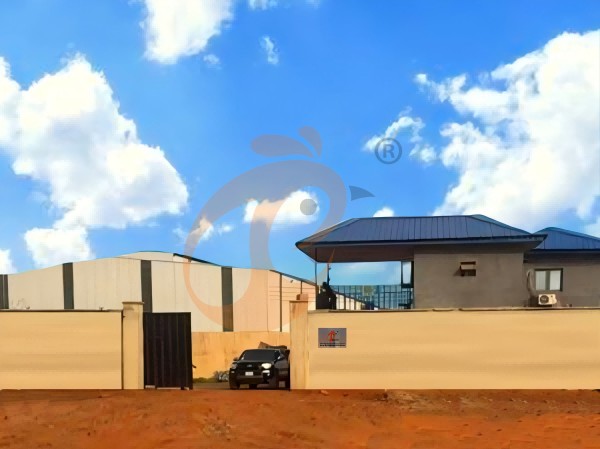
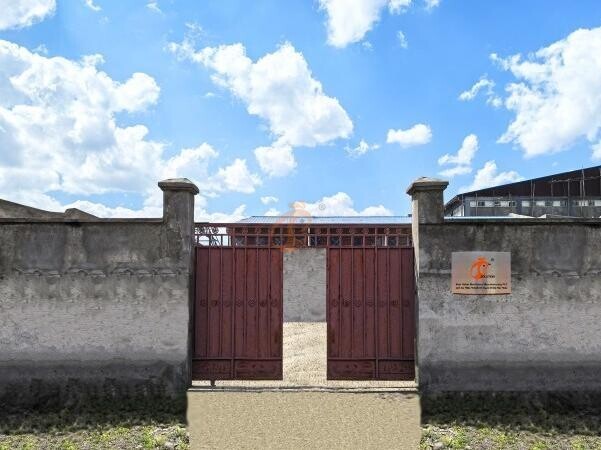
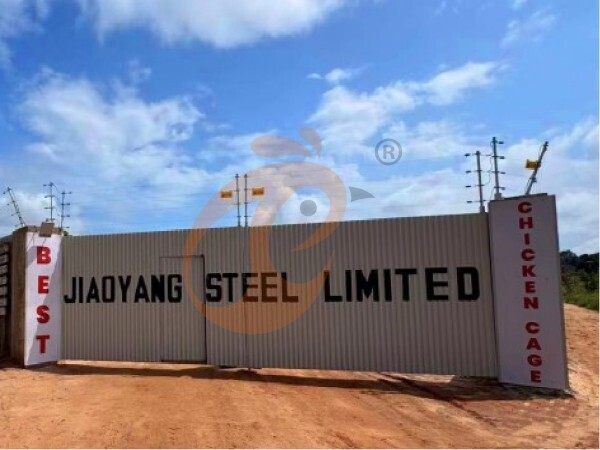
Nigeria Vanke Machinery And Equipment CO., LTD
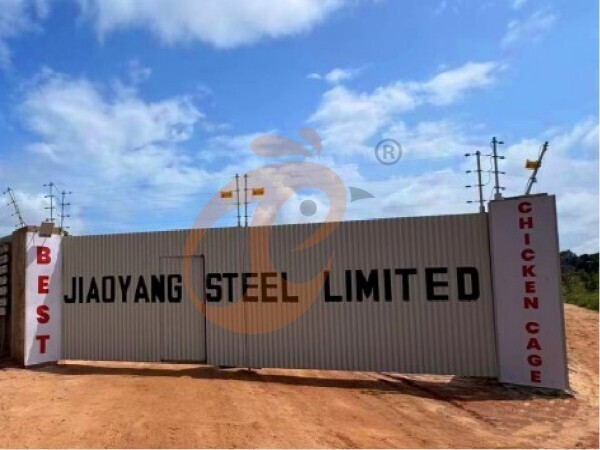
Tanzania Best Machinery And Equipment CO., LTD
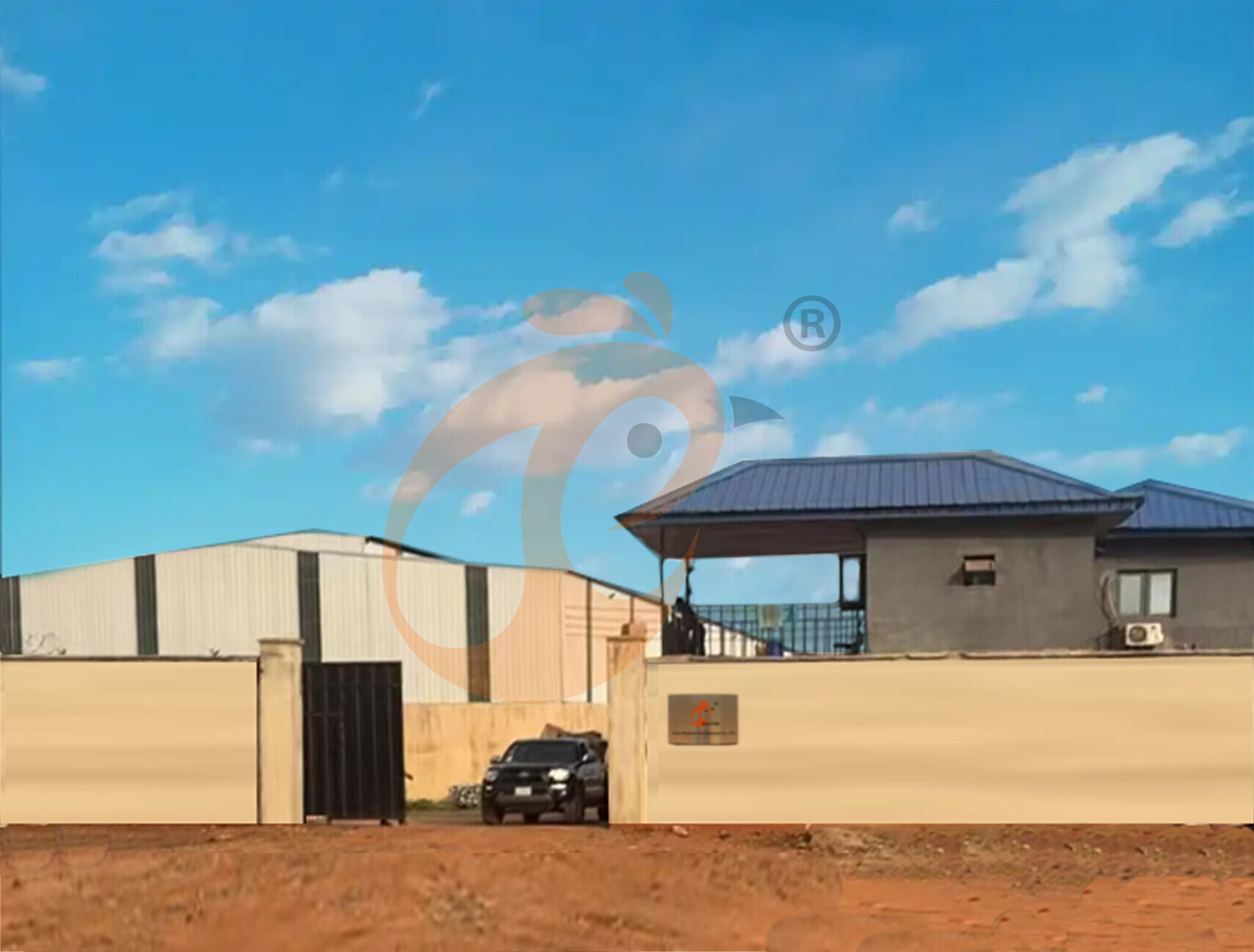
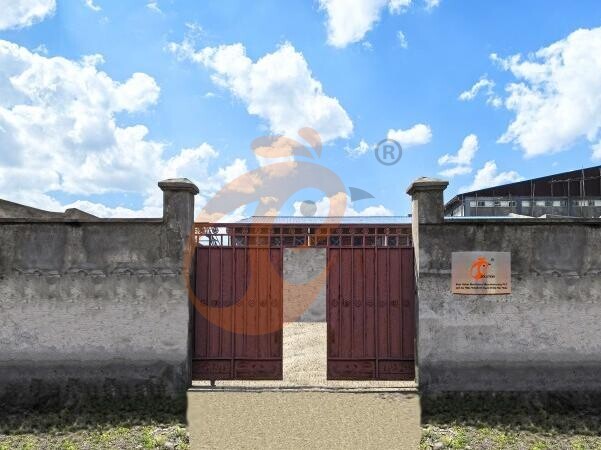
Ethiopia Best Hebei Machinery Manufacturing PLC
Reception /24 WhatsApp NO. : +8618830120193
FAQ
How To Reduce Stress And Improve Egg Production In Battery Cage Farms?
Good ventilation, temperature 18–25℃, lighting 16h/day.
Automatic feeding and drinking systems ensure sufficient nutrition and water; egg production 90–98%.
What Are The Advanced Tips For Egg Hygiene And Quality Control In Layer Cage Systems?
Monitor feed nutrition and water quality to ensure strong eggshells.
How To Implement Advanced Light Management Systems In Poultry Cage Farms?
Combined with automatic feeding, egg production increases 2–3%, breakage <3%.
Message
Products recommended
 HK Headquarter Offers EU-standard Poultry Farm Solutions, Manufacture Poultry Farm Equipment1. Continuous communication with the EU and the US
2. China, Nigeria, Ethiopia, Tanzania branch companies and factories
3. The products’ quality is customized for local poultry farms
4. Poultry cage and poultry farm equipment stock for sale
5. 24 online reception Whatsapp NO. : +8618830120193,contact us to get full informationRead More China Branch Offer Poultry Farm Business Plan, Manufacture Poultry Farm Equipment1. Address: Flat/RM 2416, 24/F, Runxing Building, Youyi Nan Street, Shijiazhuang City, Hebei Province, China
2. Poultry cage and poultry farm equipment factory and stock for sale
3. Customized for local poultry farms
4. Quality and design are based on Euro
5. 24 online reception Whatsapp NO. : +8618830120193Read More Nigeria Branch Offer Poultry Farm Business Plan, Manufacture Poultry Farm Equipment1. Address: After Sinoma Office, 200 Meters Near Danco Filling Station, Lagos/Ibadan Expressway, Lagos State, Nigeria
2. Poultry cage and poultry farm equipment factory and stock for sale
3. Customized for Nigerian poultry farms
4. Quality and design are based on Euro
5. 24 online reception Whatsapp NO. : +8618830120193Read More Ethiopia Branch Offer Poultry Farm Business Plan, Manufacture Poultry Farm Equipment1. Address: Gelan Gura, Akaki-kaliti Sub City, Addis Ababa, Ethiopia
2. Poultry cage and poultry farm equipment stock for sale
3. Customized for Ethiopian poultry farms
4. Quality and design are based on Euro
5. 24 online reception Whatsapp NO. : +8618830120193, contact us to get price listRead More Tanzania Branch Offer Poultry Farm Business Plan, Manufacture Poultry Farm Equipment1. Address: No.8, Sova Road, Msufini, Mlandizi, Kibaha, Pwani, Tanzania
2. Poultry cage and poultry farm equipment factory and stock for sale
3. Customized for Tanzanian poultry farms
4. Quality and design are based on Euro
5. 24 online reception Whatsapp NO. : +8618830120193Read More Fully Automatic H Type Layer Chicken Cage1. 30,000-100,000+ layers/house chooses it, Poultry farmers can achieve an egg production rate of 96-98%
2. A significant improvement over the 85-90% typically seen in manual systems
3. A typical poultry farm can expect a 30-40% reduction in labor costs due to the automation
4. Each feeding line efficiently supplies feed to around 100,000 hens per 30 mins
5. Reception /WhatsApp NO. : +8618830120193Read More Fully Automatic A Type Layer Chicken Cage1. 10,000-50,000 layers/house chooses it
2. Cleaner egg collection reduces breakage by 0.5%
3. Improved hygiene helps reduce mortality rate to <3%
4. 1–2 technicians can handle 15,000–30,000 birds
5. Reception /WhatsApp NO. : +8618830120193Read More Semi Automatic H Type Layer Chicken Cage1. 1,00-20,000 layers/house chooses it
2. Nipple drinkers flow 30–60 ML / min
3. Hot-dip galvanized (typical coating ≥ 275 g/m²)
4. Reduce ammonia by ~ 35–40%
5. Reception /WhatsApp NO. : +8618830120193Read More Semi Automatic A Type Layer Chicken Cage1. 1,00-20,000 layers/house chooses it, no rust for 10 years, no deformation for 15 years
2. Chickens live comfortably, you can raise them with peace of mind
3. Save water, save money—efficiency you can measure
4. Improve environment quality, and increase egg production rate
5. Reception /WhatsApp NO. : +8618830120193Read More
By clicking 'Allow All', you agree to the storage of cookies on your device to enhance site navigation, analyze site usage and assist with our marketing efforts.