






Blog
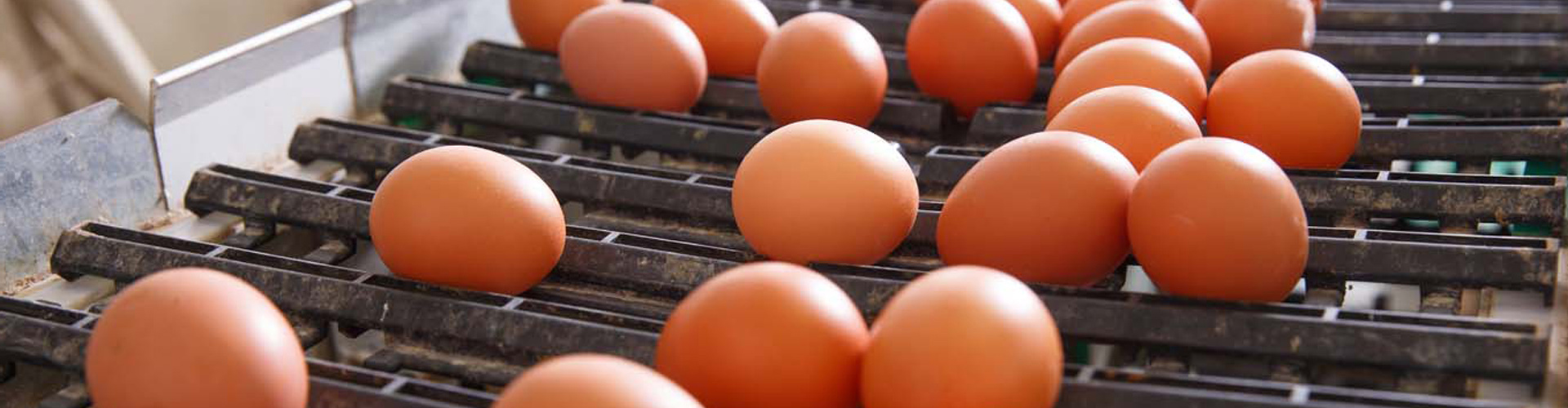
Pellet machine feed size selection improves poultry growth, feed efficiency, equipment performance, and long-term farming profitability across modern commercial production systems.
Practical feeding recommendations help farmers match pellet diameter with poultry age, feed ingredients, production objectives, and automated feeding technology.
Professional comparison tables simplify equipment selection while supporting better nutritional management and reducing unnecessary feed losses during daily operation.
Integrated poultry housing solutions combine intelligent feeding, environmental control, and reliable cage equipment to improve production consistency and flock health.
Commercial engineering experience demonstrates how suitable feed pellets and advanced poultry equipment create sustainable, productive, and cost effective farming projects worldwide.
Get professional poultry farm construction guidance, equipment selection solutions, and the latest price lists, whatsApp to +8618830120193, +2348111199996, or click to learn more.
Why Feed Pellet Size Matters
Feed pellet size is one of the most important factors affecting poultry growth, feed conversion, digestive health, and overall production efficiency.
Even when using premium raw materials and advanced feed processing equipment, selecting an unsuitable pellet diameter can reduce feed intake and increase waste.
Different poultry species and growth stages require different pellet sizes to achieve optimal performance.
For commercial poultry farms, feed management is closely connected with housing equipment.
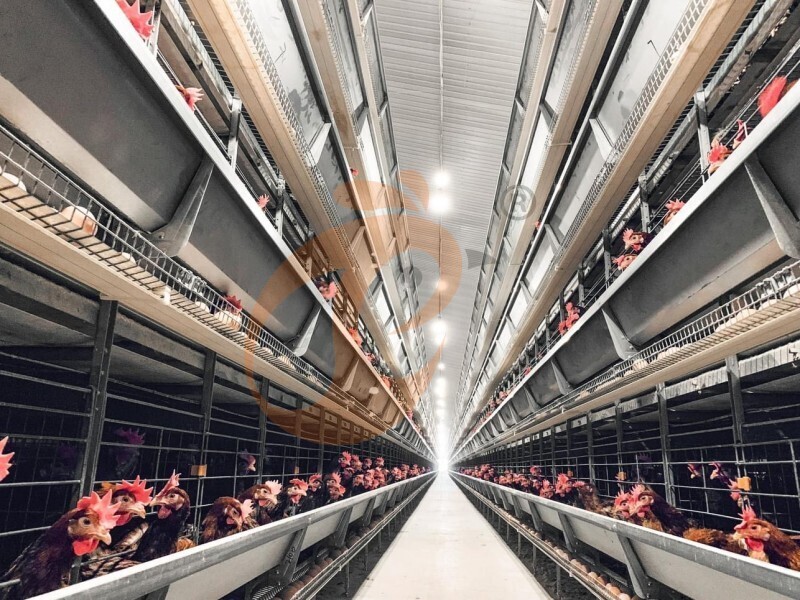
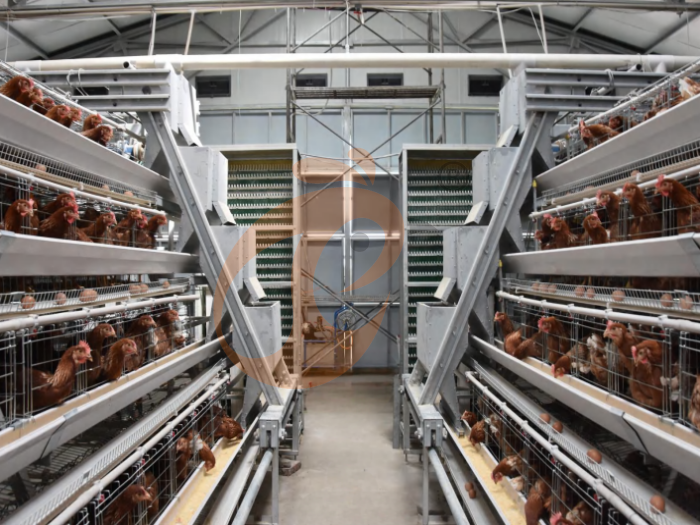
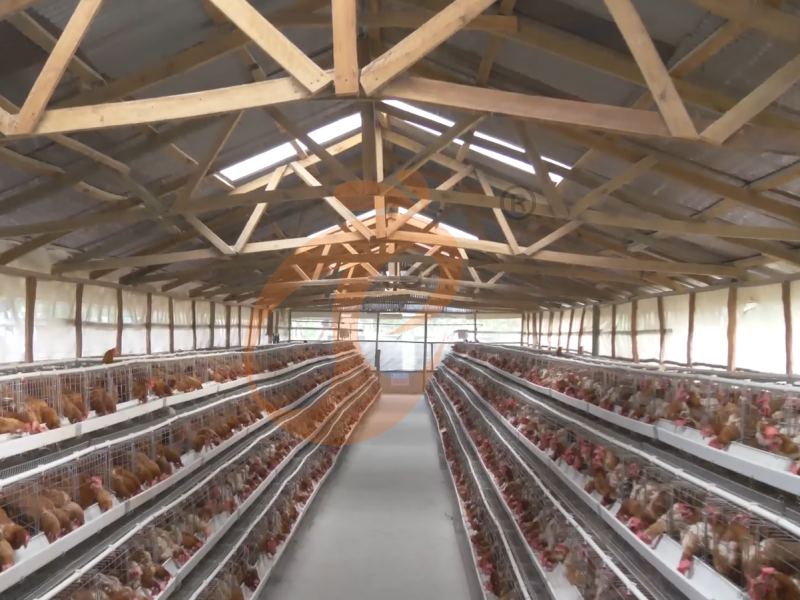
Modern automatic feeding lines installed in advanced chicken cage system, poultry feeding equipment, and automatic poultry farm Equipment are designed to distribute pellets evenly while minimizing segregation and blockage.
Therefore, choosing the correct pellet size benefits not only the birds but also the entire feeding system.
Data is for reference only. Swipe horizontally to view full table.
Why Feed Pellet Size Influences Performance
Pellets that are too large often reduce feed intake among young birds, while excessively small pellets may create unnecessary fines during transportation and automatic feeding.
Scientific studies have shown that suitable pellet sizes can improve feed conversion by approximately 4–8% while reducing feed waste by nearly 6%.
Proper pellet dimensions also improve nutrient uniformity, allowing birds to receive balanced nutrition with every bite.
Modern poultry cage equipment equipped with automatic chain feeders performs more efficiently when pellet sizes remain consistent.
Uniform pellets flow smoothly through feeding channels, reducing mechanical wear and minimizing labor requirements.
Data is for reference only. Swipe horizontally to view full table.
Match Pellet Size With Bird Age
Young chicks have small beaks and immature digestive systems.
Fine pellets encourage early feed intake and help birds develop strong digestive organs.
As birds grow, larger pellets stimulate better gizzard development and reduce feed sorting.
Increasing pellet diameter gradually allows birds to adapt naturally without digestive stress.
Proper feed sizing also supports smoother operation inside automatic feeding systems installed in commercial cage houses.
Data is for reference only. Swipe horizontally to view full table.
Consider Poultry Species
Different poultry species consume feed differently.
Broilers generally prefer larger pellets during finishing because they maximize growth performance.
Layers require medium-sized pellets that support steady nutrient intake throughout long production cycles.
Ducks, breeders, and native chickens also demonstrate different feeding behaviors.
Selecting pellet sizes according to species reduces feed competition, improves flock uniformity, and helps automatic feeding equipment deliver feed more consistently throughout every production house.
Commercial farms integrating automatic poultry cages with intelligent feeding systems can easily adjust feed formulations for different poultry houses while maintaining stable pellet quality and reliable production efficiency.
Understand Pellet Quality
Pellet diameter alone does not determine feeding success.
Pellet hardness, moisture, durability, density, and conditioning quality also influence consumption efficiency.
Excessively hard pellets may reduce intake, while overly soft pellets create dust.
Proper conditioning before pelleting typically keeps moisture around 15.5%, helping maintain pellet integrity during storage, transportation, and automatic feeding.
Uniform pellet quality also reduces mechanical wear inside feed augers and chain feeding systems while improving distribution accuracy across long poultry houses.
Data is for reference only. Swipe horizontally to view full table.
Evaluate Feed Ingredients
Feed formulations containing higher corn levels generally produce stronger pellets, while ingredients rich in fiber may require different die configurations.
Oil content also affects pellet quality.
Excessive oil can reduce pellet hardness, whereas balanced formulations improve durability without sacrificing digestibility.
Protein concentration, starch gelatinization, and mineral composition also influence final pellet structure.
Pellet machine operators should coordinate ingredient selection with die specifications to achieve consistent production efficiency while ensuring smooth transportation through automated poultry feeding systems.
Data is for reference only. Swipe horizontally to view full table.
Match Pellet Size With Automatic Feeding Equipment
Modern poultry farms increasingly use automated feeding systems to reduce labor costs and improve daily management efficiency.
Uniform pellet sizes ensure continuous feed flow through augers, feed hoppers, chain conveyors, and feeding troughs without frequent interruptions.
Consistent pellet dimensions also reduce dust generation and improve feed distribution accuracy.
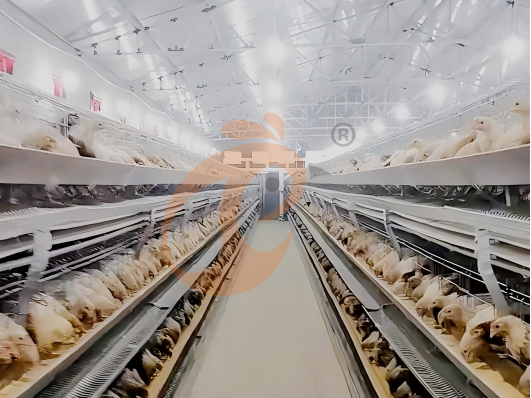
Our h type chicken cage system and a type layer cage system integrate automatic feeding equipment capable of distributing feed evenly across long poultry houses.
Proper pellet sizing minimizes feed separation while reducing equipment maintenance frequency.
Stable feed transportation improves flock uniformity because every cage receives nearly identical feed quantities throughout the production cycle.
Relationship Between Pellet Size And Farm Efficiency
Feed represents approximately 65%–72% of poultry production costs, making feed management one of the most important factors affecting farm profitability.
Even small improvements in pellet size selection can significantly increase production efficiency while lowering unnecessary operating expenses.
Appropriate pellet dimensions reduce rejected feed, improve body weight consistency, shorten broiler growing cycles, and support stable egg production in commercial layer farms.
Better pellet quality also reduces mechanical losses inside automatic feeding systems, creating long-term operational benefits.
Data is for reference only. Swipe horizontally to view full table.
Select The Correct Pellet Mill Die
The pellet mill die directly determines final pellet diameter and production consistency.
Smaller die holes are suitable for starter feeds, while larger dies efficiently produce grower and finisher diets with improved throughput.
Besides die diameter, compression ratio, hole length, and machining precision all influence pellet durability and machine productivity.
Routine inspection and maintenance help maintain stable peet quality while extending die service life and reducing production downtime.
Data is for reference only. Swipe horizontally to view full table.
Combine Feed Size With Complete Poultry Equipment
Cage systems, drinking systems, manure removal equipment, ventilation systems, environmental control equipment, and lighting programs all influence bird feeding behavior and production performance.
Modern poultry farms benefit most from integrated engineering solutions rather than standalone equipment.
Our company supplies complete poultry farming systems, including chicken cage systems, automatic feeding lines, nipple drinking systems, egg collection equipment, manure removal systems, ventilation fans, cooling pads, environmental controllers, and poultry house automation equipment.
Combining high quality feed pellets with intelligent poultry equipment helps reduce labor requirements, improve management efficiency, maintain healthier flocks, and maximize long-term production profitability.
Common Mistakes When Choosing Feed Pellet Size
Many poultry farms continue using a single pellet size throughout every production stage.
This practice often reduces feed efficiency, increases feed waste, and creates uneven bird growth across the flock.
Other common mistakes include ignoring pellet durability, selecting unsuitable die specifications, overlooking feed ingredient characteristics, or failing to match pellet size with automatic feeding equipment.
Continuous monitoring of flock performance and equipment operation helps identify these issues before they reduce farm profitability.
Data is for reference only. Swipe horizontally to view full table.
Frequently Asked Questions
Q1: What pellet size is best for broiler chicks?
A1: Broiler chicks generally perform well with pellets ranging from 1.6 mm to 2.0 mm during the first two weeks.
Smaller pellets improve feed intake, reduce waste, and support early digestive development.
Q2: How does pellet size affect automatic feeding systems?
A2: Uniform pellets flow more smoothly through chain feeders, augers, and feed hoppers.
Consistent pellet diameter can reduce feed separation and help maintain feeding uniformity above 97% under normal operating conditions.
Q3: Should pellet size change during poultry growth?
A3: Yes.
Pellet size should gradually increase as birds grow.
Matching pellet diameter to bird age supports better feed conversion, healthier gizzard development, and more consistent production performance.
Taiyu (HK) Group - One Of China Largest Pellet Machine Manufacturer
Professional pellet machine solutions integrate efficiently with modern poultry farming systems.
Global factory direct supply supports reliable poultry equipment for commercial projects.
Turn-key engineering covers poultry house design, manufacturing, installation, and commissioning.
Complete poultry equipment includes cage systems, feeding, drinking, ventilation, and manure handling.
Technical engineering teams provide customized solutions for farms across worldwide markets.
Contact Us To Received Your Customized Poultry Farm Plan
Headquarters And Branchs

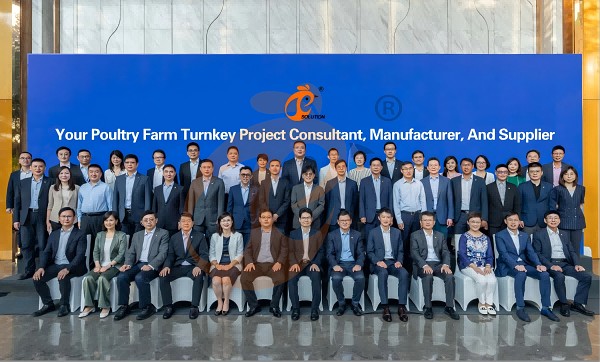
Hong Kong Headquarter Management Team
Hong Kong Headquarter Taiyu Industrial Group CO., LTD
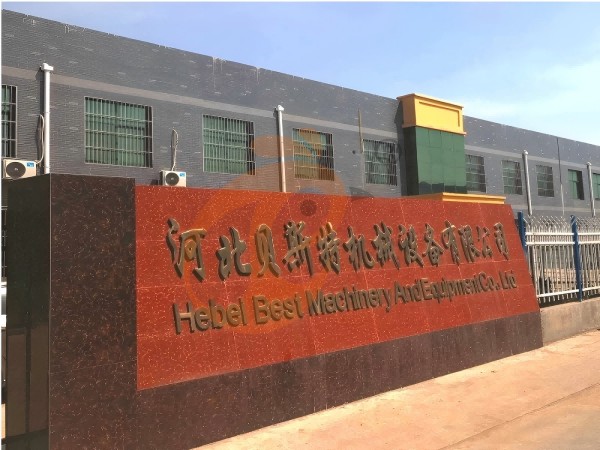
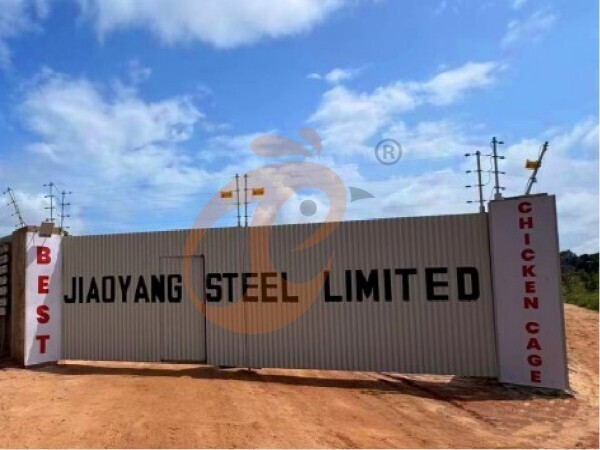
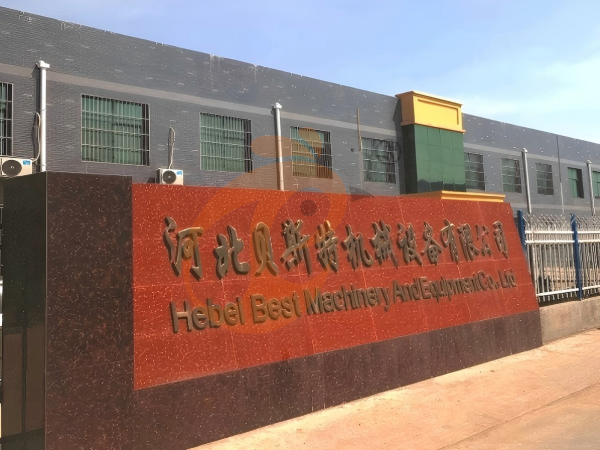
China Hebei Best Machinery And Equipment CO., LTD
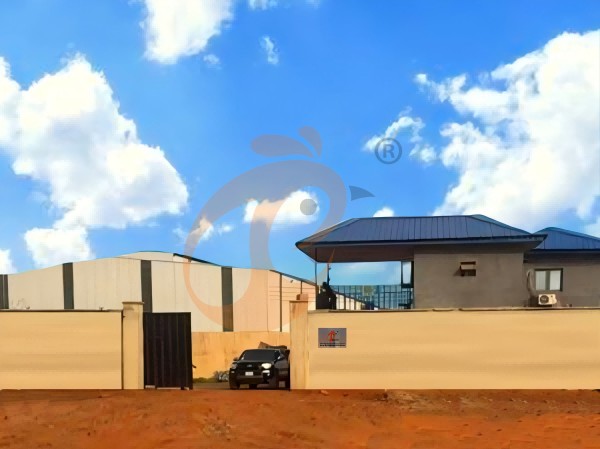
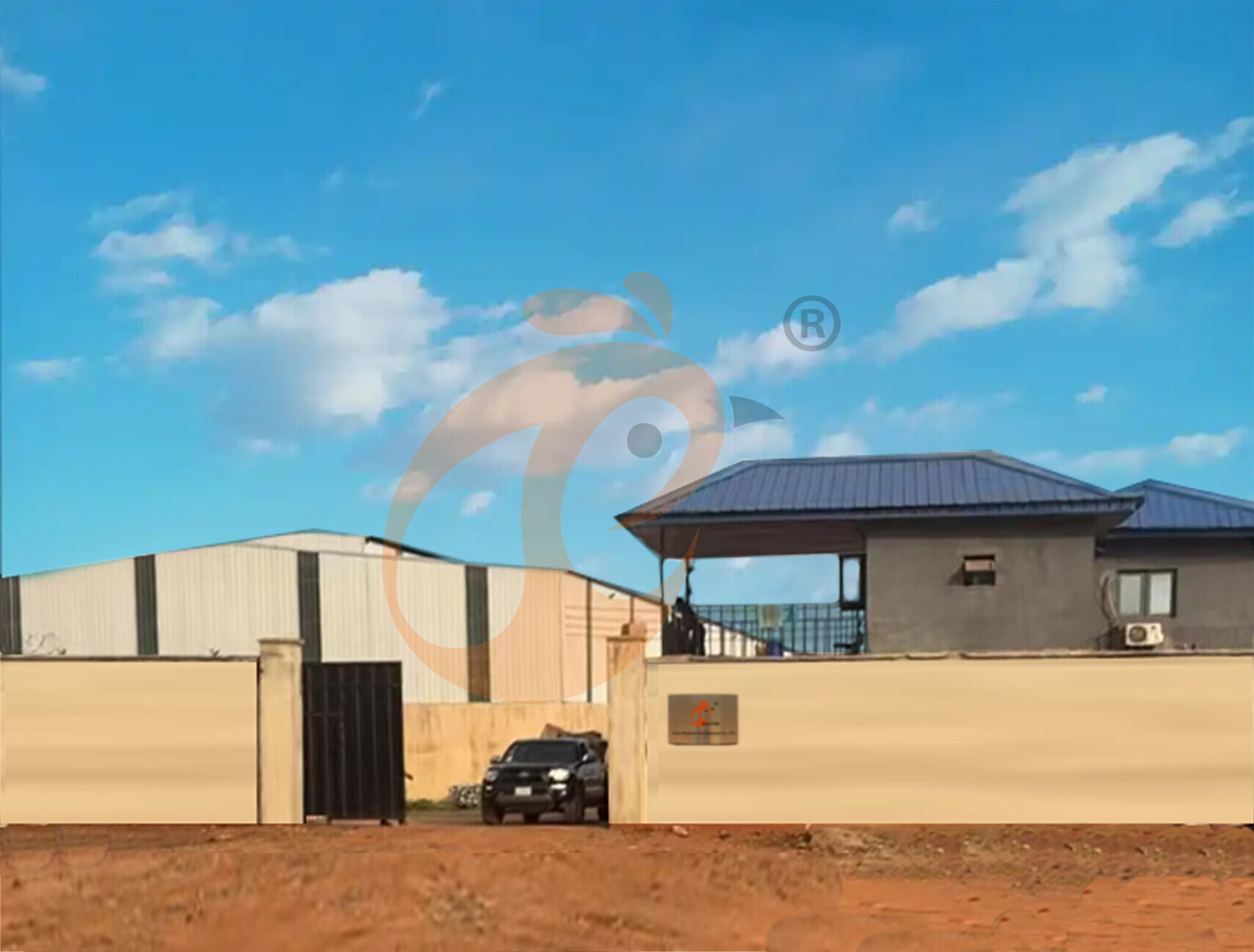
Nigeria Vanke Machinery And Equipment CO., LTD
Tanzania Best Machinery And Equipment CO., LTD
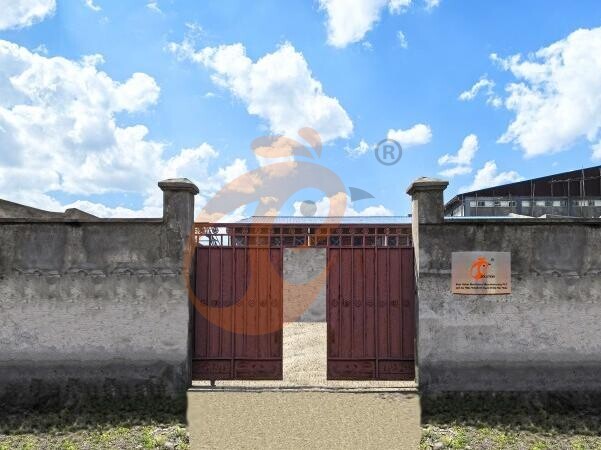
Ethiopia Best Hebei Machinery Manufacturing PLC

Reception /24 WhatsApp NO. : +8618830120193
FAQ
What Feeding System Standards Are Required For Pellet Machine In Poultry Chicken Feed Production Lines?
Feeder capacity is designed at 1.2–2.5 tons per hour depending on raw material density.
Flow consistency deviation is maintained within ±2% for uniform pellet quality output.
What Maintenance And Wear Part Replacement Standards Apply To Pellet Machine?
Bearing replacement intervals typically occur every 12–18 months under continuous operation.
Gearbox oil change frequency is maintained at 1000–1500 operating hours for system reliability.
What Safety Protection Systems Are Integrated In Pellet Machine For Poultry Chicken Feed Production?
Emergency stop response time is maintained within 0.5–1.0 seconds for operational safety.
Vibration monitoring limits are set at 4.5–6.0 mm/s to prevent mechanical failure.
- poultry equipment
- chicken cage
- layer cage
- poultry farm
- feeding equipment
- poultry cage
- poultry farm
- poultry farm equipment
- poultry farm construction
- layer cage system
- automatic poultry cage
- poultry feeding equipment
- poultry cage equipment
- poultry feeding system
- automatic feeding system
- layer farm
- poultry house
- chicken cage system
- automatic poultry farm equipment
- poultry farming system
- poultry housing equipment
- automatic poultry farm
- automated poultry feeding
- poultry house design
- poultry house automation
- automatic feeding equipment
- Ethiopia
- Nigeria
Message
Products recommended
 HK Headquarter Offers EU-standard Poultry Farm Solutions, Manufacture Poultry Farm Equipment1. Continuous communication with the EU and the US
2. China, Nigeria, Ethiopia, Tanzania branch companies and factories
3. The products’ quality is customized for local poultry farms
4. Poultry cage and poultry farm equipment stock for sale
5. 24 online reception Whatsapp NO. : +8618830120193,contact us to get full informationRead More China Branch Offer Poultry Farm Business Plan, Manufacture Poultry Farm Equipment1. Address: Flat/RM 2416, 24/F, Runxing Building, Youyi Nan Street, Shijiazhuang City, Hebei Province, China
2. Poultry cage and poultry farm equipment factory and stock for sale
3. Customized for local poultry farms
4. Quality and design are based on Euro
5. 24 online reception Whatsapp NO. : +8618830120193Read More Nigeria Branch Offer Poultry Farm Business Plan, Manufacture Poultry Farm Equipment1. Address: After Sinoma Office, 200 Meters Near Danco Filling Station, Lagos/Ibadan Expressway, Lagos State, Nigeria
2. Poultry cage and poultry farm equipment factory and stock for sale
3. Customized for Nigerian poultry farms
4. Quality and design are based on Euro
5. 24 online reception Whatsapp NO. : +8618830120193Read More Ethiopia Branch Offer Poultry Farm Business Plan, Manufacture Poultry Farm Equipment1. Address: Gelan Gura, Akaki-kaliti Sub City, Addis Ababa, Ethiopia
2. Poultry cage and poultry farm equipment stock for sale
3. Customized for Ethiopian poultry farms
4. Quality and design are based on Euro
5. 24 online reception Whatsapp NO. : +8618830120193, contact us to get price listRead More Tanzania Branch Offer Poultry Farm Business Plan, Manufacture Poultry Farm Equipment1. Address: No.8, Sova Road, Msufini, Mlandizi, Kibaha, Pwani, Tanzania
2. Poultry cage and poultry farm equipment factory and stock for sale
3. Customized for Tanzanian poultry farms
4. Quality and design are based on Euro
5. 24 online reception Whatsapp NO. : +8618830120193Read More Fully Automatic H Type Layer Chicken Cage1. 30,000-100,000+ layers/house chooses it, Poultry farmers can achieve an egg production rate of 96-98%
2. A significant improvement over the 85-90% typically seen in manual systems
3. A typical poultry farm can expect a 30-40% reduction in labor costs due to the automation
4. Each feeding line efficiently supplies feed to around 100,000 hens per 30 mins
5. Reception /WhatsApp NO. : +8618830120193Read More Fully Automatic A Type Layer Chicken Cage1. 10,000-50,000 layers/house chooses it
2. Cleaner egg collection reduces breakage by 0.5%
3. Improved hygiene helps reduce mortality rate to <3%
4. 1–2 technicians can handle 15,000–30,000 birds
5. Reception /WhatsApp NO. : +8618830120193Read More Semi Automatic H Type Layer Chicken Cage1. 1,00-20,000 layers/house chooses it
2. Nipple drinkers flow 30–60 ML / min
3. Hot-dip galvanized (typical coating ≥ 275 g/m²)
4. Reduce ammonia by ~ 35–40%
5. Reception /WhatsApp NO. : +8618830120193Read More Semi Automatic A Type Layer Chicken Cage1. 1,00-20,000 layers/house chooses it, no rust for 10 years, no deformation for 15 years
2. Chickens live comfortably, you can raise them with peace of mind
3. Save water, save money—efficiency you can measure
4. Improve environment quality, and increase egg production rate
5. Reception /WhatsApp NO. : +8618830120193Read More

By clicking 'Allow All', you agree to the storage of cookies on your device to enhance site navigation, analyze site usage and assist with our marketing efforts.